The Science of Diamonds: Beauty, Strength and Modern Research
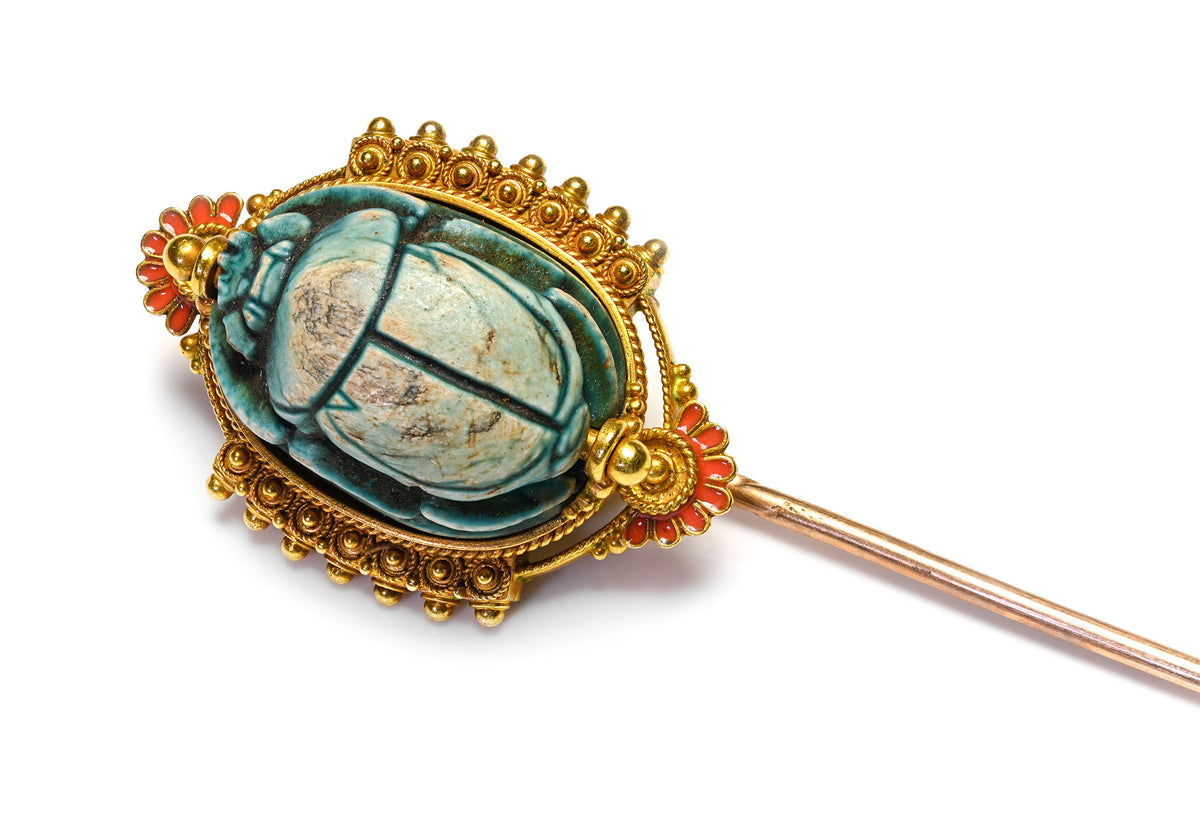
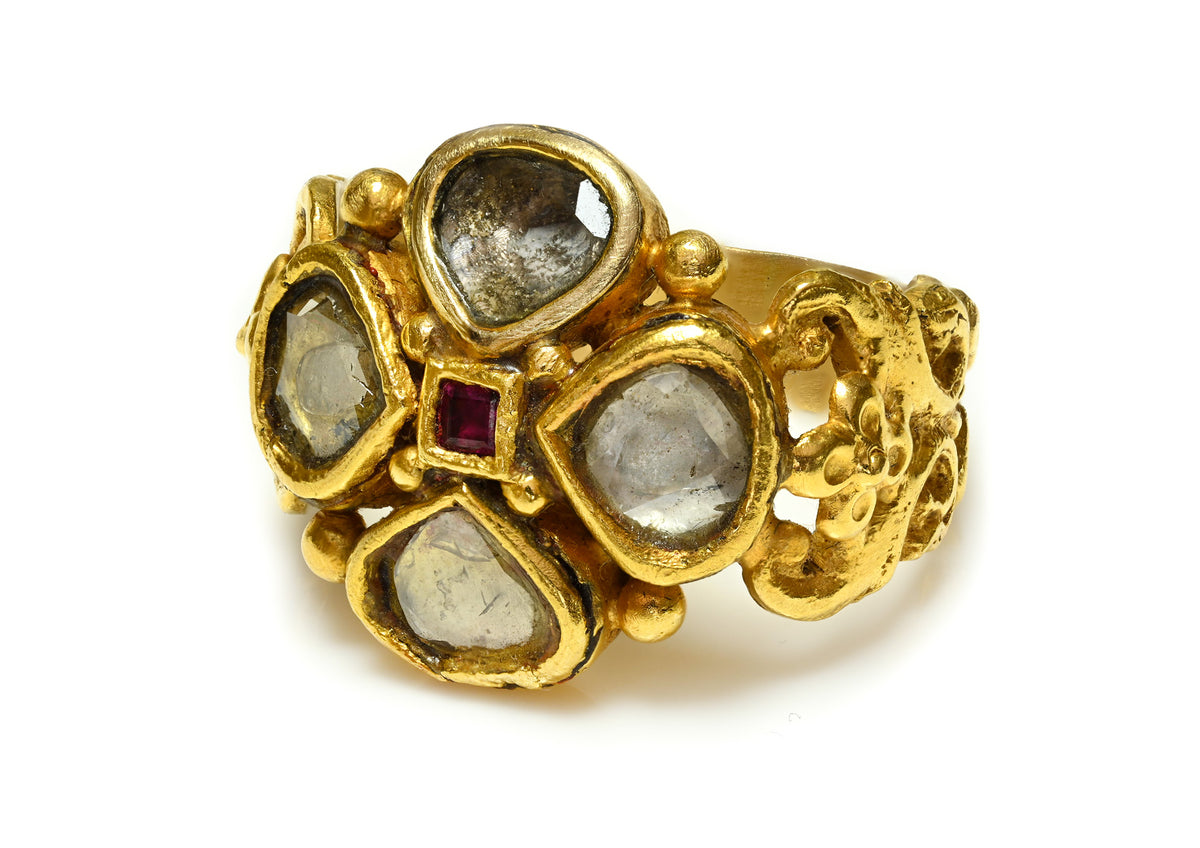
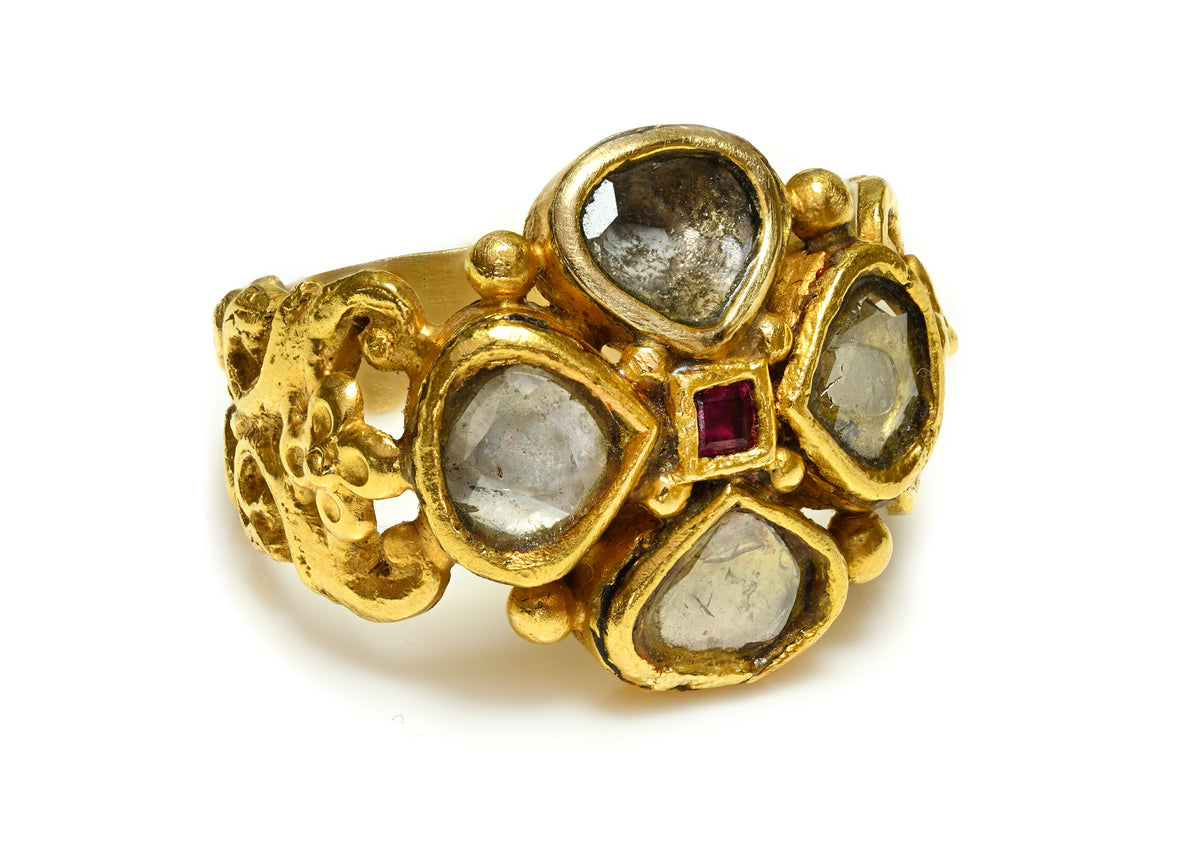
Diamonds connect the worlds of nature, luxury, history, technology, and science. They have shaped royal jewels, antique settings, Art Deco designs, signed designer pieces, engagement rings, and museum-worthy collections. In jewelry, diamonds represent beauty, endurance, craftsmanship, and history, from antique diamond rings and brooches to vintage diamond earrings, necklaces, and bracelets to rare signed designer pieces.
At the same time, diamond materials continue to inspire researchers working in medicine, imaging, electronics, and quantum science. Today, scientists study diamond-based materials, nanodiamonds, synthetic diamond films, and diamond-like carbon for possible uses in medical devices, imaging, drug delivery, quantum technology, electronics, water treatment, and advanced protective coatings.
These studies do not mean that wearing a diamond offers medical benefits. Rather, they show how one of nature’s most admired materials continues to influence both luxury jewelry and modern scientific innovation.

Illustrative nanodiamond image created for DSF Antique Jewelry.
Discover the Scientific Research on the Benefits of Diamonds
1. Diamonds and Advanced Technology
Diamond is one of the hardest natural materials known, but its importance in science goes far beyond hardness. Diamond has exceptional thermal conductivity, chemical stability, and electrical insulating properties. These qualities have made diamond-based materials interesting for electronics, sensors, protective coatings, and high-performance technologies.
In certain applications, synthetic diamond and diamond coatings are studied for their ability to manage heat, resist wear, and protect sensitive components. This is especially important in industries where durability, precision, and stability matter.
2. Diamond Materials and Electromagnetic Interference
In our era of constant connectivity, electromagnetic interference can affect sensitive electronic systems, medical devices, aerospace technology, and communication equipment. Because of their thermal and dielectric properties, certain diamond-based materials and coatings are being explored for advanced electronic and protective applications.
This is one reason diamond continues to attract attention beyond jewelry. The same material admired for strength and brilliance can also be studied for performance in demanding technological environments.
3. Nanodiamonds and Biomedical Research
Nanodiamonds are extremely small diamond particles studied for potential biomedical use. Because of their surface chemistry, stability, and possible biocompatibility, researchers have explored nanodiamonds for drug delivery, biosensing, imaging, and other medical applications.
One of the most discussed areas is targeted drug delivery. Scientists are studying whether nanodiamonds can help carry therapeutic agents more precisely inside the body, including in cancer-related research. This does not make diamonds a cure, but it does show why diamond-based materials are taken seriously in medical science.
4. Diamond-Based Materials and Wound Healing Studies
Some research has explored diamond-based materials and coatings in connection with wound healing, tissue support, and antibacterial surfaces. These studies usually involve engineered diamond materials, not gemstone diamonds used in jewelry.
The interest comes from the way certain diamond-like surfaces may interact with cells, resist contamination, or support medical-device applications. This area remains highly technical, but it shows how diamond materials may contribute to future biomedical design.
5. Imaging, Biosensing and the Biological World
Diamond materials can also be useful in imaging and sensing. Fluorescent nanodiamonds and diamond defects known as nitrogen-vacancy centers are studied because they can respond to magnetic fields, temperature, and other physical changes.
These properties make them valuable in quantum sensing and biomedical research. In the future, diamond-based sensors may help researchers observe biological processes with high sensitivity and stability.
6. Diamond Coatings and Antibacterial Surfaces
In medicine, one ongoing challenge is reducing bacterial growth on implants, prosthetics, and medical surfaces. Researchers have studied diamond-like carbon coatings and related materials for their wear resistance, biocompatibility, and potential antimicrobial properties.
This is another area where diamond science becomes practical. The goal is not ornament, but protection, durability, and safer surfaces.
7. Diamond Electrodes and Neural Interfaces
Diamond-based electrodes are also being explored in neuroscience and neural-interface research. Because certain diamond materials can be stable, conductive when engineered properly, and relatively biocompatible, they may have potential in devices that interact with the nervous system.
This field is still developing, but it shows how diamond materials may play a role in future medical devices, brain-machine interfaces, and advanced bioelectronics.
8. Diamonds and Quantum Computing
One of the most exciting areas of diamond research is quantum technology. Nitrogen-vacancy centers in diamond are studied as quantum systems because they can be manipulated and measured in ways useful for quantum sensing and, potentially, quantum information science.
Diamond may not be the only material being explored for quantum technology, but it remains one of the most important solid-state platforms in this field.
9. Diamonds and Water Purification Research
Diamond-based materials have also been studied in water purification and environmental technology. Boron-doped diamond electrodes, for example, are researched for their ability to help break down certain pollutants through advanced electrochemical processes.
This is another example of how diamond’s stability and unusual material properties can be used outside jewelry.

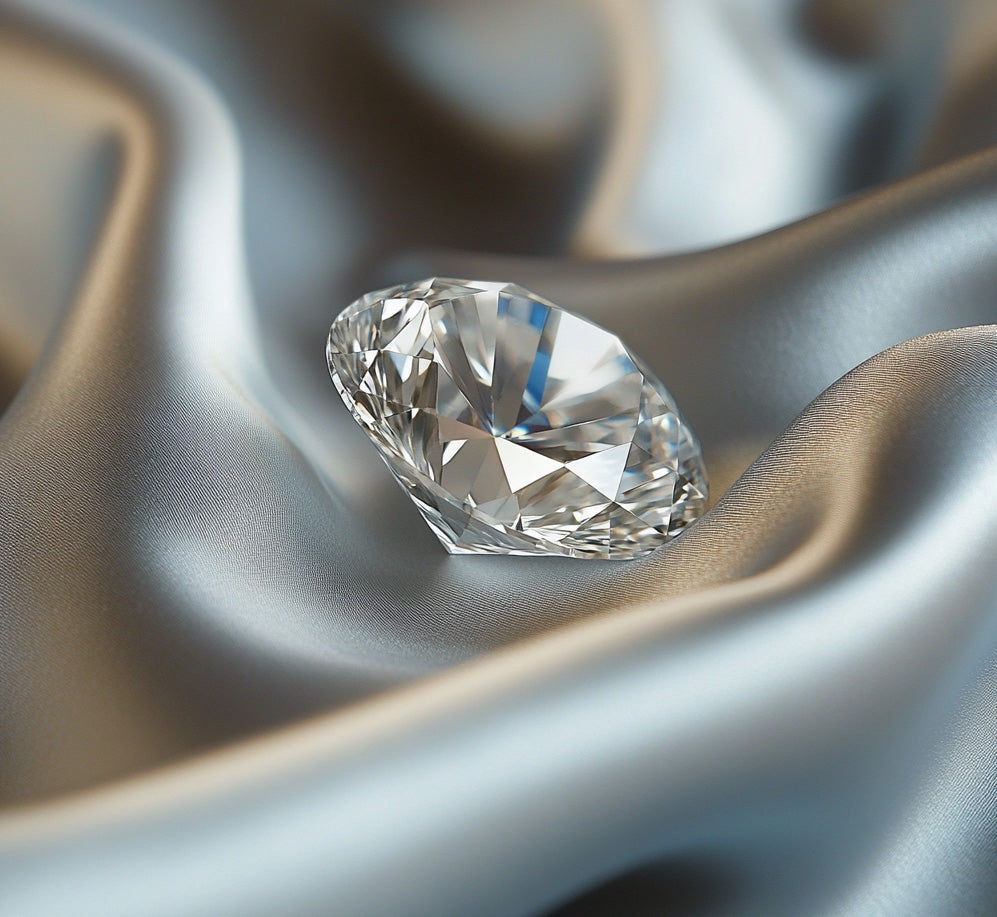
Illustrative diamond image created for DSF Antique Jewelry.
Why This Matters to Jewelry Collectors
For jewelry collectors, these scientific discoveries add depth to the story of diamonds. A diamond ring, brooch, bracelet, necklace, or pair of earrings is admired first for its beauty, design, rarity, condition, and craftsmanship. But the material itself is also remarkable.
Diamonds have appeared in royal jewels, antique settings, Art Deco jewelry, signed designer creations, engagement rings, and rare estate collections. Their durability and brilliance make them one of the most meaningful gemstones in jewelry history.
At DSF Antique Jewelry, diamonds are appreciated not only as precious gemstones, but also as part of a larger story of authenticity, craftsmanship, rarity, and collecting. Collectors may also value diamond jewelry accompanied by professional gemstone reports and jewelry documentation, especially when evaluating important stones, signed pieces, and rare estate jewels.
Whether set in platinum Art Deco designs, antique gold settings, signed designer pieces, or rare estate jewels, diamonds remain among the most captivating materials in the world.
Illuminating the Path Forward
As scientific research continues, diamonds remain connected to both beauty and innovation. They are treasured in fine jewelry for their brilliance and symbolism, while diamond-based materials continue to inspire new possibilities in medicine, imaging, electronics, environmental technology, and quantum science.
In the world of jewelry, diamonds remain symbols of permanence, refinement, and history. In the world of science, they continue to offer new pathways for discovery. Together, these two stories make diamonds one of the most fascinating materials ever found in nature.
Explore DSF Antique Jewelry’s fine jewelry collection to discover antique, vintage, estate, and signed pieces selected for beauty, craftsmanship, condition, and collector appeal.