How to Choose an Engagement Ring: A Complete Buying Guide
Choosing an engagement ring is one of the most personal jewelry decisions a person can make. Beauty matters, of course, but so do proportion, craftsmanship, gemstone quality, setting, metal, condition, documentation, ring size, and—perhaps most importantly—the personality and lifestyle of the person who will wear it.
For some couples, the ideal engagement ring is a classic diamond solitaire. Others are drawn to sapphires, rubies, emeralds, unusual diamond cuts, signed designer rings, or one-of-a-kind antique and vintage designs. There is no single formula for the perfect ring.
Understanding a few fundamentals before beginning the search can make the process considerably easier. This guide explains what to consider when choosing an engagement ring, from settings and the diamond 4Cs to colored gemstones, precious metals, sizing, documentation, and the distinctive qualities of older rings.
You can also explore engagement rings currently available at DSF Antique Jewelry.
Start With the Person, Not the Diamond
Before thinking about carat weight or clarity grades, consider the person who will actually wear the ring.
Look at the jewelry they already choose. Do they prefer yellow gold, white metals, or rose gold? Are their favorite pieces understated or bold? Do they gravitate toward geometric Art Deco designs, romantic antique jewelry, modern minimalism, colored gemstones, or classic diamond jewelry?
Lifestyle matters as well. Someone who works frequently with their hands may prefer a lower-profile design or a particularly protective setting. A person who enjoys dramatic jewelry may appreciate a larger gemstone, unusual shape, sculptural mounting, or distinctive period design.
There is also no requirement that an engagement ring contain a diamond. Diamonds remain a traditional choice because of their durability and brilliance, but sapphires, rubies, and certain other gemstones can create extraordinary engagement rings.
The best engagement ring should feel connected to the person wearing it rather than simply following a trend.
Set a Budget Before Comparing Rings
An engagement ring should be selected according to personal priorities and financial comfort. Traditional formulas suggesting that a buyer should spend a particular number of months' salary are marketing conventions, not rules.
Establishing a comfortable range at the beginning makes it easier to compare the characteristics that matter most.
One buyer may prioritize an exceptional center stone. Another may value a signed designer mounting, an antique setting, unusual provenance, a rare colored gemstone, or exceptional craftsmanship.
With older and one-of-a-kind jewelry, price can reflect considerably more than gemstone weight alone. Period, maker, rarity, design, condition, craftsmanship, documentation, and collectibility can all contribute to the character and value of a ring.

Understand Engagement Ring Settings
The setting is the structure that holds and presents the center diamond or gemstone. It affects not only appearance but also security, profile, wearability, and how much light reaches the stone.
Solitaire Setting
A solitaire places a single diamond or gemstone at the center of the design. Its simplicity keeps attention on the stone and makes it one of the most recognizable engagement-ring styles.
Solitaire mountings can vary considerably. Some are delicate and low-profile; others lift the stone higher above the finger. Prong number, basket construction, gallery design, and band proportions can all change the appearance of a solitaire.
Prong Setting
Prongs, sometimes called claws, hold the gemstone at several points around its perimeter.
Because relatively little metal covers the stone, a prong setting can expose more of the gemstone to light and make its outline particularly visible. Four- and six-prong arrangements are common for round diamonds, although the appropriate configuration depends on the stone and design.
Prongs should always be examined for wear, particularly on vintage and antique rings.
Bezel Setting
In a bezel setting, metal surrounds all or part of the gemstone's perimeter.
Bezels can provide excellent protection and create a clean, architectural appearance. They can be especially appealing for active wearers or for gemstones whose edges benefit from additional protection.
Bezel settings are not exclusively modern. Beautiful bezel and rub-over settings can also be found in historical jewelry.
Halo Setting
A halo surrounds the center stone with smaller diamonds or gemstones.
The surrounding stones can increase the visual presence of the center stone and introduce additional brilliance, color, or contrast. Halo designs appear in contemporary jewelry as well as many historical styles, including cluster rings from earlier periods.
Pavé Setting
Pavé uses numerous small diamonds set closely together so that relatively little metal is visible between them.
It can add brilliance to the shoulders or band without competing with the center stone. Because pavé involves many small stones and tiny areas of metal, condition and stone security are important considerations when examining an older ring.
Channel Setting
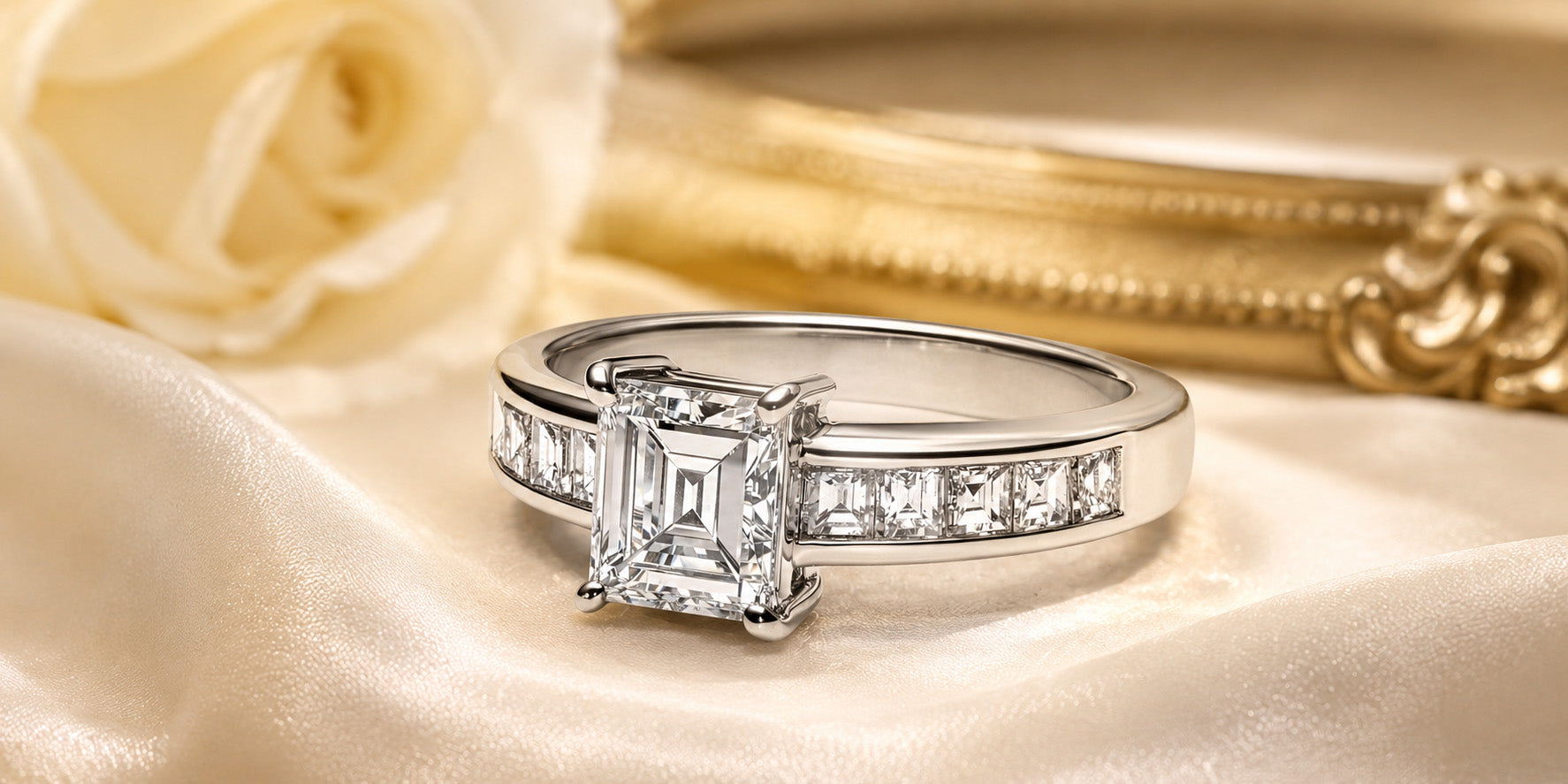
Channel-set stones sit between two parallel walls of metal, often along the shoulders or band.
Because individual prongs are not required between each stone, channel settings can create a smooth, continuous line of diamonds or colored gemstones.
Cathedral Setting
A cathedral setting uses raised shoulders that sweep upward toward the center stone.
The resulting architecture can give a diamond or gemstone greater prominence and create an elegant profile when viewed from the side.
Three-Stone and Multi-Stone Rings
Three-stone engagement rings typically feature a dominant center stone accompanied by two side stones. Side stones can be diamonds or contrasting colored gemstones and may be cut in matching or complementary shapes.
Antique and vintage rings also offer many configurations that do not fit modern categories neatly. Cluster rings, toi et moi designs, target rings, bombe rings, gypsy-set rings, and elaborate period mountings can all serve beautifully as engagement rings.
Understanding the Diamond 4Cs
When choosing a diamond, four characteristics provide a standardized framework for discussing quality: carat weight, clarity, color, and cut.
They should be considered together rather than individually. A diamond with a very high grade in one category is not automatically more beautiful or desirable than another diamond with a different balance of characteristics.
Carat Weight
Carat measures a diamond's weight, not its physical diameter.
One metric carat equals 0.2 grams and is divided into 100 points. Two diamonds with identical carat weights can appear different in size when viewed from above because their proportions, shapes, and cutting styles differ.
This distinction is important when comparing engagement rings. A well-proportioned diamond may present itself very differently from another stone of identical weight.
Clarity
Clarity evaluates internal characteristics known as inclusions and external characteristics known as blemishes.
Diamonds form under extraordinary natural conditions, and many contain characteristics created during their formation. Their size, number, nature, position, and visibility help determine a clarity grade.
Higher clarity does not necessarily mean that a diamond will look dramatically different to the unaided eye. Depending on the stone, inclusions may be difficult or impossible to see without magnification.
When comparing diamonds, consider the appearance of the individual stone rather than choosing solely by a clarity abbreviation.
Color
Diamond color and clarity are separate characteristics.
For diamonds in the traditional D-to-Z range, color grading evaluates the relative absence of color. The scale begins at D, representing colorless, and continues through increasing degrees of yellow or brown coloration toward Z.
Subtle differences between neighboring color grades can be difficult for an untrained observer to detect, and a diamond's appearance can also be influenced by its setting, surrounding stones, lighting, and metal color.
Fancy-color diamonds are evaluated differently from diamonds on the D-to-Z scale.
Cut
Cut is one of the most important contributors to the visual performance of a diamond.
It concerns how effectively a diamond's proportions and facet relationships interact with light, influencing brightness, fire, scintillation, and overall appearance.
Do not confuse cut with shape. Round, oval, pear, emerald, cushion, marquise, and heart describe shapes or outlines. Cut quality concerns how the facets and proportions work together.
Older diamonds also deserve to be understood within their historical context. Old mine cuts, old European cuts, rose cuts, and transitional diamonds were fashioned differently from today's precision-cut stones. Their broader facets, visible culets, distinctive proportions, and individual asymmetry can produce a very different—and highly appealing—character.

Choosing a Diamond Shape
Shape has an enormous influence on the personality of an engagement ring.
Round diamonds are known for brilliance and versatility.
Oval diamonds offer an elongated outline and can appear visually larger relative to their weight.
Cushion cuts combine a soft square or rectangular outline with rounded corners and are particularly associated with both historical and contemporary jewelry.
Emerald cuts emphasize clarity, geometry, and broad flashes of light rather than the scintillation associated with brilliant cuts.
Pear shapes combine rounded and pointed elements and can create an elegant elongated effect.
Marquise diamonds have a distinctive elongated form with pointed ends.
There is no universally superior shape. The best choice depends on personal taste, the individual stone, and the setting in which it will be worn.
Diamond Reports and Documentation
For an important diamond, an independent gemological report can provide valuable information.
A laboratory report may document characteristics such as carat weight, measurements, color, clarity, and other observations relevant to the particular stone and report type.
A report should not be confused with an appraisal. A grading or identification report describes gemological characteristics; an appraisal generally addresses monetary value for a particular purpose.
Not every engagement ring requires laboratory documentation, particularly when dealing with smaller stones or certain antique pieces. However, documentation becomes increasingly important when gemstone identity, treatment, origin, or significant diamond characteristics materially affect the purchase.
DSF notes gemstone reports and supporting documentation in individual listings when they are available. Buyers can learn more through our Jewelry Authenticity & Collector Education Guide.
Engagement Rings With Colored Gemstones
Diamonds are only one possibility.
Colored gemstone engagement rings have a long history and can offer extraordinary individuality. Sapphires are particularly popular because corundum—the mineral family that includes sapphire and ruby—is highly durable and well suited to jewelry.
Sapphire Engagement Rings
Blue sapphire is the classic choice, but sapphires occur naturally in many colors.
For important sapphires, factors such as color, origin, treatment status, cut, clarity, size, and laboratory documentation may affect desirability. Statements such as “unheated” or claims of geographic origin should be supported appropriately when they materially contribute to a stone's significance.
Ruby Engagement Rings
Ruby offers intense color and exceptional historical associations. Fine rubies can be extremely rare, and treatment status, origin, color, clarity, and documentation can become important considerations for significant examples.
Emerald Engagement Rings
Emeralds are admired for their unmistakable green color and individual internal character.
They require more thoughtful wear than diamonds or sapphires because emeralds can contain fissures and may be more vulnerable to impact. Treatment is also common in emeralds, making accurate representation and documentation particularly important for valuable stones.
Other gemstones can also make compelling engagement rings, but suitability for frequent wear should always be considered. Hardness alone does not tell the entire story; toughness, cleavage, setting style, and lifestyle matter as well.
Choosing the Metal
The metal influences color, durability, weight, maintenance, and the overall appearance of an engagement ring.
Platinum
Platinum has long been associated with important diamond jewelry, particularly during the Edwardian and Art Deco periods. Its naturally white appearance complements diamonds and colored gemstones beautifully.
It is dense, durable, and well suited to intricate settings, although it develops its own surface patina with wear.
Yellow Gold
Yellow gold offers warmth and has been used in jewelry for centuries.
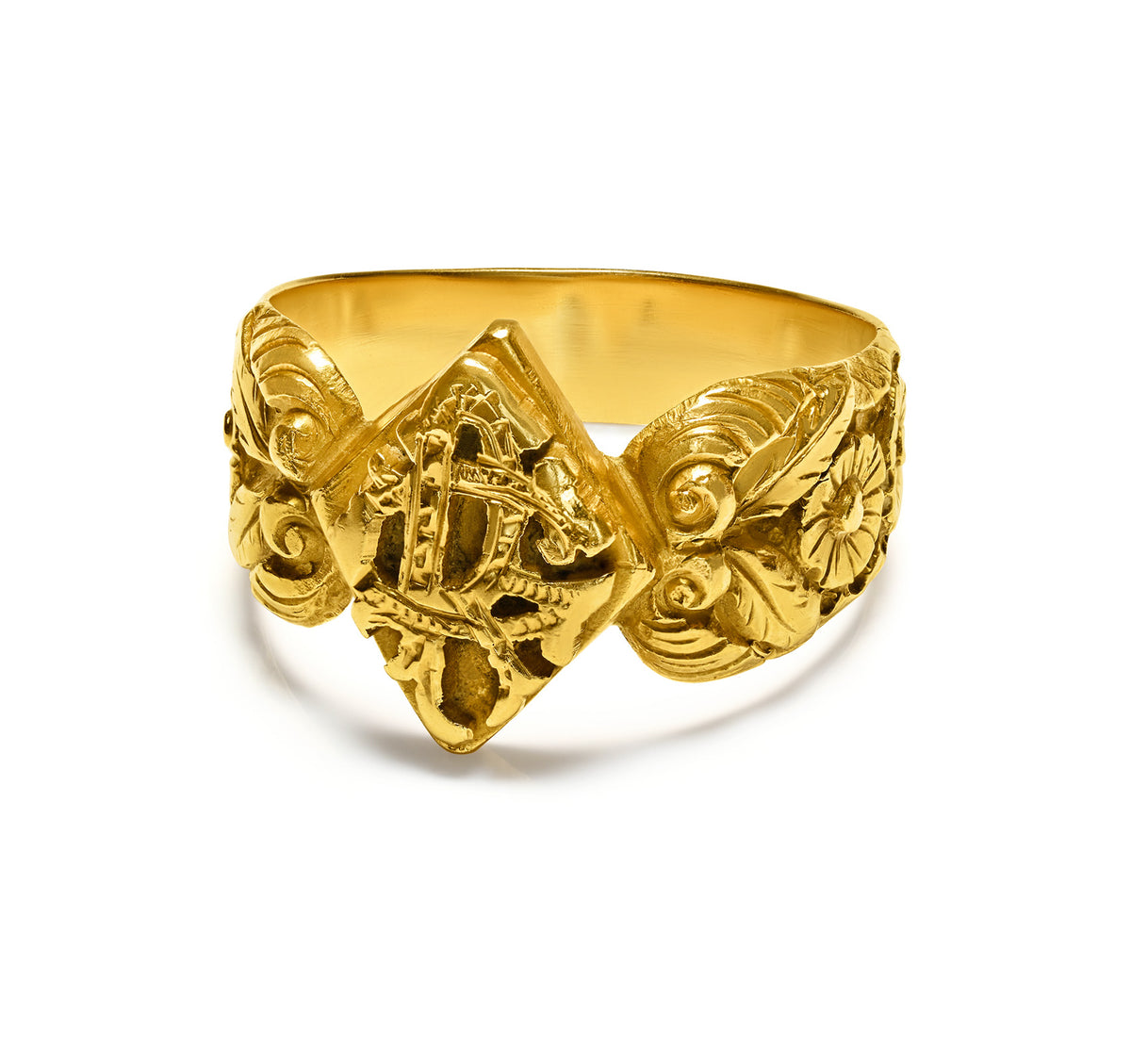
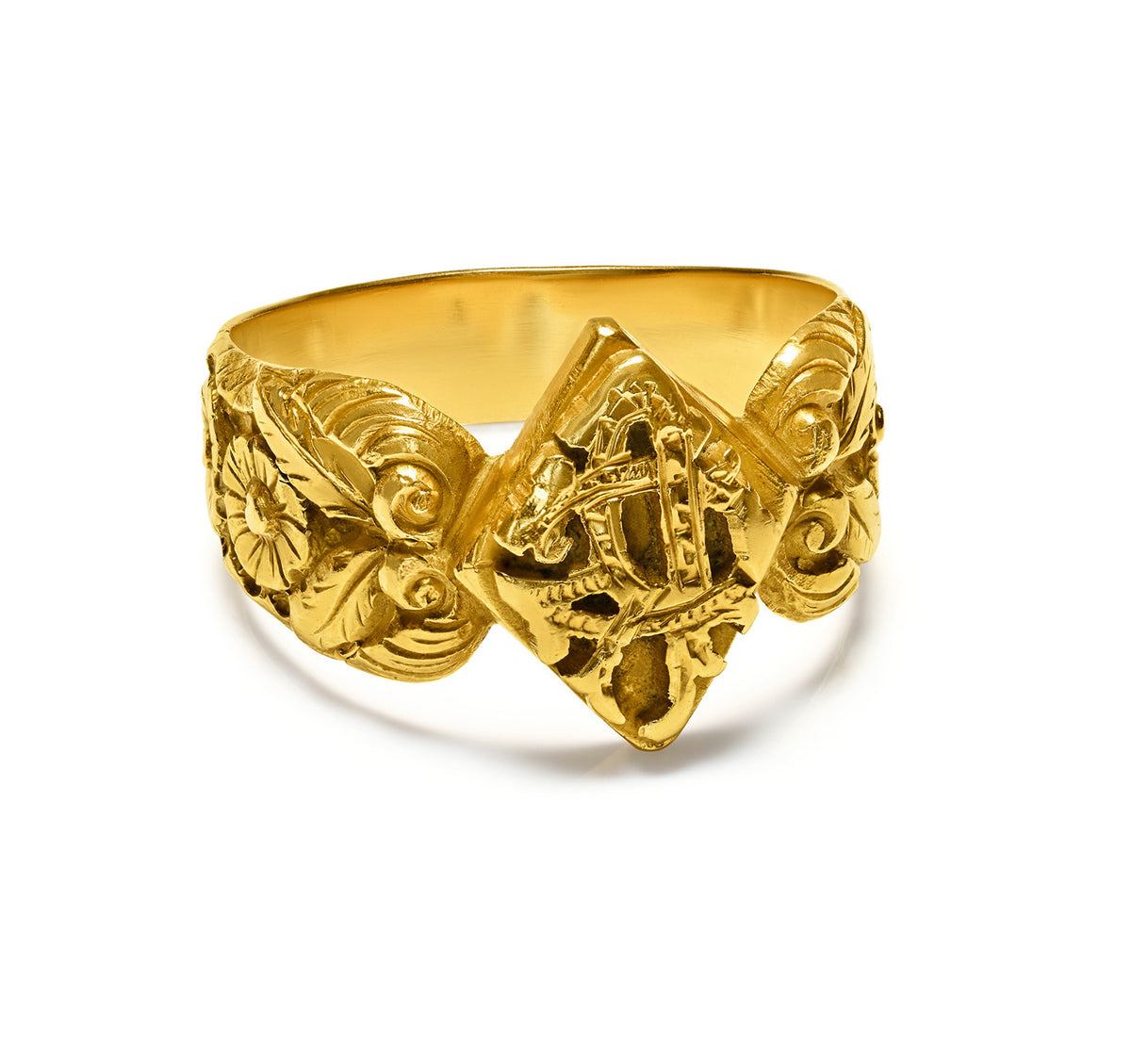
It can create striking contrast with colorless diamonds and pairs naturally with many colored gemstones. Antique yellow-gold engagement rings can also offer wonderful hand engraving, repoussé work, unusual shoulders, and period details that are difficult to reproduce convincingly today.
White Gold
White gold provides a bright, pale-metal appearance and is widely used in modern fine jewelry. Its precise color and maintenance requirements depend on the alloy and finish.
Rose Gold
Rose gold receives its warm pinkish tone from the composition of its alloy. It can complement diamonds as well as gemstones such as sapphires, rubies, and certain colored diamonds.
Rather than choosing metal according to rigid rules about skin tone, consider what the wearer already enjoys. Someone who consistently wears yellow gold may be happiest with a yellow-gold engagement ring regardless of conventional styling advice.
Ring Size and Resizing
Correct sizing matters, but it can be difficult to determine discreetly when the proposal is intended as a surprise.
If possible, use a ring the recipient already wears on the correct finger as a reference. Keep in mind that fingers on opposite hands may differ in size.
It is also important to consider whether the engagement ring can be resized at all.
Simple bands and many solitaire rings can often accommodate sizing adjustments. Eternity bands, heavily pavé-set rings, engraved bands, rings with stones extending around the shank, and certain antique constructions can be substantially more difficult—or inappropriate—to resize.
Never assume that an older or signed designer ring can be altered safely. Resizing can affect hallmarks, inscriptions, signatures, proportions, stone security, and collector value.
For a specific DSF ring, contact us before purchase if sizing is an important consideration.

Why Consider an Antique or Vintage Engagement Ring?
For buyers who want something individual, an antique or vintage engagement ring offers qualities that can be difficult to find in newly manufactured jewelry.
Older rings may feature hand-cut diamonds, hand engraving, pierced platinum work, unusual gemstone combinations, distinctive proportions, or techniques characteristic of a particular era.
Victorian rings can be romantic, symbolic, and richly detailed. Edwardian jewelry is often associated with delicate platinum and diamond work. Art Deco rings frequently feature geometry, strong contrast, architectural settings, and combinations of diamonds with sapphires, emeralds, rubies, or onyx.
Older diamonds also have a different visual character. An old mine-cut or old European-cut diamond was fashioned according to different priorities and technology than a modern brilliant. Slight asymmetry and individual facet patterns can be part of its historical appeal rather than imperfections that need to be corrected.
Browse DSF's broader selection of antique and vintage rings.
Condition Matters With Older Rings
When purchasing an antique, vintage, or estate engagement ring, condition deserves careful attention.
Look beyond the front of the ring.
Important areas include:
- prongs and bezels holding the center stone;
- security of smaller accent stones;
- wear to the underside of the shank;
- previous sizing work;
- repairs or solder;
- condition of engraving;
- worn or weakened settings;
- replaced stones;
- alterations to the original design;
- signatures, hallmarks, and maker's marks where applicable.
Restoration is not automatically negative. Many older rings have been sensitively maintained during their lifetime. What matters is understanding what has been done and whether the work respects the design and structural integrity of the jewel.
For more information about how DSF approaches these questions, see our Jewelry Authenticity & Collector Education Guide.
Signed Designer Engagement Rings
Some buyers are particularly drawn to rings by important jewelry houses and designers.
A signed ring can carry additional interest because the design is connected to a known maker, but a signature should never be considered in isolation. Construction, materials, hallmarks, serial numbers where applicable, period, condition, design language, and documentation should all be considered together.
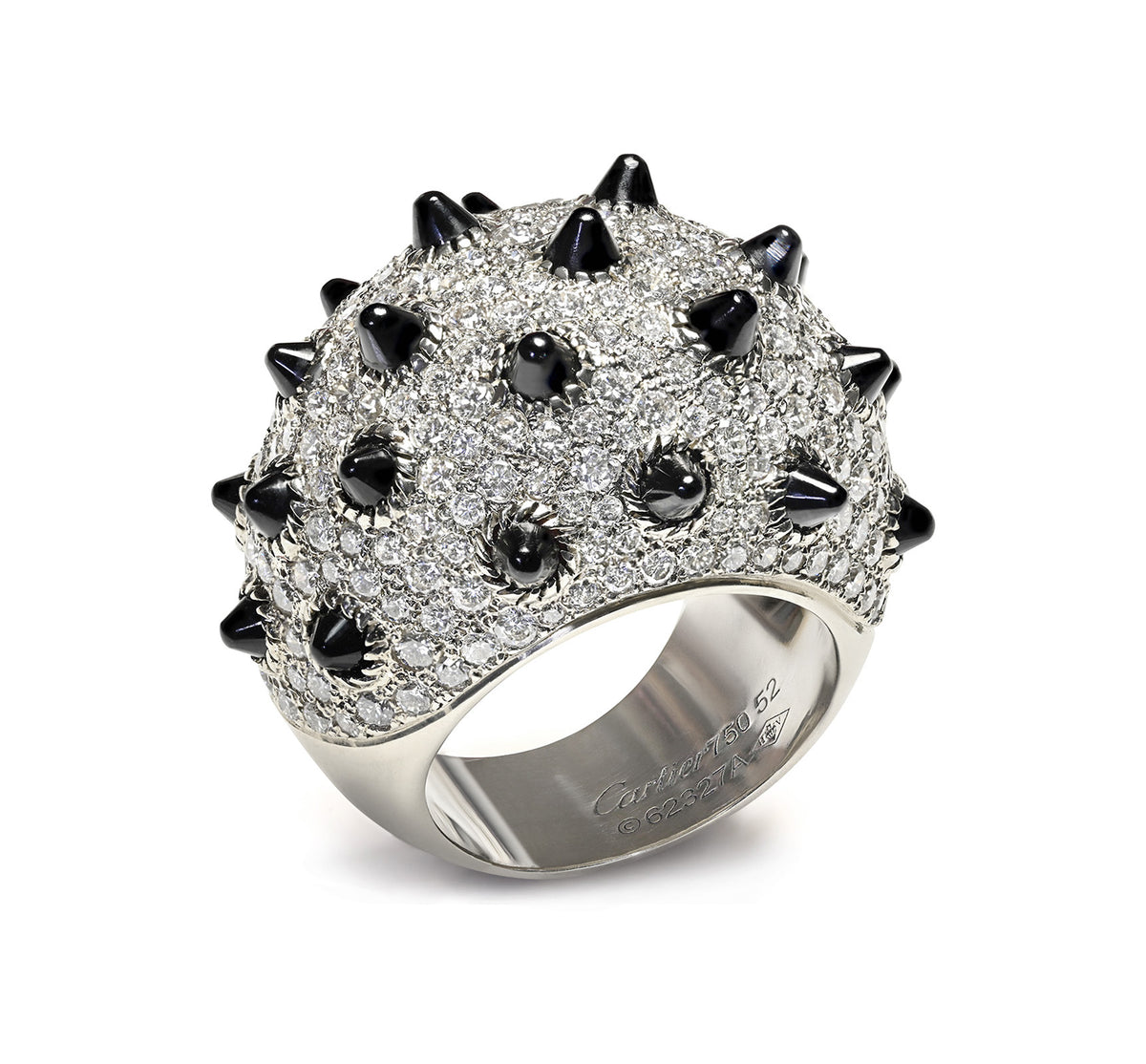
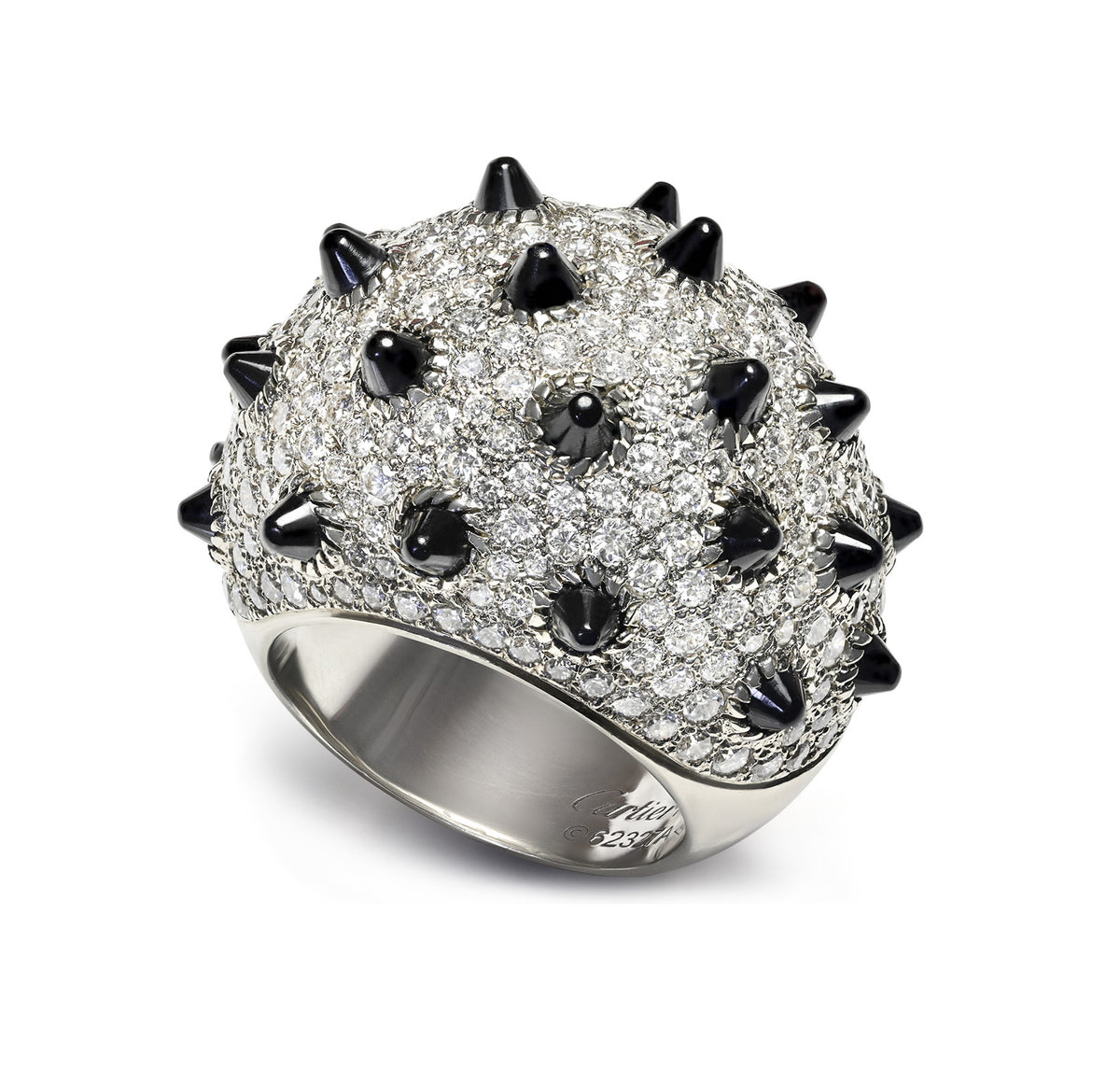
A signed Cartier, Tiffany & Co., Bulgari, Van Cleef & Arpels, Buccellati, or other designer ring may appeal for reasons extending beyond the gemstones themselves: design history, craftsmanship, rarity, and maker identity can all become part of the jewel's significance.
DSF evaluates the pieces it offers individually and provides relevant identifying information in the product description whenever available.
Should an Engagement Ring Be Trendy or Classic?
There is no correct answer.
Classic designs endure because their proportions are versatile and familiar. A beautifully made solitaire, three-stone ring, or diamond band can remain relevant for generations.
At the same time, an engagement ring does not have to be conventional. Colored gemstones, antique diamonds, unusual period settings, sculptural designer rings, toi et moi designs, and distinctive vintage pieces can make the ring far more personal.
Instead of asking whether a design is currently fashionable, ask whether the wearer is likely to continue enjoying it years from now.
Questions to Ask Before Buying an Engagement Ring
Before making a final decision, consider the following:
- Is the ring appropriate for the wearer's lifestyle?
- Is the center gemstone secure?
- Is the ring currently the correct size, and can it safely be resized?
- Are the metal and gemstone descriptions clear?
- Is the piece antique, vintage, estate, contemporary, or signed designer?
- Has the ring been repaired, restored, resized, or altered?
- Is a laboratory report included where relevant?
- Are gemstone treatment or origin claims documented when important?
- Are signatures, hallmarks, or maker's marks described?
- What is the return policy?
- Can additional photographs, videos, or measurements be requested before purchase?
For answers about DSF's authenticity, condition, documentation, shipping, returns, and appointments, visit our Frequently Asked Questions.
Choosing a Ring That Has Meaning
The technical details matter, but they are ultimately there to help you make a more informed personal choice.
An engagement ring can be a flawless modern solitaire, an Art Deco platinum ring, an old mine-cut diamond in a Victorian mounting, a vivid sapphire, a signed designer jewel, or an unusual ring that does not resemble anyone else's.
What makes the right ring special is the combination of beauty, quality, wearability, and personal meaning.
Take time to look carefully. Compare different styles. Understand what you are buying. Pay attention to craftsmanship and condition as well as gemstone grades. And whenever possible, choose a ring that feels as distinctive as the person who will wear it.
Explore engagement rings at DSF Antique Jewelry, or request a private consultation for additional photographs, measurements, documentation, sizing information, or assistance with a particular piece.