Why Provenance Matters in Fine Jewelry
Fine jewelry is never just about gemstones, gold, or design. Behind every important piece there is a history: the hands that created it, the person who wore it, the era that shaped it, and sometimes even the social or political circumstances that surrounded its ownership. This is why provenance has become one of the most important subjects in the world of antique, vintage, and high jewelry.
In recent years, major jewelry collections have attracted attention not only for their beauty and value, but also for the complex histories connected to their previous owners. When a famous collection comes to market, collectors, museums, journalists, and historians often look beyond the diamonds and signatures. They ask deeper questions: Where did the wealth come from? Who owned the jewels before? Were the pieces acquired fairly? Is there a documented chain of ownership?
These questions matter because jewelry is one of the most personal forms of art. A necklace, brooch, ring, or watch can survive for generations, carrying with it memories of family, fashion, status, celebration, and sometimes tragedy. For collectors, understanding that history can make a jewel more meaningful. It can also make the buying process more responsible.
What Is Provenance in Jewelry?
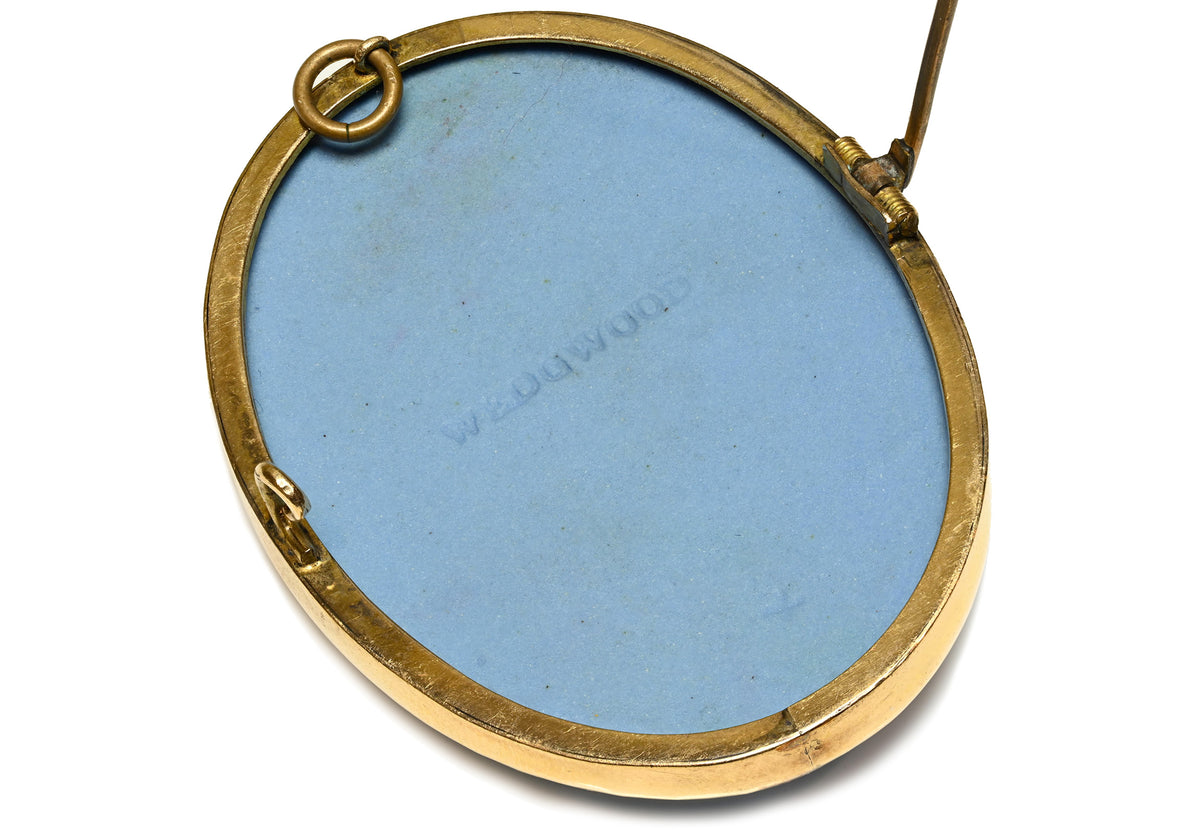
In fine jewelry, provenance refers to the documented history of a piece. This may include previous owners, original purchase records, auction history, exhibition records, maker’s marks, certificates, archival photographs, or references in books and catalogs. For signed jewelry, provenance may also help confirm whether a piece was made by a renowned maison such as Cartier, Van Cleef & Arpels, Boucheron, Bulgari, Tiffany & Co., or another important jewelry house.
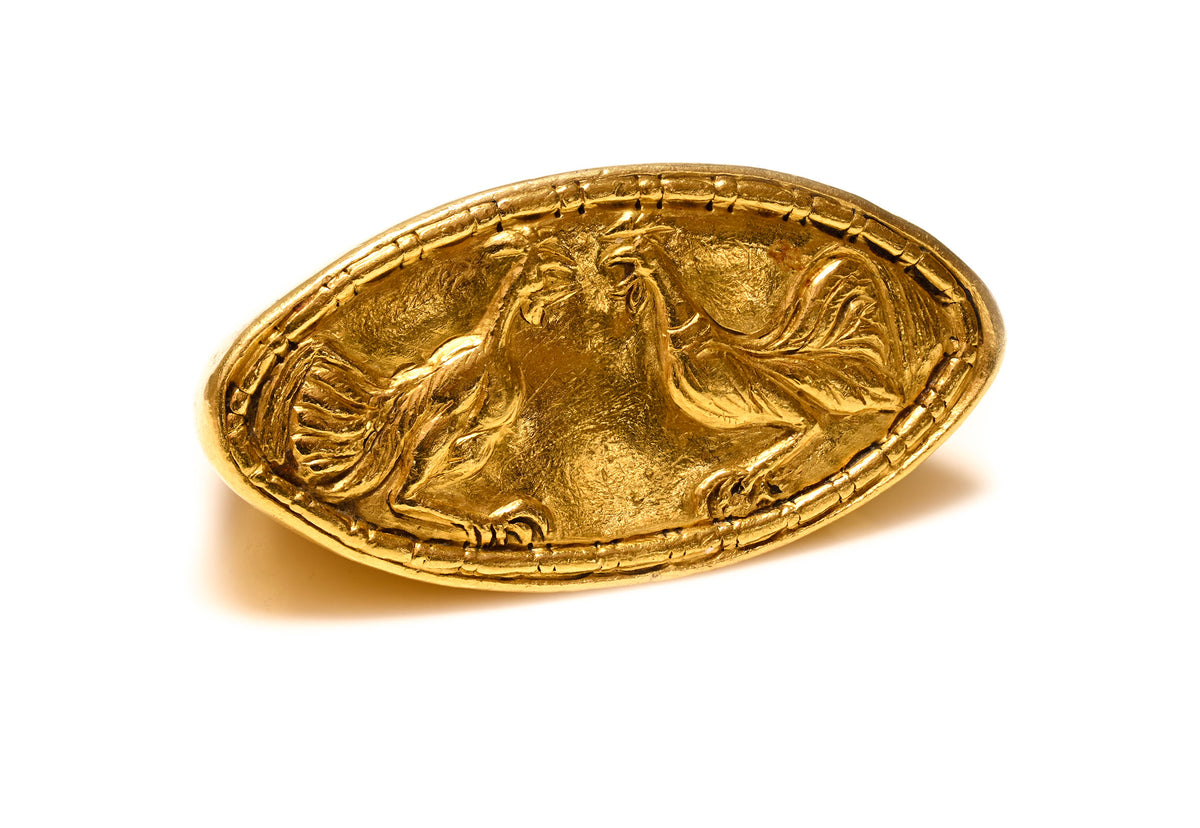
Provenance can be simple or extraordinary. A ring may come with a family story and an old receipt. A necklace may have appeared in a historic auction catalog. A brooch may have belonged to a well-known collector, actress, aristocrat, or public figure. In some cases, a piece may be connected to a royal court, an important designer, or a major cultural moment.
For collectors, provenance adds context. It helps transform a jewel from a beautiful object into a historical artifact.
Why Provenance Influences Value
The value of fine jewelry is usually determined by a combination of factors: gemstone quality, craftsmanship, rarity, condition, age, design, maker, and market demand. Provenance can strengthen all of these elements because it gives a piece a documented identity.
A jewel with strong provenance may be more desirable because it has a traceable past. Collectors often appreciate knowing that a piece has been preserved, studied, or recognized by experts. If it has appeared in an important auction, exhibition, or publication, that history can add confidence and prestige.
However, provenance is not only about increasing financial value. It also helps protect buyers. In a market where reproductions, altered pieces, and vague descriptions exist, documentation can provide reassurance. A well-researched jewel allows the buyer to understand what they are acquiring, not just aesthetically but historically.

The Ethical Side of Collecting
The discussion around provenance has become more important because collectors today are more aware of ethical questions. Fine jewelry often passes through many hands over decades or even centuries. Some pieces have clear and positive histories. Others may have gaps in documentation, especially when connected to periods of war, displacement, forced sales, or political upheaval.
This is particularly sensitive when dealing with objects from the 20th century, including pieces that may have changed ownership during or after World War II. The history of a jewel may include difficult questions, and responsible collectors should not ignore them.
Ethical collecting does not mean rejecting the past. It means approaching the past with seriousness, care, and respect. It means recognizing that luxury objects can carry complicated stories, and that transparency is part of preserving their true history.
Why Antique and Vintage Jewelry Requires Expertise
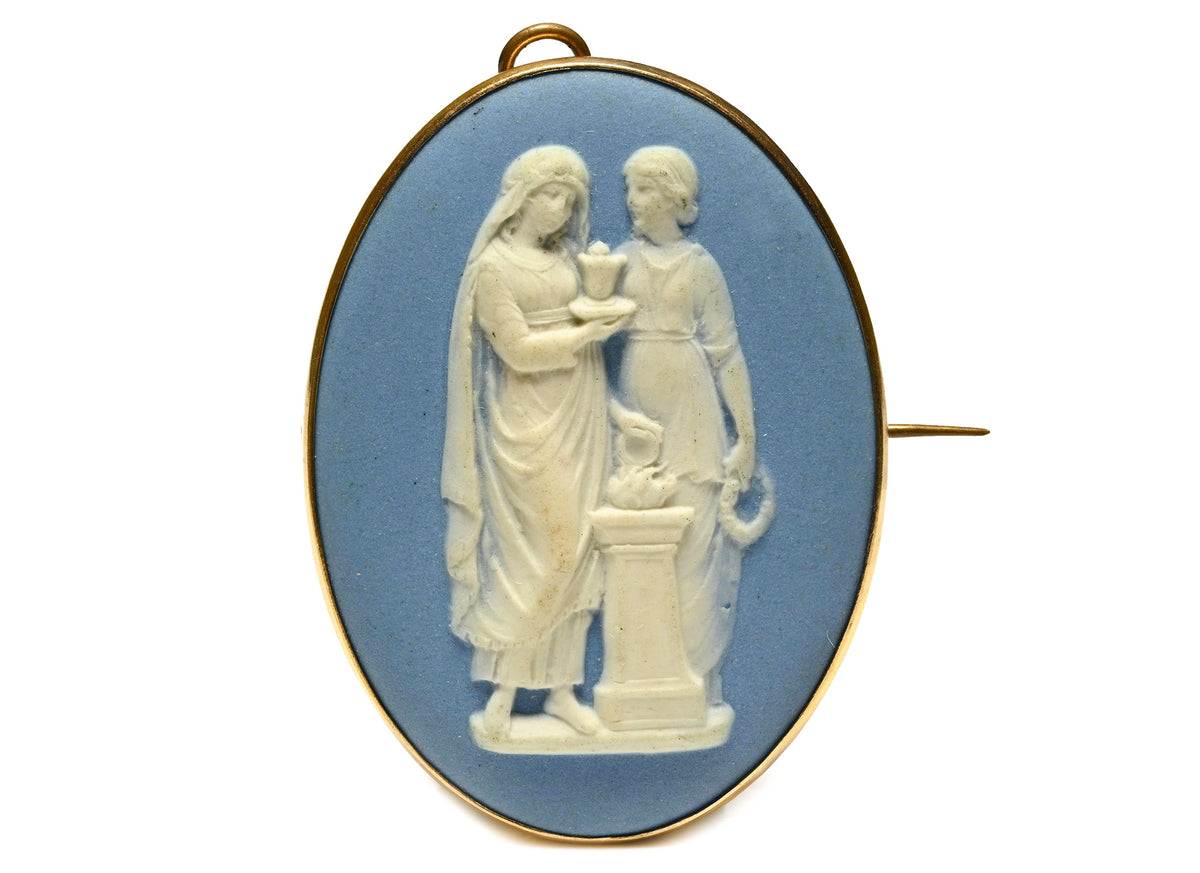
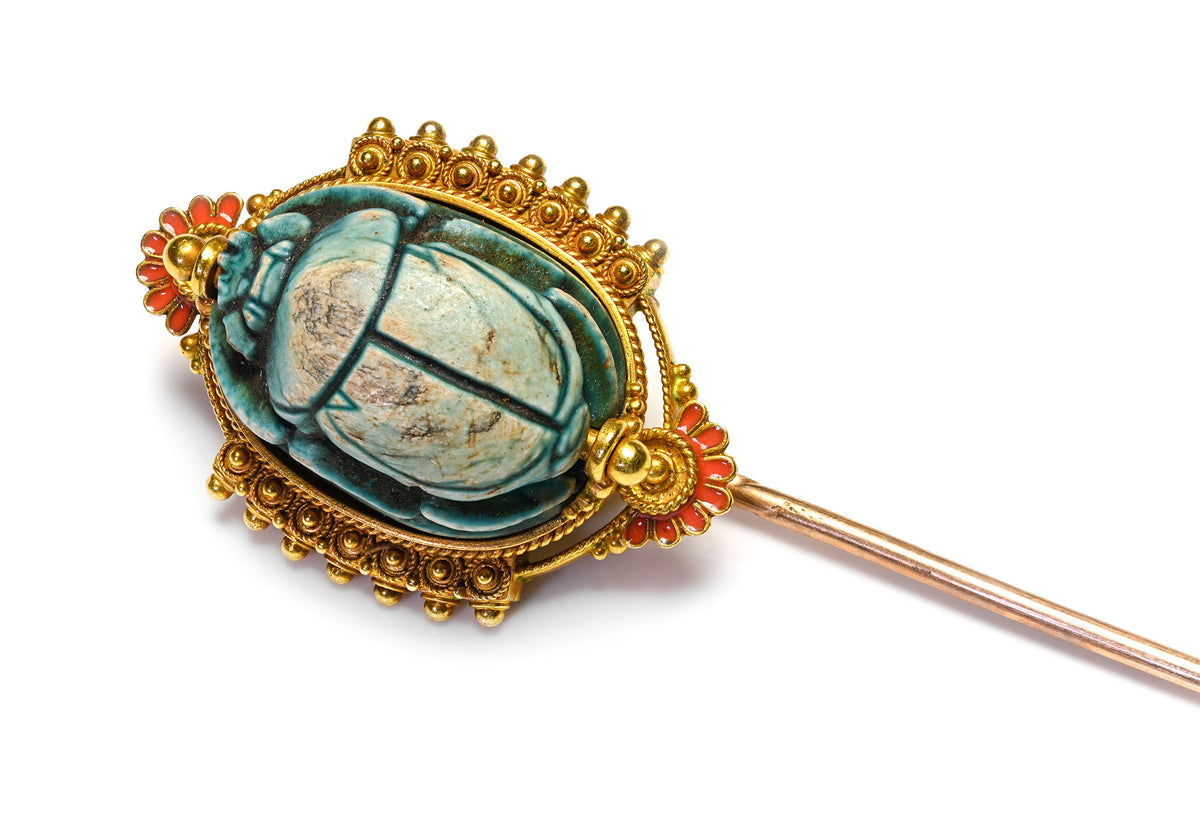
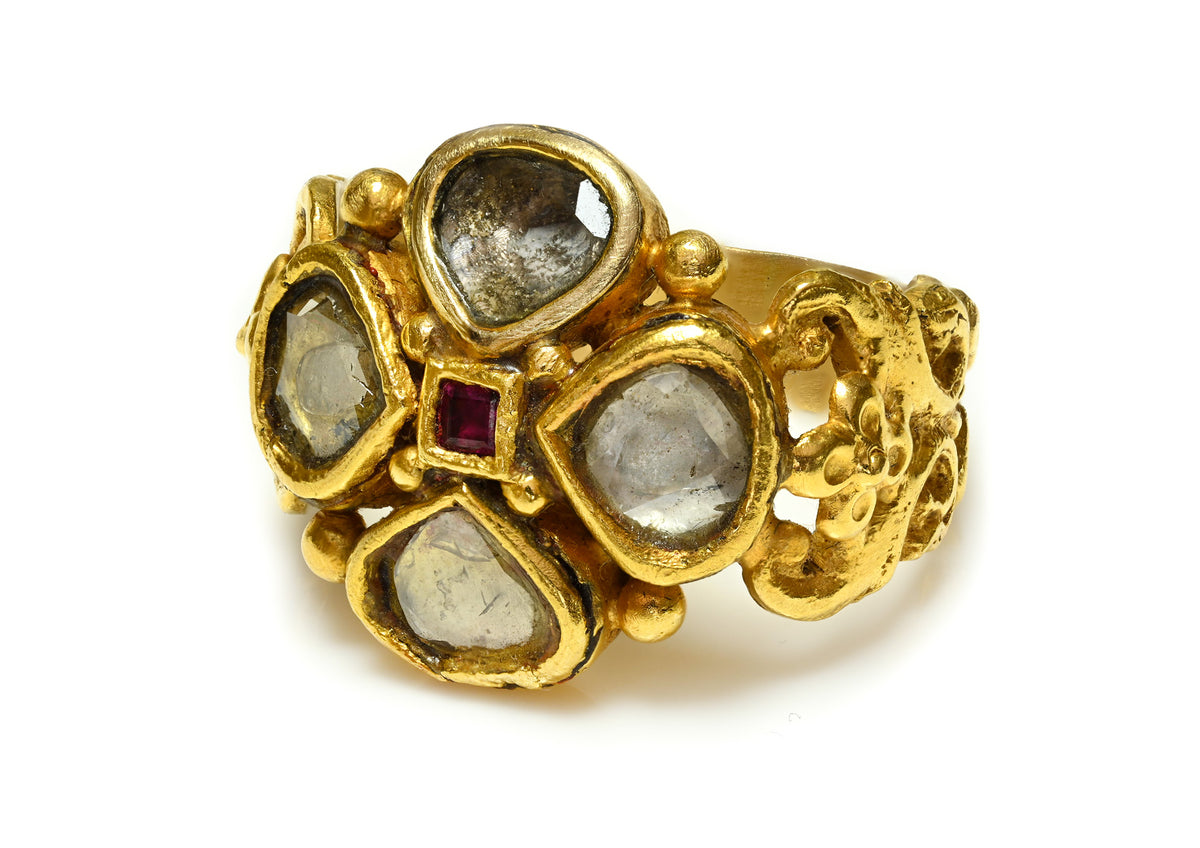
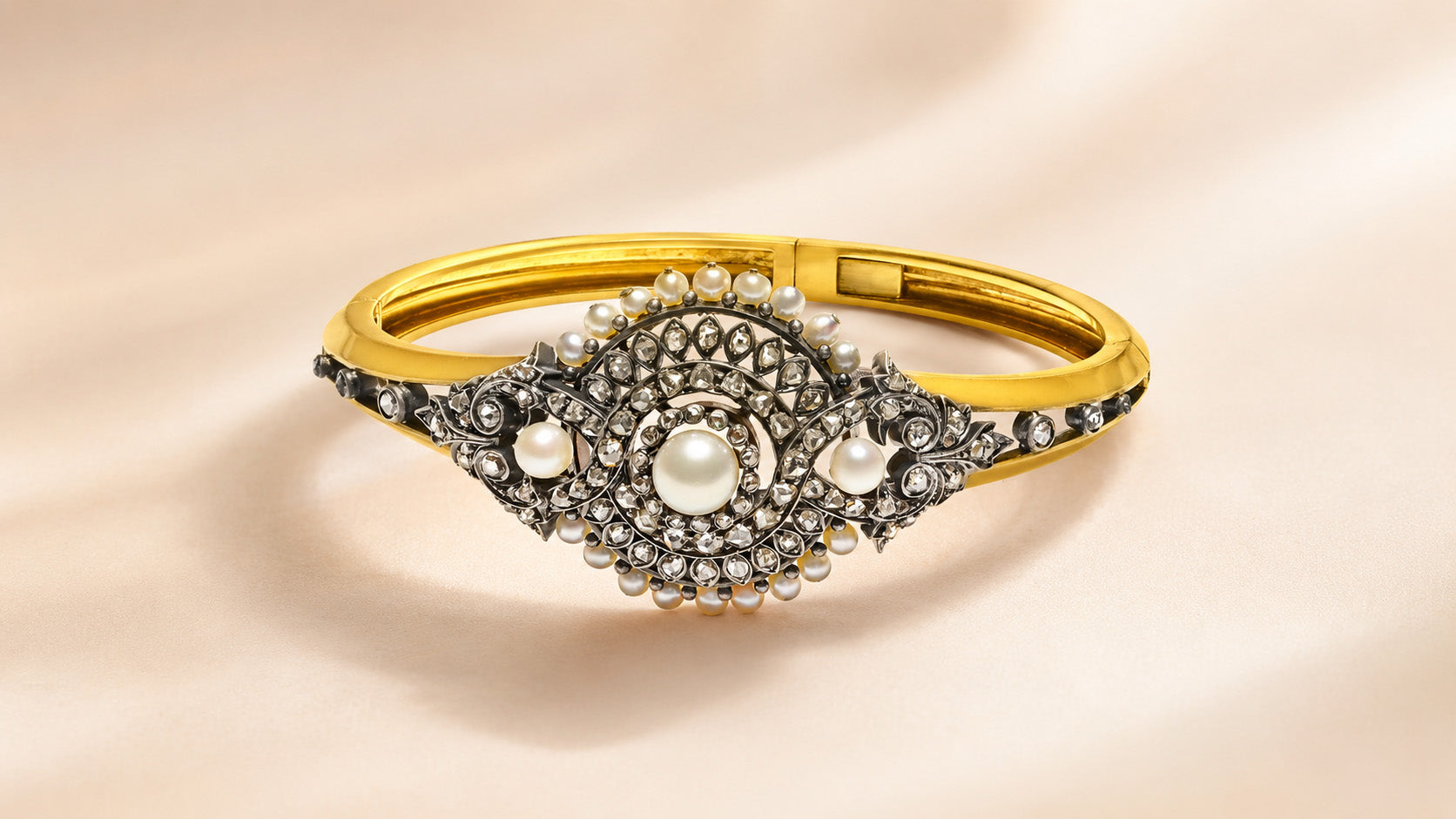
Antique and vintage jewelry often requires a trained eye. Unlike newly produced jewelry, older pieces may have undergone repairs, alterations, resizing, stone replacements, or changes in setting. A brooch may have once been part of a larger parure. A pendant may have originally been a watch. A ring may include older stones reset in a later mounting.
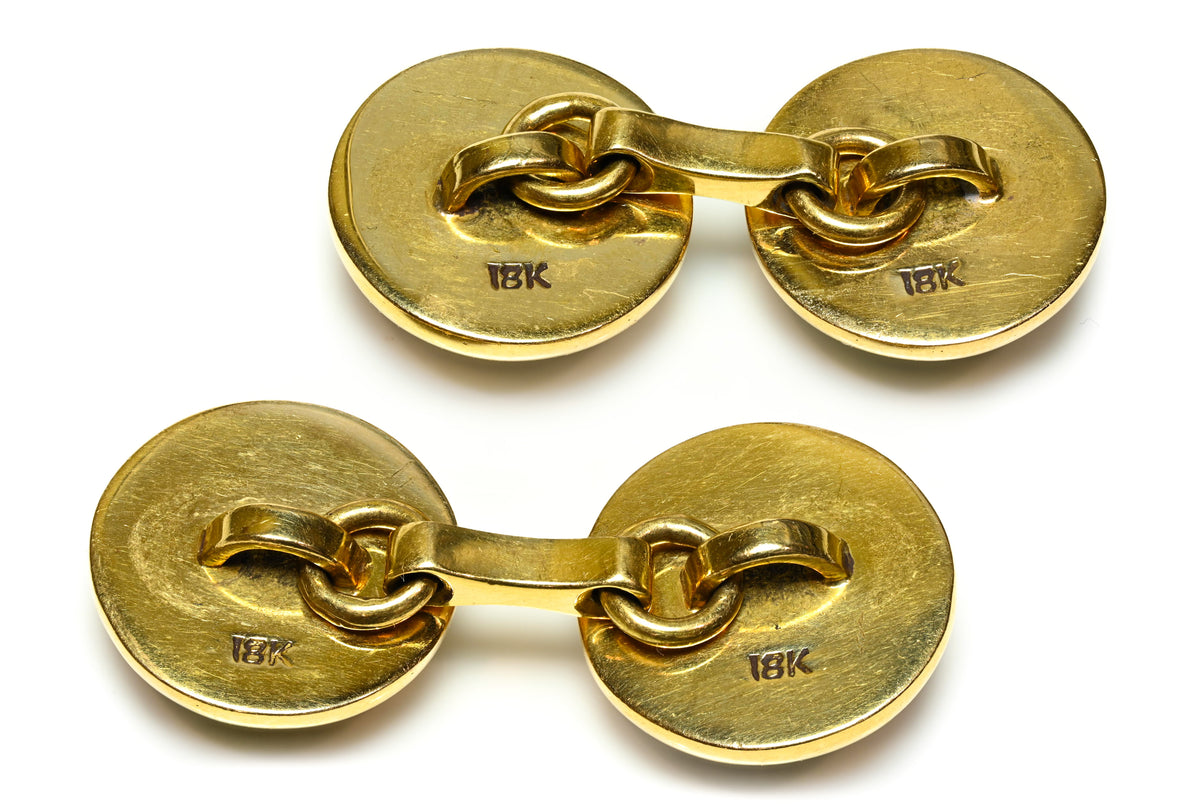
This is why expertise matters. Understanding hallmarks, maker’s marks, metalwork, gemstone cuts, setting techniques, and design periods can reveal much about a piece. Georgian, Victorian, Edwardian, Art Nouveau, Art Deco, Retro, and mid-century jewelry each have distinctive characteristics. A serious evaluation considers not only beauty, but also authenticity and historical consistency.
At DSF Antique Jewelry, this kind of context is central to the way fine jewelry is presented. A jewel should not be reduced to a gemstone weight or metal content. Its artistry, period, design language, and history all contribute to its importance.
Jewelry as Cultural Memory
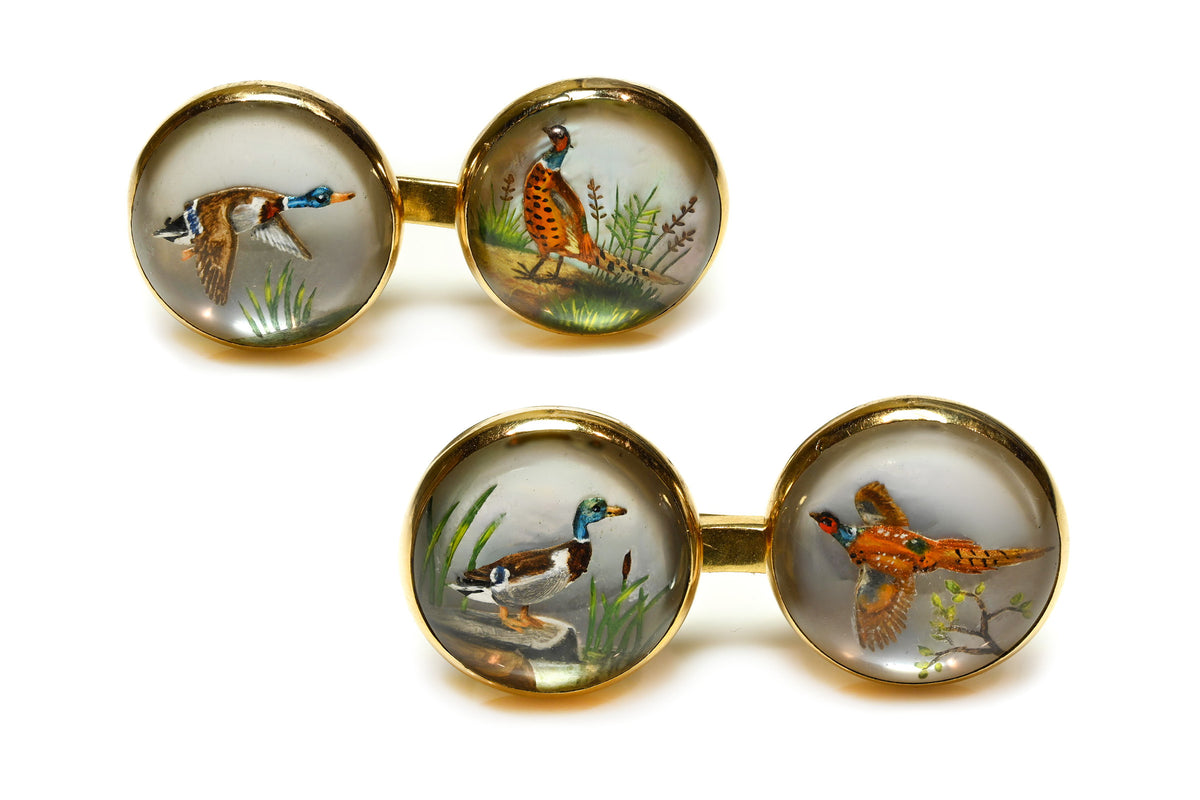
One of the most fascinating aspects of antique and vintage jewelry is that it reflects the culture of its time. Art Nouveau jewelry celebrated nature, fantasy, and flowing forms. Art Deco jewelry embraced geometry, modernity, and contrast. Victorian jewelry often carried emotional symbolism, from mourning pieces to romantic motifs. Mid-century jewelry reflected a world of glamour, confidence, and bold design.
These pieces are not only accessories. They are miniature works of art that preserve the taste, values, and craftsmanship of their era. When collected responsibly, they become part of a living cultural archive.
This is why provenance, condition, and historical context should never be treated as secondary details. They help us understand why a piece matters.
Questions Collectors Should Ask
Before purchasing an important jewel, collectors may want to ask several questions:
• Is the piece signed or attributed to a known maker?
• Are there hallmarks, maker’s marks, or assay marks?
• Is there documentation, such as a certificate, invoice, auction record, or previous publication?
• Has the jewel been altered or restored?
• Are the gemstones original to the piece?
• Does the design match the claimed period?
• Is there any known ownership history?
• Are there ethical concerns connected to the provenance?
Not every jewel will have a famous past. Many beautiful antique and vintage pieces come without dramatic stories. But even basic documentation and expert description can help collectors make more informed decisions.

The Role of Trust in Fine Jewelry
Trust is essential in the world of fine jewelry. Buyers should feel confident that the description of a piece is accurate, that important details are disclosed, and that the jewel has been examined with care. This is especially true for high-value pieces, signed jewelry, antique jewels, and rare gemstones.
A responsible jewelry seller should provide clear information about the period, materials, condition, design, and any known history of the piece. When something is uncertain, it should be presented honestly. Transparency is not a weakness; it is part of serious collecting.
For DSF Antique Jewelry, the beauty of a jewel is inseparable from its story. Whether it is a diamond ring, a signed bracelet, an antique brooch, a rare pendant, or a luxury watch, each piece deserves to be understood with respect for its craftsmanship and history.
A More Thoughtful Way to Collect
Fine jewelry collecting is evolving. Today’s collectors are not only looking for beauty and rarity. They are also looking for meaning, authenticity, and responsible ownership. They want pieces that speak to personal style, but also to history and artistry.
This is especially true in the antique and vintage jewelry market, where every piece has already lived a life before reaching its next owner. That continuity is part of the appeal. A jewel can be worn, preserved, studied, and passed forward.
Provenance helps protect that continuity. It gives collectors a deeper connection to the piece and helps ensure that jewelry history is preserved with accuracy and dignity.
Final Thoughts
The story behind a jewel can be as important as the jewel itself. Provenance reveals where a piece has been, who may have owned it, how it has been preserved, and why it matters today. In some cases, that history is glamorous. In others, it may be complex. But in all cases, it deserves attention.
For collectors of antique, vintage, and high jewelry, provenance is not simply a luxury detail. It is part of responsible collecting. It adds depth, context, and confidence. Most importantly, it reminds us that fine jewelry is more than adornment. It is history, craftsmanship, memory, and legacy brought together in precious form.
At DSF Antique Jewelry, we believe that every exceptional piece deserves to be appreciated not only for its beauty, but also for the story it carries forward.