
Edwardian jewels distinguished by platinum craftsmanship, lace-like diamond settings, and refined garland motifs across rings, necklaces, brooches, bracelets, and cufflinks.
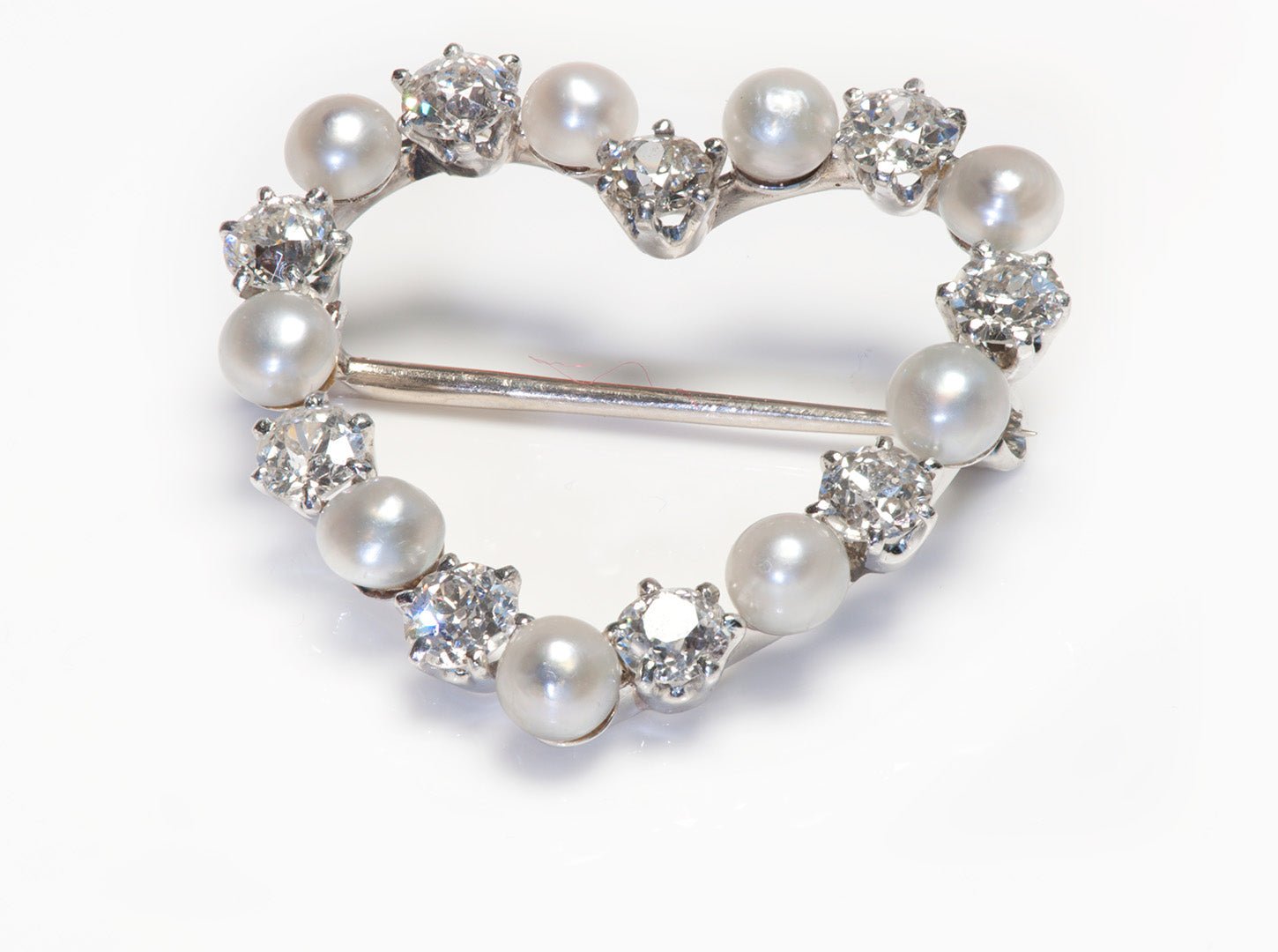
Edwardian Platinum Diamond Pearl Heart Brooch
Sale price$3,950.00
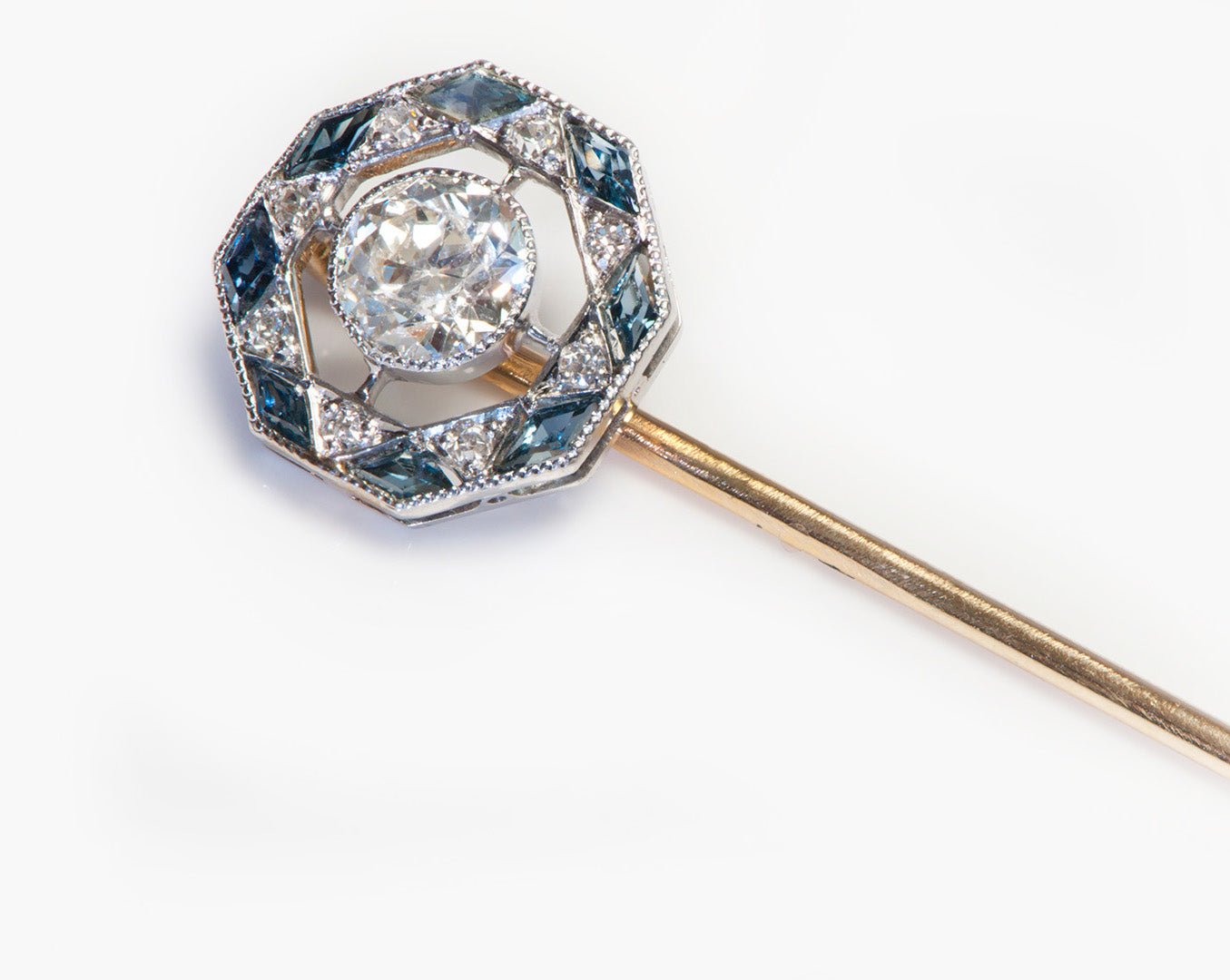
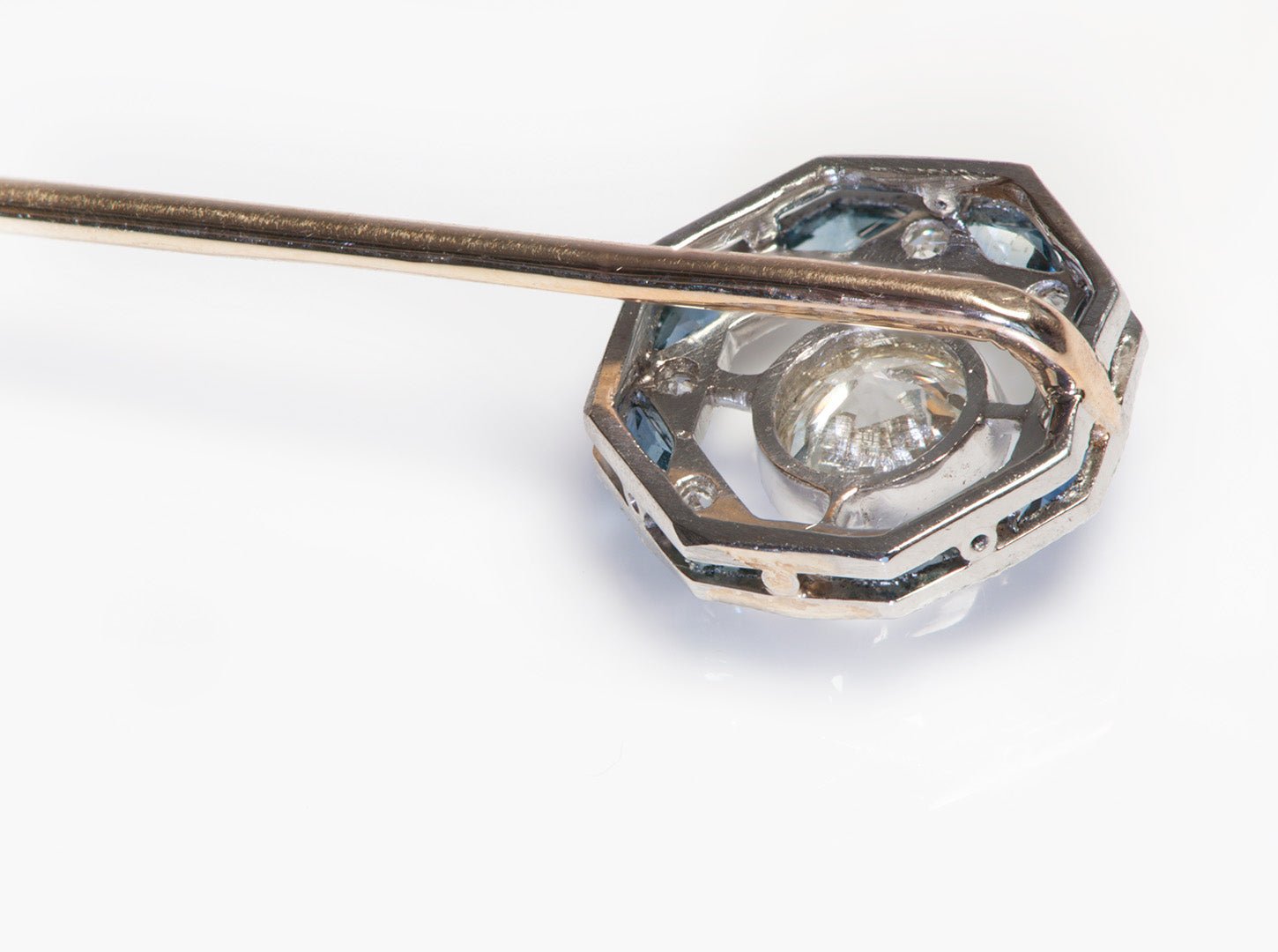
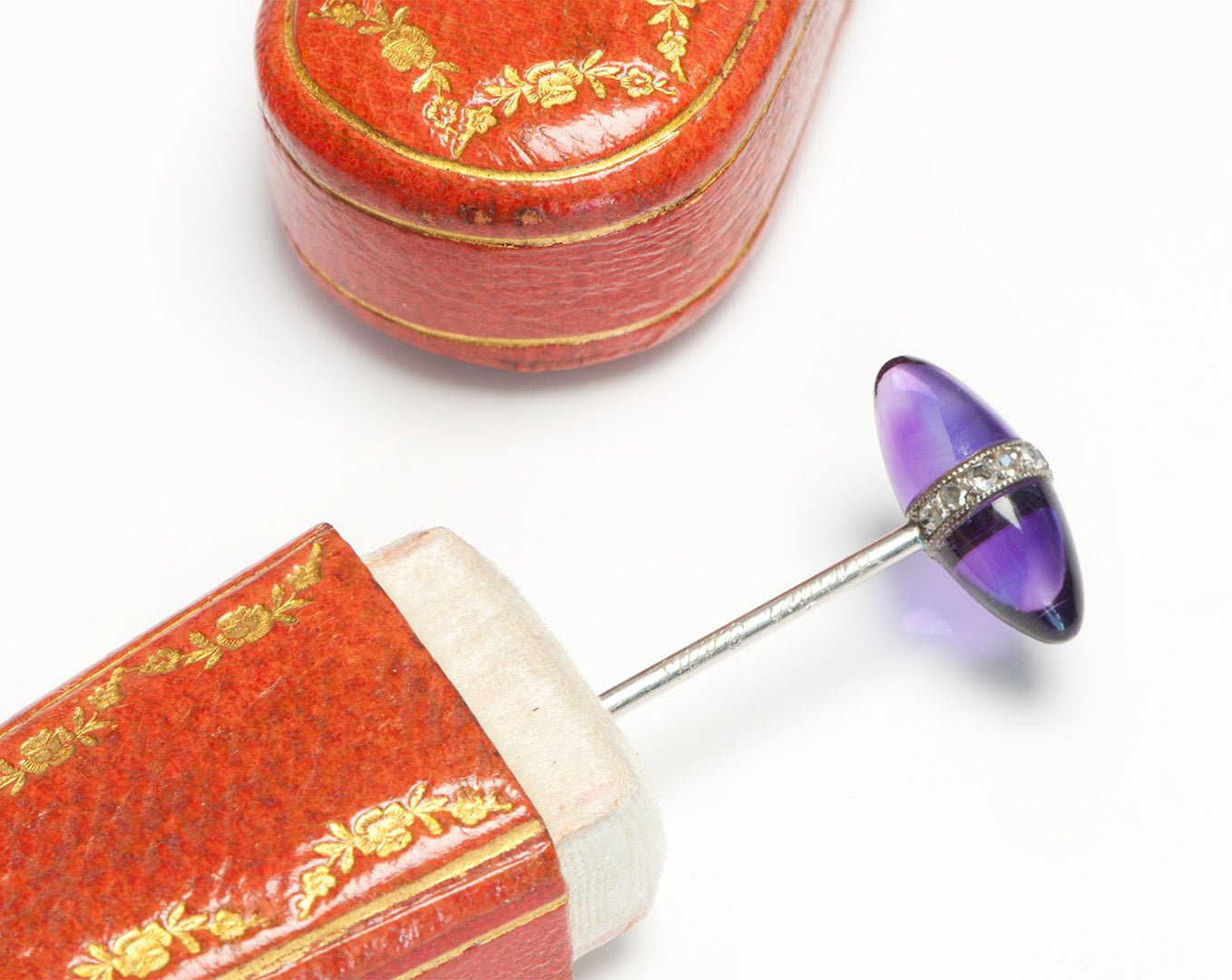
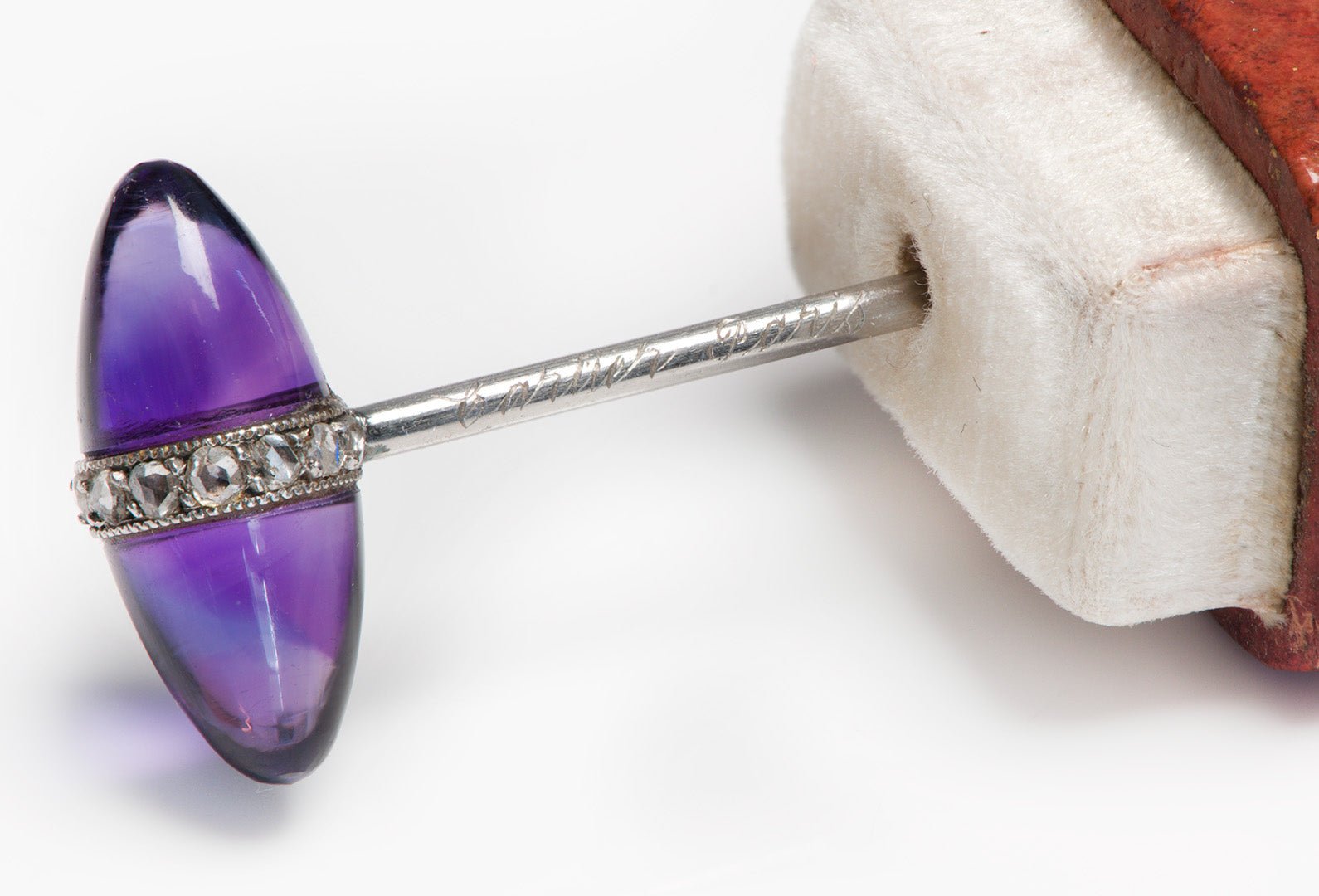
Cartier Paris Edwardian Amethyst Diamond Stick Pin
Sale price$9,500.00
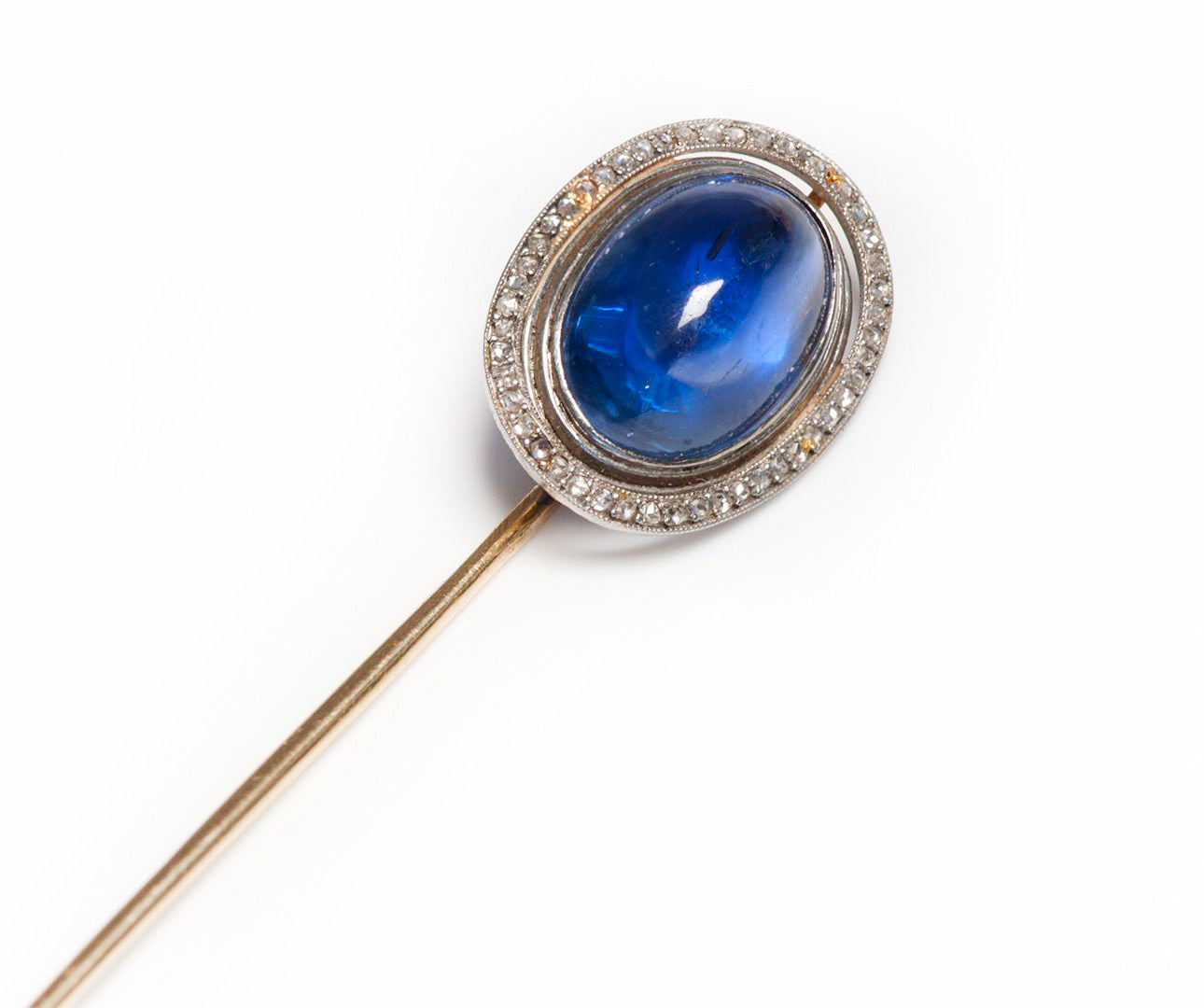
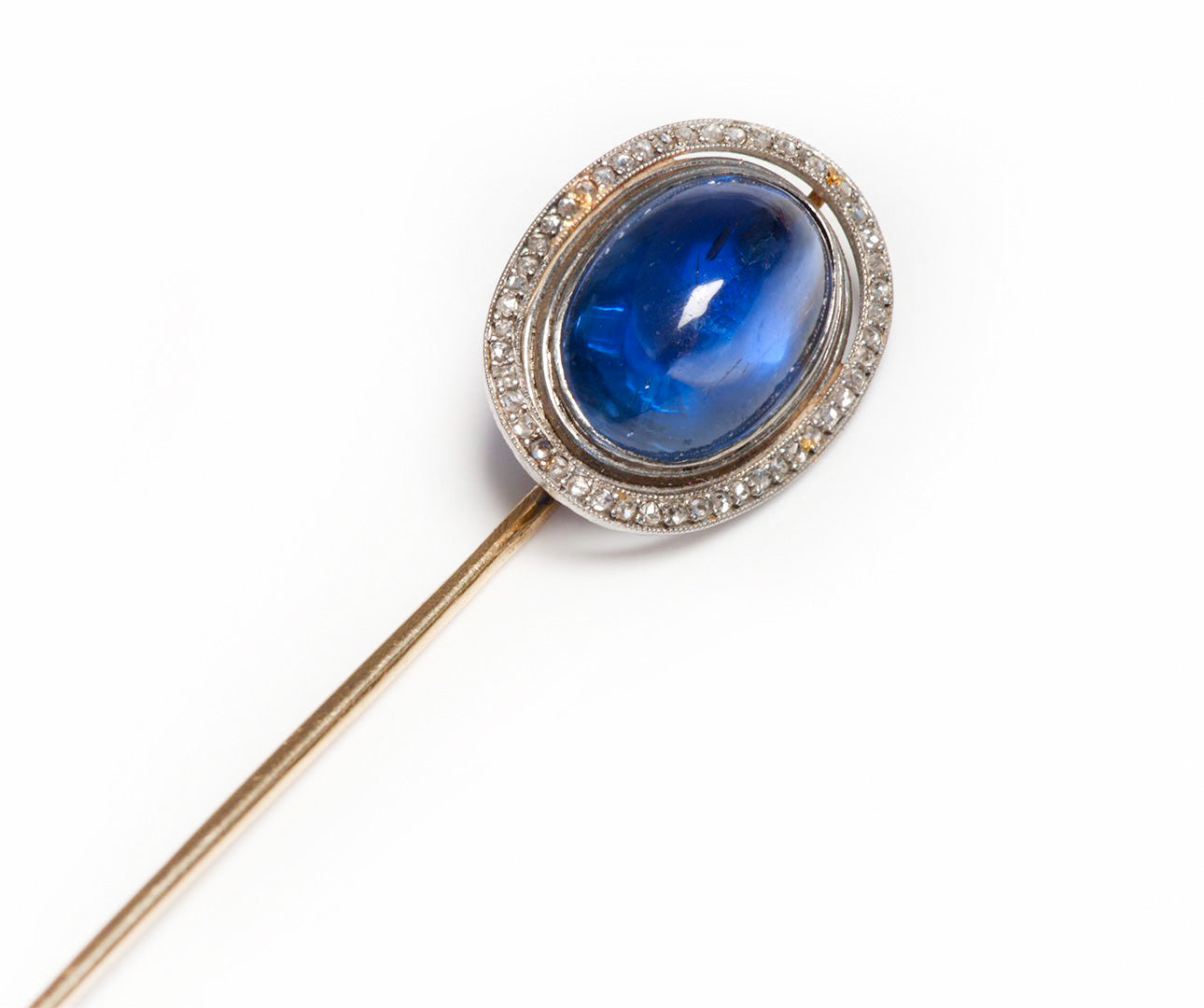
Edwardian No Heat Natural Ceylon Sapphire Diamond Stick Pin
Sale price$28,500.00
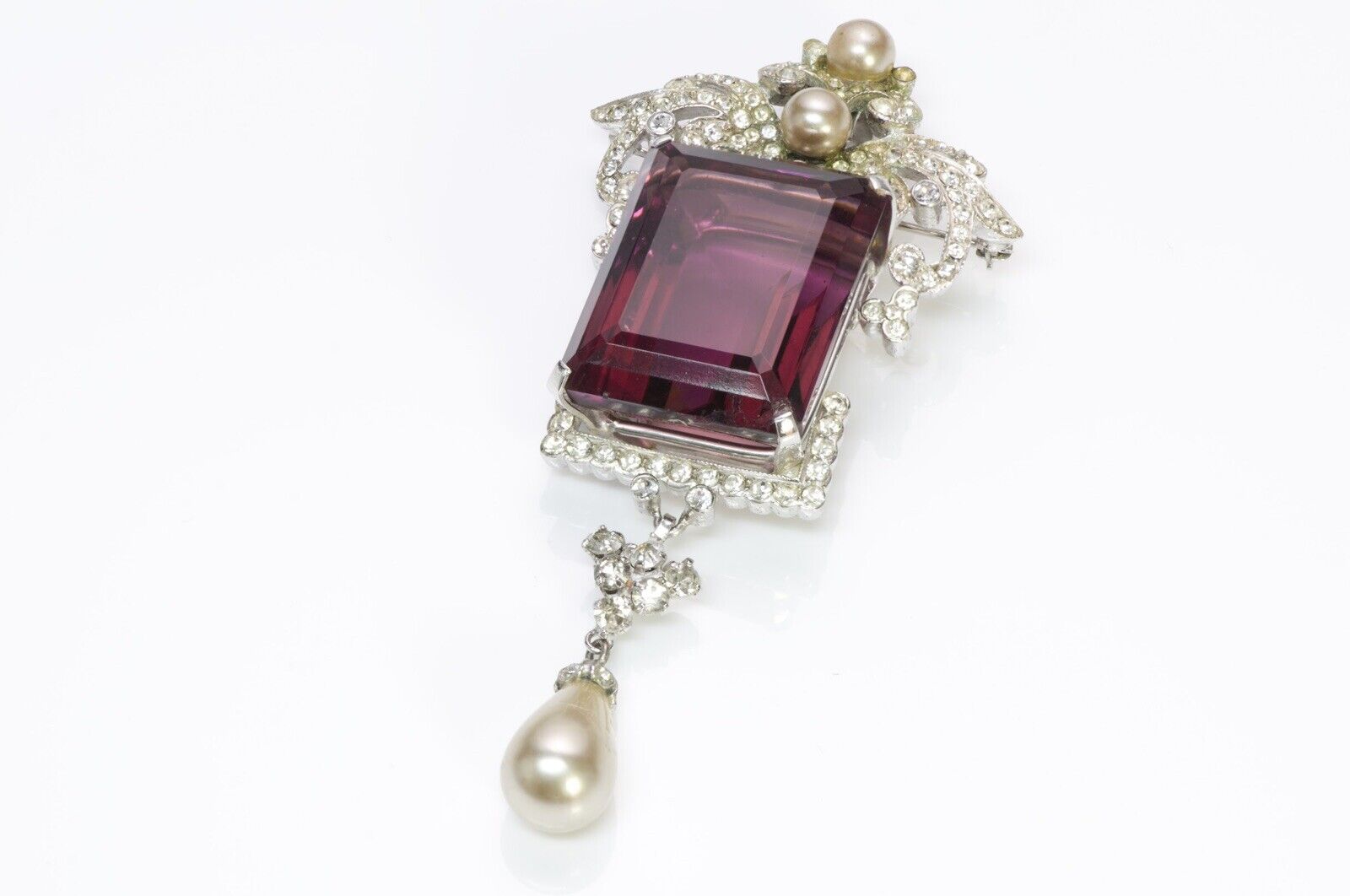
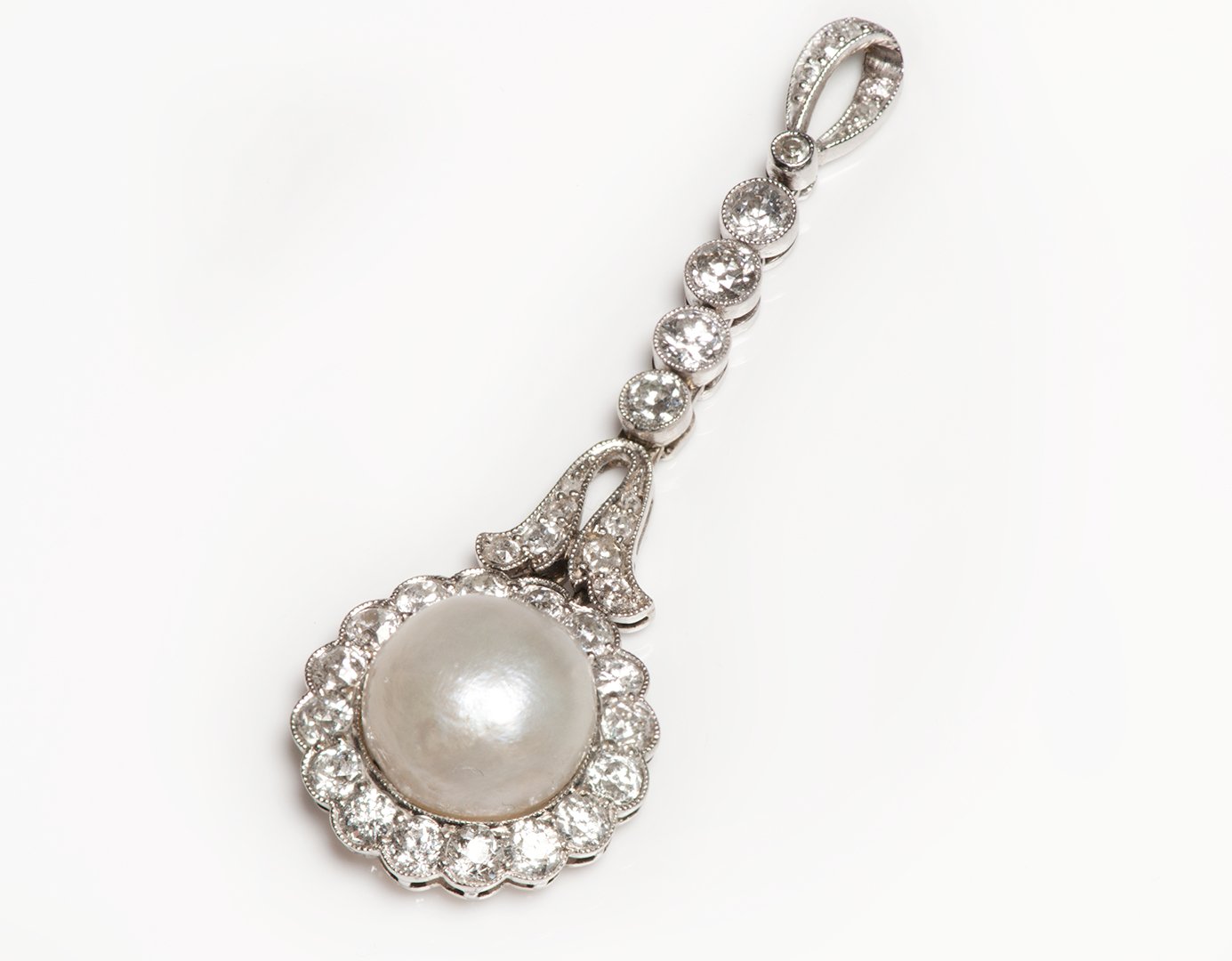
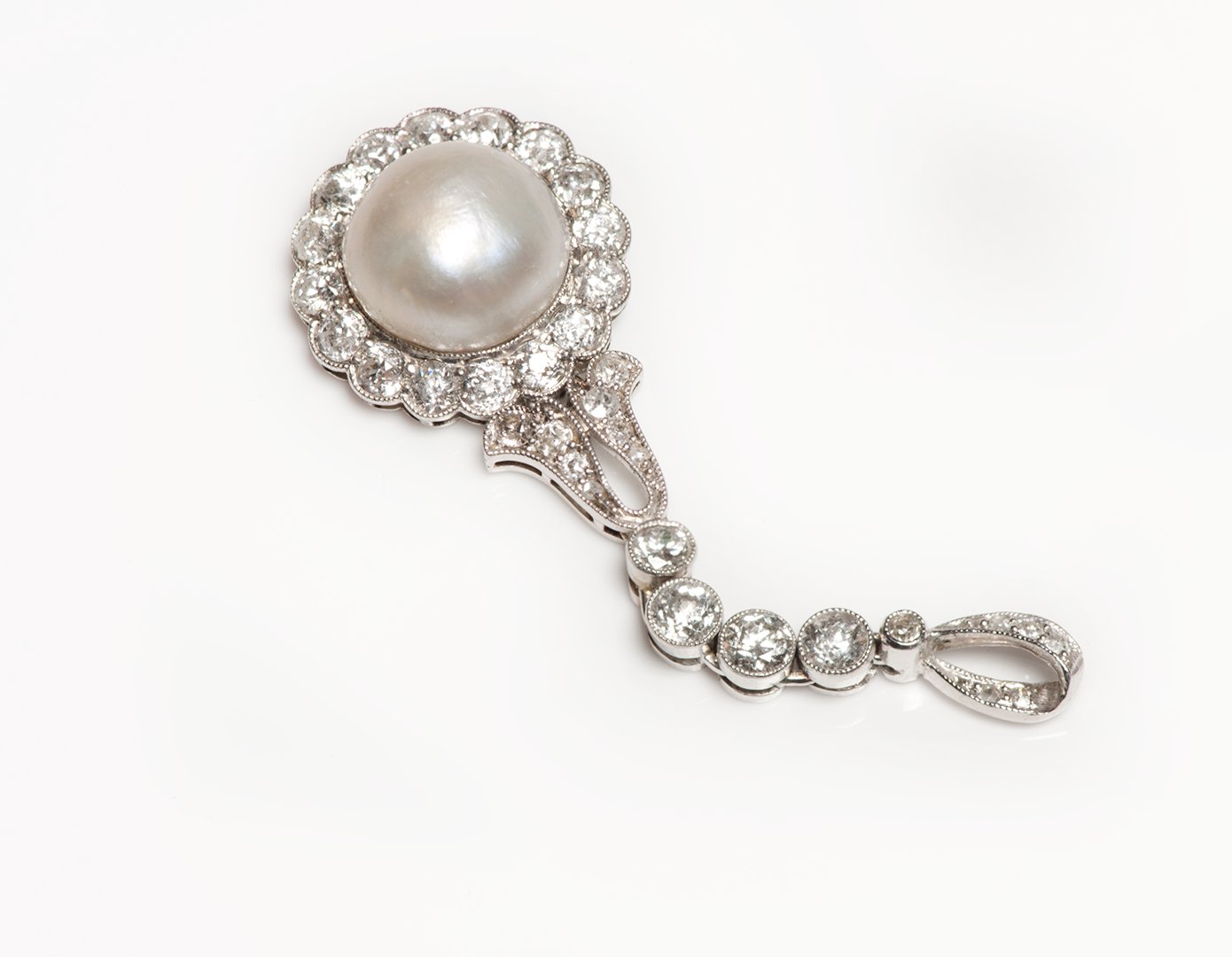
Edwardian Fresh Water Pearl Diamond Pendant
Sale price$7,500.00
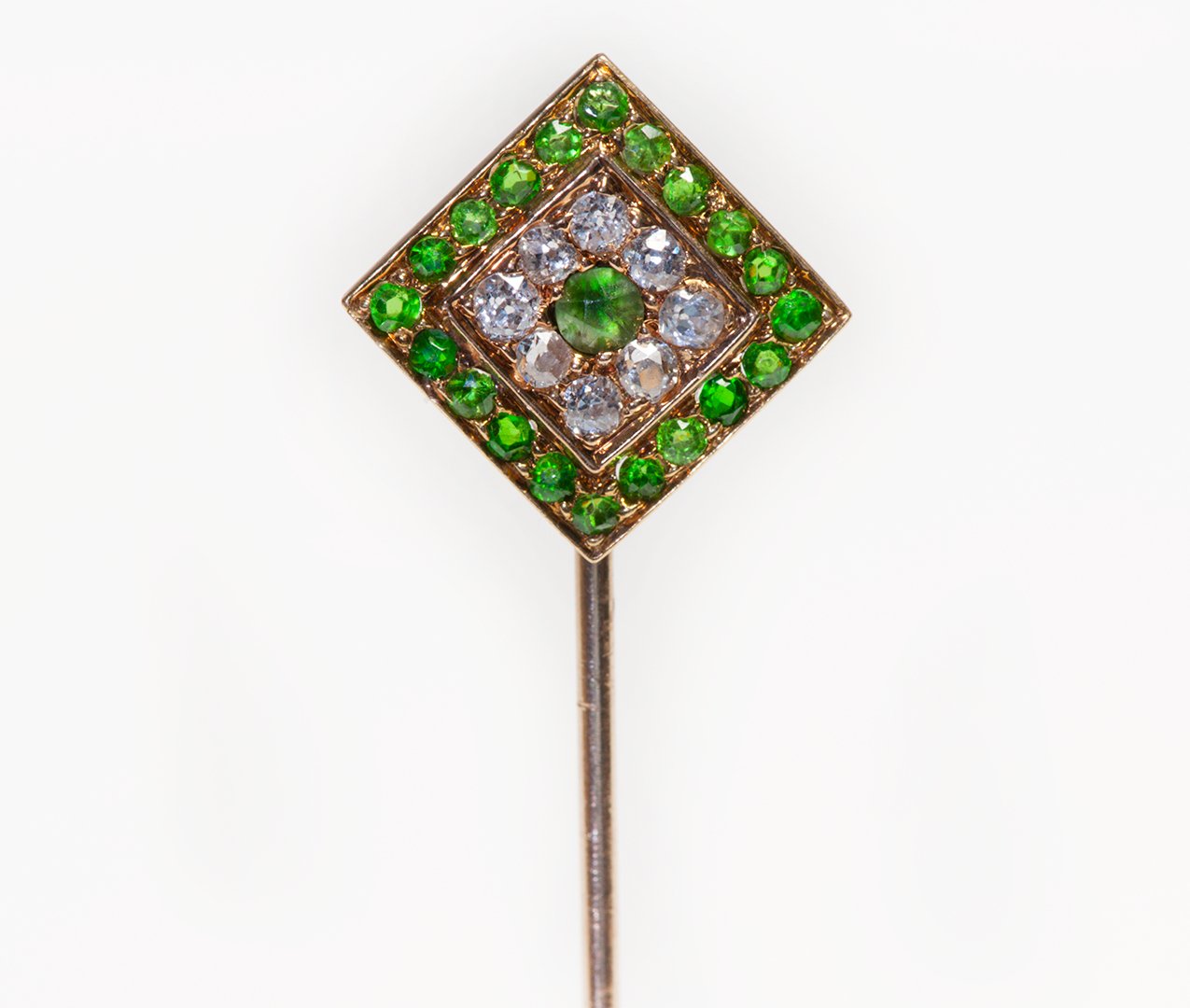
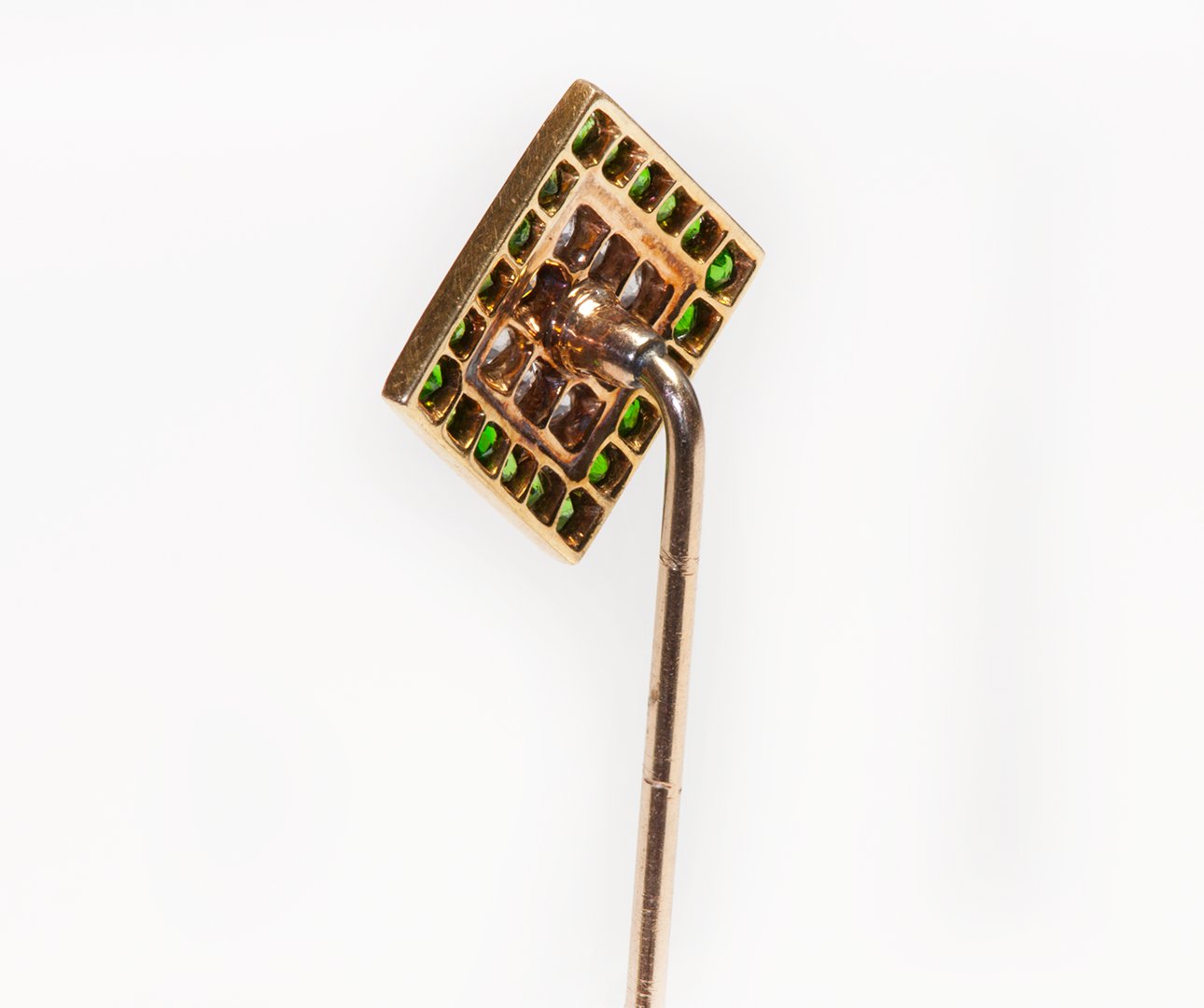
Edwardian Demantoid Diamond Gold Stick Pin
Sale price$2,950.00
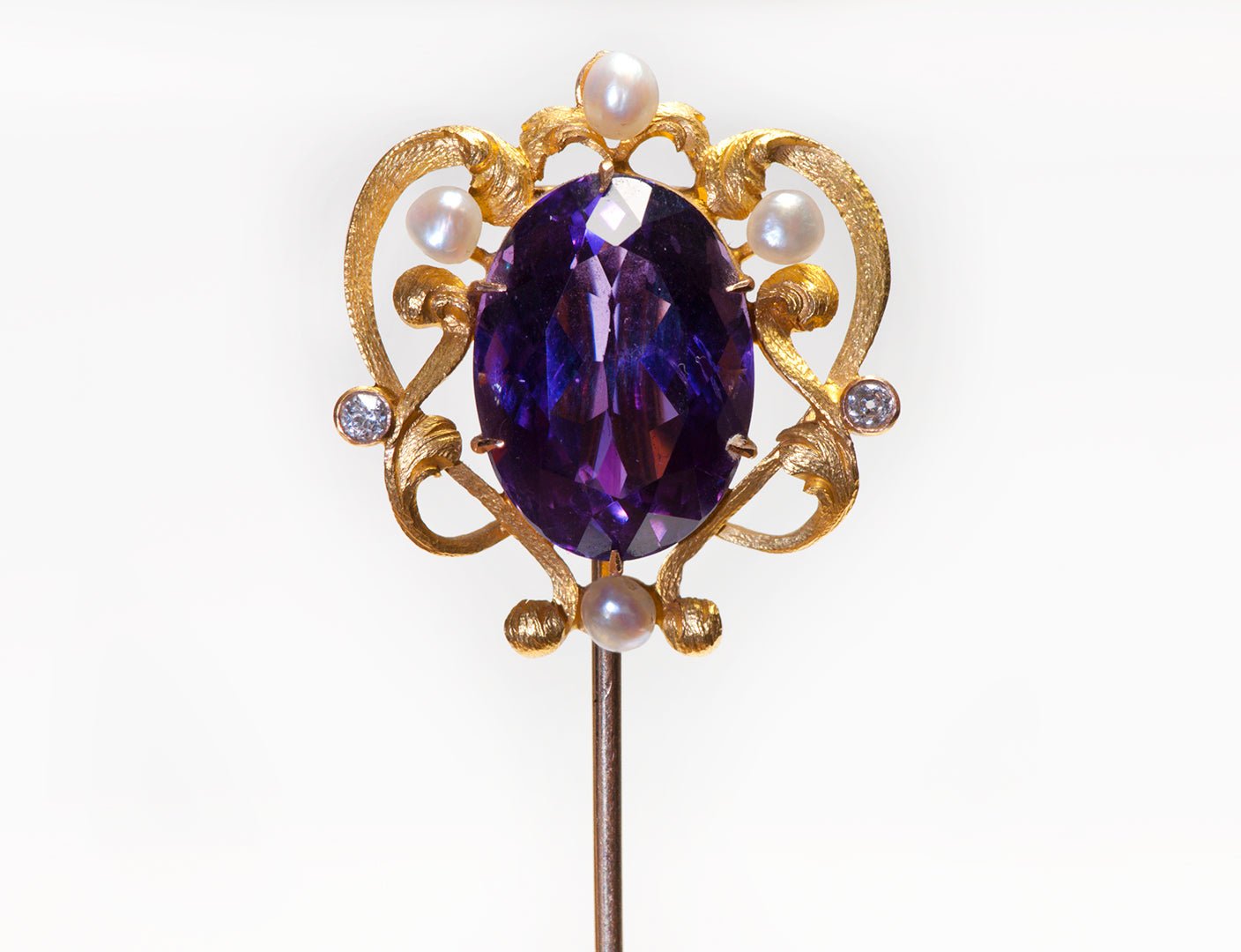
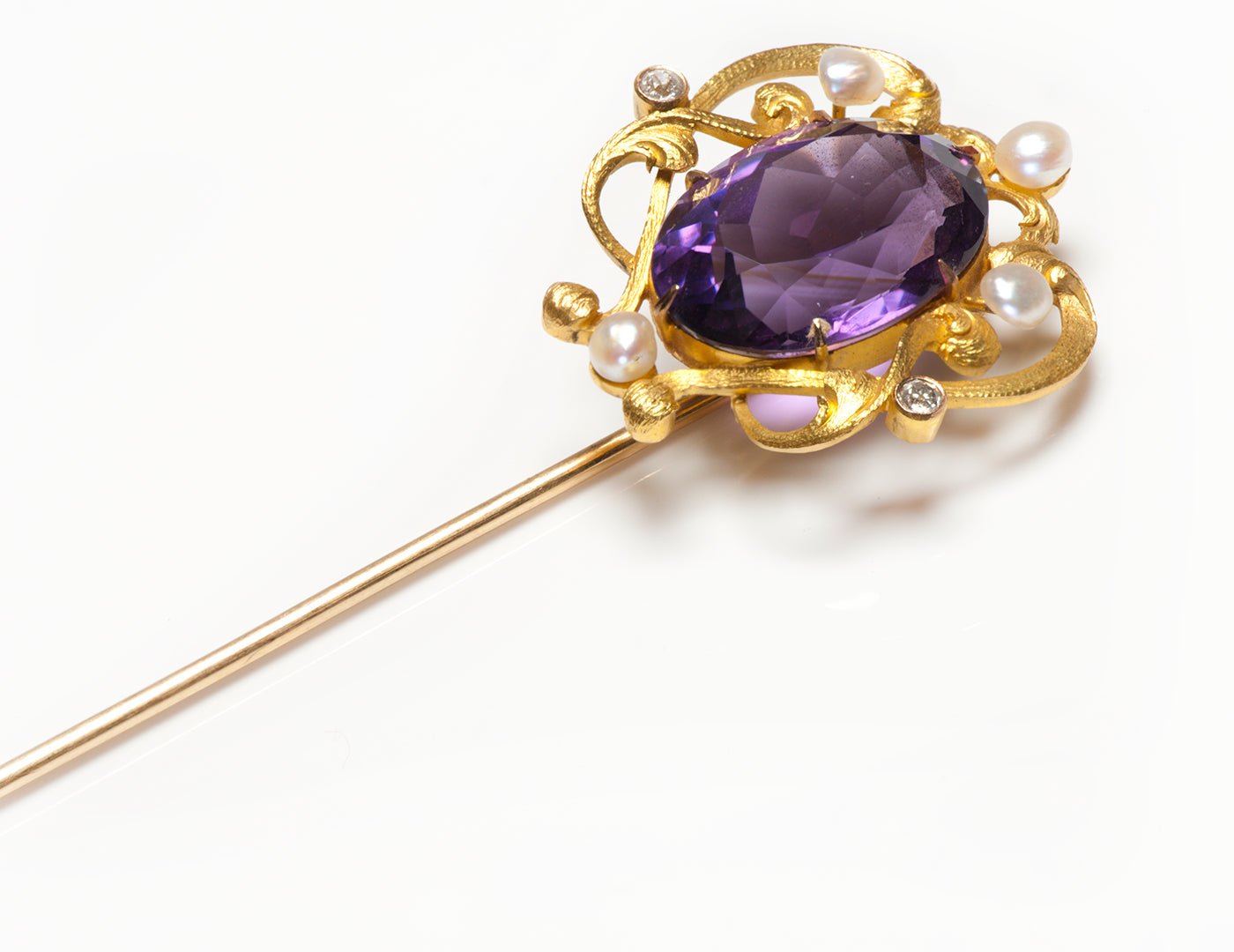
Antique Edwardian Gold Amethyst Pearl Diamond Hat Pin
Sale price$5,500.00
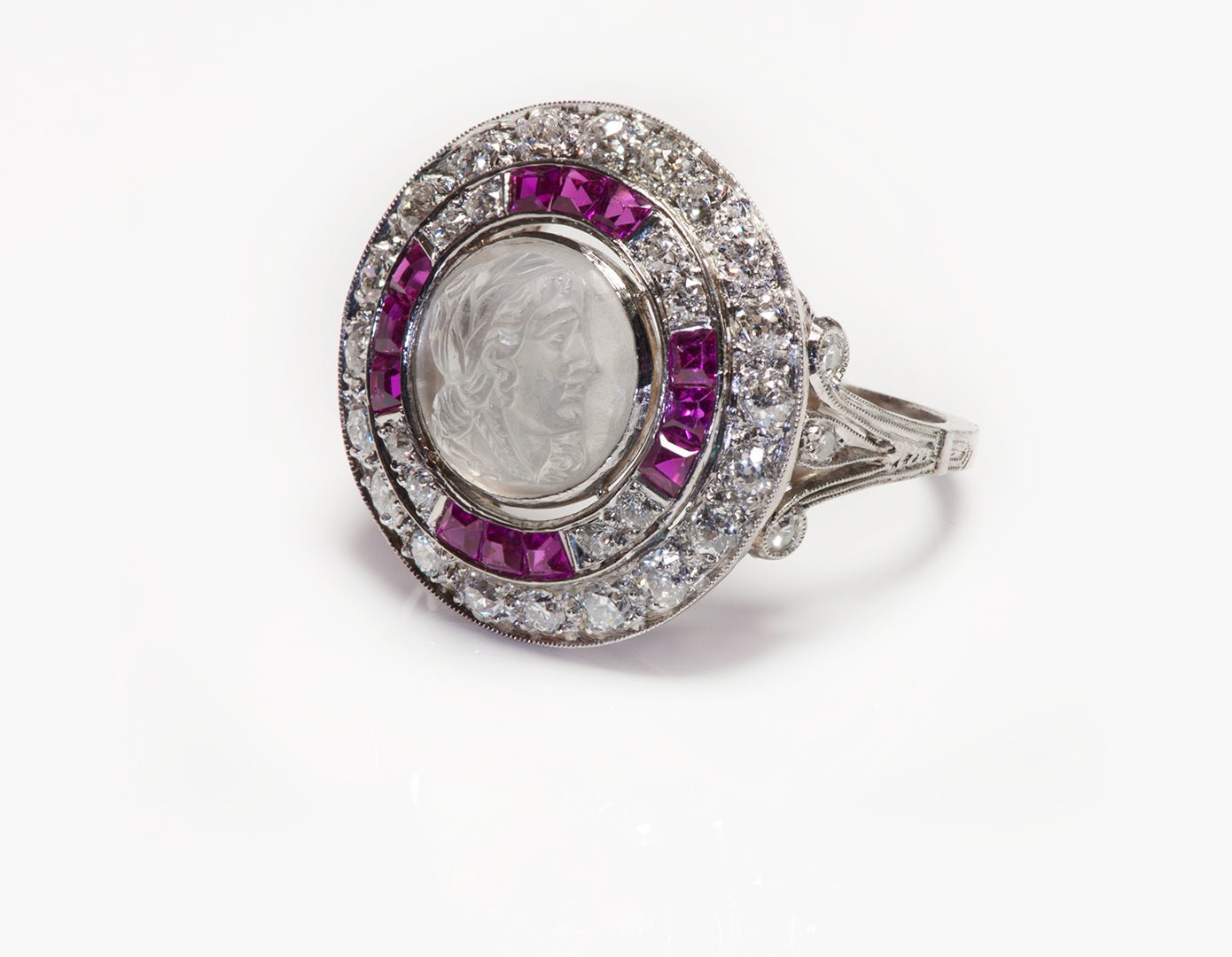
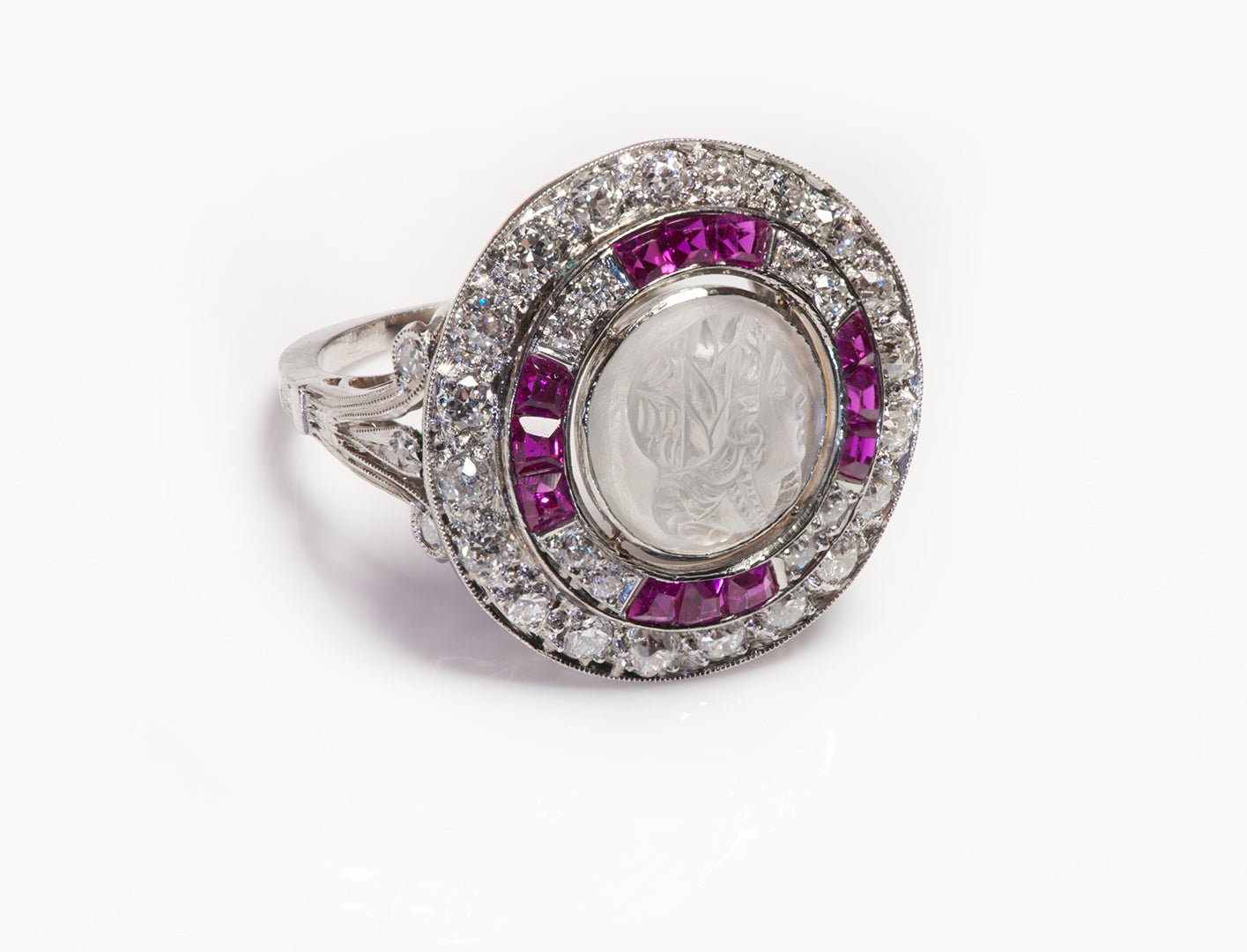
Antique Edwardian Platinum Moonstone Cameo Diamond Ruby Ring
Sale price$15,500.00
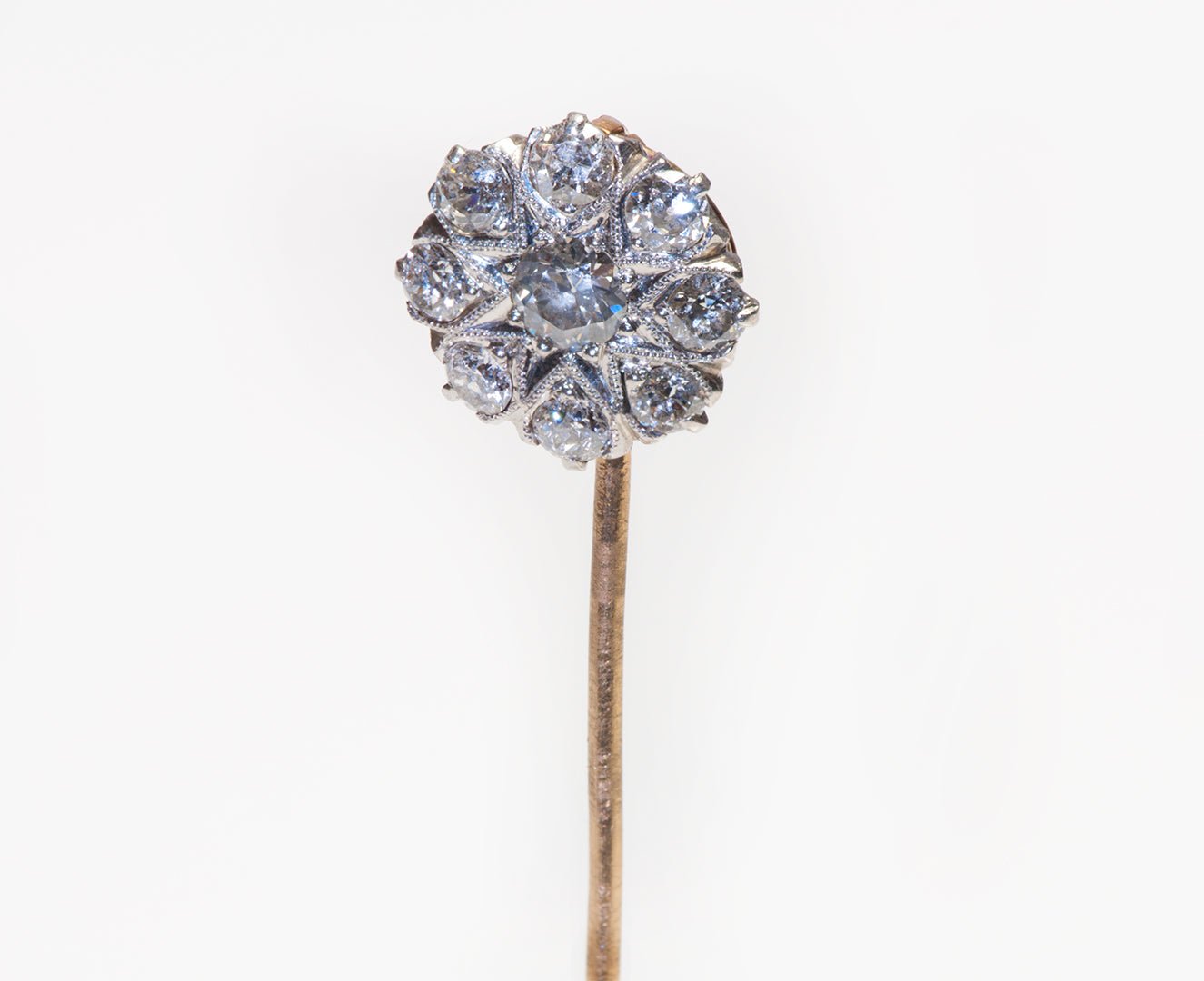
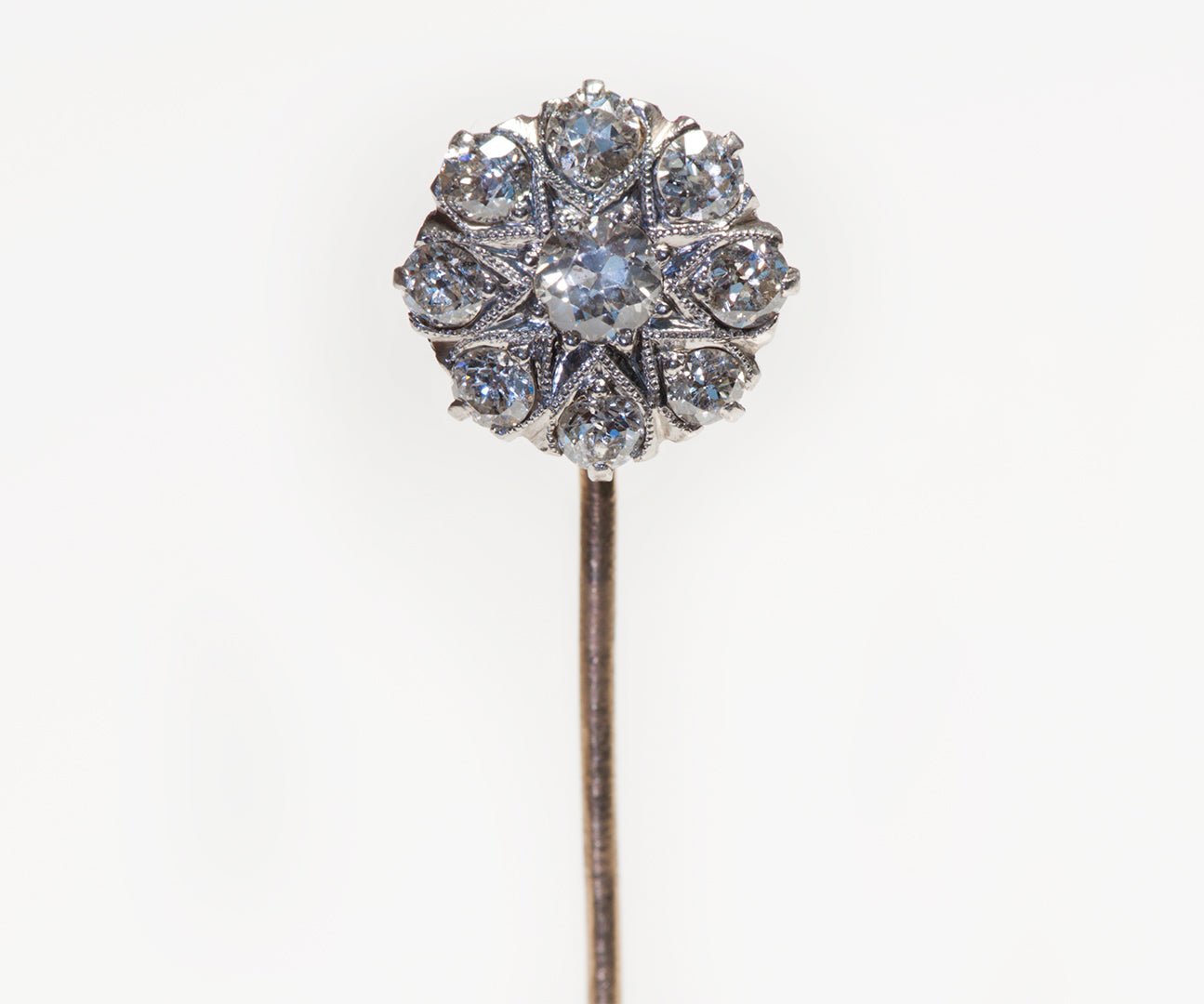
Edwardian Platinum Diamond Stick Pin
Sale price$4,950.00
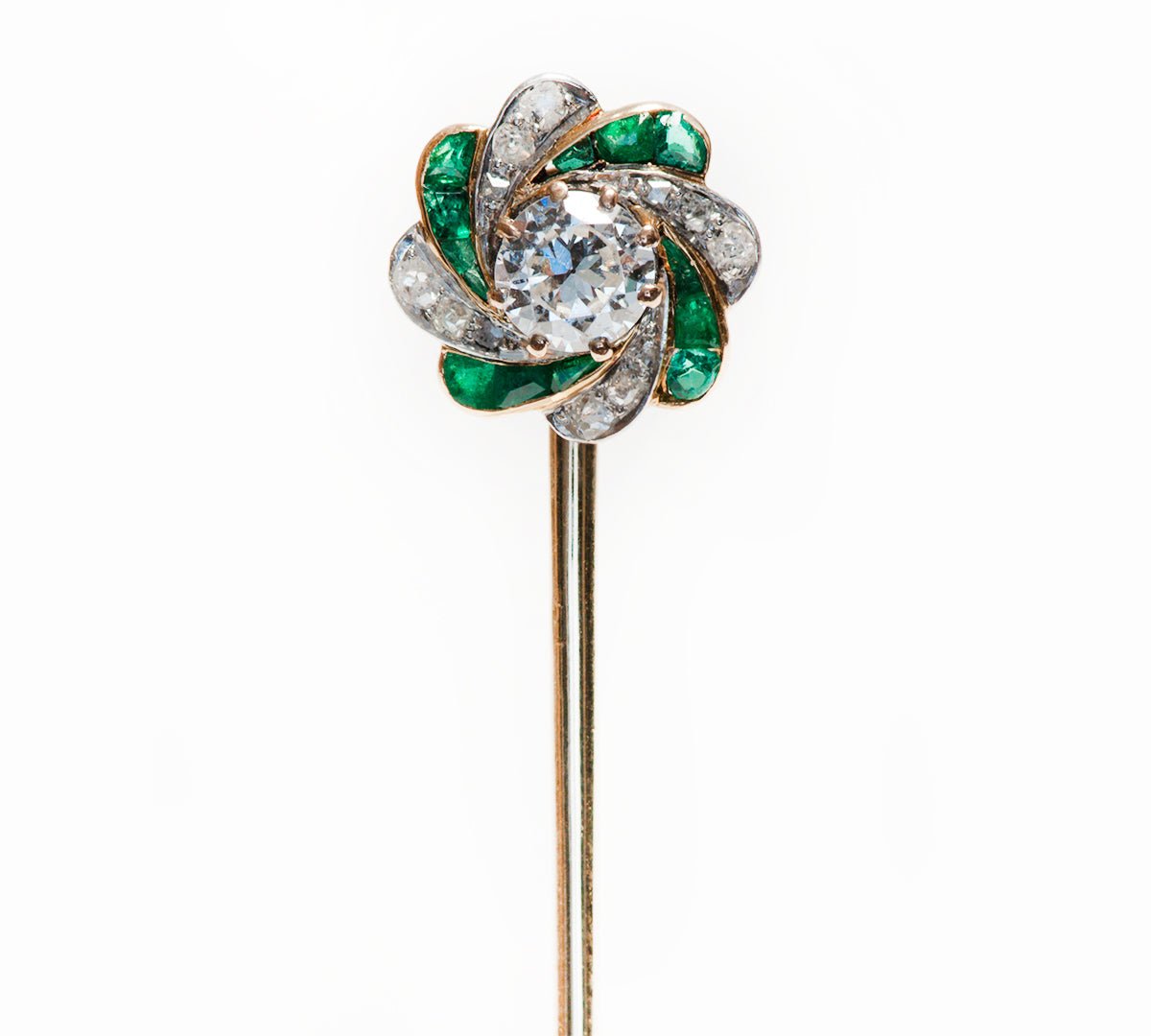
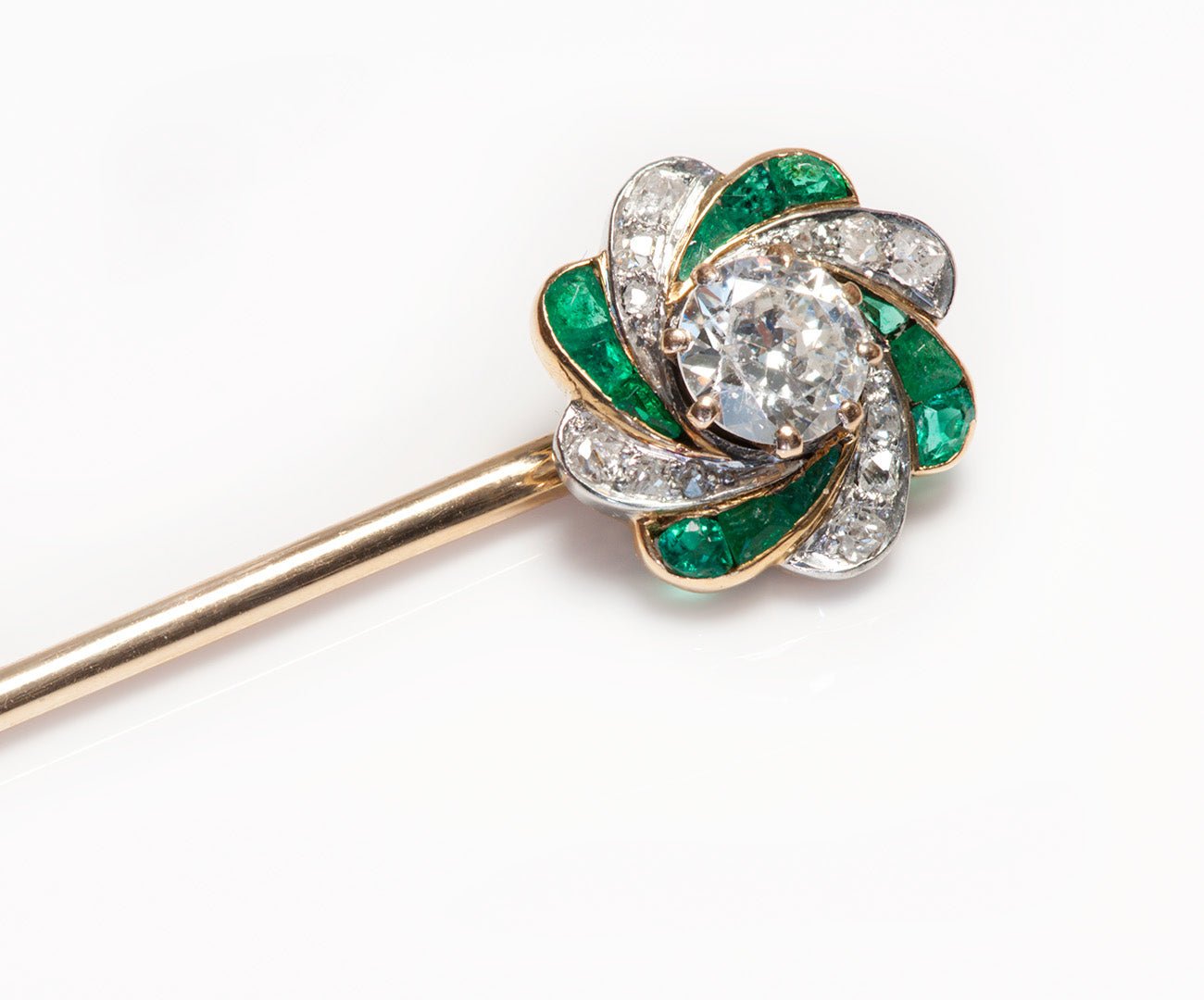
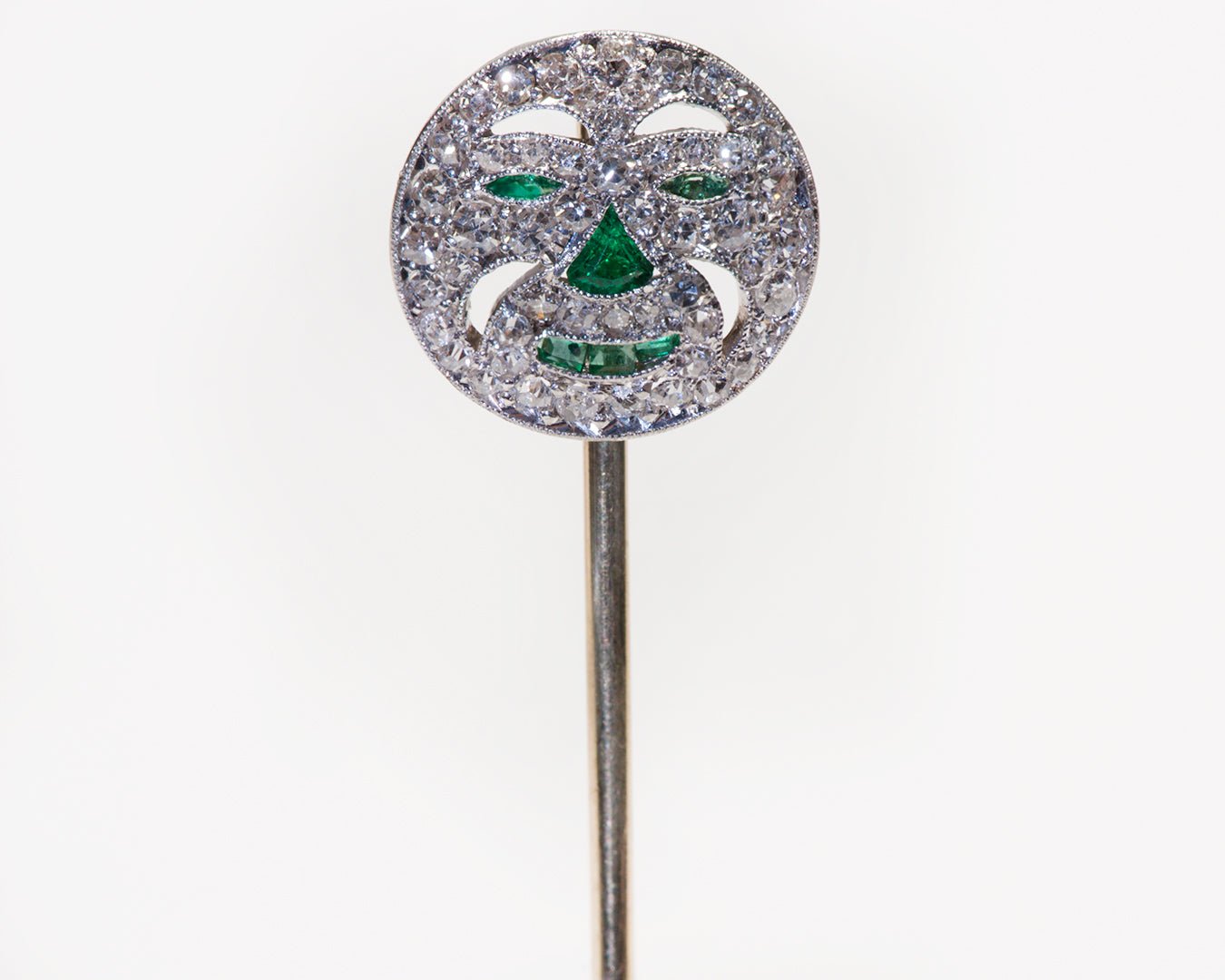
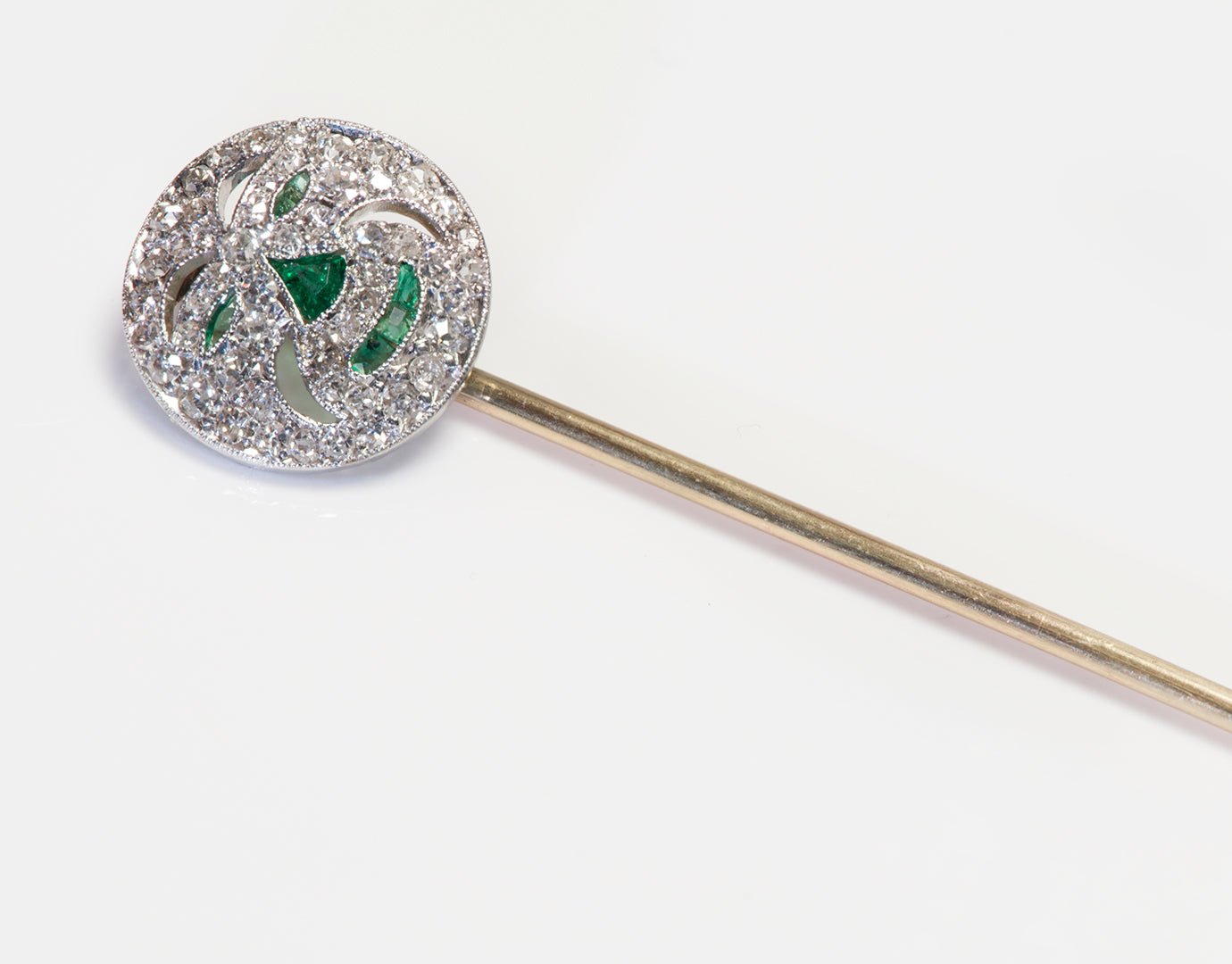
Antique Edwardian Platinum Emerald Diamond Stick Pin
Sale price$7,500.00
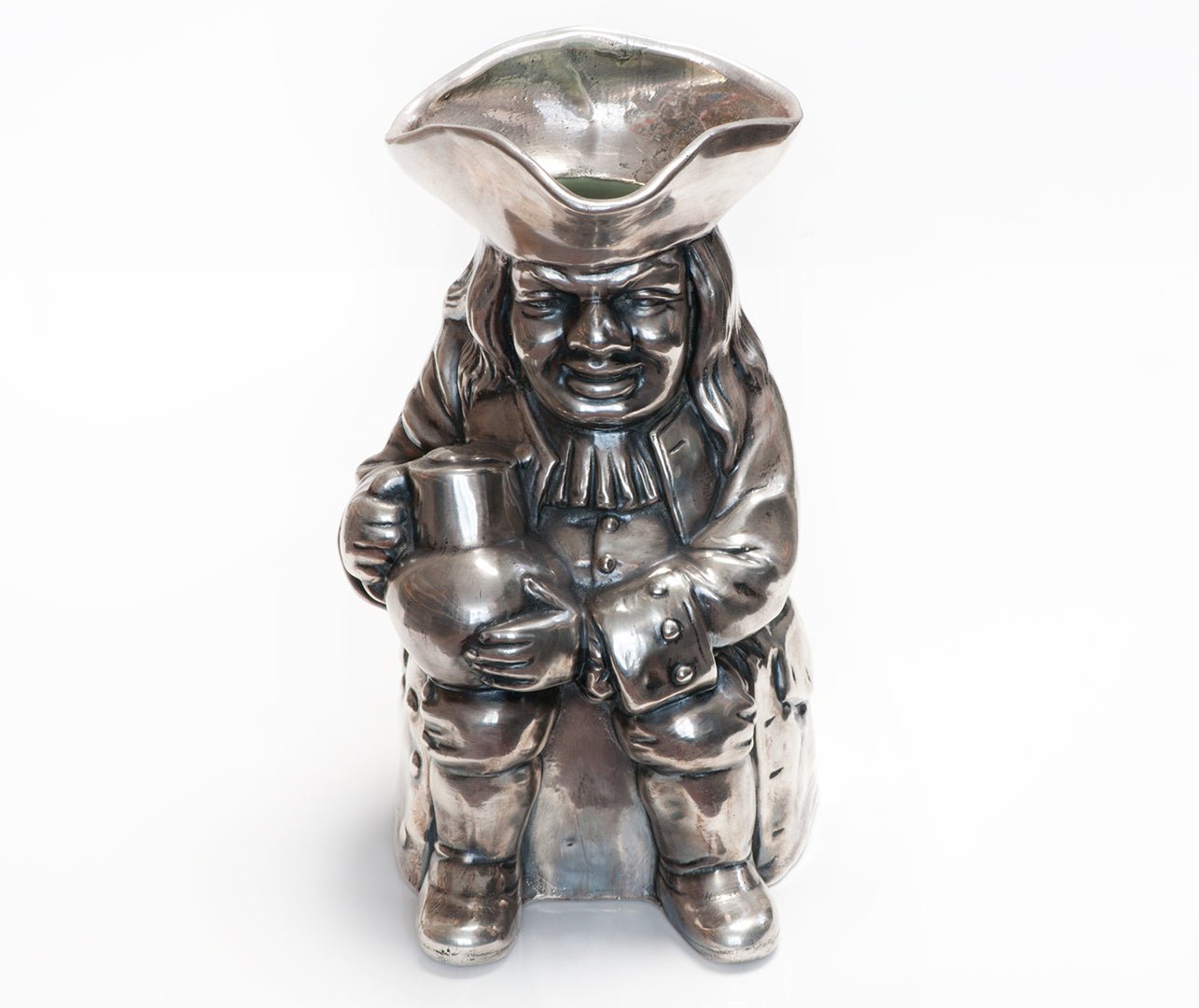
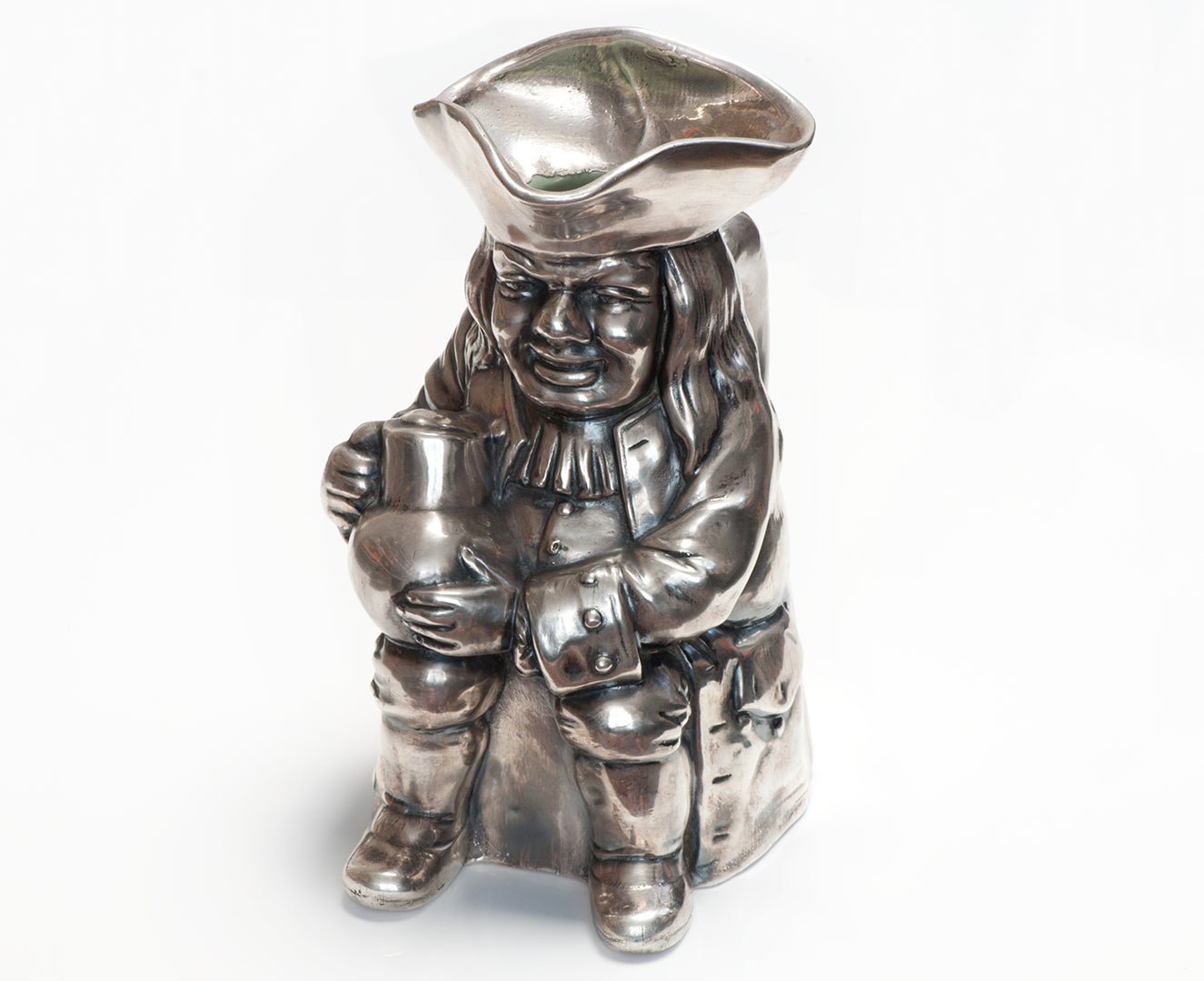
Antique Edwardian Shreve & Co. Toby Jug Silver Overlay
Sale price$3,500.00
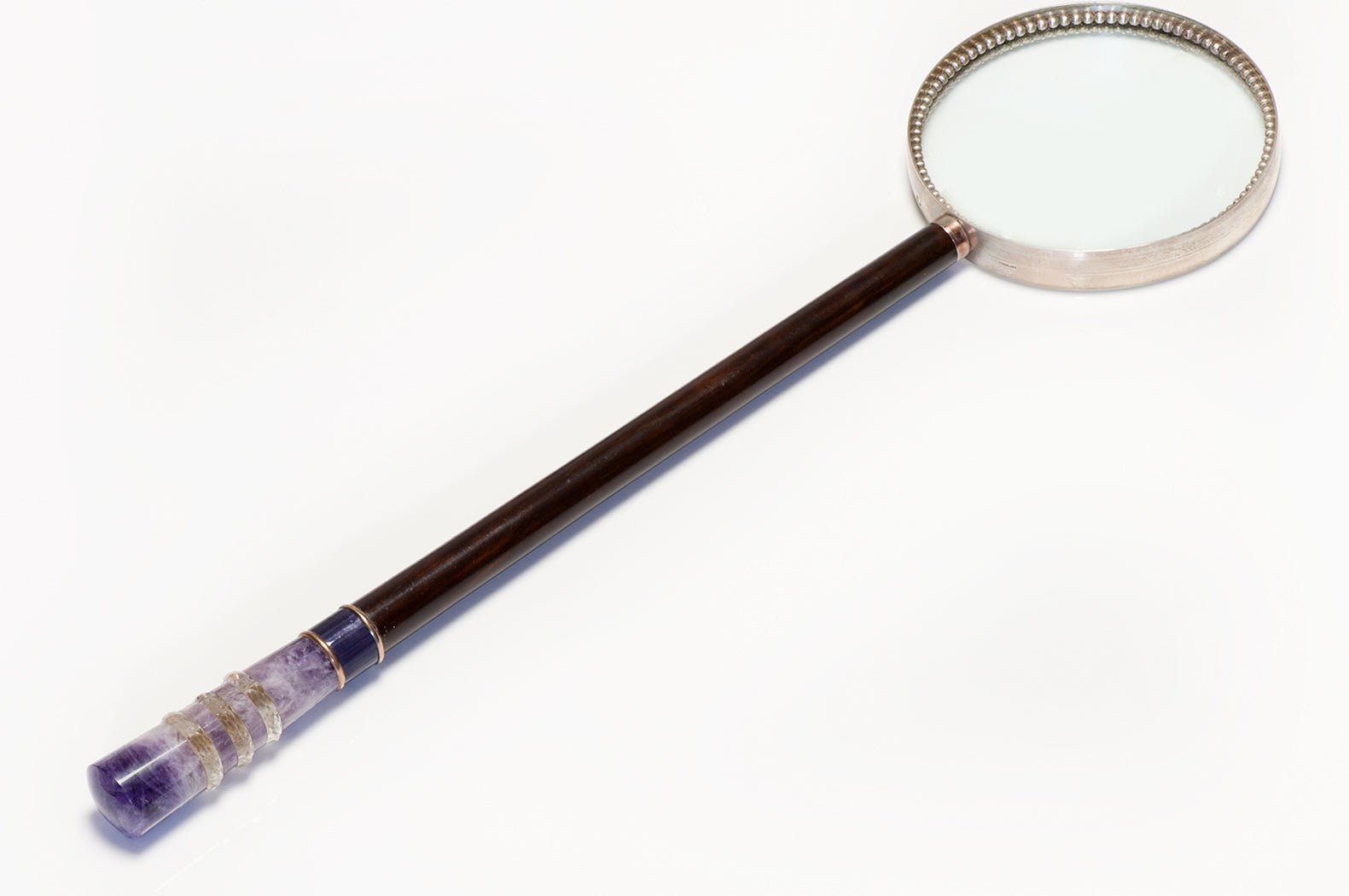
Antique Edwardian Sterling Silver Gold Amethyst Magnifying Glass
Sale price$5,500.00
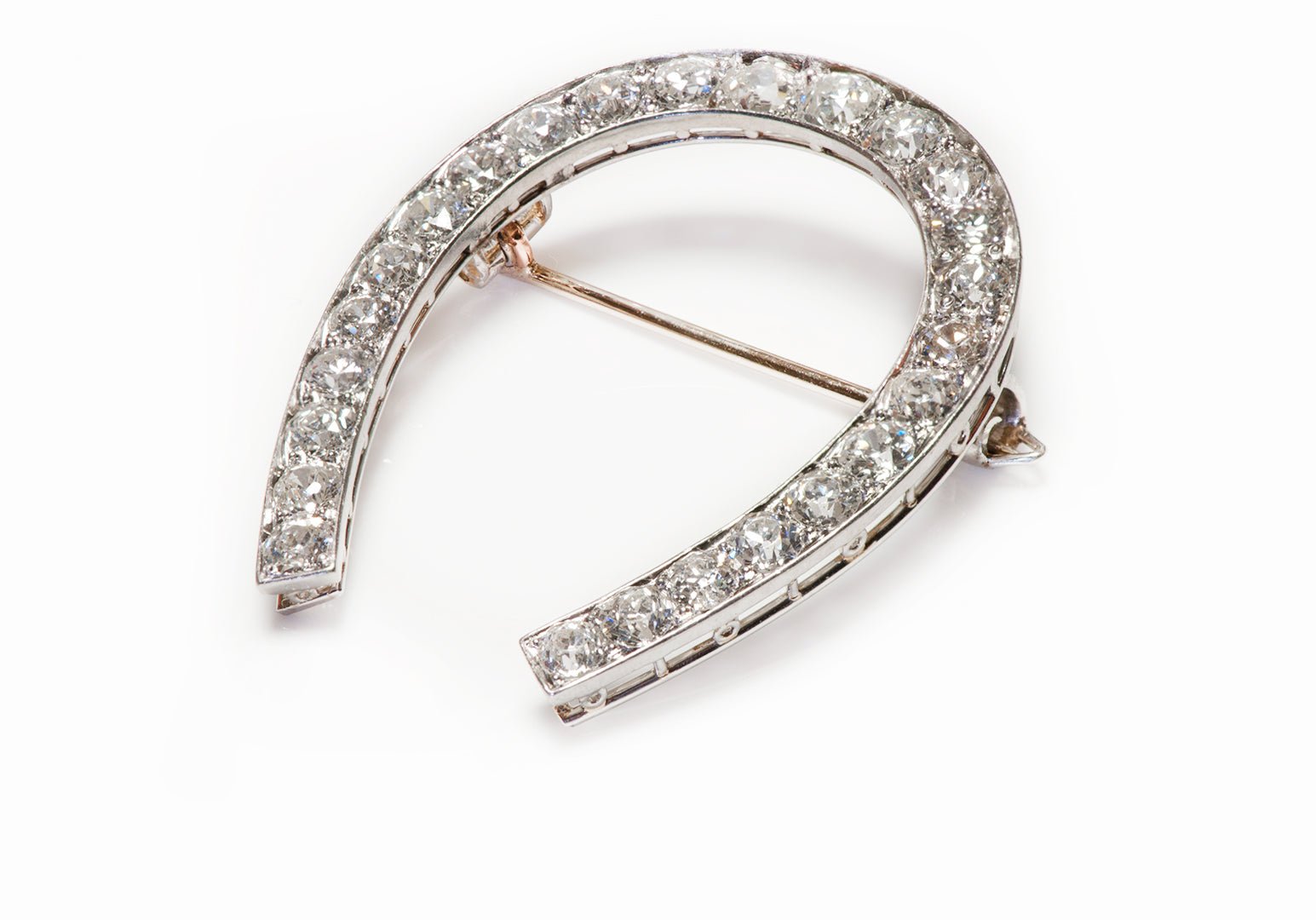
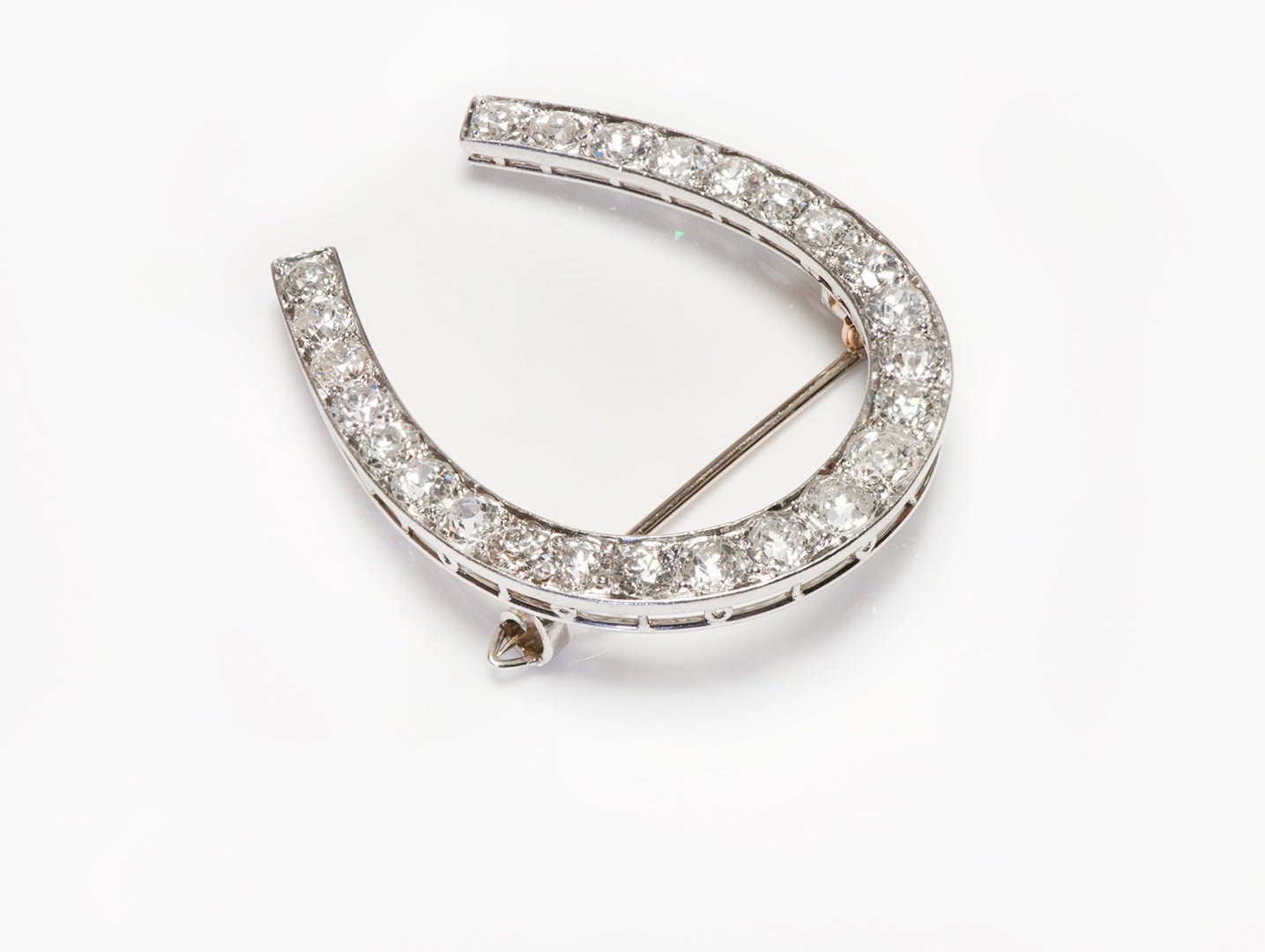
Antique Edwardian Diamond Platinum Horseshoe Brooch
Sale price$11,500.00
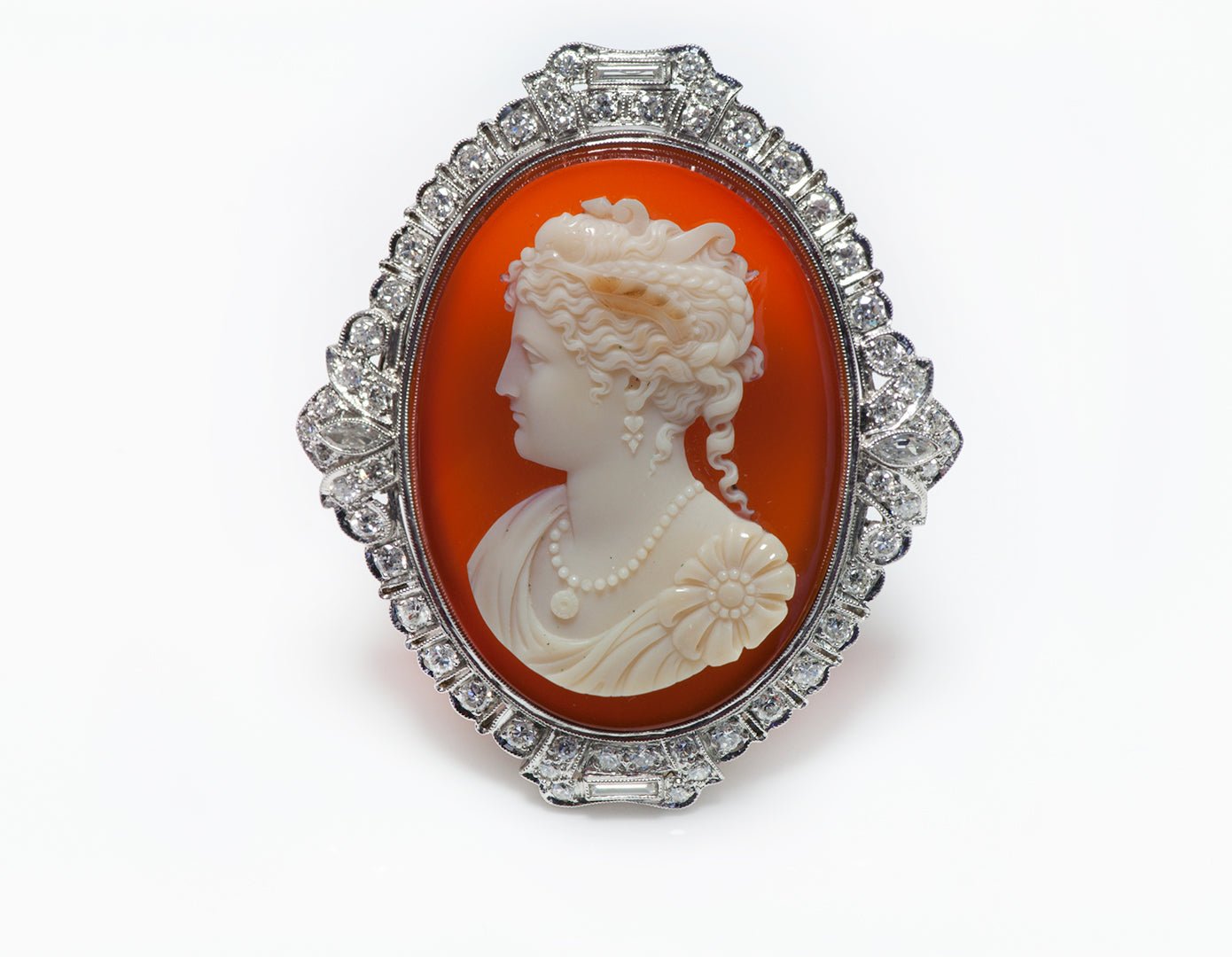
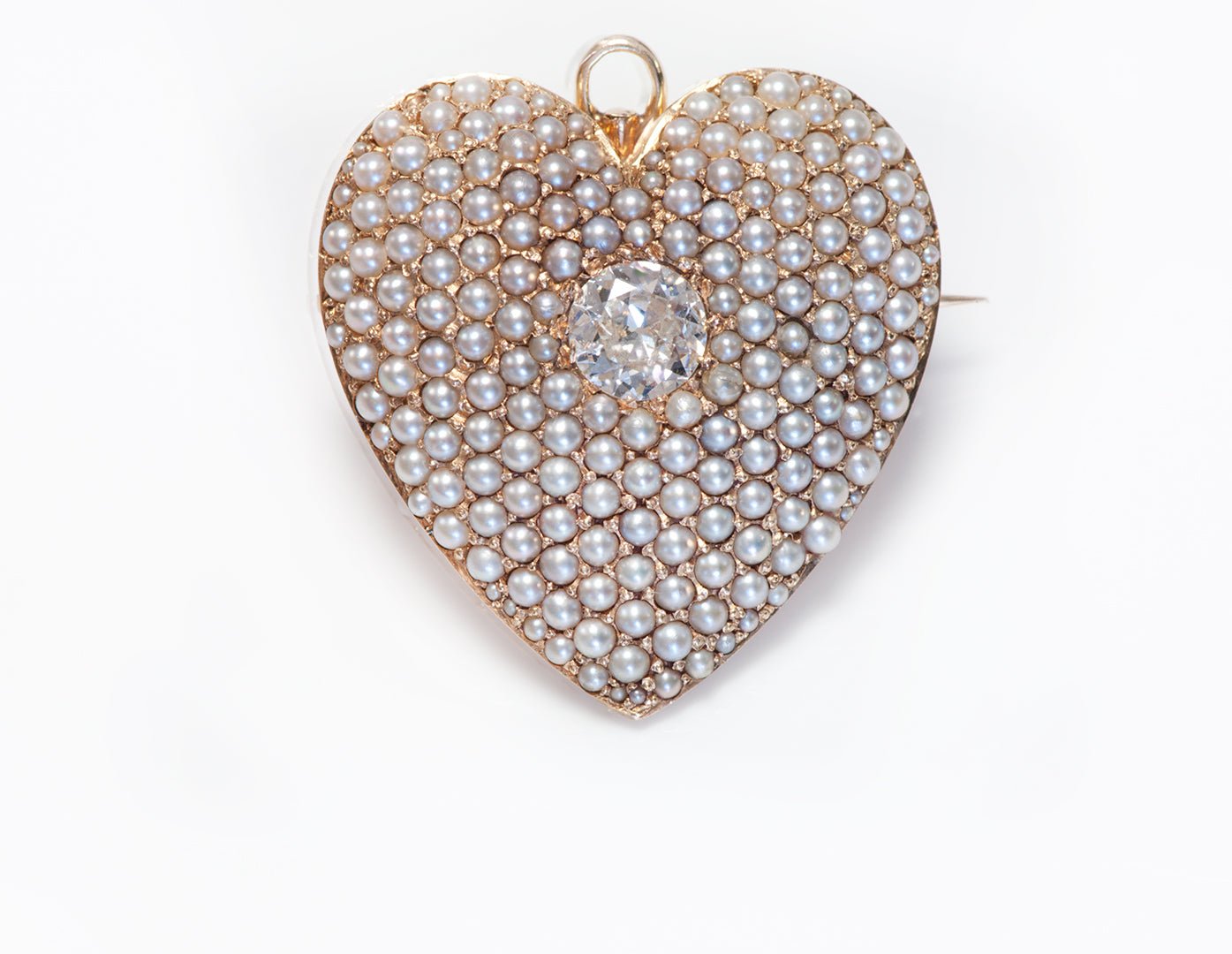
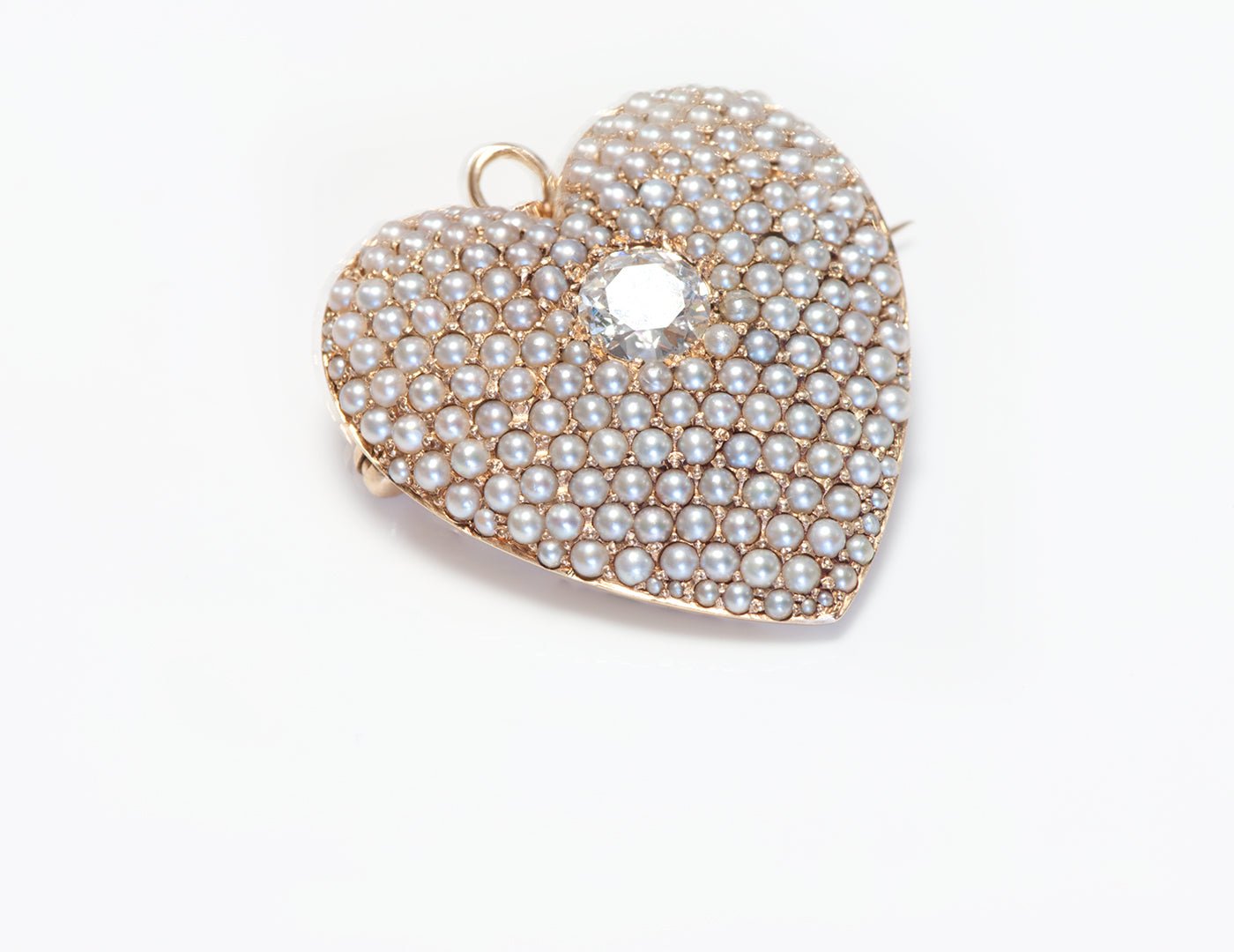
Antique Edwardian Gold Diamond Seed Pearl Heart Pendant Brooch
Sale price$6,500.00
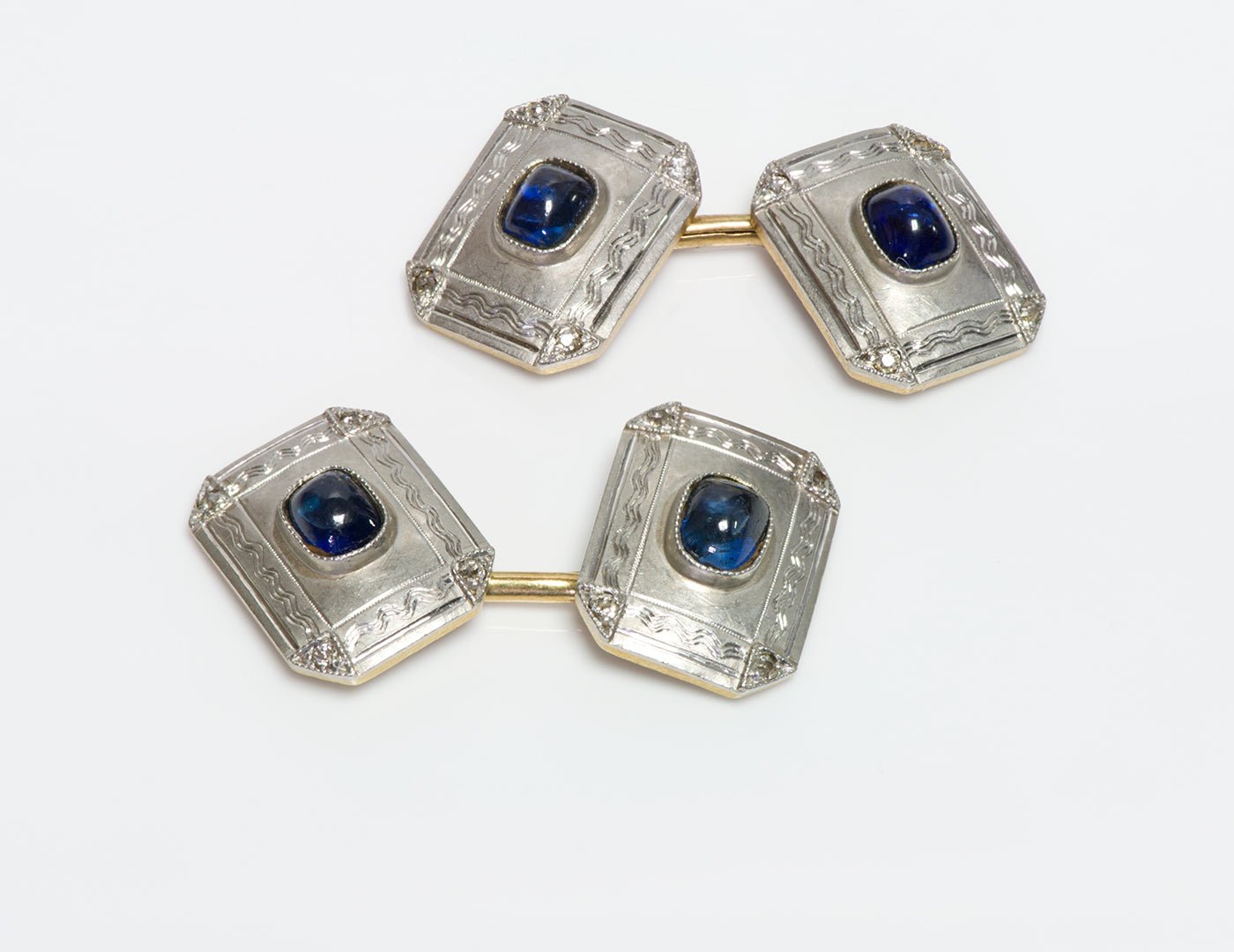
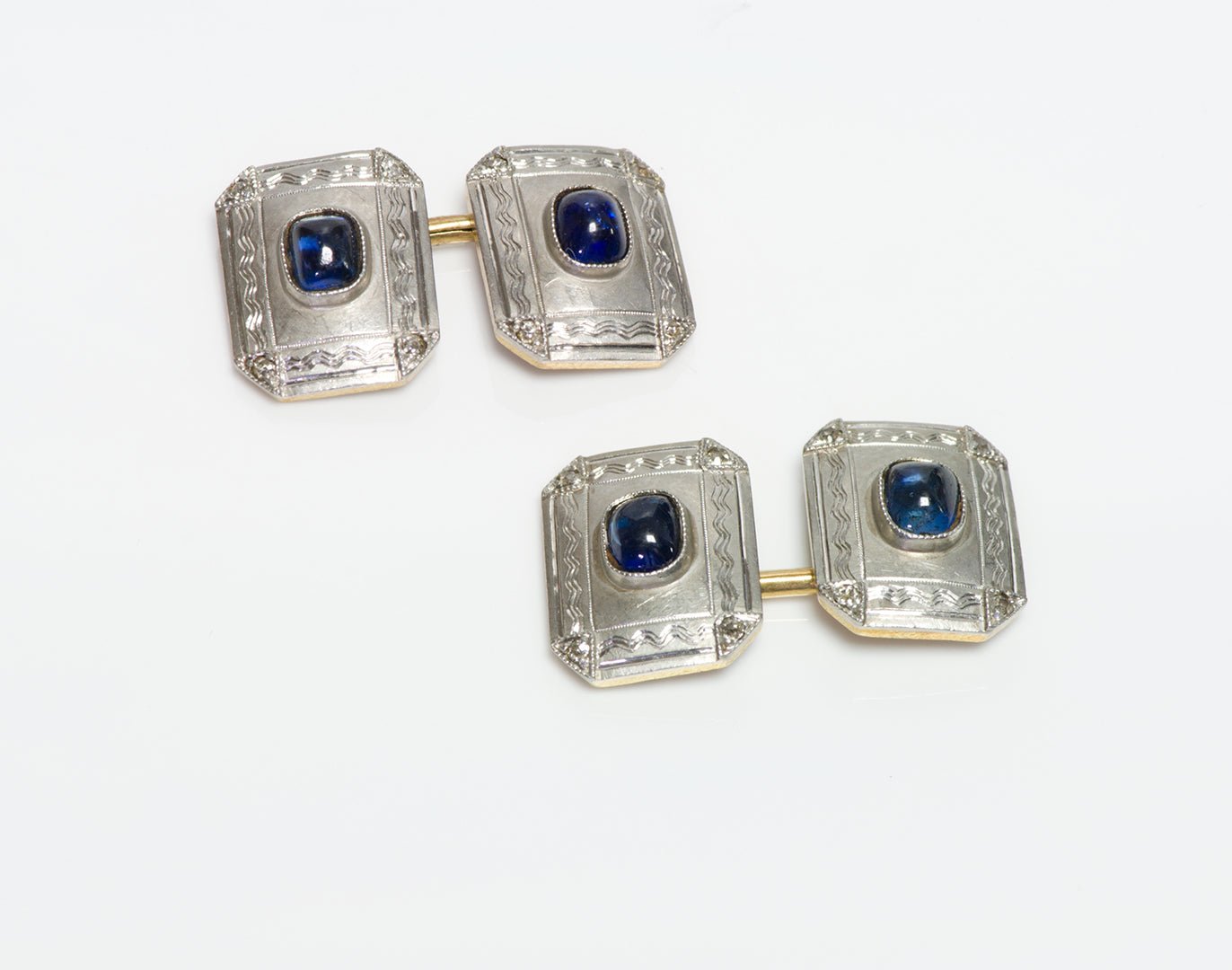
Antique Edwardian Platinum & Gold Sapphire Cufflinks
Sale price$5,500.00
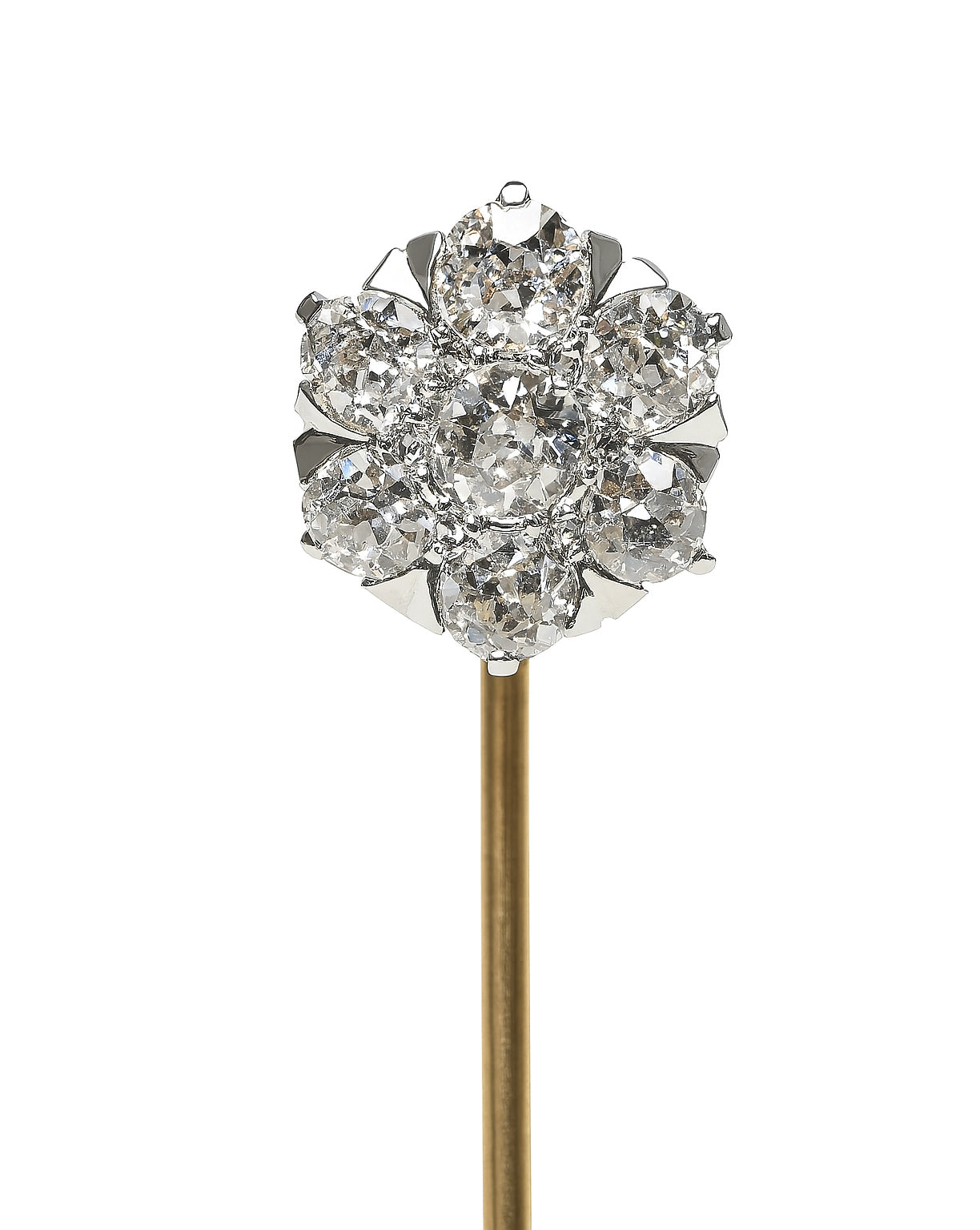
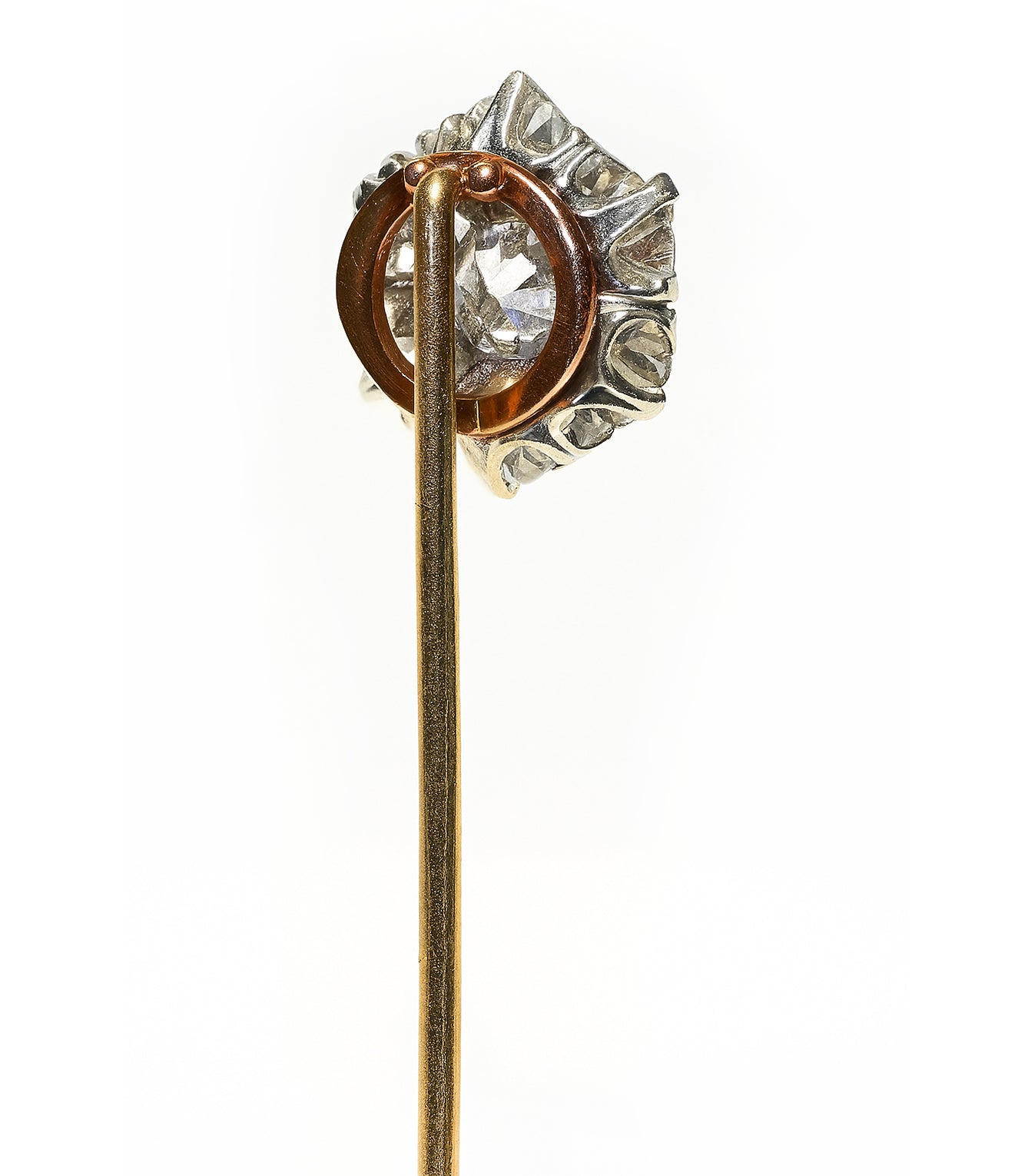
Antique Edwardian Gold Diamond Cluster Stick Pin
Sale price$1,250.00
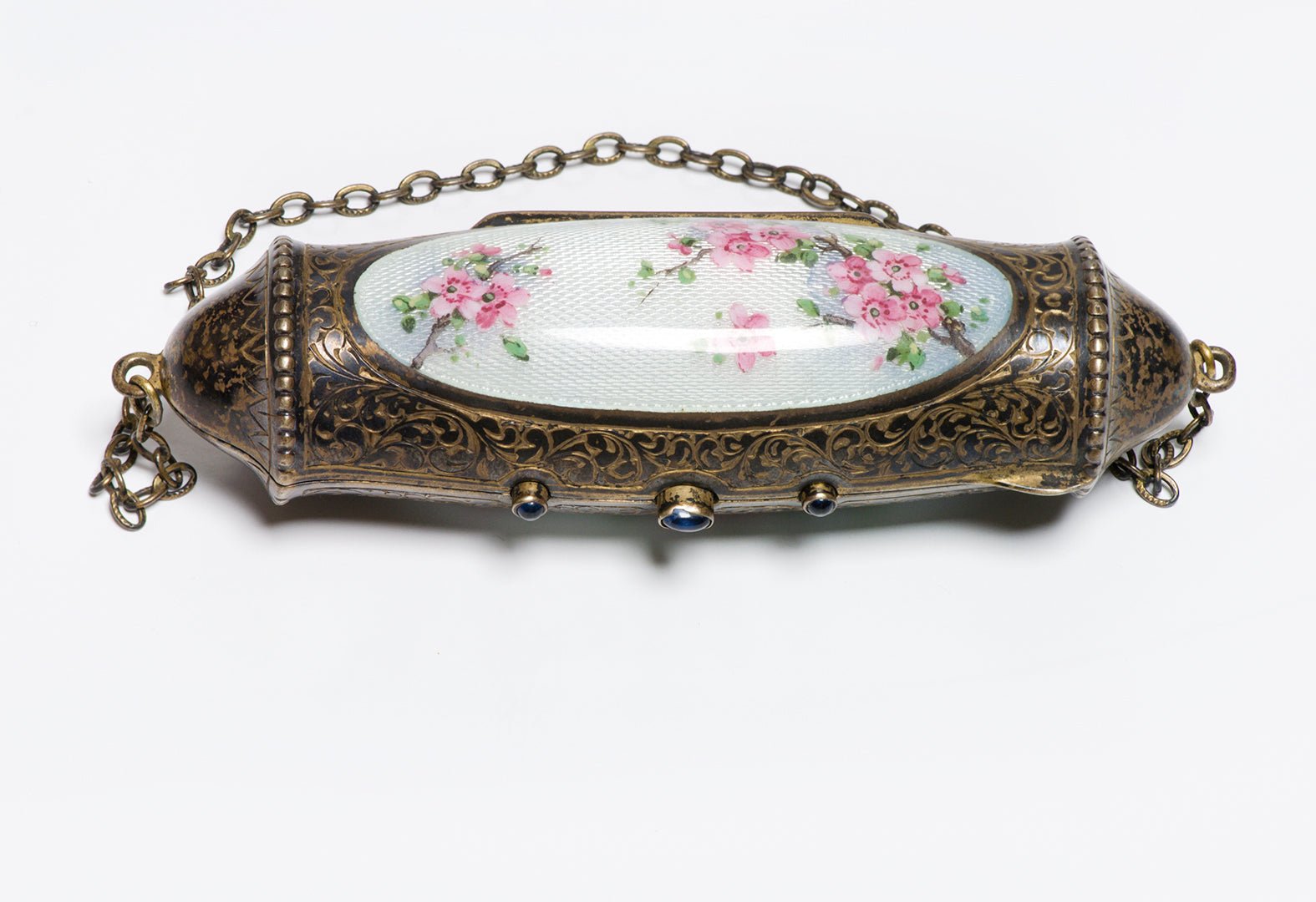
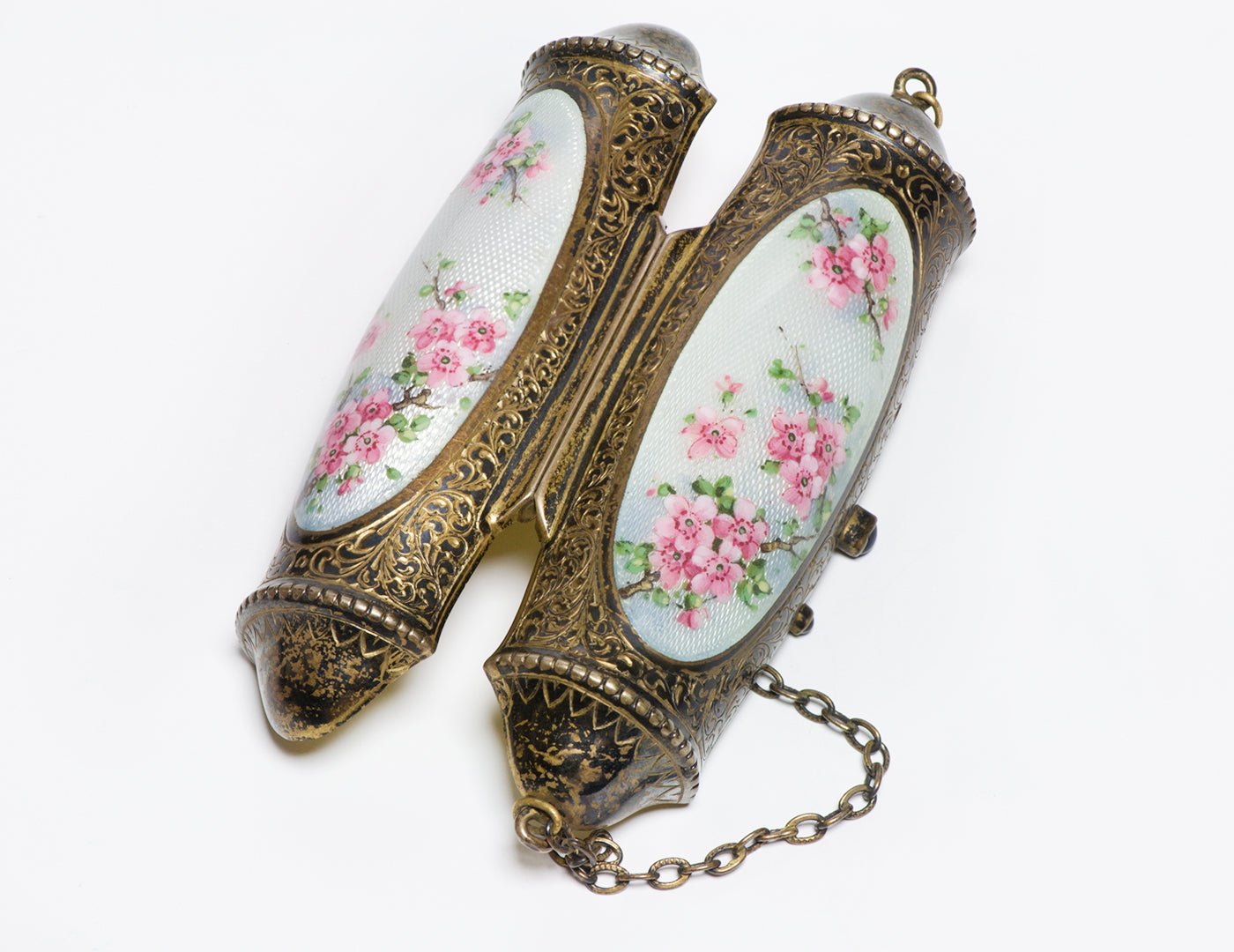
Antique Edwardian Silver Enamel & Sapphire Unusual Shape Minaudiere
Sale price$4,500.00
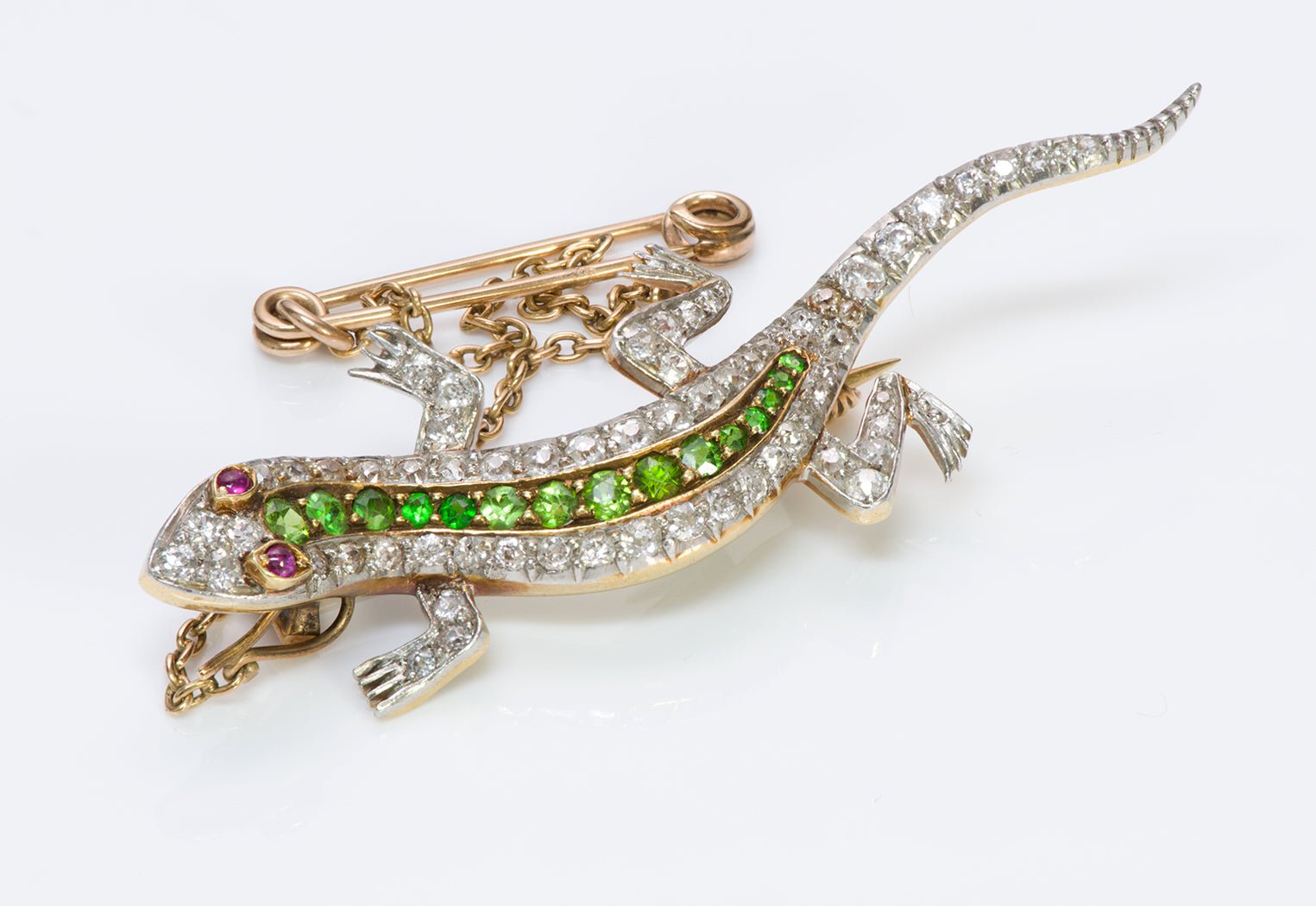
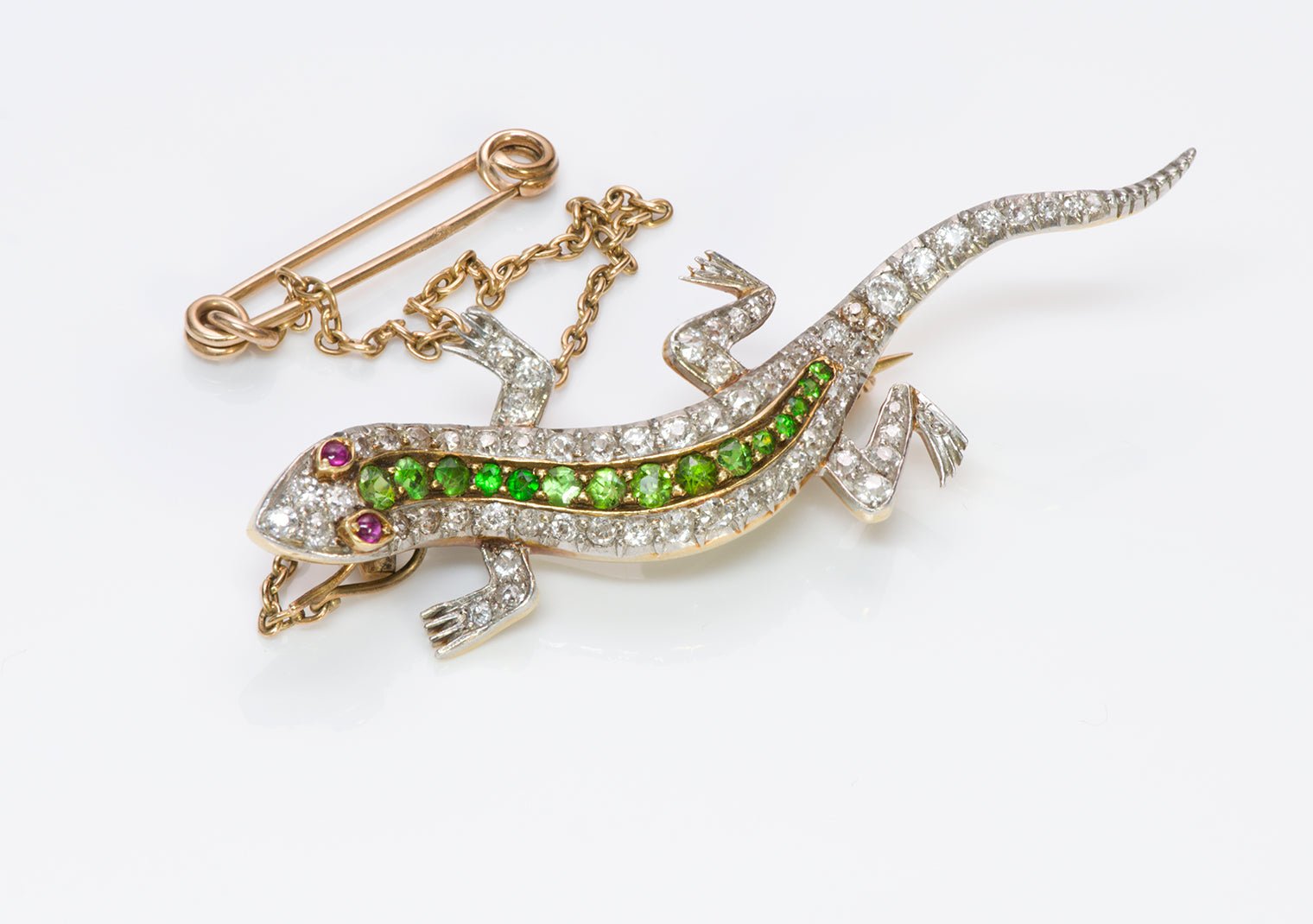
Antique Edwardian Diamond Demantoid Ruby Gold Lizard Brooch
Sale price$9,500.00
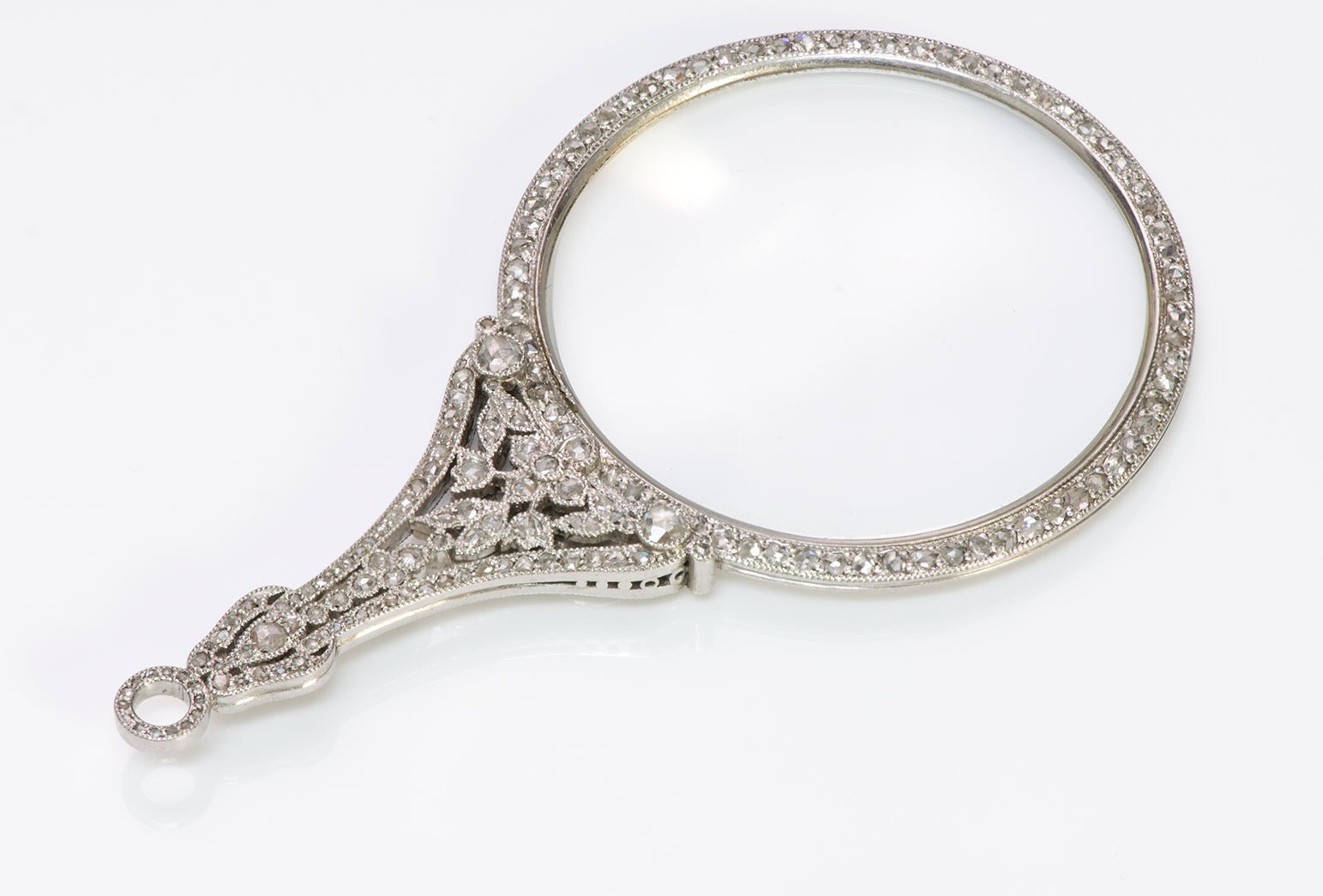
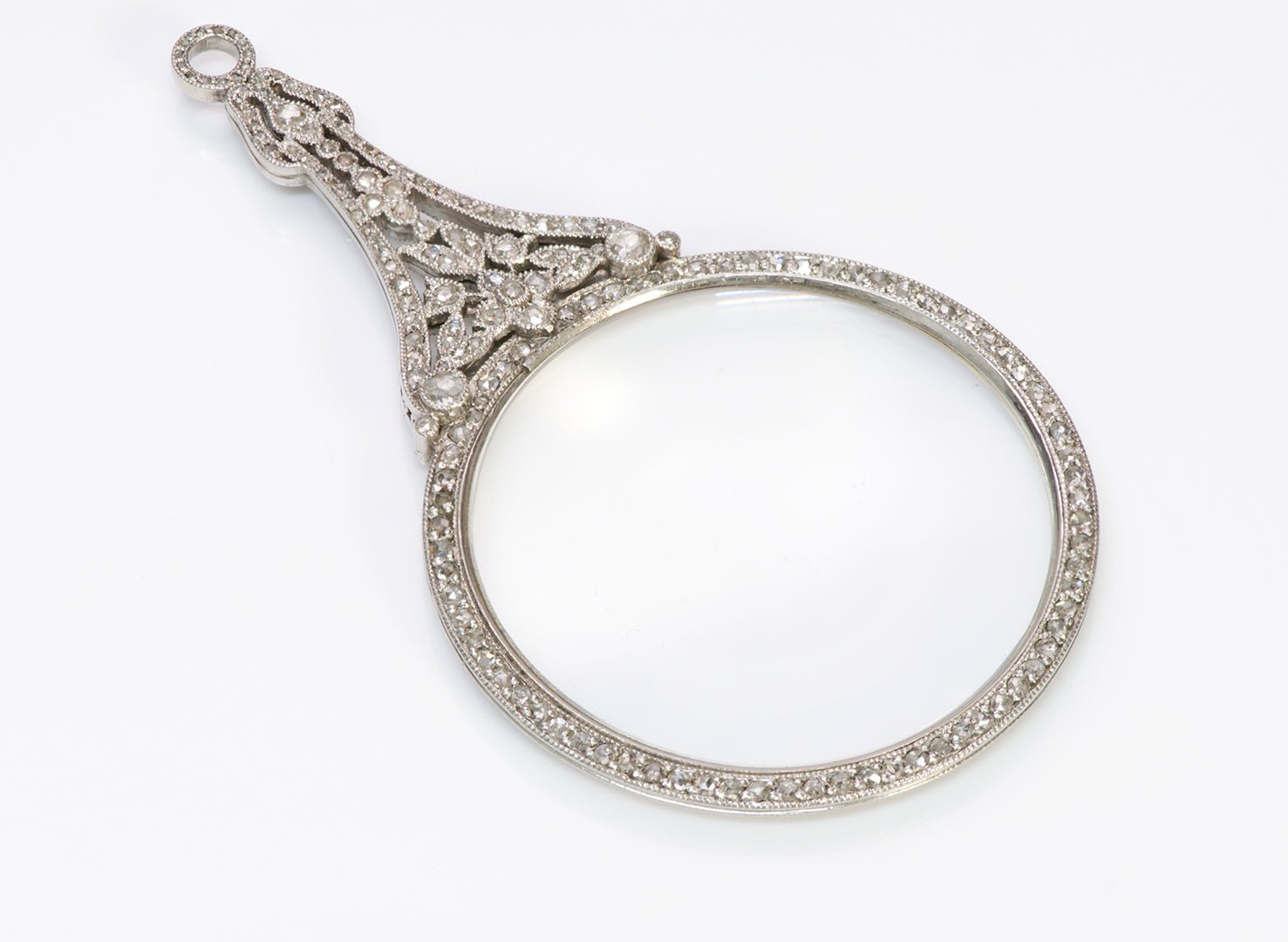
Antique Edwardian Platinum Diamond Quizzing Glass
Sale price$7,500.00
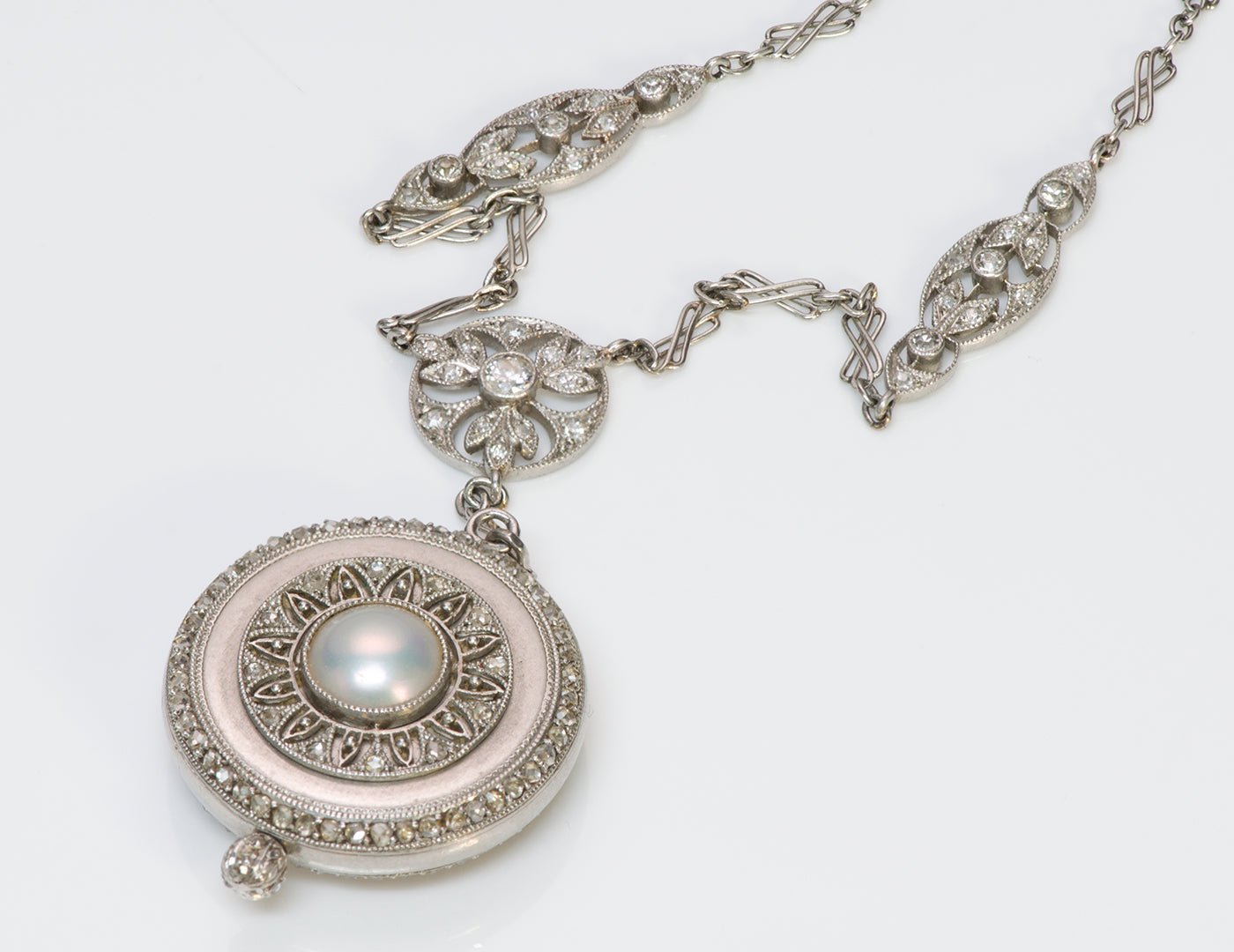
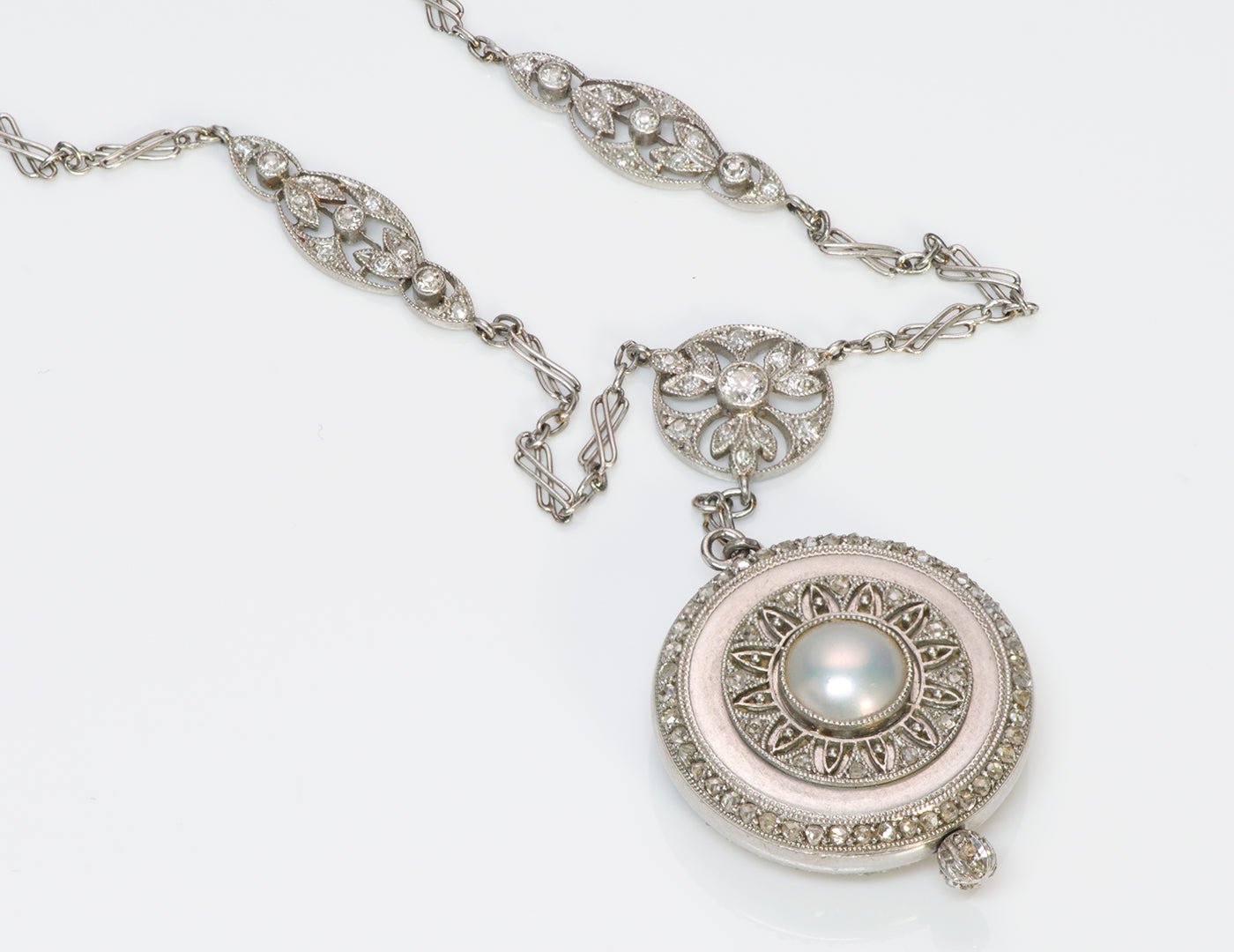
Black Starr Frost Antique Edwardian Platinum Pearl Diamond Pendant Watch
Sale price$14,500.00
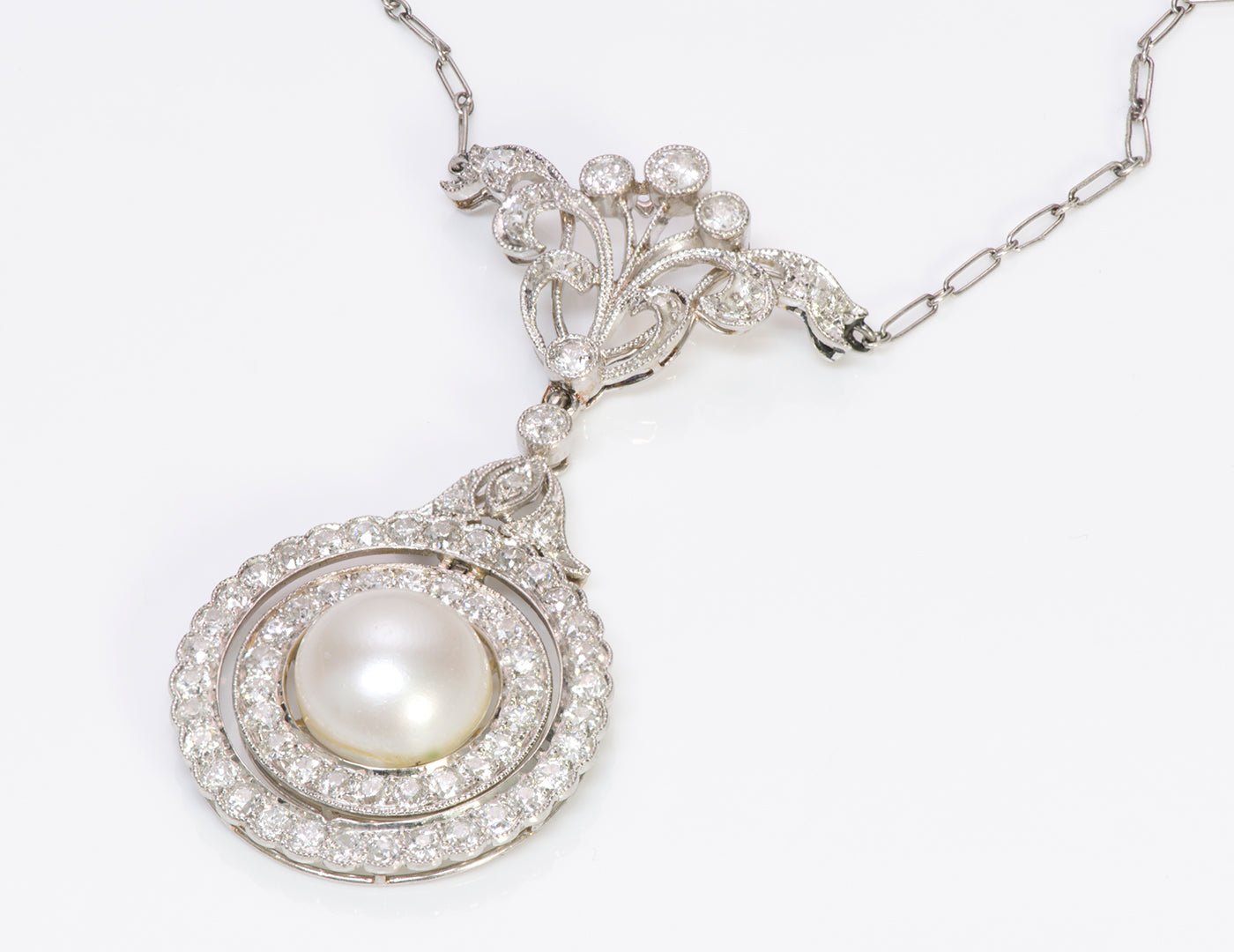
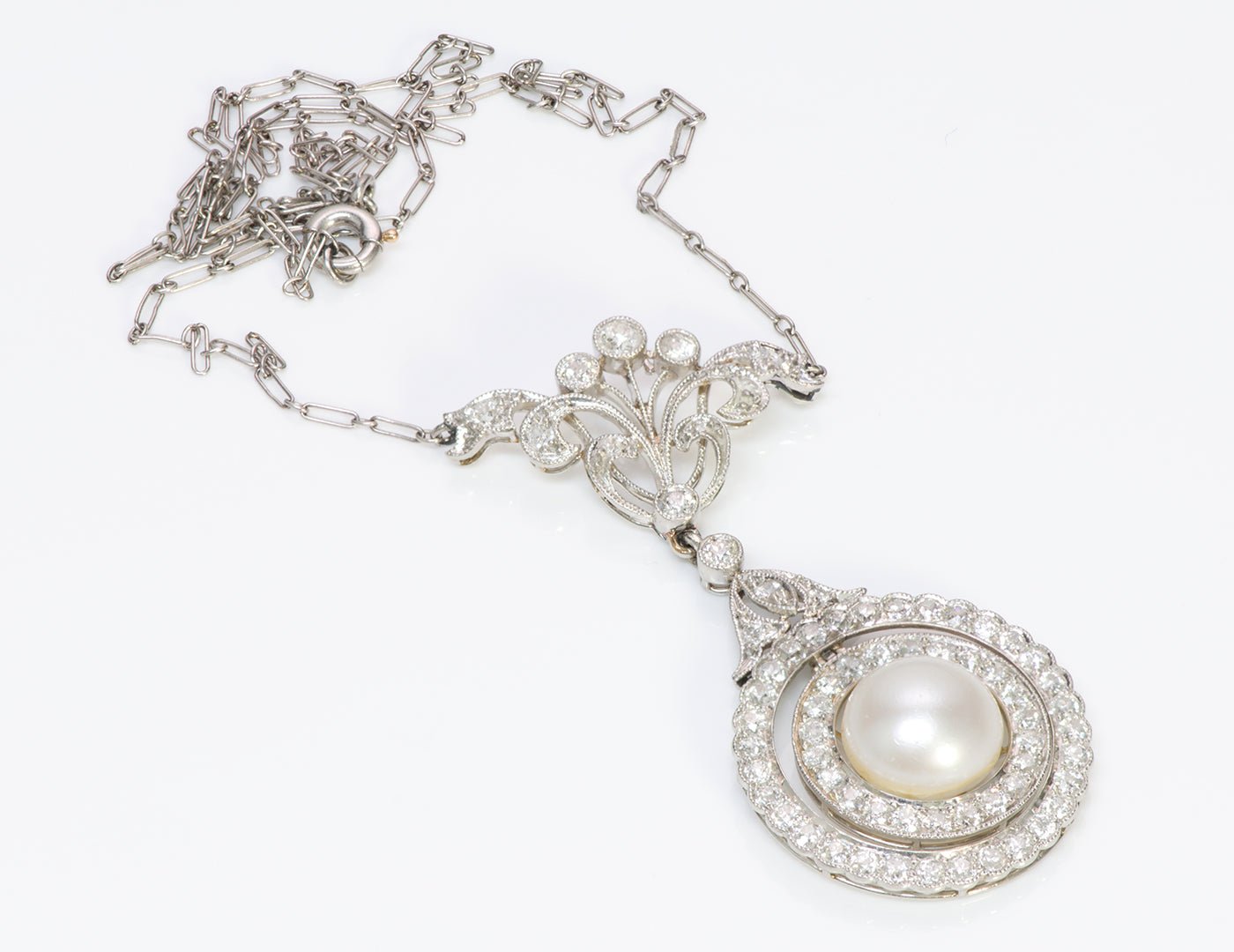
Antique Edwardian Platinum Diamond Pearl Pendant
Sale price$9,500.00
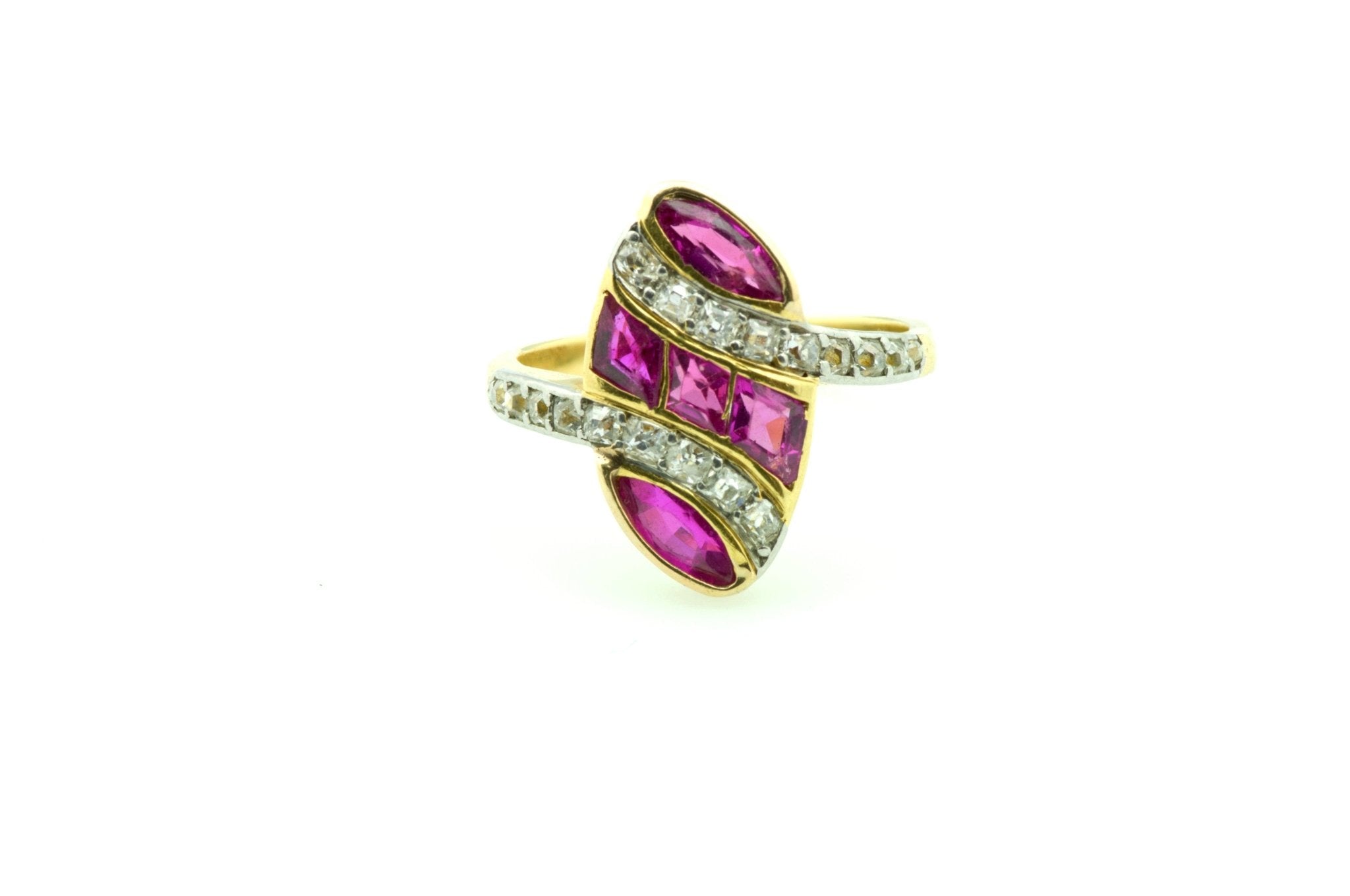
Edwardian 18K Gold Ruby Diamond Ring
Sale price$5,500.00
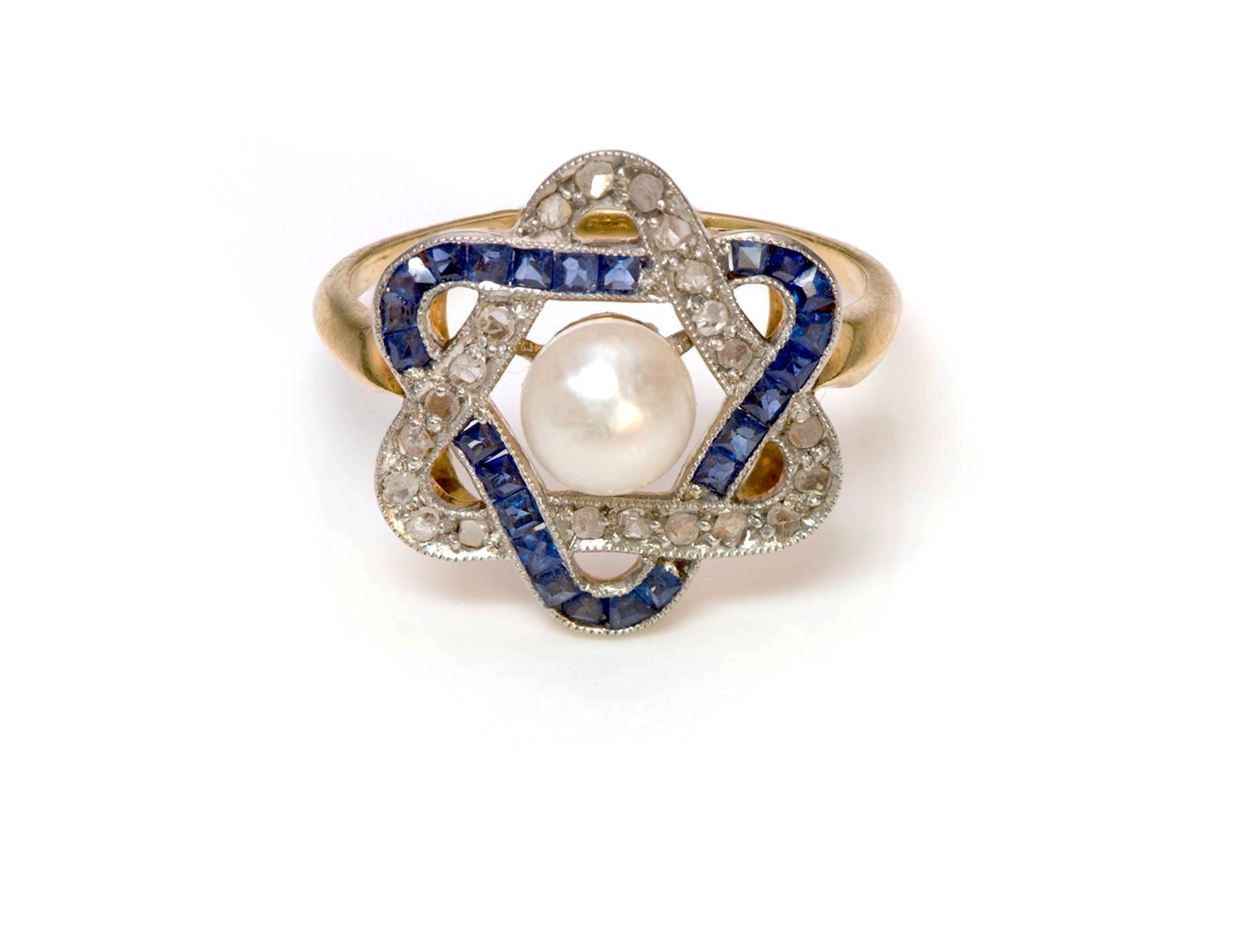
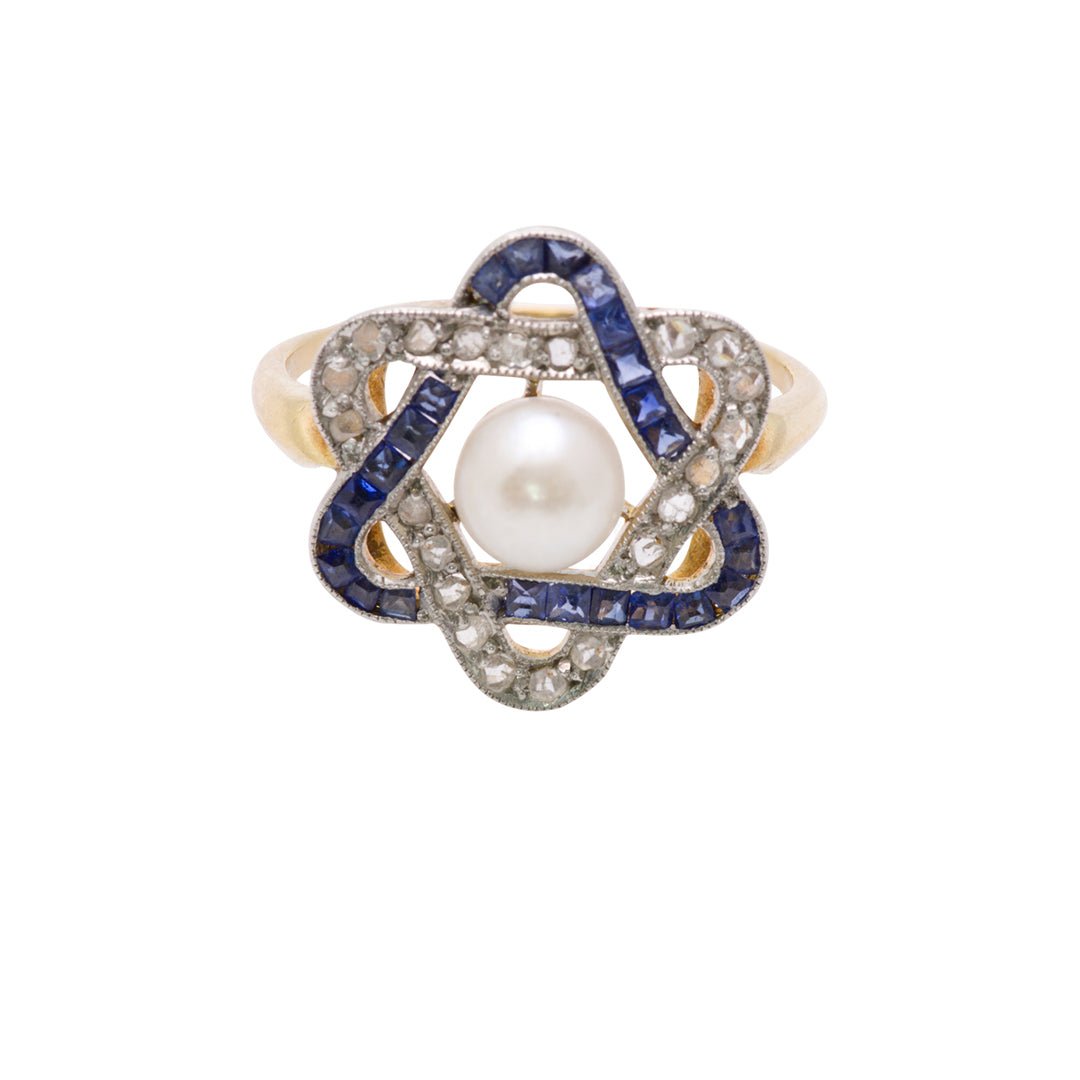
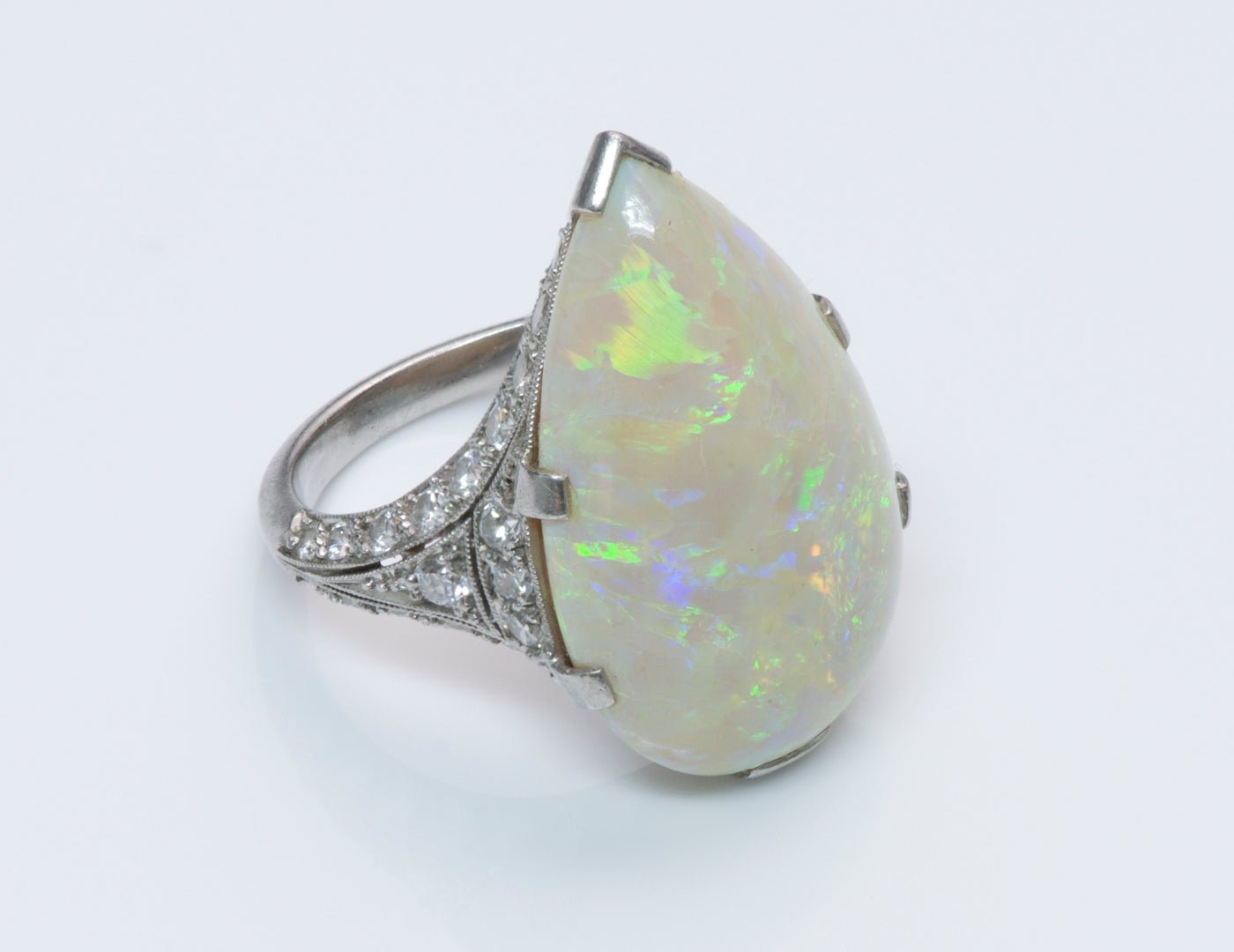
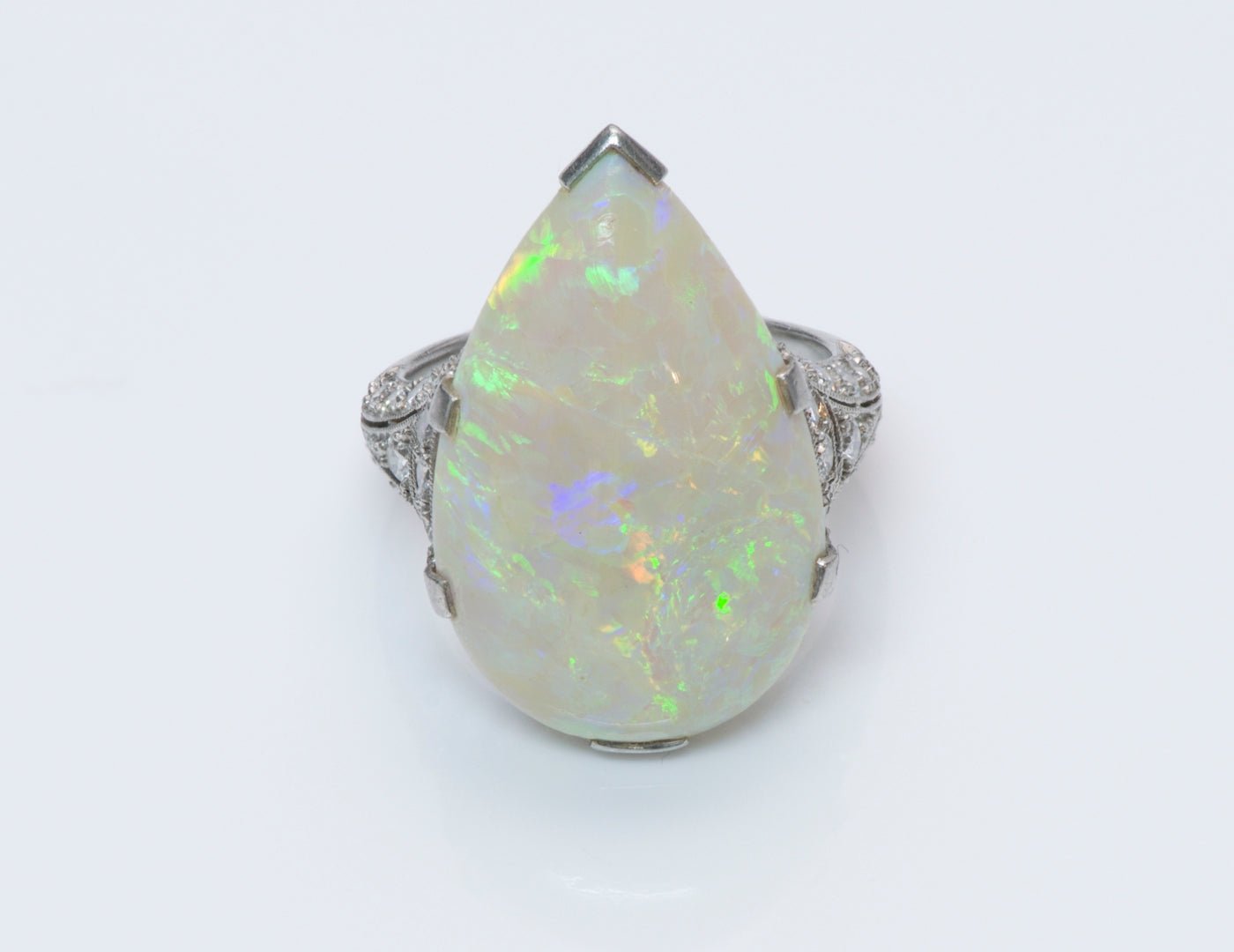
Antique Edwardian Pear-Shaped Opal and Diamond Gold Ring
Sale price$9,500.00
Edwardian Jewelry
Proud Member of Respected Jewelry Industry Organizations
These memberships reflect DSF Antique Jewelry’s commitment to integrity, education, and responsible practices within the jewelry trade.


×
Please wait...
Make An Offer
Thank you for your interest. Please submit your offer, and we’ll get back to you.