How Gold Is Traded, Valued, and Used Around the World
Gold has occupied a unique position in human history for thousands of years. Valued across cultures and continents, it functions simultaneously as a monetary reference, a material for artistic expression, and a store of wealth. While modern markets often focus on price movements, gold’s importance extends far beyond financial charts, rooted deeply in its physical properties and cultural significance.
Gold as a Global Store of Value
Gold is widely regarded as a store of value during periods of political and economic uncertainty. Unlike currencies, which are tied to individual governments, gold is universally recognized and does not depend on the creditworthiness of any single institution. This characteristic has made it a consistent reference point during times of inflation, currency volatility, and geopolitical instability.
Historically, gold has retained purchasing power across generations, a quality that continues to underpin both investment demand and cultural attachment to the metal.
Where Gold Is Traded and How Prices Are Formed
Gold is primarily traded through major global markets, including the over-the-counter (OTC) London market, U.S. futures exchanges such as COMEX, and the Shanghai Gold Exchange (SGE). These venues help establish international benchmark prices based on supply, demand, currency movements, and macroeconomic conditions.
Standard gold futures contracts typically represent 100 troy ounces, while spot prices reflect immediate settlement in the physical market. Although pricing mechanisms are financial in nature, they ultimately reference a tangible material that must be mined, refined, and physically stored.
Gold Consumption: Jewelry, Investment, and Industry
Global gold demand is distributed across three primary categories:
-
Jewelry, accounting for approximately 50% of total consumption
-
Investment, representing roughly 40%
-
Industrial and technological uses, comprising the remaining 10%
This breakdown highlights gold’s dual identity: both a financial asset and a material of cultural and artistic importance. Jewelry remains the largest single source of demand, underscoring gold’s role beyond investment alone.
Why Jewelry Represents the Largest Share of Gold Demand
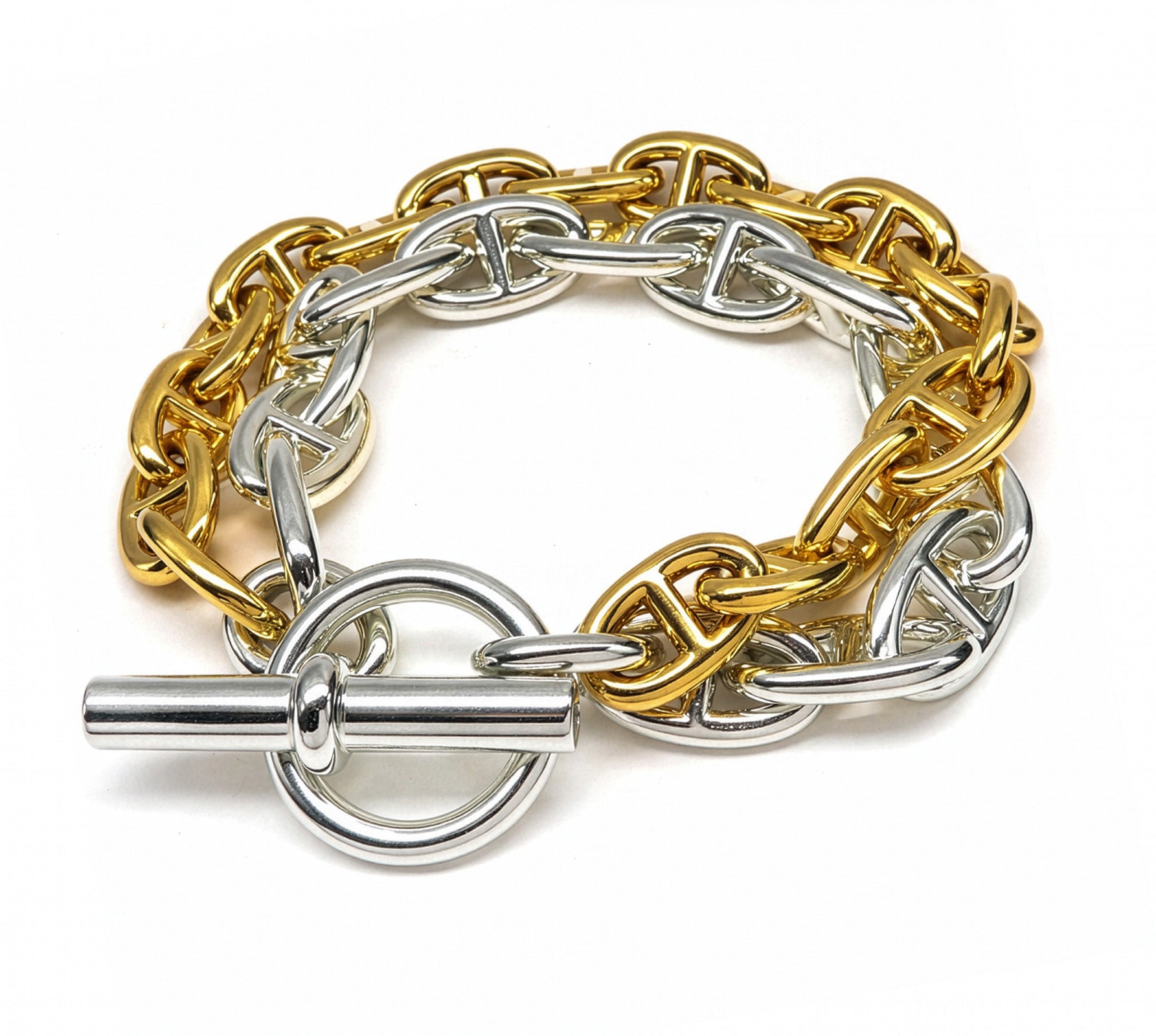
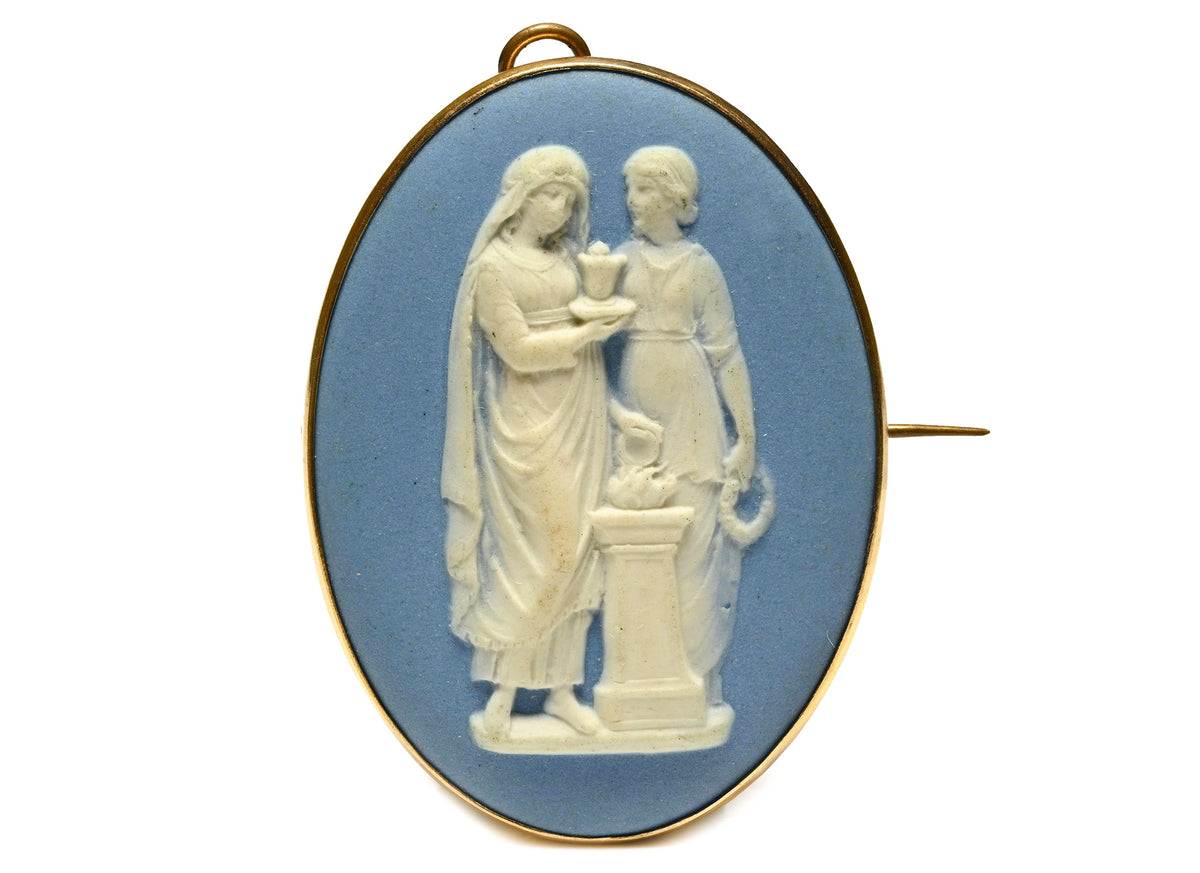
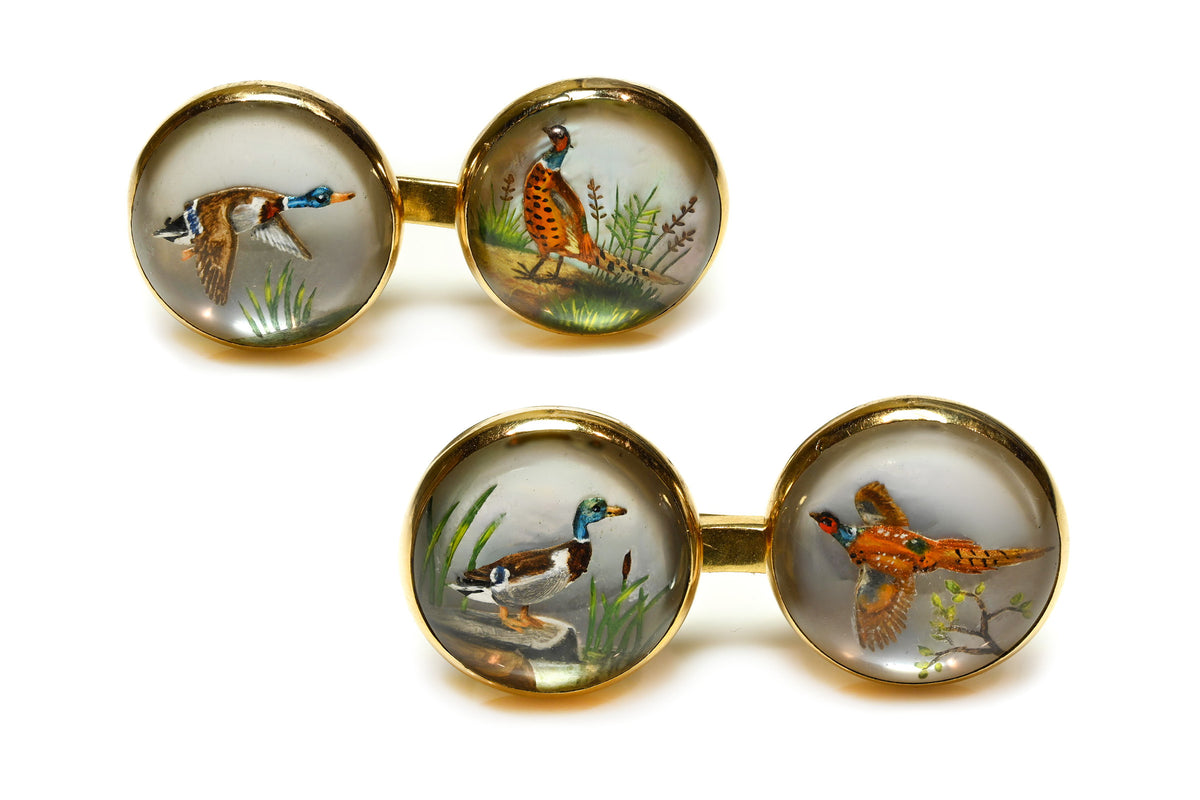
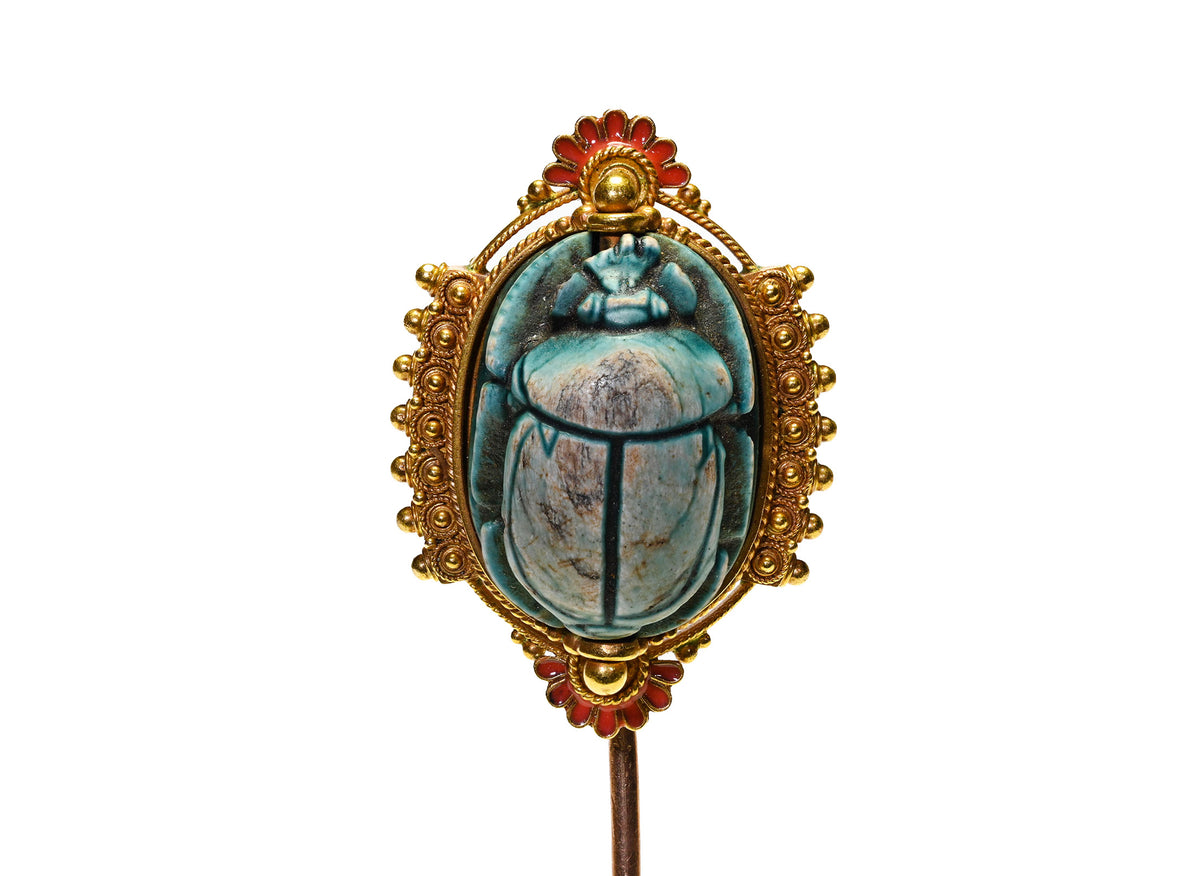
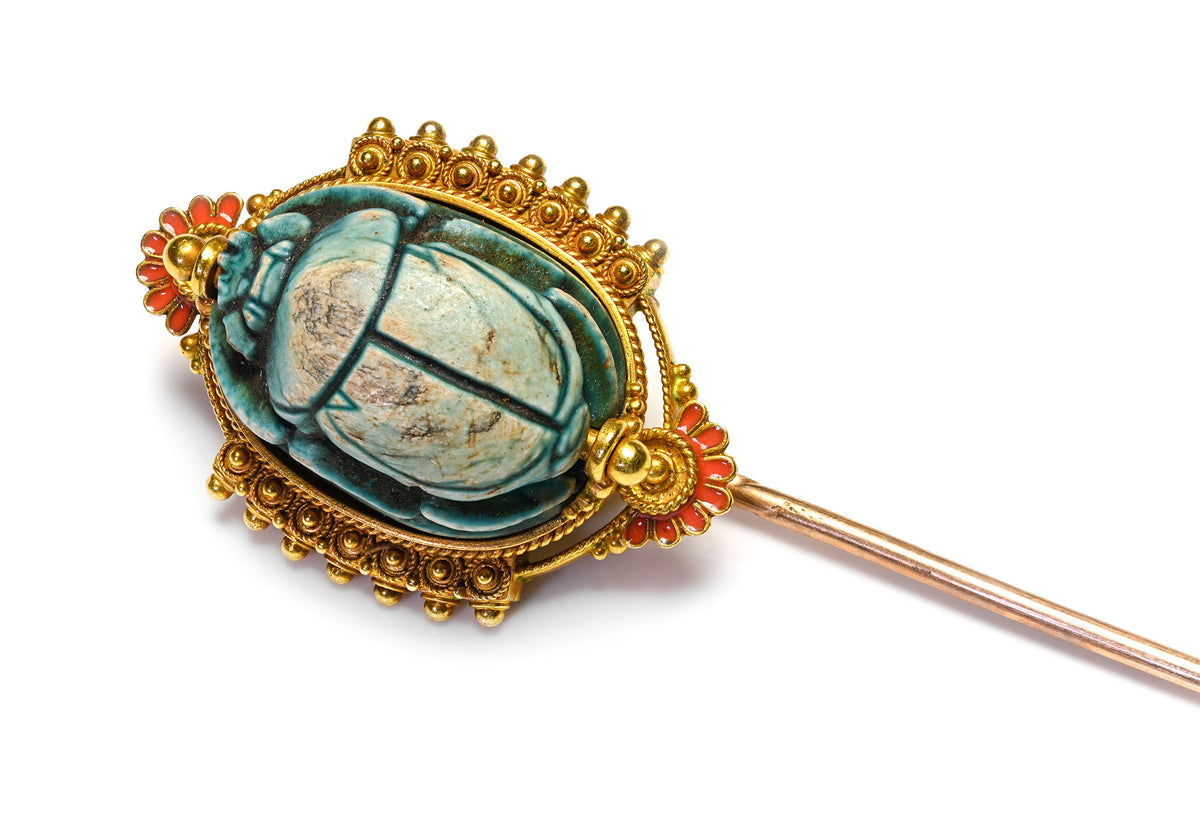
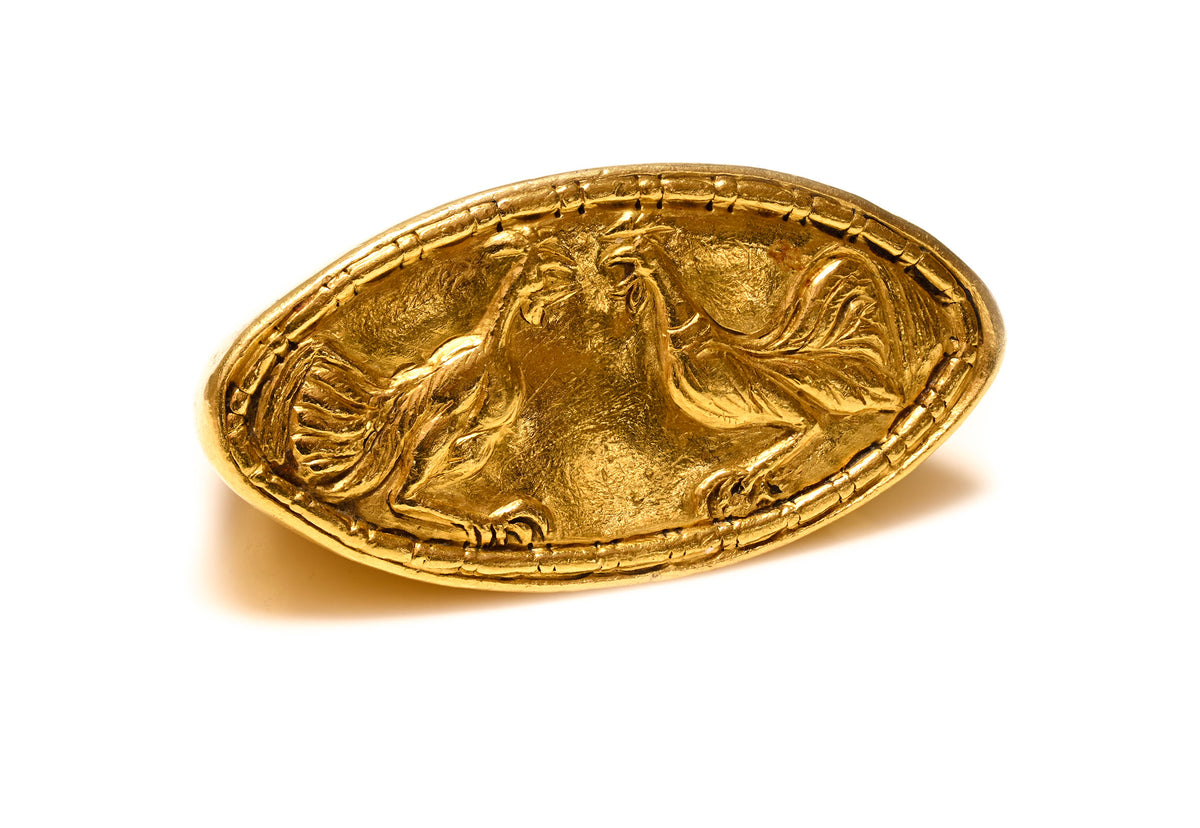
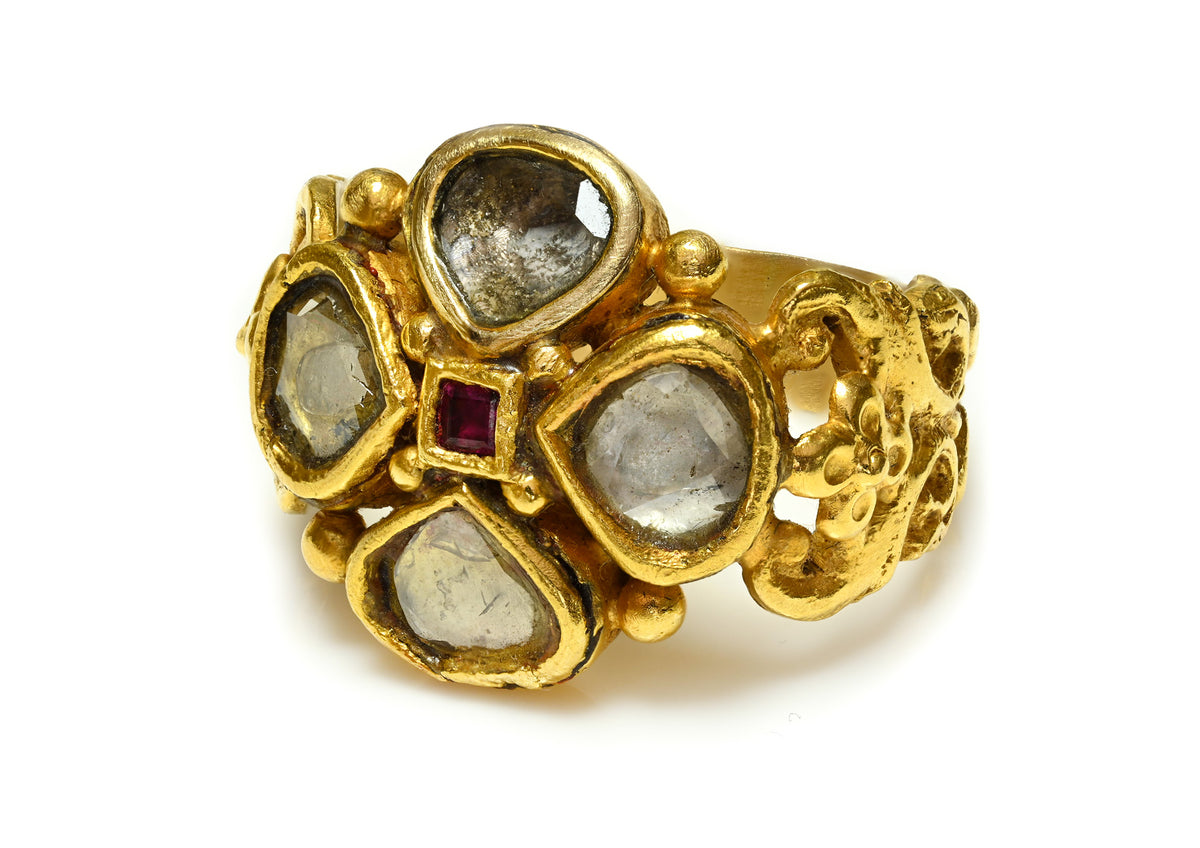
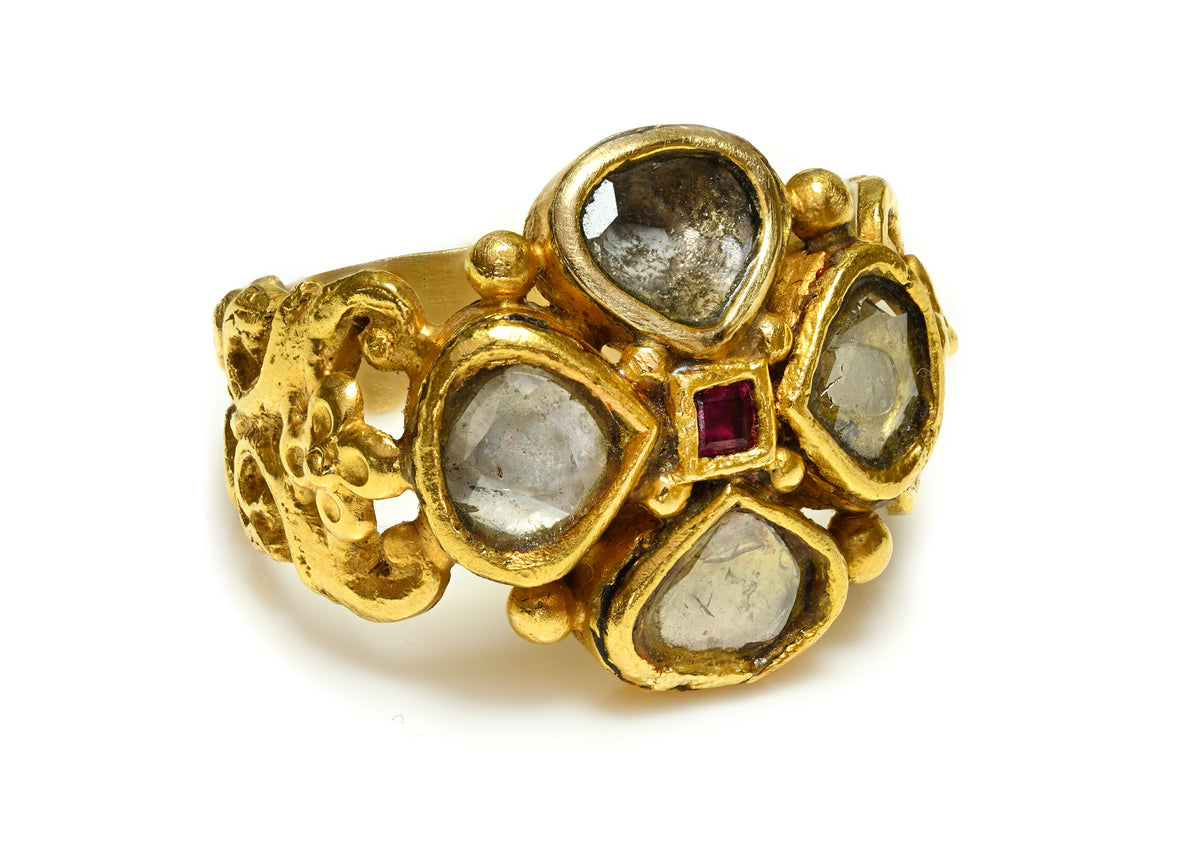
Gold jewelry serves functions that extend far beyond adornment. Across many societies, it represents wealth preservation, personal identity, ceremonial tradition, and generational continuity. Unlike financial instruments, jewelry combines intrinsic material value with craftsmanship, design, and cultural meaning.
Historically, gold jewelry has been created not for short-term fashion cycles, but for longevity. Pieces were often made to be worn, preserved, and passed down, reinforcing gold’s association with permanence and stability.
Gold-Producing and Gold-Consuming Regions
Gold production is geographically concentrated, with major producers including China, Australia, the United States, South Africa, Russia, Peru, and Indonesia. These countries supply the raw material that supports global demand.
On the consumption side, the largest markets for gold jewelry include India, China, the United States, Turkey, Saudi Arabia, Russia, and the United Arab Emirates. In many of these regions, gold jewelry plays a central cultural role, serving as both personal adornment and a form of long-term wealth preservation.
Physical Gold Versus Paper Gold
Modern financial markets offer numerous ways to gain exposure to gold prices without holding the metal itself. However, physical gold—particularly in the form of finely crafted objects—remains fundamentally different from paper representations.
Physical gold carries no counterparty risk and exists independently of financial systems. When shaped into jewelry, it acquires additional layers of value through design, workmanship, historical context, and survival over time. These qualities cannot be replicated by financial instruments alone.
Gold FAQs
What makes gold a store of value?
Gold retains value because it is scarce, durable, universally recognized, and independent of any government or currency. These characteristics allow it to preserve purchasing power over long periods of time.
How is the price of gold determined?
Gold prices are established through global trading markets, primarily the over-the-counter London market, U.S. futures exchanges, and the Shanghai Gold Exchange. Prices reflect supply and demand, currency movements, and broader economic conditions.
Why is jewelry the largest source of gold demand?
Jewelry represents the largest share of gold consumption because it combines intrinsic material value with cultural, artistic, and generational significance. In many societies, gold jewelry also functions as a form of long-term wealth preservation.
What is the difference between physical gold and paper gold?
Physical gold refers to tangible gold objects such as bars, coins, or jewelry, which carry no counterparty risk. Paper gold represents financial instruments linked to gold prices but does not involve ownership of the metal itself.
Does gold jewelry hold value over time?
Gold jewelry retains value through its gold content and, in the case of fine or historic pieces, through craftsmanship, design, and cultural relevance. Well-made jewelry created for permanence often demonstrates resilience across economic cycles.
Gold Beyond Price
While market prices provide useful reference points, they do not fully capture gold’s significance. For centuries, gold has been chosen not only for its rarity, but for its resistance to corrosion, its workability, and its symbolic resonance. These qualities explain why gold continues to be transformed into objects intended to endure—long after market cycles have passed.
Market references are provided for general context and reflect global benchmarks rather than individual physical transactions.