
Meaningful Jewelry: What Collectors Want Now
The jewelry world is going through a major change. Collectors are no longer interested in flashy, trendy pieces on display. Instead, they are seeking something more meaningful—jewelry that has significance both in its physical presence and symbolic value. This shift from superficial to profound is one of the most important changes in collecting behavior we've seen in decades.
The jewelry trends of 2026 show a fundamental shift in what makes a piece valuable. No longer are people impressed by attention-grabbing designs that get likes on Instagram. Instead, they are asking deeper questions: Who created this? How much gold is in it? Will it still hold meaning twenty years from now? These concerns are not those of casual shoppers but rather serious collectors who understand that meaningful jewelry goes beyond temporary fashion.
This movement towards collectors valuing substance over spectacle is not happening in isolation. Economic uncertainty has made people more aware of intrinsic value. The constant cycle of fast fashion has left many craving for something permanent. Having witnessed trends come and go, there is a growing fatigue towards jewelry that feels disposable.
The pieces that are currently grabbing attention—whether it's bracelets, necklaces, or other types—have certain things in common: they have historical significance that tells a story, craftsmanship that showcases human skill, and high-quality materials that can be felt when touched. These three factors are redefining what collectors seek and why some pieces are suddenly worth much more than others.

The Return of Meaningful Jewelry
There's a significant change happening in what collectors value. The jewelry market has evolved beyond just looks—buyers now want pieces that have meaning beyond their physical form. This interest in signed jewelry with documented history shows a deeper desire for connection and authenticity.
When you buy a piece from Cartier, Tiffany & Co., Van Cleef & Arpels, Bulgari, or Buccellati, you're not simply getting an accessory. You're acquiring a tangible part of design history, crafted by skilled artisans whose names carry decades or even centuries of reputation. These makers' signatures turn jewelry from nameless decoration into cultural treasures.
Why Signed Jewelry Matters
The appeal lies in traceability. A signed piece from an iconic brand comes with a story you can verify—the year it was made, the design movement it embodies, the techniques used by its creators. You can explore the original designs, grasp the cultural moment that inspired its making, and follow its path through time.
This proven history is important because it gives your collection a solid foundation. A 1960s Bulgari gold bracelet isn't just visually stunning—it signifies a specific period of Italian craftsmanship, post-war hopefulness, and the brand's daring approach to shape and texture. That historical context adds significance to the piece, elevating it above passing trends and turning it into an item worth discussing and preserving for future generations.
Gold Is Back—And Weight Matters
The tactile satisfaction of heavy gold bracelets and 18K gold chains has recaptured the attention of serious collectors. You can feel the difference when you hold a substantial piece—the weight communicates value in a way that hollow construction never can. This isn't about showing off; it's about recognizing that material density translates to both longevity and intrinsic worth.
Economic Volatility and the Shift in Perspective
Economic instability has sharpened this focus. When markets fluctuate and currencies shift, collectors increasingly view high-karat gold jewelry as a tangible asset that retains value independent of fashion cycles. A tank ring crafted from solid 18K gold represents more than aesthetic choice—it's a hedge against uncertainty that you can wear daily.
The Significance of Vintage Gold Pieces
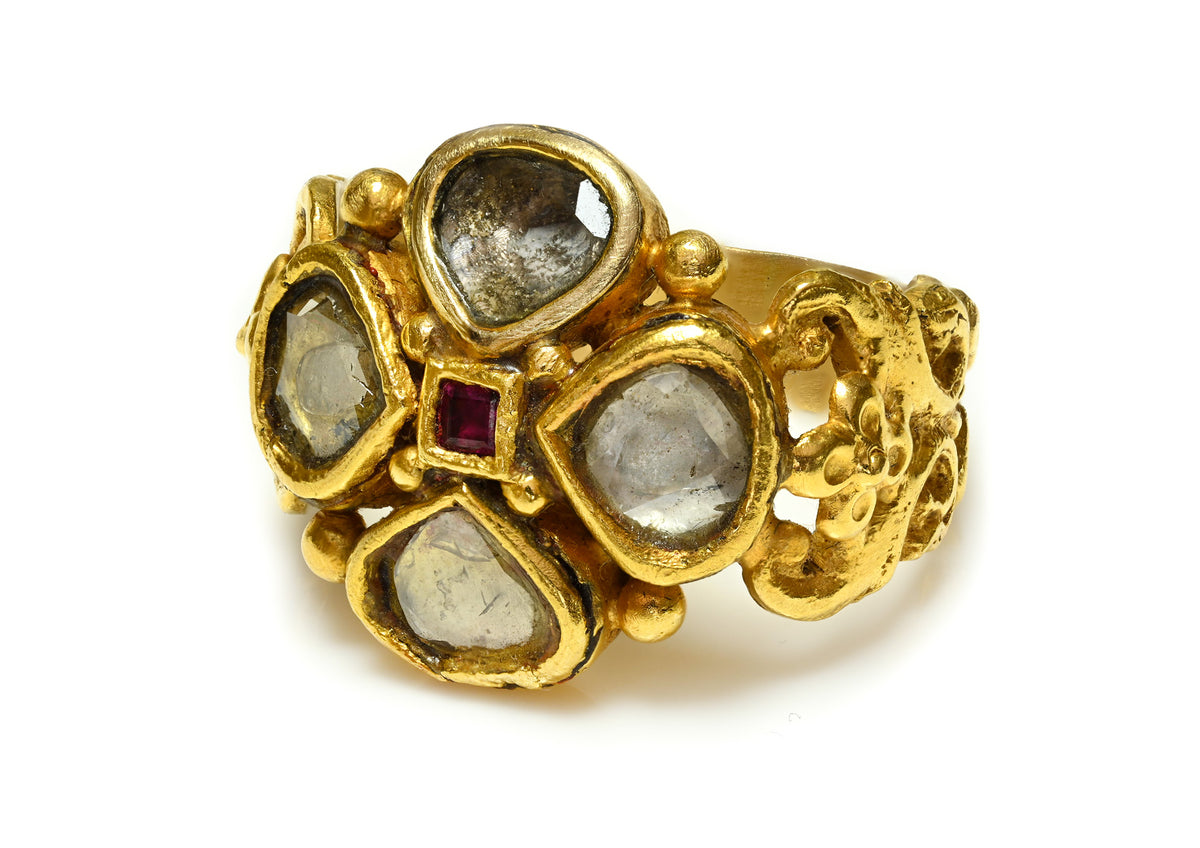
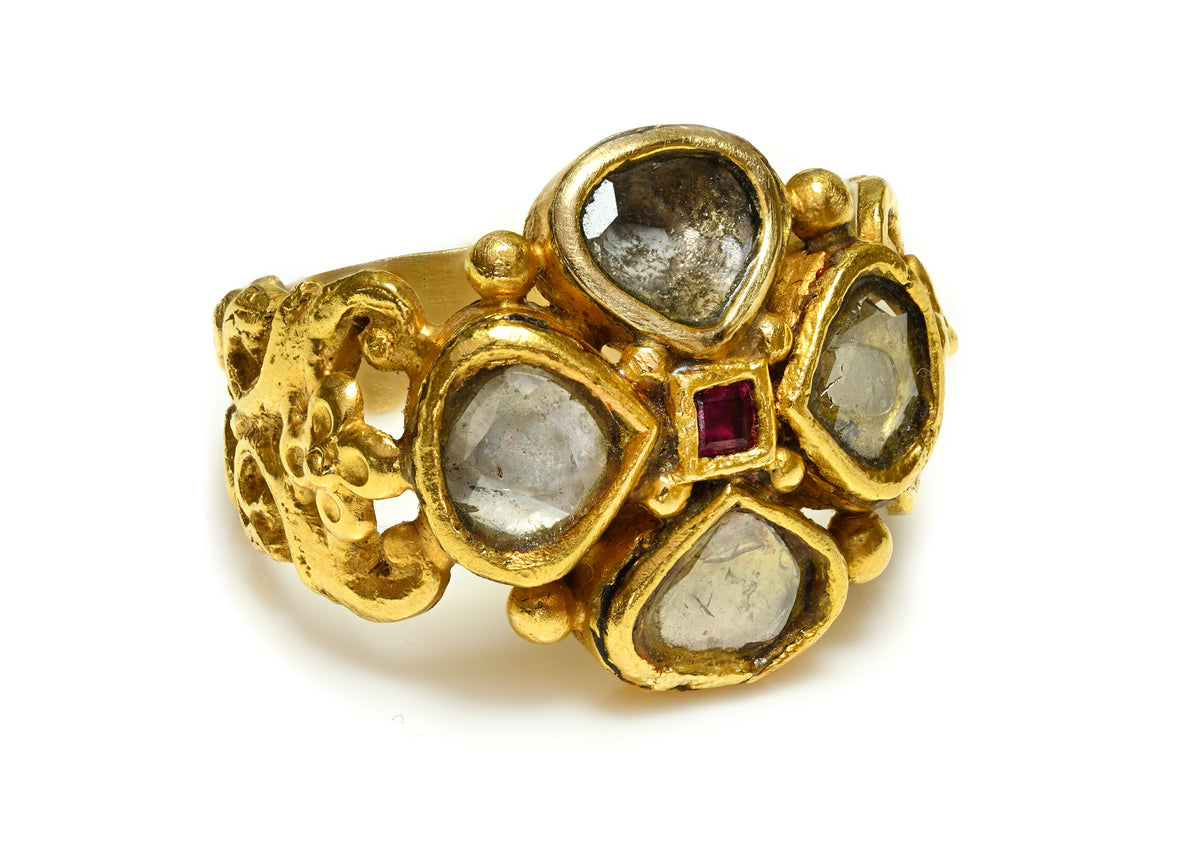
Vintage gold pieces from the mid-20th century exemplify why weight matters. These weren't stamped out in factories; artisans hand-finished each piece with attention to structural integrity. The gold silver gems rings earrings from this era feature robust shanks, secure settings, and finishing techniques that modern mass production rarely replicates. You'll notice how these pieces withstand decades of wear without loosening stones or thinning bands.

Craftsmanship Behind Substantial Weight
The appeal extends beyond pure gold content. Collectors recognize that substantial weight often indicates superior craftsmanship—thicker metal allows for deeper engraving, more secure prong work, and designs that maintain their shape through generations of handling. This combination of material value and artisanal quality explains why heavyweight gold jewelry commands premium prices in today's market.
Craftsmanship Over Mass Production
When you hold a vintage handcrafted gold piece next to a contemporary mass-produced item, the difference becomes immediately clear. The weight feels different in your hand. The surfaces show signs of human craftsmanship instead of machine precision. This tactile distinction explains why collectors are gravitating toward pieces that showcase vintage craftsmanship rather than factory uniformity.
Techniques That Stand the Test of Time
Mid-century jewelers used methods that modern production rarely replicates:
- Hand-engraving
- Individually set stones
- Meticulously soldered joints
These techniques created pieces with structural integrity that withstands decades of wear.
What to Look for in Vintage Jewelry
You'll notice how these pieces feature:
- Visible tool marks that indicate hand-finishing rather than stamped uniformity
- Substantial solder joints that reinforce stress points
- Hand-applied granulation and wirework that adds dimensional texture
- Individually carved settings tailored to each stone's unique dimensions
The Limitations of Contemporary Mass Production
Contemporary mass production prioritizes efficiency over these labor-intensive details. Computer-aided design and casting methods produce consistent results, but they lack the subtle irregularities that give vintage pieces their character. The hand-finished details you find in older jewelry—slightly asymmetrical patterns, varied metal textures, individualized proportions—represent hours of skilled labor that simply doesn't align with modern manufacturing economics.
The Appeal of Durability and Authenticity
Collectors seeking lasting value recognize these qualities as markers of durability and authenticity. A piece built to survive generations carries more appeal than something designed for a single season's trend cycle.
The Comeback of Brooches, Stick Pins, and Charms
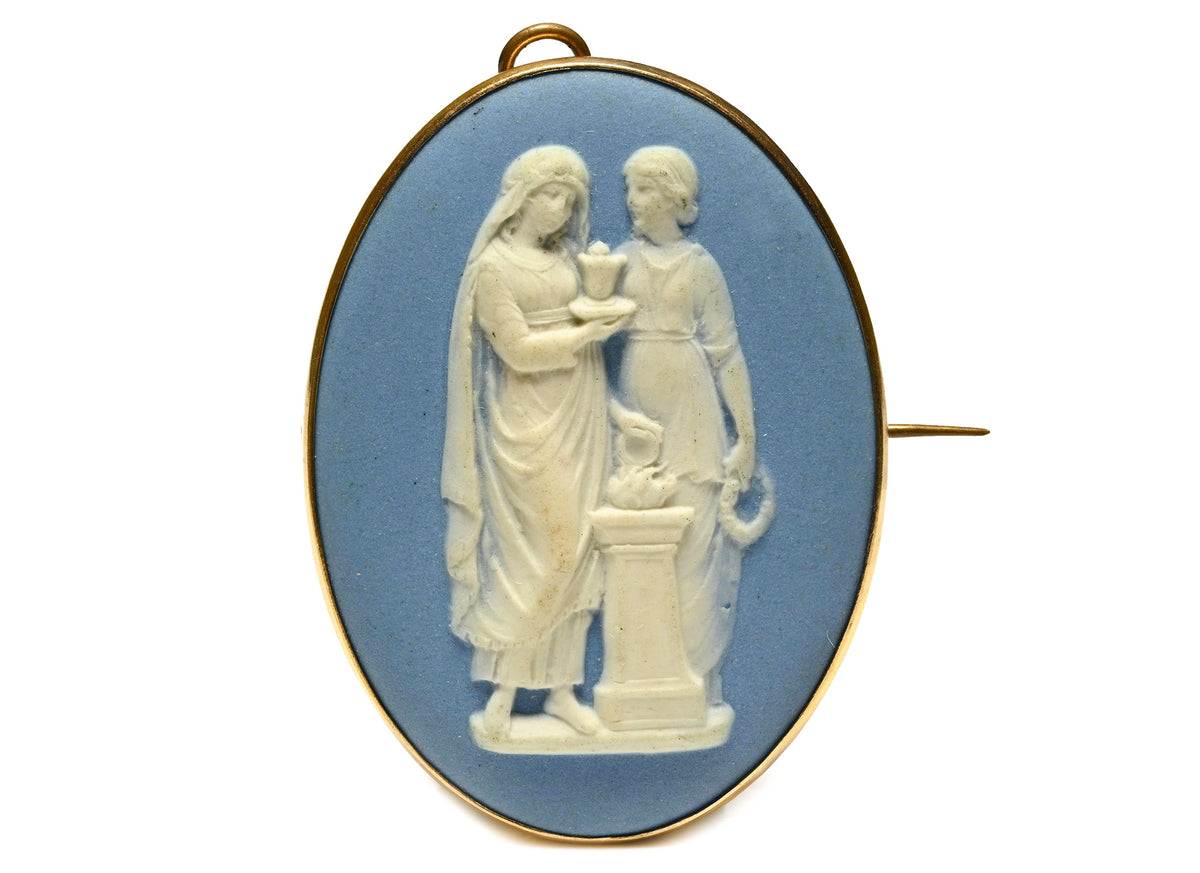
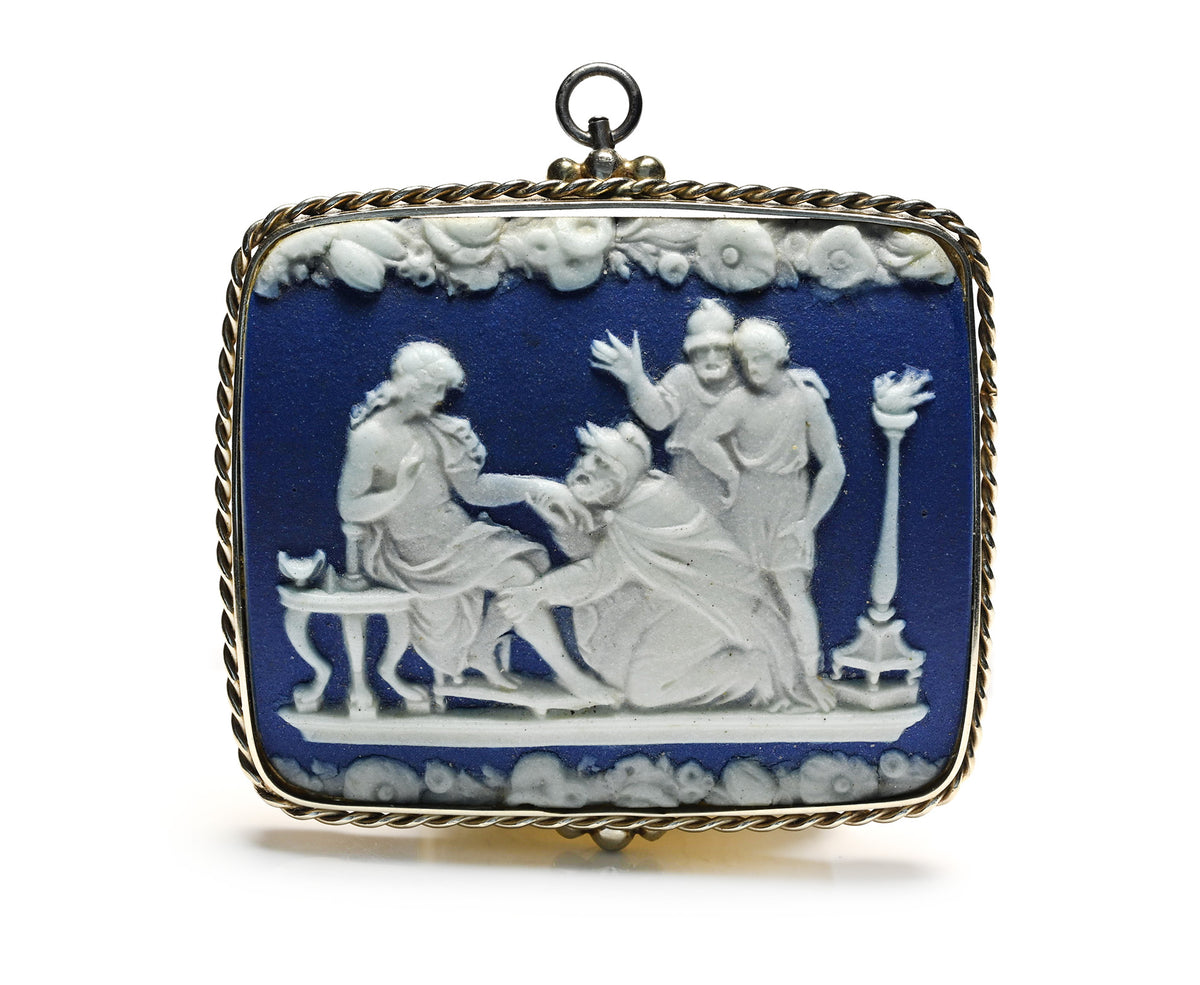
Brooches are making a comeback after being forgotten in jewelry boxes for years. They're now being worn on jackets, hats, and even as surprising decorations on handbags. Collectors are actively searching for Victorian mourning brooches with intricate hair designs, Art Deco geometric brooches made of platinum and diamonds, and mid-century figurative pieces that capture the playful spirit of their time. These brooches offer more versatility in styling compared to necklaces and rings—you can wear the same brooch in three different ways throughout the week.
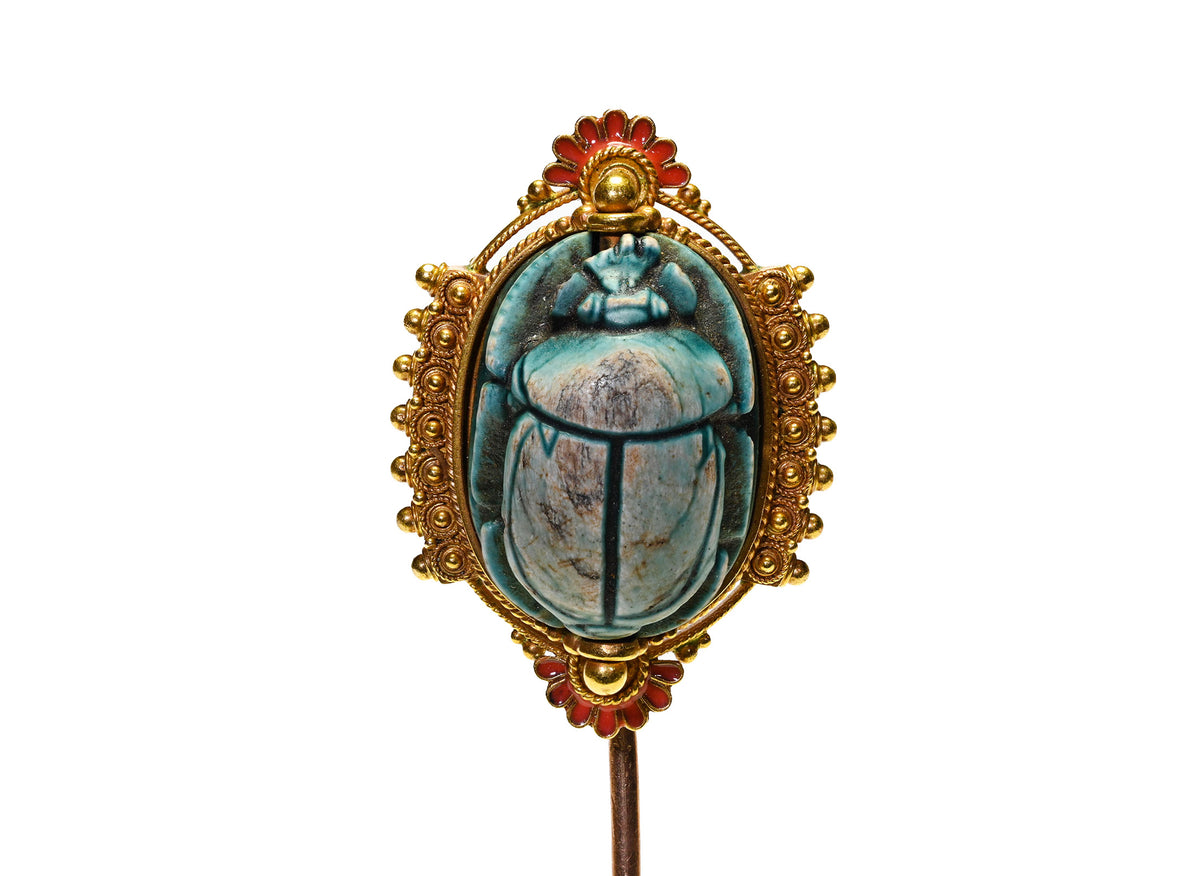
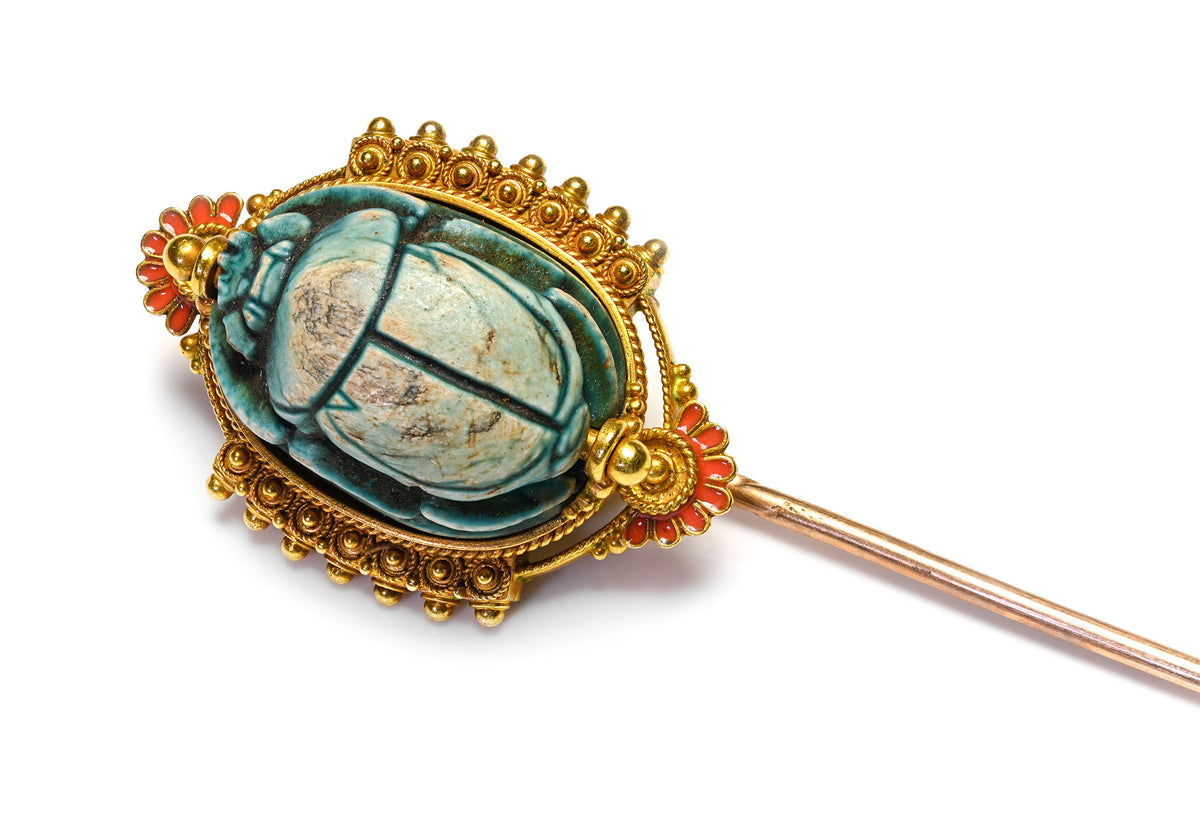
Stick pins are another type of accessory that is gaining popularity again. Originally meant to hold cravats and ties in place, these slim treasures are now being used to embellish scarves, collars, and even hairstyles. Collectors highly value stick pins that feature carved gemstones, enamel artwork, or tiny portraits. The allure of stick pins lies in their understated elegance—a carefully selected stick pin conveys sophistication and taste without being overly flashy.
Charms have evolved beyond being just teenage jewelry and have become sought-after collectibles. Vintage gold charms from the 1940s to 1970s are known for their intricate designs and substantial weight, with some pieces having movable parts or miniature replicas of famous landmarks. By curating a collection of charms, you can tell your own story by adding pieces that represent your travels, accomplishments, or family heritage. Experienced collectors are able to identify rare makers, unique mechanisms, and the higher gold content that sets vintage charms apart from modern lightweight alternatives.

Signed Jewelry as Cultural Capital
Signed jewelry functions as a form of cultural capital that distinguishes knowledgeable collectors from casual buyers. When you own a piece bearing the signature of Van Cleef & Arpels, Cartier, or Tiffany & Co., you're not just wearing decoration—you're carrying a piece of documented history that connects you to a specific moment in design evolution and atelier practices.
Understanding Hallmarks
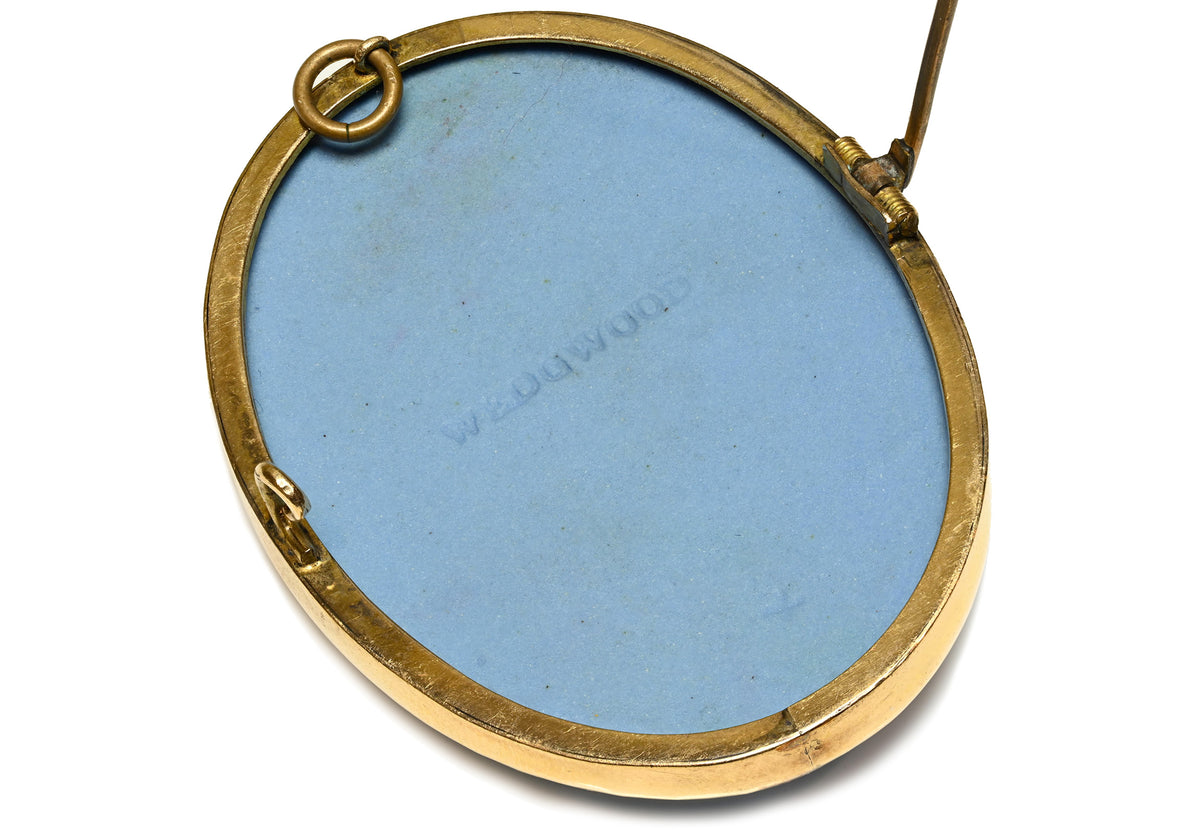
Hallmarks serve as the jewelry world's authentication system. You need to recognize the difference between a maker's mark, a metal purity stamp, and a date letter. These tiny symbols tell you where a piece was made, who crafted it, and when it entered the world. A Buccellati mark immediately signals hand-engraved texture work that took hours to complete. A Georg Jensen hallmark from the 1930s indicates Danish modernist design at its peak.
The Importance of Provenance
Provenance transforms a beautiful object into a collectible asset. Documentation matters—original boxes, receipts, and ownership history add layers of legitimacy and value. You'll find that a Verdura brooch with its original fitted case commands significantly more than an identical piece without documentation.
The Impact of Condition
Condition amplifies desirability. You want pieces that show careful ownership: crisp engraving, intact enamel, original clasps. A well-preserved signed piece demonstrates that previous owners understood its significance, treating it as the heirloom it was designed to be.
Men's Jewelry Enters a New Era
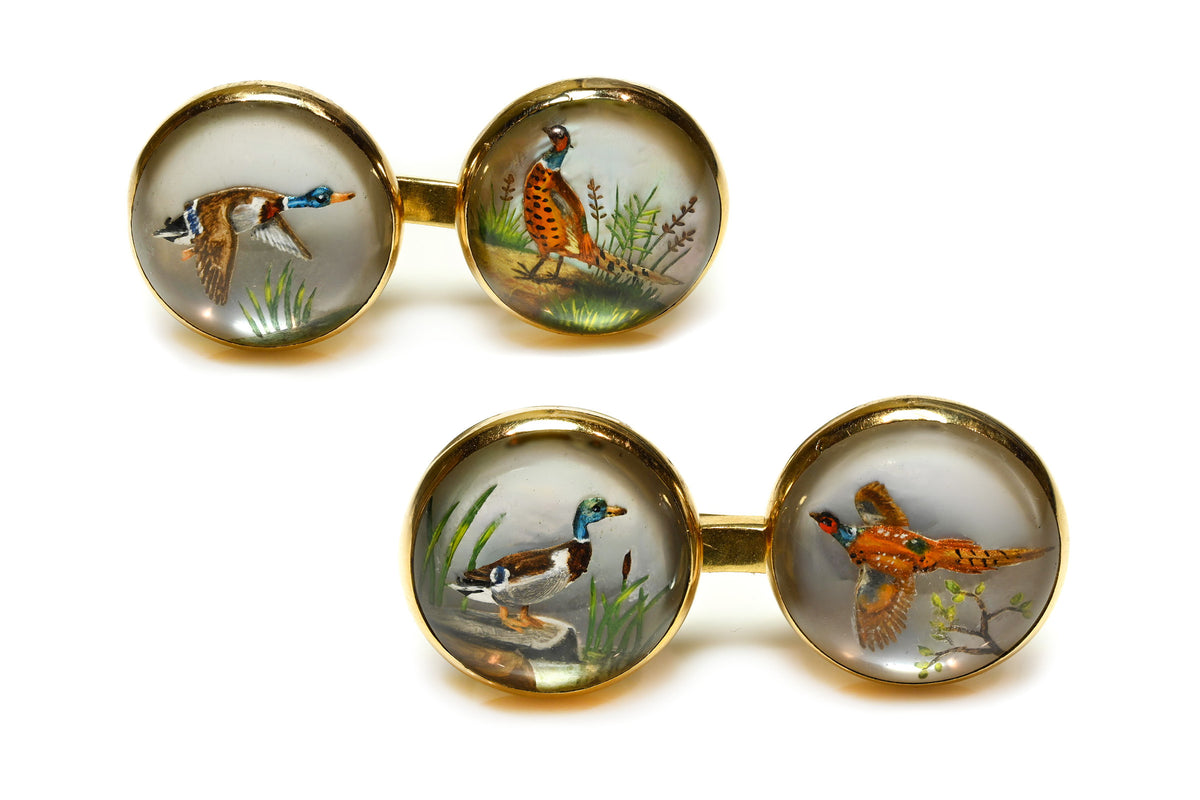
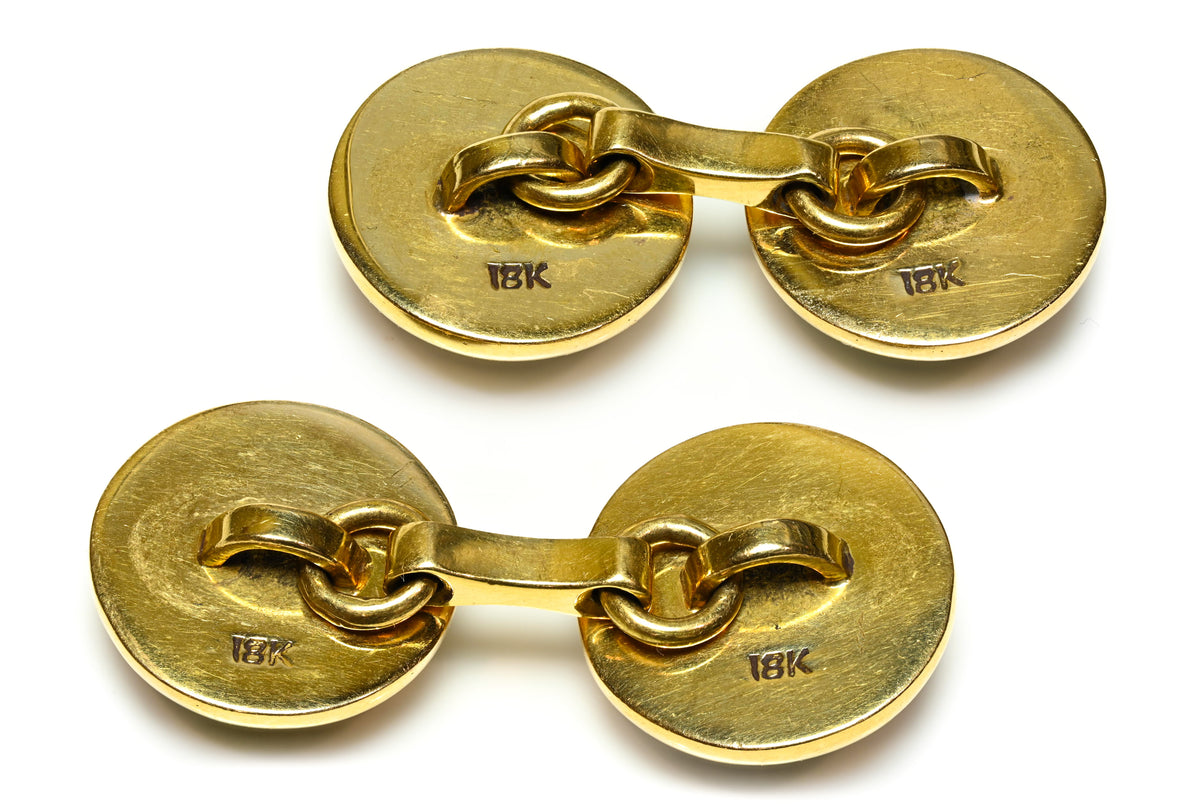
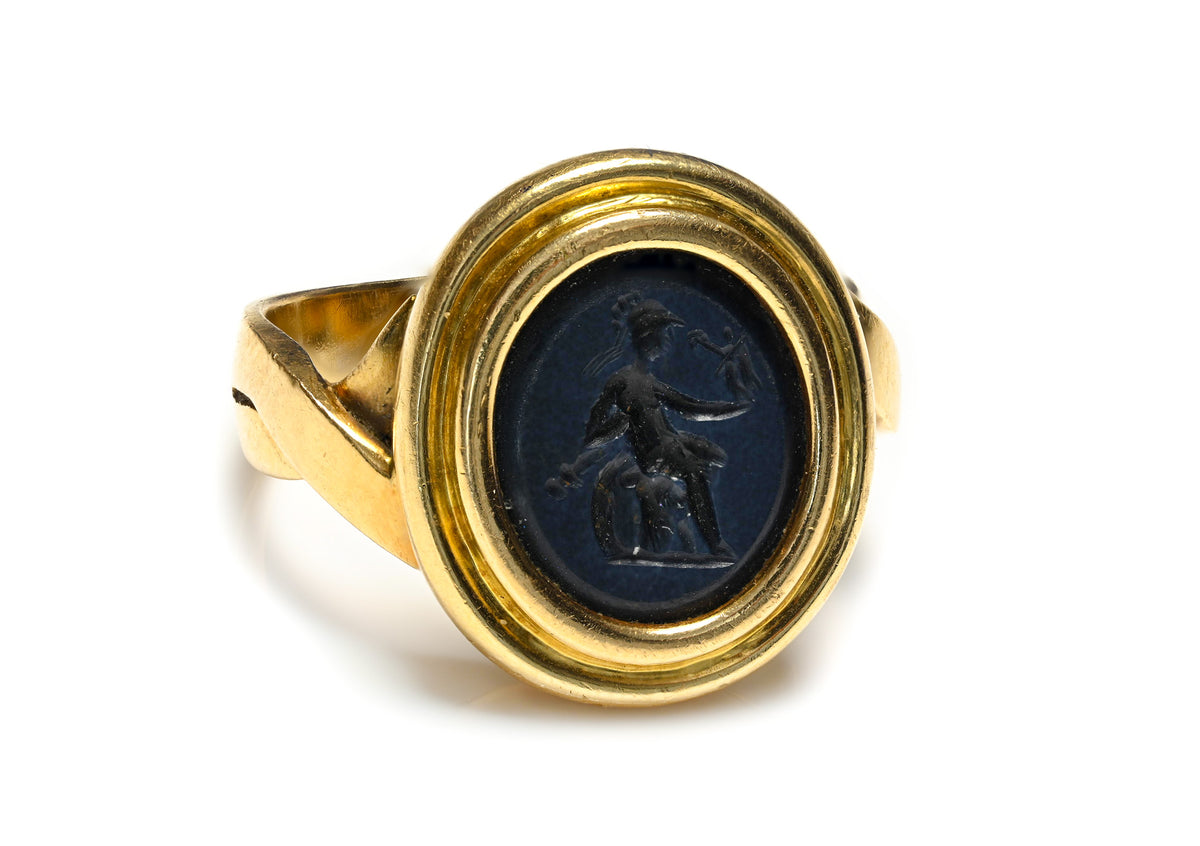
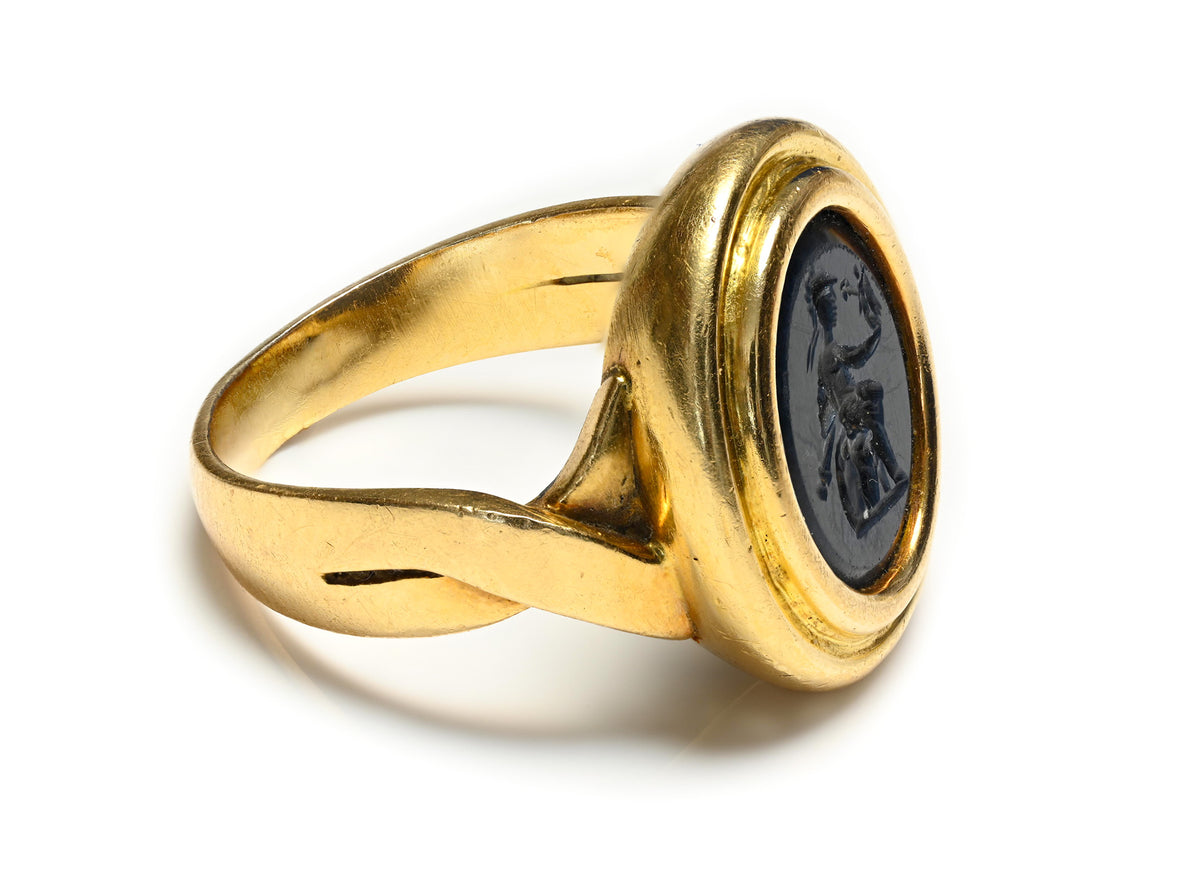
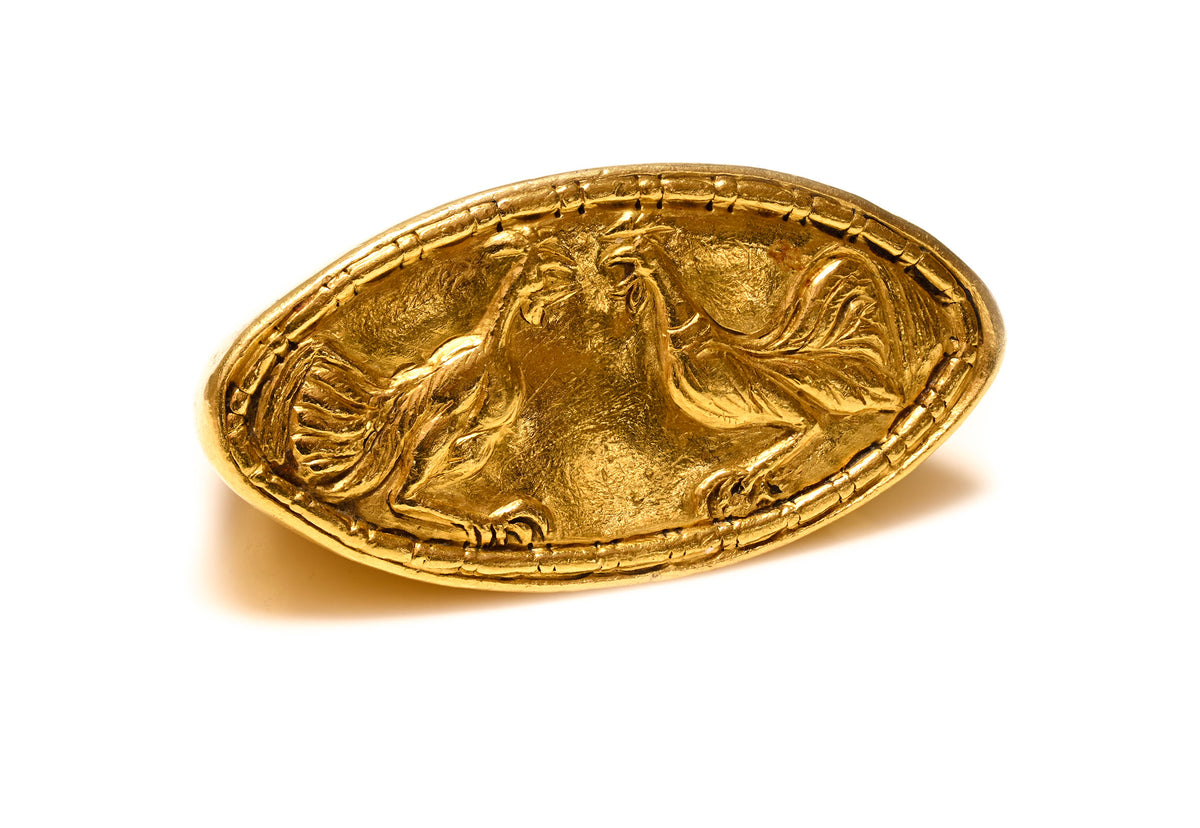
The men's jewelry market has undergone a dramatic transformation, with men's signet rings and gold cufflinks leading a renaissance of heritage pieces. Collectors are now moving away from logo-heavy chains and trend-driven accessories, opting instead for antique signets featuring family crests, vintage cufflinks made from high-karat gold, and substantial men's chains that prioritize craftsmanship over status.
A Shift in Value
Heritage jewelry for men now holds the same significance—both in terms of weight and cultural importance—as women's signed pieces. For example, a Georgian-era signet ring engraved with a family motto is far more desirable than a mass-produced designer item. These pieces serve as wearable history, connecting the wearer to centuries of tradition while showcasing the kind of sturdy construction that modern manufacturing often fails to replicate.
Redefining Masculine Style
This change reflects a wider redefinition of masculine style. Men are now choosing jewelry that expresses their personal values and family legacy, rather than simply following seasonal trends. An Edwardian pair of gold cufflinks with hand-engraved details or a Victorian watch chain exudes sophistication that goes beyond temporary fashion cycles.
What Collectors Look For
These collectors place great importance on certain aspects when selecting their pieces:
- Provenance: Documented history adds layers of meaning
- Material integrity: Solid gold construction over plated alternatives
- Functional beauty: Pieces designed for daily wear, not display
- Symbolic resonance: Crests, monograms, and meaningful engravings
This mindset elevates men's jewelry from being just an accessory to becoming an artifact—where each piece carries both historical significance and deeply personal meaning.

Investment Thinking Shapes Buying Decisions
There's a significant change in how buyers approach jewelry purchases, with antique investment jewelry becoming a category that combines passion with practicality. This isn't about reducing beautiful pieces to spreadsheet entries—it's about realizing that the jewelry you love can also hold and increase in value when selected wisely.
Rarity Drives Decision-Making
Much of this decision-making process is influenced by rarity. Collectors are drawn to pieces with limited production runs, unusual maker marks, or designs that represent specific moments in jewelry history. For example:
- A Cartier Tank bracelet from the 1940s
- A Van Cleef & Arpels mystery-set ruby brooch
These pieces command attention precisely because there are few examples of them in comparable quality.
The Importance of Condition
In this equation, the significance of condition cannot be emphasized enough. You must carefully examine:
- Original clasps and findings intact
- Minimal wear to engraved details
- Stones secure in their original settings
- Hallmarks clearly legible
- Enamel work without chips or restoration
The preservation of these elements directly affects both current value and future appreciation potential. You're not just purchasing a piece of jewelry—you're obtaining an artifact that has survived for decades or even centuries, and its state of preservation indicates how many more generations it can endure.
Collectors' Understanding
Collectors recognize that a well-preserved signed piece from a renowned maker offers both aesthetic enjoyment and financial wisdom. This understanding creates a compelling reason to prioritize substance over temporary trends.
A More Educated and Thoughtful Collector Base
The jewelry market has seen a significant change in the sophistication of buyers. Educated collectors now spend weeks or months researching a single acquisition, diving deep into hallmark databases, auction records, and historical references before committing to a purchase. You'll find these collectors carefully examining maker's marks with magnifying tools, comparing different style periods, and seeking opinions from multiple experts to confirm authenticity.
This shift requires transparency in buying from dealers and auction houses as well. Collectors expect detailed documentation of provenance, clear reports on condition, and honest evaluations of any repairs or changes made. Buyers with specialized knowledge that rivals seasoned dealers are no longer satisfied with vague attributions or unknown origins. This expertise can be seen in online communities where collectors share their research, discuss attributions, and collectively create knowledge bases that make information accessible to all.
The preference for intentional design meant to last generations comes directly from this educated approach. You're not just purchasing a decorative object—you're acquiring a piece whose construction methods, material choices, and design philosophy you fully comprehend. This understanding shifts the collecting experience from passive consumption to active curation, where every addition to your collection represents hours of studying and thoughtful consideration. The educated collector understands that pieces made with integrity and purpose naturally increase in both monetary and personal value over time.

What to Remember
The shift toward substance over spectacle represents more than a passing trend—it's reshaping jewelry collecting into something profoundly personal and culturally significant. You're witnessing a transformation where lasting value in jewelry isn't just about price tags or precious metals, but about the stories embedded in each piece, the hands that crafted it, and the history it carries forward.
Meaningful collections 2025 are built on knowledge, intention, and respect for artistry. You're not just buying jewelry; you're becoming a custodian of cultural heritage, someone who understands that a well-chosen antique brooch or signed gold piece connects you to generations of makers and wearers. This approach demands more from you as a collector—deeper research, sharper discernment, and genuine appreciation for craftsmanship.
Jewelry Trends Right Now: Why Collectors Are Turning to Substance Over Spectacle reveals an essential truth: the most rewarding collections are those built thoughtfully, piece by piece, with each acquisition reflecting your values and expanding your understanding of jewelry's rich history.
In this age of fast fashion and mass production, investing in meaningful pieces that stand the test of time is a statement in itself. It speaks to a desire for authenticity and a rejection of fleeting trends. While there is undoubtedly a place for bold, statement-making jewelry, the true allure lies in those pieces that tell a story, that hold a deeper significance beyond their aesthetic appeal.
These are the jewelry pieces that become heirlooms, passed down through generations, carrying with them memories and the legacy of those who wore them before. Each time they are worn, they evoke a sense of connection to the past, reminding us of our roots and the stories that have shaped us.
As you continue to build your collection, remember that it is not just about the sparkle and shine. It is about curating a treasure trove of history, culture, and personal significance. Cherish each piece for its unique story and wear them with pride, knowing that you are not just adorning yourself with beauty, but with a rich tapestry of human experience.
Whether it's a delicate heirloom passed down through generations or a vintage find from a local market, each piece has its own tale to tell. So, next time you slip on that antique necklace or don those vintage earrings, or cufflinks, take a moment to appreciate the stories they hold and the legacy they embody.