Gold Jewelry in Dreams: Meaning and Symbolism
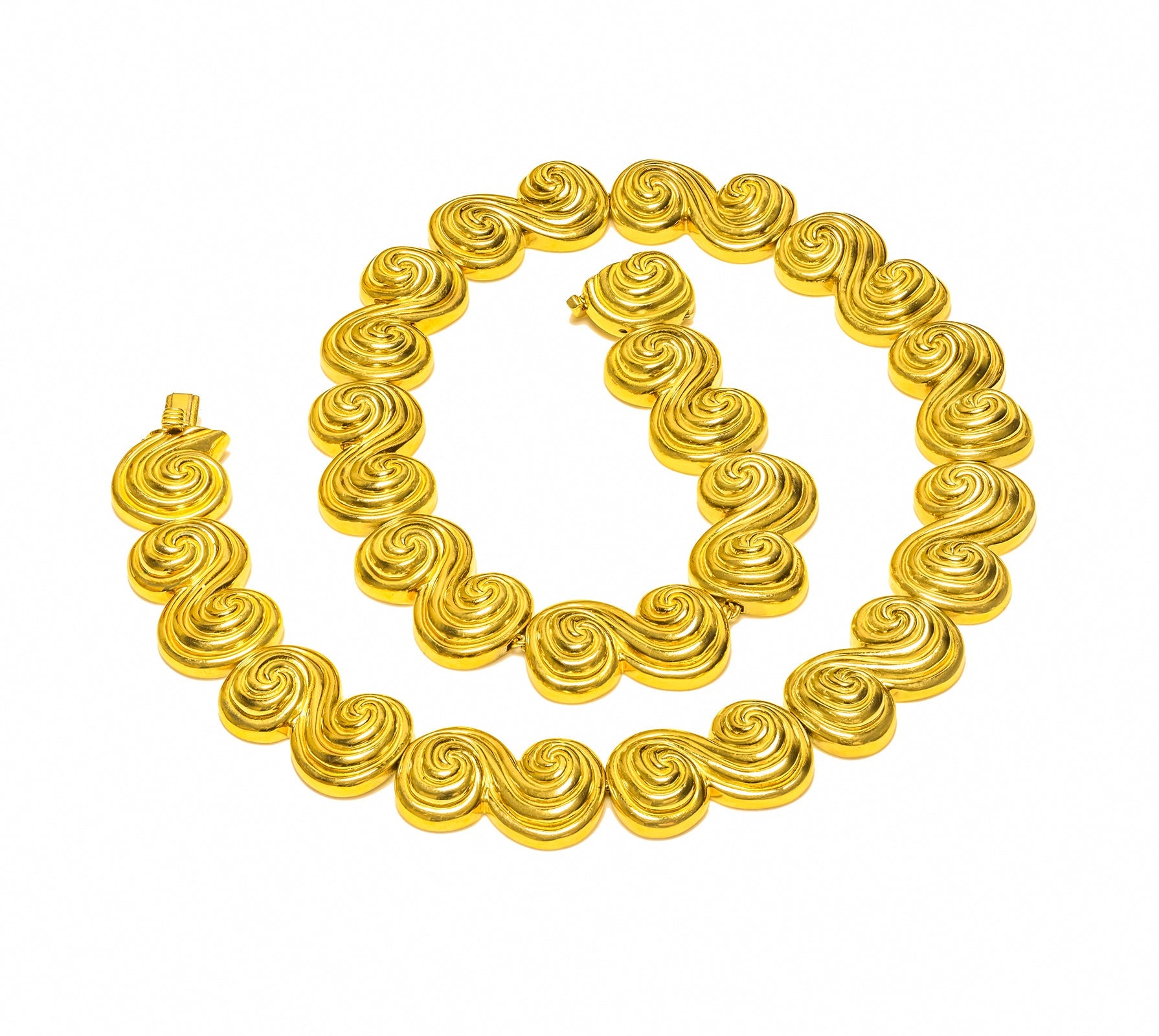
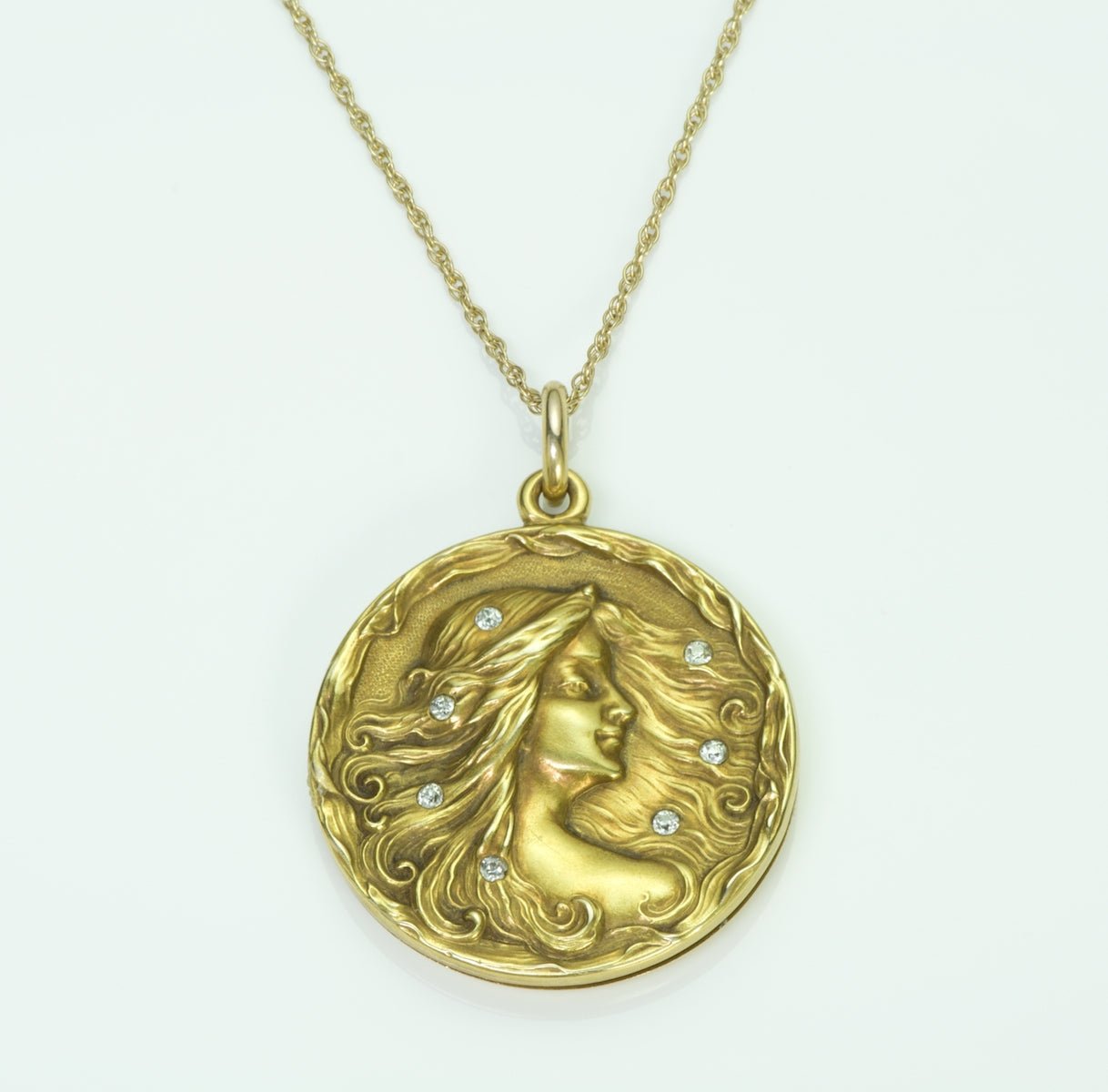
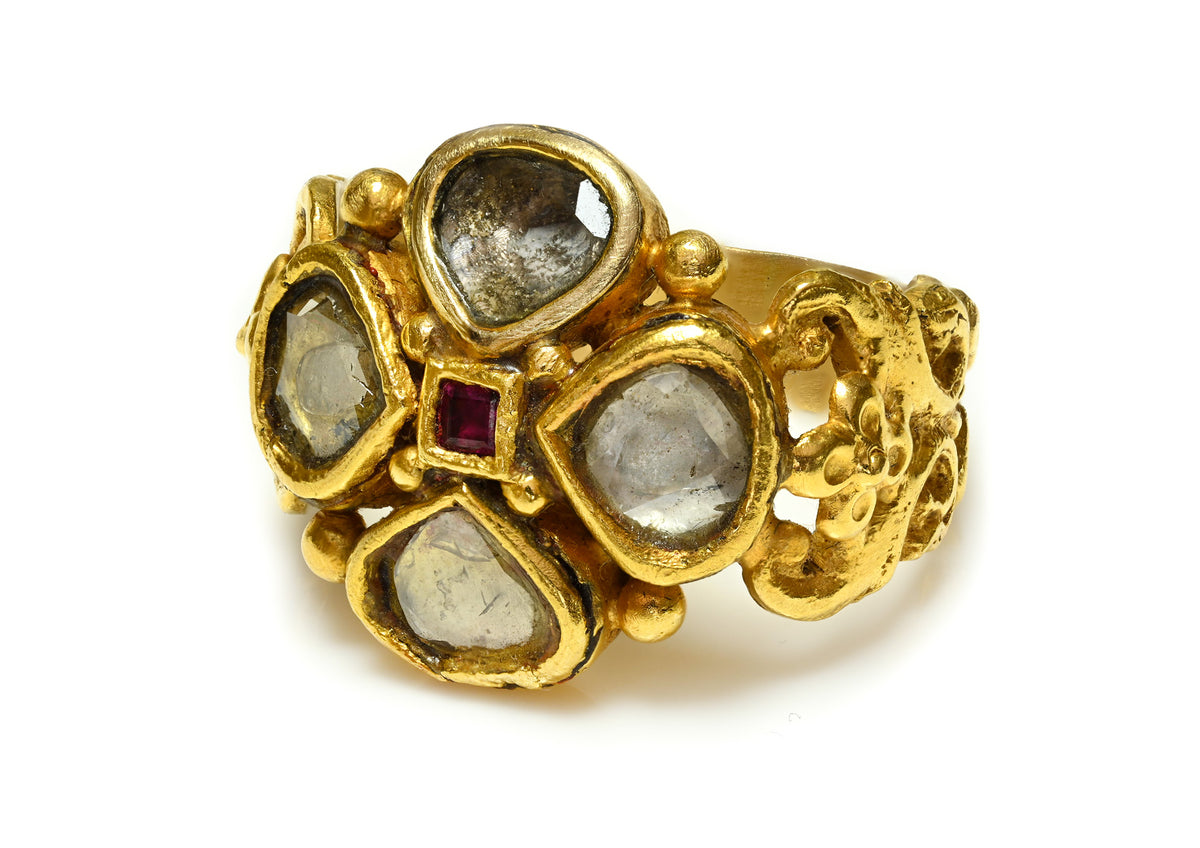
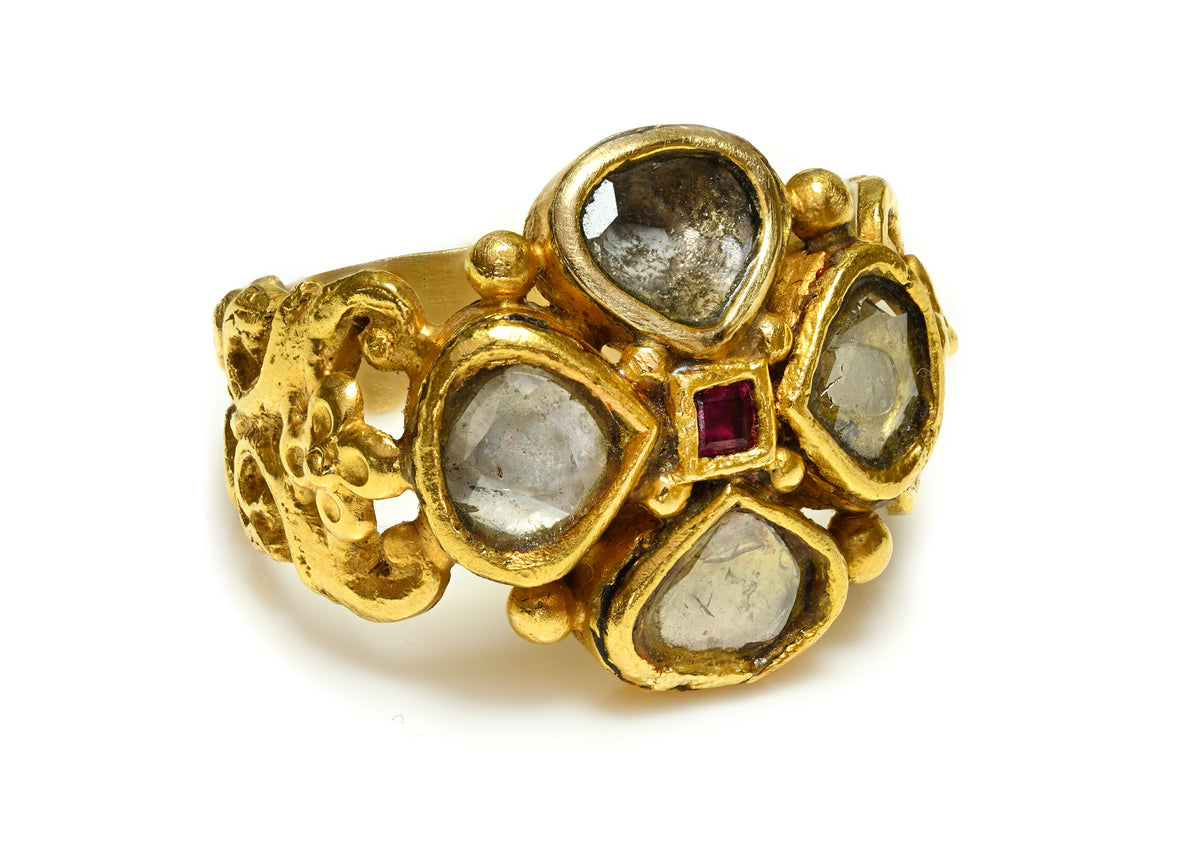
Gold jewelry occupies a unique place in dream symbolism. Unlike raw gold or stored wealth, jewelry is gold shaped for the body—meant to be worn, seen, and interpreted by others. For this reason, dreams involving gold jewelry tend to speak less about abstract value and more about identity, recognition, and the way responsibility becomes visible in the world.
Across ancient, medieval, and modern interpretations, gold jewelry consistently appears in dreams at moments when personal value intersects with social meaning.
Rings, chains, bracelets, and crowns are not neutral objects. They are markers of belonging, commitment, authority, or distinction. When they appear in dreams, they often reflect how the dreamer relates to roles that are publicly recognized or personally defining.
This article examines how gold jewelry functions as a dream symbol, why it carries a different meaning from other forms of gold, and how specific types of jewelry shape interpretation.
Drawing on historical sources and psychological insight, it explores why wearing gold in dreams often feels intimate, charged, or consequential.

Gold Jewelry as Identity Made Visible
The defining feature of jewelry is visibility. Gold jewelry does not merely exist—it announces. Ancient interpreters understood this clearly. To wear gold in a dream meant that value had moved from potential into presentation. What mattered internally was now expressed outwardly.
In classical dream manuals, gold jewelry was often linked to reputation and social role. Rings signified authority or obligation. Chains suggested connection or restraint. Necklaces and bracelets marked honor, recognition, or personal distinction. The specific form mattered, but the underlying principle remained consistent: jewelry made value visible.
This visibility changed interpretation fundamentally. Gold stored or hidden suggested guarded value. Gold worn suggested value claimed—or imposed. In many traditions, dreaming of wearing gold indicated that the dreamer was either embracing a role or being marked by one, willingly or not.
Psychologically, this symbolism remains powerful. Gold jewelry often appears in dreams when individuals are negotiating identity: stepping into leadership, committing to a relationship, assuming responsibility, or confronting how they are seen by others. The dream uses jewelry to show that value is no longer private—it is part of the self presented to the world.

Wearing Gold vs. Being Given Gold Jewelry
A crucial distinction in dream interpretation lies between wearing gold jewelry and receiving it. Ancient sources treated these scenarios very differently.
When the dreamer actively wears gold jewelry, the symbol points to identification. The value the gold represents has been accepted, internalized, or acknowledged as part of who the dreamer is. This may feel empowering or burdensome depending on emotional tone, but the key element is agency. The dreamer is participating in the role or recognition the jewelry signifies.
Receiving gold jewelry, however, shifts emphasis toward external judgment or expectation. In many historical interpretations, being given gold—especially by an authority figure—symbolized responsibility placed upon the dreamer. The value was not self-chosen but bestowed, sometimes honorably, sometimes with pressure.
This distinction persists in modern psychology. Dreams of wearing gold often accompany moments of self-definition. Dreams of being given gold frequently appear when expectations arrive from outside: promotions, obligations, family roles, or social recognition that feels weighty.
In both cases, gold jewelry signals significance—but whether that significance feels owned or imposed depends on how the jewelry enters the dream.
Rings, Chains, and the Language of Commitment
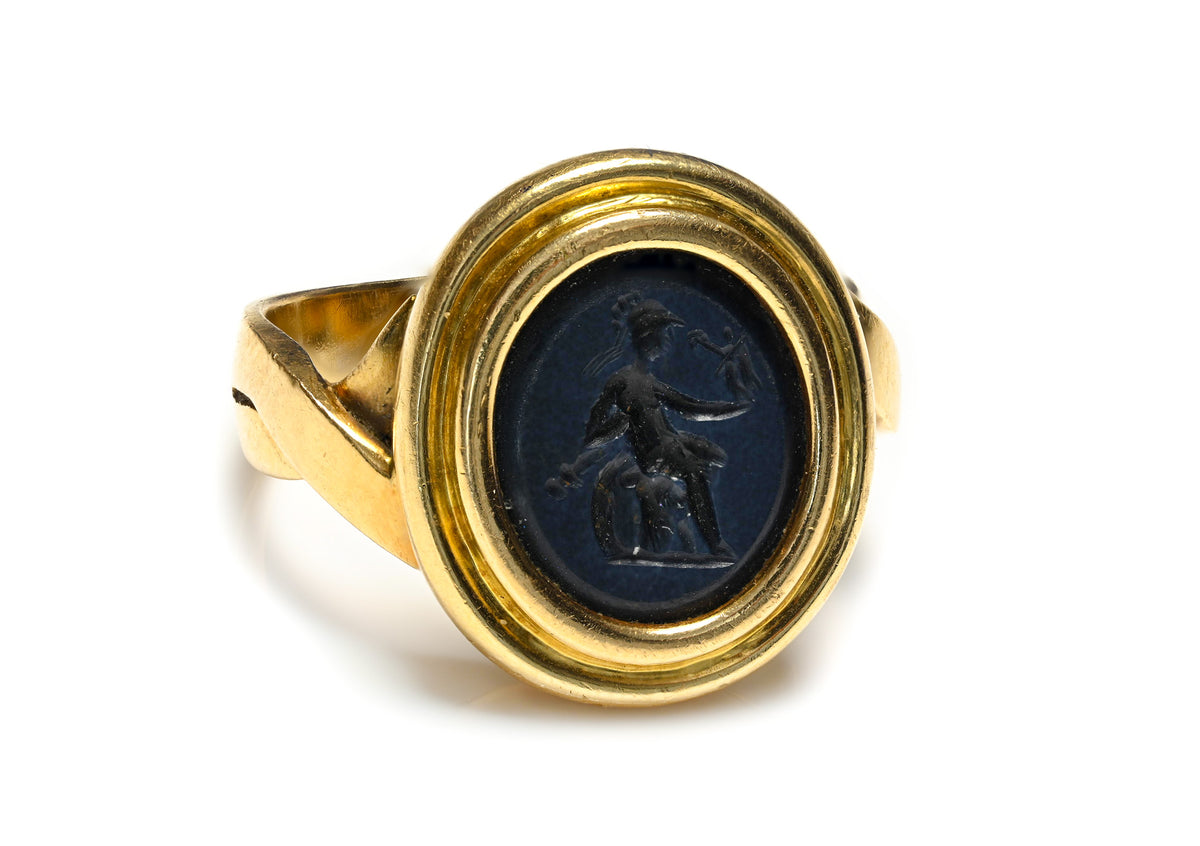
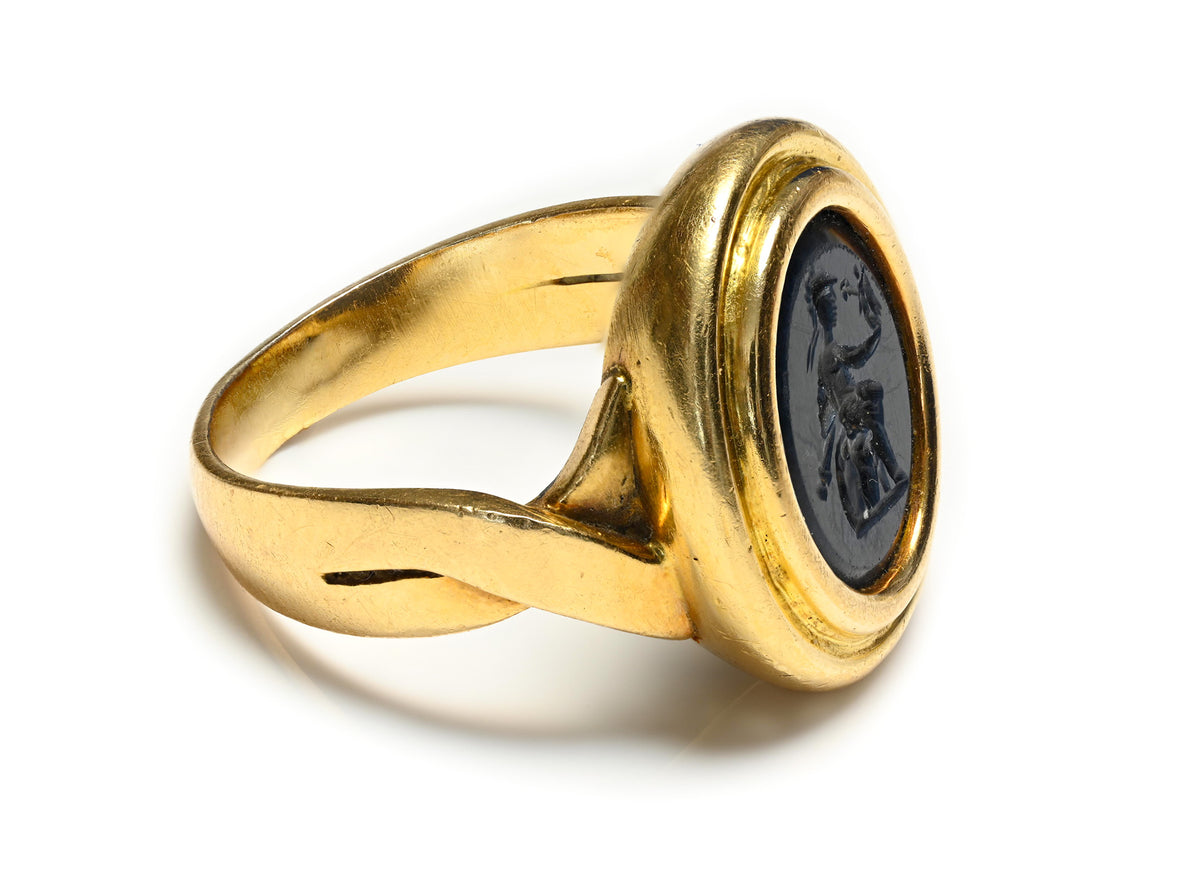
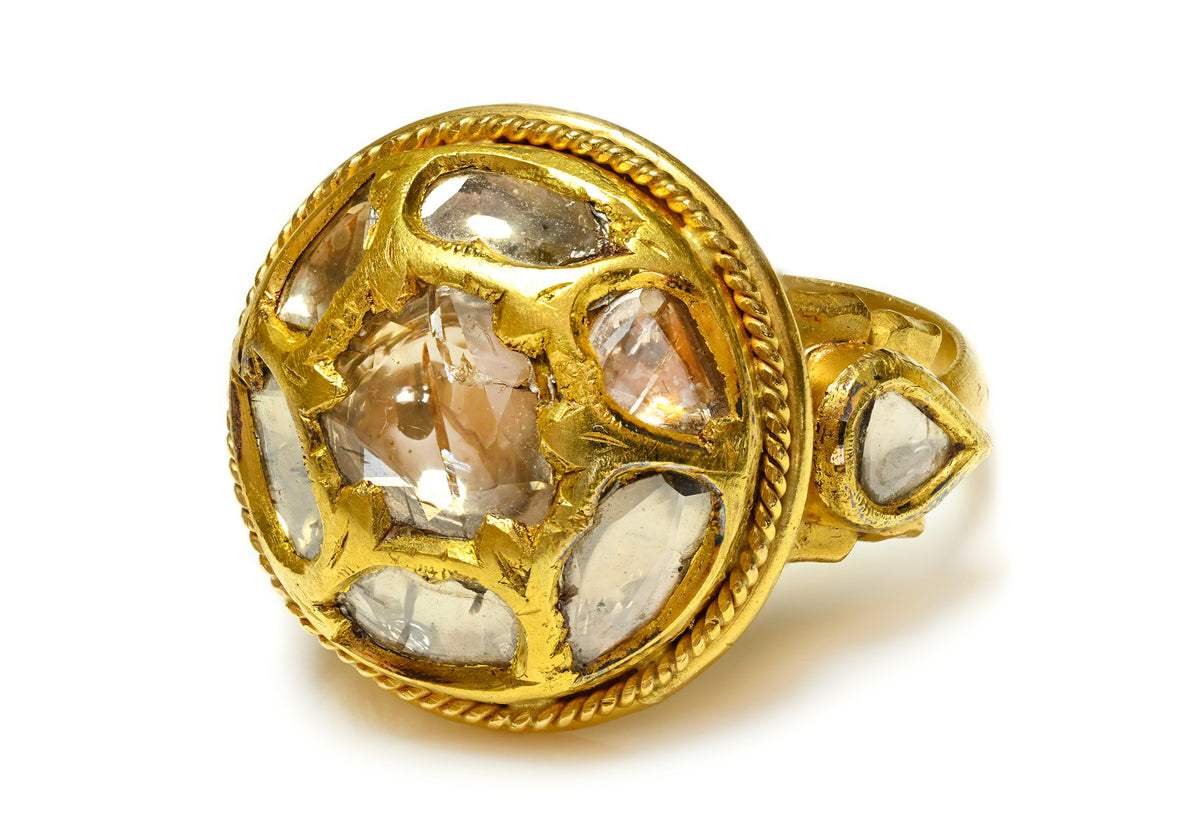
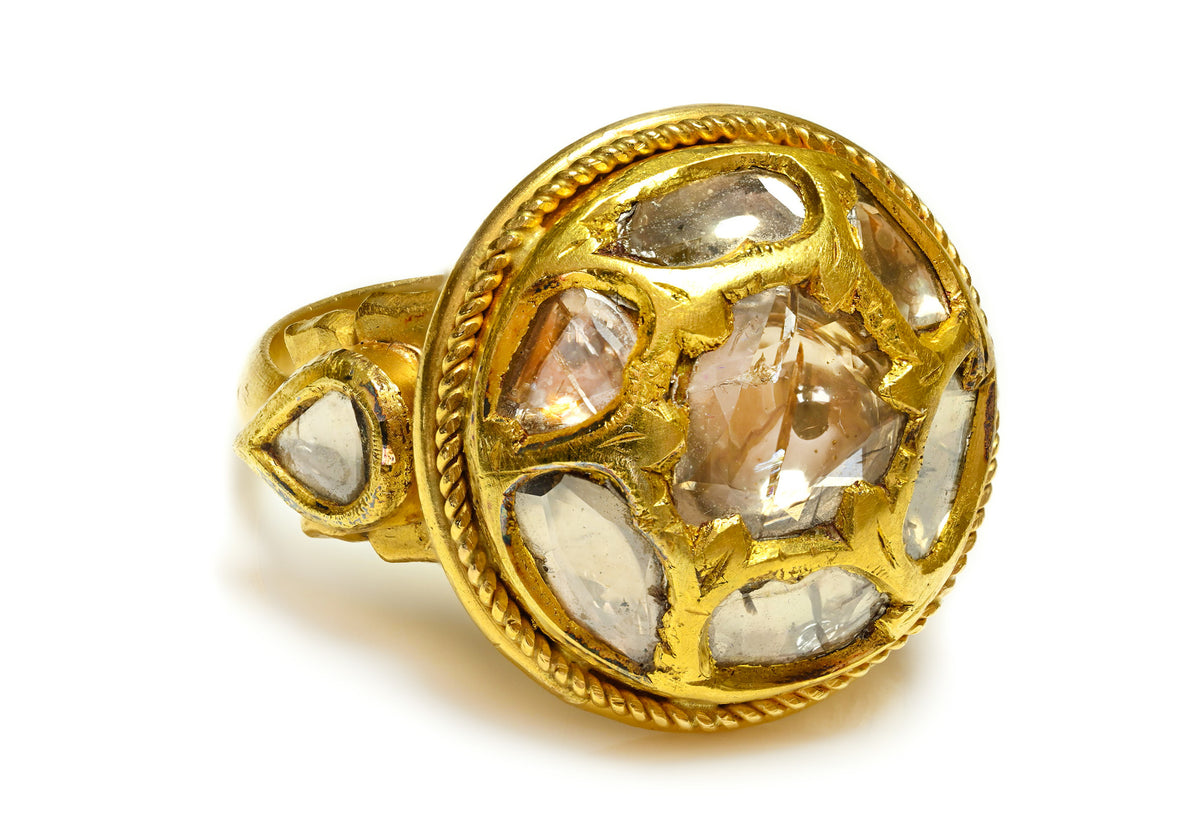
Among all forms of gold jewelry, rings carry the most consistent symbolic meaning across cultures. Their circular form has long represented continuity, obligation, and binding commitment. In dreams, gold rings rarely appear casually.
Ancient interpreters associated rings with authority, vows, or contracts—formal or moral. To dream of wearing a gold ring often indicated entering a binding role, whether relational, professional, or ethical. Losing a ring suggested rupture, refusal, or fear of commitment.
Chains introduced a different nuance. While also circular, chains emphasized connection through dependence rather than unity. Gold chains in dreams were sometimes interpreted as honor and status, but just as often as restraint. The same object could symbolize protection or limitation, depending on context.
This duality remains psychologically relevant. Gold jewelry in dreams does not simply represent value—it represents value that connects, binds, or defines. Jewelry marks where freedom meets structure.

Crowns, Authority, and the Visibility of Power
Among all forms of gold jewelry, crowns occupy a singular symbolic position. Unlike rings or bracelets, crowns are not intimate adornments; they are declarations. In dreams, gold crowns rarely appear without context, and almost never without consequence.
Historically, crowns symbolized authority that was both elevated and exposed. To wear a gold crown meant power paired with scrutiny. Ancient dream interpreters viewed crowns as symbols of responsibility made unmistakably visible—authority that could not be hidden, ignored, or shared. Dreaming of wearing a crown often signaled leadership, judgment, or moral accountability rather than triumph.
The emotional tone of the dream is decisive. A crown worn comfortably suggests readiness to assume responsibility or recognition. A crown that feels heavy, unstable, or unwanted often reflects pressure, fear of judgment, or reluctance to be seen as an authority figure. In some medieval interpretations, crowns appearing unexpectedly were warnings rather than honors.
From a psychological perspective, crowns in dreams frequently surface during moments of public exposure—promotion, leadership, or moments when one’s actions carry broader consequences. The dream uses the crown to visualize the cost of visibility.
Power, in these dreams, is never abstract. It is worn.

Inherited Gold Jewelry and the Weight of Legacy
Dreams involving inherited gold jewelry introduce a different dimension: continuity across time. Unlike jewelry chosen or received in the present, inherited pieces connect the dreamer to the past—family, tradition, or unresolved obligation.
Ancient and medieval sources often interpreted inherited gold as responsibility passed down rather than freely assumed. Rings, chains, or ornaments belonging to ancestors symbolized duties that predated the dreamer’s own choices. These dreams frequently appeared during periods of transition, when individuals were confronting expectations tied to lineage, family roles, or inherited identity.
The condition of the jewelry matters. Well-preserved inherited gold suggested continuity and acceptance. Damaged or ill-fitting inherited jewelry often reflected tension between personal identity and inherited expectation. In some interpretations, refusing to wear inherited gold symbolized a conscious break from tradition.
Psychologically, inherited gold jewelry in dreams often surfaces when individuals are evaluating how much of their identity is self-defined versus inherited. The dream asks whether legacy is being honored, questioned, or renegotiated.
Inheritance in dreams is rarely about possession. It is about continuity.
Choosing Gold Jewelry vs. Being Adorned by Others
Another crucial distinction lies in agency. Did the dreamer choose the gold jewelry, or was it placed upon them?
When the dreamer selects gold jewelry deliberately, the symbol often reflects conscious self-definition. The dreamer is choosing how value is expressed—how identity is shaped and displayed. These dreams commonly appear during moments of confidence, alignment, or intentional change.
By contrast, being adorned by others shifts the focus toward expectation. Gold jewelry placed on the dreamer—especially by authority figures—has historically been interpreted as obligation imposed rather than chosen. In ancient dream manuals, such scenes often accompanied moments of social pressure, recognition that felt premature, or roles accepted reluctantly.
Modern psychology interprets these dreams similarly. Being adorned can signal praise, but also loss of autonomy. The dream explores the boundary between recognition and control.
The difference is subtle but decisive:
-
chosen jewelry - ownership
-
imposed jewelry - expectation
Gold Jewelry That Feels Beautiful vs Jewelry That Feels Excessive
Not all gold jewelry in dreams is experienced as beautiful or fitting. Ancient interpreters paid attention not only to form, but to aesthetic response. Jewelry that felt harmonious often symbolized alignment between identity and role. Jewelry that felt excessive, gaudy, or uncomfortable suggested imbalance between external recognition and internal readiness.
In some medieval interpretations, overly ornate gold jewelry symbolized attention received too quickly or without merit. The dream did not criticize beauty itself, but questioned proportion. When gold becomes excessive, it stops representing value and begins representing pressure.
Psychologically, dreams of excessive gold jewelry often arise when individuals feel overexposed or misrepresented. The dream highlights a tension between how one is seen and how one feels inside.

Gold Jewelry That Does Not Fit
Ill-fitting gold jewelry—rings too tight, necklaces that restrict movement, bracelets that slip off—appears frequently in dreams and carries precise meaning. Ancient sources interpreted poor fit as misalignment between responsibility and capacity.
A ring that constricts suggested obligation assumed too rigidly. Jewelry that falls off suggested roles that lack stability or legitimacy. In both cases, the dream uses physical discomfort to signal psychological mismatch.
Modern psychology confirms this reading. Ill-fitting jewelry often appears when individuals feel placed into identities that do not reflect their true values or readiness. The dream is not rejecting responsibility; it is questioning compatibility.
Being Seen Wearing Gold Jewelry
Visibility is central to jewelry symbolism, but dreams often intensify this by introducing observers. Being watched, admired, judged, or scrutinized while wearing gold jewelry adds another layer of meaning.
Ancient interpreters viewed public attention as inseparable from authority. Dreams in which others notice gold jewelry often signaled social accountability. Admiration suggested affirmation; judgment suggested vulnerability.
Psychologically, these dreams often surface when individuals are aware that their actions are being evaluated—professionally, socially, or morally. The dream explores not just identity, but exposure.
Gold Jewelry in Private vs Public Settings
Context matters. Gold jewelry worn in private spaces carried different meaning than jewelry worn in public settings. Private jewelry symbolized self-recognition or internalized value. Public jewelry symbolized declared identity or responsibility.
Dreams often contrast these settings deliberately. Wearing gold comfortably in private but uneasily in public may reflect confidence without readiness for exposure. The opposite suggests reliance on external validation.
This distinction adds nuance: gold jewelry does not simply ask what is valuable, but for whom.
When Gold Becomes Language
Gold jewelry in dreams does not merely symbolize value—it communicates how value is lived, displayed, and judged. Rings bind. Chains connect or restrain. Crowns expose authority. Inherited pieces carry continuity. Chosen jewelry reflects agency; imposed jewelry reflects pressure.
Unlike other forms of gold, jewelry transforms value into language. It speaks through visibility, weight, and placement. The dream uses gold jewelry to articulate questions that cannot remain private: Who am I becoming? What role am I seen to hold? What responsibility am I ready—or unwilling—to wear?
Understanding gold jewelry in dreams requires more than identifying the object. It requires listening to how the dream stages value as identity.

Frequently Asked Questions About Gold Jewelry in Dreams
What does gold jewelry symbolize in dreams?
Gold jewelry usually symbolizes visible value—identity, responsibility, recognition, or authority that is seen by others rather than kept private.
Is dreaming of wearing gold jewelry a positive sign?
Not always. The meaning depends on emotional tone. Comfort suggests alignment; discomfort suggests pressure or misalignment.
What does receiving gold jewelry in a dream mean?
Receiving gold jewelry often represents expectations or responsibility placed on the dreamer by others rather than self-chosen identity.
Do different types of gold jewelry have different meanings?
Yes. Rings often symbolize commitment, chains connection or restraint, crowns authority, and inherited jewelry legacy or obligation.
What does ill-fitting gold jewelry mean in dreams?
Ill-fitting jewelry usually symbolizes roles or responsibilities that do not align with the dreamer’s capacity or values.
Why do dreams emphasize being seen wearing gold jewelry?
Because jewelry represents public identity. Being seen highlights accountability, judgment, or social exposure.
Can gold jewelry dreams relate to relationships?
Yes. Rings and shared jewelry often reflect relational commitment, boundaries, or expectations.
What does inherited gold jewelry symbolize?
Inherited gold jewelry usually represents legacy, tradition, or responsibility passed across generations.
Is gold jewelry in dreams about wealth?
Rarely. Historically and psychologically, gold jewelry in dreams is more about identity and responsibility than money.
What does dreaming of gold jewelry breaking or falling off mean?
Dreams in which gold jewelry breaks or falls off often symbolize instability in a role or identity. This may reflect fear of losing status, questioning a commitment, or recognizing that a responsibility no longer fits.
Does the condition of gold jewelry matter in dream interpretation?
Yes. Shiny, well-kept gold often reflects clarity or acceptance of value, while damaged or neglected jewelry can indicate internal conflict, doubt, or unresolved tension related to identity or responsibility.
What does it mean to dream of refusing to wear gold jewelry?
Refusing to wear gold jewelry usually symbolizes resistance to expectations or reluctance to accept a role imposed by others. It may reflect a desire to protect autonomy or redefine personal identity.
Can gold jewelry dreams reflect social pressure rather than personal desire?
Absolutely. Gold jewelry frequently symbolizes how value is perceived by others. Dreams involving discomfort, scrutiny, or excess often reflect social pressure, judgment, or fear of misrepresentation.
Why do gold jewelry dreams often feel emotionally intense?
Because gold jewelry represents visible identity. When value becomes public in a dream, it activates emotions tied to recognition, accountability, and self-image, making these dreams especially vivid and memorable.
This article is part of a broader exploration of gold symbolism in dreams, examining how meaning shifts across cultures, objects, and psychological contexts.