Why the Form of Gold in a Dream Matters
Dream interpretation has never treated symbols as abstract or interchangeable. In the oldest traditions, form mattered as much as material—sometimes more. Gold appearing in a dream does not carry a single, fixed meaning. Its significance changes dramatically depending on how the gold appears, where it is placed, and what role it plays in the dream.
Ancient interpreters understood this clearly. Gold worn on the body did not mean the same thing as gold stored, buried, exchanged, or observed from a distance. Each form revealed a different relationship between the dreamer and what the gold symbolized: identity, responsibility, authority, or enduring value.
Modern interpretations often ignore this distinction, collapsing all appearances of gold into one idea—wealth or success. Yet historical, religious, and psychological traditions consistently argue the opposite. Form reveals function, and function reveals meaning.
This article examines why the shape, placement, and use of gold in dreams fundamentally alters interpretation. Drawing from ancient dream manuals, medieval symbolism, and modern psychology, it explains how form becomes the key to understanding what gold is actually communicating in the subconscious.

Gold as Material vs. Gold as Object
The first distinction classical interpreters made was between gold as substance and gold as object. Raw or accumulated gold—unshaped, stored, or massed together—was treated very differently from gold that had been crafted into jewelry, coins, or ritual items.
Gold as material symbolized latent or concentrated value. It represented something powerful but unresolved—potential, inheritance, fate, or stored consequence. When gold appeared without form, ancient sources often interpreted it as value that existed independently of the dreamer’s actions. It was something to be guarded, feared, or respected, not immediately used.
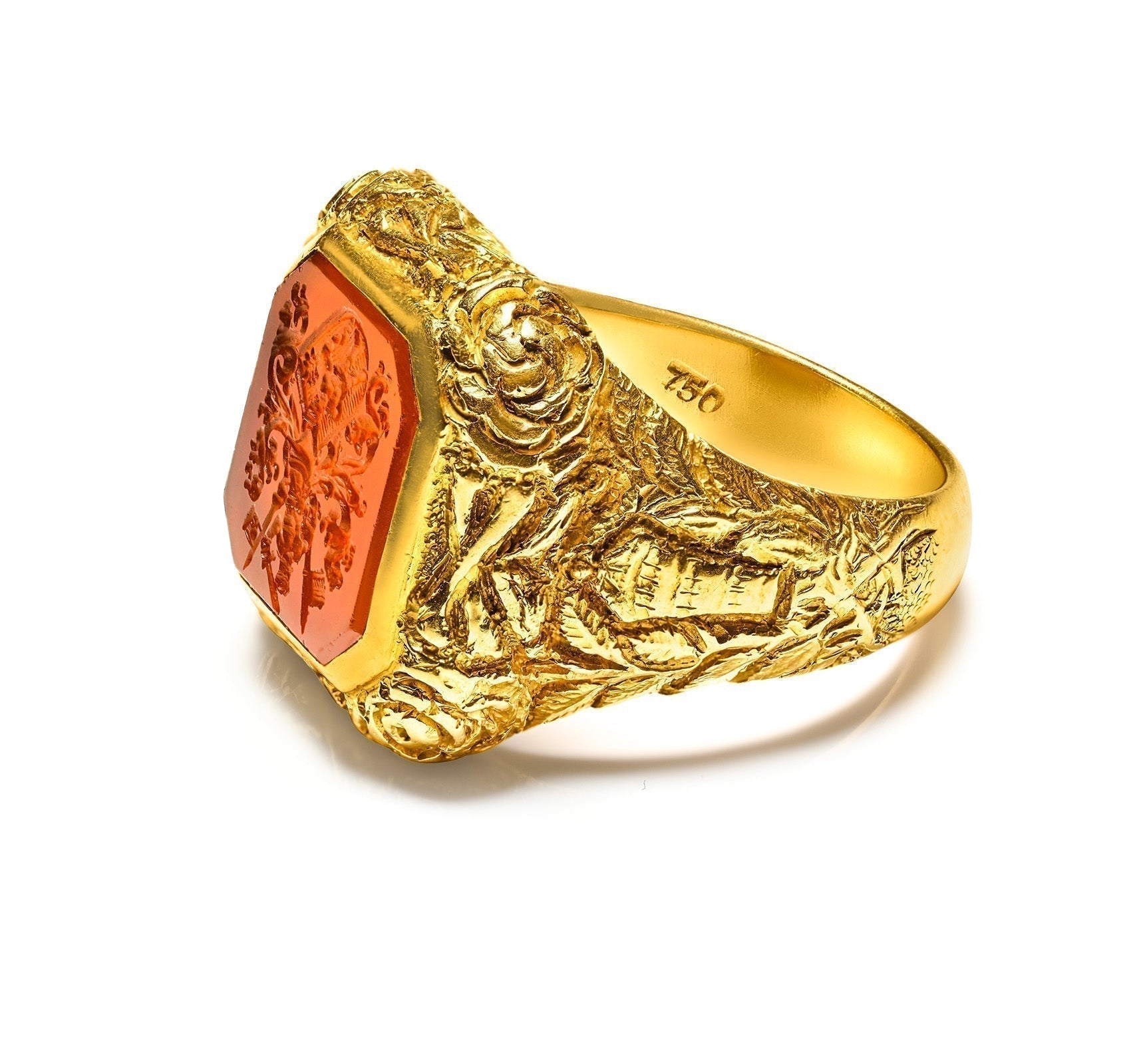
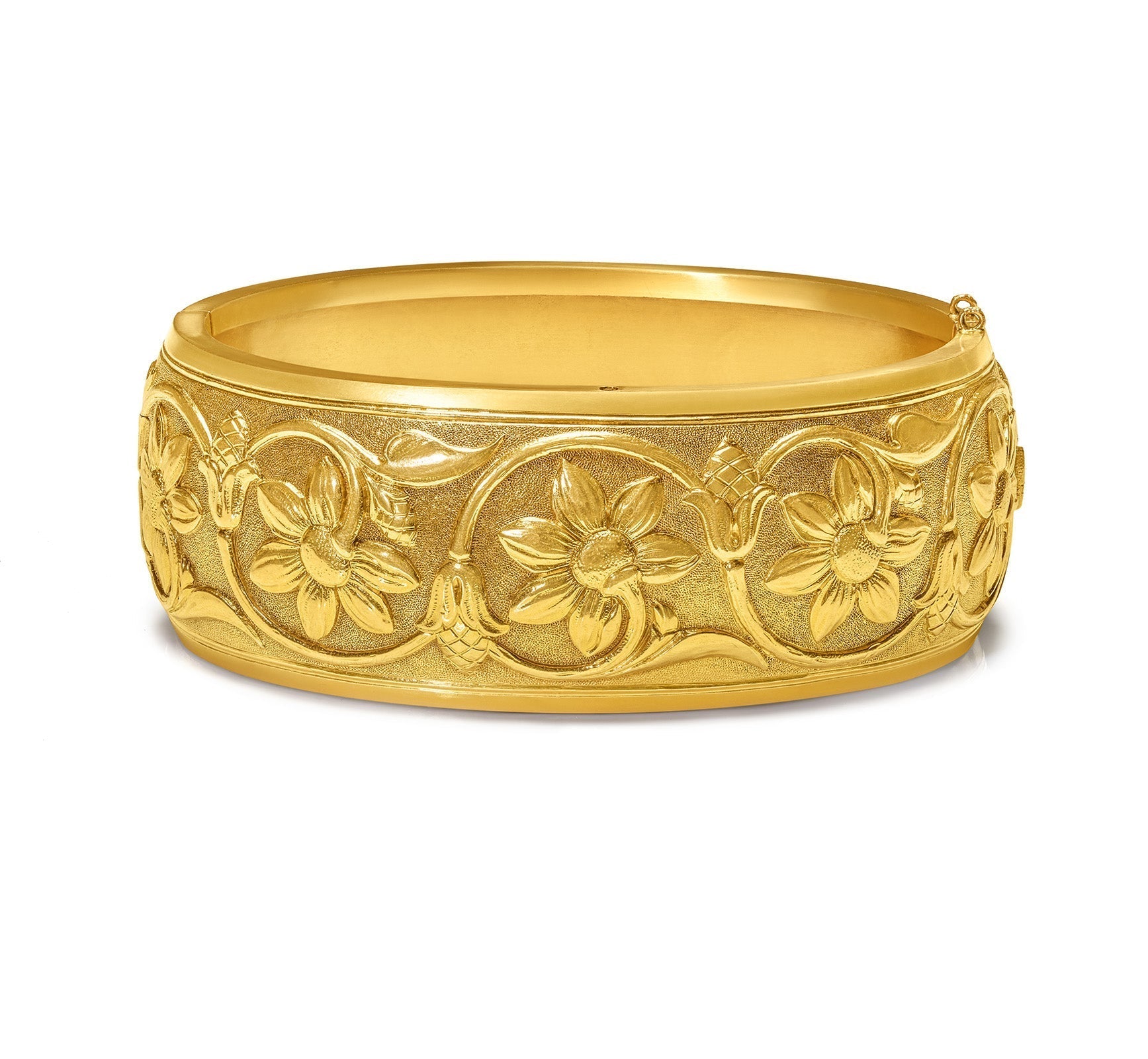
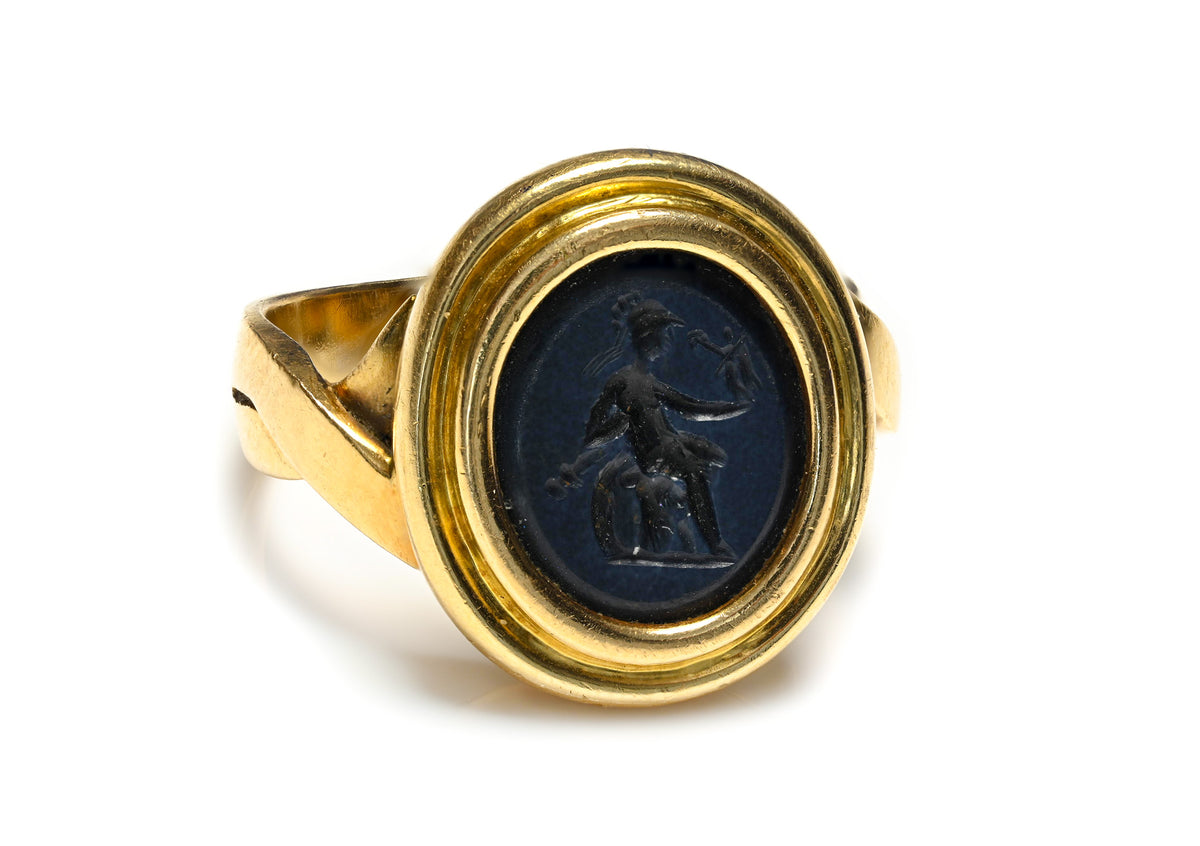
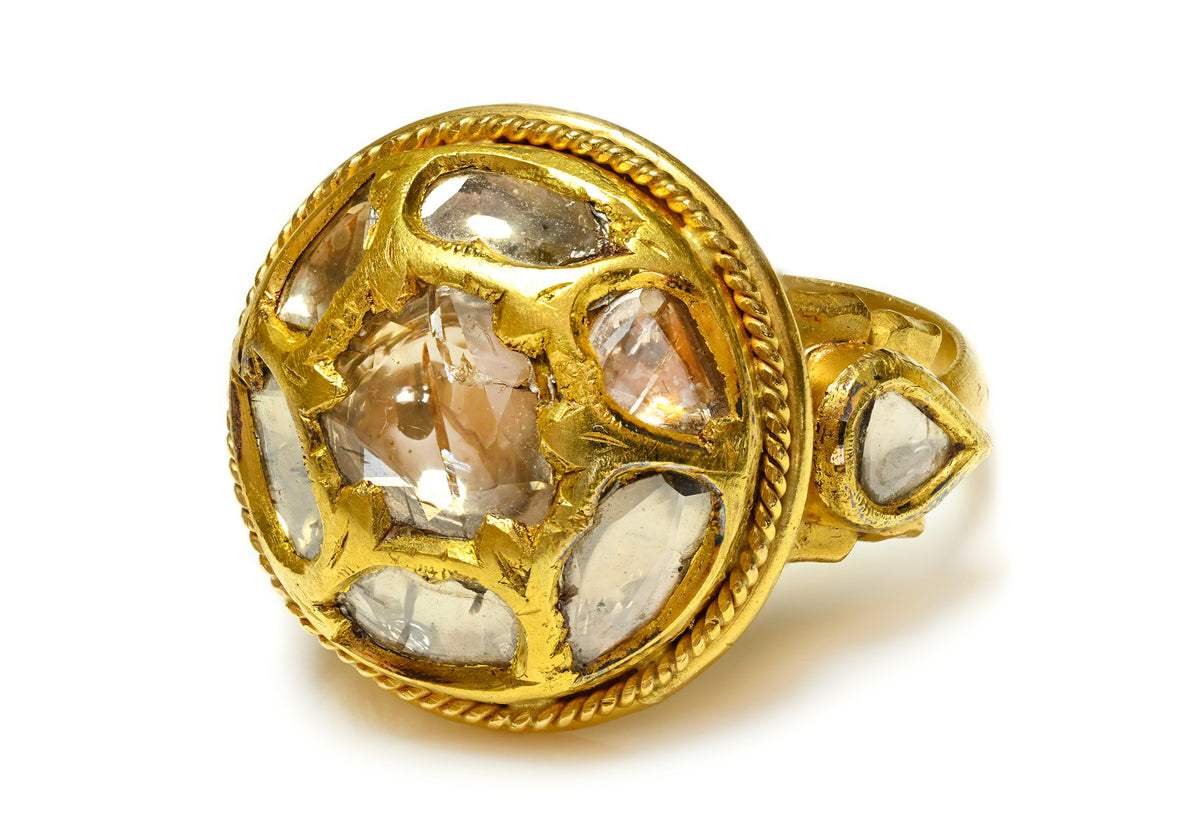
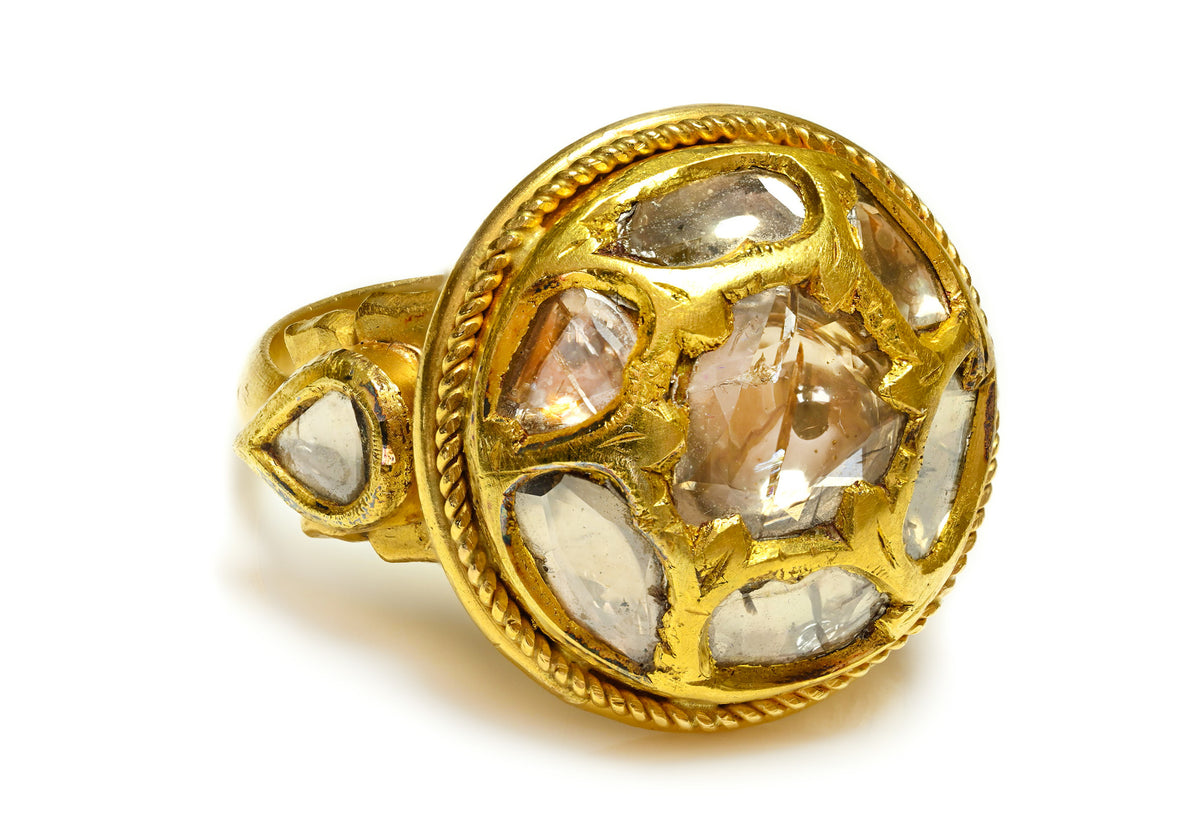
Gold as object, by contrast, symbolized value shaped by human intention. Once gold was formed into rings, chains, coins, or tools, it entered social and moral systems. It became associated with roles, agreements, promises, exchange, and identity.
This distinction mattered greatly. Raw gold suggested value waiting to be engaged. Crafted gold suggested value already integrated into life—sometimes comfortably, sometimes under pressure.
Psychologically, this difference remains relevant. Unshaped gold often appears when the dreamer is aware of importance but unsure how to act on it. Shaped gold appears when responsibility or identity has already taken form.
Understanding whether gold appears as material or object is therefore the first step in interpretation. Without this distinction, meaning collapses into oversimplification.

Why Interaction Matters in Gold Dreams
Ancient dream manuals rarely treated symbols as static images. Instead, they focused on interaction—touching, wearing, hiding, or guarding objects—as the true carriers of meaning.
This approach reflected the belief that dreams do not communicate abstract ideas, but lived relationships between the dreamer and what holds value.
How gold is handled in a dream reveals more than its mere presence: it shows whether importance is accepted, managed, avoided, or deferred. For early interpreters, the dreamer’s behavior toward gold was often more significant than the gold itself.
Worn Gold vs. Carried Gold
Classical dream interpretation placed special emphasis on whether gold was worn on the body or merely carried. This difference reveals how closely the dreamer identifies with the value the gold represents.
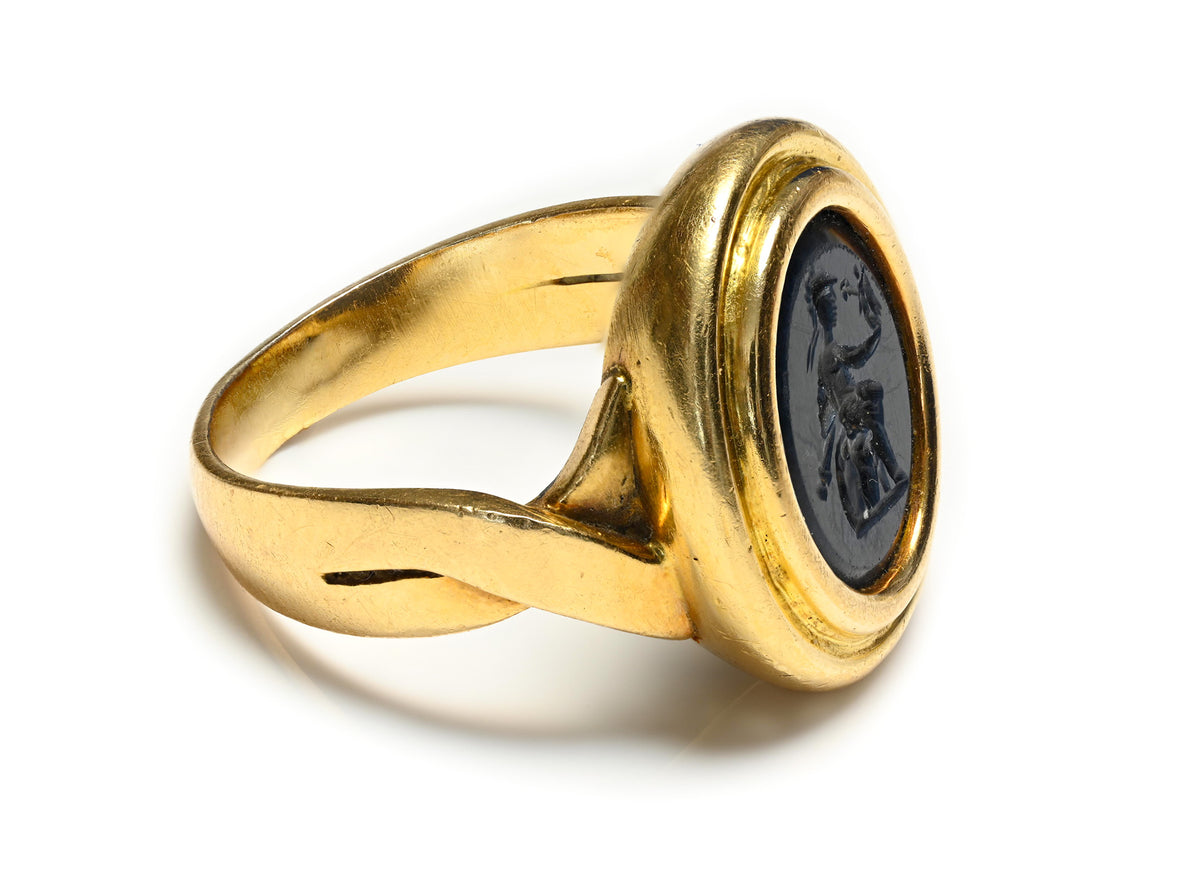
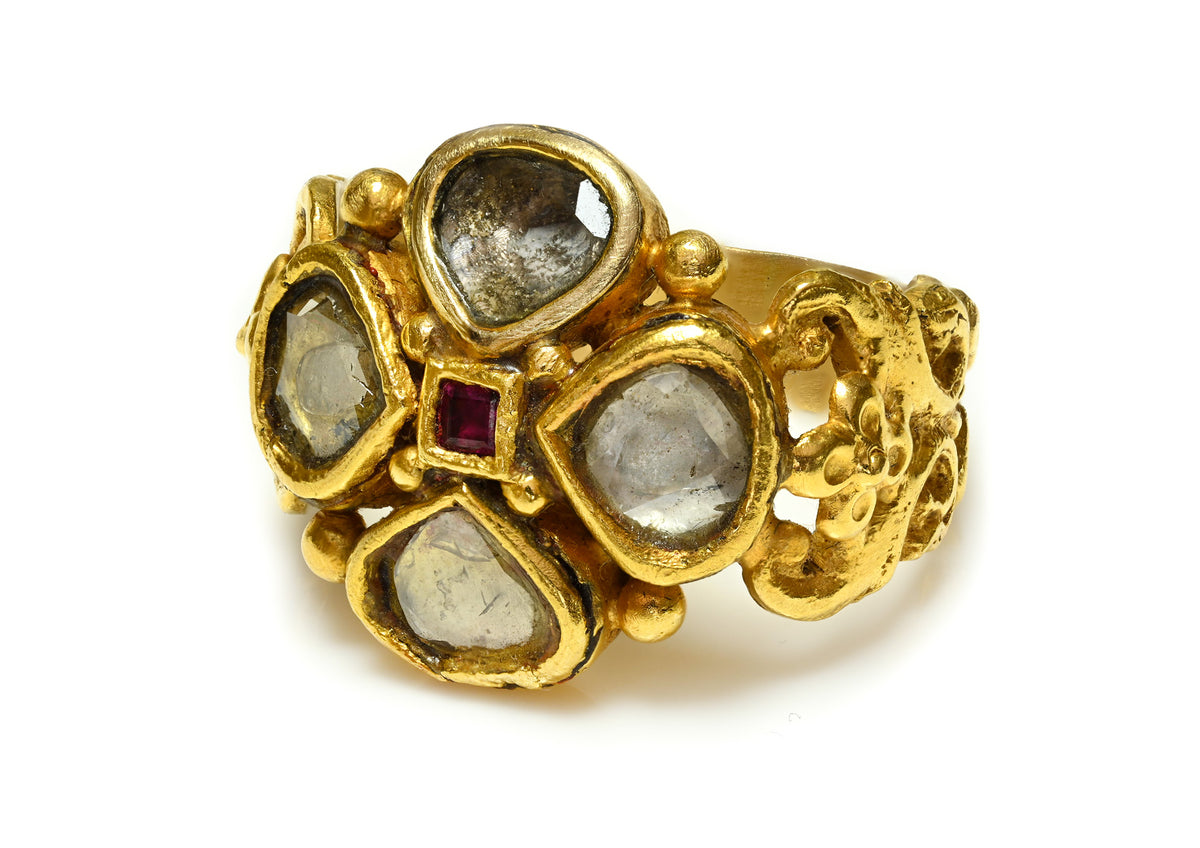
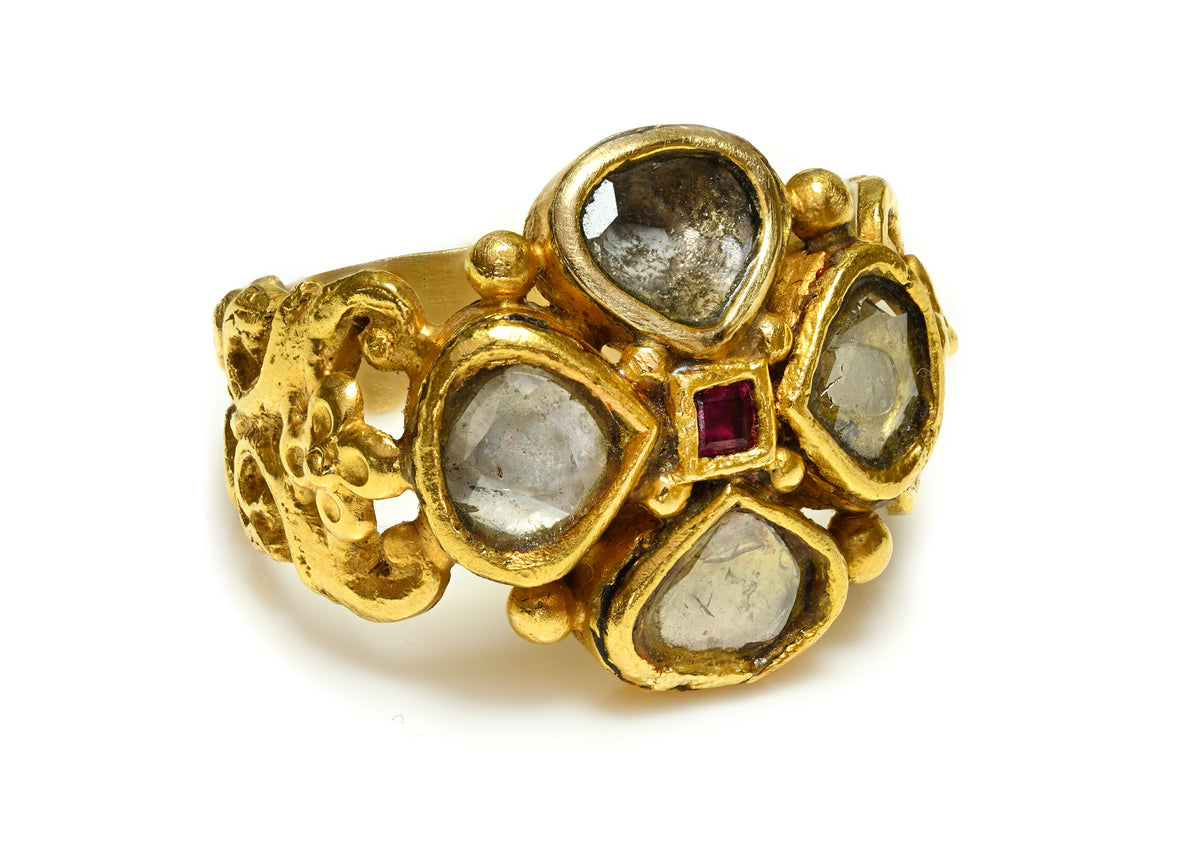
Gold worn—rings, necklaces, bracelets—was traditionally interpreted as value incorporated into identity. It suggested that the dreamer had accepted a role, obligation, or status as part of who they are. Whether this felt empowering or burdensome depended entirely on the emotional tone of the dream.
Gold carried, however, symbolized active responsibility rather than identity. Carrying gold implied effort, vigilance, or burden. The dreamer was responsible for the value, but it had not yet become part of the self. Ancient interpreters often associated carried gold with tasks, duties, or expectations that required conscious management.
This distinction appears repeatedly in medieval commentaries. Worn gold implied legitimacy—authority accepted or granted. Carried gold implied accountability—value that could be lost, misused, or mishandled.
Modern psychology echoes this logic. Dreams in which gold is worn often surface when individuals feel aligned with their responsibilities or sense of self. Dreams in which gold must be carried often appear during periods of effort, transition, or strain.
In short:
-
Worn gold = integrated value
-
Carried gold = managed value
This difference alone can completely change how a gold dream should be understood.

Hidden Gold vs. Visible Gold
One of the most revealing distinctions in dream interpretation concerns visibility. Gold that is openly visible in a dream does not carry the same meaning as gold that is hidden, buried, or concealed. Ancient interpreters treated visibility as a signal of awareness and readiness.
Visible gold traditionally symbolized acknowledged value. When gold appeared clearly—on a table, in the open, or in full view—it suggested that the dreamer recognized the importance of what the gold represented. This could involve reputation, responsibility, or inner worth that had already entered conscious awareness.
Hidden gold, by contrast, pointed to suppressed or protected value. Gold buried underground, locked away, or concealed from sight was interpreted as significance not yet integrated or intentionally withheld. In many medieval sources, hidden gold symbolized knowledge, responsibility, or potential that the dreamer either feared exposing or felt unprepared to manage publicly.
The emotional context was crucial. Hiding gold out of fear often reflected anxiety about loss, judgment, or vulnerability. Hiding gold calmly suggested strategic restraint—value being preserved until the right moment. The same image could therefore signal avoidance or wisdom, depending on tone.
From a psychological perspective, hidden gold frequently appears when individuals sense importance but hesitate to act. This may involve unexpressed talent, unclaimed authority, or unresolved moral awareness. Visible gold, by contrast, suggests readiness to engage with what matters.
Visibility answers a key question: is the value recognized and acknowledged, or protected and postponed?
Stored, Buried, and Locked Gold
Dreams often go beyond visibility and specify how gold is stored. Each method of storage carries distinct symbolic meaning.
Stored gold—placed carefully in chests, safes, or containers—was traditionally interpreted as controlled responsibility. The dreamer recognized the value and had established boundaries around it. Ancient and medieval sources treated such dreams as signs of prudence, preparation, or long-term planning.
Buried gold carried a different tone. Because burial connects value with earth and time, buried gold often symbolized inheritance, memory, or unresolved past significance. In many interpretations, buried gold suggested something valuable that had been postponed, forgotten, or intentionally delayed—sometimes for protection, sometimes out of fear.
Locked gold intensified the symbolism further. Locks implied restriction and vigilance. Dreams involving locked gold often appeared when individuals felt pressure to guard reputation, authority, or trust. The dreamer was not only preserving value but actively preventing access—by themselves or others.
Psychologically, these images often arise during periods of caution. Stored gold reflects organization. Buried gold reflects distance from value. Locked gold reflects tension between protection and isolation.
The method of storage reveals how the dreamer relates to responsibility:
-
storing = managing
-
burying = postponing
-
locking = guarding
These distinctions allow interpretation to move beyond abstraction into lived experience.

Distance and Proximity in Gold Dreams
Another subtle but powerful factor is distance. How close the dreamer is to the gold—and whether they can touch it—matters greatly.
Gold held in the hands suggests direct engagement. The dreamer is actively involved with what the gold represents. This often reflects moments of accountability, choice, or ownership of responsibility.
Gold seen nearby but not touched suggests recognition without action. The dreamer is aware of importance but has not yet acted. This scenario frequently appears during periods of hesitation or contemplation.
Gold seen at a distance—across a room, behind glass, or beyond reach—was historically interpreted as value acknowledged but inaccessible. Ancient sources associated this imagery with aspiration, restraint, or barriers—internal or external.
Distance does not necessarily imply frustration. In some traditions, distance symbolized appropriate restraint, patience, or respect for boundaries. The emotional tone again determines meaning: longing suggests desire; calm observation suggests readiness to wait.
Modern psychology mirrors this logic. Distance reflects psychological readiness. The closer the gold, the more immediate the responsibility. The farther it is, the more deferred the engagement.
Distance answers a crucial interpretive question: is the dreamer ready to act on what they recognize as valuable?
Gold does not appear in dreams as a static symbol. It is shaped, positioned, hidden, carried, or observed with intention. Each of these choices reflects how the mind understands value at a given moment—not in theory, but in practice.
The form of gold reveals whether significance is embraced or resisted, visible or protected, active or deferred. Before asking what gold means in a dream, one must first understand how it appears. Without this step, interpretation becomes guesswork.
Form is not decoration in dream symbolism. It is the language itself.
FAQ – Why the Form of Gold in a Dream Matters
Why does the form of gold matter in dreams?
Because form reveals function. Gold worn, carried, hidden, or stored each reflects a different relationship between the dreamer and what the gold symbolizes—identity, responsibility, or awareness.
Is dreaming of gold jewelry different from dreaming of raw gold?
Yes. Gold jewelry usually represents value integrated into identity or social roles, while raw or unshaped gold often symbolizes latent or unresolved value.
What does worn gold symbolize in dreams?
Worn gold typically reflects accepted responsibility or identity. It suggests that the dreamer has integrated what the gold represents into who they are.
What does carrying gold mean in a dream?
Carrying gold often symbolizes active responsibility or burden. The value is present, but it requires effort and vigilance rather than effortless ownership.
What does hidden or buried gold represent?
Hidden or buried gold usually points to unexpressed, postponed, or protected value—something important the dreamer is not yet ready to reveal or act upon.
Is visible gold more positive than hidden gold in dreams?
Not necessarily. Visible gold suggests acknowledged value, while hidden gold may indicate caution or strategic restraint. Emotional tone determines whether the meaning is positive or tense.
Why does distance from gold matter in dreams?
Distance reflects readiness. Gold within reach suggests engagement, while gold seen from afar often symbolizes awareness without action or delayed responsibility.
What does stored or locked gold symbolize?
Stored gold suggests managed responsibility, while locked gold indicates vigilance or fear of loss. Both reflect conscious boundaries around value.
Can the same gold dream mean different things for different people?
Yes. Cultural background, personal experience, and emotional response significantly influence interpretation, even when the symbol appears identical.
Why do ancient dream interpretations focus so much on form?
Because early interpreters understood that material alone was insufficient. How something appears reveals how it functions psychologically and socially.
This article is part of a broader exploration of gold symbolism in dreams, examining how meaning shifts across cultures, objects, and psychological contexts.