Jewelry Trends Today: Why Collectors Choose Heritage
The contemporary jewelry market is undergoing a quiet but significant transformation. While fashion trends continue to shift rapidly, collectors and discerning buyers are increasingly moving away from novelty-driven designs and toward jewelry defined by craftsmanship, material integrity, and historical relevance.
Rather than asking what is new, today’s most informed buyers are asking what is enduring. This shift is reshaping demand across auctions, private sales, and specialist galleries worldwide, and it explains why antique, vintage, and signed jewelry is attracting renewed attention.
At DSF Antique Jewelry, this evolution is not viewed as a trend, but as a return to fundamental values that have always defined exceptional jewelry.
The Return of Jewelry With Substance
Modern collectors are no longer satisfied with jewelry that exists purely as ornament. Increasingly, they seek pieces that reflect design heritage, identifiable makers, and cultural context. Jewelry is now understood as a tangible record of craftsmanship and taste—objects shaped by their era, their workshop, and their materials.
This perspective naturally draws attention to signed and period jewelry, where attribution and workmanship are inseparable from value. Historic houses such as Cartier, Tiffany & Co., Van Cleef & Arpels, Bulgari, and Buccellati continue to resonate because their designs were built on strong artistic foundations rather than short-term trends.
Curated selections of signed pieces, such as those found in DSF Antique Jewelry’s Signed Jewelry Collection appeal to collectors who value authenticity, provenance, and long-term relevance.
Gold Takes Center Stage Again
One of the clearest shifts in today’s market is the renewed appreciation for high-karat gold jewelry with substantial weight. This reflects both aesthetic preferences and a deeper understanding of material value.
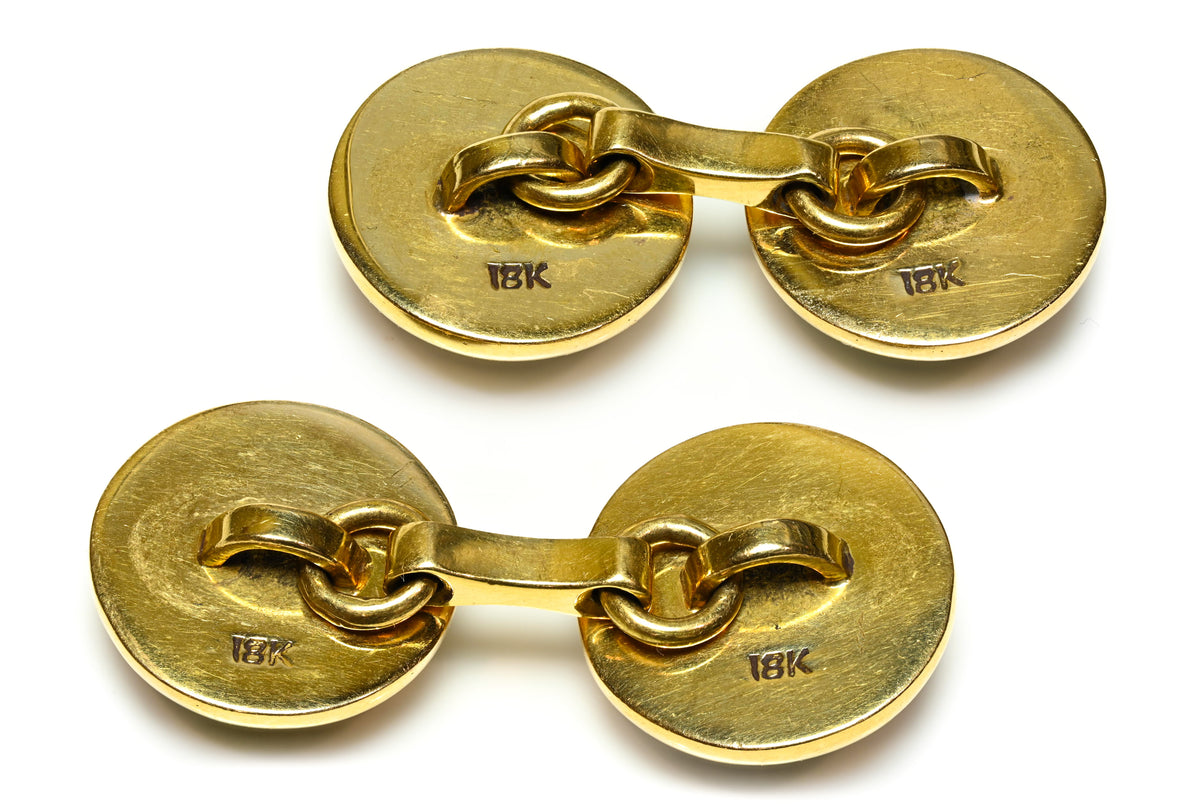
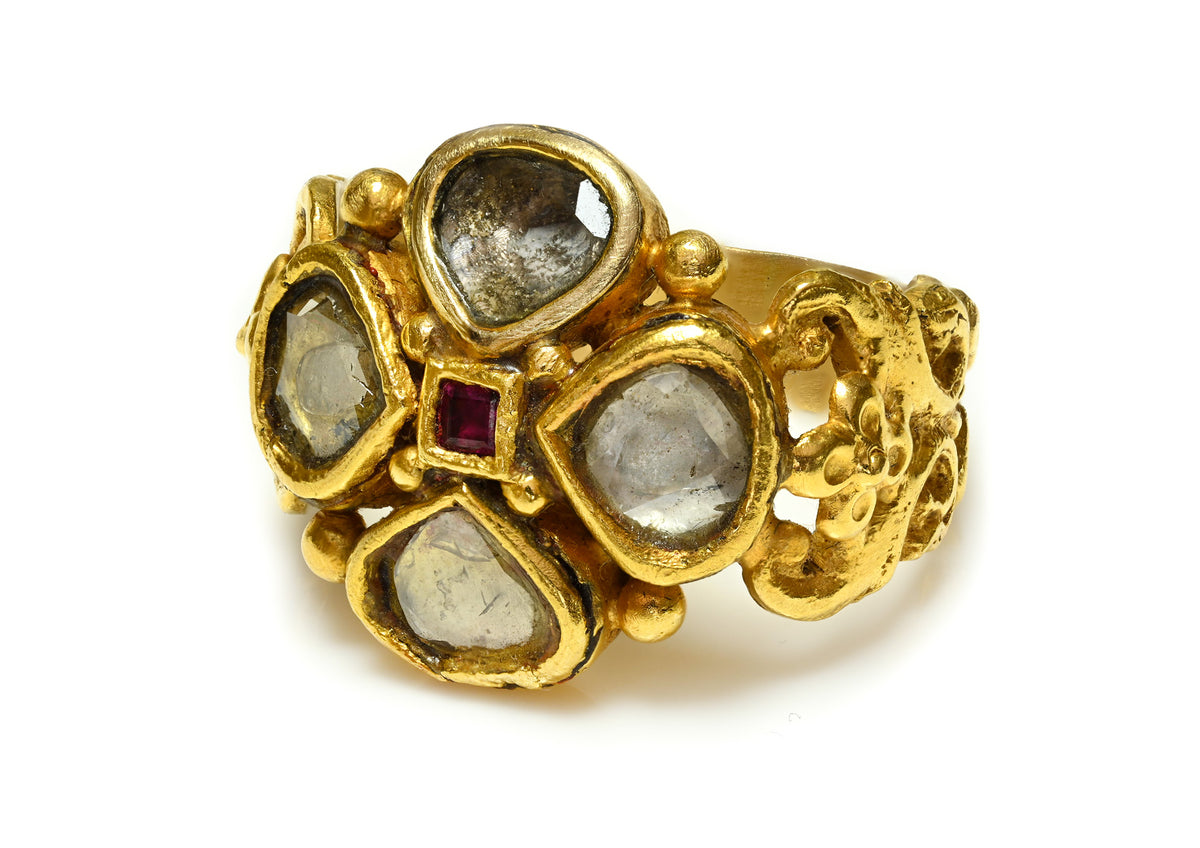
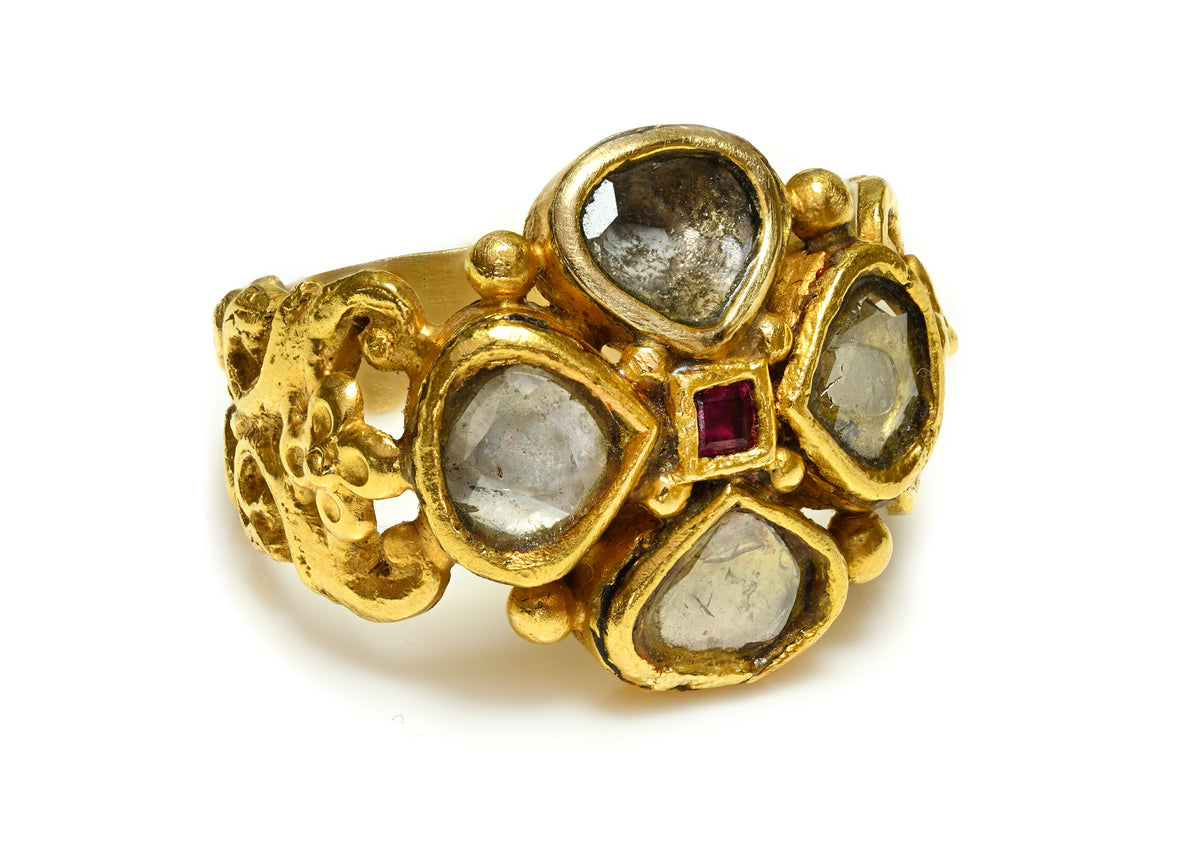
Heavy 18K gold chains, sculptural bracelets, tank rings, and bold earrings from the mid-20th century are increasingly sought after. These pieces offer a rare balance: they are wearable, visually powerful, and intrinsically valuable.
Unlike much contemporary jewelry, antique and vintage gold pieces were often crafted with longevity in mind. Hand-finished surfaces, carefully engineered clasps, and thoughtful proportions reveal a level of workmanship that is increasingly uncommon today.
Collectors exploring historically significant gold jewelry often gravitate toward curated selections within the Gold Jewelry Collection where gold is appreciated not simply as a commodity, but as a medium for design excellence.
The Quiet Revival of Brooches, Stick Pins, and Charms
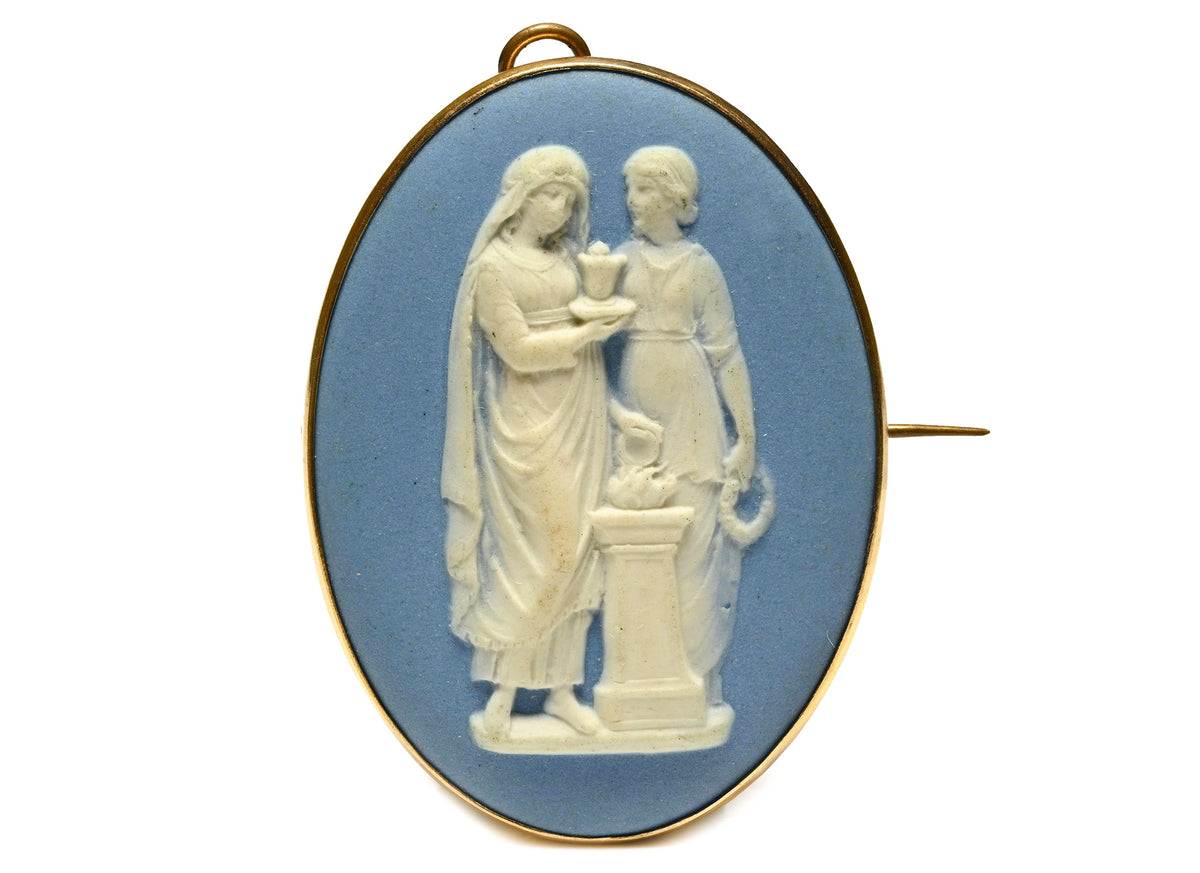
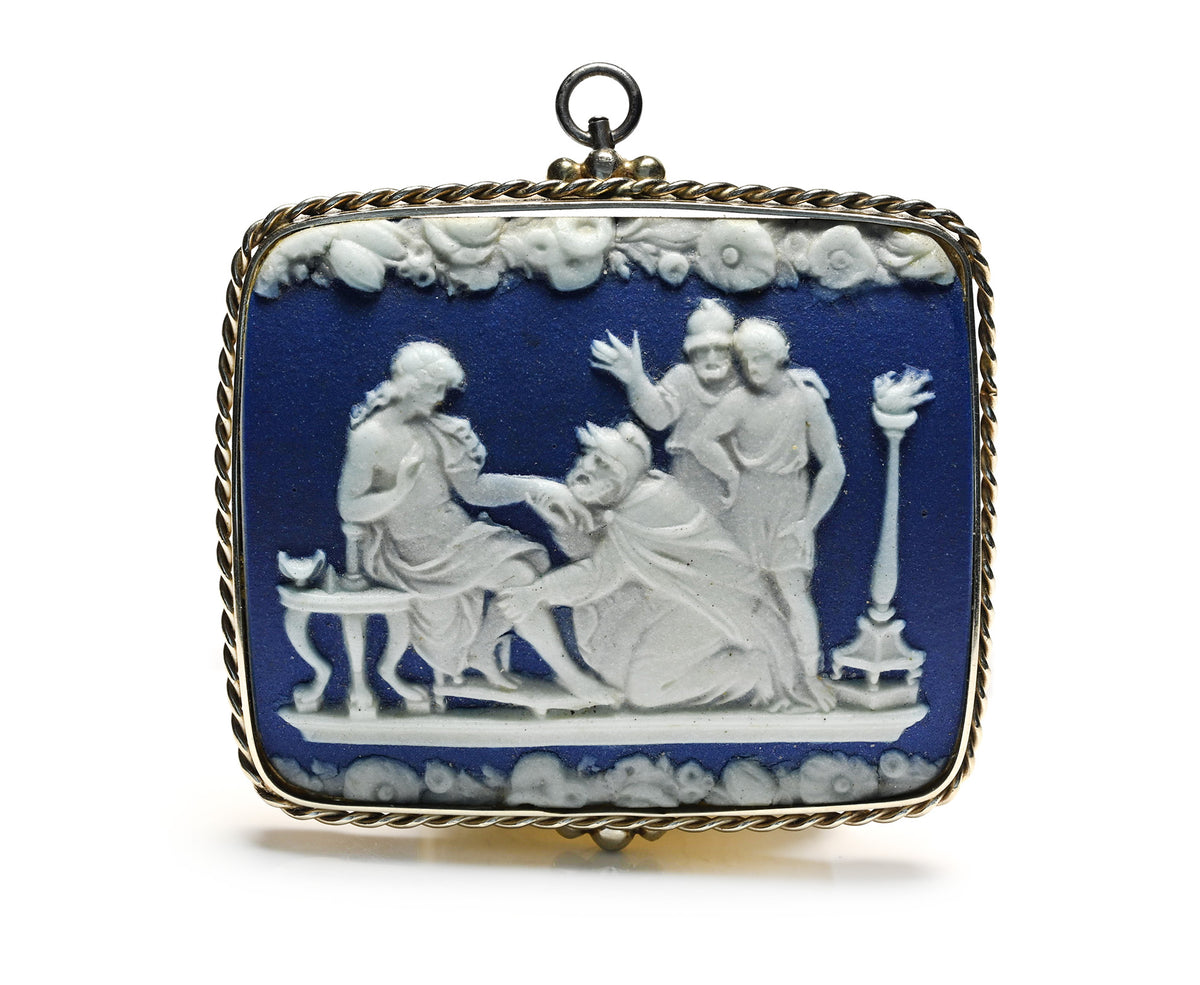
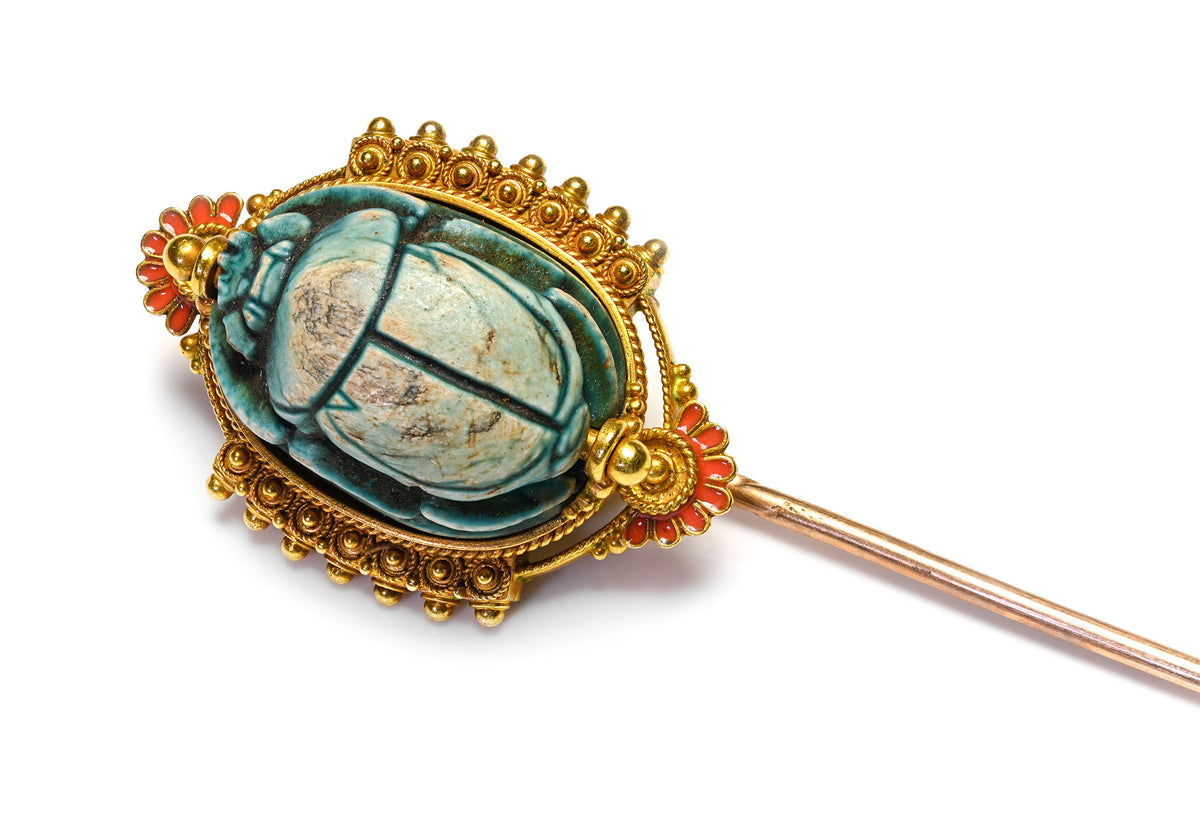
Another notable development is the renewed interest in jewelry categories once considered secondary. Brooches, stick pins, and charm jewelry are finding new relevance among collectors who value individuality and craftsmanship.
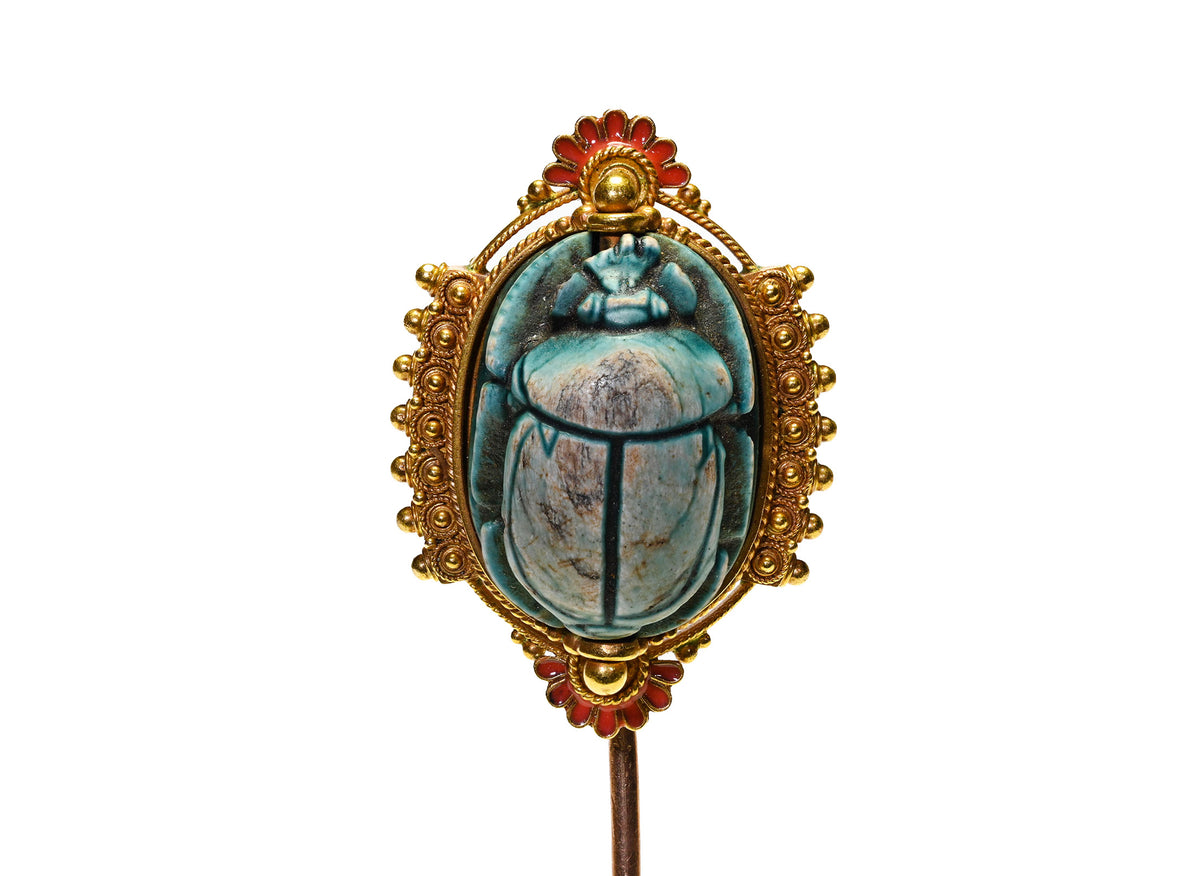
Brooches are being worn beyond traditional settings—on lapels, outerwear, and evening garments. Stick pins are appreciated as understated statements, while charm jewelry is valued for its symbolism and detailed execution.
These pieces reward closer inspection. Their appeal lies in subtlety rather than scale, and in the stories they carry. Examples can be explored through the Brooches & Pins Collection where form, function, and artistry intersect.

Signed Jewelry as Cultural Capital
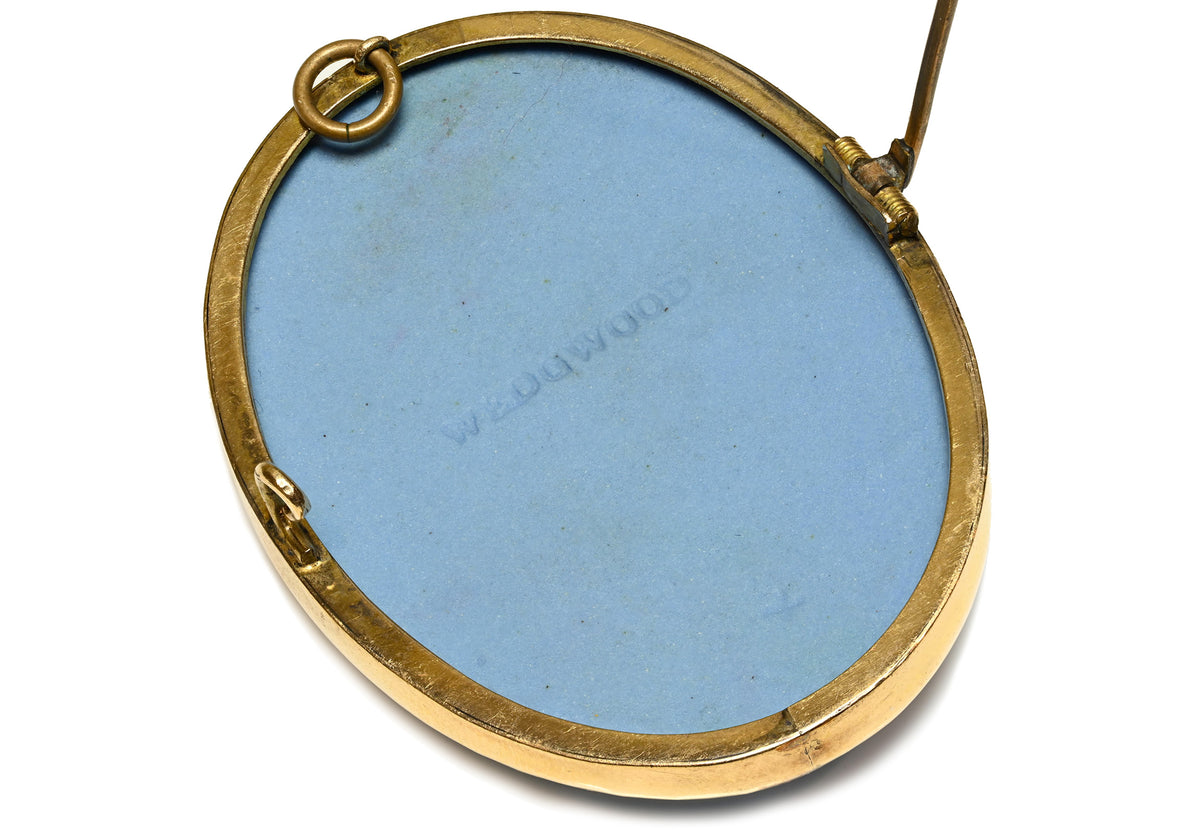
Signed jewelry is increasingly understood as a form of cultural capital. Knowledge of hallmarks, workshop practices, and design evolution has become central to collecting.
Pieces created under the supervision of historic maisons carry a recognizable design language—visible in proportion, stone selection, and technical execution. As collectors become more educated, jewelry with clear attribution and strong condition has become increasingly difficult to source.
This growing appreciation reflects a collector base that values discernment over volume and expertise over trend-following.
Men’s Jewelry Embraces History and Weight
Men’s jewelry is also experiencing a meaningful shift. Rather than minimal, fashion-driven designs, collectors are gravitating toward pieces with historical presence and symbolic meaning.
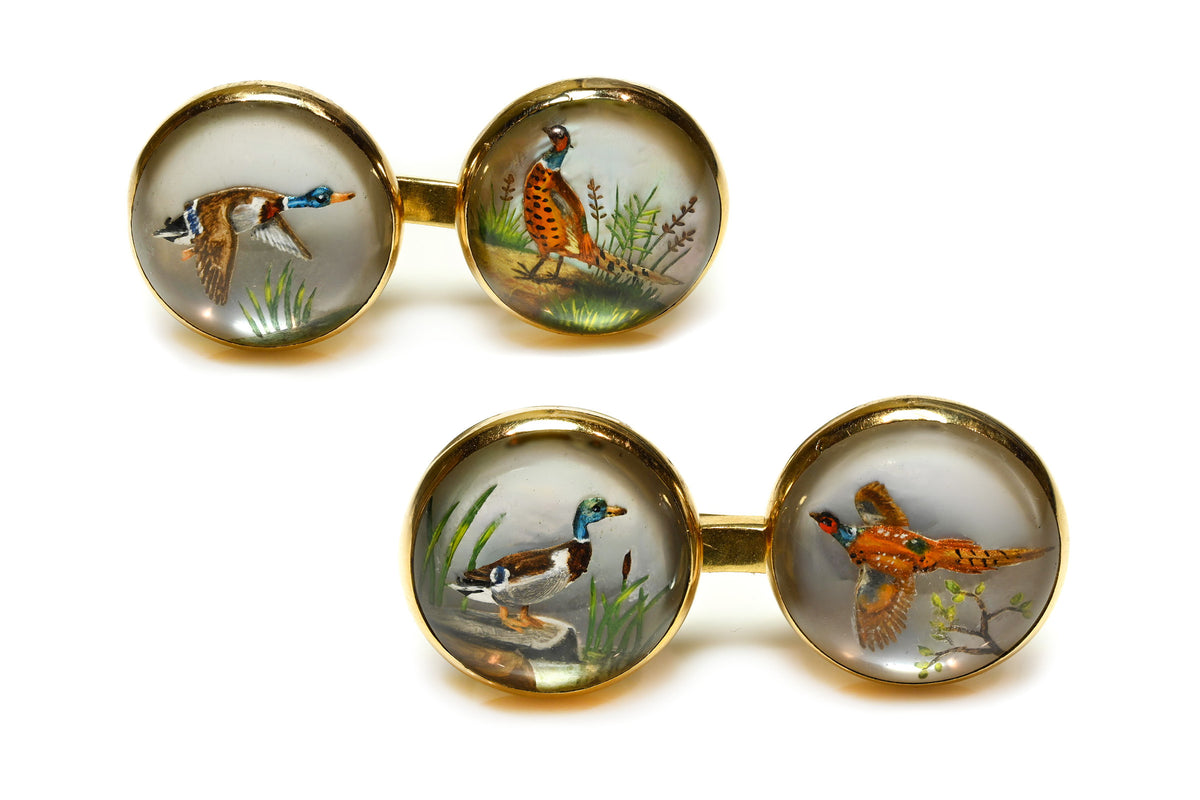
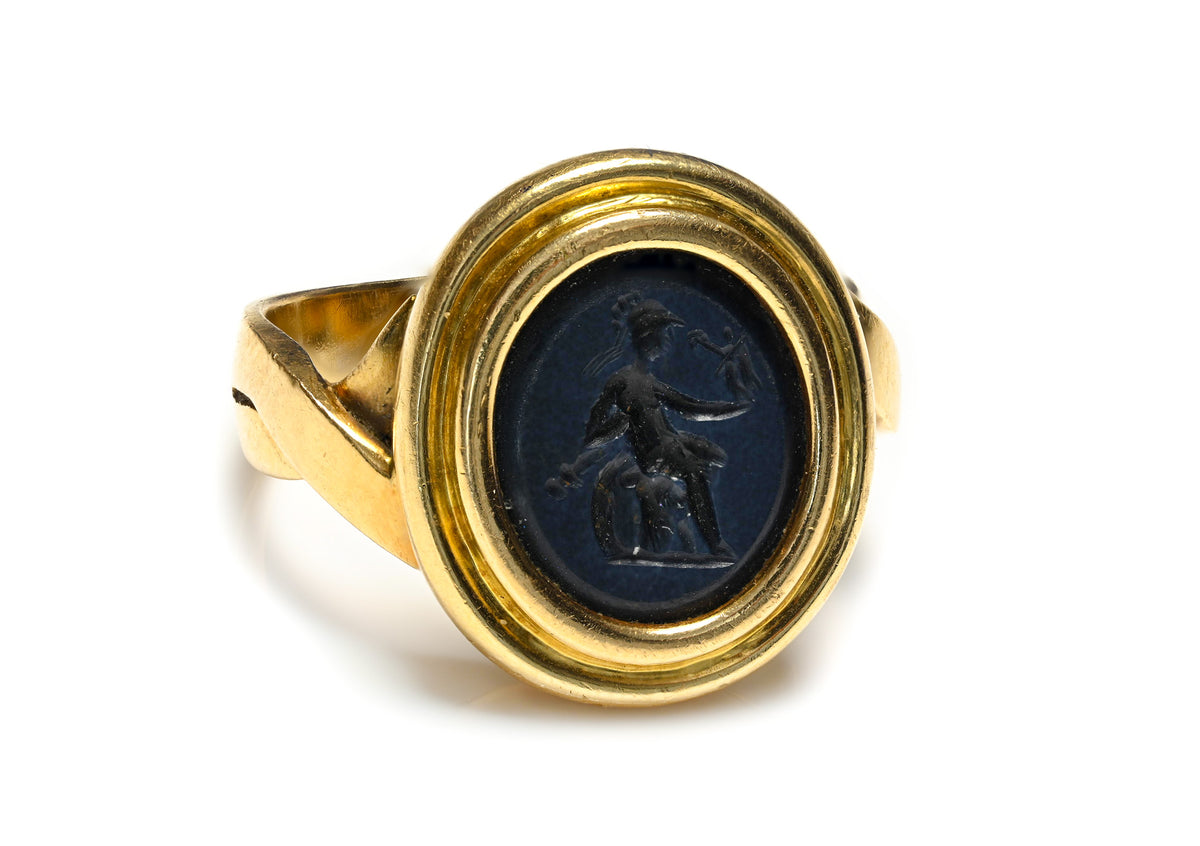
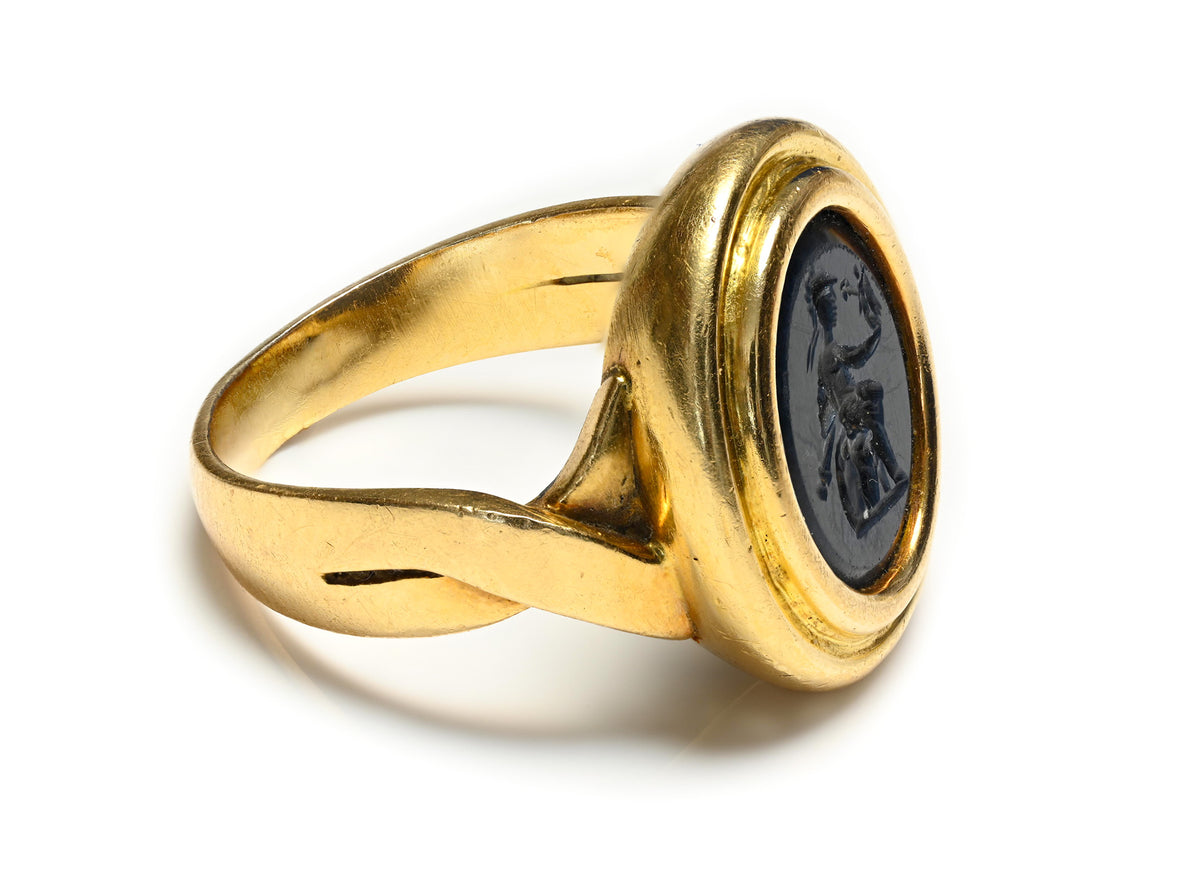
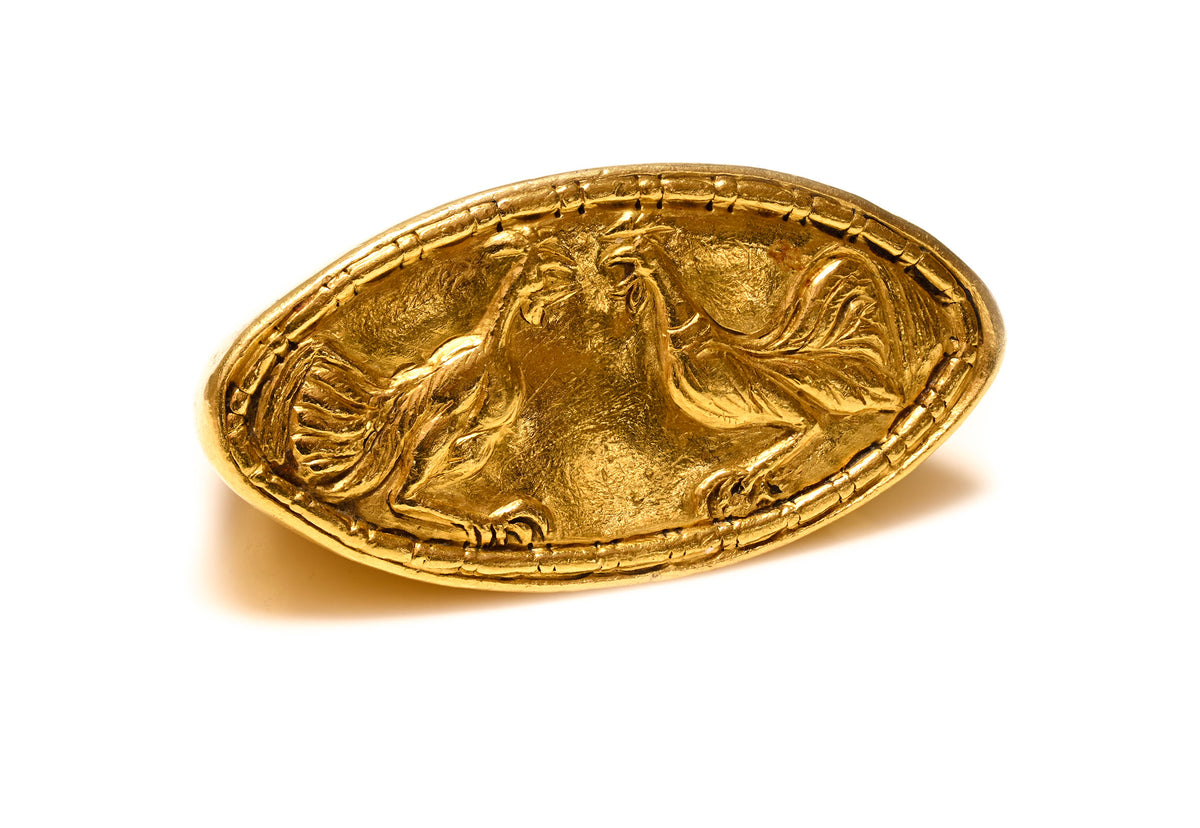
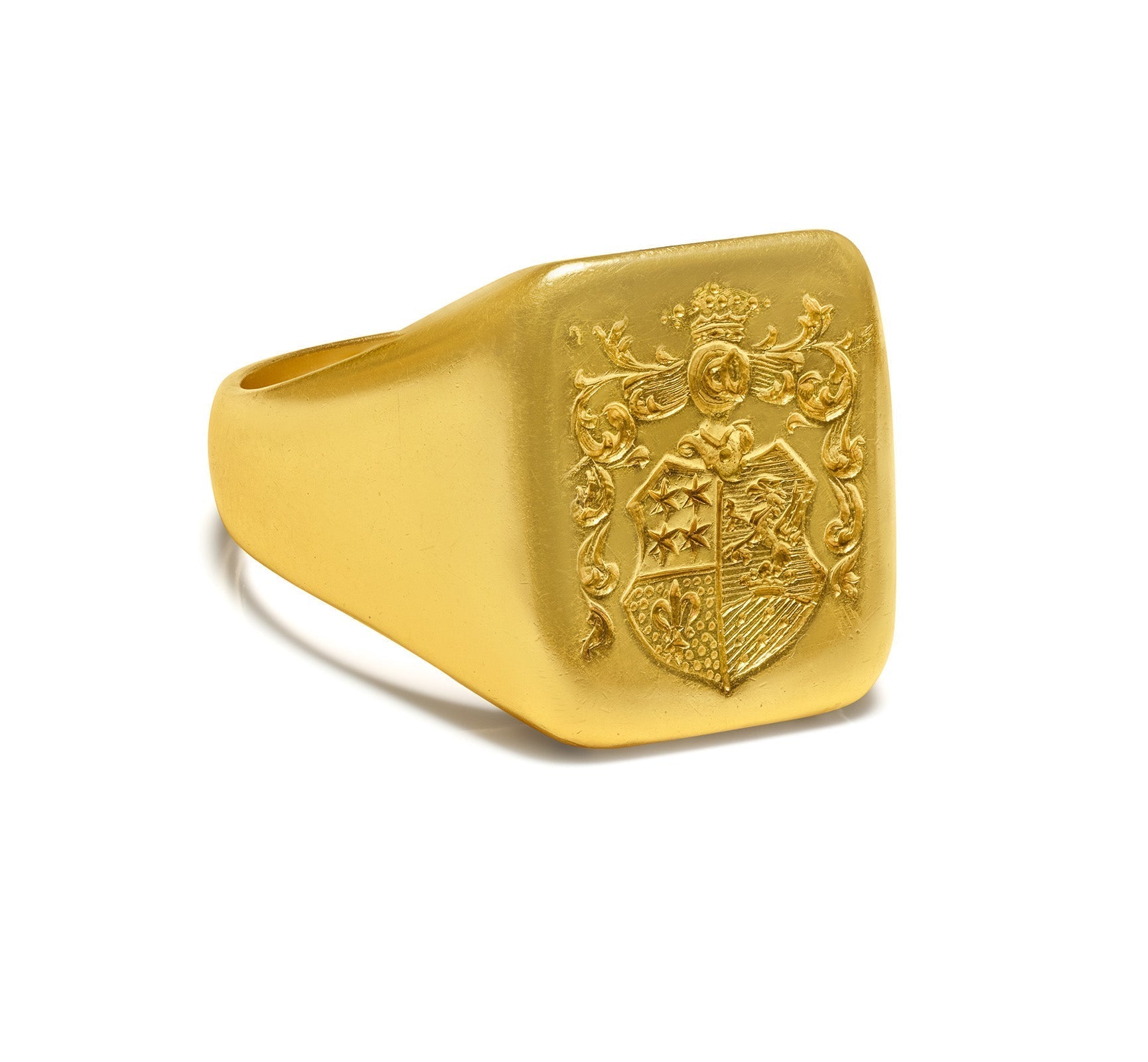
Antique signet rings, gold chains, cufflinks, and emblematic forms are chosen not as accessories, but as personal markers of identity. These objects often feature heraldic motifs, architectural influences, or classical proportions that transcend time.
Curated examples can be found within the Men’s Jewelry Collection where craftsmanship and heritage define the aesthetic.

Investment Awareness Without Losing Romance
While jewelry should never be reduced solely to financial metrics, investment awareness is influencing how collectors buy. Buyers are becoming more selective, focusing on condition, originality, materials, and maker rather than quantity.
Antique and signed jewelry has already demonstrated resilience across decades of changing taste and economic cycles. Pieces that have survived with integrity intact offer credibility that newer objects cannot yet claim.
Importantly, this awareness does not diminish the emotional appeal of jewelry. Instead, it deepens it. Understanding why a piece has endured adds meaning to its beauty.
The Rise of the Educated Collector
Perhaps the most important development shaping today’s jewelry market is the rise of the educated collector. Buyers are researching techniques, periods, and provenance, and are seeking out specialists rather than mass marketplaces.
They value transparency, expertise, and thoughtful curation. Jewelry is no longer viewed as interchangeable—each piece is understood as a distinct object with its own narrative and place in history.
This shift favors jewelry created with intention and care, and specialists committed to preserving those values.
Looking Forward by Looking Back
Today’s jewelry landscape is defined less by spectacle and more by discernment. By choosing jewelry rooted in history, craftsmanship, and material excellence, collectors are shaping a market that values continuity over novelty.
In many ways, the most relevant jewelry today is not new—it is proven.
At DSF Antique Jewelry, this philosophy guides every acquisition, ensuring that each piece represents not only beauty, but lasting significance.

Frequently Asked Questions About Today’s Jewelry Market
Why is antique and vintage jewelry trending right now?
Collectors are prioritizing craftsmanship, authenticity, and longevity. Antique and vintage jewelry offers historical context, superior construction, and proven aesthetic endurance.
Is gold jewelry considered a strong store of value?
High-karat gold jewelry—especially antique and vintage examples—combines intrinsic material value with collectability, making it attractive to informed buyers.
Why is signed jewelry more desirable to collectors?
Signed jewelry reflects the design standards, quality control, and heritage of established houses. Clear attribution and consistent craftsmanship increase long-term appeal.
Are brooches and stick pins becoming fashionable again?
Yes. These forms are appreciated for their versatility, symbolism, and craftsmanship, offering collectors a way to express individuality beyond mainstream trends.
What should collectors prioritize when buying antique jewelry?
Condition, originality, materials, maker attribution, and historical integrity are key. Jewelry that remains structurally sound and minimally altered tends to hold stronger appeal.