
Peaky Blinders style continues to influence modern menswear, and at the New York premiere of Peaky Blinders: The Immortal Man, actor Cillian Murphy demonstrated how classic accessories such as antique stick pins remain an elegant part of gentleman’s fashion.
At the New York premiere of Peaky Blinders: The Immortal Man, actor Cillian Murphy appeared wearing an antique stick pin lent by DSF Antique Jewelry. The jewel — a refined French 18K gold stick pin set with onyx and rose-cut diamonds — represents a small yet striking example of the elegant accessories that once defined the wardrobe of the late nineteenth-century gentleman.
What is a stick pin in men’s fashion?
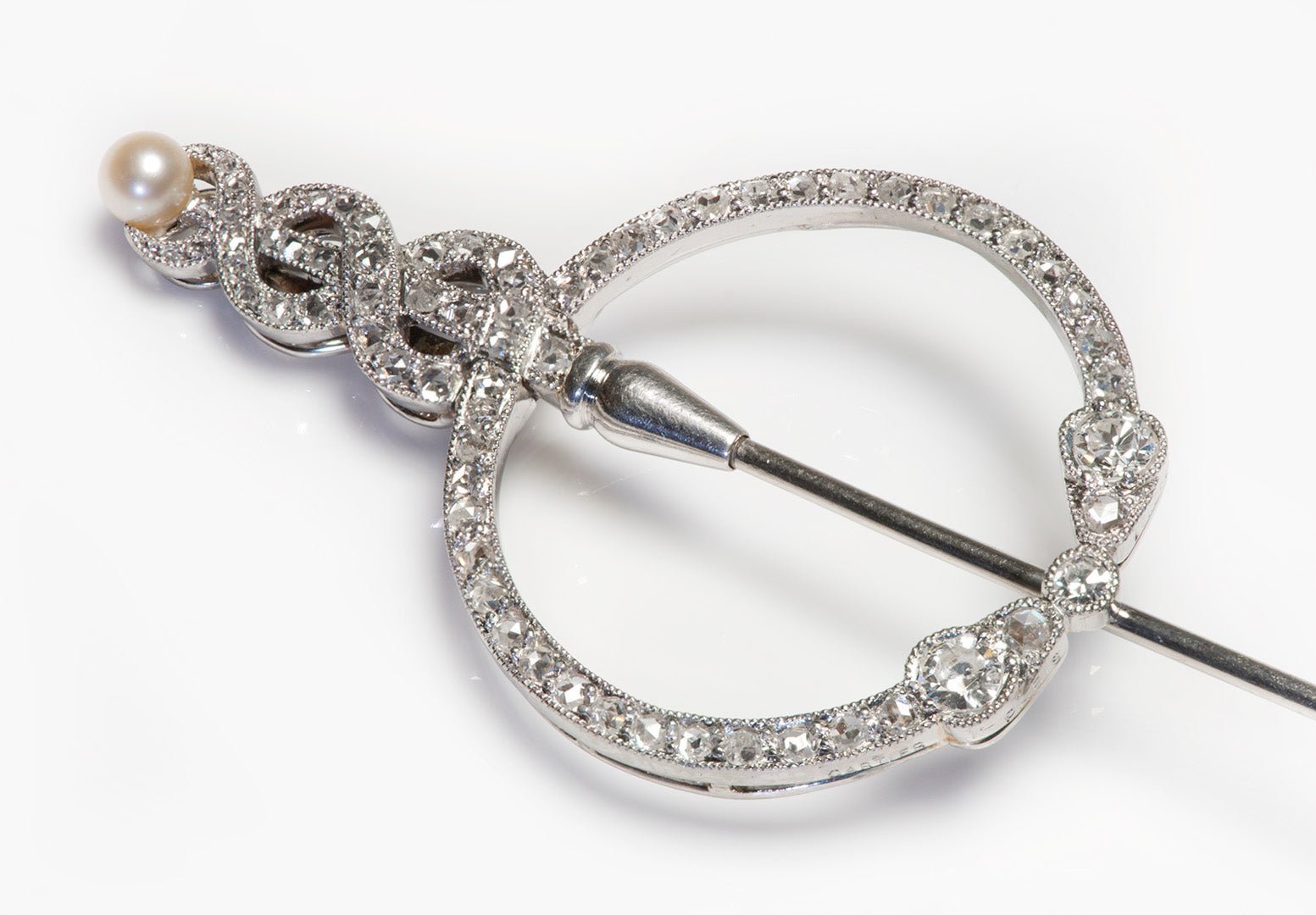
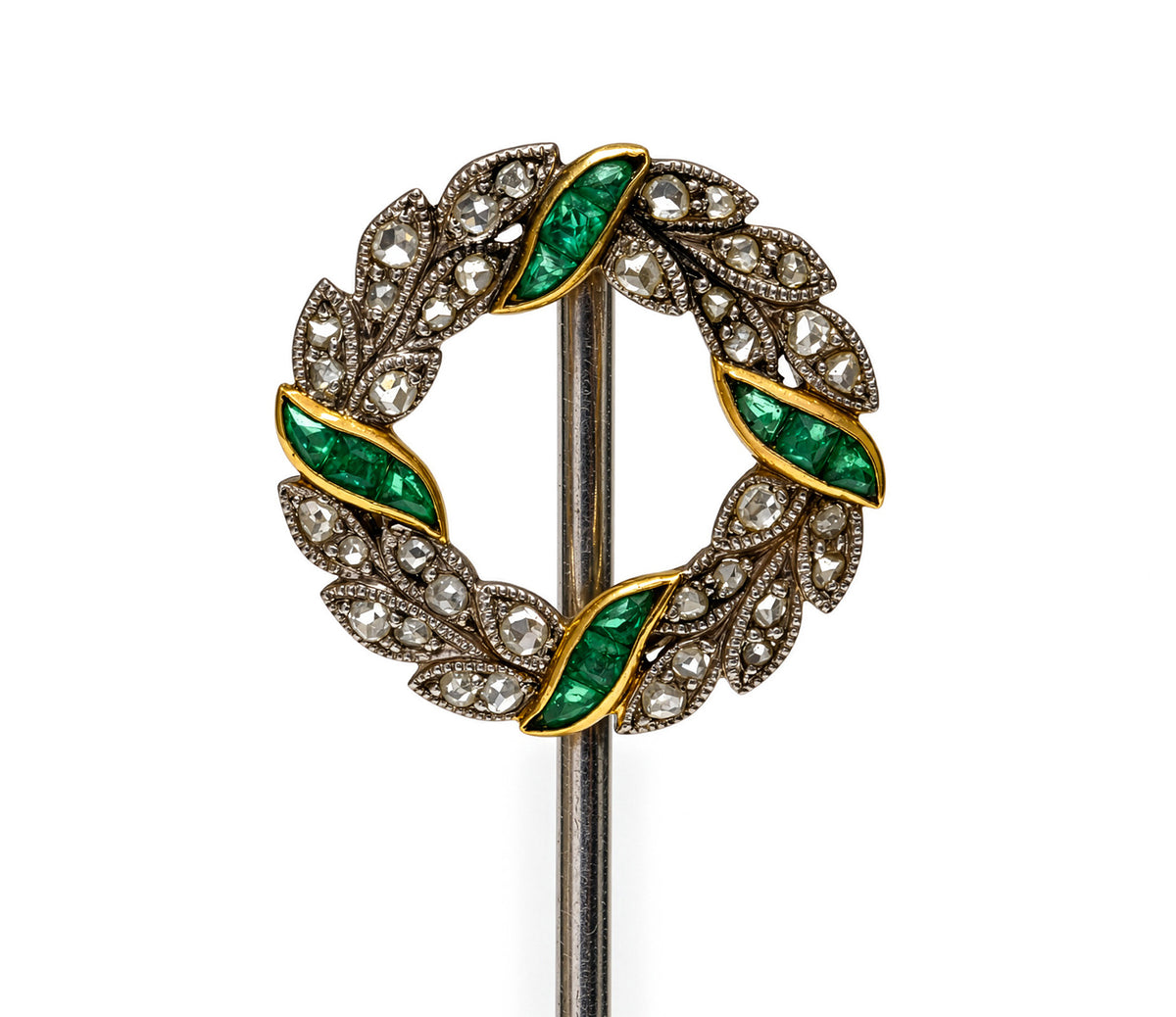
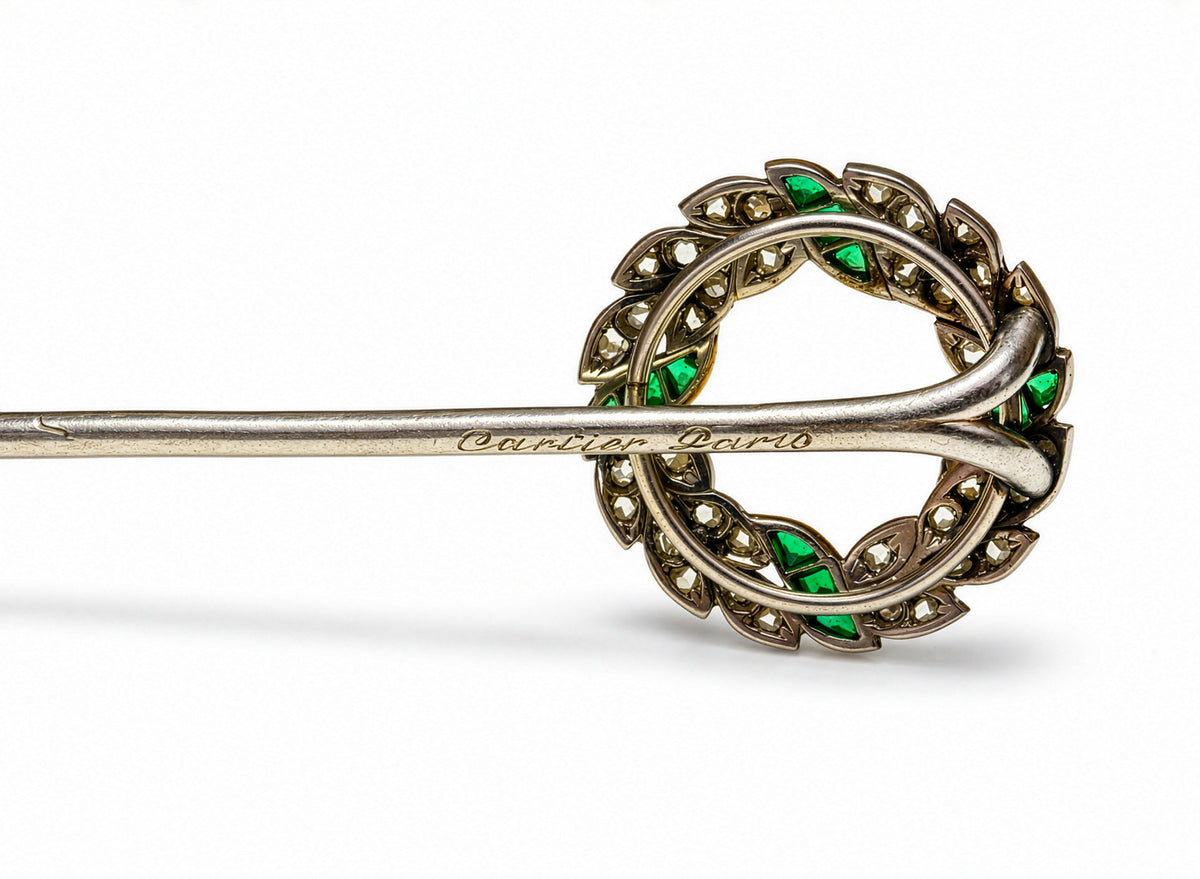
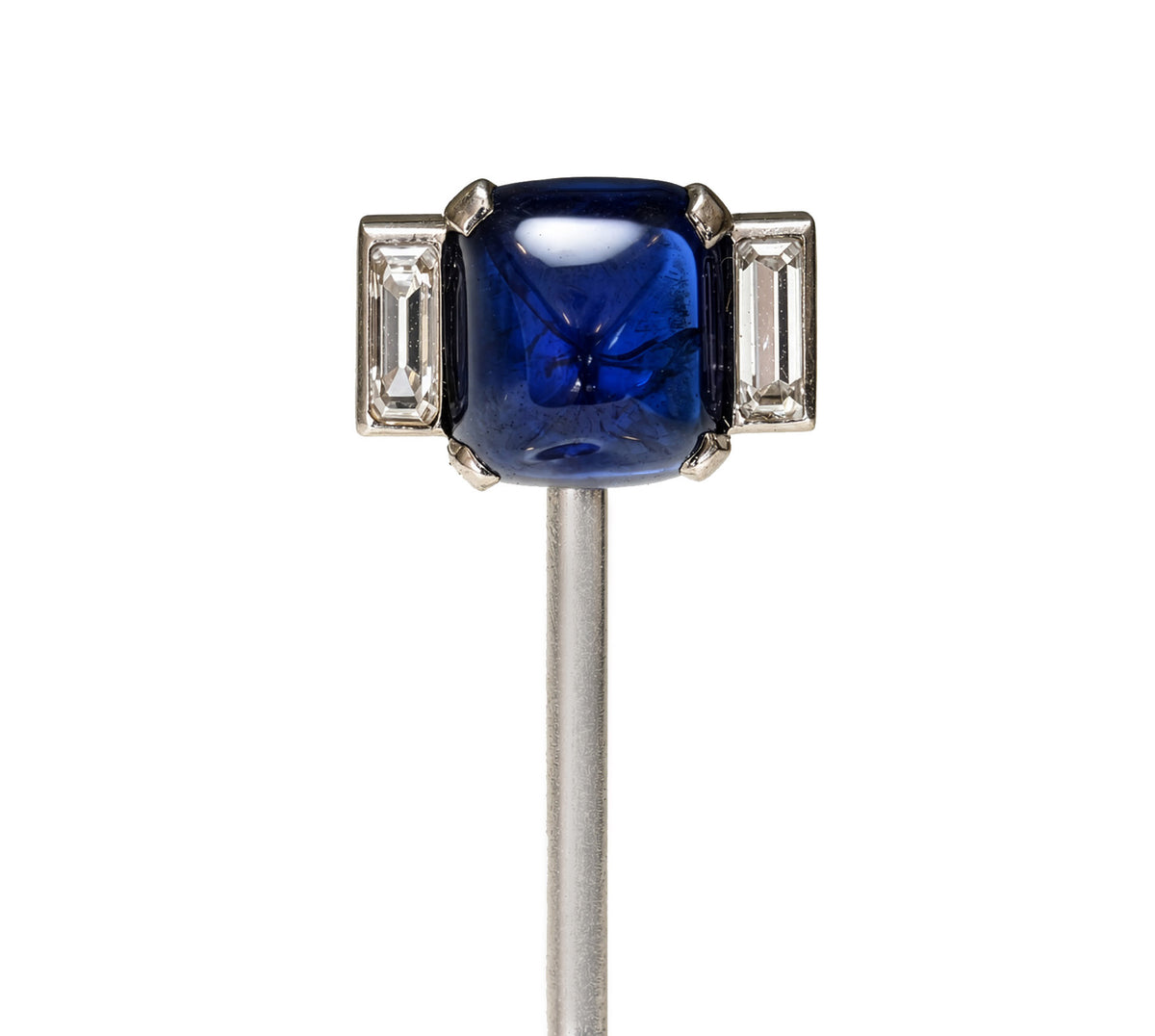
A stick pin is a small decorative pin traditionally worn in a cravat, ascot, or necktie. Popular during the Victorian and Edwardian periods, stick pins served both a practical and ornamental purpose, securing the tie while adding a refined touch to a gentleman’s attire.

Cillian Murphy wearing an antique French 18K gold stick pin with onyx and rose-cut diamonds, lent by DSF Antique Jewelry, at the New York premiere of Peaky Blinders: The Immortal Man.
Photo: Image Press Agency / NurPhoto / Shutterstock.
Although modest in scale, the stick pin was historically an important element of men’s fashion. In an era when clothing was expected to reflect refinement and personal taste, such accessories played a subtle but significant role. Worn in cravats, ascots, or ties, stick pins provided both a decorative accent and a discreet marker of style. Their presence in Murphy’s ensemble offers a reminder of how antique jewelry continues to resonate in contemporary culture.
The appearance of an antique stick pin on the red carpet also highlights the enduring fascination with classic gentlemen’s accessories. From the Victorian era to the early twentieth century, refined details such as stick pins, pocket watches, and signet rings formed an essential part of elegant menswear. Today, renewed interest in historical fashion — partly inspired by cultural phenomena such as Peaky Blinders — has brought these forgotten jewels back into the spotlight.
The Historical Role of Stick Pins in Gentlemen’s Fashion
During the Victorian and Belle Époque periods, men’s attire was characterized by meticulous attention to detail. Accessories such as pocket watches, cufflinks, signet rings, and stick pins formed part of a complete and carefully considered ensemble.
Stick pins in particular became fashionable during the nineteenth century, when the cravat and later the necktie required a small but effective fastening device. Jewelers quickly transformed this functional object into a canvas for artistic expression. Designs ranged from simple gold pins set with a single gemstone to elaborate compositions incorporating diamonds, enamel, pearls, and colored stones.
These jewels often reflected the aesthetic sensibilities of their time. Some displayed symbolic motifs, while others embraced geometric or graphic compositions that emphasized contrast between materials. Because they were worn close to the face, stick pins were designed to catch the light and draw subtle attention without overwhelming the wearer’s attire.
In many cases, they were also personal objects. Gentlemen frequently owned several stick pins and selected them according to the occasion, much like modern collectors choose cufflinks or watches.
French Craftsmanship and the Art of Small Jewels
France played a central role in the development of refined men’s jewelry during the nineteenth century. Parisian jewelers were celebrated for their ability to combine technical precision with artistic restraint, producing pieces that balanced elegance and innovation.
The antique stick pin worn by Cillian Murphy reflects this tradition. Crafted in 18K gold, the design features a carefully structured arrangement of polished black onyx squares and rose-cut diamonds. The composition forms a geometric pattern that immediately draws the eye, yet remains understated and harmonious.
The use of onyx in jewelry became increasingly popular in the nineteenth century, particularly in pieces that emphasized strong graphic contrasts. Its deep black surface provided an ideal backdrop for the brilliance of diamonds or the warmth of gold. In this stick pin, the interplay between the dark onyx panels and the softly luminous diamonds creates a sophisticated visual rhythm.
This type of design demonstrates how jewelers of the period approached even the smallest objects with remarkable attention to proportion and balance. What might appear at first glance to be a simple accessory reveals a carefully conceived composition when examined closely.
The Beauty of Rose-Cut Diamonds
One of the most distinctive features of the jewel is the use of rose-cut diamonds. This historic diamond cut, which dates back to the sixteenth century, was widely used throughout the eighteenth and nineteenth centuries before the modern brilliant cut became dominant.
Rose-cut diamonds are characterized by their flat base and gently faceted dome, resembling the unfolding petals of a rose. Unlike brilliant-cut diamonds, which are designed to maximize sparkle through internal reflection, rose cuts produce a softer and more atmospheric glow. Their charm lies in their subtlety — a quality that perfectly suits antique jewelry.
In the context of the stick pin, these diamonds enhance the contrast between light and dark elements. The gentle shimmer of the rose cuts stands out against the velvety black onyx, creating a refined interplay of textures and reflections.
Today, rose-cut diamonds are particularly appreciated by collectors who value the historical authenticity and understated elegance they bring to antique pieces.
Peaky Blinders and the Revival of Early Twentieth-Century Style
The enduring popularity of Peaky Blinders has contributed to a renewed interest in the fashion of the early twentieth century. The series is widely admired for its meticulous attention to costume design, from sharply tailored suits to period-appropriate accessories.
Within this aesthetic world, details matter enormously. Pocket watches, tie bars, lapel pins, and other small accessories help define the visual identity of the characters and reinforce the historical atmosphere of the story.
Cillian Murphy’s appearance at the premiere wearing an authentic antique stick pin echoes this tradition. While the jewel itself predates the fictional world of Peaky Blinders, it belongs to the broader cultural context of late nineteenth- and early twentieth-century gentlemen’s style.
The presence of such an accessory on the red carpet illustrates how historical jewelry can seamlessly complement modern fashion. Rather than appearing theatrical or overly nostalgic, the piece adds a note of quiet sophistication that aligns naturally with contemporary tailoring.
Antique Jewelry in Contemporary Culture
Antique jewelry possesses a unique ability to bridge different eras. Objects created more than a century ago often retain a relevance that transcends their original context. Their craftsmanship, materials, and design principles continue to inspire admiration among collectors, historians, and designers alike.
In recent years, antique jewels have increasingly appeared in modern cultural settings — from film premieres and fashion events to editorial photography and museum exhibitions. Their presence in these environments highlights the enduring appeal of pieces that carry both artistic and historical significance.
Unlike many modern accessories produced in large quantities, antique jewelry often represents the work of individual craftsmen or small ateliers. Each piece carries subtle variations that reflect the hand of its maker, giving it a distinct character that cannot easily be replicated.
For collectors and enthusiasts, this individuality forms part of the fascination. Owning or wearing an antique jewel is not merely a matter of style; it is also a connection to a specific moment in the history of design.
The Enduring Appeal of the Gentleman’s Stick Pin
Although the stick pin gradually fell out of everyday use during the mid-twentieth century, it has never entirely disappeared. Vintage and antique examples continue to attract attention among collectors, particularly those interested in men’s jewelry and historical fashion.
Today, stick pins are sometimes worn in lapels, ties, or even hats, adapting their original function to contemporary styling. Their compact size makes them versatile accessories that can introduce a subtle element of individuality to modern attire.
The renewed interest in classic tailoring and heritage fashion has also contributed to the rediscovery of these elegant objects. In an age dominated by minimalist accessories, the delicate craftsmanship of antique stick pins offers a refreshing reminder of the artistry that once characterized even the smallest elements of dress.
A Jewel Connecting Past and Present
The antique French stick pin worn by Cillian Murphy at the New York premiere of Peaky Blinders: The Immortal Man stands as a small yet eloquent example of this tradition. Its combination of 18K gold, onyx, and rose-cut diamonds reflects the refined aesthetic of its era while remaining visually compelling in a contemporary context.
More than a century after its creation, the piece continues to fulfill the role for which it was originally intended: to add a subtle but meaningful detail to a gentleman’s attire.
Moments like this demonstrate how antique jewelry remains alive in modern culture. Whether displayed in a collection, studied for its historical significance, or worn at a contemporary event, such jewels continue to tell stories that extend far beyond the moment of their creation.
In this sense, the small stick pin worn on a red carpet in New York serves as a quiet reminder that the artistry of the past can still illuminate the present.
Frequently Asked Questions About Stick Pins
What is a stick pin in jewelry?
A stick pin is a small decorative pin traditionally worn in a cravat, ascot, or necktie. Popular throughout the nineteenth and early twentieth centuries, stick pins served both a practical and decorative function. Jewelers often set them with gemstones, diamonds, pearls, or enamel, transforming a simple fastening device into an elegant accessory.
When were stick pins most popular?
Stick pins reached their peak popularity during the Victorian and Edwardian periods, roughly between the mid-1800s and the early twentieth century. During this era, gentlemen commonly wore cravats and ties that required a pin to secure them, making stick pins an essential element of formal dress.
Why are antique stick pins collectible today?
Collectors appreciate antique stick pins for their historical craftsmanship, unique designs, and the use of traditional gemstone cuts such as rose-cut diamonds. Because these pieces were often handmade in small workshops, each example carries distinctive characteristics that reflect the jewelry traditions of its time.
What are rose-cut diamonds?
Rose-cut diamonds are an early style of diamond cutting characterized by a flat base and a domed top with triangular facets. This cut produces a softer, more subtle glow compared with modern brilliant-cut diamonds and is commonly found in antique jewelry from the eighteenth and nineteenth centuries.
Did Cillian Murphy wear antique jewelry at the Peaky Blinders premiere?
At the New York premiere of Peaky Blinders: The Immortal Man, actor Cillian Murphy wore an antique French 18K gold stick pin set with onyx and rose-cut diamonds, lent by DSF Antique Jewelry. The piece reflects the refined accessories traditionally associated with gentlemen’s fashion of the late nineteenth century.
Why did Cillian Murphy wear a stick pin at the Peaky Blinders premiere?
At the New York premiere of Peaky Blinders: The Immortal Man, actor Cillian Murphy wore an antique French stick pin set with onyx and rose-cut diamonds. The jewel reflects the classic accessories associated with the late nineteenth- and early twentieth-century gentleman’s wardrobe, a style that has become closely linked with the visual identity of Peaky Blinders. The piece was lent by DSF Antique Jewelry and illustrates how historical jewels can still complement modern tailoring.