The Garland Style: Cartier and the Art of Platinum
Mostly linked to jewelry from the Edwardian period, the Garland Style is distinguished by delicate, flowery patterns that frequently use ribbons, bows, and garlands.
Usually made of platinum, these designs enable lighter and more elaborate settings. With its use of bows and scrolls, the style is also influenced by French neoclassical characteristics from the 18th century.
Usually made of platinum, these designs enable lighter and more elaborate settings. With its use of bows and scrolls, the style is also influenced by French neoclassical characteristics from the 18th century.
The Belle Époque
There is an enchanted and enigmatic force inherent in numbers. As an illustration, consider how the new century unmistakably sets itself apart from the previous one by ignoring it. When this phenomenon is closely examined, it becomes clear that distant events and patterns are the source of this turnaround.
But the inventions that usher in a new era frequently appear out of thin air.
With eleven years remaining, the French Revolution shifted the Age of Enlightenment toward idealism and Romanticism. Napoleon, however, took the nineteenth century on a completely different path.
France, Europe, and the rest of the Western world had enjoyed thirty years of peace by the turn of the century, when Cartier relocated his boutique to the Rue de la Paix, Paris's most prestigious street, in 1899.
For those who could interpret them, the century that would witness two terrible global wars began with foreboding or, at best, contradictory signs, said Franco Cologni and Eric Nussbaum in their book Platinum by Cartier: Triumphs of the Jewelers' Art.
Two troubling events unfolded in France alone in the last years of the previous century: the Fashoda episode in 1898, a major diplomatic crisis indicative of the colonial mindset, in which France and Great Britain's relations were on the verge of disintegrating.
The culmination of the Dreyfus case, which had split the country's conscience into two groups that engaged in the bloody civil war of ideologies for five years, came in 1899.
But the inventions that usher in a new era frequently appear out of thin air.
With eleven years remaining, the French Revolution shifted the Age of Enlightenment toward idealism and Romanticism. Napoleon, however, took the nineteenth century on a completely different path.
France, Europe, and the rest of the Western world had enjoyed thirty years of peace by the turn of the century, when Cartier relocated his boutique to the Rue de la Paix, Paris's most prestigious street, in 1899.
For those who could interpret them, the century that would witness two terrible global wars began with foreboding or, at best, contradictory signs, said Franco Cologni and Eric Nussbaum in their book Platinum by Cartier: Triumphs of the Jewelers' Art.
Two troubling events unfolded in France alone in the last years of the previous century: the Fashoda episode in 1898, a major diplomatic crisis indicative of the colonial mindset, in which France and Great Britain's relations were on the verge of disintegrating.
The culmination of the Dreyfus case, which had split the country's conscience into two groups that engaged in the bloody civil war of ideologies for five years, came in 1899.
A Time of Stark Contrasts
According to Cologni and Nussbaum, the Belle Époque (1871-1914) was a time of stark contrasts and tensions that went beyond socioeconomic class.
Science had advanced astronomically over the previous century. Increasingly sophisticated technology permeated every part of daily life and enabled things that were previously unattainable by kings, as well as luxury goods.
Positive attitudes, firmly rooted in the belief in progress, skepticism toward religion, and a preference for the tangible, accompanied this growth.
The Eiffel Tower, constructed in 1889 for the Paris World's Fair and never demolished (unlike the majority of special-occasion structures), is the tallest and most intriguing representation of this belief in advancement, technology, and science.
In the realm of art, Belle Époque society went through an unparalleled time of renewal, rule-breaking, and fruitful disarray, despite the stability that came with the extended period of peace and the growth of prosperity and well-being, said Cologni and Nussbaum.
All of the arts appeared to question their own basic principles within a few years: the novel untangled its weaving and knotted unfamiliar threads, leaving the surface to explore the depths; poetry eliminated meter; music transformed the concept of harmony; and figurative art rejected the figure.

Science had advanced astronomically over the previous century. Increasingly sophisticated technology permeated every part of daily life and enabled things that were previously unattainable by kings, as well as luxury goods.
Positive attitudes, firmly rooted in the belief in progress, skepticism toward religion, and a preference for the tangible, accompanied this growth.
The Eiffel Tower, constructed in 1889 for the Paris World's Fair and never demolished (unlike the majority of special-occasion structures), is the tallest and most intriguing representation of this belief in advancement, technology, and science.
In the realm of art, Belle Époque society went through an unparalleled time of renewal, rule-breaking, and fruitful disarray, despite the stability that came with the extended period of peace and the growth of prosperity and well-being, said Cologni and Nussbaum.
All of the arts appeared to question their own basic principles within a few years: the novel untangled its weaving and knotted unfamiliar threads, leaving the surface to explore the depths; poetry eliminated meter; music transformed the concept of harmony; and figurative art rejected the figure.
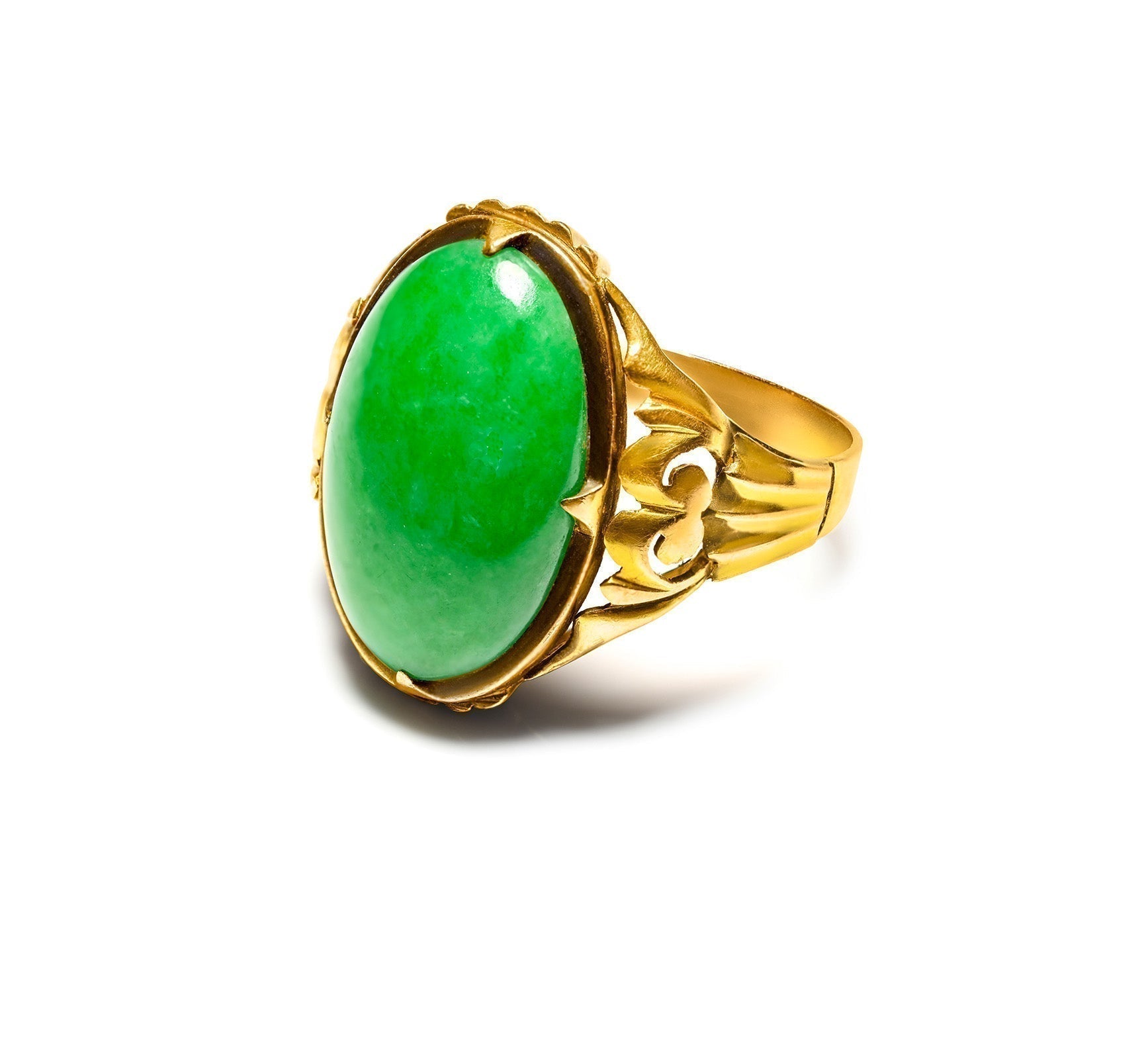
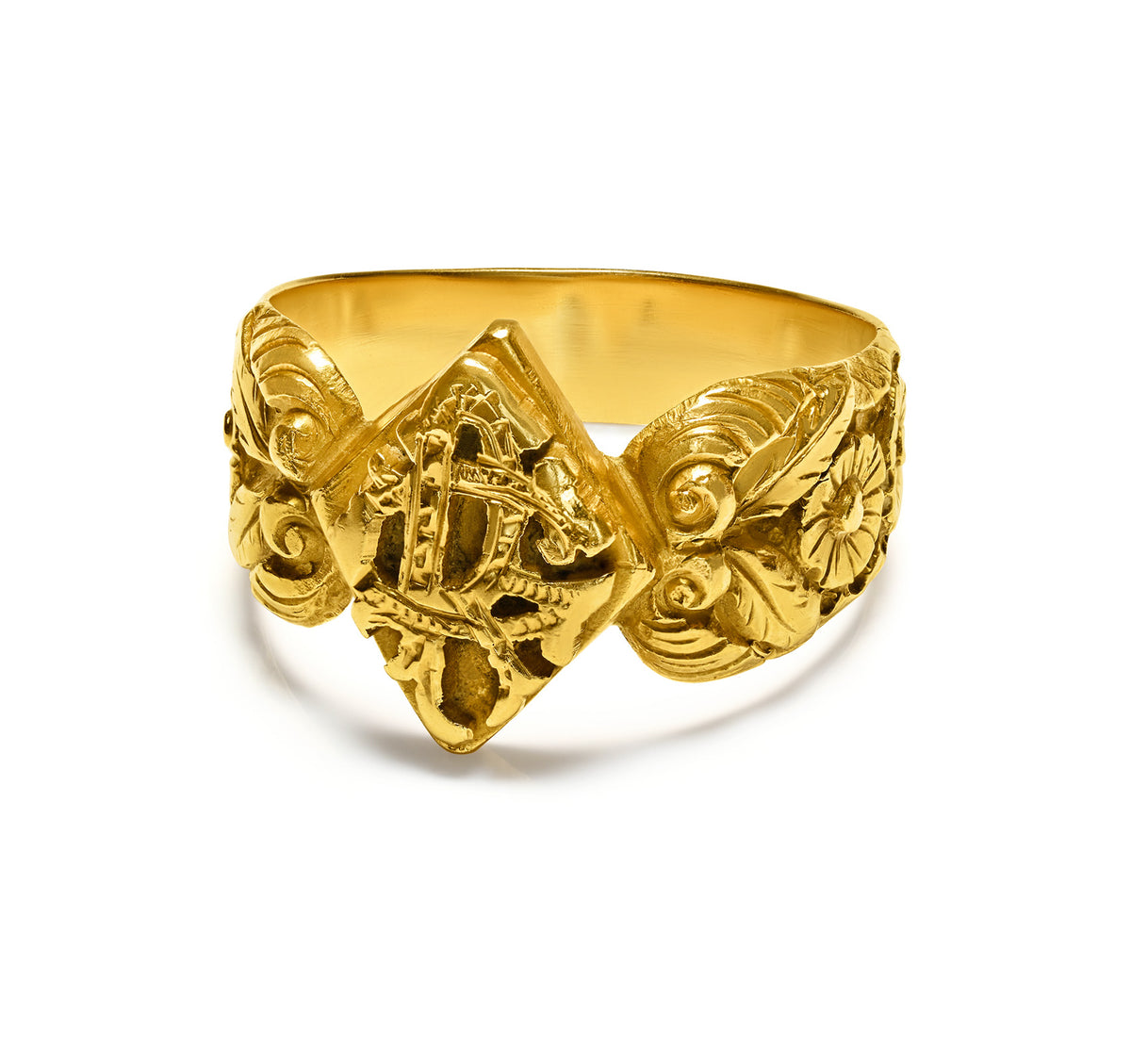
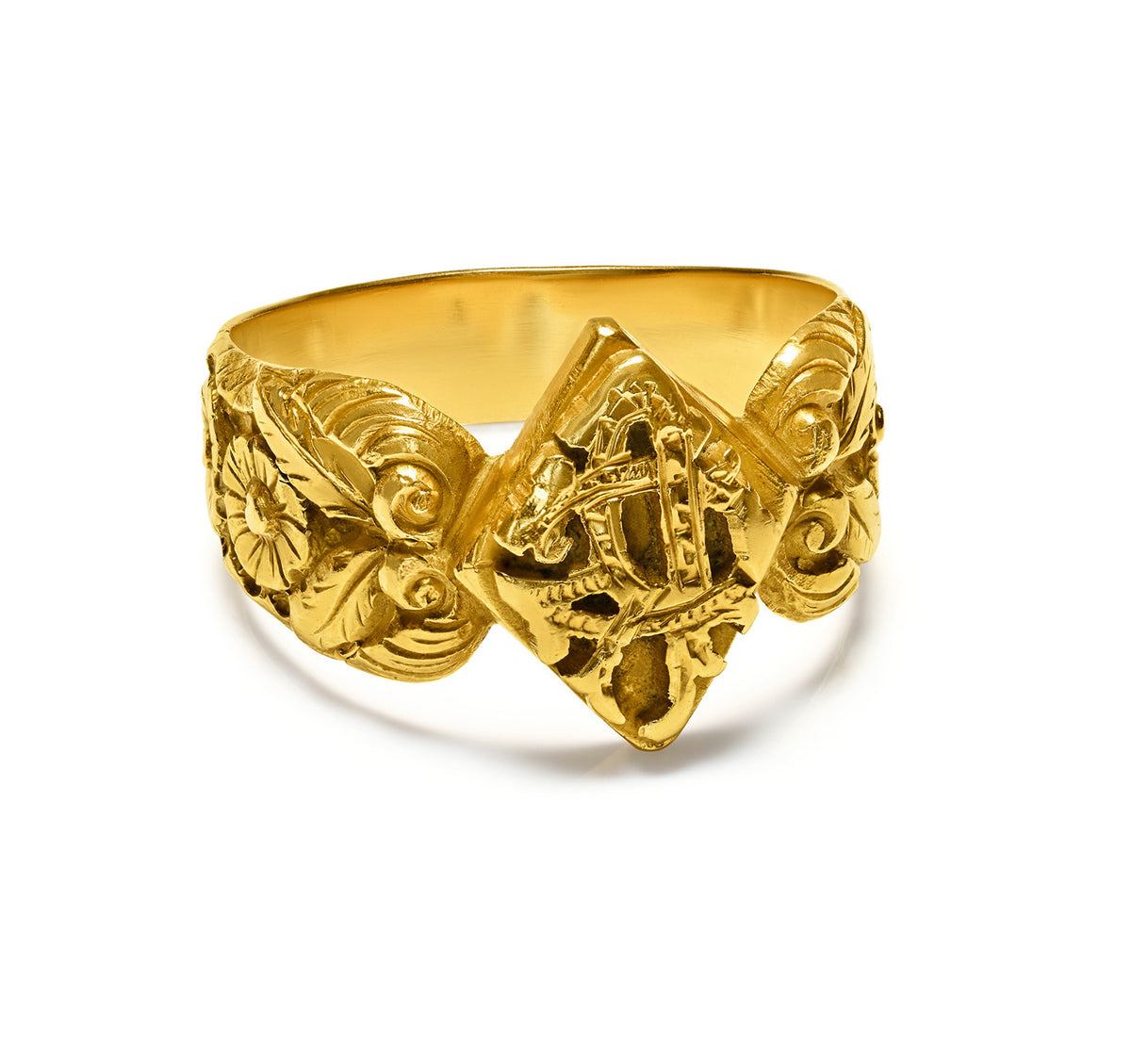
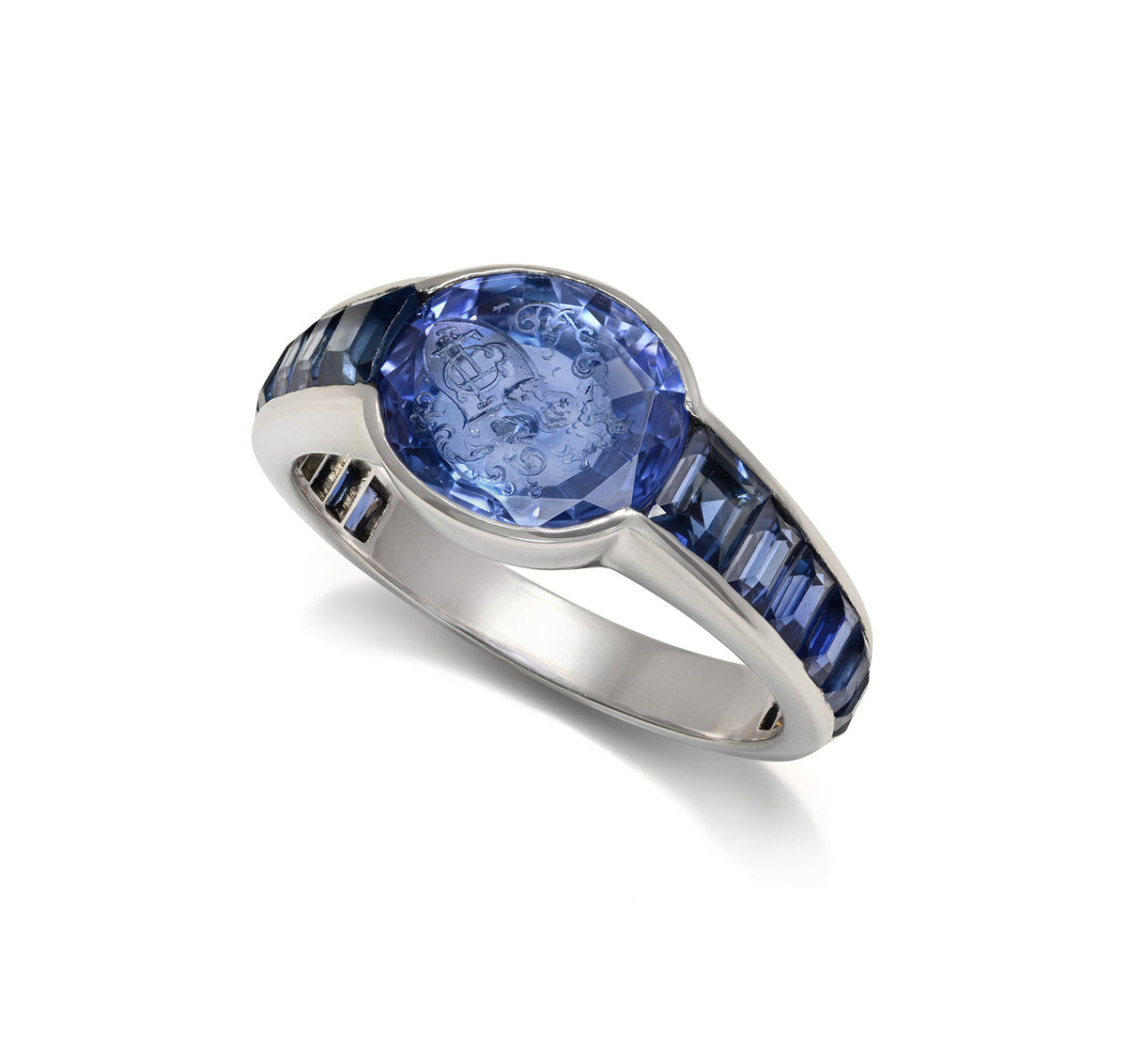
Antique Art Nouveau Star Sapphire Gold Men's Ring - DSF Antique Jewelry
In those years, Cartier was on his way to becoming one of the most celebrated jewelers in the world, but he was also an inventor by nature, preferring to create rather than follow trends.
He catered to the social elite of the time, who dressed in the most elegant clothing, kept the most upscale company, and frequented the most upscale establishments and special haunts.
Cartier and Art Nouveau
Despite being a pioneer, Cartier was unable to ignore the classic. Instead, he needed to show how taste might be transformed to both flatter and satisfy it. According to Cologni and Nussbaum, the Garland Style, which appeared to be a throwback to the past, used the radically new material platinum, balancing innovation and conservatism.
Cartier appeared to inhale paradoxes and exude harmonies as he metabolized the atmosphere of his era through his own talent. Art Nouveau, a rich concentration of contrasts that, at the same time, precisely reflected the era from which it originated, dominated the decorative art scene in the last ten years of the nineteenth century.
First of all, there was no worldwide term for this cultural movement, which was so cosmopolitan that it invaded all of Europe at once and left significant signs of its passage everywhere. It thrived in France and had as many names as the nations where it did. Art Nouveau; the Modern Style in Great Britain; modernismo in Spain; style floreale or liberty in Italy. Its initial contradiction can be found there.
The eclecticism that had ruled architecture and all other applied arts throughout the nineteenth century gave rise to Art Nouveau.
This century, which learned everything and recast it all, is the one that lacked a distinctive style—and consumed every style that came before it. "Twining" is the word that best describes Art Nouveau. According to Cologni and Nussbaum, its lines always bend rather than run straight, creating tracing arches, loops, and scrolls.
In reality, nature is implied rather than depicted—leaf and branch entwining, flower swellings, and lightning bolts that resemble snakes that infiltrate every area of the design. Another paradox can be found there: the composition's severe artificiality compared with the subject's naturalism.
The Arts and Crafts movement, which was many decades older than Art Nouveau, served as the foundation for the latter. William Morris was one of its central figures, which was born in England and is linked to a particular nationality and place of origin.
Modernists, like the members of this group, advocated a return to the handcrafted object through the use of exquisite craftsmanship skills, rebelling against the ugliness of mass-produced items manufactured by machines.
Although Although Cartier only rarely designed jewelry in the Art Nouveau style, it would be inaccurate to claim that he was uninterested in the movement. The issue was that it did not lend itself to the technical component of jewelry creation because of its intricate design, sinuous lines, and propensity for volume.
Also, Cologni and Nussbaum claimed that Cartier made jewelry for a small group of people who, in the Belle Époque era, were wealthy and well-off and had lavish lives that included a constant diet of balls and celebrations.
Cartier appeared to inhale paradoxes and exude harmonies as he metabolized the atmosphere of his era through his own talent. Art Nouveau, a rich concentration of contrasts that, at the same time, precisely reflected the era from which it originated, dominated the decorative art scene in the last ten years of the nineteenth century.
First of all, there was no worldwide term for this cultural movement, which was so cosmopolitan that it invaded all of Europe at once and left significant signs of its passage everywhere. It thrived in France and had as many names as the nations where it did. Art Nouveau; the Modern Style in Great Britain; modernismo in Spain; style floreale or liberty in Italy. Its initial contradiction can be found there.
The eclecticism that had ruled architecture and all other applied arts throughout the nineteenth century gave rise to Art Nouveau.
This century, which learned everything and recast it all, is the one that lacked a distinctive style—and consumed every style that came before it. "Twining" is the word that best describes Art Nouveau. According to Cologni and Nussbaum, its lines always bend rather than run straight, creating tracing arches, loops, and scrolls.
In reality, nature is implied rather than depicted—leaf and branch entwining, flower swellings, and lightning bolts that resemble snakes that infiltrate every area of the design. Another paradox can be found there: the composition's severe artificiality compared with the subject's naturalism.
The Arts and Crafts movement, which was many decades older than Art Nouveau, served as the foundation for the latter. William Morris was one of its central figures, which was born in England and is linked to a particular nationality and place of origin.
Modernists, like the members of this group, advocated a return to the handcrafted object through the use of exquisite craftsmanship skills, rebelling against the ugliness of mass-produced items manufactured by machines.
Although Although Cartier only rarely designed jewelry in the Art Nouveau style, it would be inaccurate to claim that he was uninterested in the movement. The issue was that it did not lend itself to the technical component of jewelry creation because of its intricate design, sinuous lines, and propensity for volume.
Also, Cologni and Nussbaum claimed that Cartier made jewelry for a small group of people who, in the Belle Époque era, were wealthy and well-off and had lavish lives that included a constant diet of balls and celebrations.
Two main factors prevented the Art Nouveau style from being applied to their jewels: one was socio-aesthetic, and the other was aesthetic-functional.

Louis Cartier around 1898 (Source: Atelier Nadar via Wikimedia Commons)
Cartier and the Garland Style
Louis Cartier, a man of intellect and elegance who took over the company's management in 1898, was also gifted with a sharp economic acumen and a strong interest in novel concepts. His brilliant decision to revive the Garland Style gave Maison Cartier long-lasting fame.
Some authors have suggested a possible link to the name “Ghirlandaio,” though the term is primarily associated with garland motifs and Louis XVI revival aesthetics.
Empress Eugenie had new Marie-Antoinette-style settings fashioned for all of the jewels of the reigning dynasty, which marked the beginning of the Second Empire.
The Garland Style was inspired at the time by the strict and classical French style of the 18th century. This restrained style, however, had been so heedlessly imitated and altered by the second half of the 19th century that it had devolved into overly ornate mannerism.
The authenticity of eighteenth-century French design, which Cartier adored above all else, is characterized by its purity of design.
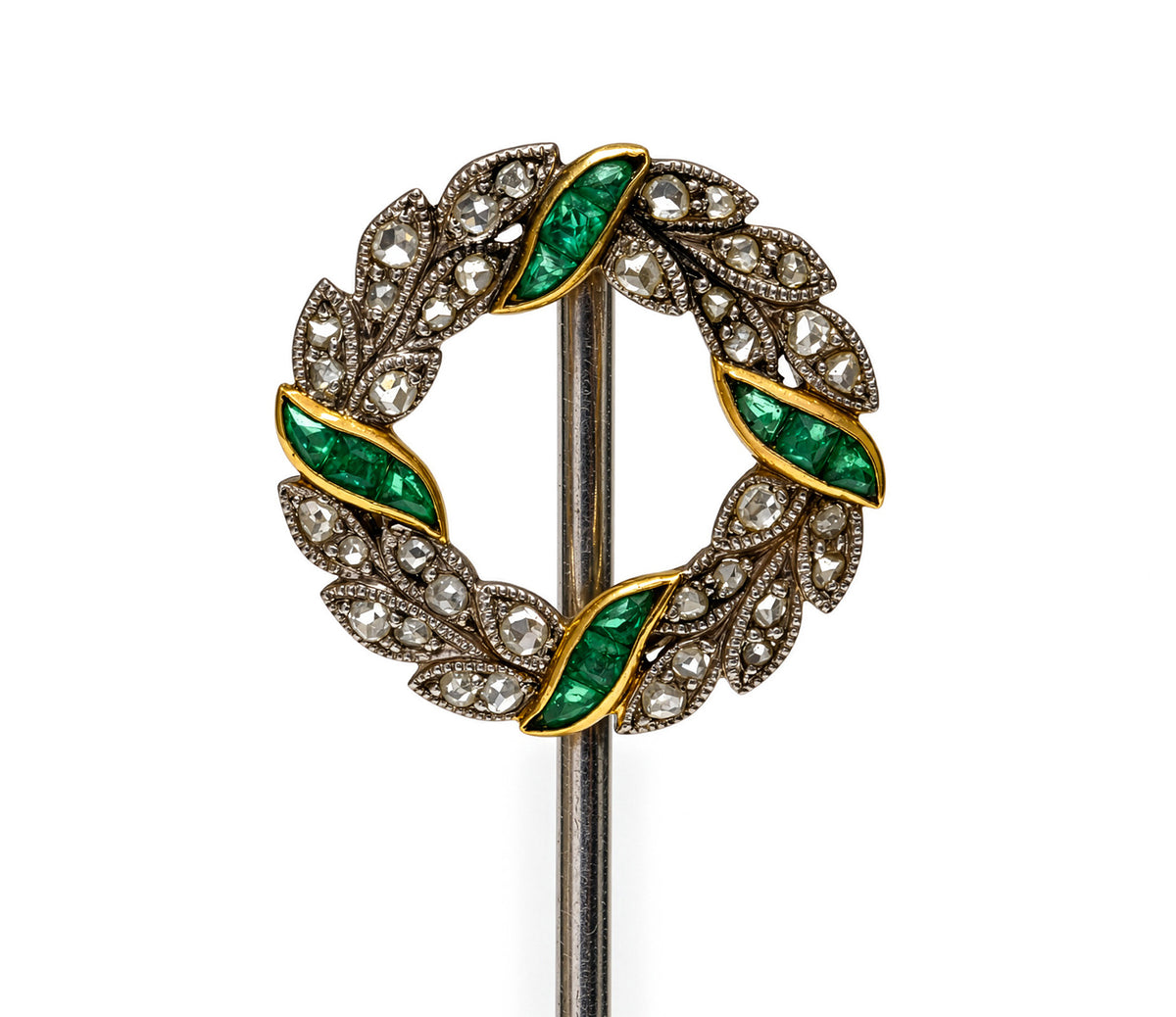
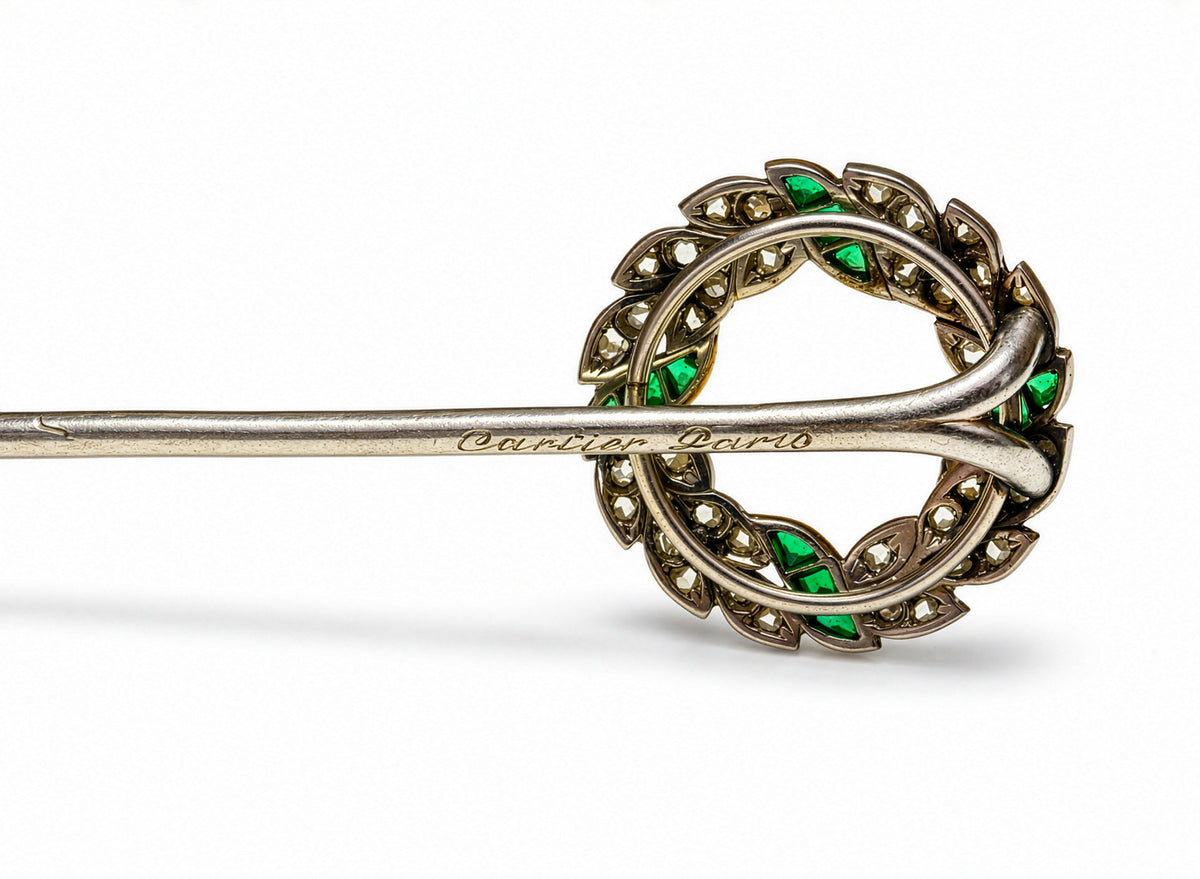
The Garland Style, which Cartier revived at the start of the twentieth century and would continue to be popular until World War I, was a light, refined style, according to the book Triumphs of the Jewelers' Art. It has a clear design with sharp, taut lines devoid of embellishments. Its curves were never torturous; they were always graceful and kind.
Because the nature of this precious metal was still mostly unknown, jewelers had been reluctant to use the new metal, platinum. Cartier's genius rested in his bold and unreserved speculation on this metal.
Platinum was a perfect fit for the jeweler's demands because it was strong, extremely resistant, could be used sparingly, and was almost undetectable when used as a setting to hold the stones in place. It was also resistant to oxidation.
Thus, it is clear that Cartier had embraced Art Nouveau and learned its most radical and enduring lessons - form and substance - despite appearing unconcerned with its dissemination.
In their work, Cologni and Nussbaum claim that although Cartier rejected the Art Nouveau line with its most twisted forms because it was incompatible with jewelry standards, he accepted the line's powerful curve and continuous flow.
Cartier also learned to think about new materials from Art Nouveau. The modernists had shown that beautiful effects could be achieved with industrial materials like cement and iron. Cartier boldly selected platinum as one of the noble metals.

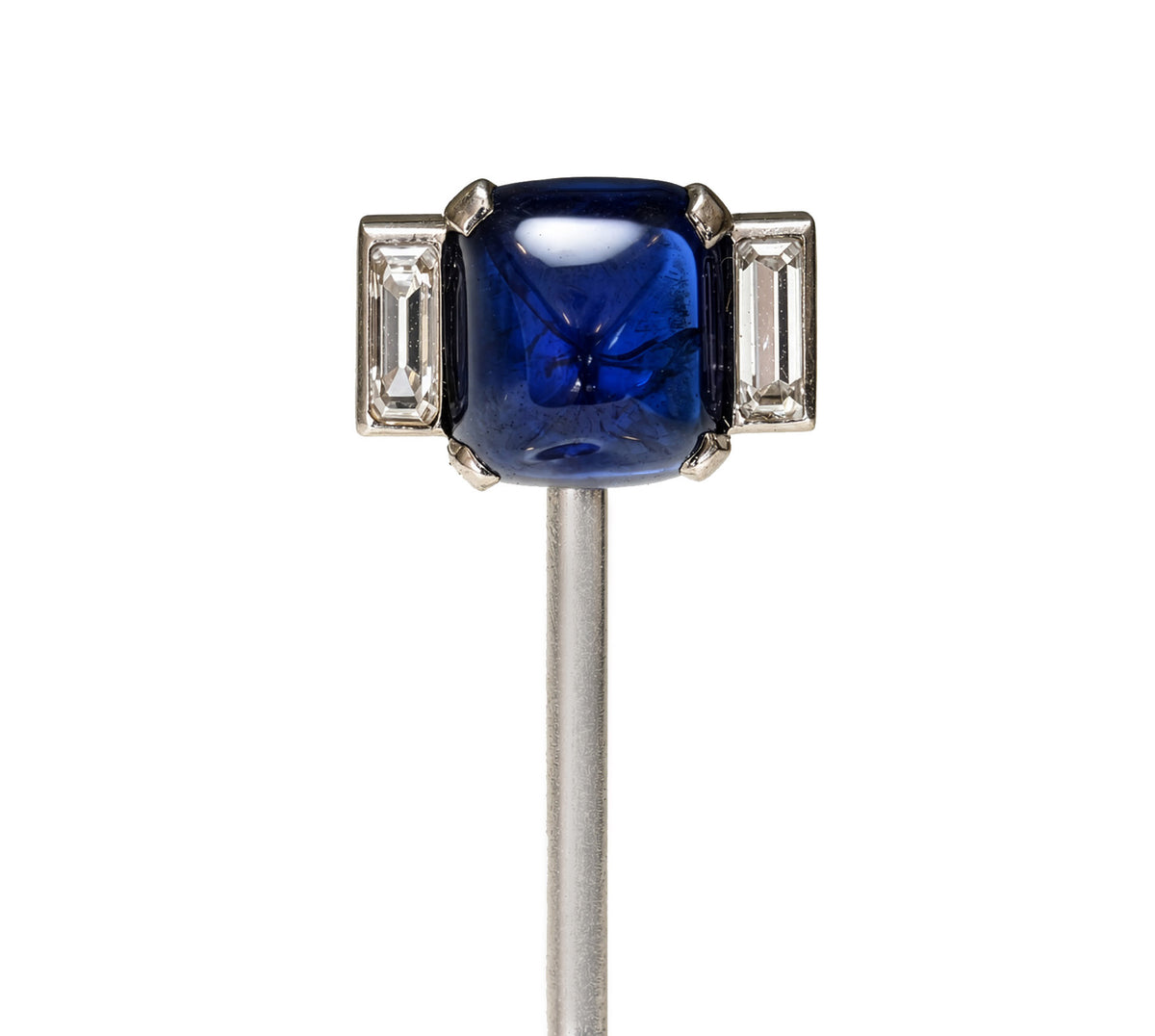
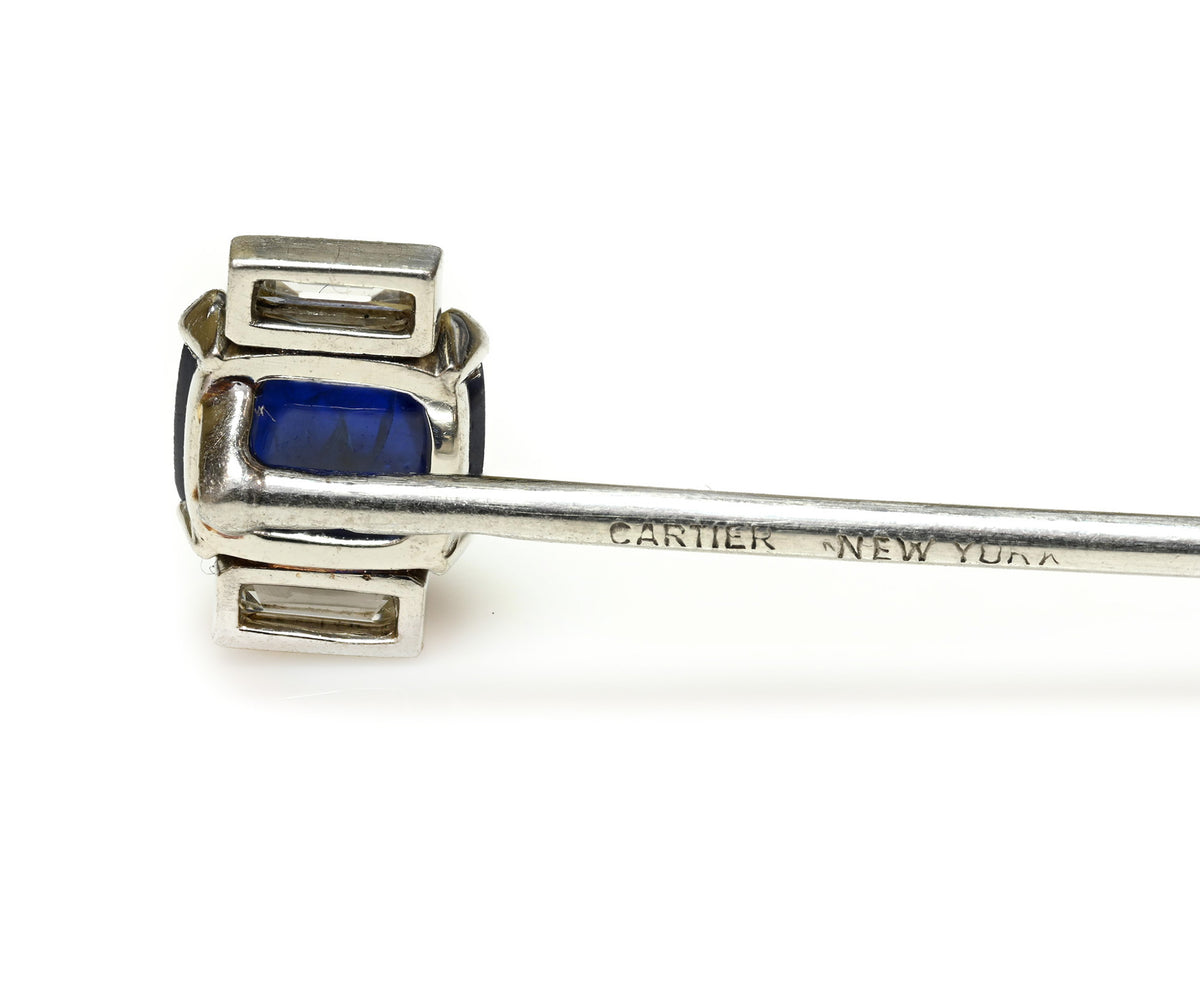
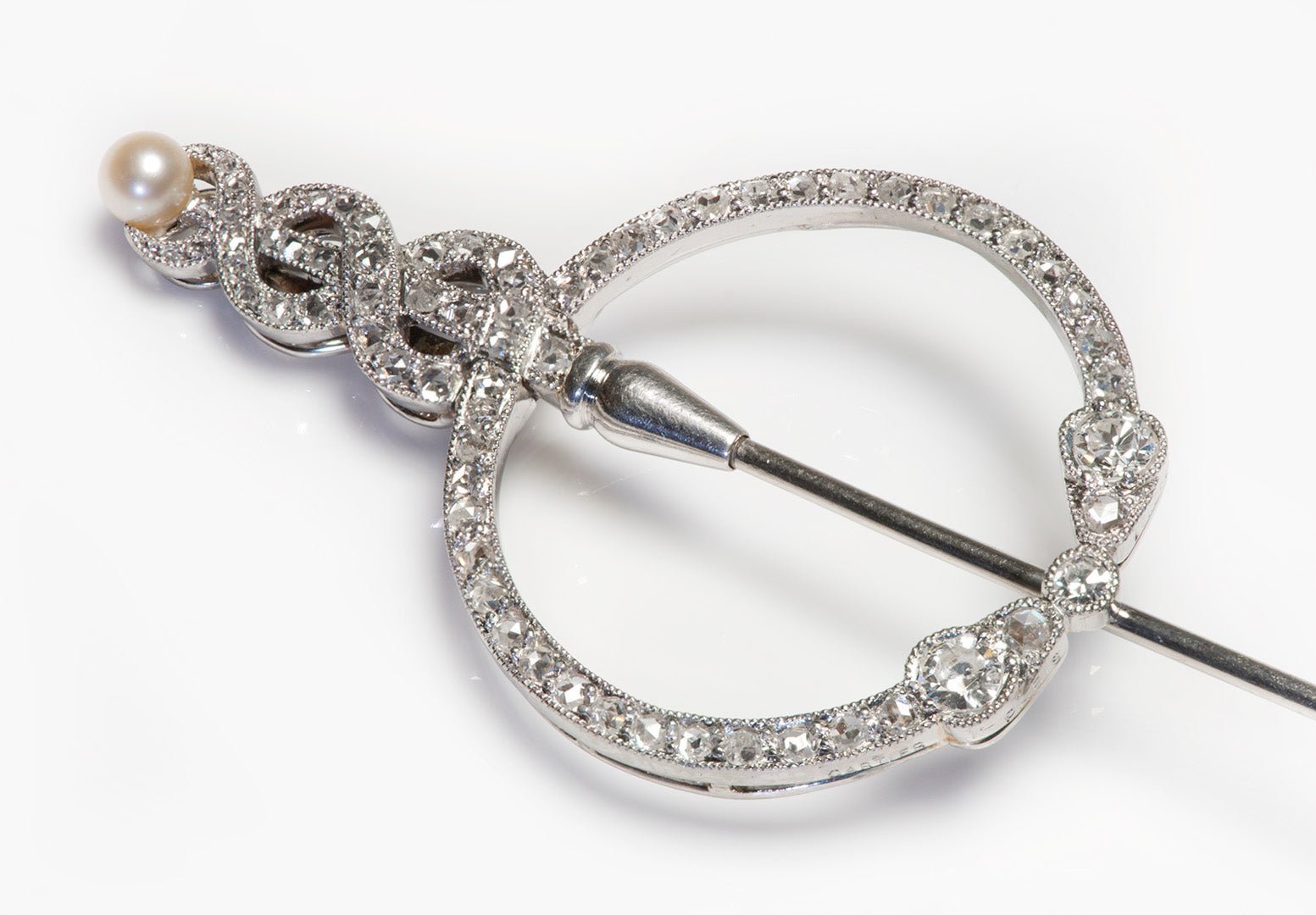
Edwardian No Heat Natural Ceylon Sapphire Diamond Stick Pin - DSF Antique Jewelry
A Courageous Act
Therefore, Louis Cartier's bold choice to include diamonds and platinum in his Garland Style jewelry defied his customers' early fear of the metal. The beauty and luminosity of the metal, along with the exceptional elegance of the diamonds that the firm started producing without hesitation, quickly dispelled this distrust.
Prior to the Garland Style wedding of platinum and diamonds, Cartier and other jewelers such as Fabergé, Boucheron, Mellerio, Tiffany, and Van Cleef & Arpels had occasionally used platinum.
Cologni and Nussbaum claim that platinum's technical advancement undoubtedly made it easier for Cartier to boldly elevate the metal at the start of the 20th century.
Cartier created numerous platinum and diamond jewels, some featuring big natural pearls with extraordinary luster, in the fifteen years between the rue de la Paix store's inception and the start of the war.
They were a victory of lightness, whiteness, and radiance. They also represented Cartier's own success: already regarded as a favorite jeweler by Parisian elites, he was poised to become the world's most renowned jeweler.
Edward VII ascended to the throne in 1902. He was a tremendous admirer of Cartier's works and had been a sponsor over the years. The great ladies of the aristocracy, seeking new venues for their lavish parures, surrounded the French jeweler for the crowning.
Cartier launched a branch in London that same year. The renowned painter Francois Flameng immortalized his magnificent diamond and platinum resille (net-like) necklace with a laurel leaf theme for Queen Alexandra in 1904, when he was appointed official purveyor to the English court. Cartier established a branch in New York in 1909.
Prior to the Garland Style wedding of platinum and diamonds, Cartier and other jewelers such as Fabergé, Boucheron, Mellerio, Tiffany, and Van Cleef & Arpels had occasionally used platinum.
Cologni and Nussbaum claim that platinum's technical advancement undoubtedly made it easier for Cartier to boldly elevate the metal at the start of the 20th century.
Cartier created numerous platinum and diamond jewels, some featuring big natural pearls with extraordinary luster, in the fifteen years between the rue de la Paix store's inception and the start of the war.
They were a victory of lightness, whiteness, and radiance. They also represented Cartier's own success: already regarded as a favorite jeweler by Parisian elites, he was poised to become the world's most renowned jeweler.
Edward VII ascended to the throne in 1902. He was a tremendous admirer of Cartier's works and had been a sponsor over the years. The great ladies of the aristocracy, seeking new venues for their lavish parures, surrounded the French jeweler for the crowning.
Cartier launched a branch in London that same year. The renowned painter Francois Flameng immortalized his magnificent diamond and platinum resille (net-like) necklace with a laurel leaf theme for Queen Alexandra in 1904, when he was appointed official purveyor to the English court. Cartier established a branch in New York in 1909.

Cartier Diamond Sapphire Gold Brooch - DSF Antique Jewelry
Operation Garland
Naturally, the success of what could be referred to as "Operation Garland" was linked to both the bold pairing of diamonds and platinum as well as another relationship in which Cartier had always excelled: that between jewelry and apparel, according to Cologni and Nussbaum.
Haute couture was located on the rue de la Paix, where Cartier had relocated the store. Louis Cartier’s father-in-law was one of the two sons of the renowned couturier Charles Worth, who was without a doubt the most influential stylist of the time.
Cartier's interest in women and the shifts in fashion and lifestyle was fundamentally subtle and unwavering.
The Belle Époque woman never showed her figure; she always covered her entire body. Instead of wearing crinolines, she preferred to wrap herself in supple, soft materials that accentuated her curves. The curve was hailed as the moment's greatest discovery at the time.
The play of light and shadow, or the contrast between what could be inferred, surmised, or imagined and what could not be seen at all, was the only thing that provided excitement. Furthermore, nothing could be more vividly displayed than Cartier's platinum and diamond gems, which were inherently made of pure light.
The diamonds, set in platinum, depicted powerful, bright curves that seemed to be floating in midair. Women and their clothing were embellished with tiaras, necklaces, brooches, and earrings. The beautiful jewelry added to the allure of the skin, which was exhibited in the relatively few places permitted by convention: the face, the décolletage, and the hands (sometimes).
It should be noted, according to Cologni and Nussbaum, that Cartier would not have been able to create the lacelike evocation and airy lightness of the Garland Style diamonds without platinum.
This metal produced excellent results and was resistant, easy to work with, and required just small amounts. Furthermore, its neutral, silver-white gloss accentuated the white fire of diamonds without reducing their refractive properties.
Cartier used the finest, cleanest, whitest platinum and transformed it into settings composed of small shagreen rings or fine wires (the millegrain setting), which divided the metallic light reflections into hundreds of trembling glints.
These two distinguishing features – lightness and the splintering of the white light – helped the business succeed by highlighting, supporting, and serving the diamond while keeping it out of the spotlight.
Haute couture was located on the rue de la Paix, where Cartier had relocated the store. Louis Cartier’s father-in-law was one of the two sons of the renowned couturier Charles Worth, who was without a doubt the most influential stylist of the time.
Cartier's interest in women and the shifts in fashion and lifestyle was fundamentally subtle and unwavering.
The Belle Époque woman never showed her figure; she always covered her entire body. Instead of wearing crinolines, she preferred to wrap herself in supple, soft materials that accentuated her curves. The curve was hailed as the moment's greatest discovery at the time.
The play of light and shadow, or the contrast between what could be inferred, surmised, or imagined and what could not be seen at all, was the only thing that provided excitement. Furthermore, nothing could be more vividly displayed than Cartier's platinum and diamond gems, which were inherently made of pure light.
The diamonds, set in platinum, depicted powerful, bright curves that seemed to be floating in midair. Women and their clothing were embellished with tiaras, necklaces, brooches, and earrings. The beautiful jewelry added to the allure of the skin, which was exhibited in the relatively few places permitted by convention: the face, the décolletage, and the hands (sometimes).
It should be noted, according to Cologni and Nussbaum, that Cartier would not have been able to create the lacelike evocation and airy lightness of the Garland Style diamonds without platinum.
This metal produced excellent results and was resistant, easy to work with, and required just small amounts. Furthermore, its neutral, silver-white gloss accentuated the white fire of diamonds without reducing their refractive properties.
Cartier used the finest, cleanest, whitest platinum and transformed it into settings composed of small shagreen rings or fine wires (the millegrain setting), which divided the metallic light reflections into hundreds of trembling glints.
These two distinguishing features – lightness and the splintering of the white light – helped the business succeed by highlighting, supporting, and serving the diamond while keeping it out of the spotlight.

Art Nouveau Gold Emerald Nude Lady Ring - DSF Antique Jewelry
When Platinum Changed Jewelry Forever
The Garland Style jewelry usually exhibits a feeling of fragility and is lightweight and complex. The Garland Style has elements such as ormolu furniture mounts and is influenced by French Rococo and Neoclassical aesthetics.
The jewelry of the wealthy usually reflects this style, which is typically linked to showing off affluence. Many types of jewelry, such as necklaces, brooches, and other adornments, feature garland-style motifs.
The Garland Style of Edwardian jewelry, which draws from historical sources and reflects the splendor of the time, is essentially a delicate and exquisite representation of nature and craftsmanship.
The jewelry of the wealthy usually reflects this style, which is typically linked to showing off affluence. Many types of jewelry, such as necklaces, brooches, and other adornments, feature garland-style motifs.
The Garland Style of Edwardian jewelry, which draws from historical sources and reflects the splendor of the time, is essentially a delicate and exquisite representation of nature and craftsmanship.