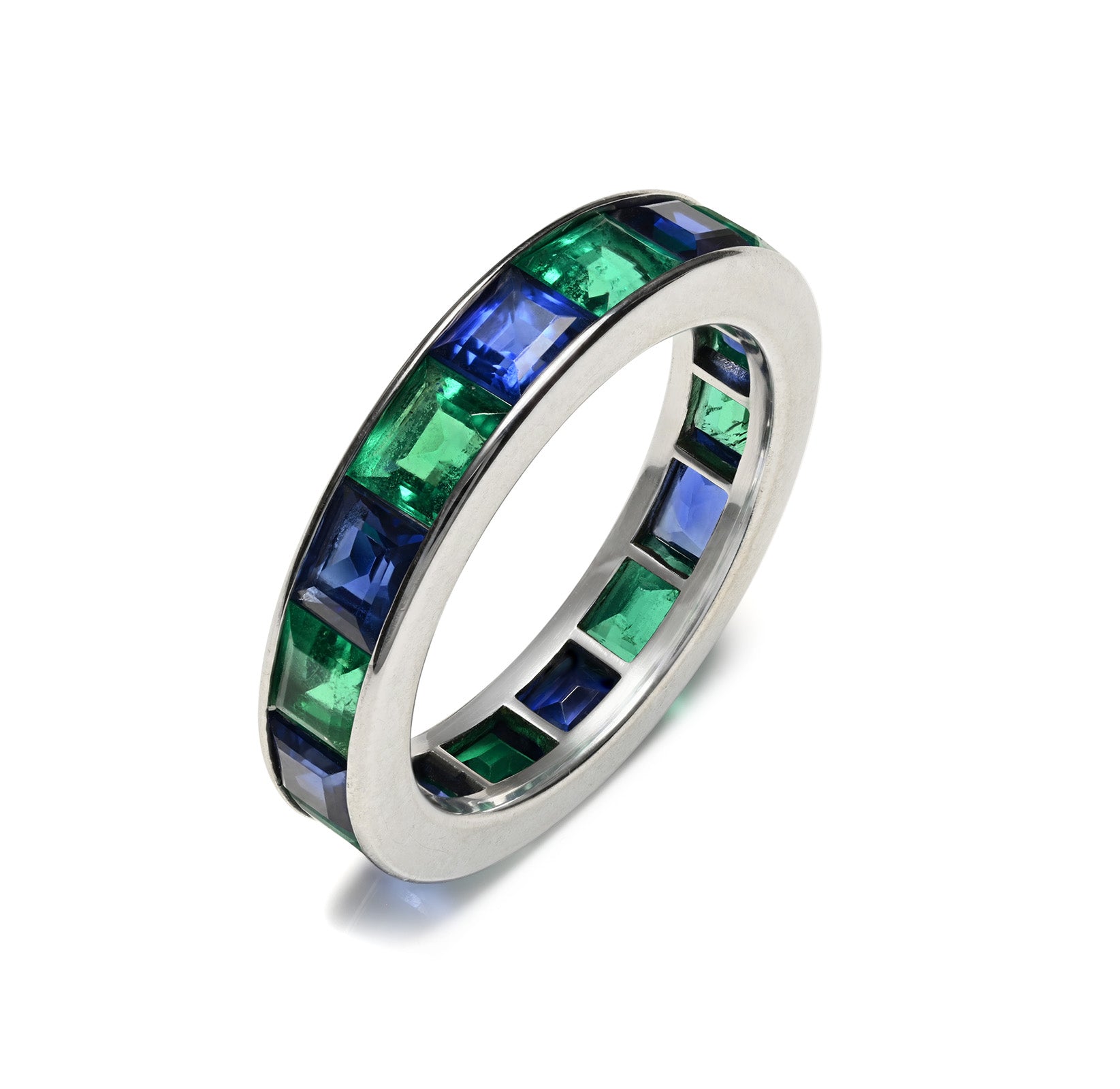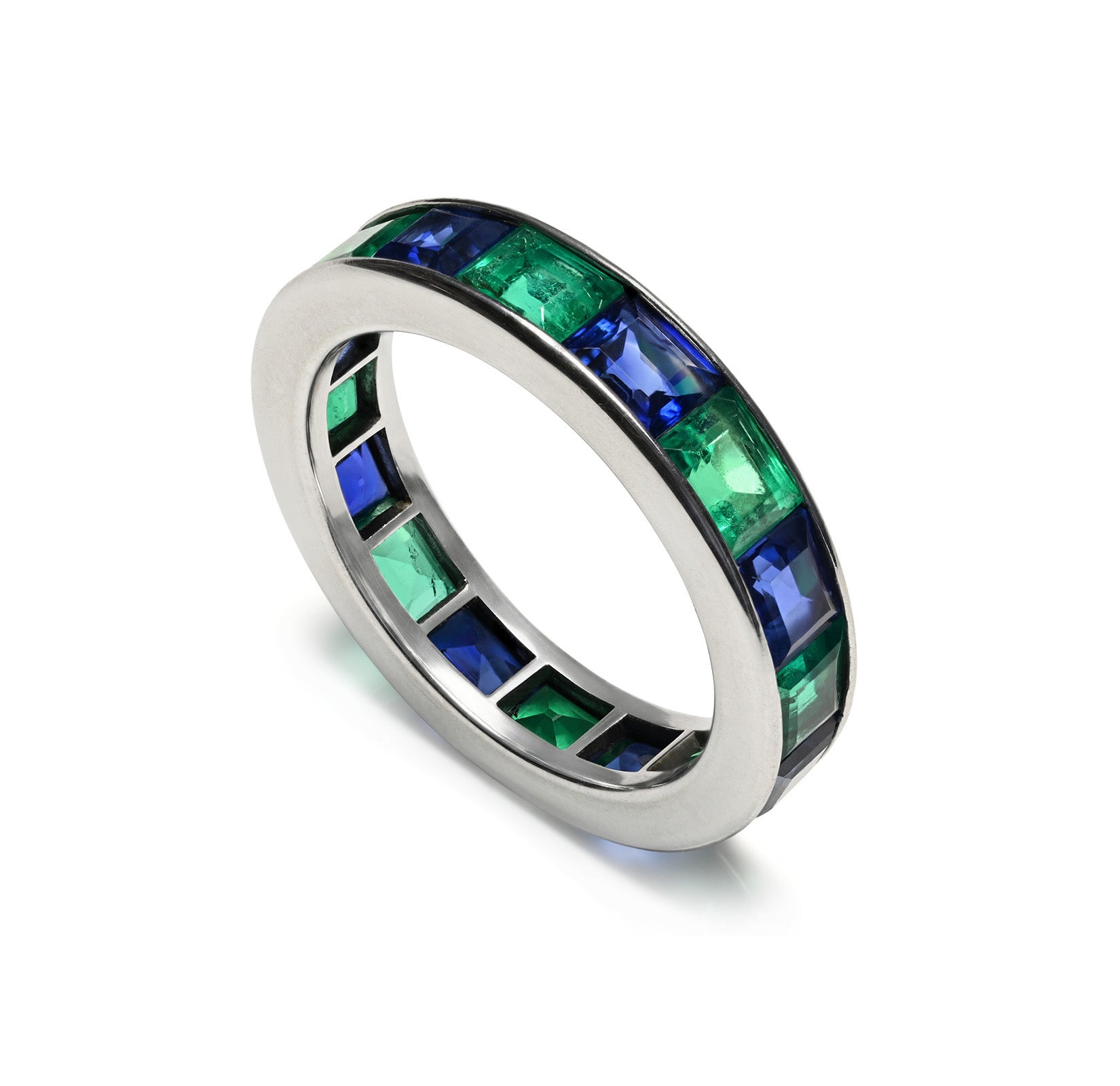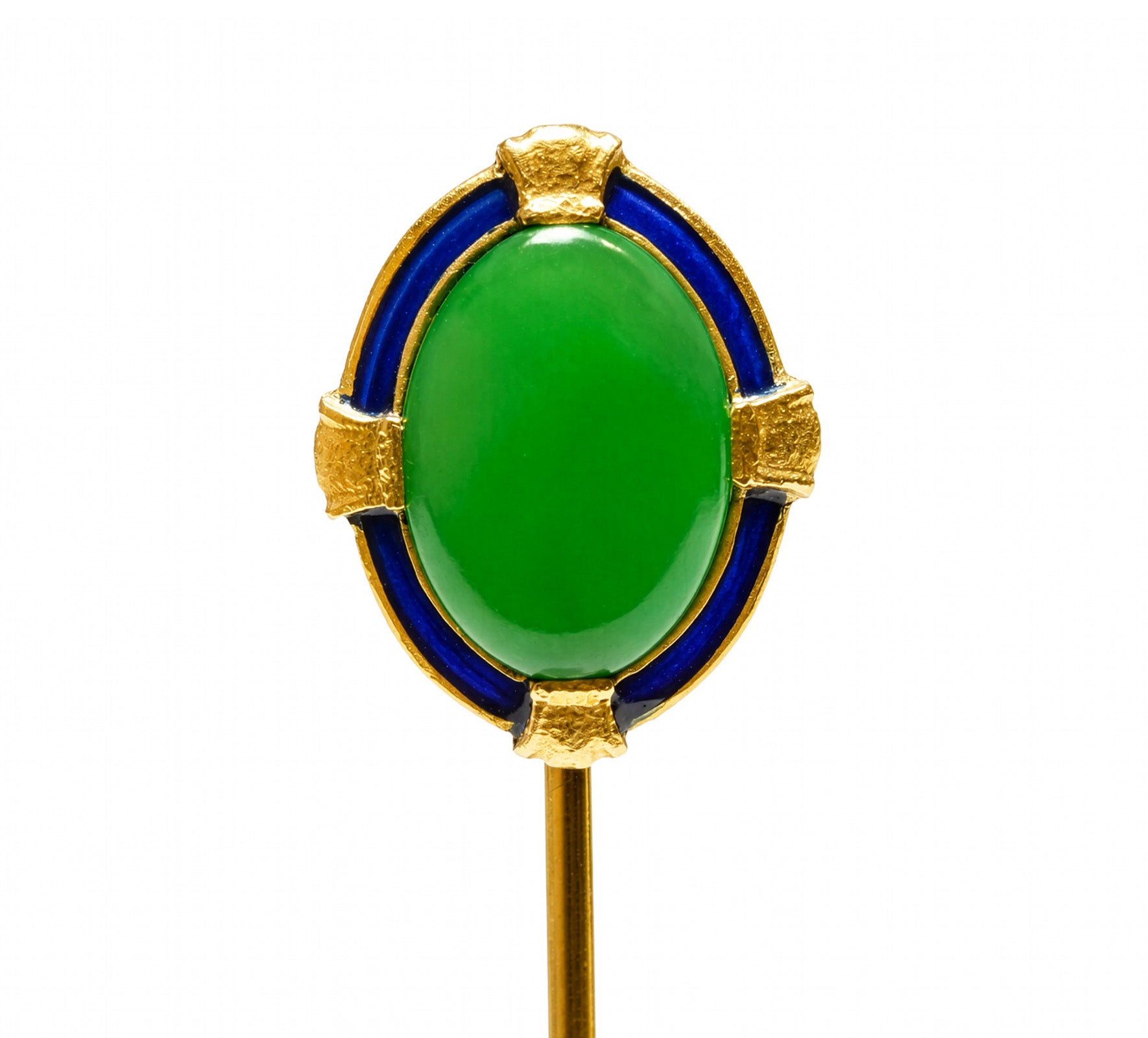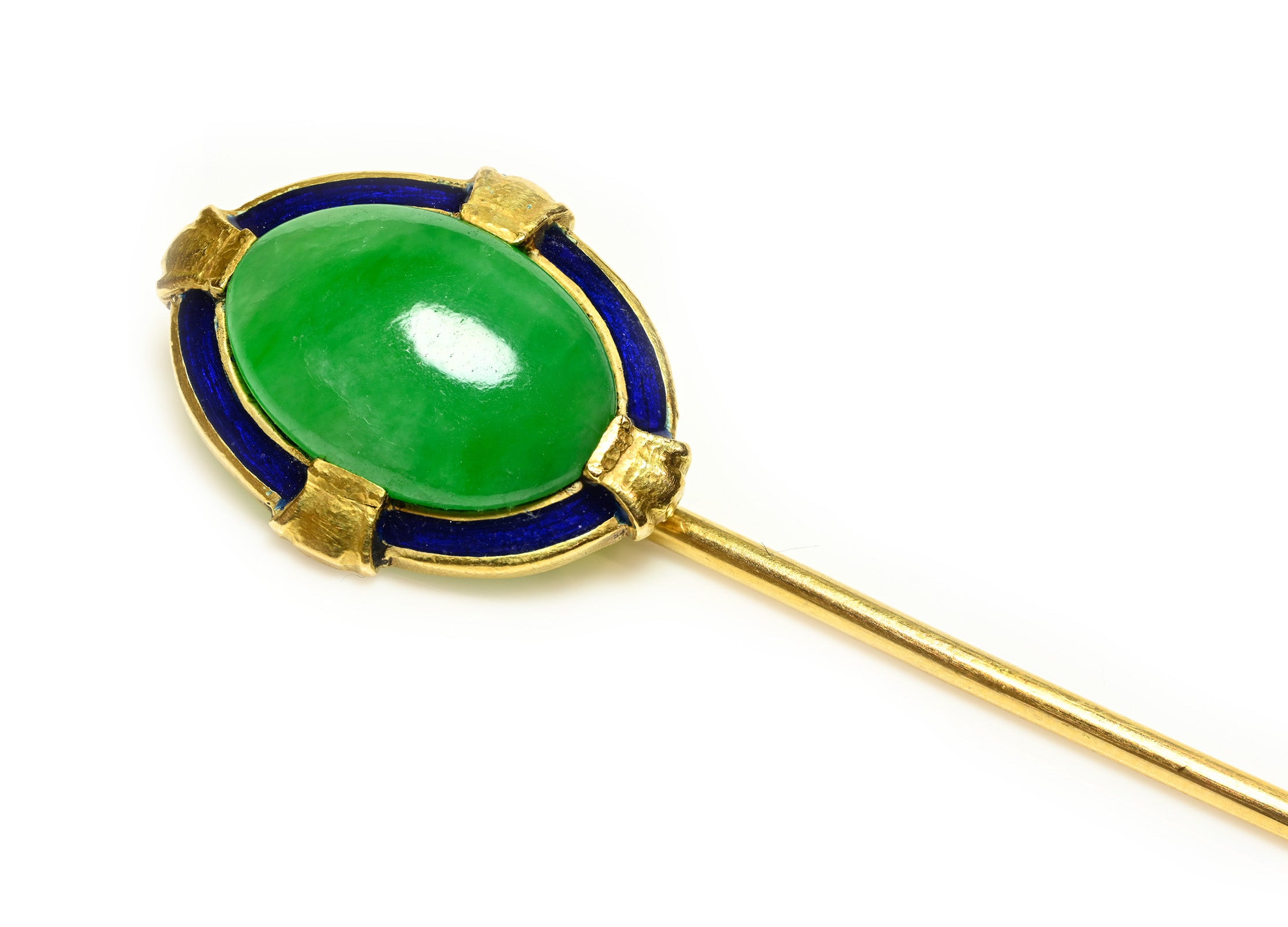
Mayan Jewelry – A Bridge To The Ancient World
Because of its rich culture, sophisticated knowledge, and, most importantly, its gorgeous jewelry, the Mayan civilization has a timeless appeal that continues to impact the present world.
In addition to being pioneers in construction and astronomy, the Mayans were also masters of the complex craft of jewelry-making.
The Maya is still shrouded in mystery, as discoveries so far have failed to bring to light all that could be known about this civilization.

Flower-shaped jadeite Mayan earflares (Source: Los Angeles County Museum of Art via Wikimedia Commons)
Mayan Jewelry
The Maya were exceptional weavers, potters, sculptors, and painters. Jade was sculpted by other Maya craftsmen into deities and jewelry. Later on, they acquired the skills necessary to work with metals like copper and gold, says Barbara L. Beck in her book "The Ancient Maya."
Because they lacked access to metals in the early stages of their civilization, the Mayans created elaborate and exquisite jewelry out of animal bones and teeth. Later, the Mayans found beautiful stones in the area they lived in, in addition to metals like gold and silver.
Therefore, jewelry from the later Mayan civilization was made of a wide variety of materials, such as bronze, silver, jade, obsidian, and gold. The Mayans accessorized their hair and wore jewelry in the plugs they wore in their ears and lips.
The Mayan elite were the only ones allowed to wear jewelry, and commoners were prohibited from doing so.
Therefore, jewelry from the later Mayan civilization was made of a wide variety of materials, such as bronze, silver, jade, obsidian, and gold. The Mayans accessorized their hair and wore jewelry in the plugs they wore in their ears and lips.
The Mayan elite were the only ones allowed to wear jewelry, and commoners were prohibited from doing so.
Materials Used for Jewelry
Precious Metals
The main materials used by Mayan jewelers were silver, copper, and occasionally gold, in contrast to the plentiful gold of South America. These metals were skillfully wrought into elaborate patterns that frequently featured animals, gods, and other important Mayan mythological motifs.
Jade
In Mayan society, jade was one of the most popular and sought-after jewelry materials. In addition to being a valuable stone, jade was also highly valued by the Mayans for its sacred connotations. Jade was associated with the gods and the idea of eternity in the minds of the Mayans.
From ceremonial masks to commonplace jewelry, jade represented strength, fertility, and life. As a result, jade was the primary material used by the Mayans to create a wide variety of jewelry. This comprised jade headpieces, bracelets, rings, and earplugs.
Jadeite was the particular variety of jade that was discovered in the Mayan regions. Working with this specific type of jade is quite challenging due to its extreme hardness.
From ceremonial masks to commonplace jewelry, jade represented strength, fertility, and life. As a result, jade was the primary material used by the Mayans to create a wide variety of jewelry. This comprised jade headpieces, bracelets, rings, and earplugs.
Jadeite was the particular variety of jade that was discovered in the Mayan regions. Working with this specific type of jade is quite challenging due to its extreme hardness.

The tremendous amount of work required to make jade jewelry may have contributed to its high value among the Mayans. Because jade is so rough, it took a lot of time for craftsmen to cut down raw stones and make jewelry out of them.
It makes sense that the labor-intensive nature of jade jewelry made it one of the most prized artifacts in Mayan society, as most ancient cultures valued art objects according to the amount of labor they took. In general, designs of animals and religious motifs from Mayan mythology were used in the production of jade jewelry.
Obsidian
The reflecting qualities of this volcanic glass made it another favorite among Mayan craftspeople. The deep black shine of obsidian, which is used for both decorative and functional purposes.
Shells and Bones
The Mayans also looked to the land and sea for resources, using bones and shells to make beads and other ornaments. This activity demonstrated their strong bond with the natural world, a concept that runs throughout our collection as we use natural materials to preserve this peaceful coexistence.
Feathers
Although feathers are not a material that can be maintained for millennia, historical documents and artwork indicate that Mayans used them to give color and meaning to their jewelry. This served as inspiration for our collection, which includes items that use delicate metalwork and vibrant gemstones to replicate the elegance and lightness of feathers.
The Early Period
The history of Maya civilization is divided into three principal periods: the Preclassic (the Early Period), Classic, and Postclassic. The first inhabited villages and the earliest agricultural innovations appeared during the Archaic Period, which came before them.
Rather than being a reflection of cultural development or decline, contemporary academics view these periods as arbitrary divisions of Maya chronology. Depending on the source, definitions of the beginning and ending dates of time periods can differ by up to a century.
The Mayans lacked access to valuable resources like jade and precious metals like gold in the early stages of their civilization. Therefore, the majority of the jewelry manufactured by the Mayans during this time period was crafted from animal parts like teeth and bone.
During this time, jaguar teeth were one of the most popular materials for jewelry-making because of the significant role that jaguars played in Mayan mythology. Claws, shells, and even exquisitely made stones and feathers were other often utilized things.
During this time, jaguar teeth were one of the most popular materials for jewelry-making because of the significant role that jaguars played in Mayan mythology. Claws, shells, and even exquisitely made stones and feathers were other often utilized things.
The Later Periods
The discovery of metals like copper, silver, and gold in the vicinity of Mayan villages was made possible by the growth and prosperity of the Mayan civilization. After they were found, these became the main components of Mayan jewelry.
Numerous other objects, including jade and obsidian, were also found by the Mayans. Jade was the most prized material used to make jewelry after it was discovered. As an important component of trade, jade was also exported by Mayans to other non-Mayan cities.

Jadeite deity face pendant, 7th–8th century (Source: Metropolitan Museum of Art via Wikimedia Commons)
The Role of Jewelry
The Mayans produced a wide variety of jewelry pieces that they wore as outward manifestations of their privilege and power. Additionally, several jewelry pieces served as representations of Mayan religious ideas, according to mayansandtikal.com.
The most popular types of Mayan jewelry were earplugs, rings, necklaces, and pendants. The most popular way to wear jewelry among these was with earplugs. The Mayans tended to wear earplugs that were so large and heavy that they caused the earlobes to grow to unusual lengths.
The Mayans also wore jewels as lip and nostril plugs. Among these, Mayan women wore lip plugs, while men of high status typically wore nose plugs. In order to demonstrate their superior rank, the Mayans also incorporated jewelry into their headdresses. Only royalty wore headpieces made of precious materials like jade.
The social hierarchy of Mayan culture was significantly influenced by Mayan jewelry. The jewelry's artisans were usually simple people who worked diligently to create flawless pieces. Craftsmen were one station above the rest of the commoners, albeit being from the same class. Thus, their situation was superior to that of the other commoners.
However, as wearing jewelry was seen as a social honor and privilege, even the craftsmen were prohibited from using it. Only members of the aristocracy class wore jewelry as a sign of their elevated social status. In Mayan society, jewelry was typically more valuable for those with higher social positions.
Domestically, only the nobles wore Mayan jewelry. It was traded to other Mayan and non-Mayan towns and was regarded as art as well. Jade jewelry was one of the most popular types of jewelry that the Mayans exchanged.
The Mayans would exchange jade for goods they needed from other non-Mayan cultures because it was mostly found in their territory. In other cultures, jade was typically worn by the aristocracy and monarchy and was seen as a very expensive commodity.
As a sign of respect, Mayan monarchs presented jade jewelry to their peers in distant cities. In addition, jade was utilized as money for trade and as one of the most valuable presents to the gods. Jade jewelry was utilized in numerous religious rites and was occasionally employed by religious priests to heal the sick.
The most popular types of Mayan jewelry were earplugs, rings, necklaces, and pendants. The most popular way to wear jewelry among these was with earplugs. The Mayans tended to wear earplugs that were so large and heavy that they caused the earlobes to grow to unusual lengths.
The Mayans also wore jewels as lip and nostril plugs. Among these, Mayan women wore lip plugs, while men of high status typically wore nose plugs. In order to demonstrate their superior rank, the Mayans also incorporated jewelry into their headdresses. Only royalty wore headpieces made of precious materials like jade.
The social hierarchy of Mayan culture was significantly influenced by Mayan jewelry. The jewelry's artisans were usually simple people who worked diligently to create flawless pieces. Craftsmen were one station above the rest of the commoners, albeit being from the same class. Thus, their situation was superior to that of the other commoners.
However, as wearing jewelry was seen as a social honor and privilege, even the craftsmen were prohibited from using it. Only members of the aristocracy class wore jewelry as a sign of their elevated social status. In Mayan society, jewelry was typically more valuable for those with higher social positions.
Domestically, only the nobles wore Mayan jewelry. It was traded to other Mayan and non-Mayan towns and was regarded as art as well. Jade jewelry was one of the most popular types of jewelry that the Mayans exchanged.
The Mayans would exchange jade for goods they needed from other non-Mayan cultures because it was mostly found in their territory. In other cultures, jade was typically worn by the aristocracy and monarchy and was seen as a very expensive commodity.
As a sign of respect, Mayan monarchs presented jade jewelry to their peers in distant cities. In addition, jade was utilized as money for trade and as one of the most valuable presents to the gods. Jade jewelry was utilized in numerous religious rites and was occasionally employed by religious priests to heal the sick.
The Maya Arts
Painting
According to Beck, the little settlement of Bonampak, which translates to "painted walls" in Maya, is home to exquisite examples of Maya painting.
Here in 1946, adventurer and photographer Giles G. Healey found a three-room temple tucked away in the Usumacinta Valley's forest. Each room's walls were adorned in lifelike murals, or wall paintings, depicting the eighth-century world of the Maya elite.
Priests and their entourage, well-dressed nobility, a war scene, dances and ceremonies, and a human sacrifice were all there. These paintings were the first to be discovered that depicted Maya life free of muddled patterns and symbols.
Water seeping through the temple's limestone roof and creating a protective lime covering over the walls has maintained the vibrantly colored murals for more than eleven hundred years.
Mineral and plant-based paints were employed by the Maya. Maya blue is their most well-known hue. Before scientists discovered that this striking tone was a combination of indigo dye and attapulgite, a sort of clay, it remained a mystery.
Red iron oxide produced reds and pinks, ocher produced yellows, bitumen or asphalt produced browns, and carbon produced black. Blue and yellow were combined to create green, according to the book The Ancient Maya.
Here in 1946, adventurer and photographer Giles G. Healey found a three-room temple tucked away in the Usumacinta Valley's forest. Each room's walls were adorned in lifelike murals, or wall paintings, depicting the eighth-century world of the Maya elite.
Priests and their entourage, well-dressed nobility, a war scene, dances and ceremonies, and a human sacrifice were all there. These paintings were the first to be discovered that depicted Maya life free of muddled patterns and symbols.
Water seeping through the temple's limestone roof and creating a protective lime covering over the walls has maintained the vibrantly colored murals for more than eleven hundred years.
Mineral and plant-based paints were employed by the Maya. Maya blue is their most well-known hue. Before scientists discovered that this striking tone was a combination of indigo dye and attapulgite, a sort of clay, it remained a mystery.
Red iron oxide produced reds and pinks, ocher produced yellows, bitumen or asphalt produced browns, and carbon produced black. Blue and yellow were combined to create green, according to the book The Ancient Maya.

Mayan codex style cylinder vessel (Source: Marie-Lan Nguyen via Wikimedia Commons)
Stone carvings
Almost all of the stone surfaces in the older cities have carvings on them. The enormous plazas are dotted with tall, eerie stelae. The typical height of these massive stone monuments is between 5 and 12 feet (1.5 and 3.6 meters), while some might exceed 30 feet (9 meters). Every stela has hieroglyphic inscriptions and a carved figure of a person, typically a ruler of the city where the stela is located.
At the conclusion of katuns (twenty-year periods), half katuns (ten years), and occasionally hotuns (five years), the stelae were placed as time markers. Up until recently, we believed that the marking of time was the focus of every writing on the stelae.
However, we now know that the inscriptions represent historical records of the city and its kings in addition to date glyphs, thanks to further deciphering of the Maya writing system.
In later towns, stone sculptures and stucco sculptures were seen on the walls and stairs of palaces and temples. A type of plaster was used to form faces, figures, glyphs, and other symbols, which were subsequently painted.
At the conclusion of katuns (twenty-year periods), half katuns (ten years), and occasionally hotuns (five years), the stelae were placed as time markers. Up until recently, we believed that the marking of time was the focus of every writing on the stelae.
However, we now know that the inscriptions represent historical records of the city and its kings in addition to date glyphs, thanks to further deciphering of the Maya writing system.
In later towns, stone sculptures and stucco sculptures were seen on the walls and stairs of palaces and temples. A type of plaster was used to form faces, figures, glyphs, and other symbols, which were subsequently painted.
Pottery
A potter's wheel was not used in the creation of Maya pottery. Clay was either sculpted into lumps by Maya craftsmen or twisted into threads. The clay was shaped and smoothed to create a variety of objects, including vases, pots, jars, platters, incense burners, three-footed bowls, and animal-formed whistles.
The majority of the items were carved, painted, stamped, or engraved. According to Beck's book, several of the later clay sculptures appear to have been created in molds.
Figures with intricate tattoos on their faces and bodies are frequently shown in Maya sculpture and paintings. It must have been art, too. The skin was incised with the tattoo pattern.
The cuts were then rubbed with various dyes. It must have been an agonizing operation, yet the patterns, which followed the contours of the face and body, were decorative and even artistic.
The majority of the items were carved, painted, stamped, or engraved. According to Beck's book, several of the later clay sculptures appear to have been created in molds.
Figures with intricate tattoos on their faces and bodies are frequently shown in Maya sculpture and paintings. It must have been art, too. The skin was incised with the tattoo pattern.
The cuts were then rubbed with various dyes. It must have been an agonizing operation, yet the patterns, which followed the contours of the face and body, were decorative and even artistic.
Weaving
Although woven materials can be seen in carvings and murals, there are no surviving instances of Maya weaving. The backstrap loom, which was employed by all American tribes, is also visible there.
The Maya made their own dyes from plants and minerals and produced and processed their own cotton. The creation of feather mosaics, which involved weaving multicolored feathers into cotton fabric, was another incredible art form.
They were occasionally glued in or knotted. Due to the exorbitant expense, only priests, leaders, and significant warriors were permitted to wear quetzal-feather mosaics.
The golden-green feathers of the quetzal were used to make breechclouts, coats, and helmets. In order to keep flies and insects away from the nobility, feathers were also affixed to long poles. The ceremonial almanac had feasts and festivals throughout every month.
The Maya made their own dyes from plants and minerals and produced and processed their own cotton. The creation of feather mosaics, which involved weaving multicolored feathers into cotton fabric, was another incredible art form.
They were occasionally glued in or knotted. Due to the exorbitant expense, only priests, leaders, and significant warriors were permitted to wear quetzal-feather mosaics.
The golden-green feathers of the quetzal were used to make breechclouts, coats, and helmets. In order to keep flies and insects away from the nobility, feathers were also affixed to long poles. The ceremonial almanac had feasts and festivals throughout every month.
Music. Plays
The Mayans were big fans of dancing and music. Chanting prayers, telling folktales, and performing hundreds of ceremonial dances all took place against the backdrop of music.
Beck stressed in her work that there were just wind and percussion instruments and no stringed instruments. Hollow wood, tortoise shells, and clay were used to make drums of many shapes and sizes.
Additional rhythmic devices were gourd rattles, bells, and the tapping or rubbing of animal and human bones against one another. The tune was borne by flutes and trumpets composed of clay, wood, and conch shells.
Spanish stories state that musicians faced harsh penalties if they missed a beat. Missing a step also resulted in punishment for the dancers, who occasionally numbered in the hundreds.
Men's and women's dancing organizations did exist, but they hardly ever performed together. Some dances depicted wars and everyday events, while others were rituals to induce rain.
The dancers are depicted in the Bonampak paintings donning exquisite costumes and headdresses that reach a height of three feet (0.9 meters). Actors dressed in exquisite costumes and masks presented plays and comedies for the public. Additionally, there were storytellers who told fables while songs and music played in the background.
Beck stressed in her work that there were just wind and percussion instruments and no stringed instruments. Hollow wood, tortoise shells, and clay were used to make drums of many shapes and sizes.
Additional rhythmic devices were gourd rattles, bells, and the tapping or rubbing of animal and human bones against one another. The tune was borne by flutes and trumpets composed of clay, wood, and conch shells.
Spanish stories state that musicians faced harsh penalties if they missed a beat. Missing a step also resulted in punishment for the dancers, who occasionally numbered in the hundreds.
Men's and women's dancing organizations did exist, but they hardly ever performed together. Some dances depicted wars and everyday events, while others were rituals to induce rain.
The dancers are depicted in the Bonampak paintings donning exquisite costumes and headdresses that reach a height of three feet (0.9 meters). Actors dressed in exquisite costumes and masks presented plays and comedies for the public. Additionally, there were storytellers who told fables while songs and music played in the background.
Legacy
Made with the same respect for materials and meanings, Mayan jewelry serves as a link to the ancient world.
Every piece of jewelry not only tells a narrative but also blends in seamlessly with modern fashions, all the while drawing from the rich heritage of Mayan civilization.
Knowing the materials used to make Mayan jewelry gives us insight into the spirit of a long-gone society and enables us to recognize the deep relationship between meanings and materials in addition to the items' aesthetic appeal.
Every piece of jewelry not only tells a narrative but also blends in seamlessly with modern fashions, all the while drawing from the rich heritage of Mayan civilization.
Knowing the materials used to make Mayan jewelry gives us insight into the spirit of a long-gone society and enables us to recognize the deep relationship between meanings and materials in addition to the items' aesthetic appeal.
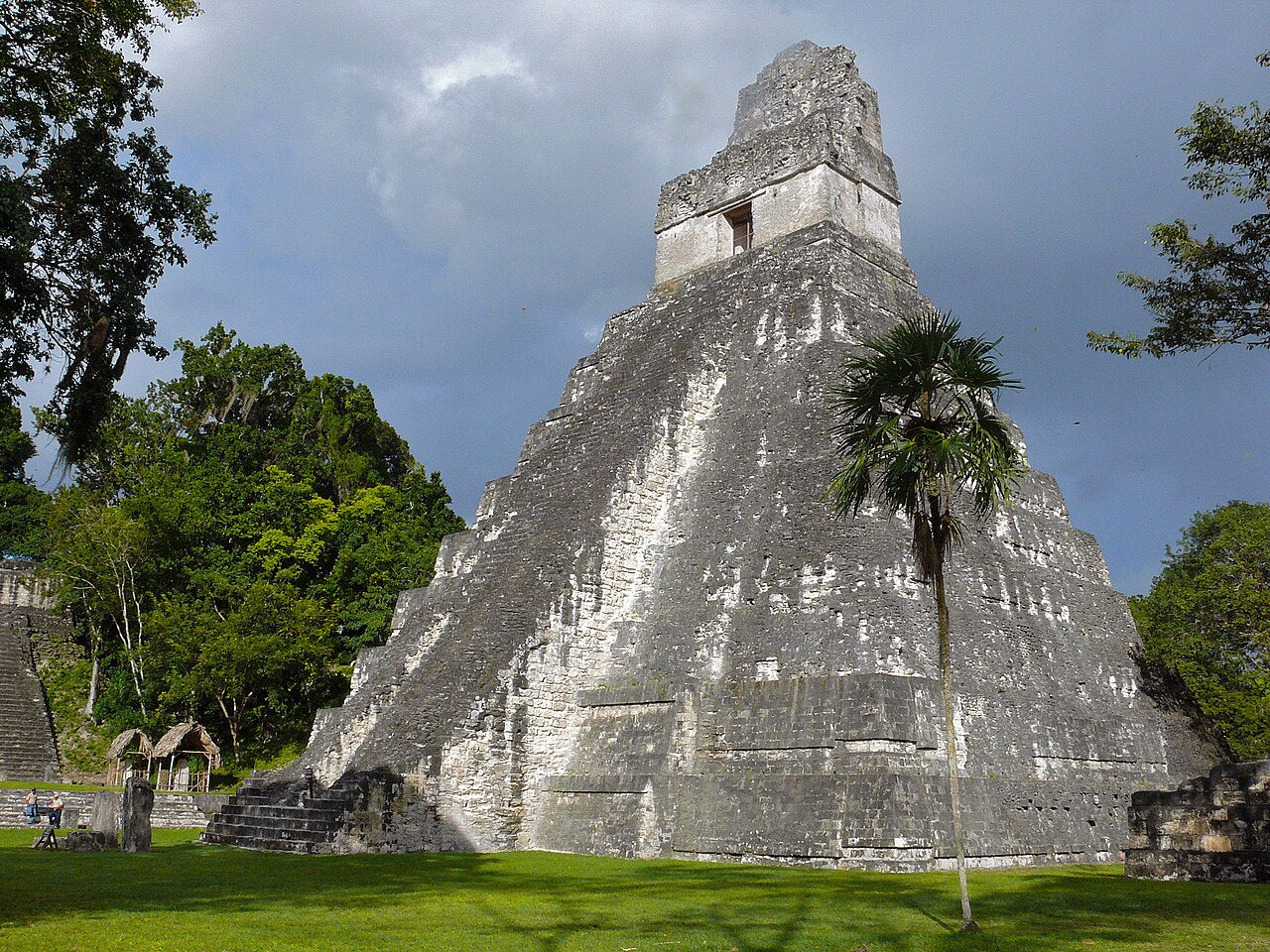
Cover Photo: The Temple of The Grand Jaguar at Tikal, Guatemala (Source: Bernard Dupont via Wikimedia Commons)