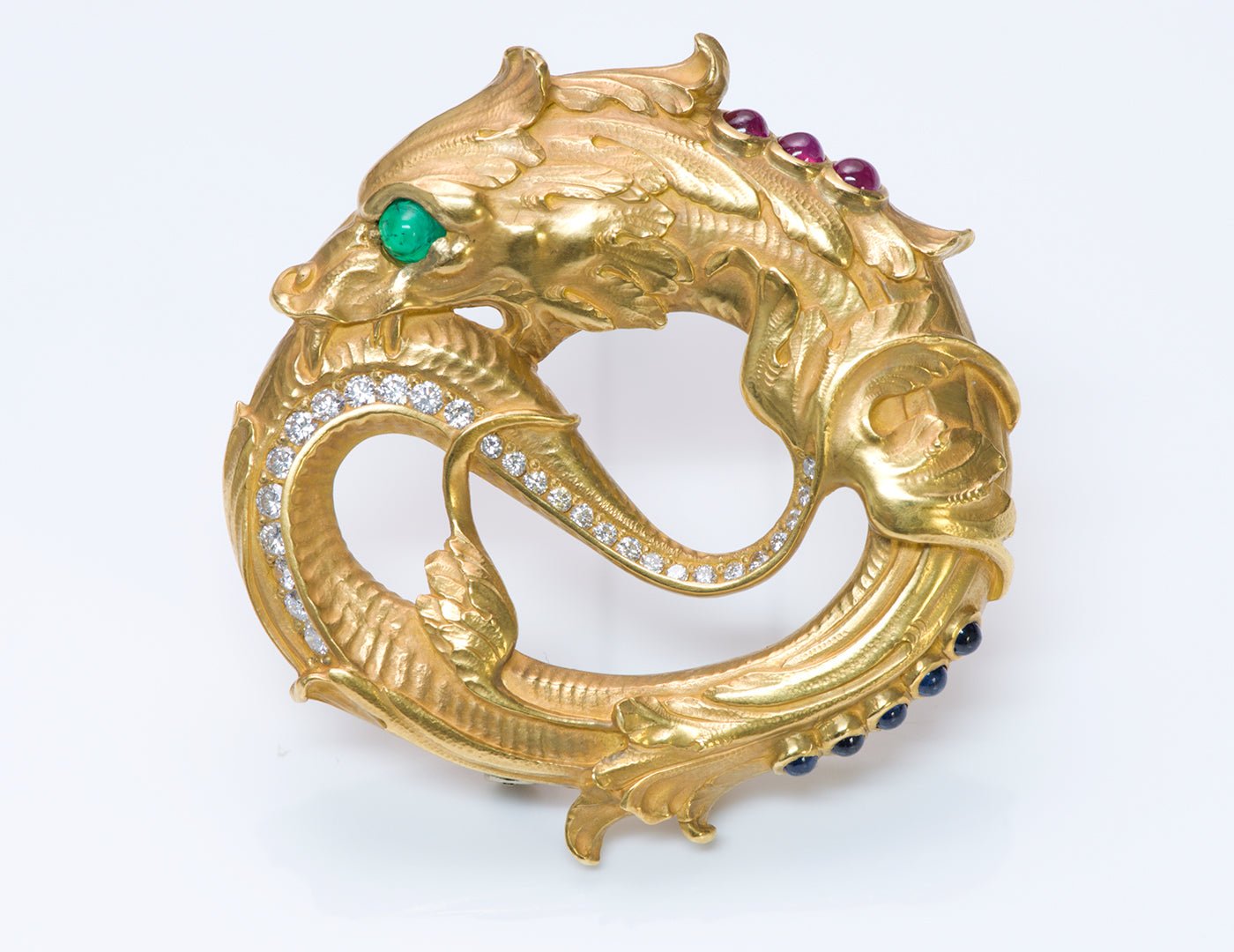
Precious Stones: History, Symbolism, and Ancient Beliefs
Throughout history, precious stones have been revered, collected, and safeguarded as objects of exceptional beauty and value.
This reverence was particularly pronounced in India, a land long celebrated for its extraordinary abundance of rare and valuable gems. While other regions also possessed precious stones and passed them down through generations, their understanding of these materials was often limited. The transparency, brilliance, hardness, and crystalline structures of these stones naturally inspired fascination and wonder.
Men valued them not only as adornments, but also as objects believed to possess protective and mystical qualities. In many cultures, precious stones were regarded as more than decorative elements—they were symbols of power, status, and spiritual significance.

The History of Precious Stones in Ancient Civilizations
Gems in the Age of Solomon and Ancient Egypt
According to the book Precious Stones and Gems: Their History, Sources and Characteristics by Edwin W. Streeter, in the era of Solomon, wealth and refinement were closely associated with the possession of precious stones. The elite sought these gems with determination, often traveling to distant lands to acquire them.
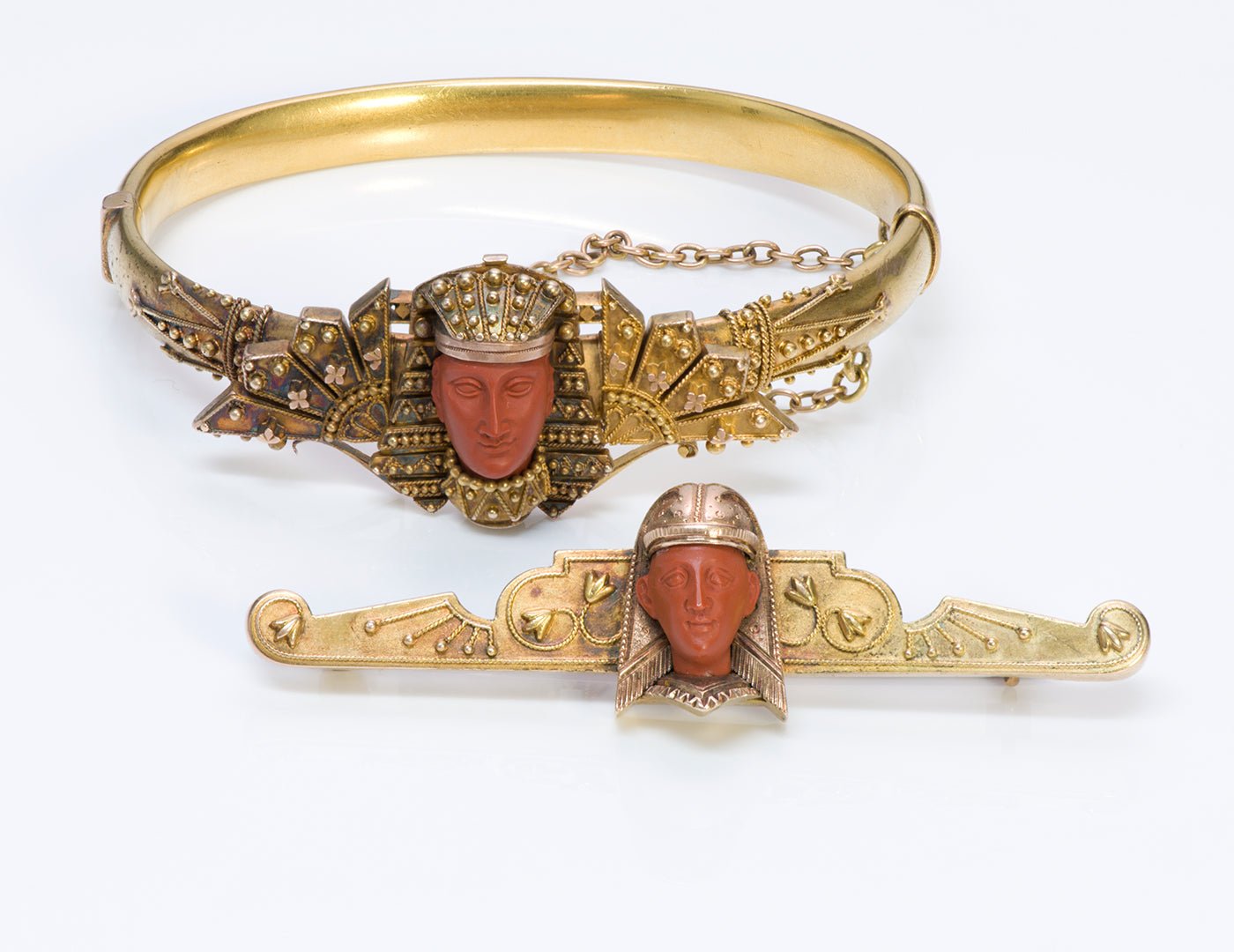
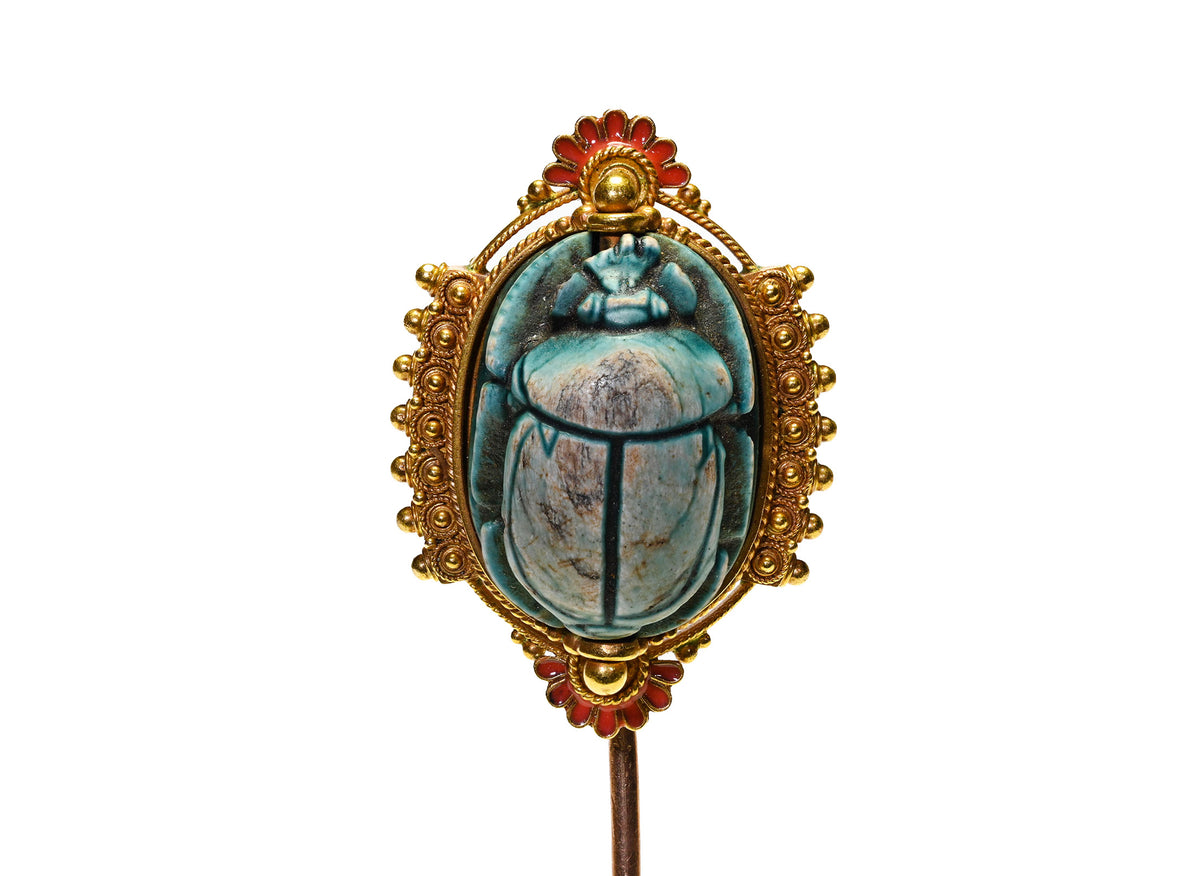
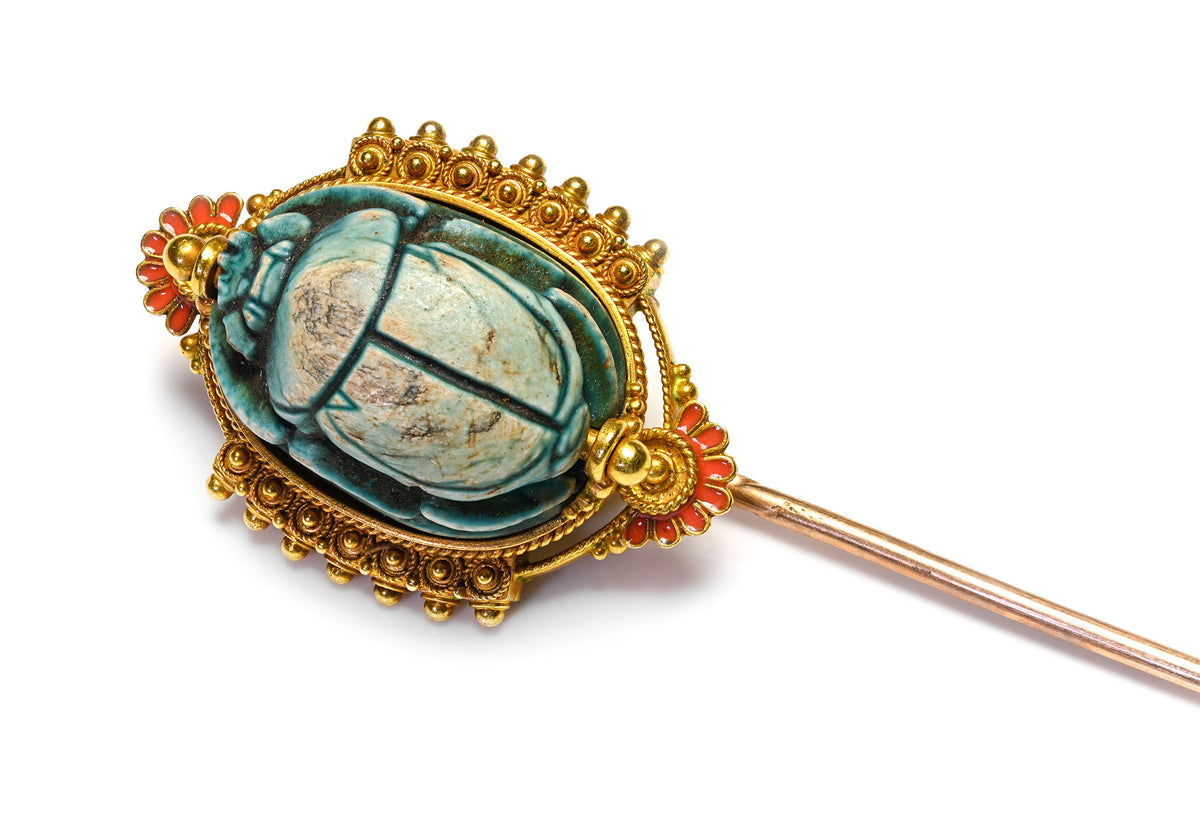
Ancient Egypt also played a central role in the early development of gemstone artistry. Many stones were shaped into scarabaean gems, reflecting both artistic refinement and symbolic meaning within culture.
Among the Jews, the High Priest’s garments were adorned with precious stones. However, identifying these stones with certainty remains difficult, as ancient terminology is often ambiguous and does not correspond precisely to modern mineralogical classifications.
The Hebrew names suggest that much of this knowledge was inherited from the Egyptians, whose understanding—like that of other ancient civilizations—remained limited when compared to modern scientific knowledge.

The Role of Gems in Classical Antiquity
As Edwin W. Streeter notes, classical authors such as Strabo and Pliny describe how, in India, gold and precious stones were used not only as personal adornments but also to embellish luxurious objects. Drinking vessels, for example, were decorated with emeralds, beryls, and rubies, reflecting both wealth and refined taste.
The Phoenicians, renowned for their extensive trade networks, played a crucial role in the distribution of precious stones, exporting them alongside ivory and the famed Tyrian purple fabrics—commodities known since Homeric times. Ancient literature also reflects this fascination with gemstones, even when specific materials are not always clearly identified.
In Homer’s epics, references to radiant jewelry and elaborate adornments are frequent. Eurymachus presents Penelope with a finely crafted gold necklace adorned with amber said to glow like the sun, while Eurydamas offers earrings of remarkable beauty, befitting noble women of the time. These accounts illustrate the enduring association between precious stones, wealth, and status in the ancient world.
Biblical and Early Greek References
Biblical texts further expand the rich narrative surrounding precious stones. Beyond the references found in Genesis and Exodus, the Book of Job mentions materials such as onyx, sapphire, coral, pearls, rubies, and Ethiopian topaz, suggesting a broad awareness of both gemstones and their origins.
In poetic language, the patriarch of Uz describes the divine power capable of carving rivers through rock and revealing hidden treasures, reinforcing the idea that precious stones were viewed as part of a sacred natural order.
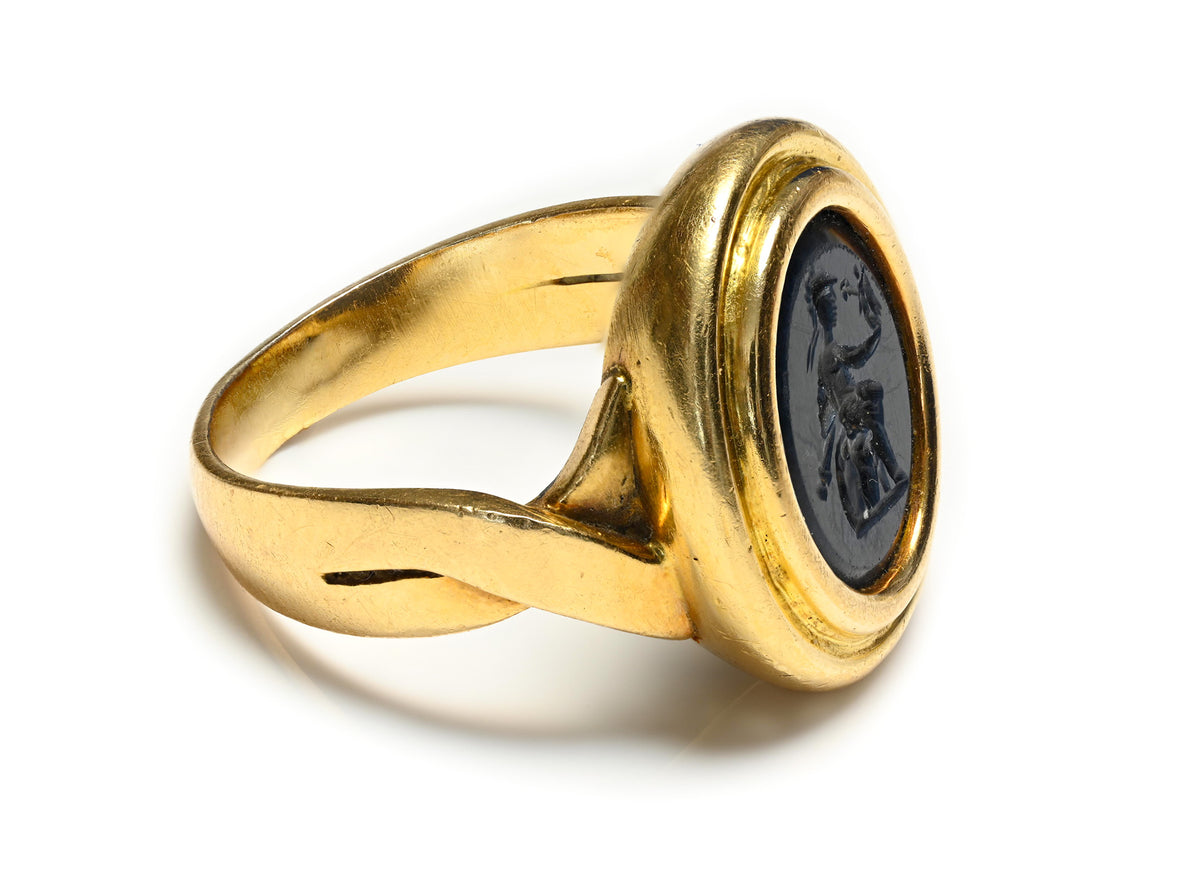
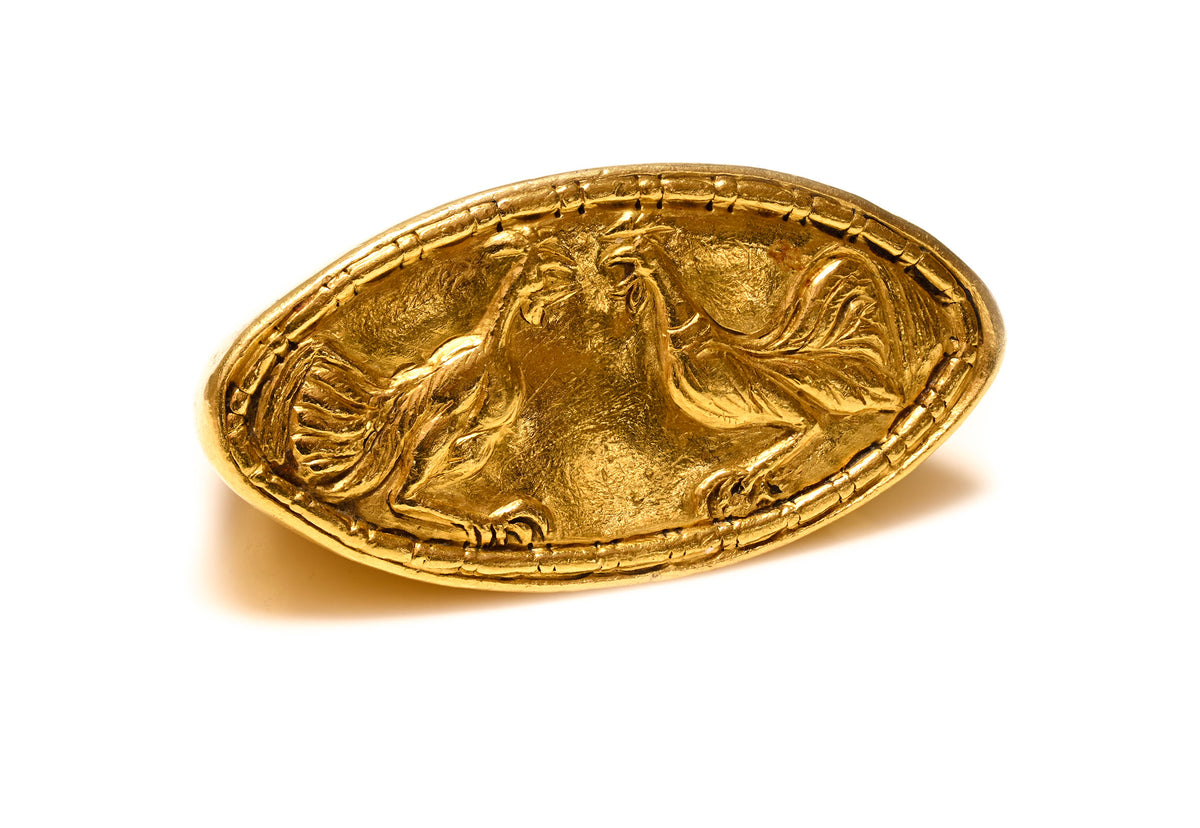
By the sixth and seventh centuries BCE, Greek society had developed a more structured understanding of gemstones. Precious stones were widely used in ornamental and signet rings worn by rulers and members of the elite.
One of the most famous examples is the ring of Polycrates, who died in 522 BCE, a jewel admired not only for its craftsmanship but also for the mystical significance attributed to it.
The Symbolism and Beliefs Surrounding Precious Stones
Occult Virtues and Ancient Beliefs
By the early fifth century BCE, the Greeks began to move beyond simple admiration of gemstones, developing more systematic accounts of their qualities and meanings. Onomacritus, a priest associated with early Hellenic religious traditions, described the supernatural powers of stones such as crystal, agate, topaz, jasper, amber, chrysolite, coral, and opal.
He attributed ritual significance to certain materials, claiming, for instance, that crystal could be used to produce a sacred fire, enhancing the acceptance of offerings to the gods. Such beliefs in the occult properties of gemstones persisted long after antiquity.
Even in the nineteenth century, superstitions continued to influence attitudes toward certain stones: Empress Eugénie of France famously avoided opals due to their association with misfortune, while Queen Victoria embraced them, gifting opal and diamond jewels to her daughters.

Birthstones and Cultural Symbolism
Knowledge of precious stones advanced significantly through the writings of classical historians and philosophers such as Herodotus, Plato, Aristotle, and Theophrastus. Herodotus recorded references to emeralds and signet rings, including the account of a luminous emerald column in the Temple of Hercules at Tyre, said to emit light during the night.
Plato referred to stones such as sard, jasper, and emerald, while Aristotle and his student Theophrastus contributed to some of the earliest attempts to classify minerals. Theophrastus’ treatise, in particular, remains the earliest surviving Greek work devoted to mineralogy, marking an important step toward a more scientific understanding of gemstones.
Other ancient authors, including Diodorus and Dionysius Periegetes, described a wide range of precious stones—among them topaz, diamond, sapphire or ruby (often referred to as asterios), beryl, jasper, and amethyst—emphasizing both their rarity and their visual appeal.
During the era of Alexander the Great and the Hellenistic kingdoms that followed, the use of gemstones expanded significantly. Precious stones became prominent symbols of luxury and power, adorning not only rings but also ceremonial objects such as drinking vessels and candelabra, reflecting the growing connection between gemstones, wealth, and status in the ancient world.

Gemstones as Amulets, Power, and Healing Objects
Across ancient civilizations, precious stones were believed to possess powers that extended far beyond their physical beauty. Many authors described gemstones as sources of protection, healing, and influence over human destiny.
Isidore of Seville, among others, cataloged stones thought to confer health, beauty, wealth, honor, and good fortune. These beliefs explain why gemstones were so often worn as amulets, carried close to the body as safeguards against harm or misfortune.
Stones were also linked to celestial bodies, seasons, and cosmic forces. Certain gems were associated with planets or natural cycles, reinforcing the idea that they acted as intermediaries between the human world and a larger, unseen order. This connection between gemstones and the cosmos laid the foundation for one of the most enduring traditions in gem lore.
Superstition, Symbolism, and the Rise of Birthstones
Among the most persistent legacies of medieval and early traditions is the concept of birthstones. Emerging from a combination of biblical symbolism and astrological beliefs, this tradition assigned a specific gemstone to each month of the year, each believed to offer unique protective or beneficial qualities.
Although the list has evolved over time, the underlying belief remains consistent: that gemstones can influence the life and character of the wearer.
Traditional Birthstone Associations
January: Garnet — Protection during travel
February: Amethyst — Clarity and peace
March: Aquamarine — Courage and serenity
April: Diamond — Strength and enduring love
May: Emerald — Fertility and renewal
June: Pearl or Moonstone — Purity and intuition
July: Ruby — Passion and prosperity
August: Peridot — Health and vitality
September: Sapphire — Wisdom and loyalty
October: Opal or Tourmaline — Hope and creativity
November: Topaz or Citrine — Abundance and joy
December: Turquoise or Zircon — Good fortune and friendship
Even in more recent history, such beliefs continued to shape attitudes toward gemstones. As Streeter recounts, Queen Victoria challenged prevailing superstitions by gifting opal jewels to her daughters, despite the widespread belief—shared by figures such as Empress Eugénie of France—that opals brought misfortune.
This contrast illustrates how gemstones have long existed at the intersection of belief, tradition, and personal interpretation—objects capable of carrying both fear and fascination across generations.

The Craft of Precious Stones: Cutting and Polishing
While some thinkers, such as John Ruskin, admired the natural beauty of uncut stones, the true character of precious gems is most fully revealed through the art of cutting and polishing. It is through this process that a stone’s brilliance, transparency, and depth of color are brought to life.
The diamond, valued for its exceptional hardness, undergoes a complex transformation involving cleaving, shaping, cutting, and polishing. Each stage is carefully controlled to enhance the stone’s ability to reflect light while preserving as much of its original weight as possible. Colored gemstones are treated with similar care, as lapidaries work to emphasize their natural hues while minimizing visible imperfections.
The craft of the diamond cutter lies in achieving symmetry and precision. Facets must be aligned with exactness, creating smooth surfaces that interact with light in a balanced and controlled manner. At the same time, stone engravers specialize in carving designs or inscriptions, a separate discipline that has existed alongside cutting for centuries.
In earlier periods, however, priorities were different. Ancient lapidaries often valued size and weight above brilliance, preserving the natural form of stones rather than reshaping them extensively. This approach contrasts sharply with modern preferences, where light performance and visual impact take precedence.

The Evolution of Diamond Cutting
Historical objects provide insight into the early stages of diamond cutting. The clasp of Charlemagne’s mantle, for example, features diamonds that retain much of their natural octahedral form, with only partial polishing applied to their surfaces.
By the late thirteenth century, the craft began to take on a more organized structure. In Paris, guilds of gem cutters and polishers were established as early as 1290, while by 1373, diamond polishing was already practiced in Nuremberg. Training within these guilds was demanding, often requiring five to six years of apprenticeship due to the technical complexity and value of the materials involved.
Significant progress occurred during the fourteenth and fifteenth centuries. Louis de Berquem of Bruges is often credited with introducing the systematic use of facets, a development that transformed the appearance of diamonds by enhancing their interaction with light. His innovations laid the foundation for modern cutting techniques, and his influence spread across Europe through his pupils.
Centers such as Antwerp, Amsterdam, and Paris emerged as important hubs of the diamond trade. By the seventeenth century, France experienced a flourishing of the craft under influential patrons like Cardinal Mazarin, who commissioned the re-cutting of the French crown jewels, including the famous group known as the “Mazarins.”
Political and economic changes later shifted the focus of the industry toward Antwerp and Amsterdam. In these cities, highly skilled communities of lapidaries—many of them of Portuguese-Jewish origin—established a tradition of diamond cutting that would endure for centuries.

The Modern Diamond-Cutting Process
Today, diamond cutting remains a highly specialized and collaborative craft. Because of the diamond’s extreme hardness, only diamond itself can be used to cut and polish it—a principle often described as “diamond cutting diamond.”
The process is divided into several stages, each handled by specialists. The cutter begins by examining the rough stone, determining how best to shape it in order to maximize both beauty and value. The stone is then marked and prepared for cutting, after which it is secured in place by the setter.
Polishing is carried out using a rotating metal wheel charged with diamond powder. This stage requires exceptional precision, as each facet must be positioned and finished with accuracy to achieve the desired optical effect. Even minor deviations can significantly affect the stone’s brilliance.
Cleaving—one of the most delicate stages—involves splitting the diamond along its natural planes to remove imperfections or divide it into smaller sections. This operation is performed with great care, as a single incorrect strike can damage the entire stone.
Despite advances in technology, much of the work still depends on manual skill and experience. In traditional centers such as Amsterdam, workshops continue to combine modern machinery with artisanal techniques. The physical demands of the craft are considerable, and the repetitive precision required often leaves visible marks on the hands of experienced workers.
Lapidaries working with colored and semi-precious stones follow similar principles, adapting their methods to the specific properties of each material. Whether working with diamond, emerald, sapphire, or other gemstones, the goal remains the same: to reveal the full beauty of the stone while respecting its natural structure.

The Art of Gem Engraving and Carving
Origins and Techniques of Gem Engraving
The engraving and carving of precious and semi-precious stones is an art with origins deep in antiquity. As early as the second millennium BCE, engraved gemstones were already used for symbolic and ceremonial purposes.
The stones described on the High Priest’s breastplate in biblical tradition were said to bear the names of the twelve tribes, functioning in a manner similar to engraved signets.
These early examples illustrate how gemstones were valued not only for their material beauty but also for their capacity to carry meaning, identity, and authority.
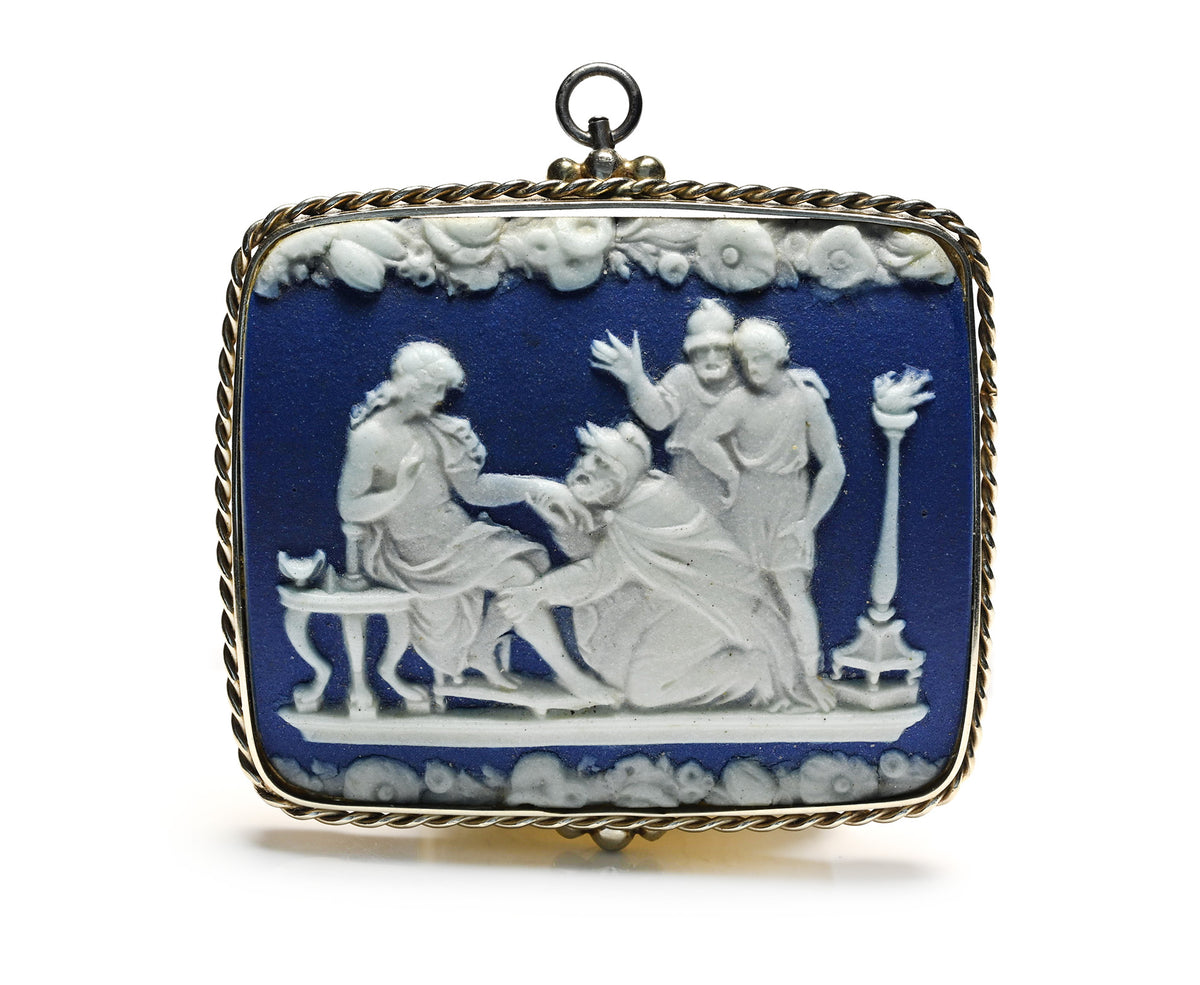
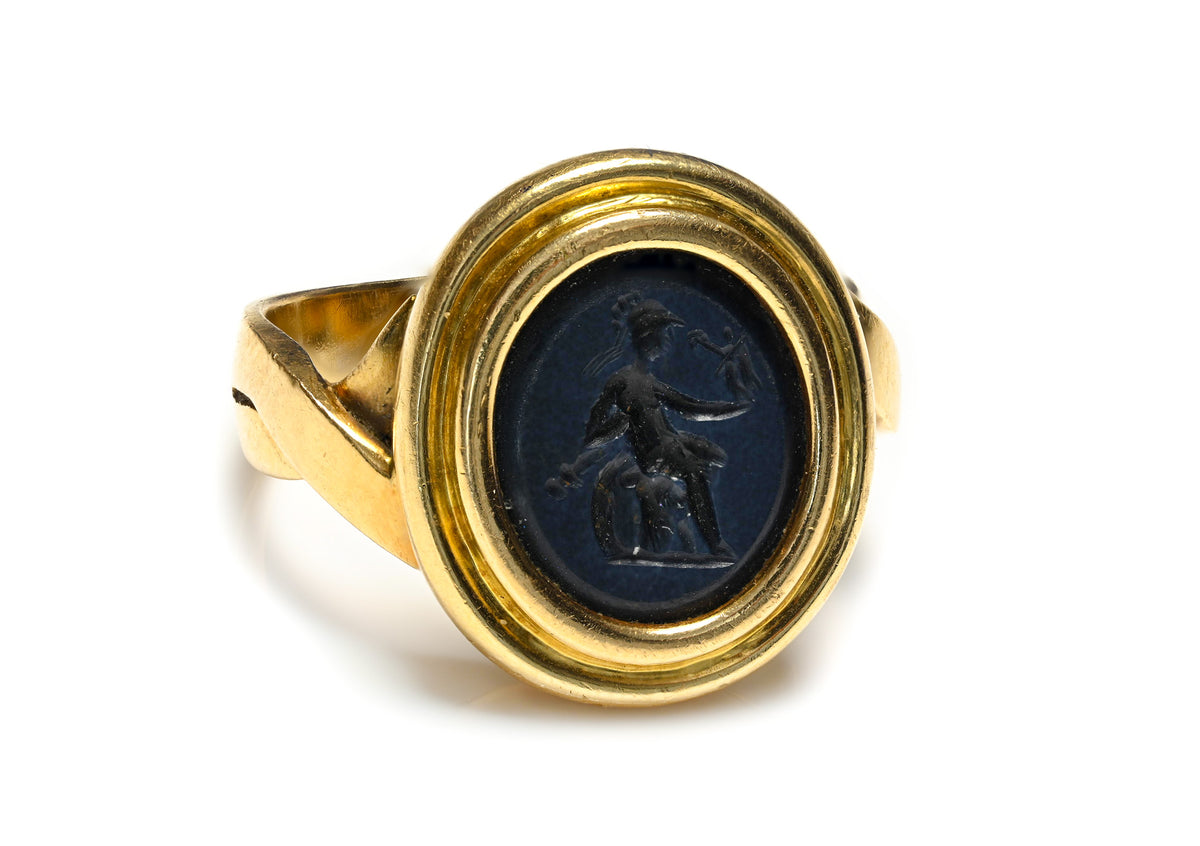
Engraved gemstones generally fall into two principal categories:
-
Intaglio: where the design is cut into the surface of the stone
-
Cameo: where the design is carved in relief, raised above the background
Both techniques require exceptional precision, as the engraver must work within the natural structure of the material. Translucent and moderately hard stones are typically preferred, as very brittle materials are less suitable for detailed carving.

Materials and Artistic Approaches
Cameos are most successfully created from stones that possess natural layers of contrasting color. Materials such as onyx and sardonyx are especially valued for this purpose, as their stratified structure allows the artist to create striking visual contrasts between figure and background. In some cases, stones with multiple layers—light over dark, or even three distinct tones—offer greater artistic possibilities.
The tradition of gemstone engraving was introduced to Western Europe through cultural exchanges with the Eastern Mediterranean, including the work of artisans from Alexandria. During the Middle Ages, engraved stones from classical Greek and Roman periods were highly prized and frequently reused in signet rings worn by nobility.
The fall of Constantinople in the fifteenth century marked an important turning point. Greek artists migrated to Italy, where patrons such as Lorenzo de’ Medici supported the revival of classical engraving techniques.
Among the most celebrated artists of this period was Giovanni Bernardi, known as Giovanni delle Corniole, whose finely carved works in carnelian rivaled those of antiquity. His contemporary, Domenico de’ Cameli, was equally accomplished, producing both intaglios and cameos of remarkable refinement.
Gemstones in Religion and Medieval Thought
As the classical world gave way to the Byzantine and medieval periods, gemstones assumed an increasingly prominent role within religious and symbolic contexts. Relics were housed in richly decorated reliquaries set with gems, bishops wore rings adorned with stones such as amethyst, and imperial crowns were constructed with carefully arranged gemstones that reflected both power and theological symbolism.
During the Middle Ages, gemstones were believed to correspond to planets, months, and zodiac signs. These associations were recorded in lapidaries—manuscripts dedicated to describing stones and their supposed properties—which were widely copied and preserved by scholars and monastic communities.
By the time of Isidore of Seville, gemstones were attributed with a wide range of powers. They were believed not only to enhance beauty or health but also to grant protection, influence, and even prophetic insight. Such beliefs demonstrate how deeply embedded precious stones were in the intellectual and spiritual life of the medieval world.

The Stone Speaks Still
Stone engraving flourished in Germany, France, England, and Rome from the 15th century onward. Modern artists have so skillfully emulated ancient works that distinguishing originals from copies often challenges even experts. While ancient civilizations like the Egyptians were adept engravers, contemporary artisans have matched and sometimes surpassed their achievements.
Notable collections of engraved stones were amassed by Francis I of France and the Duke of Orleans, with many priceless gems preserved in museums across Europe, including Berlin, Vienna, Naples, Florence, Rome, St. Petersburg, Copenhagen, and the British Museum’s Blacas collection.
What do we see when we gaze into a gemstone? Light refracted into eternal rainbows? The memory of ancient fires? A promise of love? A talisman against fate?
Across centuries, these stones have been more than beautiful—they have been meaningful. Their story is the story of human desire, imagination, and belief. As Edwin W. Streeter’s monumental work reminds us, precious stones are not mere geological phenomena. They are fragments of our collective soul—worn, treasured, and passed down through time.
Their journey is not over. In fact, it has only just begun.