
Jewelry Authenticity & Collector Education
A Collector’s Guide to Jewelry Authenticity, Documentation, Condition, and Craftsmanship
At DSF Antique Jewelry, authenticity is central to every piece we offer. This collector education page was created to help buyers understand how fine jewelry may be evaluated before purchase, including antique, vintage, estate, signed designer, contemporary, rare gemstone, and historically important pieces.
This page is intended as an educational resource and explains how DSF Antique Jewelry reviews the pieces it offers. DSF does not provide public authentication services for jewelry owned by outside parties.
Authenticity is never based on one detail alone. A signature, hallmark, gemstone report, period style, appraisal, provenance detail, or brand mark can be important, but each must be considered together with craftsmanship, condition, materials, age, construction, design quality, and overall context. For a broader overview of how DSF reviews each piece, visit our Authenticity Promise.
Whether you are considering a Cartier jewel, a Van Cleef & Arpels bracelet, a Chanel cuff, a Dior necklace, a Hermès bracelet, an Art Deco diamond brooch, a Georgian ring, a contemporary designer piece, an ancient intaglio, or an AGL-certified sapphire, this guide explains the key areas collectors should understand when evaluating fine jewelry.
Why Jewelry Authenticity Matters
Jewelry can carry value through design, materials, maker, rarity, condition, history, gemstone quality, and craftsmanship. Some pieces are important because they are antique. Others are collectible because they are signed by an important house, made in a distinctive period style, set with rare gemstones, or preserved in unusually fine condition.
For DSF, authenticity means presenting each jewel as accurately as possible. A signed designer piece should be evaluated in relation to its maker. An antique jewel should be considered within its period and construction. A contemporary signed jewel should be reviewed for quality, brand identity, materials, and condition. A rare gemstone jewel may require special attention to laboratory documentation, origin, and treatment status.
Collectors may want to ask:
Is the piece antique, vintage, estate, contemporary, or signed designer?
Are the signature, marks, or hallmarks consistent with the piece?
Are gemstones natural, treated, replaced, or accompanied by a report?
Is the condition appropriate for the age and type of jewel?
Has the jewel been repaired, restored, resized, or altered?
Does the craftsmanship support the stated period, maker, or design category?
DSF brings together antique jewelry, vintage jewelry, signed designer jewelry, rare gemstone jewelry, luxury watches, rare objects, and selected fine jewelry. For additional educational resources, visit the DSF Collector’s Library.
Signed Designer Jewelry
Signed designer jewelry requires careful review because value may depend not only on gold, diamonds, gemstones, or design, but also on authorship. A jewel signed Cartier, Van Cleef & Arpels, Tiffany & Co., Bulgari, Boucheron, Chanel, Dior, Hermès, or another important house should be considered as both a jewel and a signed object.
Important details may include the style of the signature, placement of the mark, metal purity marks, serial numbers, workshop marks, construction quality, design language, finishing, and whether the piece is consistent with the maker’s known standards.
A signature alone is not enough. The entire jewel should support the attribution.
Collectors can browse DSF’s Signed Designer Jewelry by Brand or read more in our article Why Signed Designer Jewelry Is So Collectible.
Hallmarks, Maker Marks, and Metal Marks
Hallmarks and maker marks can provide valuable clues about a jewel. They may indicate metal purity, country of origin, assay office, workshop, maker, import mark, or period. On signed designer jewelry, marks may also help support the identity and production context of a piece.
However, hallmarks should not be judged alone. A mark must be considered together with the metalwork, construction, stones, design, condition, and overall quality. A correct-looking mark on an inconsistent piece should be reviewed carefully.
For more information, visit DSF’s Jewelry Hallmarks Guide and our Hallmarks Education section.
Gemstone Reports and Jewelry Documentation
Documentation can be especially important for rare gemstones, natural pearls, important diamonds, signed designer jewelry, watches, and historically meaningful pieces. A jewel may be accompanied by a gemstone report, appraisal, original box, certificate, receipt, archival material, or other supporting paperwork.
At DSF, documentation is noted in the product description when available. Not every jewel requires a laboratory report, but reports can be valuable when gemstone identity, origin, treatment status, or natural formation is important.
Documentation may be especially meaningful for:
Natural unheated sapphires
Kashmir sapphires
Burmese rubies
Colombian emeralds
Natural pearls
Important diamonds
Signed designer jewelry
Rare ancient or historical objects
For a dedicated explanation of reports and supporting paperwork, visit Gemstone Reports & Jewelry Documentation.
Collectors interested in important gemstones may also read Important Rare Gemstone Jewelry for Collectors.
Condition, Wear, and Transparency
Condition is one of the most important parts of evaluating jewelry. A jewel may be antique, vintage, estate, or contemporary, but condition still affects beauty, wearability, and long-term collector appeal.
Antique and vintage pieces may show age-appropriate signs of wear. Signed designer and contemporary pieces may be judged differently, especially when the surface finish, clasp, enamel, links, stones, or original form are important to the design.
Collectors should pay attention to:
Stone security
Prongs, bezels, hinges, clasps, and pin mechanisms
Evidence of resizing or alteration
Quality of previous repairs
Surface wear, polishing, engraving, and finish
Presence of original stones or replacement stones
Condition of enamel, pearls, delicate settings, or moving parts
DSF aims to disclose meaningful condition details clearly. Unless otherwise noted, pieces are selected for quality, beauty, condition, rarity, and collector appeal.
Antique, Vintage, Estate, and Contemporary Jewelry
The terms antique, vintage, estate, and contemporary are often used together, but they are not the same.
Antique jewelry generally refers to jewelry that is 100 years old or older.
Vintage jewelry usually refers to older jewelry from a previous era, but not necessarily 100 years old.
Estate jewelry simply means previously owned jewelry. It may be antique, vintage, or modern.
Contemporary jewelry refers to more recent jewelry, including modern signed designer pieces, high jewelry, and collectible works by important brands or makers.
DSF’s inventory includes all of these categories. Some pieces are valued for age and history, while others are valued for design, brand, rarity, gemstone quality, craftsmanship, or condition.
To explore a broad selection, visit The DSF Collection or browse New Arrivals.
Period Jewelry and Design Context
Period jewelry should be evaluated within the style and construction methods of its era. Georgian, Victorian, Edwardian, Art Nouveau, Art Deco, Retro, Mid-Century, and later designer jewelry each have their own materials, proportions, motifs, and techniques.
For example, Georgian jewelry may include hand fabrication, closed-back settings, foil-backed stones, high-karat gold, or silver-topped gold. Art Deco jewelry often features platinum, diamonds, geometric form, calibré-cut gemstones, and architectural design. Mid-century and later designer jewelry may emphasize sculptural gold, bold color, texture, or strong brand identity.
Understanding design context helps collectors recognize whether a jewel feels consistent with its stated period, maker, or style.
Collectors interested in period jewelry can explore DSF’s Antique Jewelry Collection and read the Art Deco Jewelry Guide.
Diamonds, Gemstones, and Materials
Materials matter, but they should always be considered together with design and craftsmanship. A diamond jewel may be important because of stone quality, period cutting style, mounting, maker, rarity, or scale. A colored gemstone jewel may be especially collectible if the stone has desirable origin, natural color, fine quality, or no evidence of heat treatment.
Gold, platinum, silver, enamel, natural pearls, jade, coral, lapis, turquoise, rock crystal, and other materials may also contribute to the identity and appeal of a piece.
Collectors can browse DSF’s Diamond Jewelry collection for antique, vintage, estate, and signed diamond pieces.
Ancient Jewelry and Rare Objects
Some collectible pieces fall outside standard jewelry categories. Ancient rings, intaglios, seals, amulets, coin jewelry, historical objects, and later-mounted ancient materials require careful description and context.
A piece may be entirely ancient, partially ancient, later-mounted, revival-style, or a modern jewel incorporating ancient material. These distinctions matter. Surface wear, carving style, patina, mounting, material, and scholarly or specialist review may all be relevant.
DSF’s Ancient Jewelry and Rare Objects collection includes ancient rings, pendants, stones, intaglios, amulets, coin jewelry, Pre-Columbian pieces, and rare historical objects selected for beauty, craftsmanship, and collector appeal.
How DSF Reviews the Pieces It Offers
DSF Antique Jewelry reviews each piece through a combination of experience, research, close examination, condition assessment, gemological review when appropriate, and attention to maker, period, materials, and craftsmanship.
Depending on the piece, DSF may consider:
Design and construction
Maker signatures and hallmarks
Metal marks and material quality
Gemstones and setting style
Condition and wearability
Documentation and reports
Period, brand, or historical context
Rarity and collector appeal
Our goal is to present each jewel with clarity and accuracy so collectors can purchase with confidence.
For item-specific questions, clients may request additional photos, videos, measurements, hallmark images, gemstone report details, or condition information. To arrange a private viewing or ask about a specific piece, visit Private Consultation or Contact Us.
Frequently Asked Questions
Does DSF authenticate jewelry for the public?
No. This page is intended for collector education and explains how DSF Antique Jewelry evaluates the pieces it offers. DSF does not provide public authentication services for jewelry owned by outside parties.
What types of jewelry does DSF offer?
DSF offers antique, vintage, estate, signed designer, contemporary, rare gemstone, luxury watch, rare object, and selected fine jewelry categories. Inventory changes regularly and may include pieces by Cartier, Van Cleef & Arpels, Tiffany & Co., Bulgari, Boucheron, Chanel, Dior, Hermès, and other important makers.
Is signed designer jewelry always more collectible?
Signed designer jewelry can be highly collectible, but value depends on authenticity, condition, rarity, design, materials, period, craftsmanship, and market demand. The signature should be supported by the entire jewel.
Do all fine jewelry pieces need gemstone reports?
No. Not every jewel needs a gemstone report. Reports are most useful for rare, valuable, or highly collectible stones such as Kashmir sapphires, Burmese rubies, Colombian emeralds, natural pearls, and important diamonds.
What is the difference between antique and vintage jewelry?
Antique jewelry is generally 100 years old or older. Vintage jewelry is older jewelry from a previous era but not necessarily 100 years old. Estate jewelry means previously owned and may be antique, vintage, or modern.
Can antique or vintage rings be resized?
Many rings can be resized, but it depends on the design, gemstone setting, engraving, construction, and condition. Some rings require special care to preserve original details.
What should I ask before buying fine jewelry online?
Ask about condition, measurements, gemstone details, maker marks, hallmarks, documentation, resizing options, repairs, alterations, shipping, returns, and whether additional images or videos are available.
DSF Antique Jewelry is a proud member of Jewelers of America and supports its commitment to professional standards, ethical business practices, and consumer confidence.
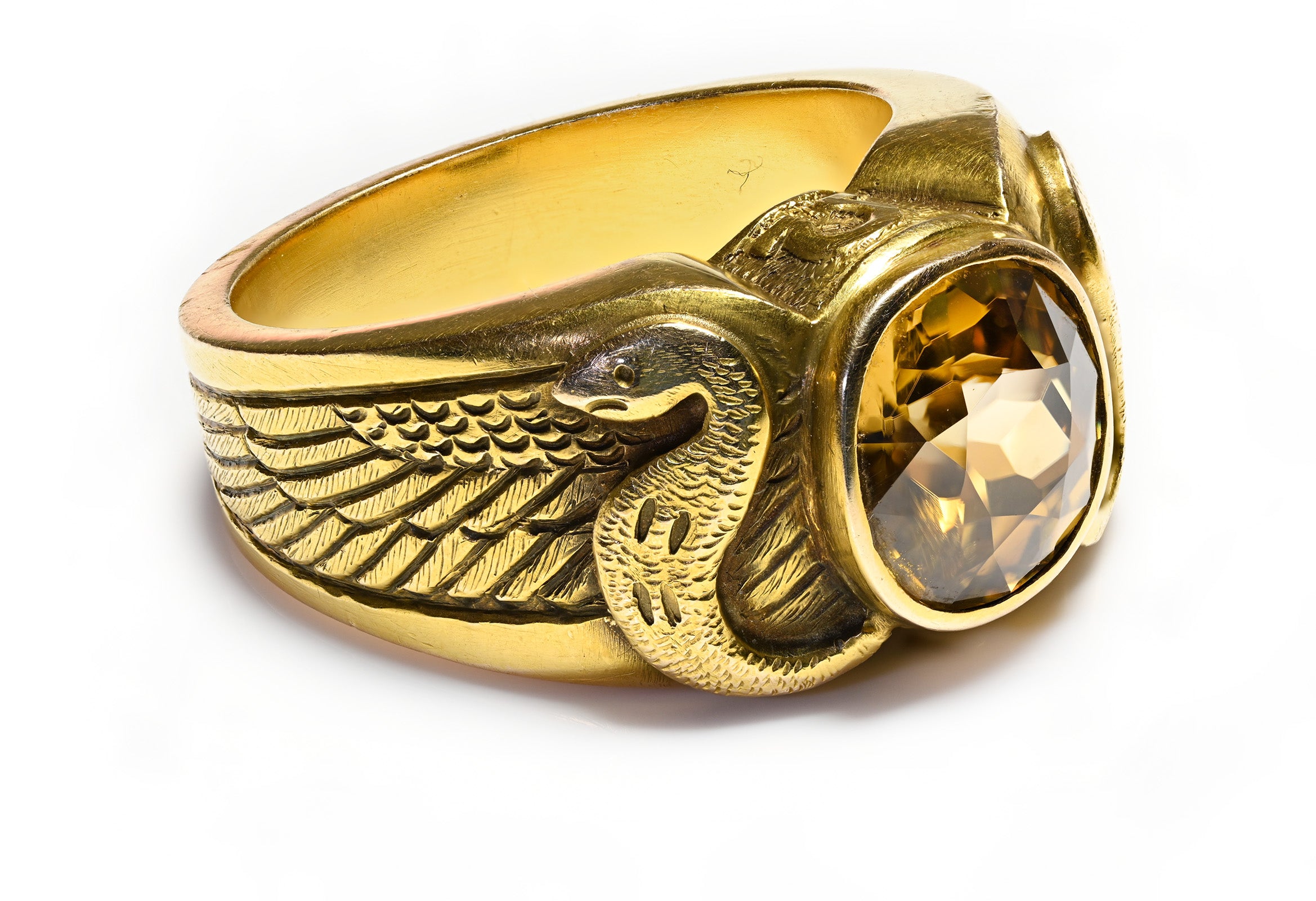
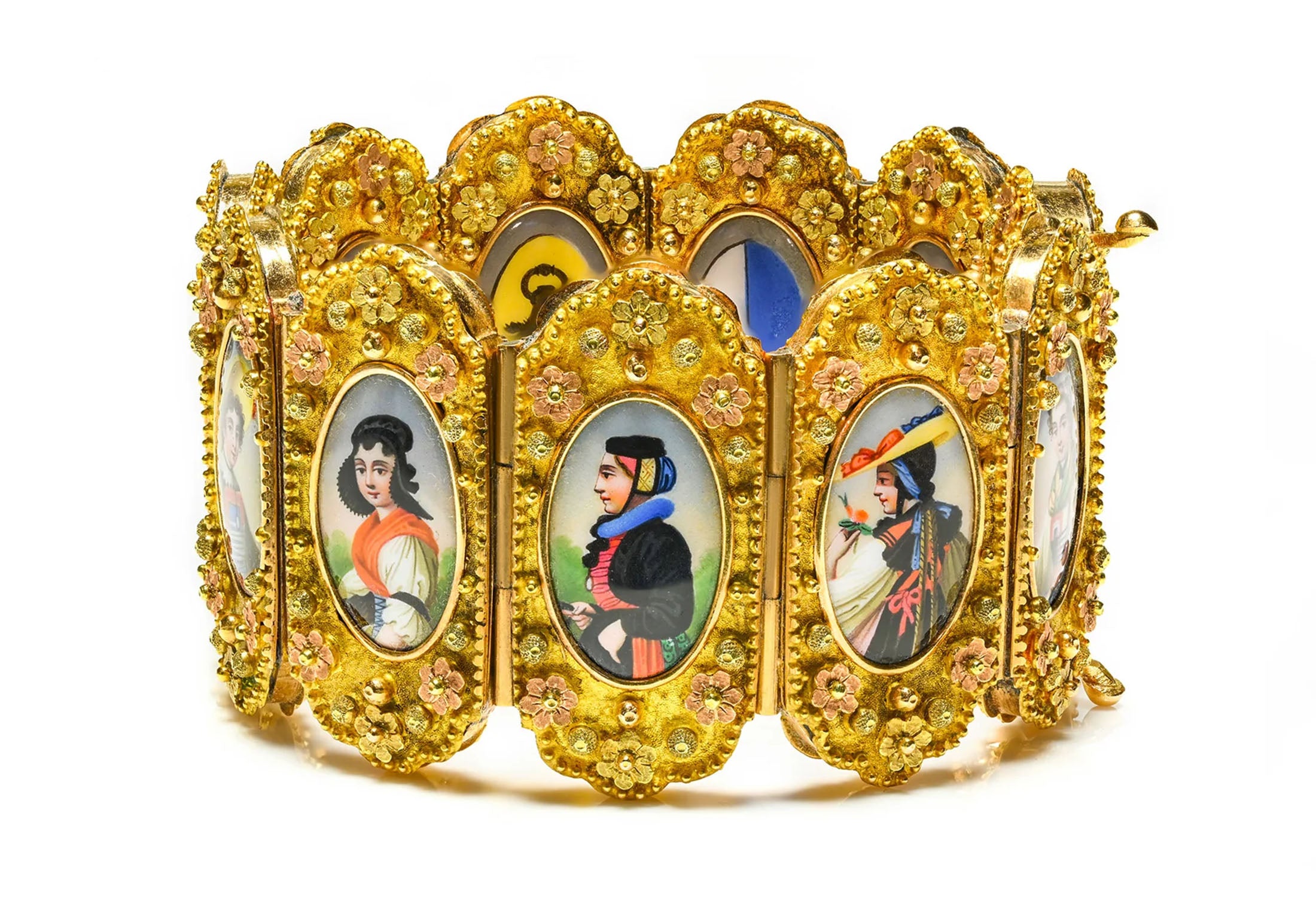
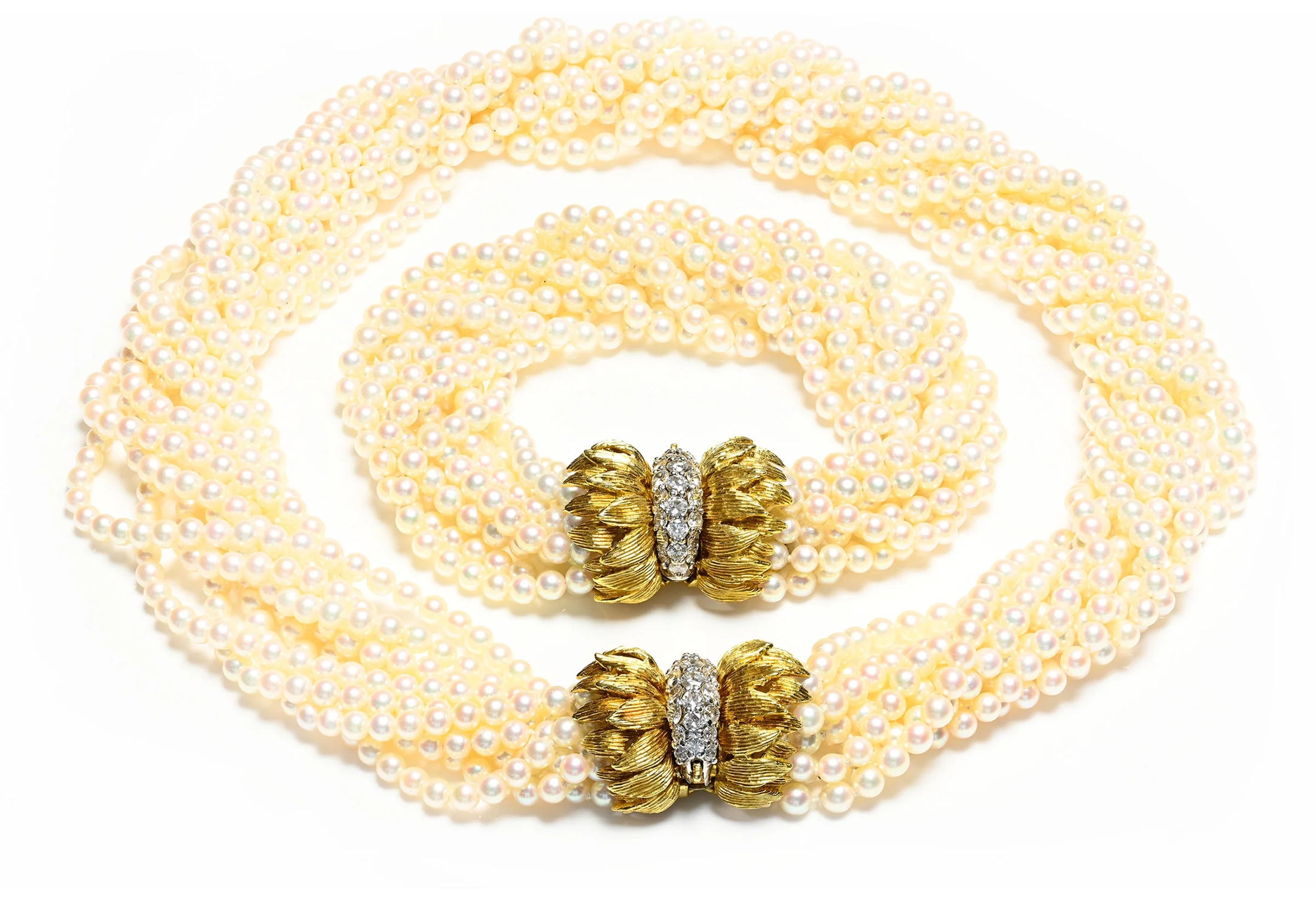
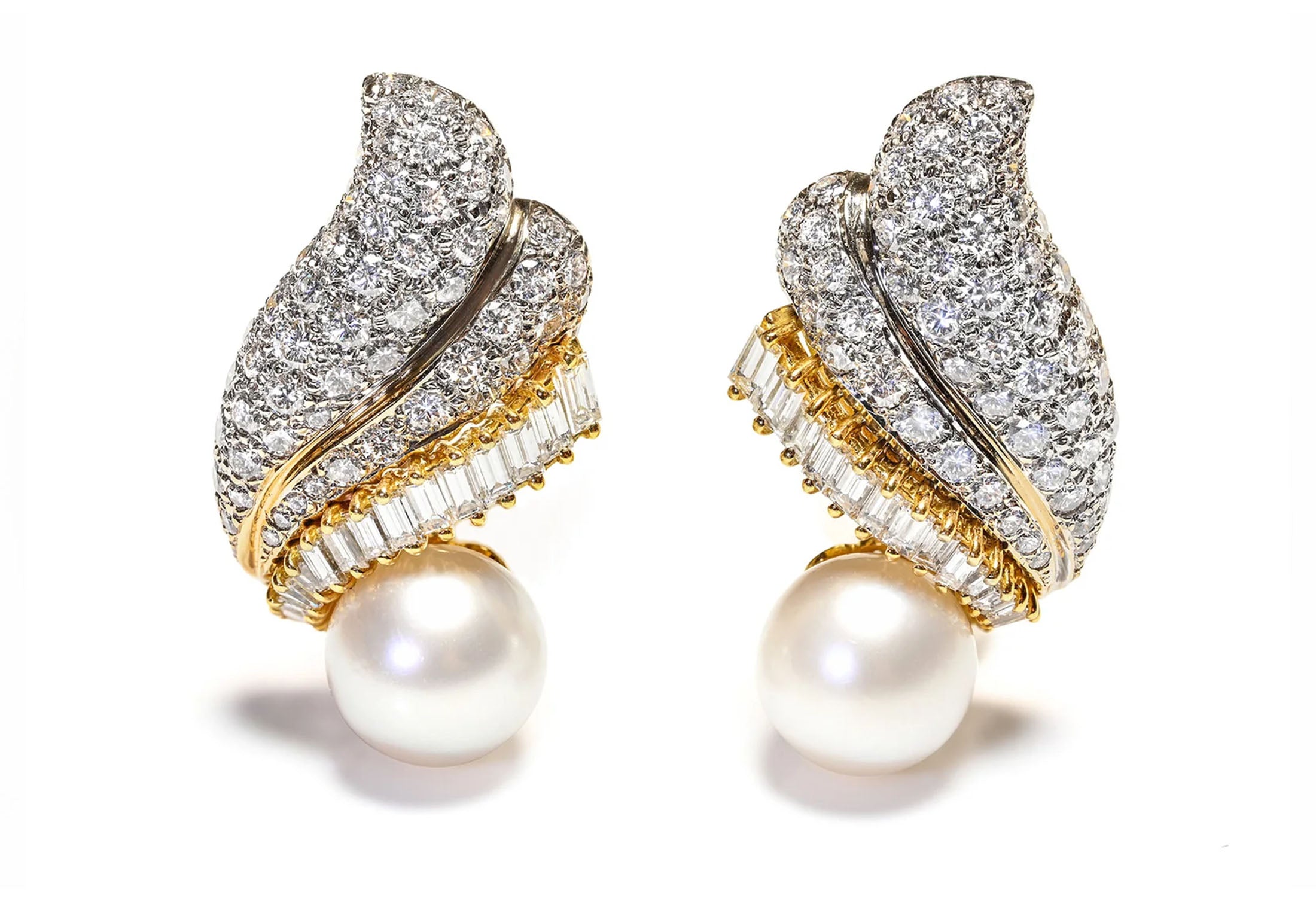
SHOP OUR Recent Acquisitions
Since its founding, DSF Antique Jewelry has curated and handled millions of dollars’ worth of high jewelry, offering our discerning clientele access to some of the world's rarest and most exquisite treasures. Our deep expertise and unwavering commitment to authenticity have earned us a reputation as a trusted authority in fine jewelry. Every piece we present, and every transaction we complete, is a reflection of our passion for quality, ensuring that each jewel we handle embodies a legacy of beauty and value that transcends time.
Proud Member of Respected Jewelry Industry Organizations
These memberships reflect DSF Antique Jewelry’s commitment to integrity, education, and responsible practices within the jewelry trade.


