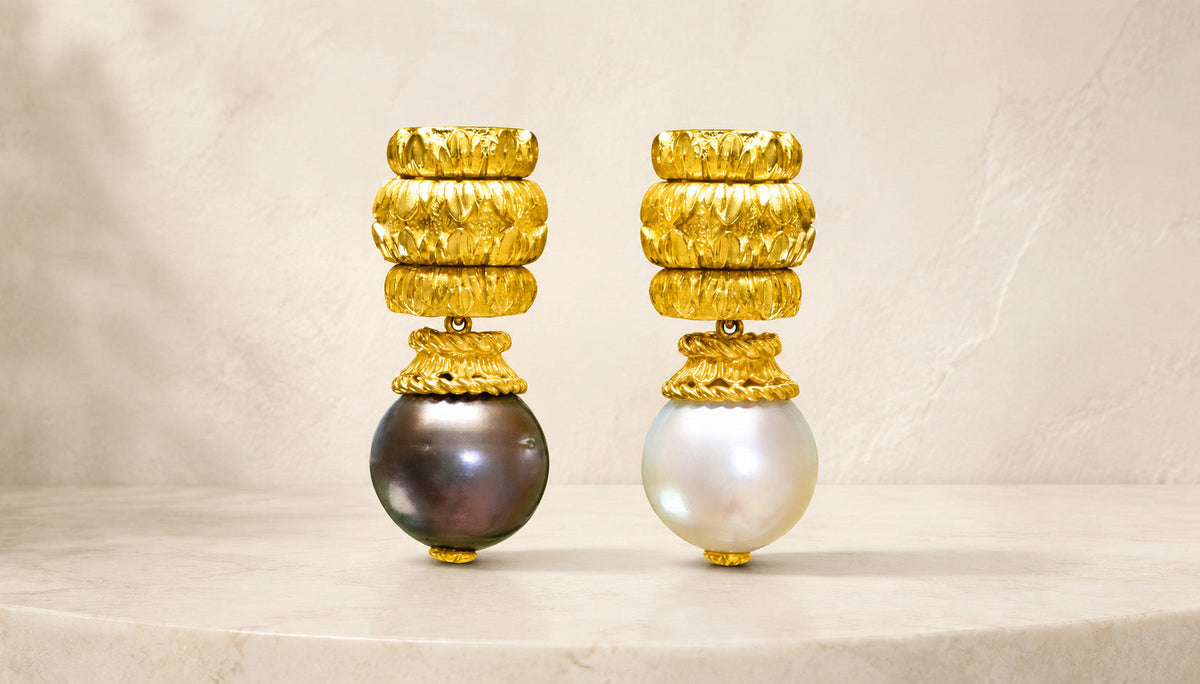
Why David Webb Jewelry Continues to Attract Collectors
David Webb jewelry continues to occupy a distinctive position in American design. Recognizable for sculptural gold, expressive animals, vivid enamel, richly colored materials, and confident proportions, the house developed a visual language that remains unmistakable decades after many of its most celebrated designs were created.
Fresh attention surrounding a current 2026 New York exhibition devoted to David Webb reflects the continuing cultural relevance of his work. The exhibition, on view through August 23, brings together jewelry and archival material examining Webb’s contribution to American design. Yet collector interest in David Webb is not based on one temporary event. It is supported by the originality, craftsmanship, and strong identity that distinguish his jewelry in both private collections and the wider estate-jewelry market.
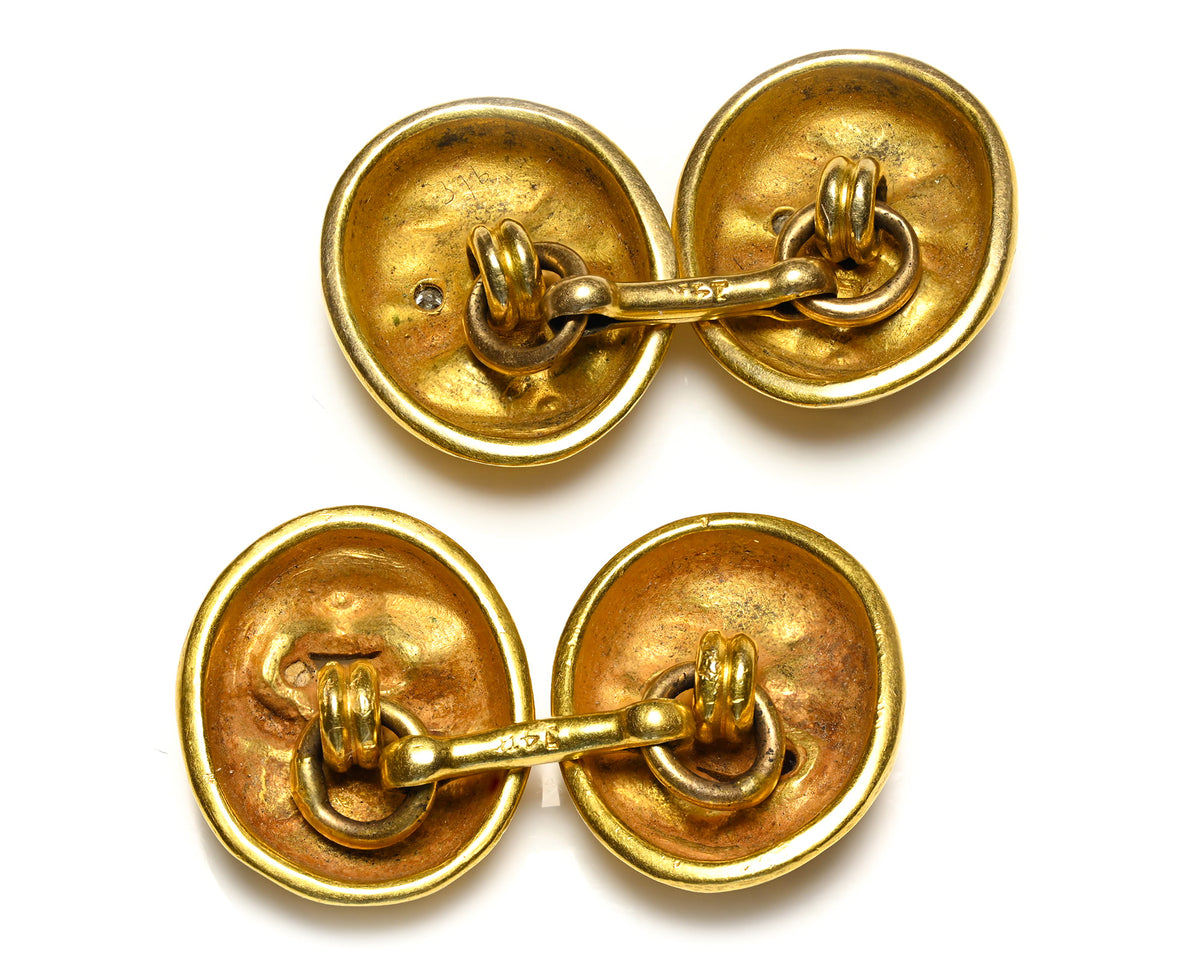
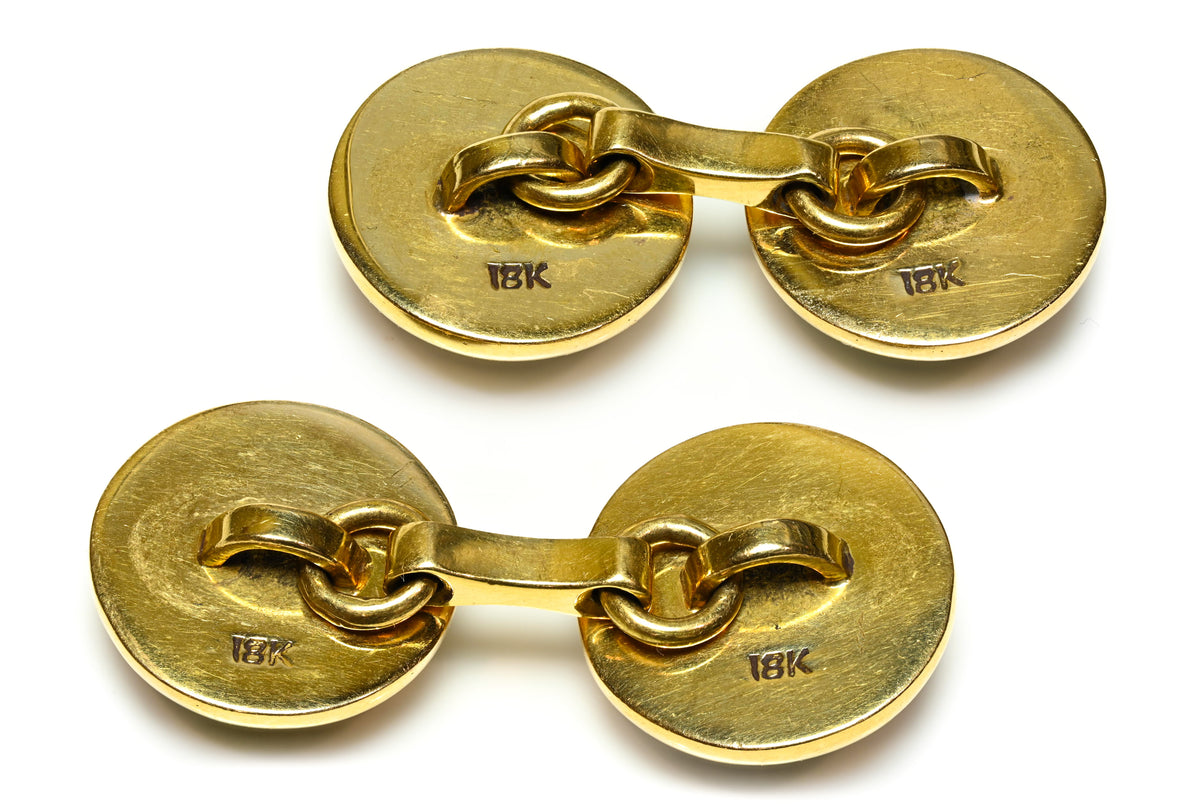
At DSF Antique Jewelry, David Webb represents an important part of a broader selection of signed designer jewelry. The David Webb collection at DSF Antique Jewelry includes rings, earrings, brooches, cufflinks, belt buckles, bracelets, and other pieces demonstrating the range of his design vocabulary.
An American Voice in Fine Jewelry
Born in Asheville, North Carolina, David Webb moved to New York as a young man and founded his company in 1948. At a time when European houses remained dominant in the international luxury market, Webb developed an approach closely connected to the confidence and cultural energy of postwar New York.
His sources were remarkably diverse. Ancient goldwork, classical sculpture, Asian jade, Art Deco geometry, modern architecture, animals, plants, ropes, shells, and decorative objects all became part of his visual library. Rather than reproducing historic styles, Webb reinterpreted them through bold proportions and modern construction.
This ability to transform historical and natural references into unmistakably contemporary jewelry became central to his success. Readers interested in the designer’s background can explore DSF’s earlier feature, David Webb: The Art of Fine Handmade Jewelry.
What Makes David Webb Jewelry Recognizable?
The strongest jewelry houses develop a design language that can often be identified before the signature is examined. David Webb achieved this through a combination of sculptural form, substantial materials, surface texture, color, movement, and imagination.
His jewelry rarely disappears into an outfit. Even relatively simple gold pieces often possess strong volume and architectural presence. Rings rise prominently from the hand, earrings frame the face with dimensional forms, and cuffs or bracelets frequently use broad surfaces that make gold, enamel, gemstones, and hardstones central to the design.
Several elements appear repeatedly throughout David Webb jewelry:
• Sculptural and dimensional construction
• Hand-hammered and textured gold
• Animal and nature-inspired motifs
• Black, white, and brightly colored enamel
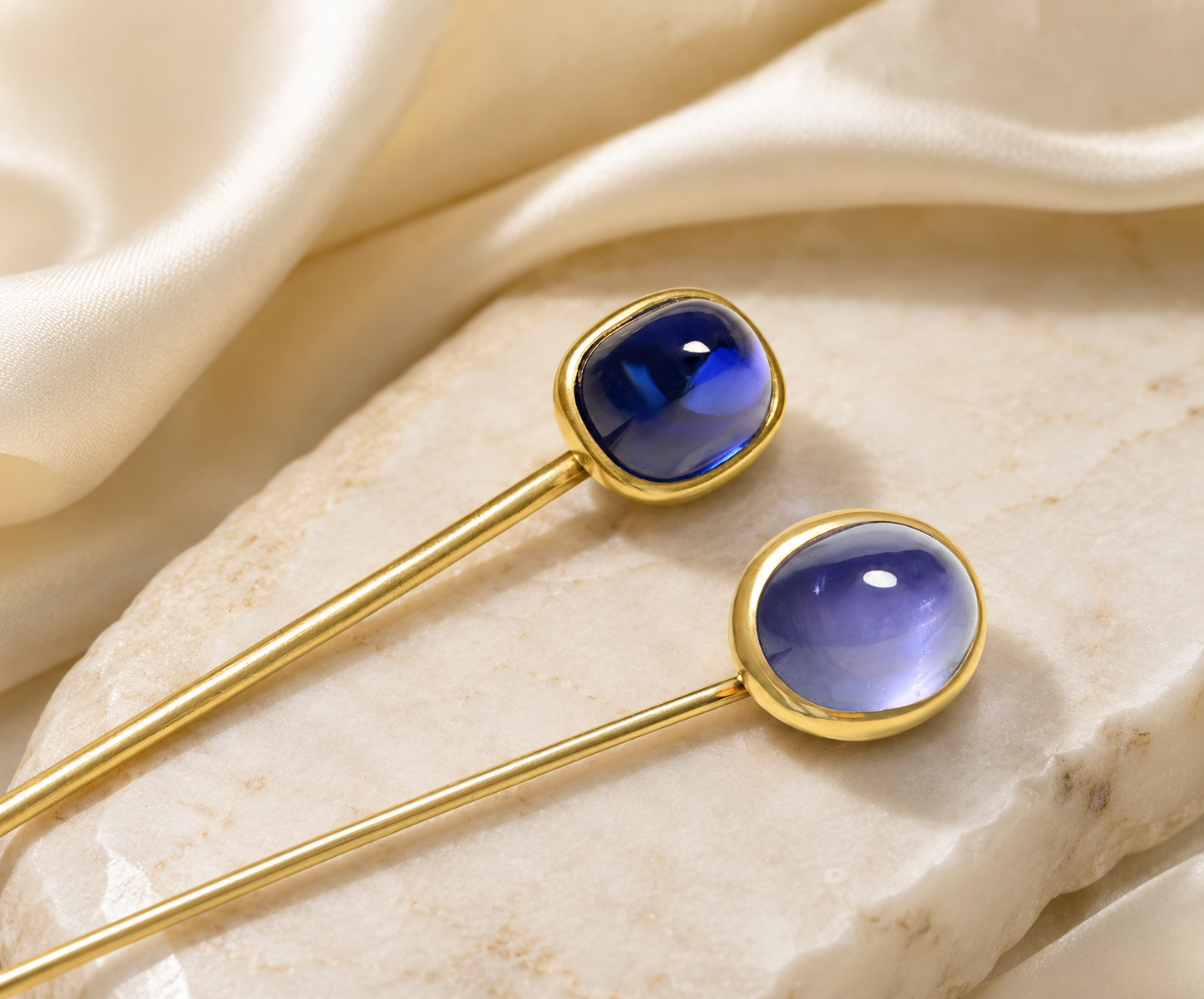
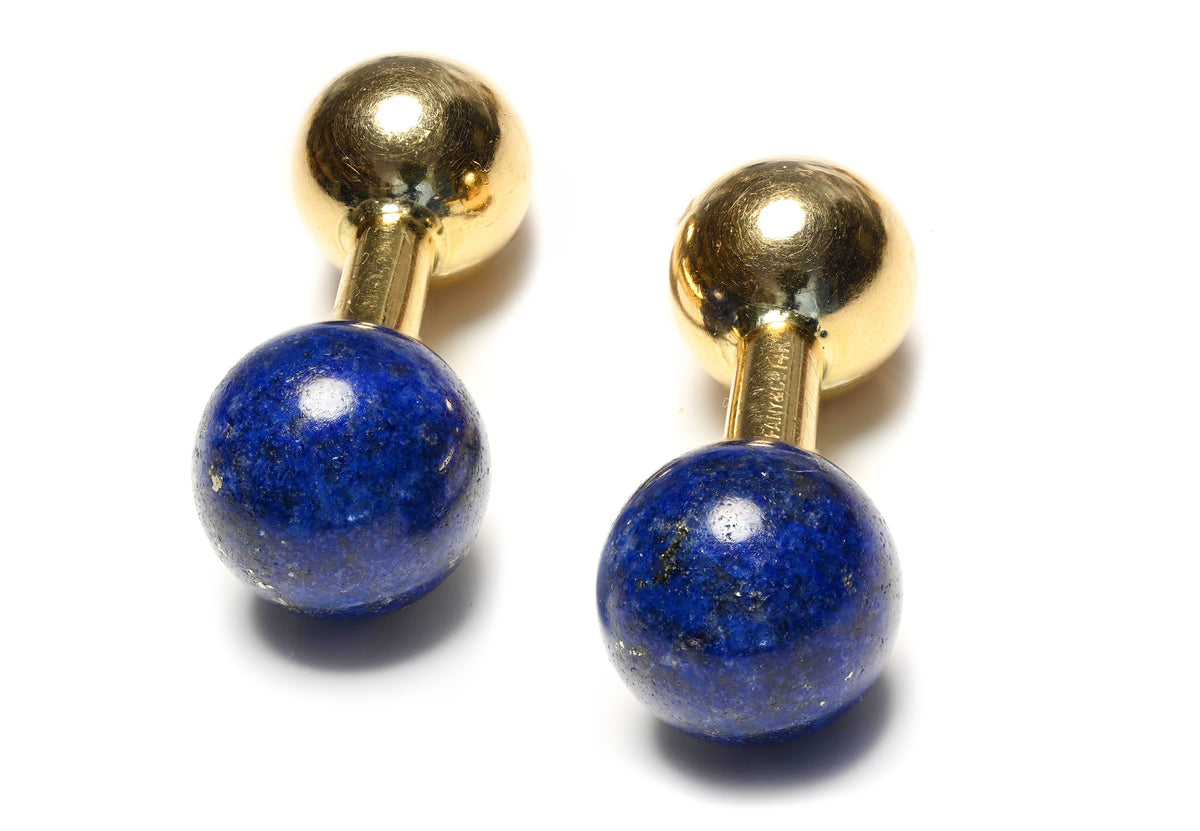
• Coral, lapis lazuli, jade, turquoise, rock crystal, and other distinctive materials
• Cabochon gemstones and bold color combinations
• Convertible and multifunctional designs
• A balance of sophistication, strength, and humor
Not every David Webb piece contains all these characteristics. Some designs are restrained and geometric, while others are exuberant and immediately theatrical. What connects them is an assurance of proportion and a willingness to treat jewelry as a form of wearable art.
Animal Jewelry with Character and Movement
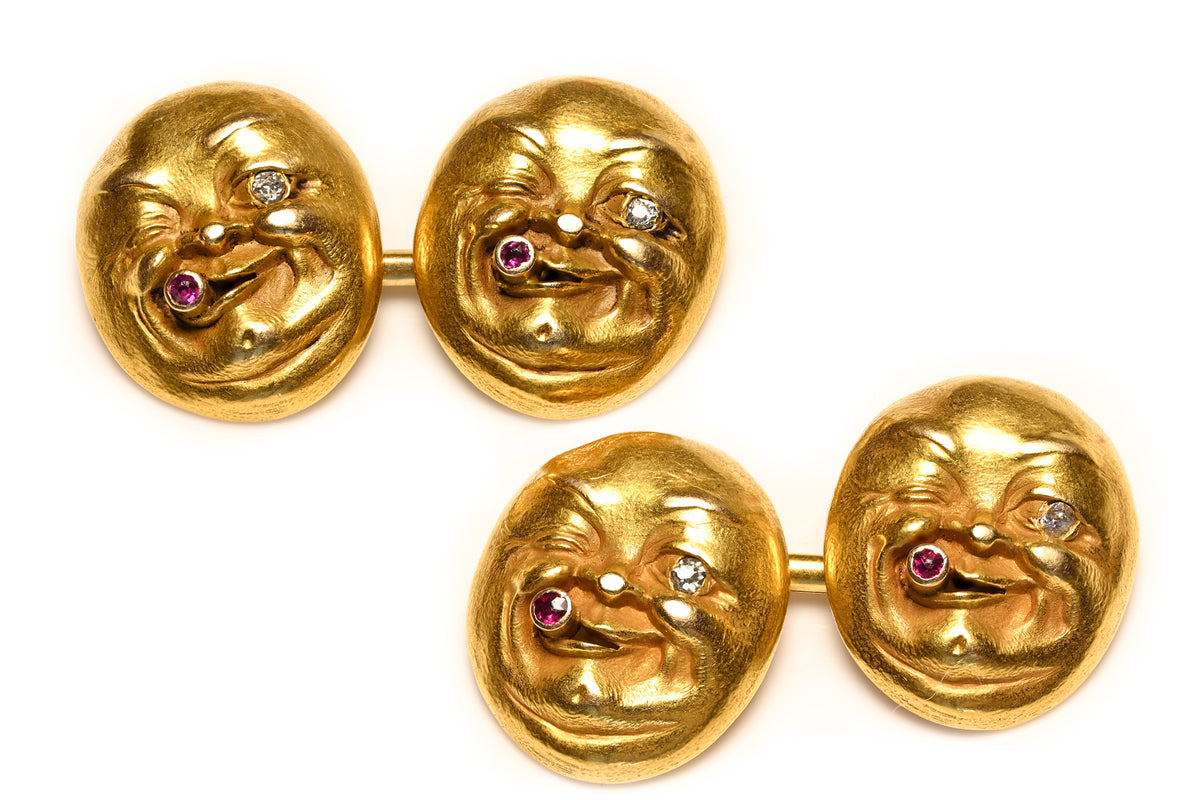
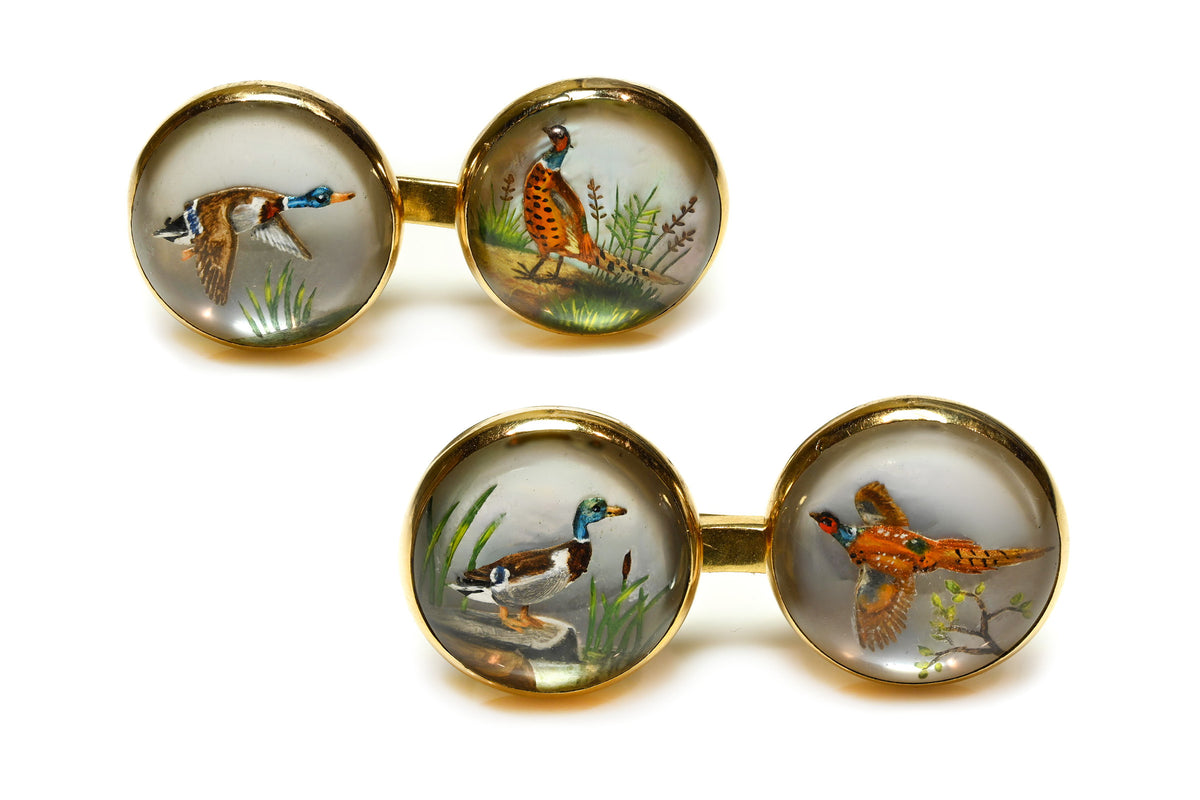
Animal jewelry is among David Webb’s most recognizable contributions to twentieth-century design. Zebras, lions, elephants, frogs, snakes, monkeys, rams, tigers, and mythical creatures appeared across bracelets, brooches, rings, cufflinks, buckles, and decorative accessories.
These animals were not treated as simple illustrations. Webb gave them volume, expression, movement, and personality. Enamel markings, cabochon eyes, articulated components, textured gold, and carefully modeled forms transformed each creature into a miniature sculpture.
The David Webb ruby and enamel frog brooch at DSF Antique Jewelry illustrates this combination of playfulness and technical detail. Its white enamel body is decorated with raised gold spots, while ruby cabochons form the eyes. The limbs are designed to move, giving the brooch a sense of animation that distinguishes it from a static animal motif.
Webb’s fascination with animals also extended to unexpected accessories. The David Webb ram-head 18K gold belt buckle transforms a functional object into a substantial sculptural design. The modeled head, curved horns, textured surface, and significant gold weight reflect the same artistic ambition found in his better-known bracelets and brooches.
The Importance of Hammered Gold
Hammered gold became another defining feature of David Webb jewelry. Instead of treating gold merely as a setting for gemstones, Webb emphasized the visual and tactile qualities of the metal itself.
A hammered surface catches light differently from highly polished gold. Its irregular texture creates depth, softens reflections, and reveals evidence of hand-finishing. When applied to broad or sculptural forms, the technique gives the jewelry a substantial yet organic appearance.
The vintage David Webb hammered 18K gold earrings demonstrate how effective this approach can be. Their strong silhouettes and richly textured surfaces create presence without requiring colored gemstones or elaborate ornamentation. Signed by David Webb, the earrings reflect the house’s ability to make gold itself the principal artistic material.
For collectors, hammered gold pieces can be especially appealing because the technique is so closely associated with Webb’s design identity. Condition remains important, however, and the original surface should be distinguished from later wear, polishing, or alteration.
Color, Enamel, and Unexpected Materials
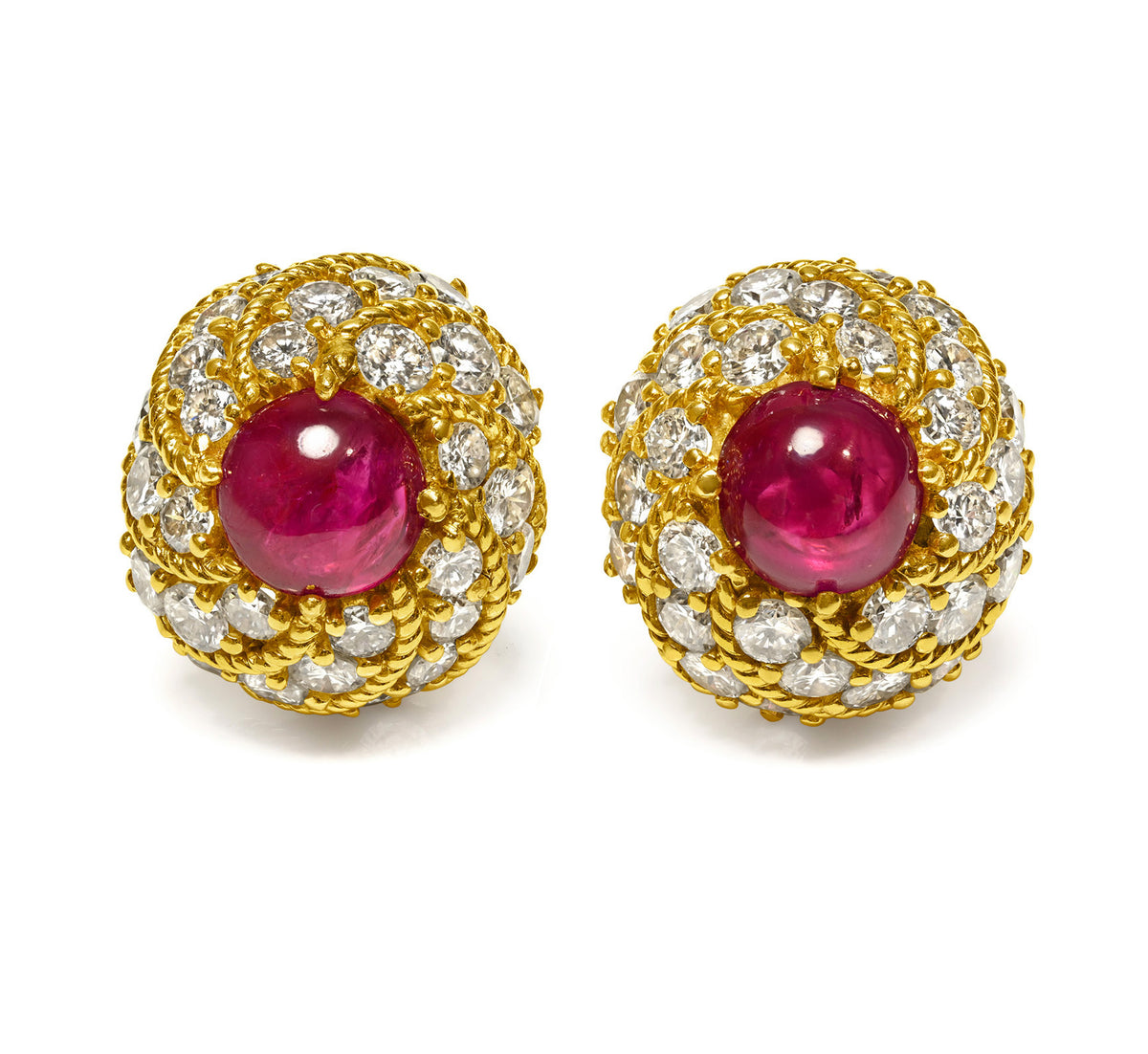
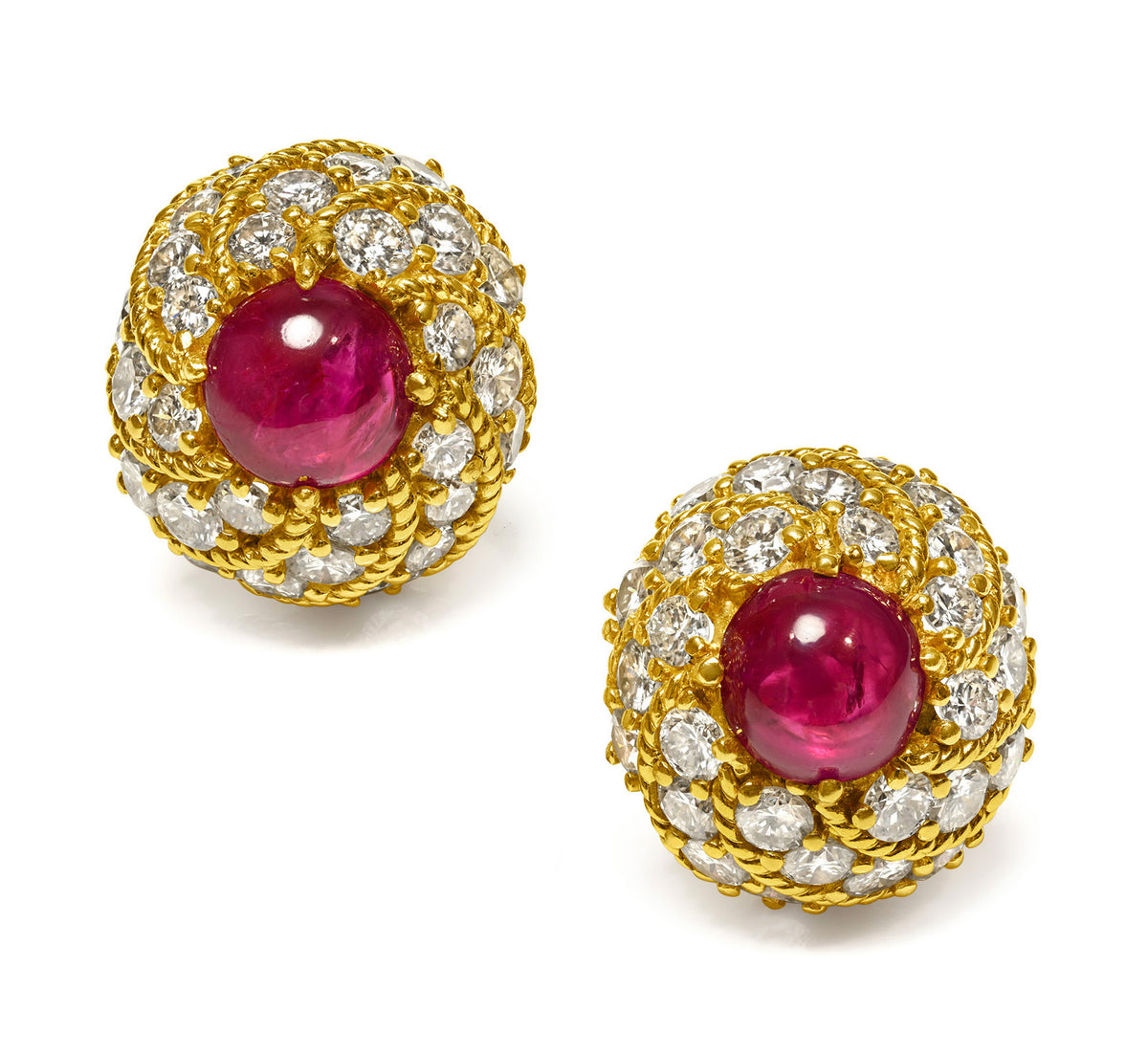
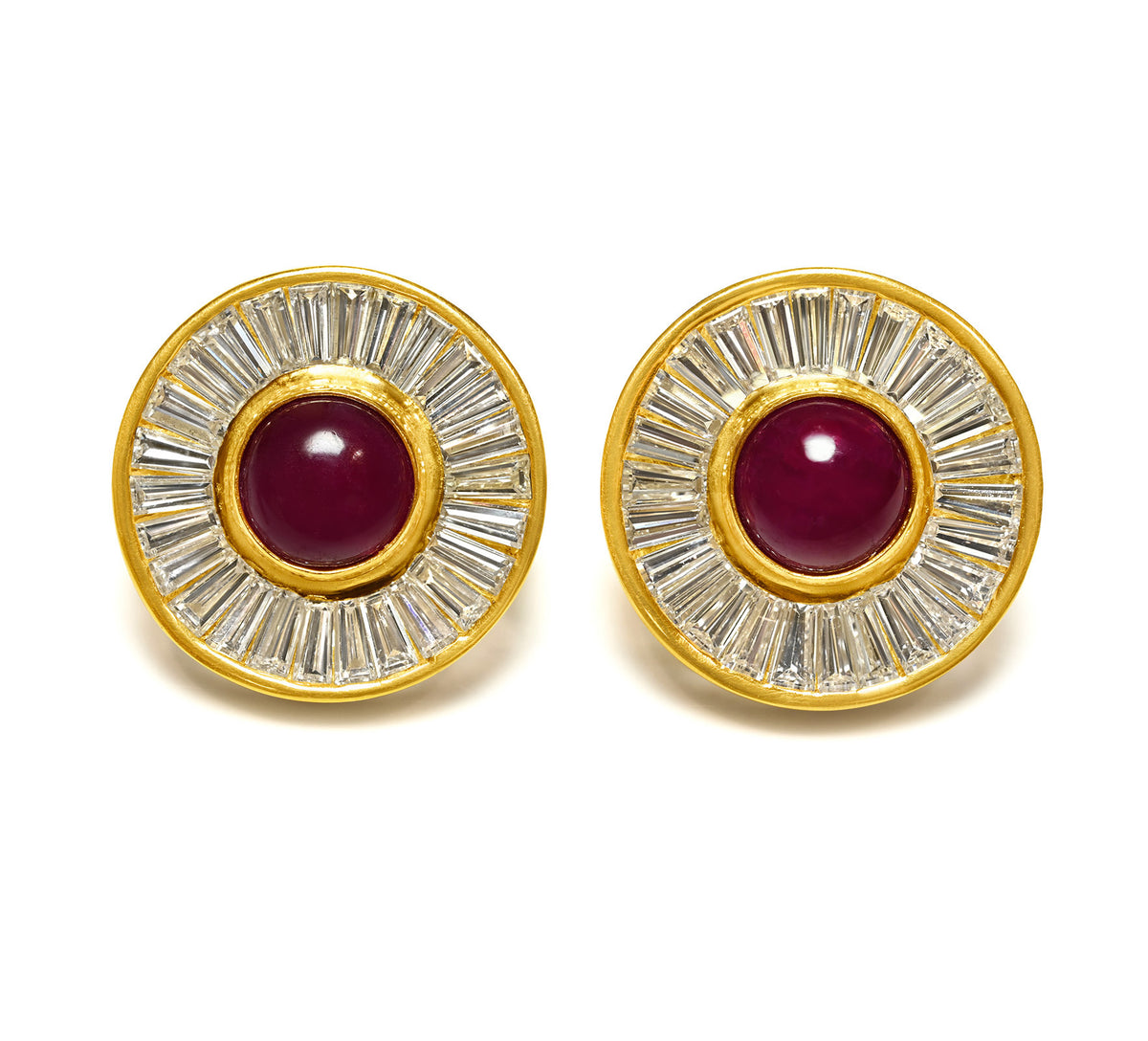
Color allowed David Webb to move beyond conventional combinations of diamonds and polished gold. Coral, jade, lapis lazuli, turquoise, rock crystal, enamel, pearls, rubies, sapphires, and emeralds frequently appear in his work.
These materials were selected not only for intrinsic value but also for visual impact. Smooth coral can contrast with textured gold; cool lapis can intensify the warmth of yellow metal; black or white enamel can introduce graphic precision; and cabochon gemstones can provide depth without interrupting the sculptural form.
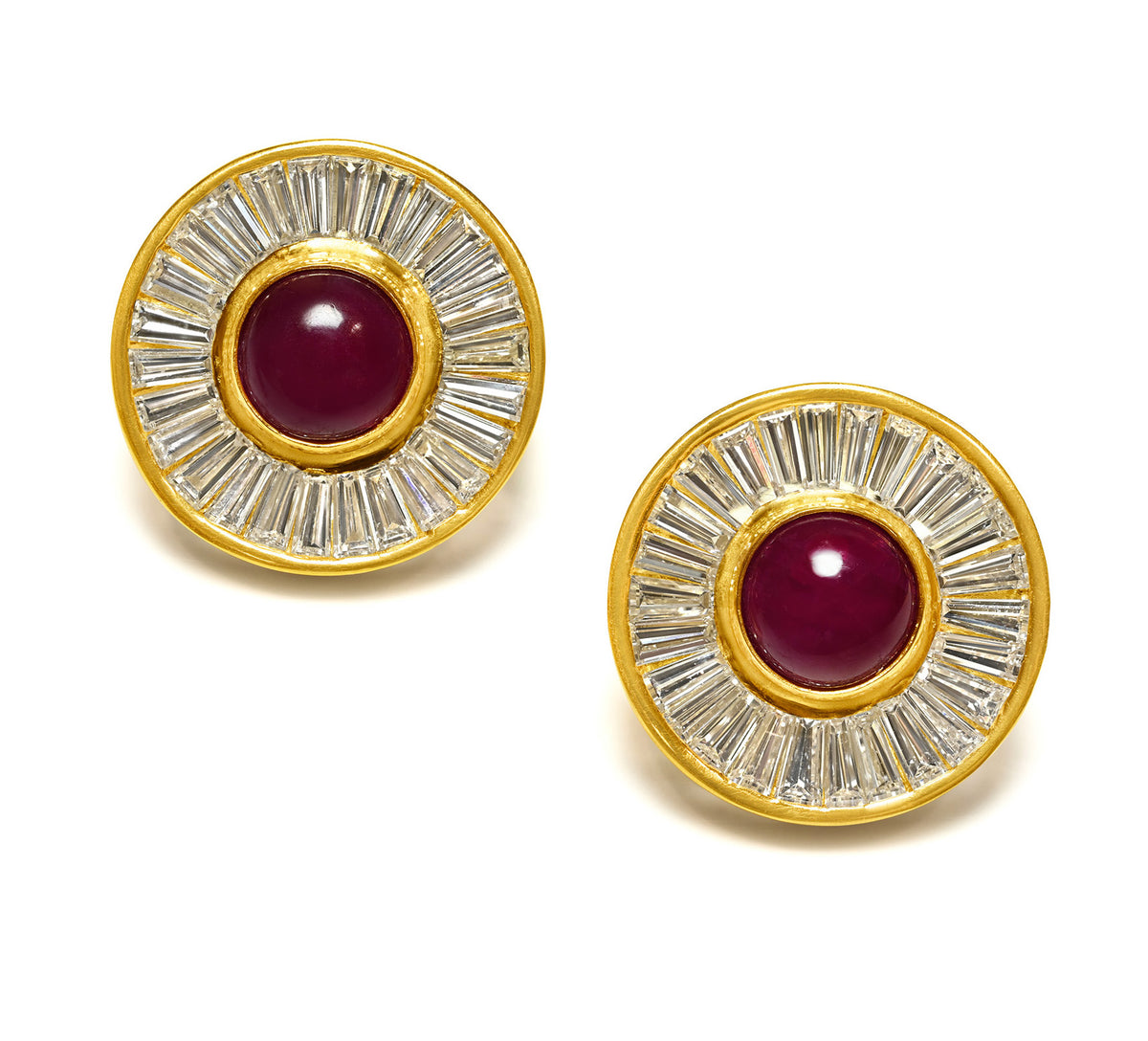
The David Webb coral, diamond, and enamel ring brings several of these characteristics together. Its coral centerpiece, diamond accents, enamel detailing, and 18K yellow gold mounting create a composition based on color, texture, and volume. The result is recognizably luxurious but also highly individual.
Because some organic and natural materials require special care, buyers should examine their condition closely. Coral, enamel, jade, rock crystal, and other materials may react differently to age, wear, cleaning, heat, or impact. A well-preserved example can therefore hold particular interest.
Convertible Jewelry and Versatile Design
David Webb understood that important jewelry could be bold while remaining wearable. Convertible designs allowed clients to adapt a piece for different occasions without compromising its artistic character.
The David Webb gold, platinum, and diamond pendant-brooch reflects this versatility. It can function as either a pendant or a brooch, offering different ways to position the same sculptural design. The combination of 18K yellow gold, platinum, and diamonds also demonstrates Webb’s ability to balance contrasting metals and surfaces.
Convertible construction can add another level of interest for collectors, but it should be examined carefully. Clasps, pendant fittings, hinges, and removable elements should operate correctly and remain consistent with the original design.
David Webb Jewelry at DSF Antique Jewelry
DSF Antique Jewelry’s David Webb selection spans multiple categories and styles. It includes sculptural gold, colorful enamel, animal motifs, pearl jewelry, diamond pieces, cocktail rings, cufflinks, brooches, earrings, and an especially notable group of signed gold belt buckles.
This breadth is important because David Webb should not be understood through one famous zebra bracelet or one period of production. His work ranges from exuberant animals to architectural diamond jewelry, substantial hammered gold, colorful hardstone designs, and sophisticated men’s accessories.
The DSF selection changes as pieces are acquired and placed with clients. This allows future David Webb discoveries to be added without presenting the collection as a fixed historical display. Each piece is evaluated individually for its signature, construction, materials, design, condition, and consistency with the standards associated with the house.
What Should Buyers Consider?
When evaluating signed David Webb jewelry, the signature is an important starting point but should never be considered in isolation. The complete object must support the attribution.
Buyers should consider:
• The form and placement of the signature or maker’s marks
• Construction quality and finishing
• Gold content and other materials
• Condition of enamel, gemstones, hardstones, hinges, and clasps
• Evidence of repair, replacement, polishing, or alteration
• Whether the design is consistent with David Webb’s known visual language
• Scale, wearability, rarity, and overall artistic strength
Vintage and estate jewelry may show appropriate signs of age, but important condition issues should be understood before purchase. For signed pieces, authenticity and condition are especially significant because much of the value lies in the relationship between the maker, the design, and the object’s state of preservation.
Why Collector Interest Endures
David Webb jewelry continues to attract collectors because it offers more than recognizable branding. The strongest pieces possess a clear artistic identity supported by substantial materials and sophisticated craftsmanship.
Webb’s designs can be glamorous without becoming conventional, humorous without losing refinement, and historically inspired without appearing derivative. His ability to unite ancient references, modern American confidence, and meticulous jewelry-making gives the work lasting relevance.
Current cultural attention may introduce new audiences to the designer, but the deeper appeal remains in the jewelry itself. Animal sculptures, hammered gold, enamel, coral, lapis, diamonds, pearls, convertible pieces, and rare accessories all reveal different aspects of Webb’s imagination.
Explore the complete. David Webb jewelry collection at DSF Antique Jewelry, including vintage, estate, signed designer, and collectible pieces selected for their craftsmanship, condition, materials, and distinctive design.