DSF Antique Jewelry Featured in Posh Beauty Blog
DSF Antique Jewelry is pleased to be featured in Posh Beauty Blog in the article “Rare, Signed, and Personal: Inside DSF Antique Jewelry.”
Published in the Fashion and Style section, the feature examines why signed designer, antique, vintage, estate and rare jewelry continue to attract people searching for individuality. It also considers how jewelry can become part of someone’s identity rather than simply following a seasonal trend.
The Appeal of Jewelry with a Recognizable Hand
A signed jewel carries an additional layer of meaning because it connects the object with a particular designer, jewelry house or workshop tradition.
Cartier, Van Cleef & Arpels, Tiffany & Co., Bulgari, Boucheron, Chanel, Christian Dior and Hermès have each developed distinct design languages. The most compelling examples are not important merely because a celebrated name appears on them. Their craftsmanship, materials, proportions and construction should support the attribution.
A Cartier jewel may demonstrate exceptional precision and geometry, while a Bulgari creation can communicate confidence through color, volume and richly worked gold. Chanel and Dior introduced the imagination and drama of couture into jewelry, producing pieces with powerful scale, symbolism and fashion presence.

Browse signed designer jewelry at DSF Antique Jewelry.
Jewelry as Wearable Art
The feature also considers jewelry as a form of miniature art.
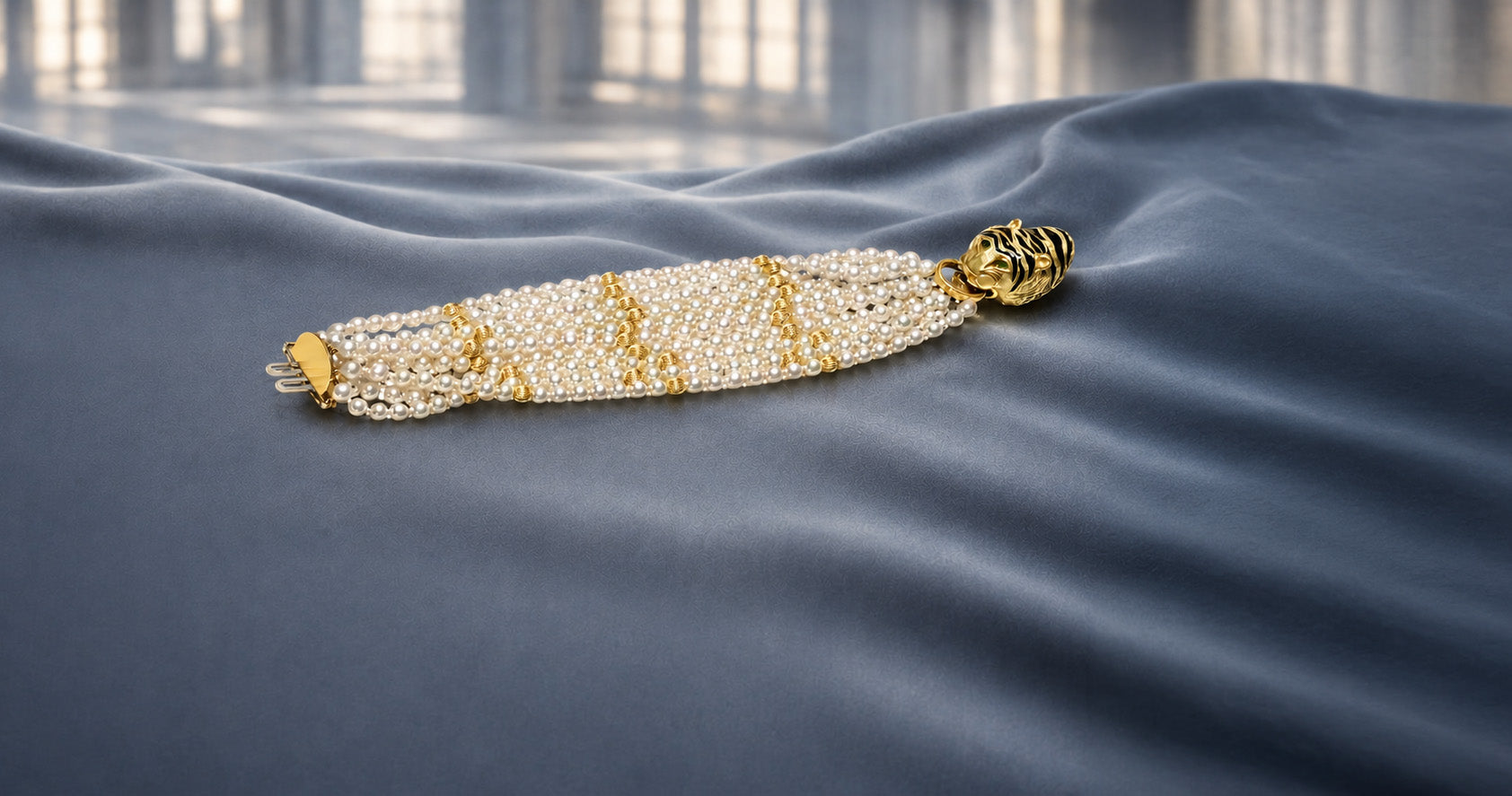
A brooch can incorporate sculpture, enamel, gemstones, engraving and mechanical movement within an object only a few inches wide. A bracelet must combine visual beauty with flexibility and comfort, while earrings must balance scale, weight and movement.
These qualities help explain why jewelry belongs in museum collections as well as private wardrobes. Historic jewels can document craftsmanship, fashion, culture and artistic exchange while remaining wearable and personally meaningful.
An older jewel does not need to be styled as a costume from its original period. A piece created decades—or even centuries—ago can begin an entirely new chapter when placed within a contemporary wardrobe.
The Contemporary Appeal of Vintage Gold
Bold vintage gold jewelry can appear remarkably modern when removed from the styling conventions of its original decade.
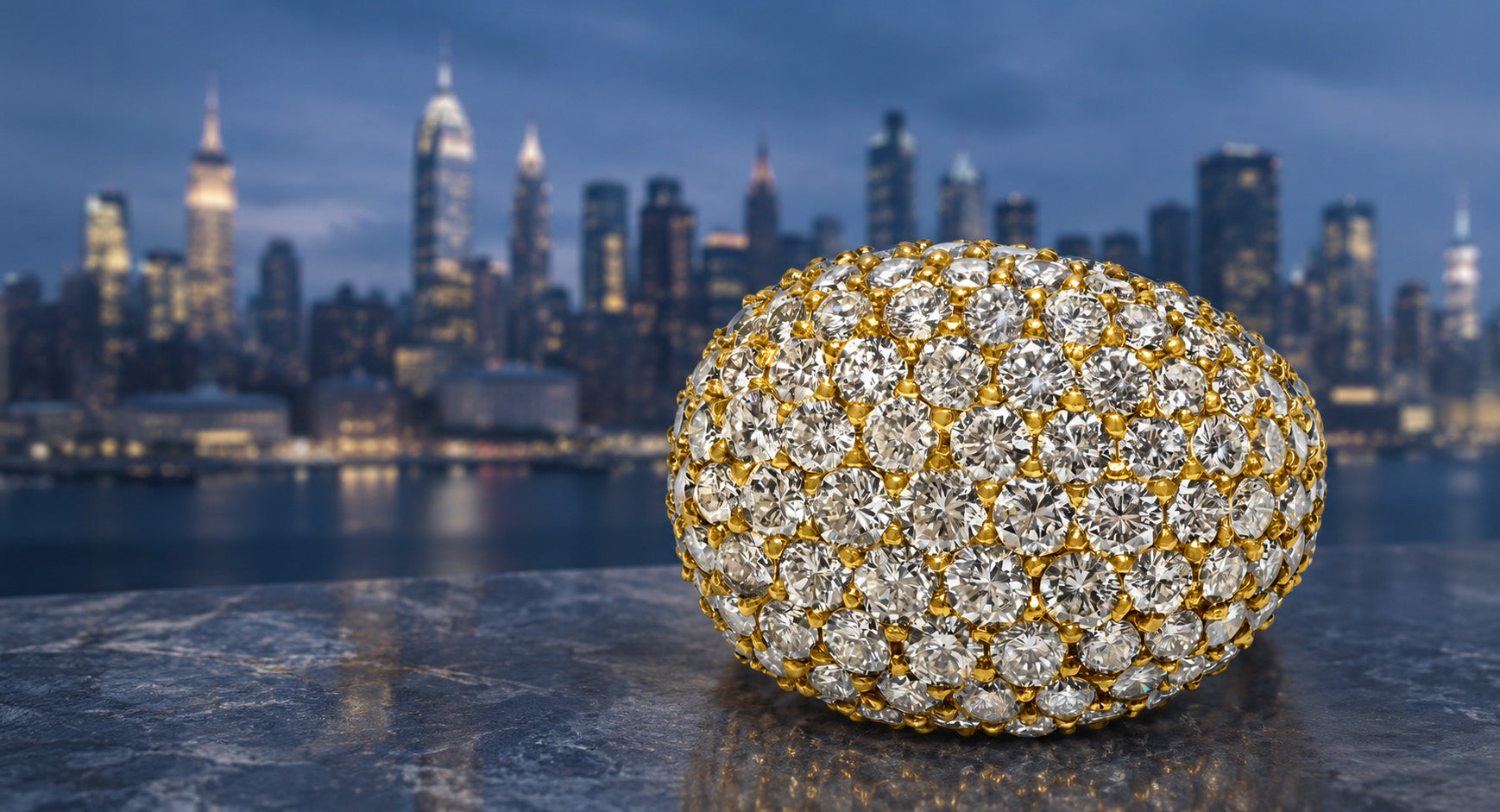
Mid-century and later twentieth-century designers frequently used substantial volumes of yellow gold to create sculptural earrings, wide bracelets, collars, rings, chains and brooches. Textured surfaces and strong proportions gave these pieces an architectural presence that continues to complement modern clothing.
A substantial pair of gold earrings can transform a white shirt or simple dress. A wide bracelet may replace an entire stack of smaller pieces, while a textured necklace can introduce warmth and dimension to minimalist tailoring.
The objective is not to recreate a historical look. It is to allow the jewel to establish a new relationship with the person wearing it.
One Exceptional Jewel Can Be Enough
Distinctive jewelry does not always require additional accessories.
When a piece possesses a strong silhouette, unusual color or sculptural form, it can often define an outfit by itself. Dramatic earrings may need no necklace. A cocktail ring can be more effective without several other rings surrounding it. A brooch can become the focal point of a jacket, dress or coat.
This approach makes rare jewelry easier to incorporate into everyday personal style. The jewel becomes expressive without being limited to formal occasions.
Rediscovering the Brooch
Few jewelry categories offer as much styling freedom as the brooch.
Brooches can be positioned traditionally on a lapel, but they may also be worn at a neckline, attached to a scarf or placed on a coat. Depending on their weight, construction and fastening mechanism, certain examples may also bring character to hats or accessories.
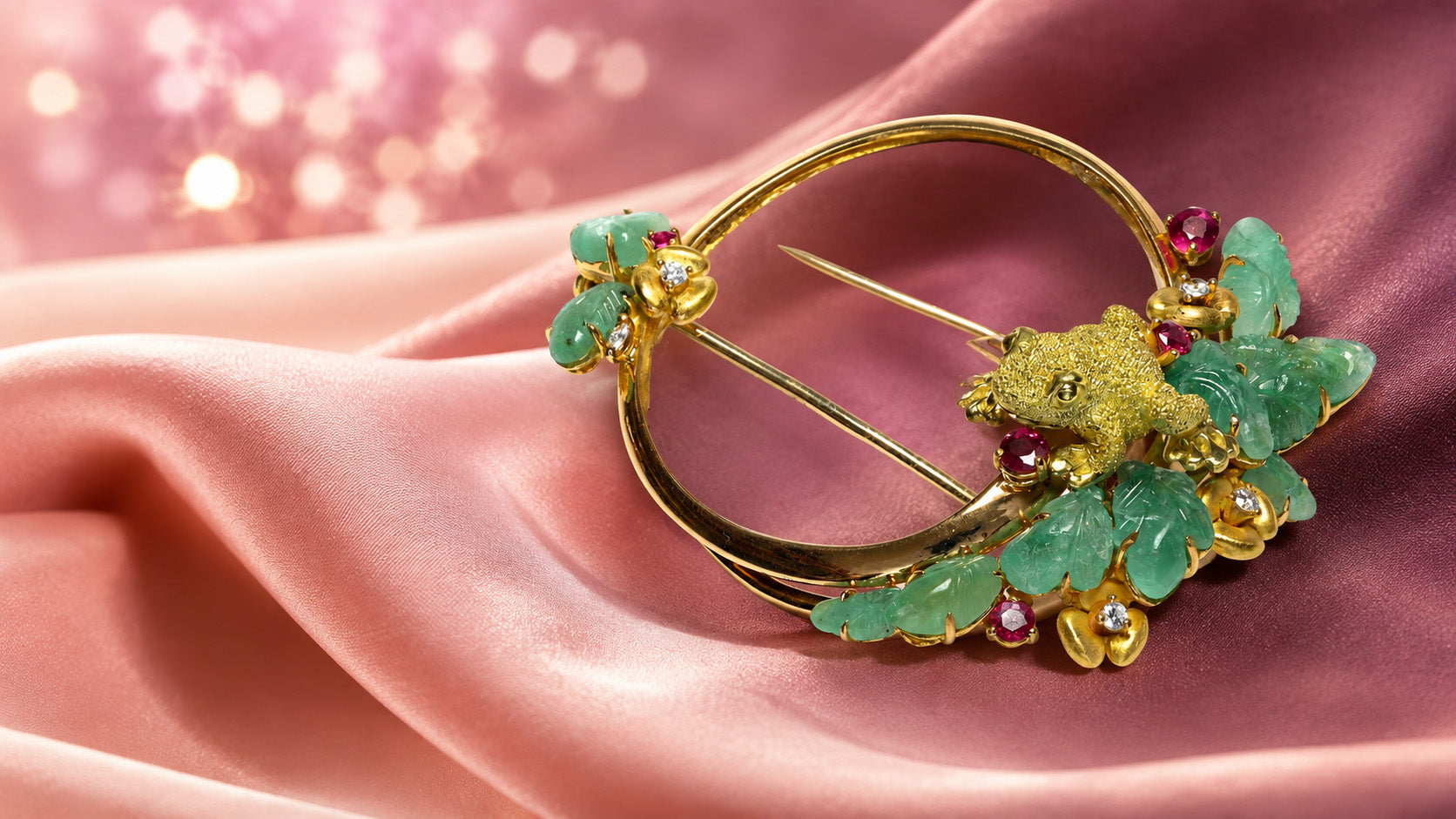
Because a brooch does not need to conform to the finger, wrist or neckline, designers have historically had greater freedom to experiment with scale and subject. Flowers, animals, insects, ribbons, celestial motifs, geometric compositions and whimsical objects have all appeared in brooch design.
For people seeking jewelry that feels individual and difficult to repeat, this category can be especially rewarding.
Looking Beyond the Front
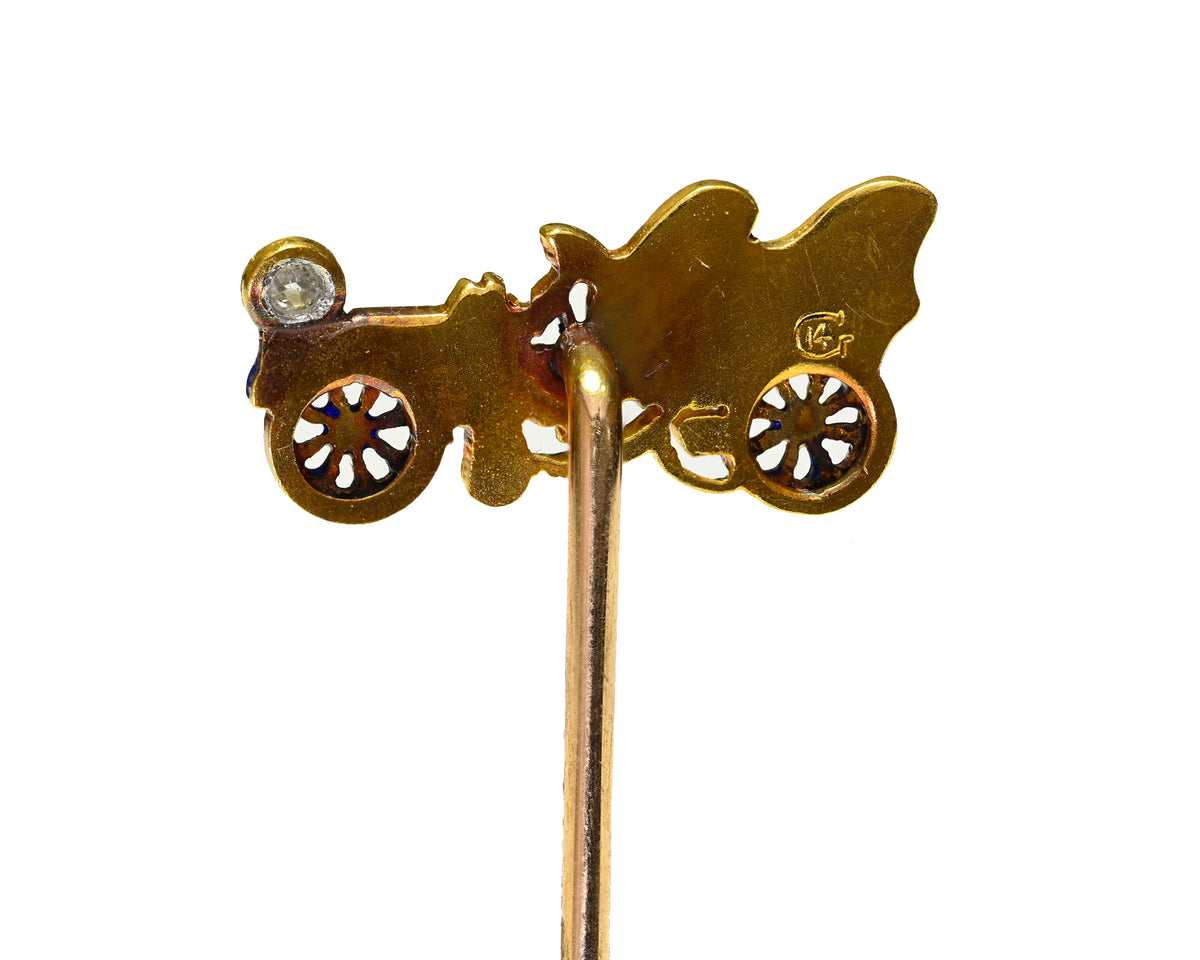
The reverse of a jewel can reveal information that is invisible while the piece is being worn.
Hinges, clasps, pin mechanisms, stone settings, serial numbers, workshop marks, signatures and metal marks can all contribute to understanding its construction and identity.
With signed jewelry, the mark should be evaluated alongside the materials, proportions, workmanship, period and known design language of the maker. A signature alone should not be the only reason a piece is considered authentic or important.
The same principle applies to unsigned jewelry. Exceptional craftsmanship and rarity do not disappear simply because a famous name is absent.
Gemstones and Individual Character
Natural gemstones introduce another level of individuality because no two examples are completely identical.
Color, transparency, inclusions, cutting style, proportions and origin can all influence the personality of a stone. Historic jewelry may also contain diamonds cut according to different technologies and aesthetic preferences from those used today.
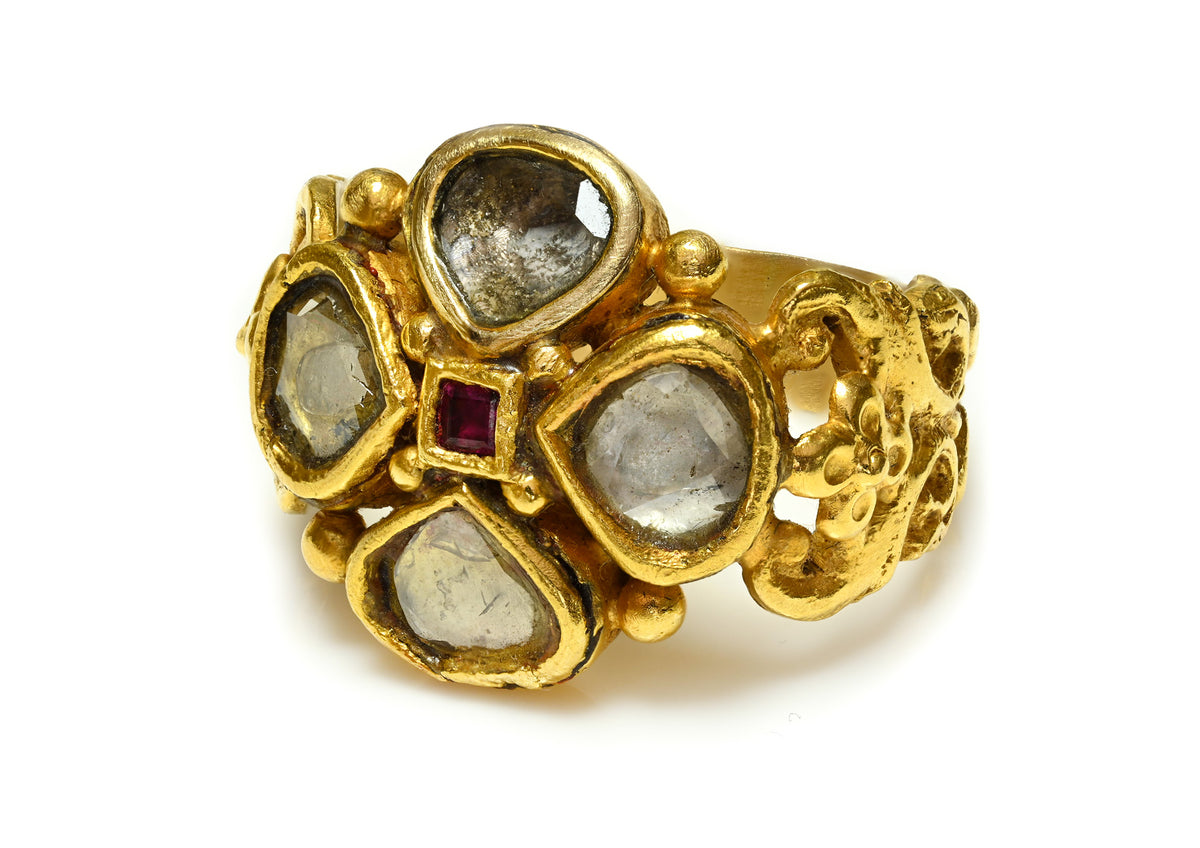
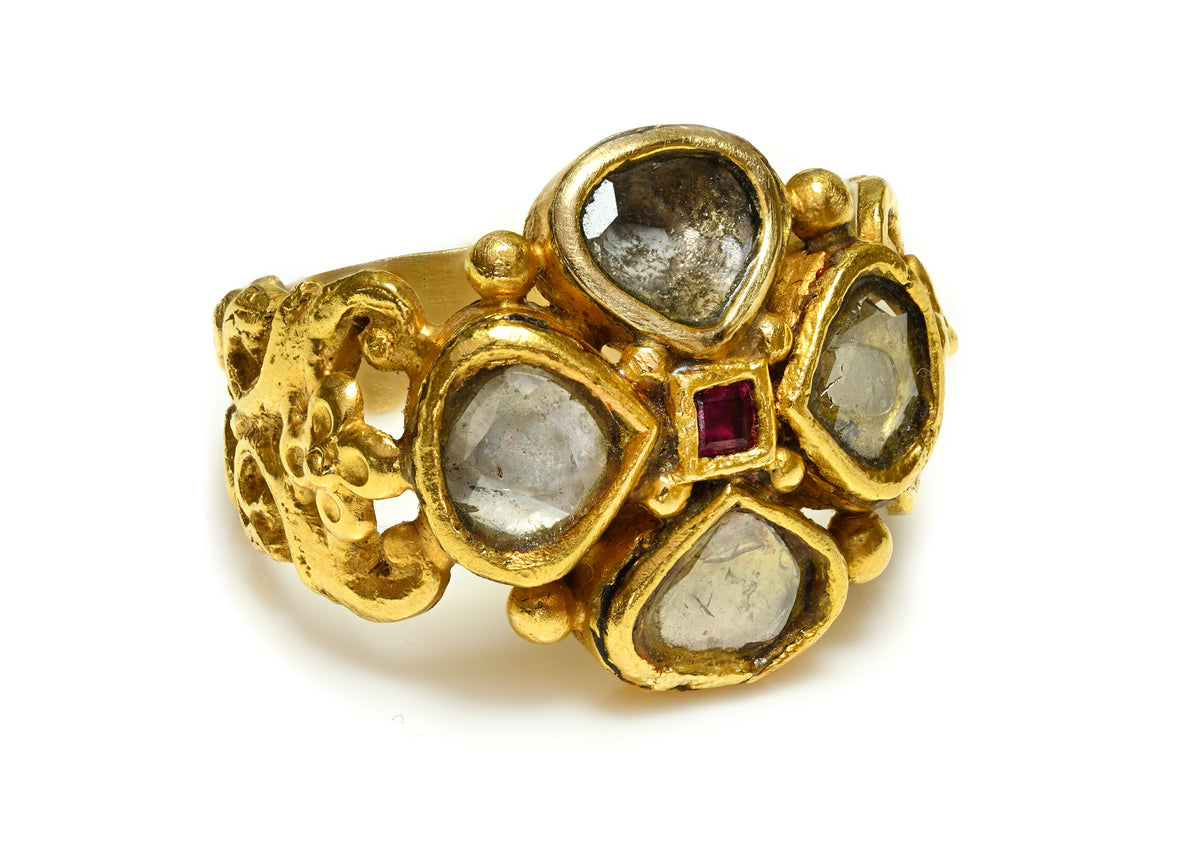
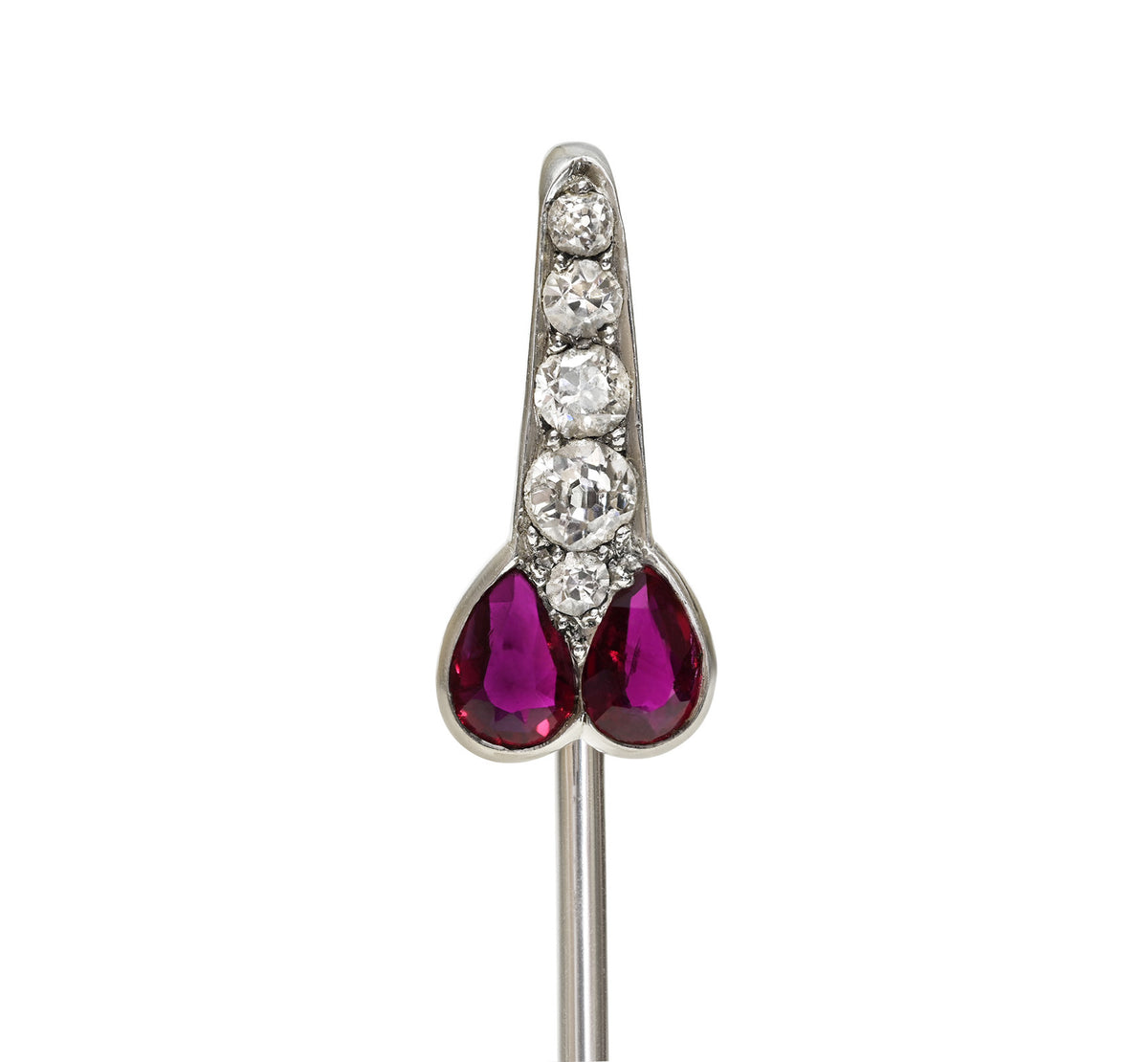
Old mine-cut and old European-cut diamonds can display broader facets, higher crowns, visible culets and subtle variations in symmetry. These characteristics create a different appearance from many modern brilliant-cut diamonds and form part of their historic charm.
Colored gemstones—including sapphires, rubies, emeralds, turquoise, jade, coral and opals—can define the entire visual identity of a jewel. Laboratory documentation may provide valuable information for important gemstones, but reports should support rather than replace an appreciation of the complete design.
Why Condition and Transparency Matter
Antique, vintage and estate jewelry has often lived a life before reaching its next owner.
Signs of age do not necessarily diminish a piece, but its condition should be understood. Buyers may want to know whether a jewel has been resized, polished, restored, converted or repaired. Clasps, hinges, prongs, enamel, stone security and areas of repeated wear all deserve careful attention.
Later components or replacement stones do not automatically make a jewel undesirable, but meaningful changes should be explained when they affect the design, integrity or collectibility of the piece.
A useful description should help someone understand the object rather than simply persuade them to desire it.
Jewelry Watches and Rare Objects
The Posh Beauty Blog feature also highlights jewelry watches and collectible objects.
Jewelry watches bring mechanical function and decorative design together. Some display their dials openly, while others conceal them beneath gemstones or ornamental goldwork, initially appearing to be bracelets.
The broader world of collecting can include vanity cases, minaudières, boxes, compacts, frames, desk clocks and other rare objects. These creations frequently employ the same goldsmithing, engraving, enameling and stone-setting techniques associated with fine jewelry.
At DSF Antique Jewelry, jewelry appears alongside watches and unusual objects selected for design, craftsmanship, rarity, condition and individual character.
Personal Style Beyond Trends
Fashion changes quickly, but a distinctive jewel can remain part of someone’s wardrobe for decades.
A vintage bracelet, unusual brooch, signet ring or pair of designer earrings may eventually become associated with the person wearing it rather than the season in which it was purchased. This is where jewelry, collecting and personal style naturally intersect.
Based in New York and serving clients worldwide, DSF Antique Jewelry offers an evolving selection of fine jewelry, signed designer pieces, antique and vintage jewelry, rare gemstones, watches and collectible objects. Because the collection continually changes, discovery remains an important part of the experience.
The complete feature can be read at Posh Beauty Blog.