
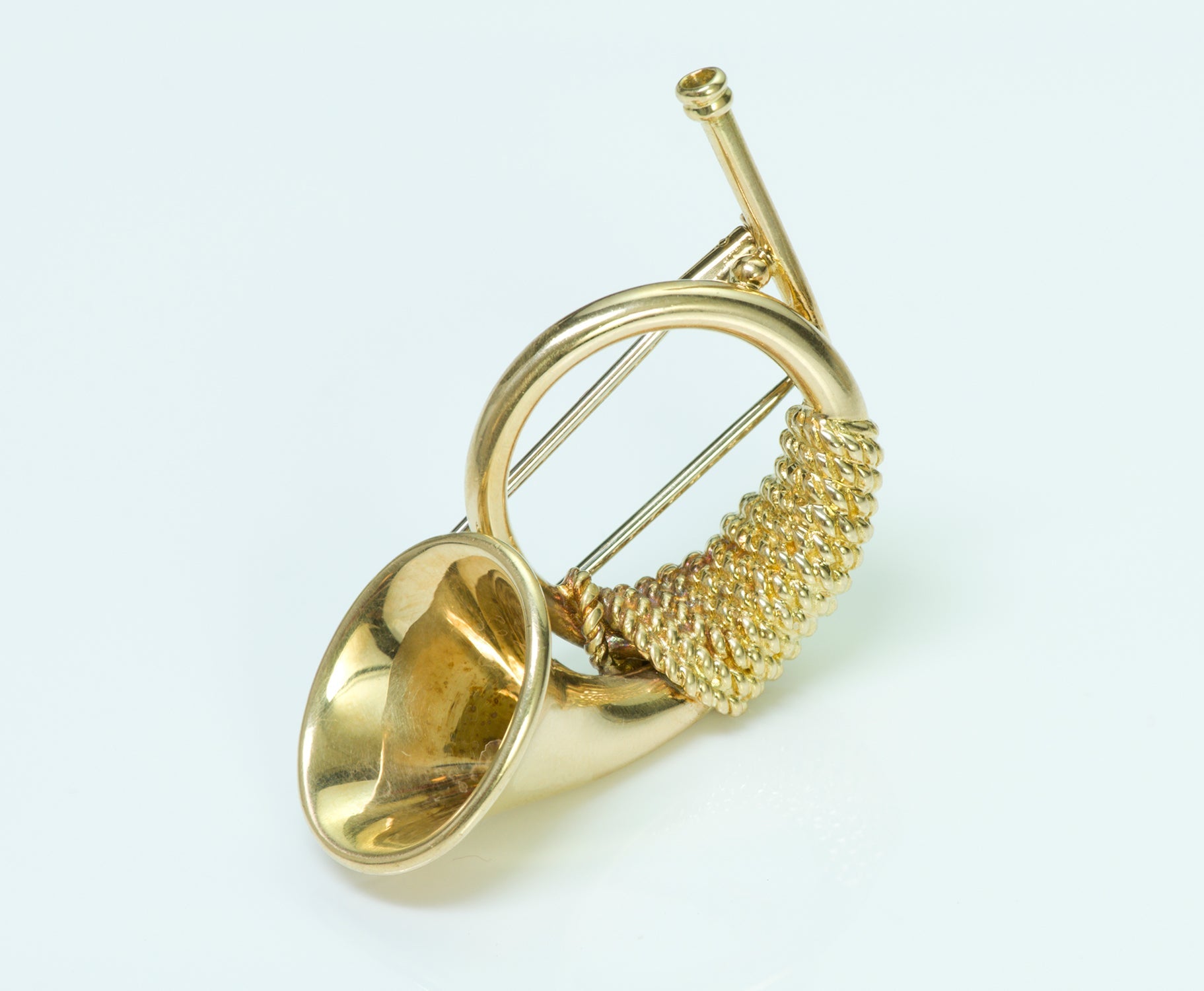
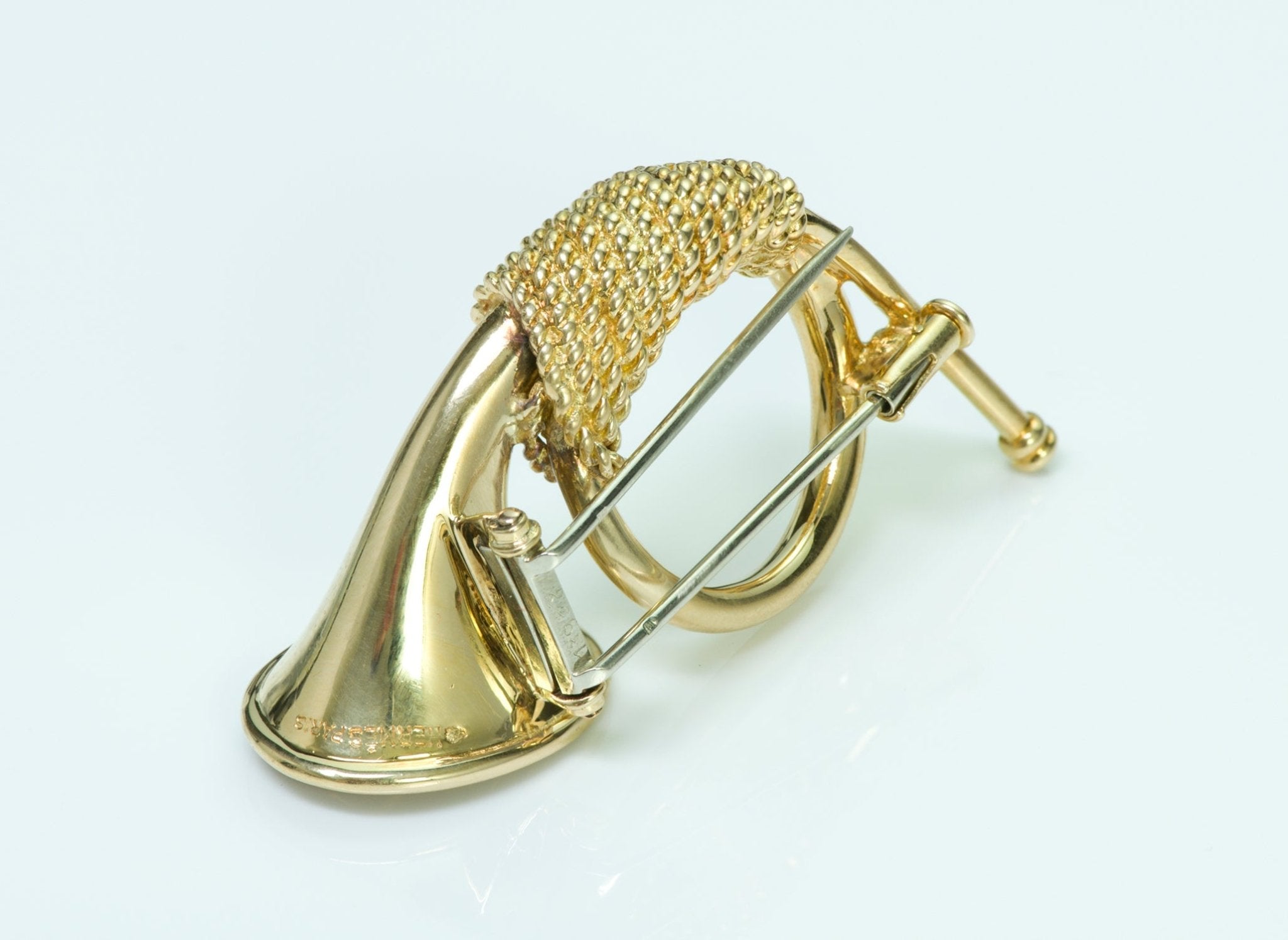
Hermès Paris 18K Yellow Gold French Horn Brooch
Sale price$5,500.00
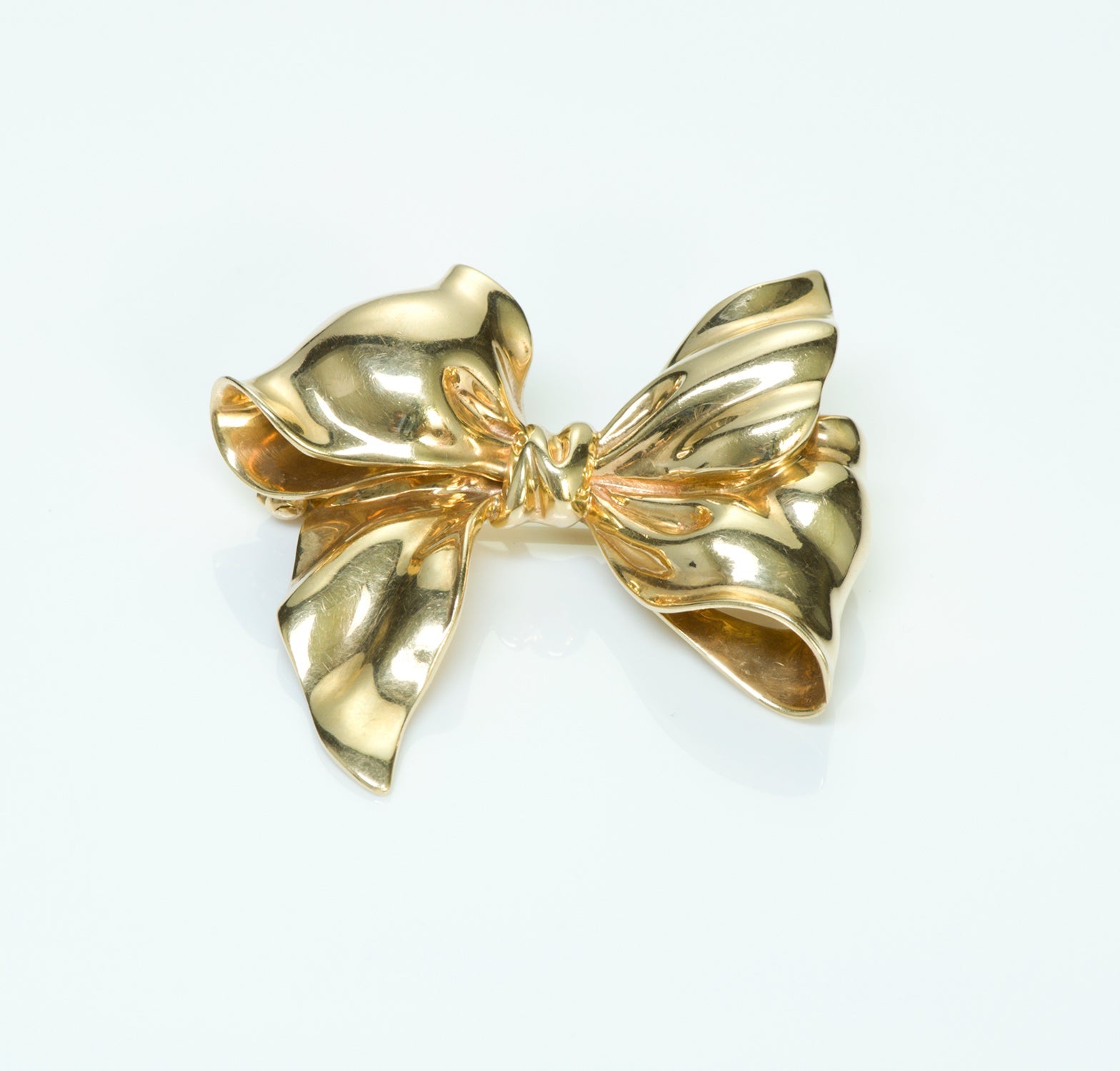
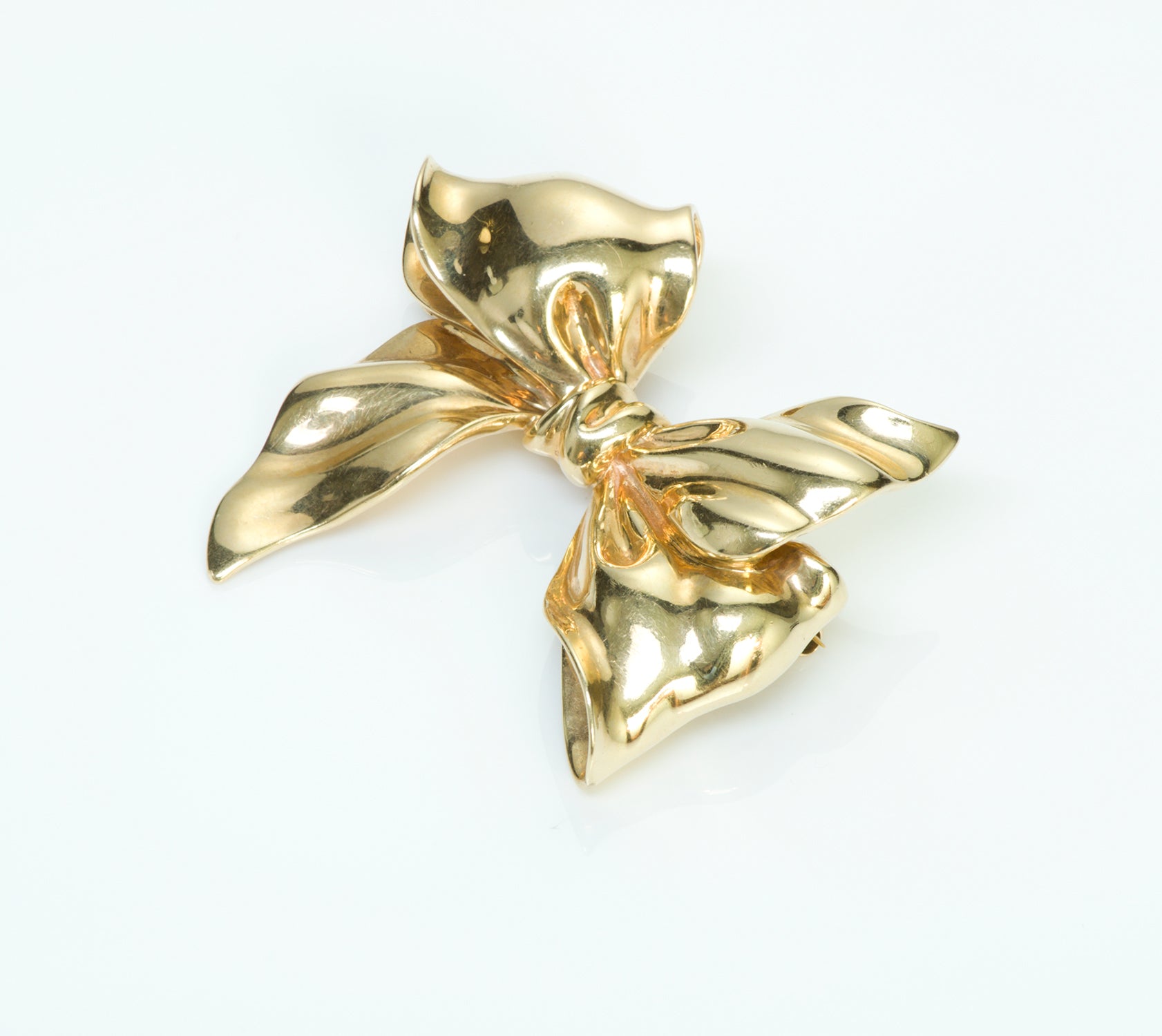
Tiffany & Co. Yellow Gold Bow Brooch
Sale price$7,500.00
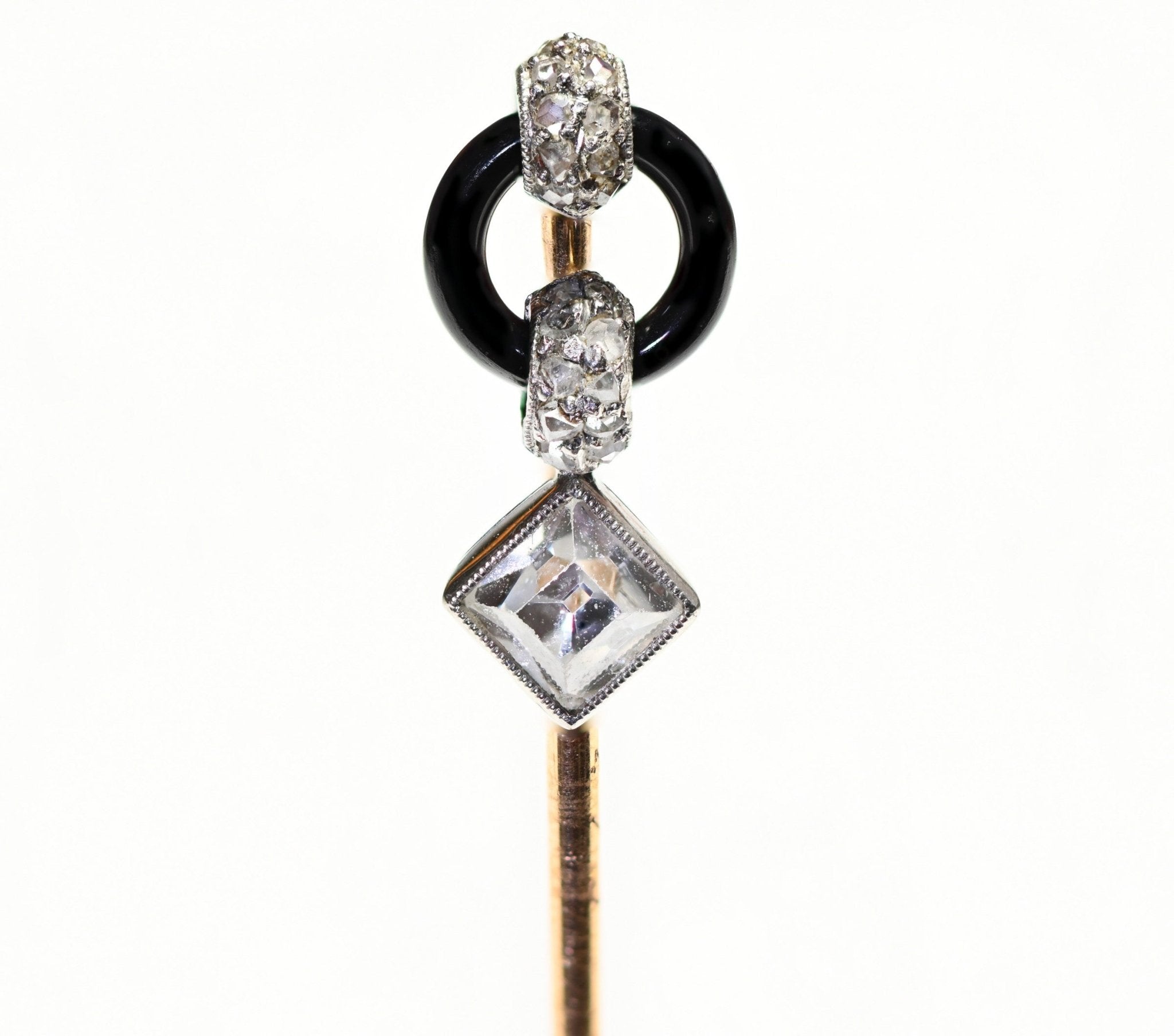
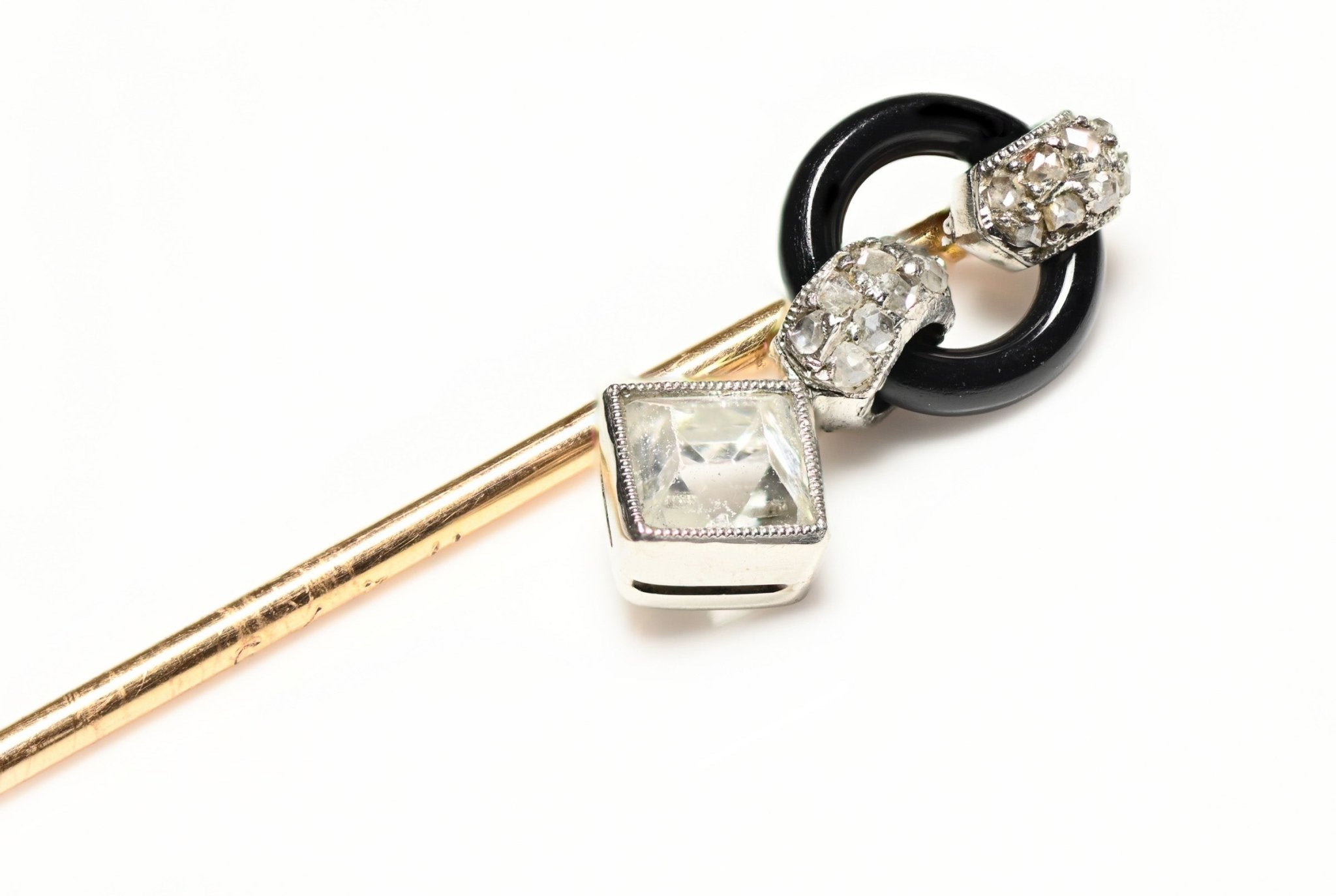
Cartier Art Deco Diamond Stick Pin by Georges Andrey
Sale price$14,500.00
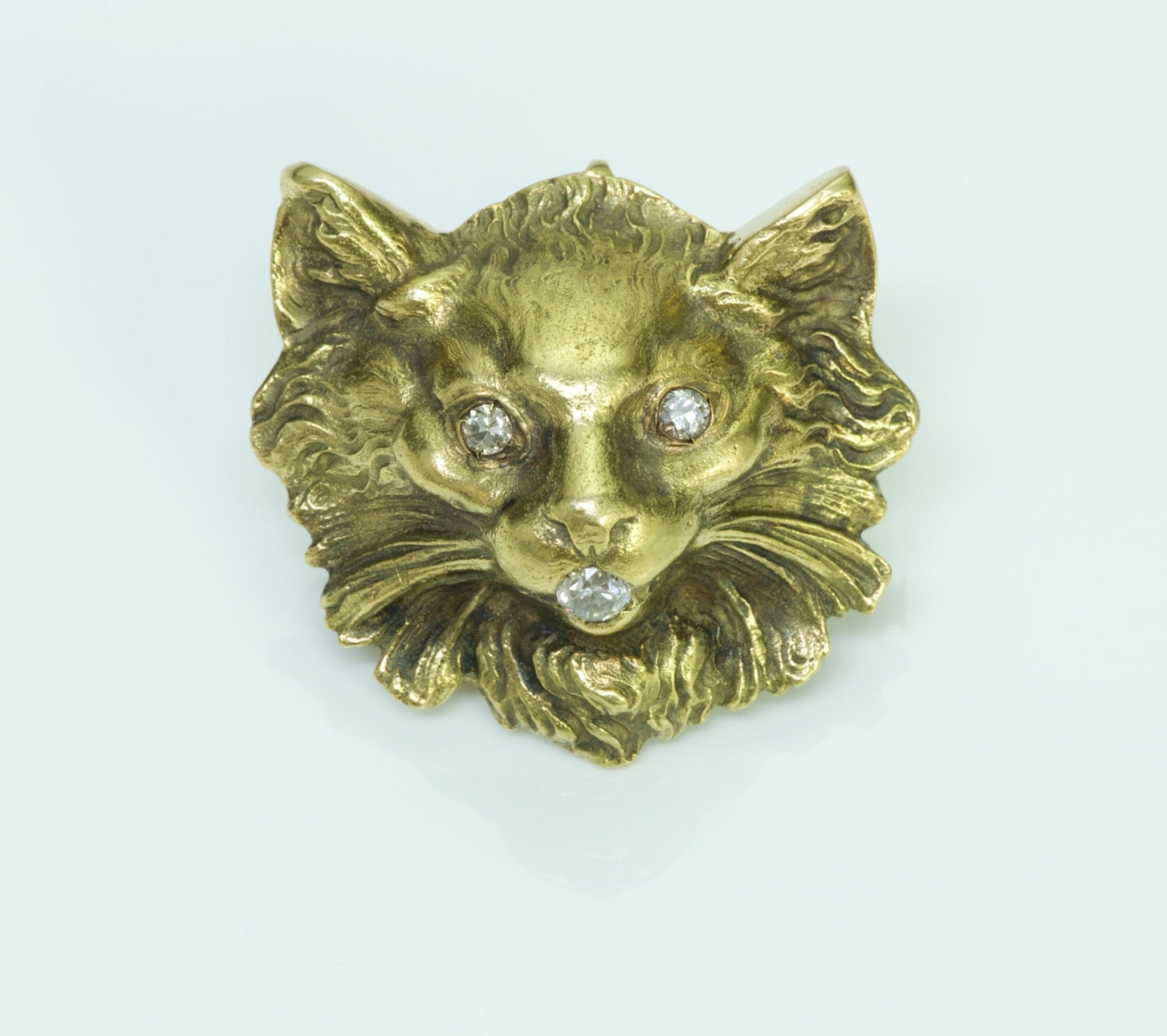
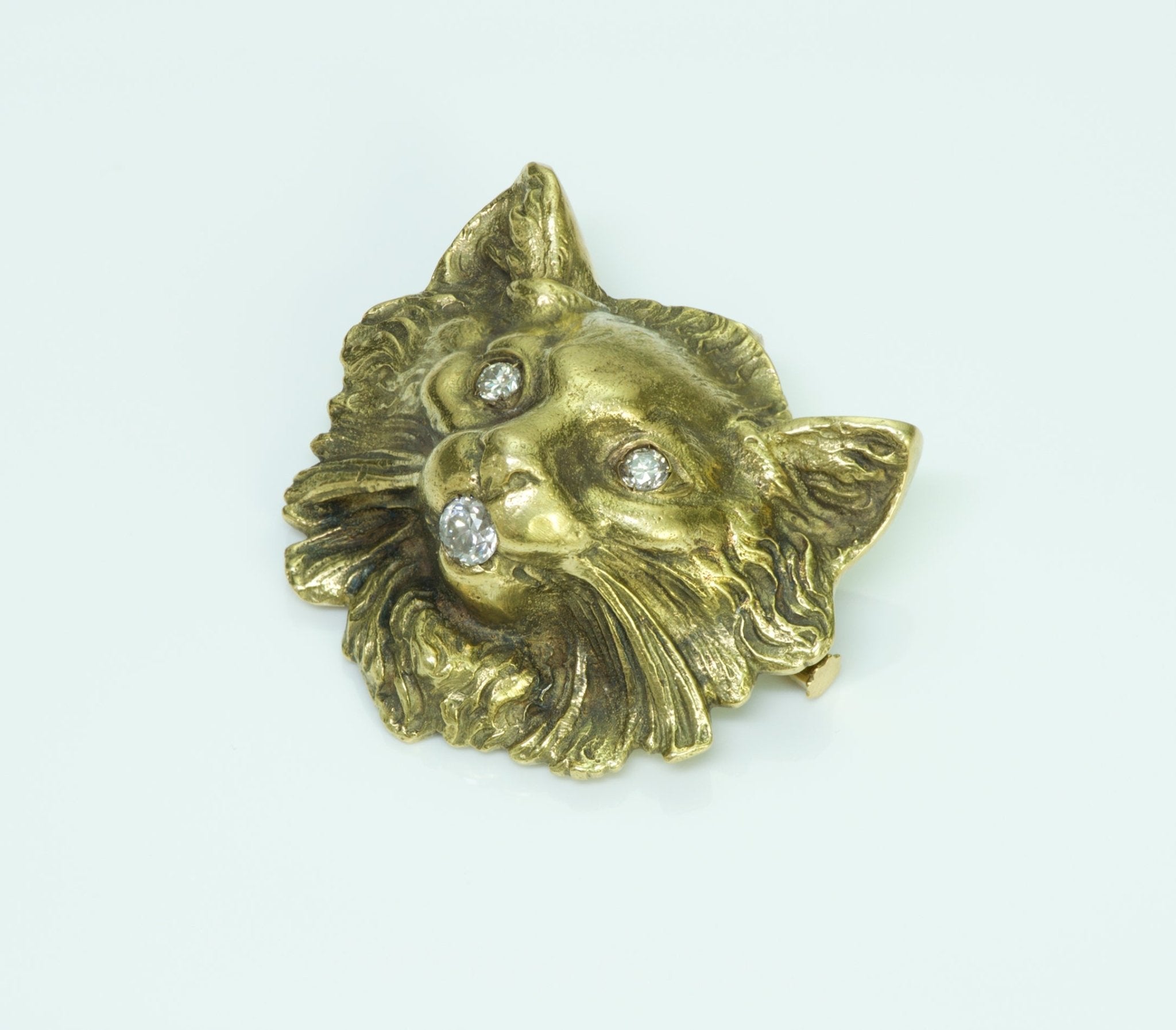
Cat Diamond Gold Vintage Brooch/Pendant
Sale price$5,500.00
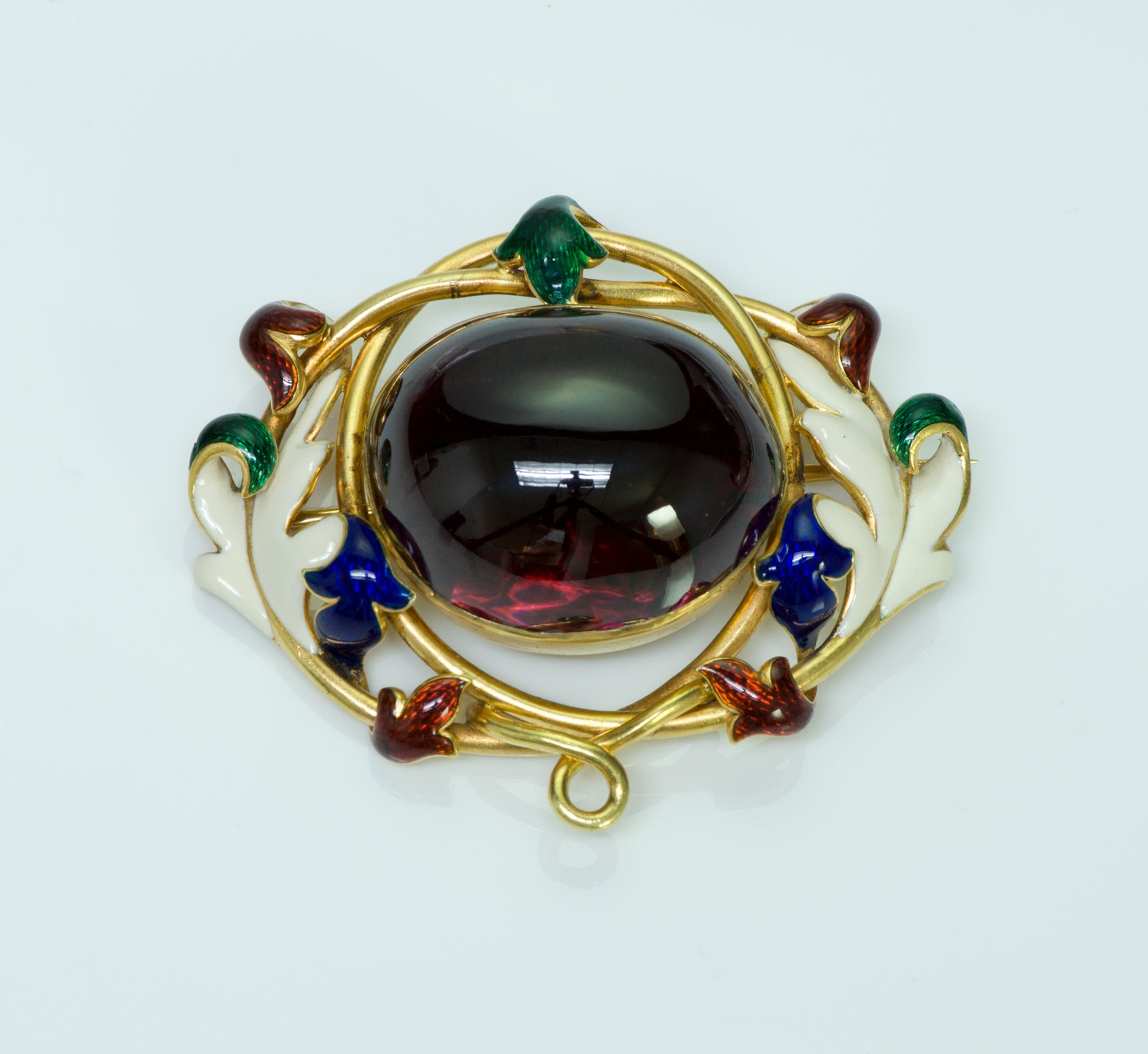
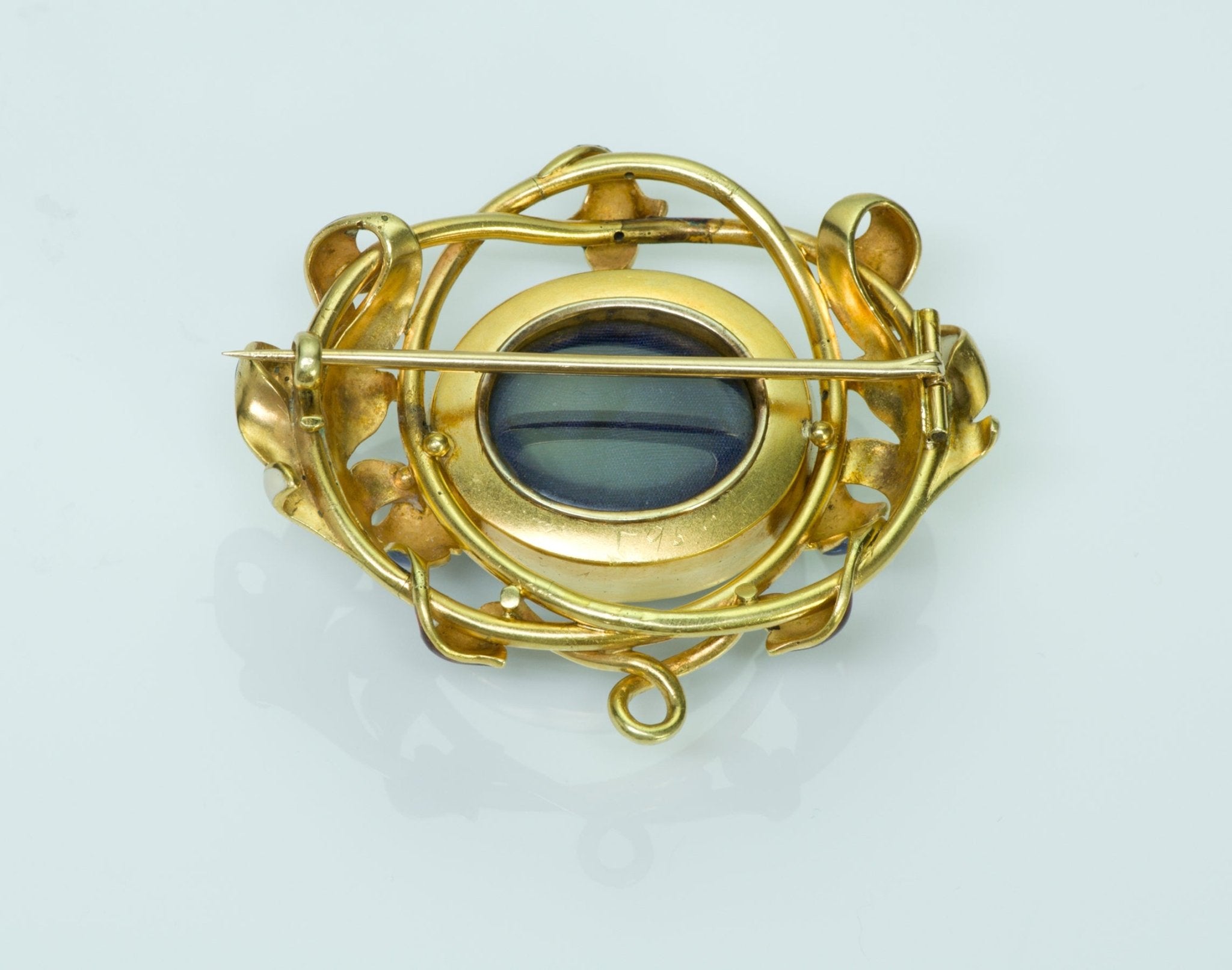
Antique Victorian Garnet Enamel Gold Brooch
Sale price$7,500.00
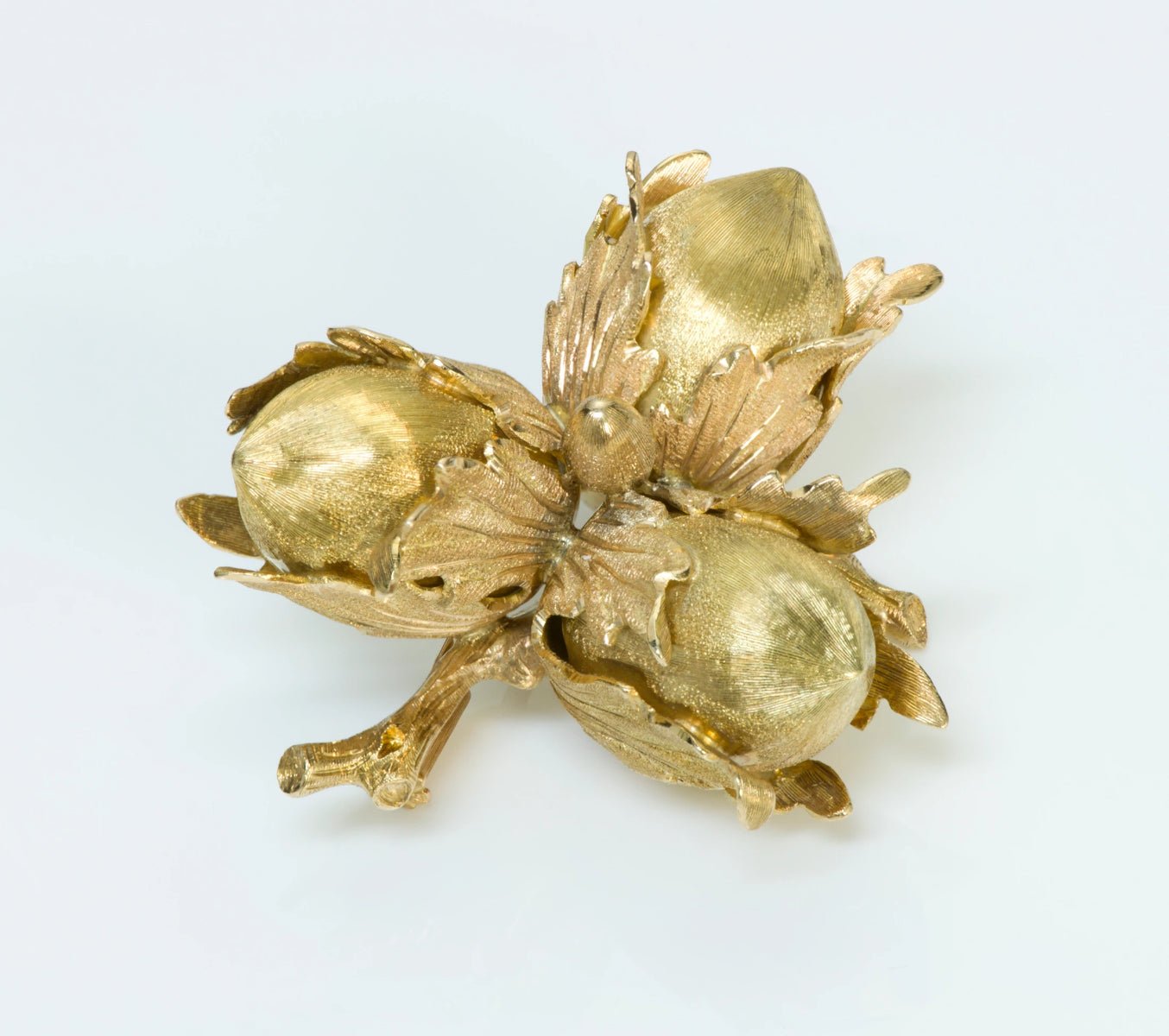
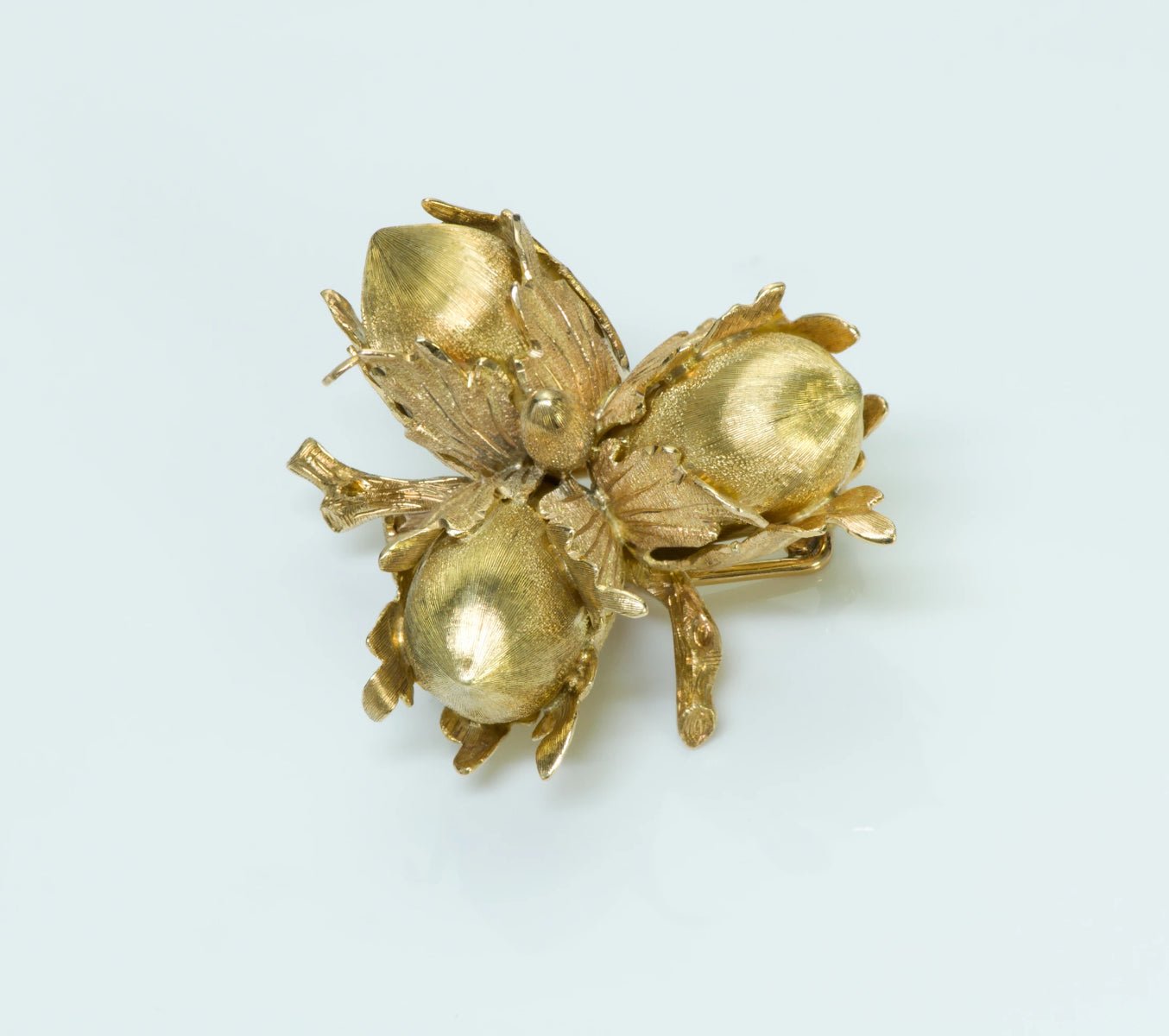
Buccellati Acorn 18K Yellow Gold Brooch
Sale price$10,500.00
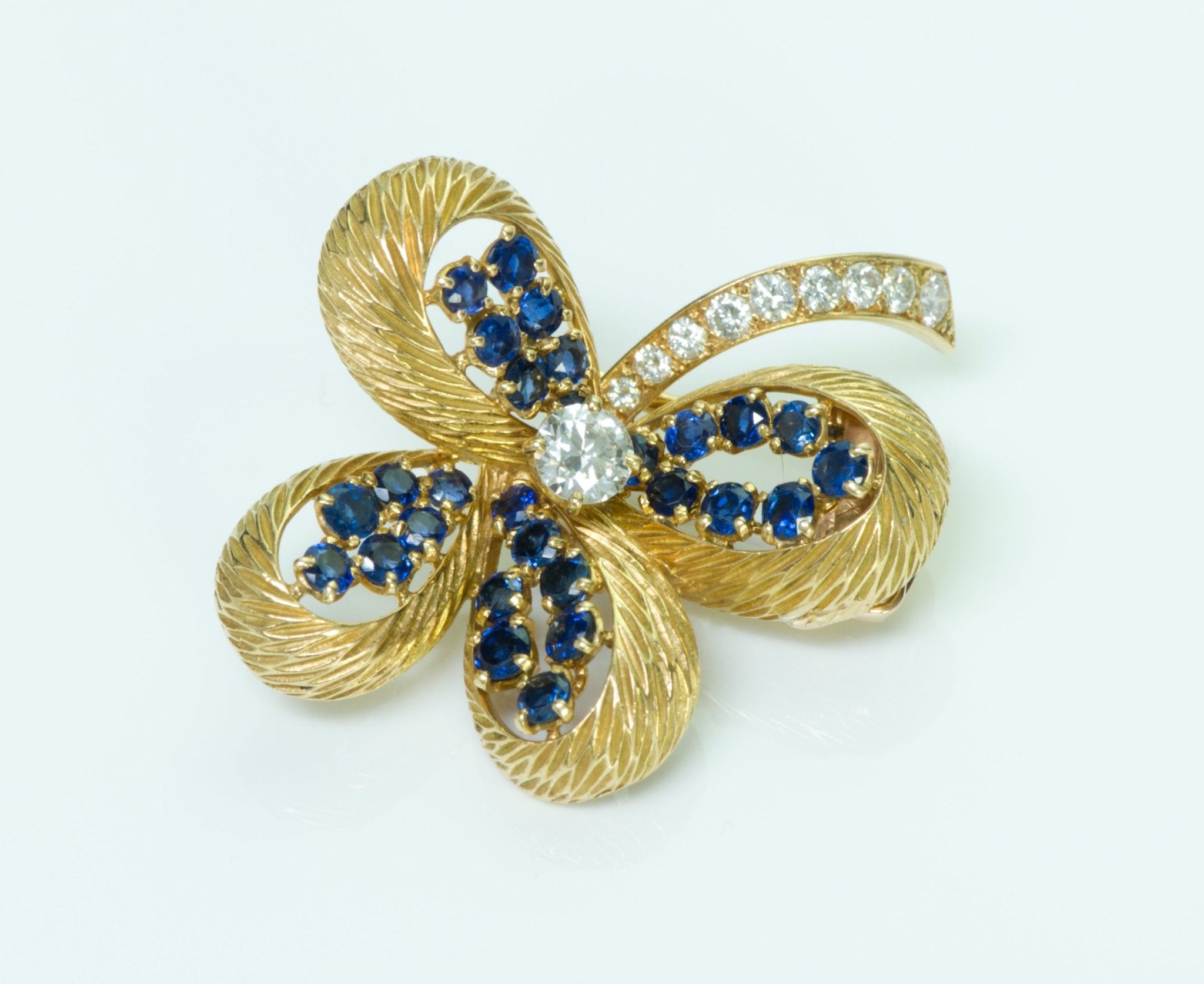
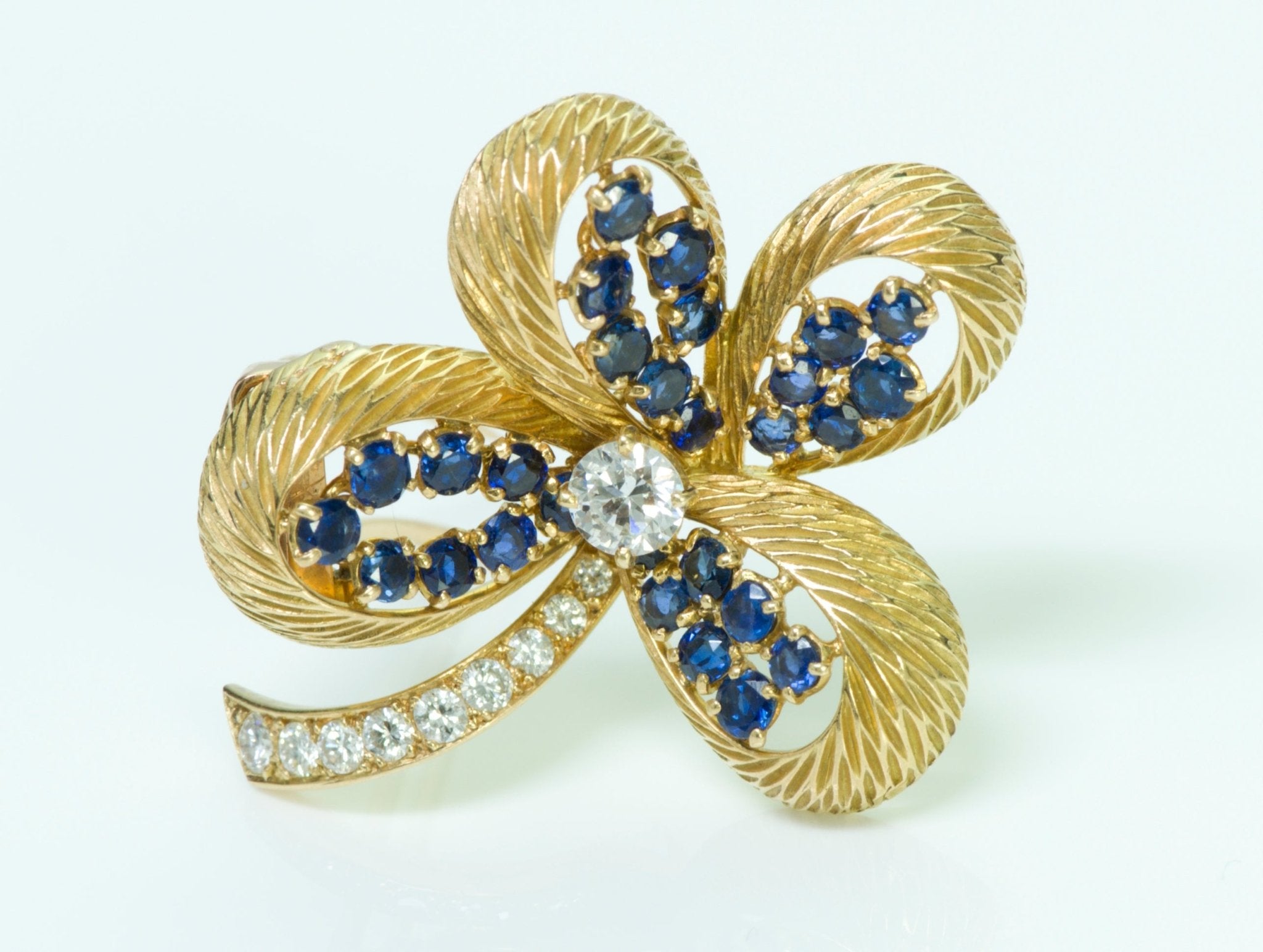
Cartier Paris 18K Yellow Gold Clover Diamond Sapphire Pin/Brooch
Sale price$16,500.00
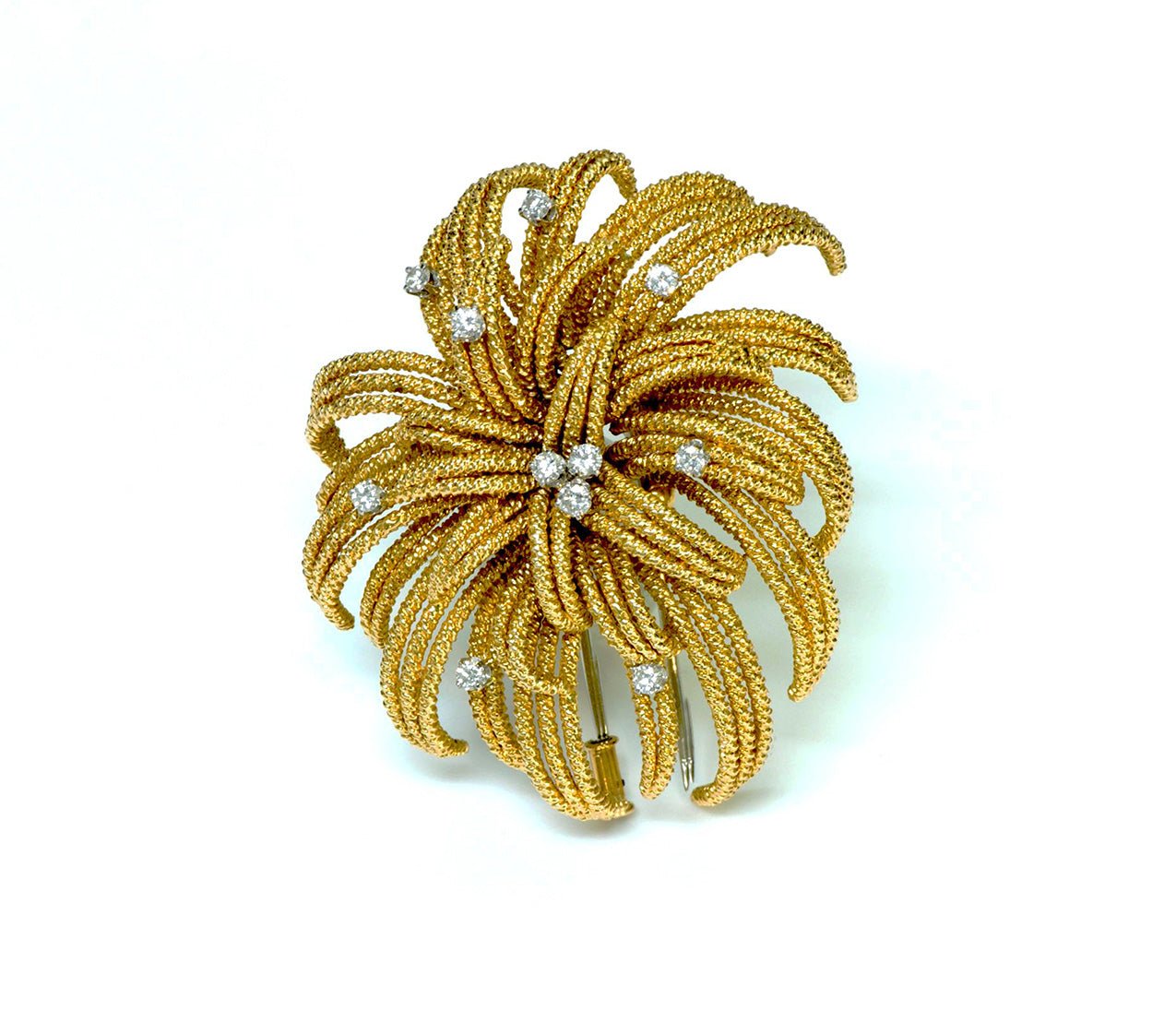
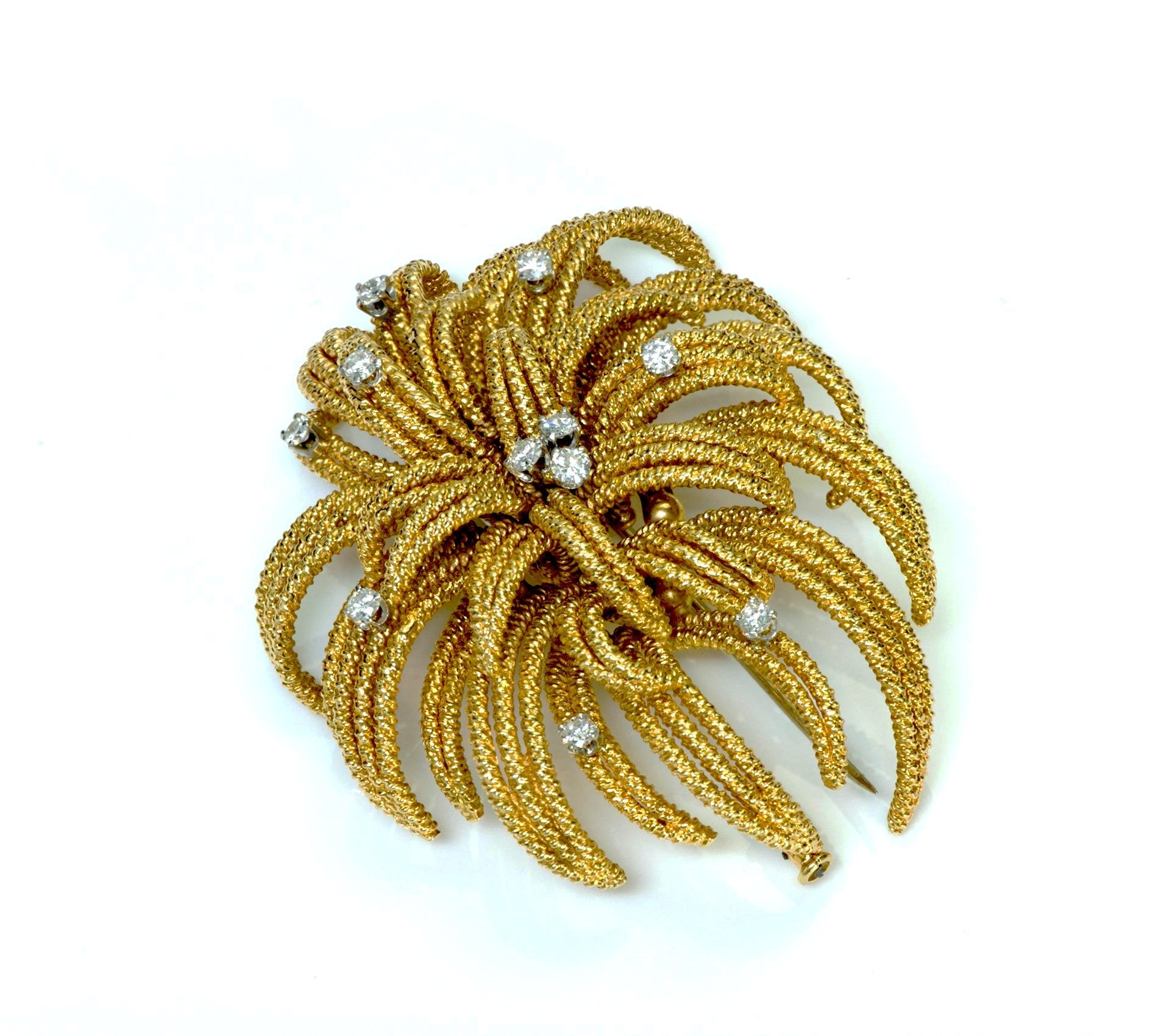
David Webb 18K Gold Diamond Brooch
Sale price$17,500.00
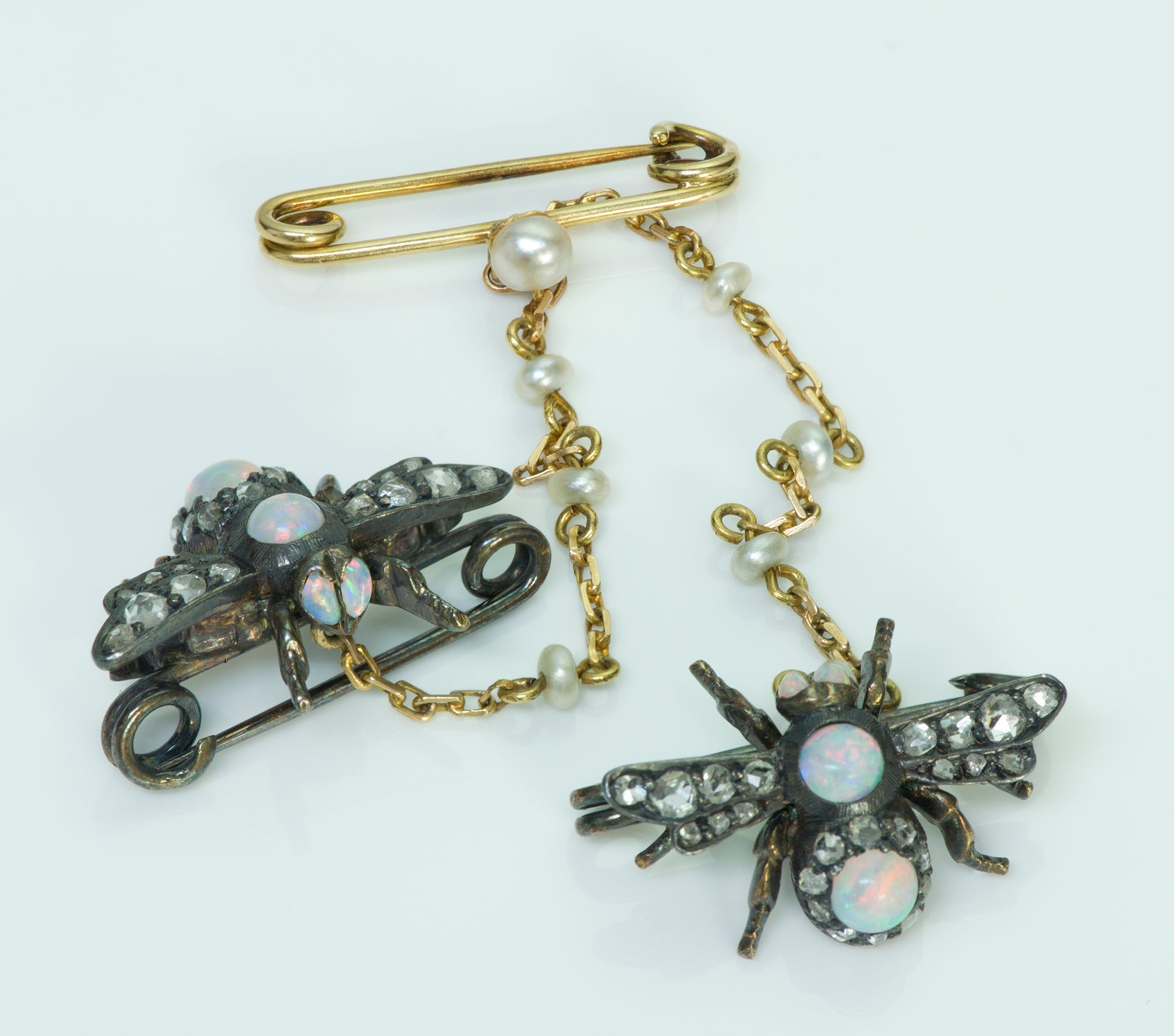
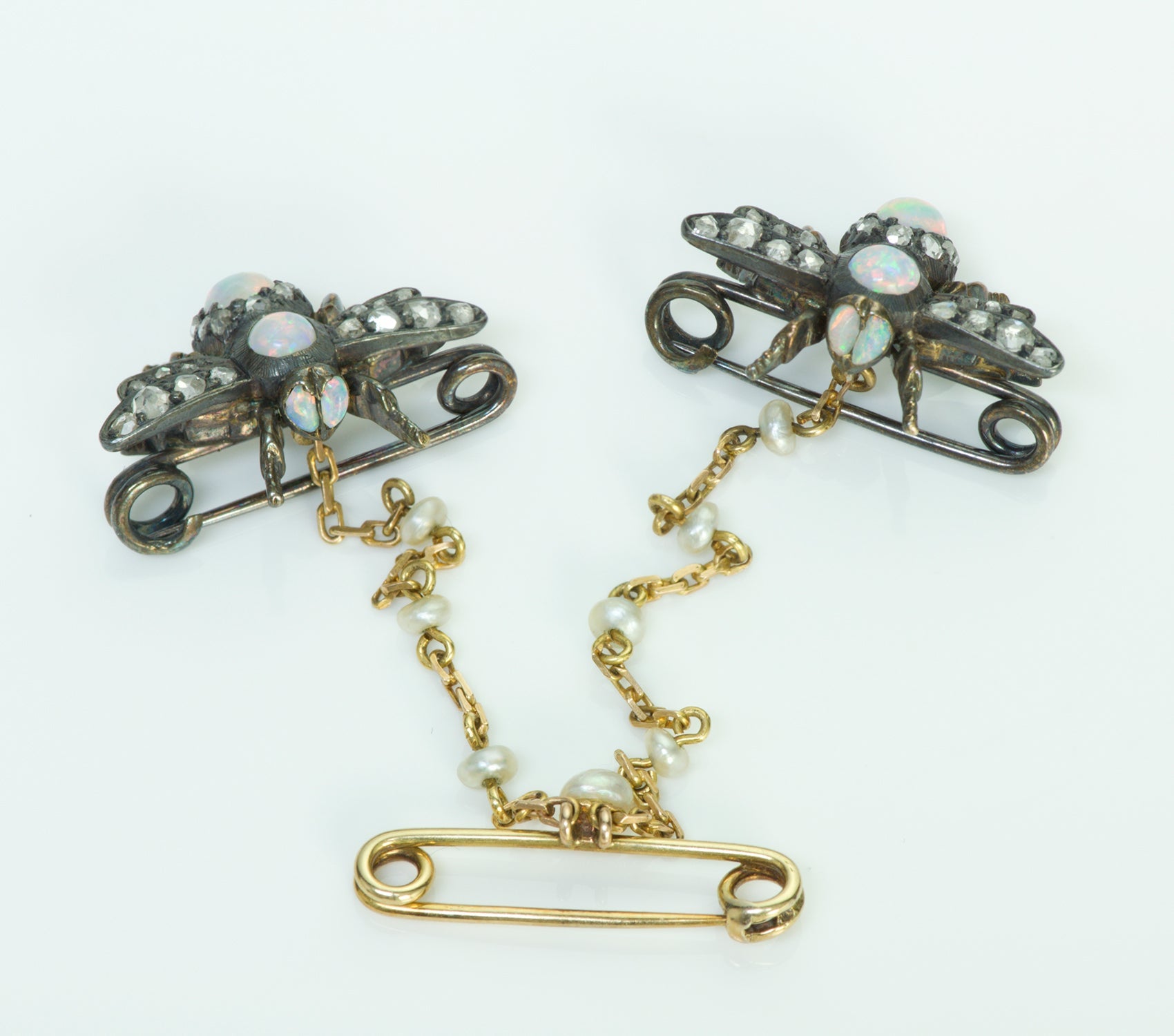
Antique Opal Diamond Gold Silver & Pearl Bug Pin
Sale price$2,875.00
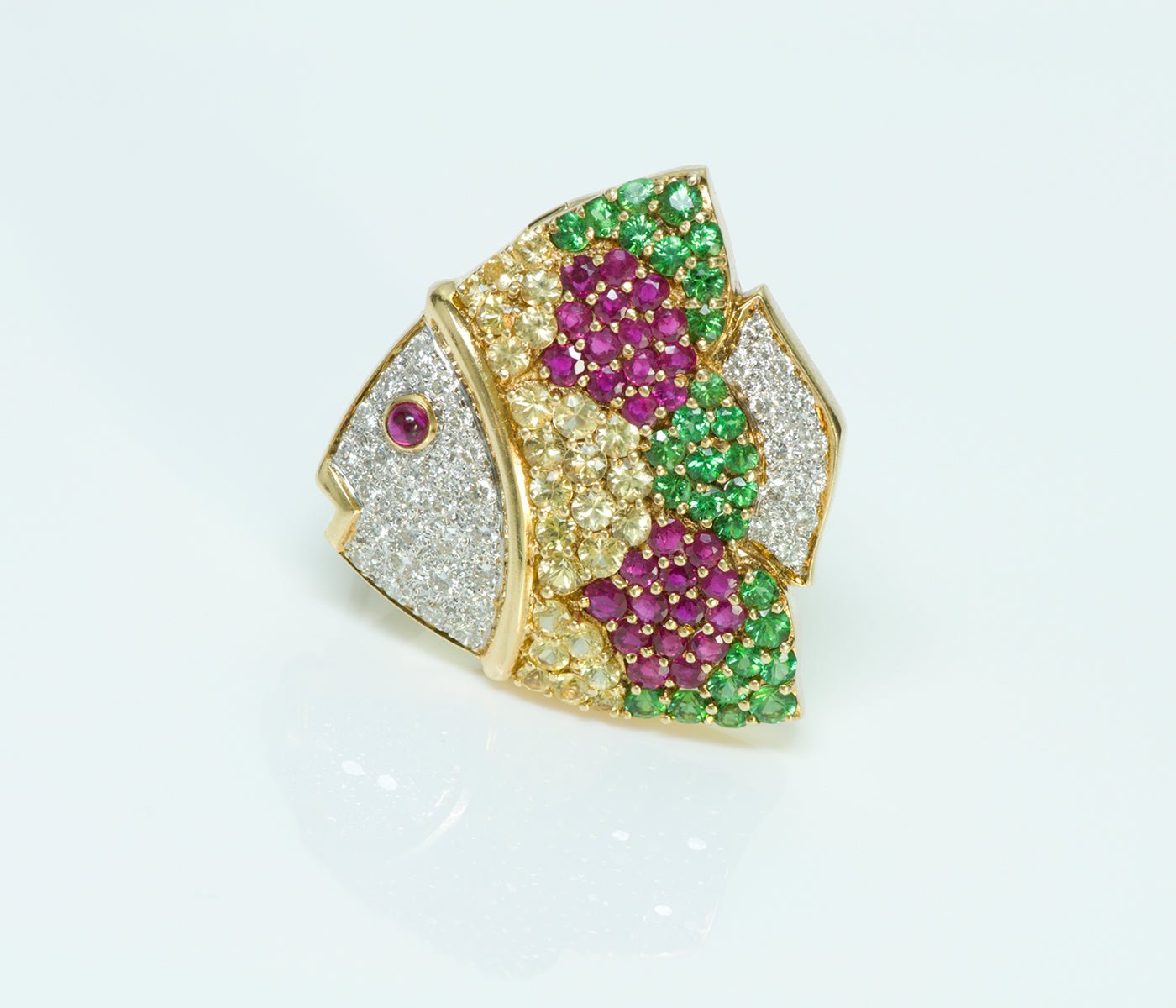
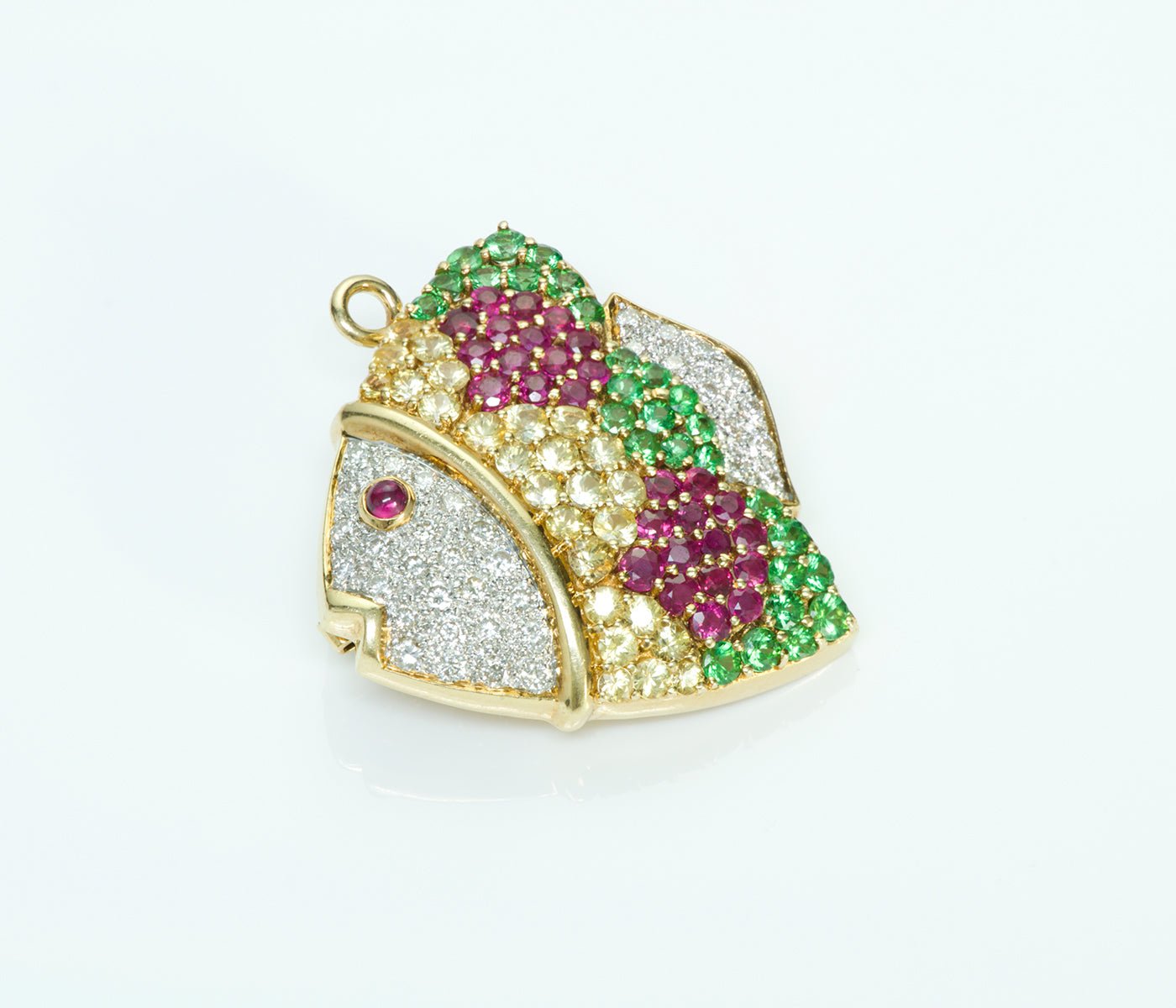
Vintage 18K Gold Fish Brooch-Pendant – Diamond, Sapphire, Tsavorite & Ruby
Sale price$4,950.00
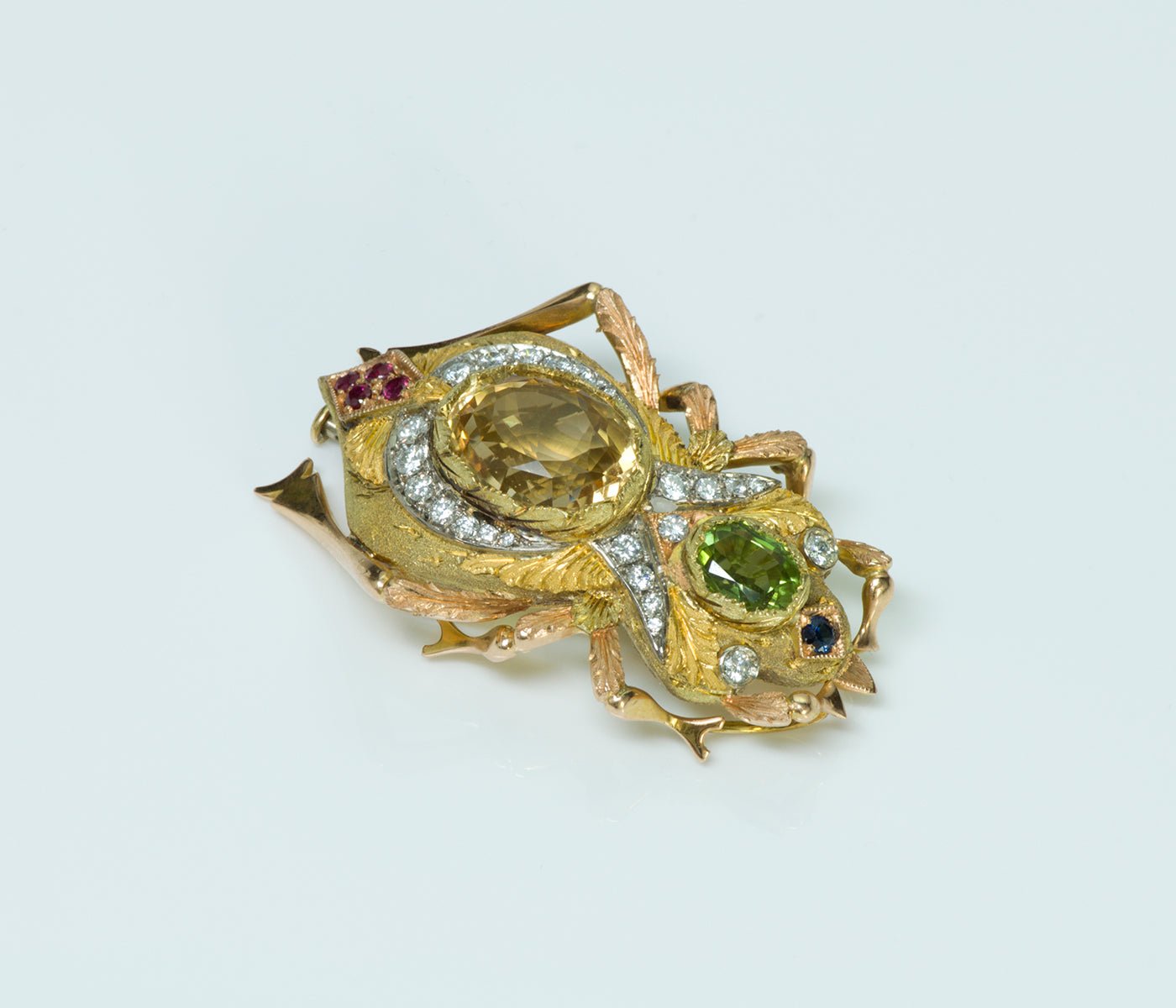
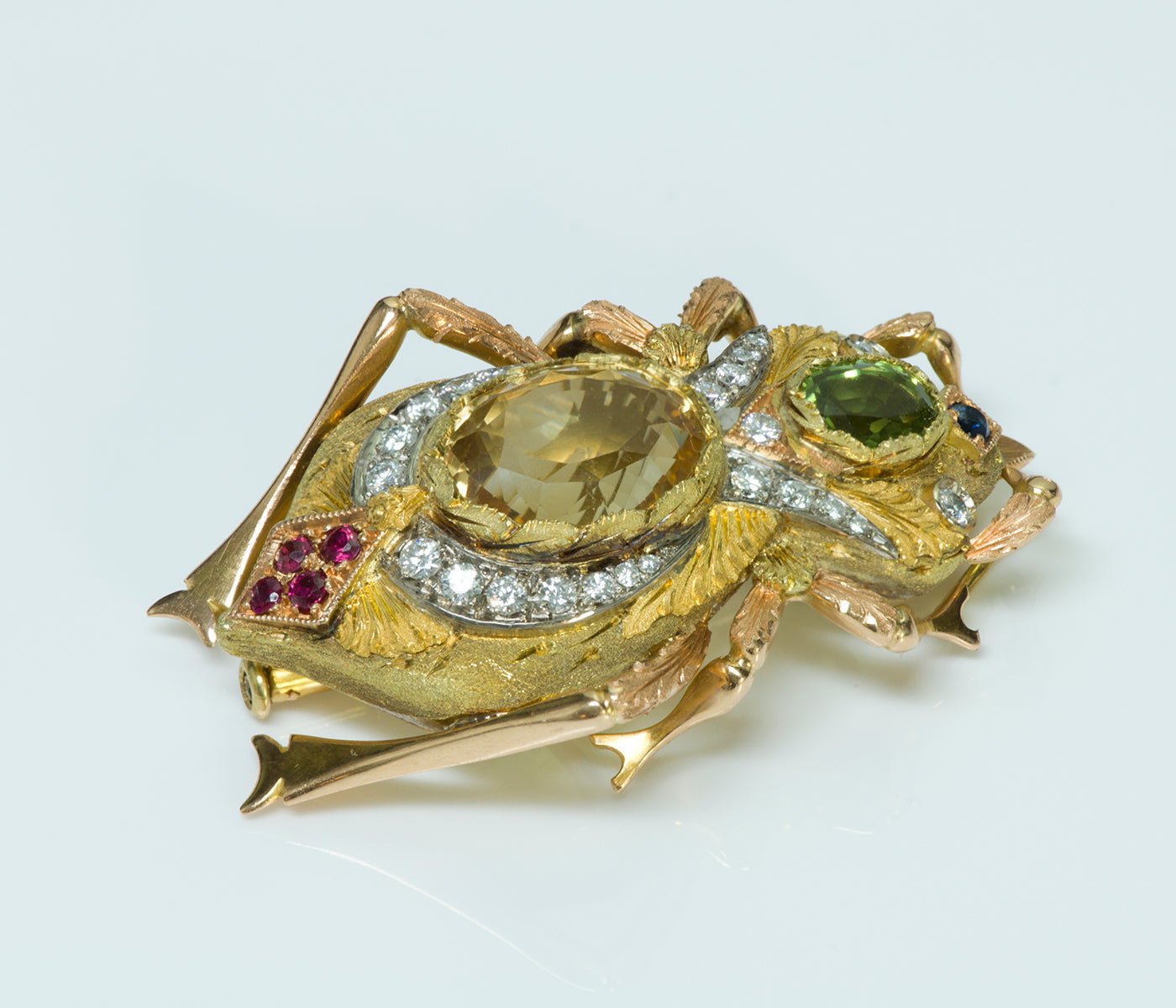
Perugini Citrine Peridot Diamond Ruby Sapphire Gold Brooch
Sale price$6,250.00
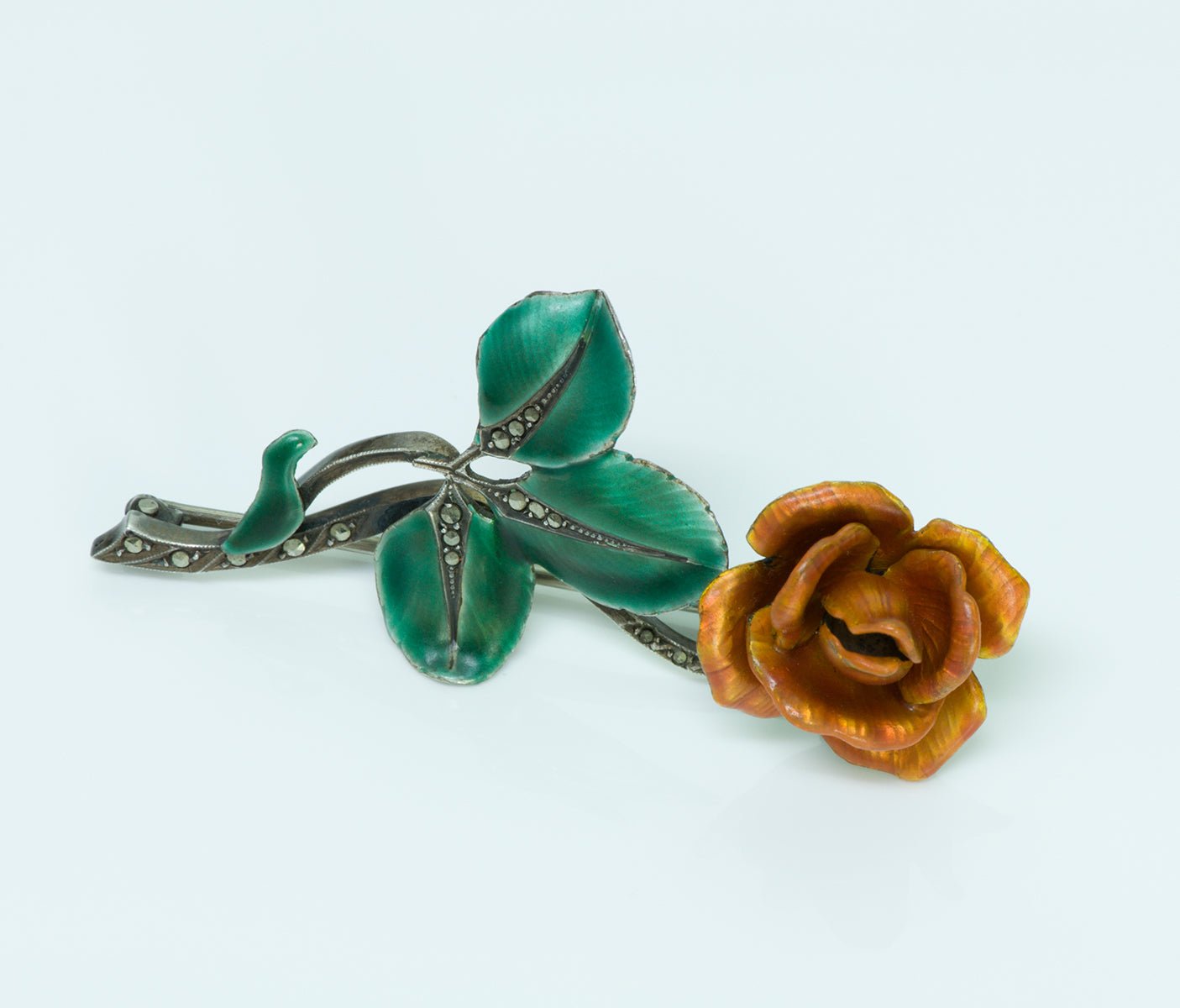
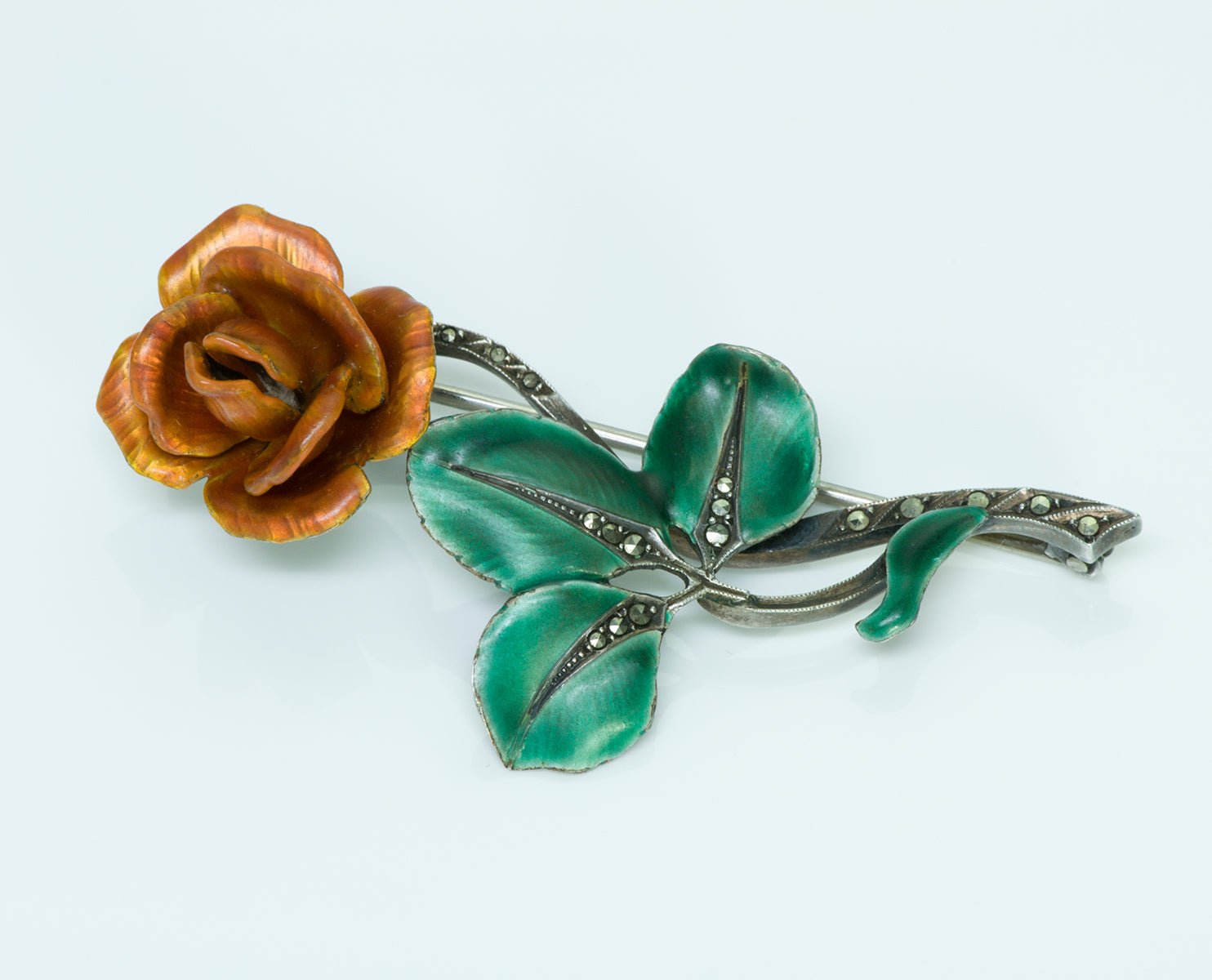
Sterling Silver Enamel Marcasite Flower Vintage Brooch
Sale price$495.00
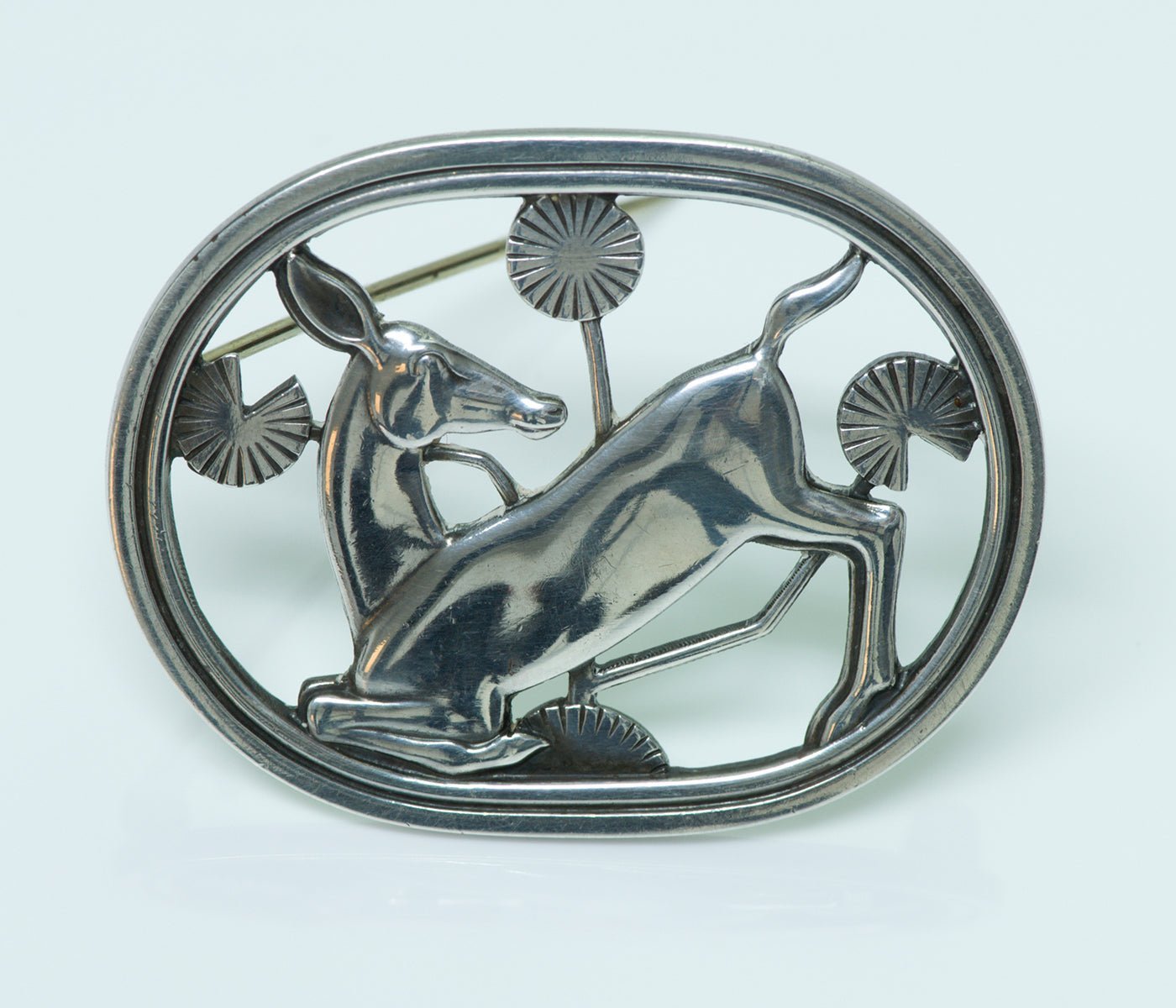
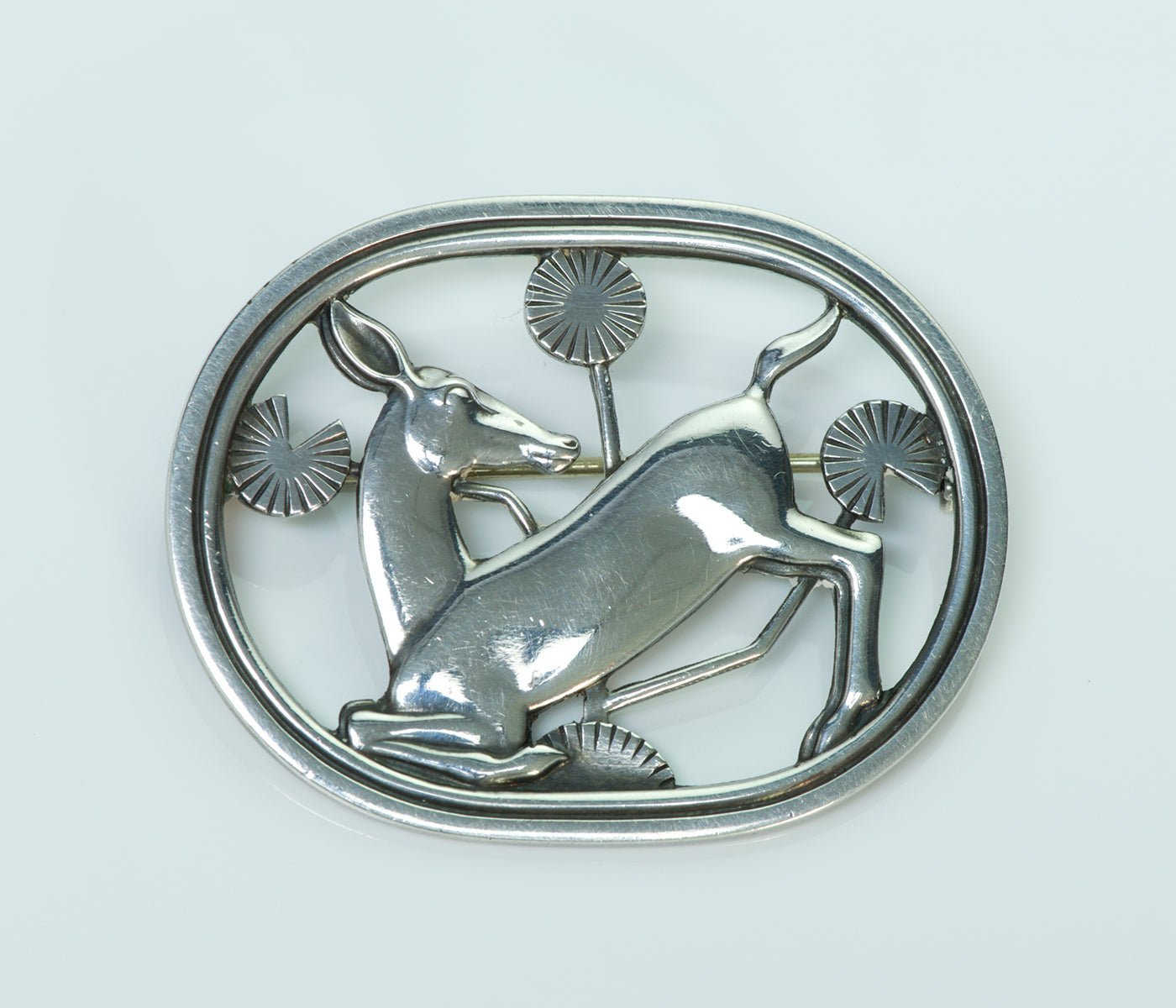
Georg Jensen By Arno Malinowski Art Deco Silver Deer Brooch
Sale price$950.00
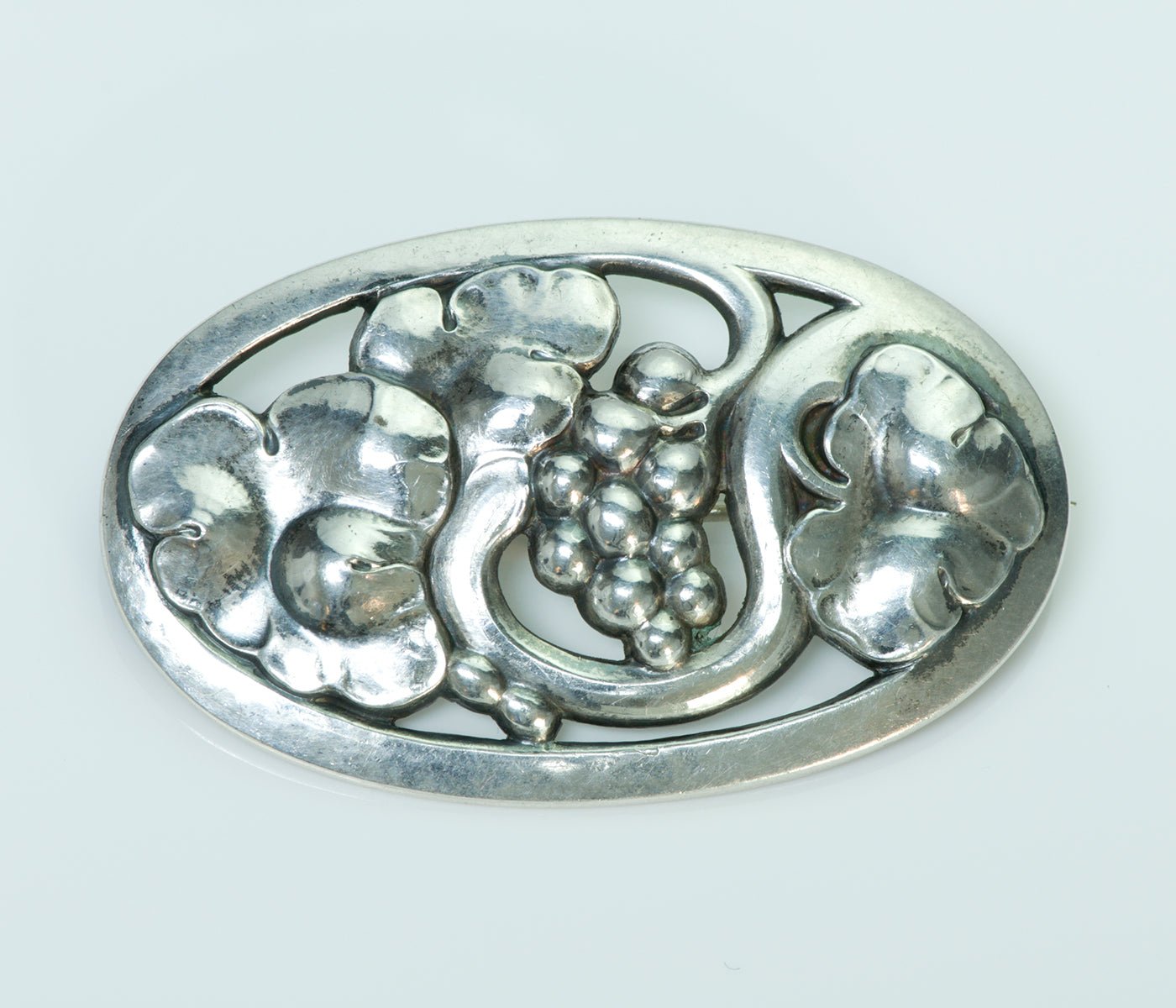
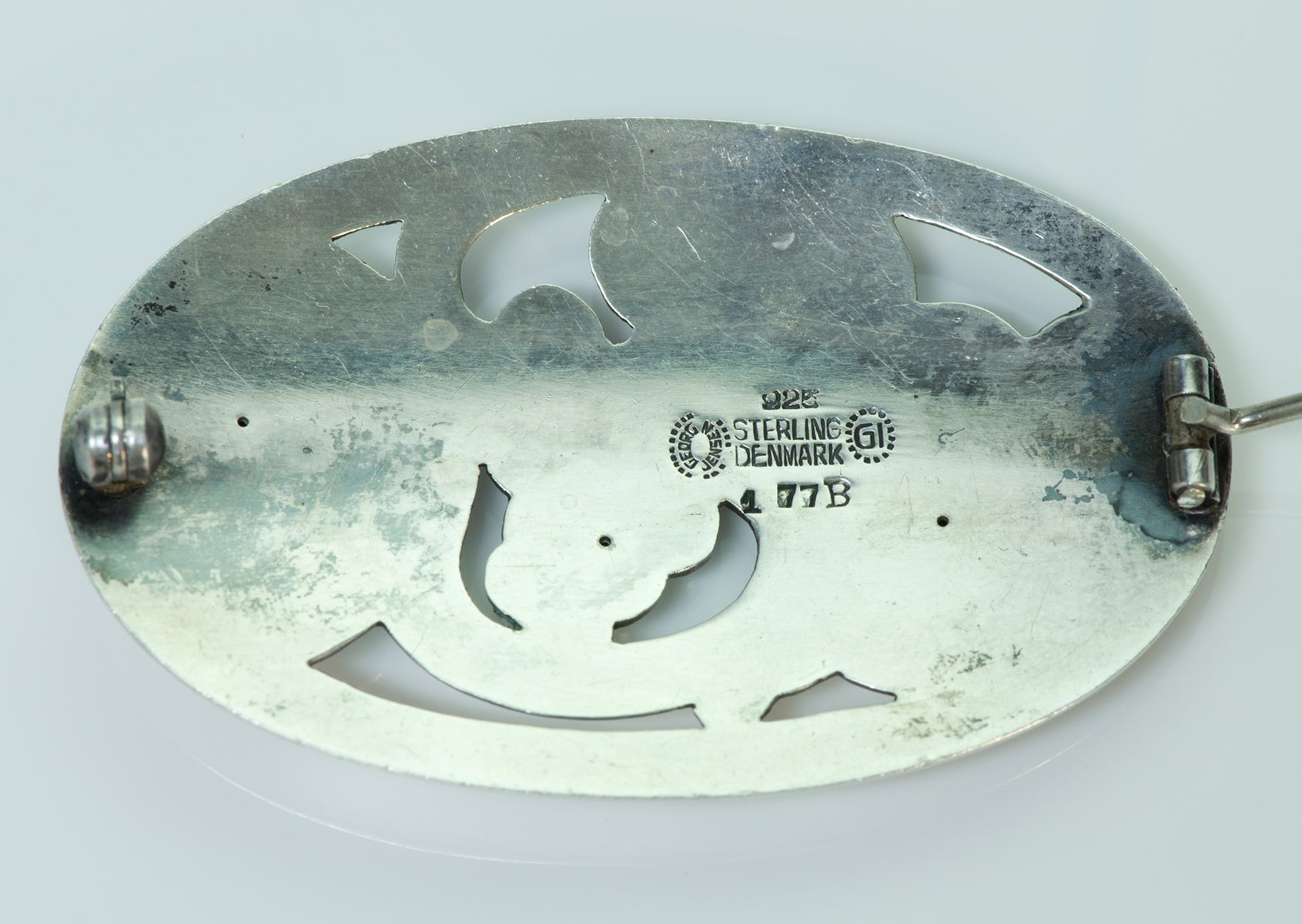
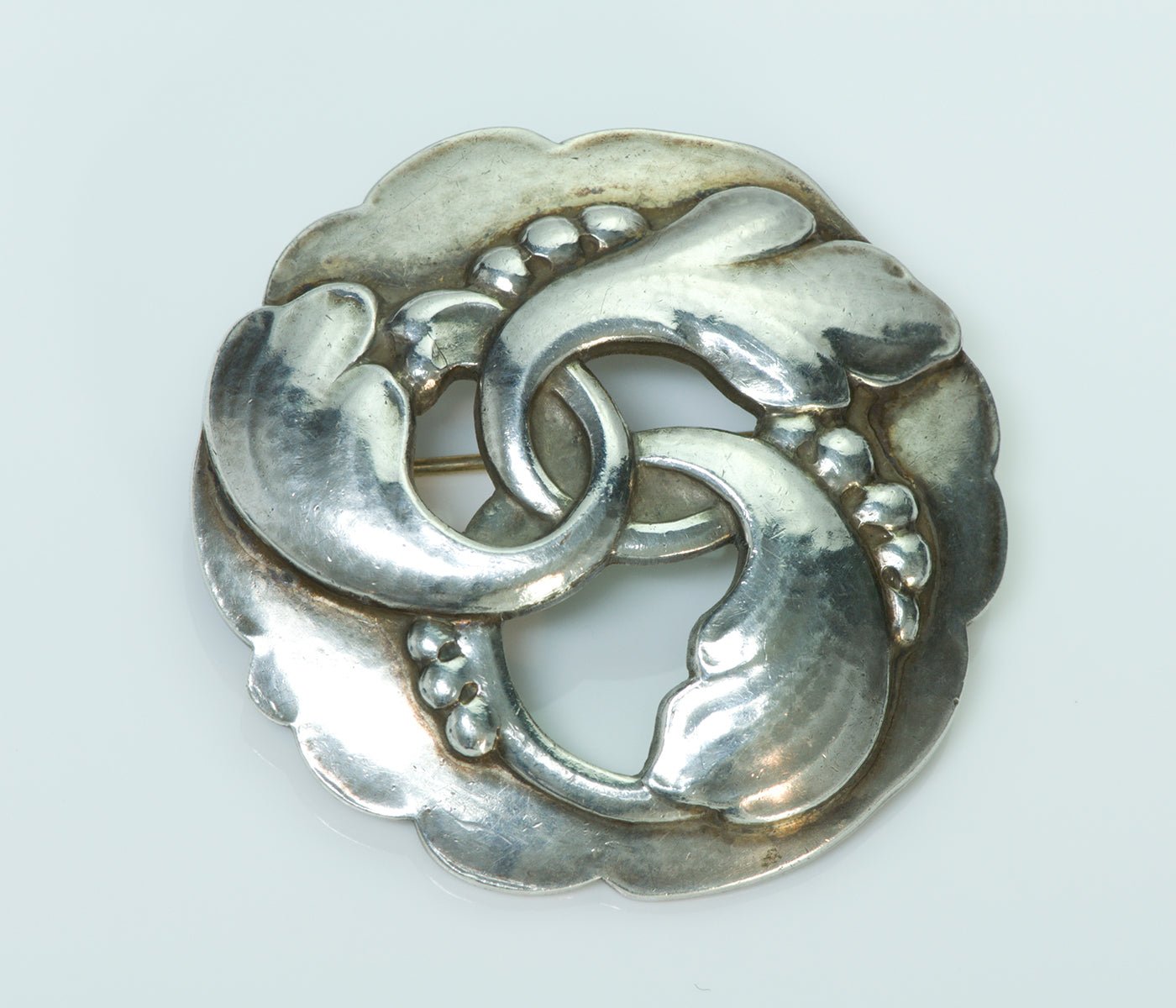
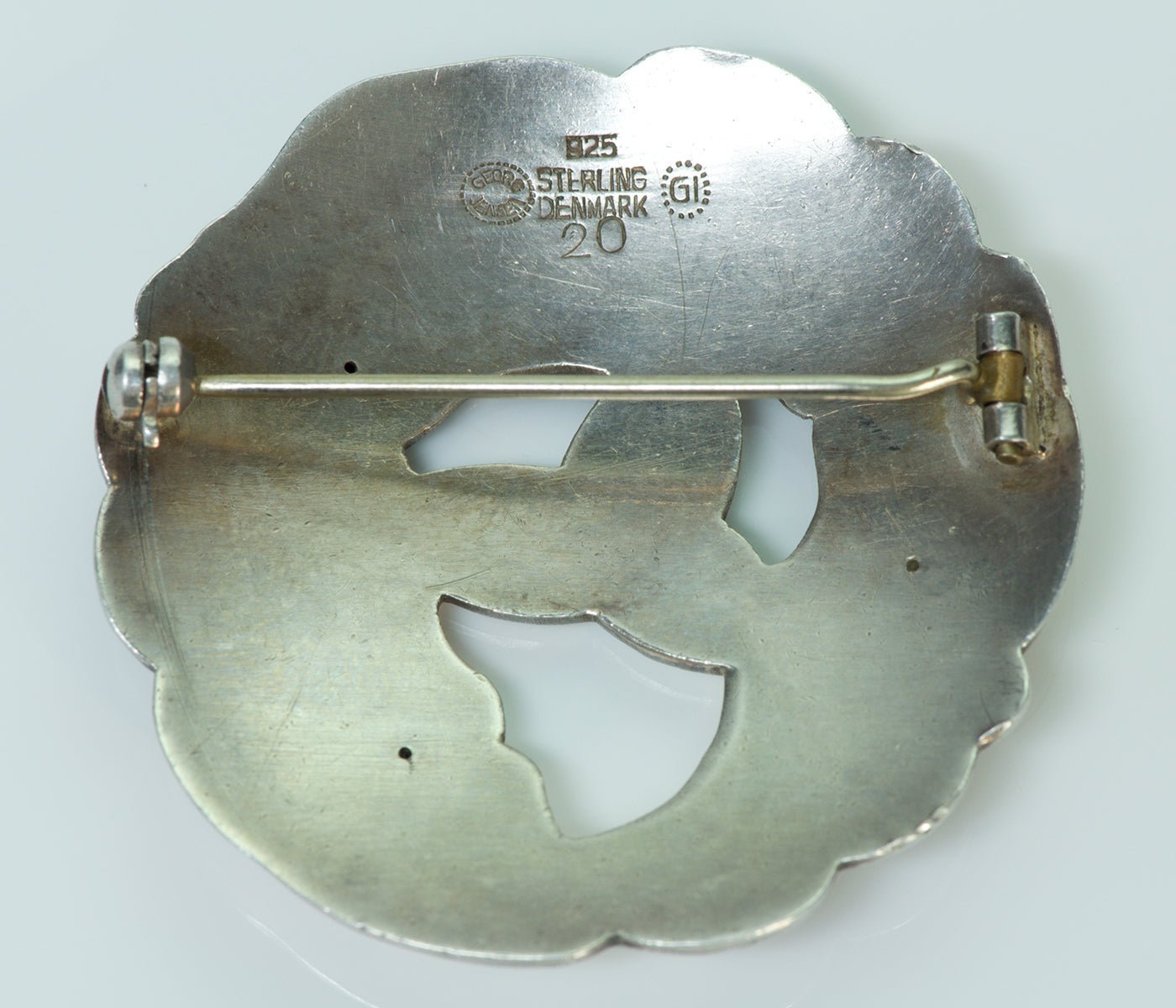
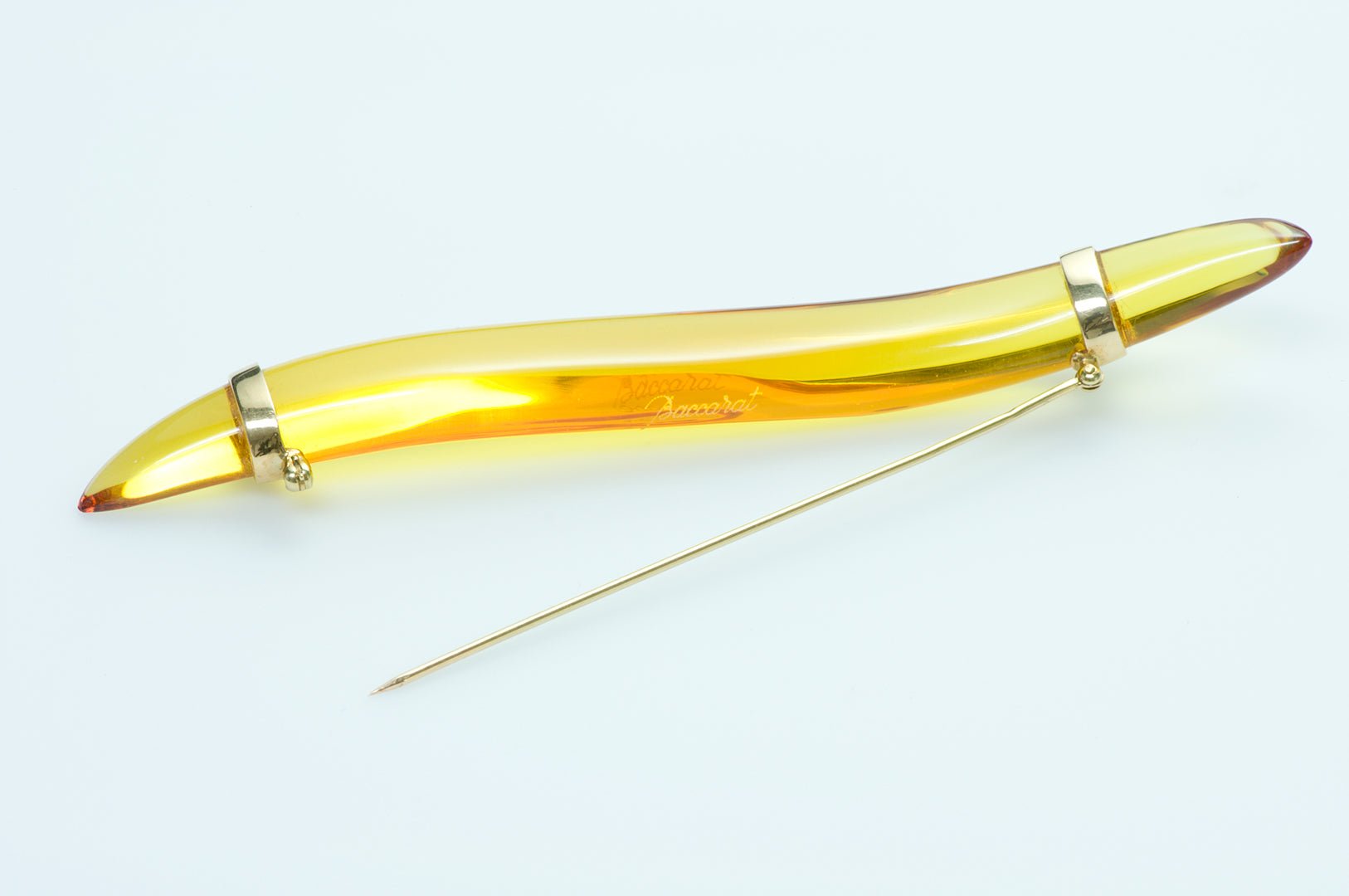
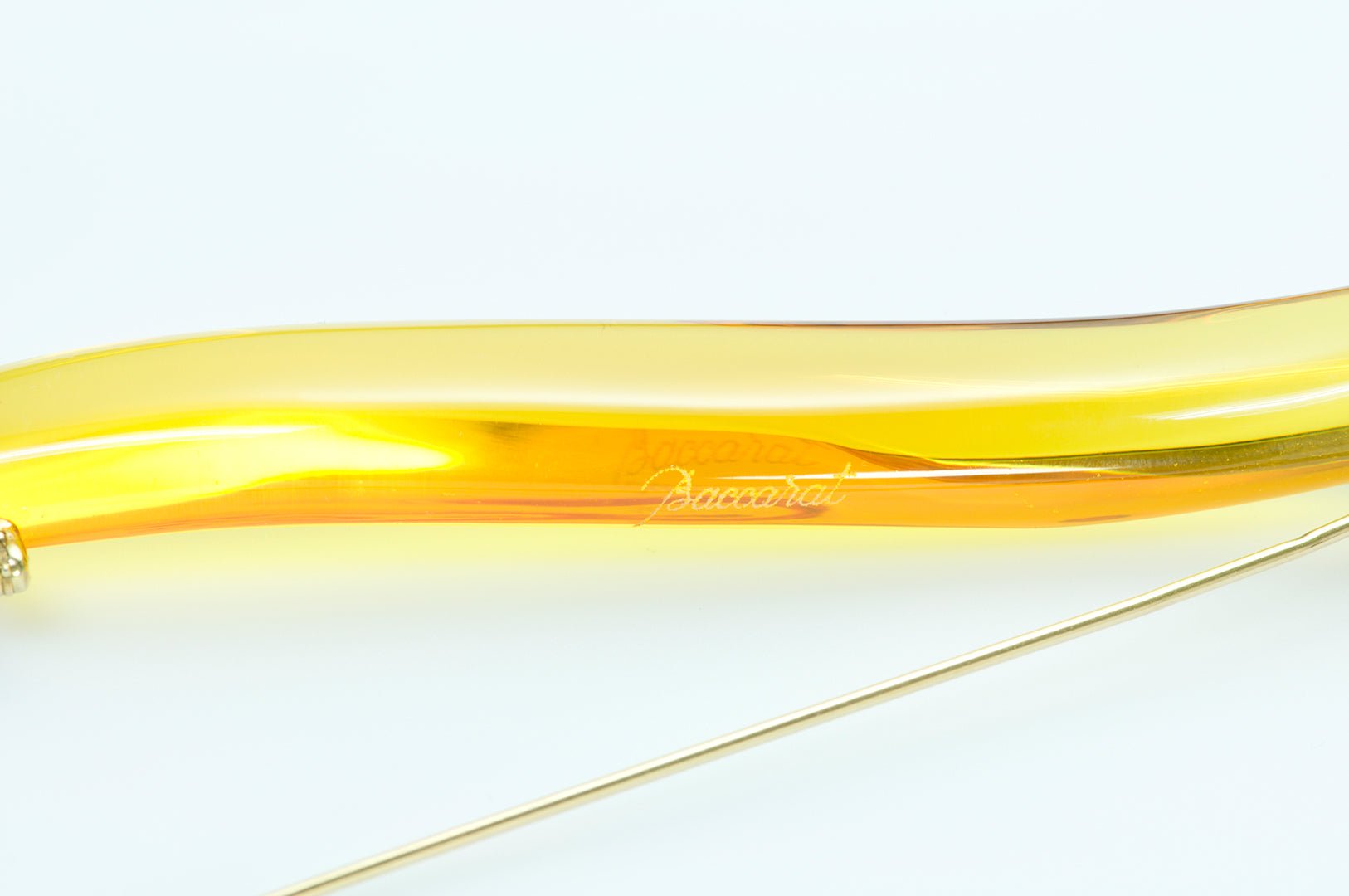
French Baccarat 18K Yellow Gold Glass Brooch
Sale price$2,500.00
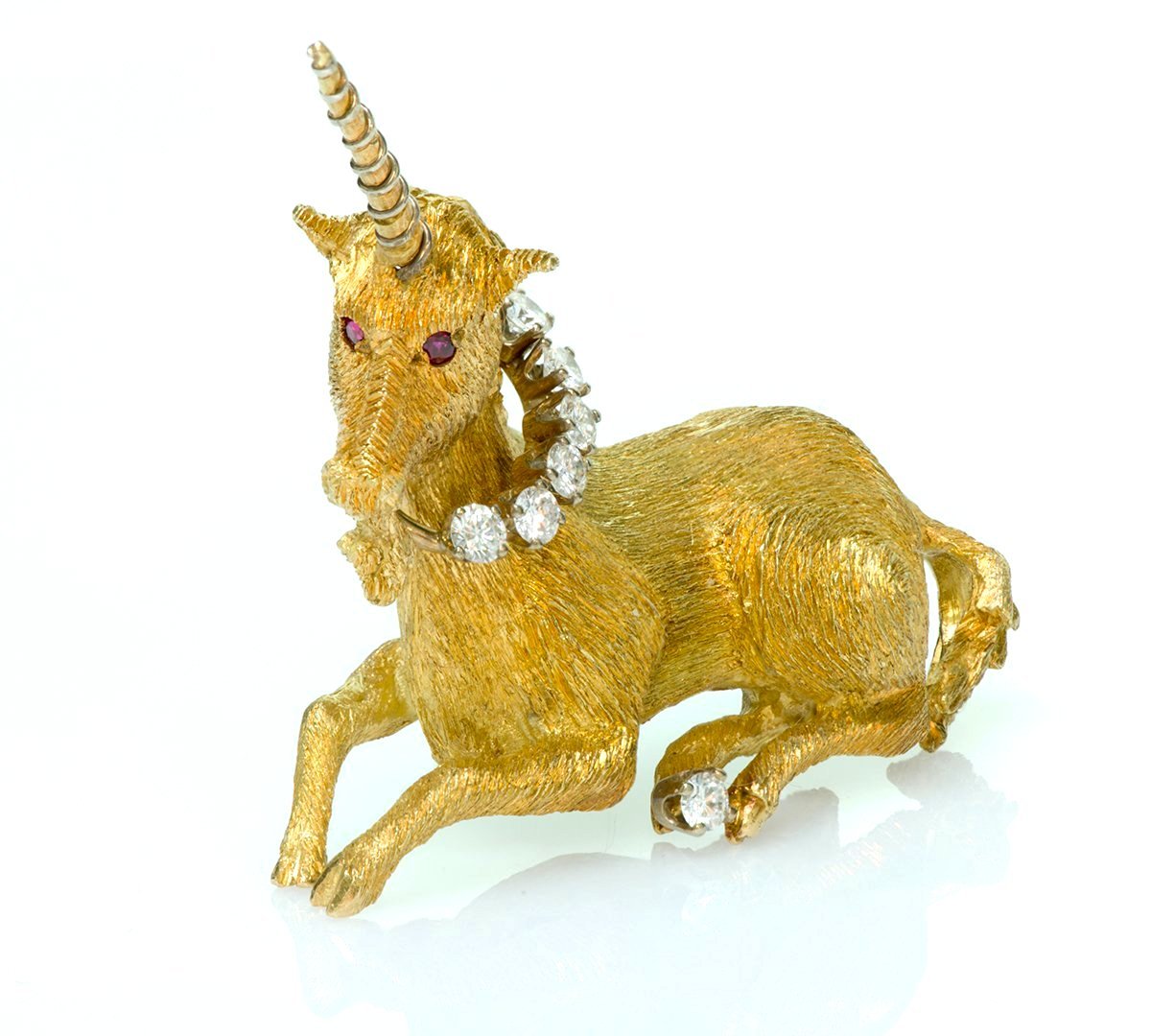
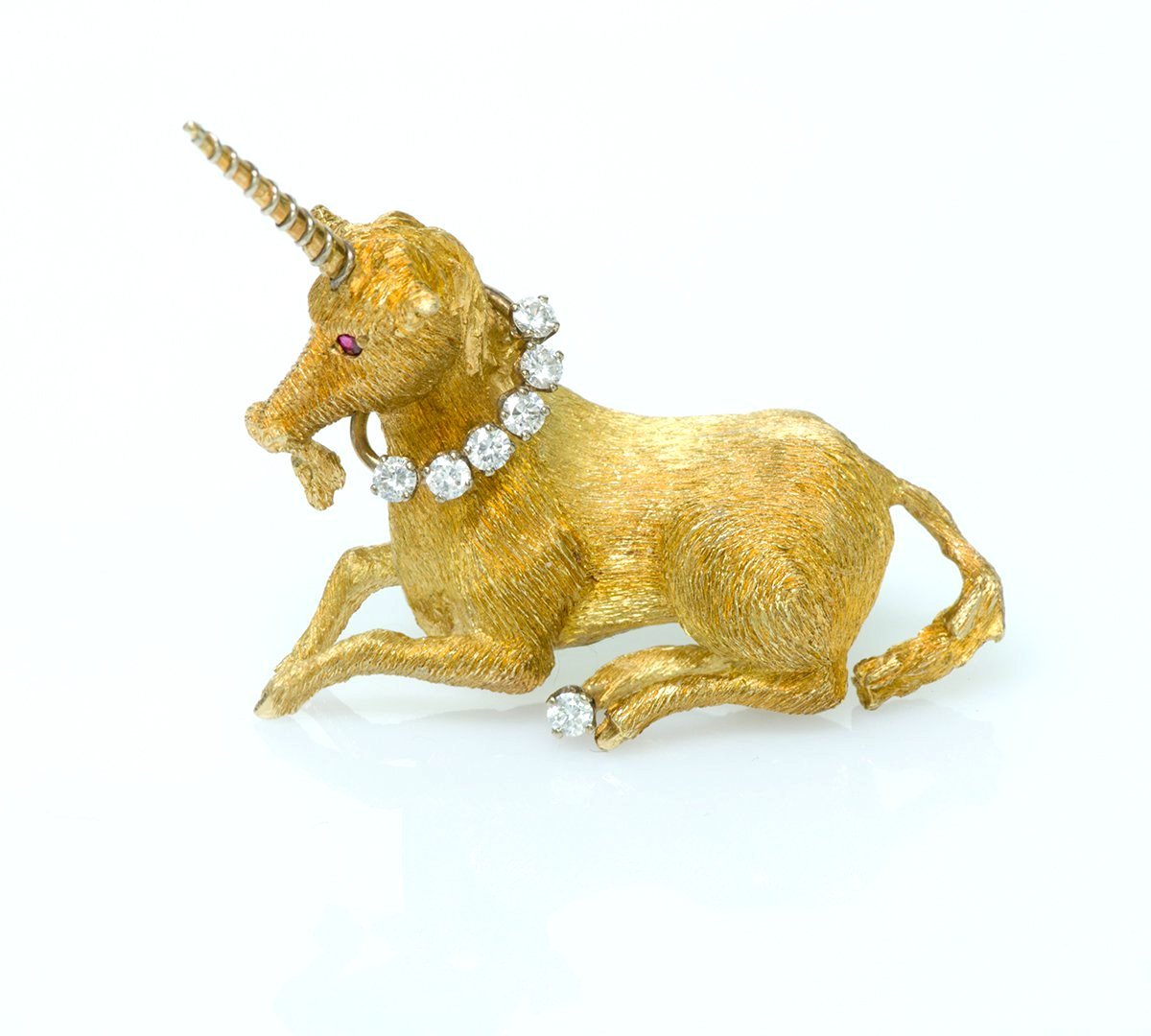
Tiffany & Co. Diamond Ruby 18K Gold Unicorn Brooch
Sale price$14,500.00
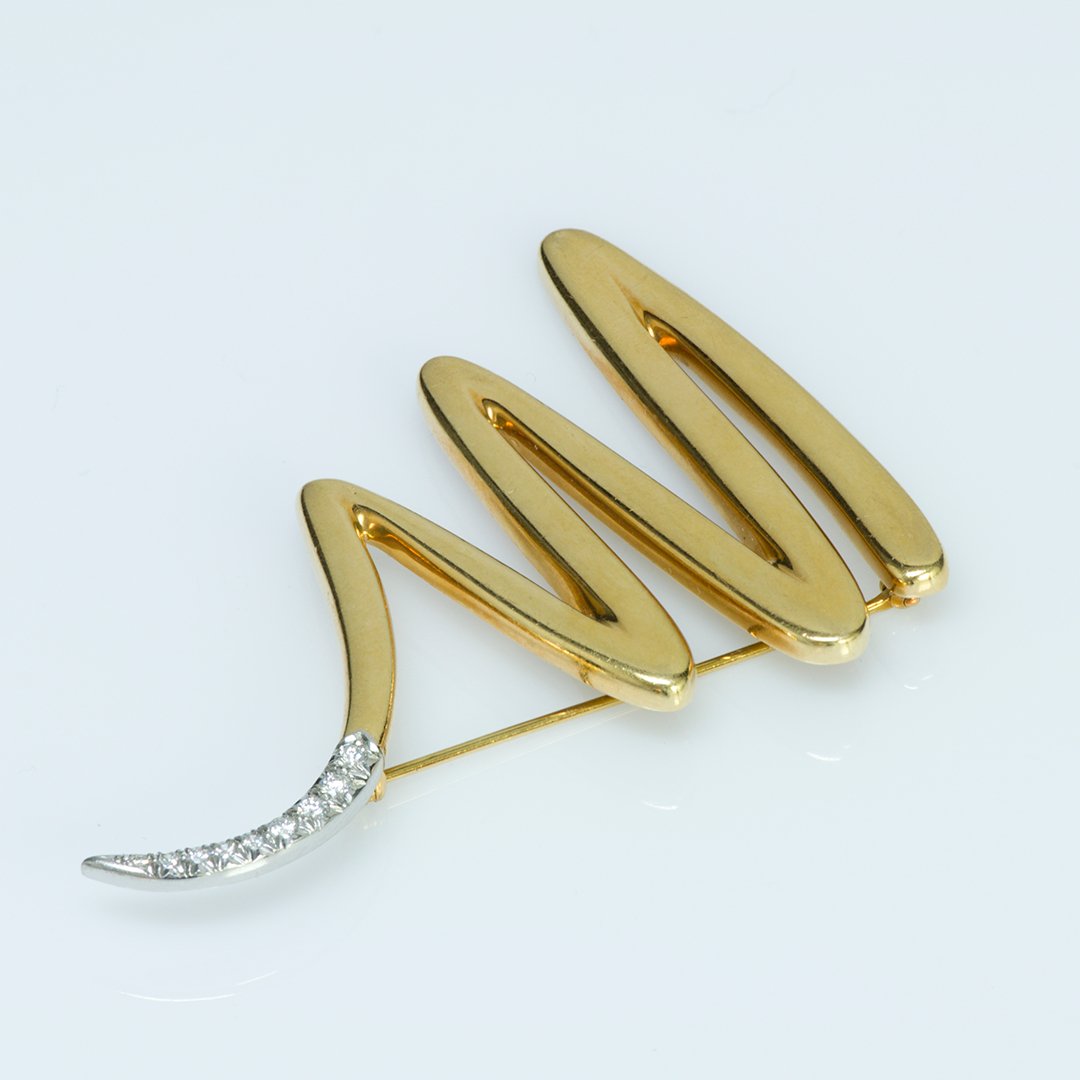
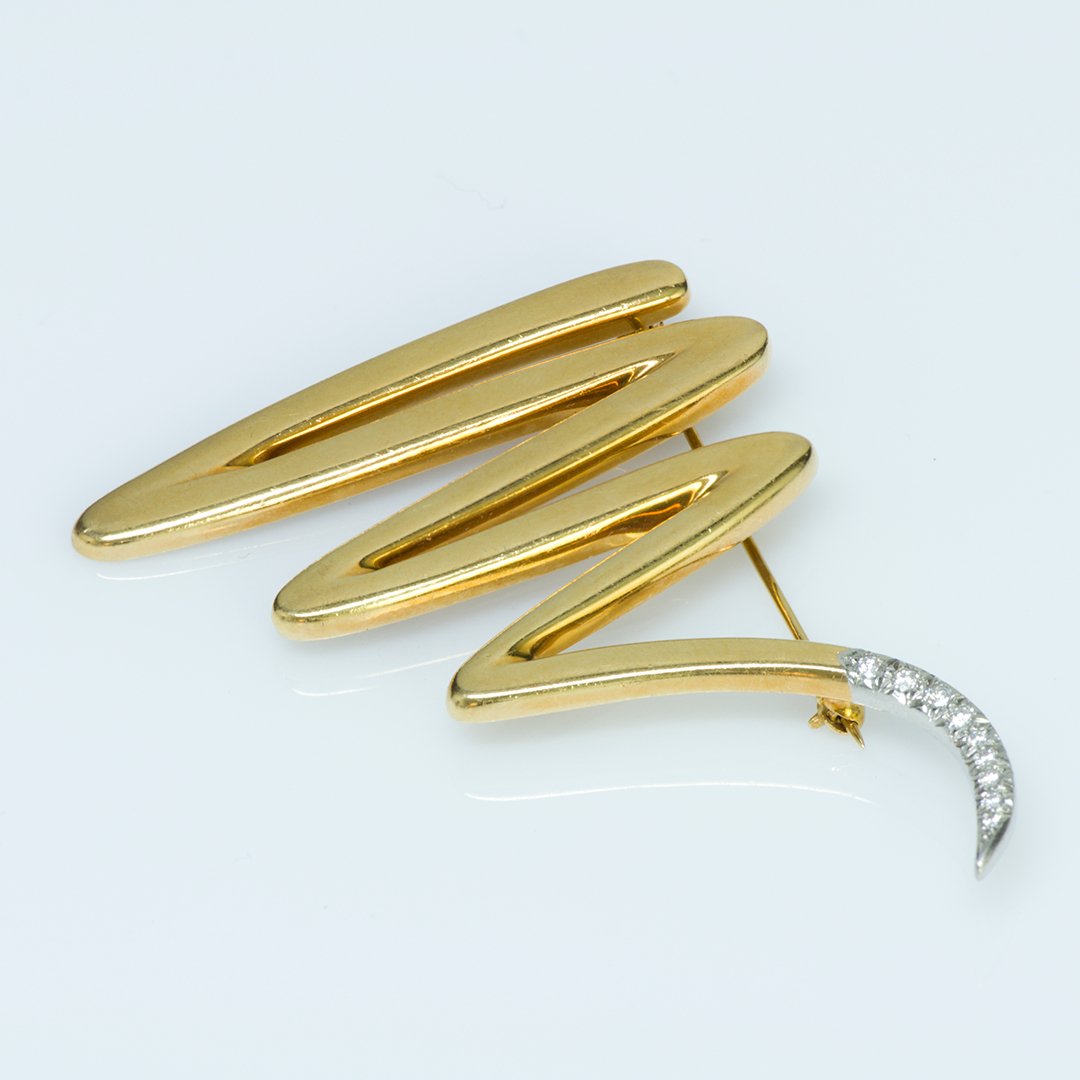
Tiffany & Co. Paloma Picasso Gold Platinum & Diamond Zig Zag Brooch
Sale price$4,950.00
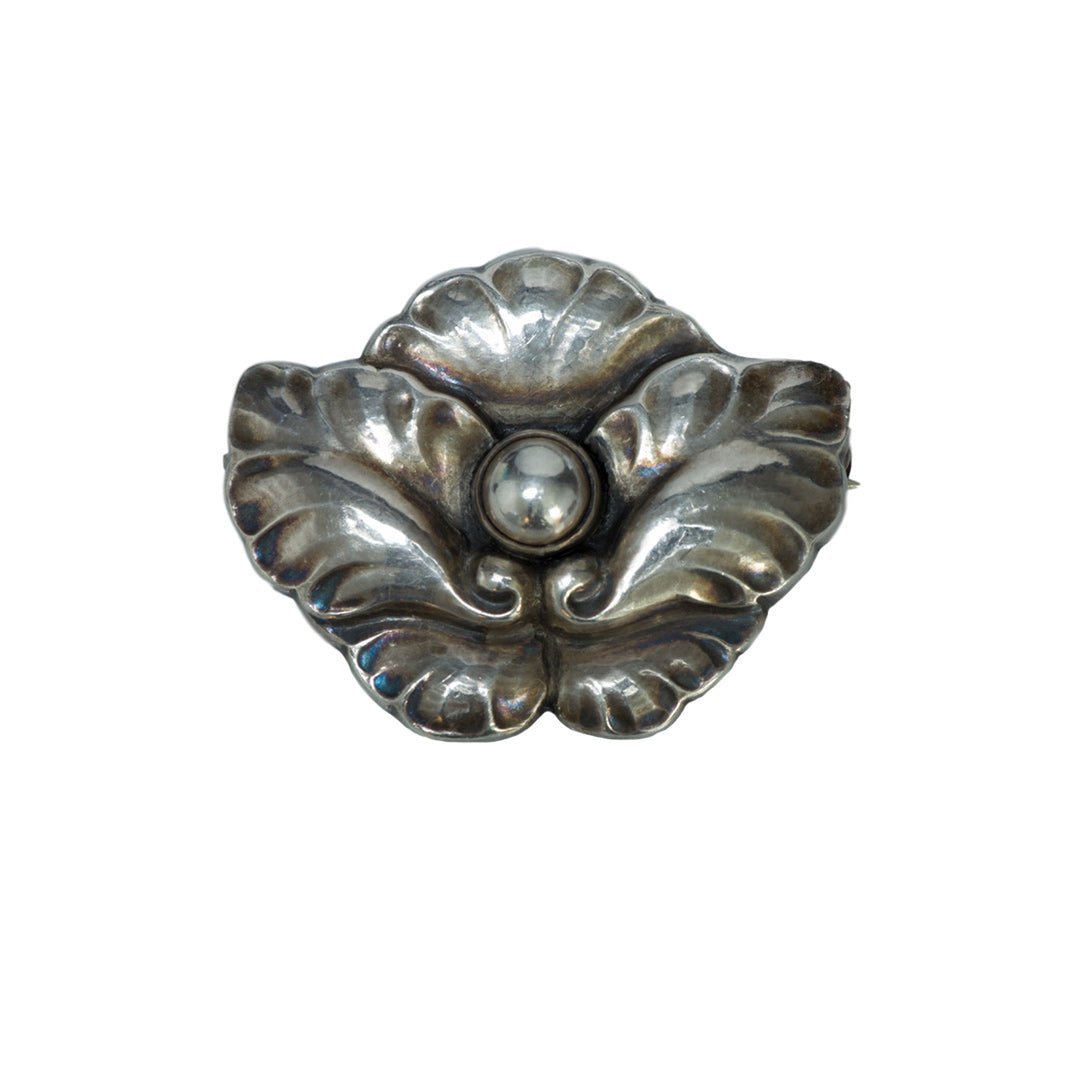
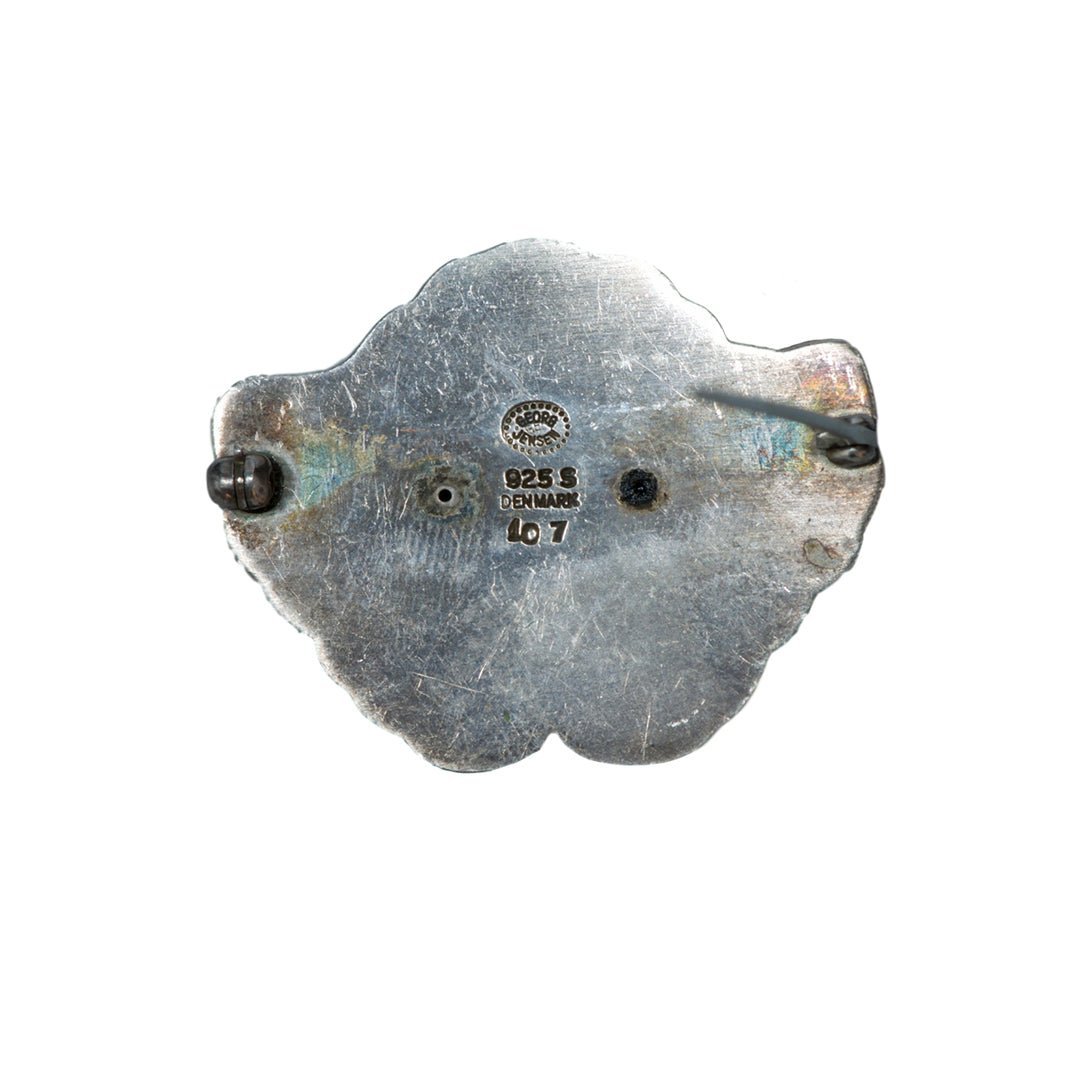
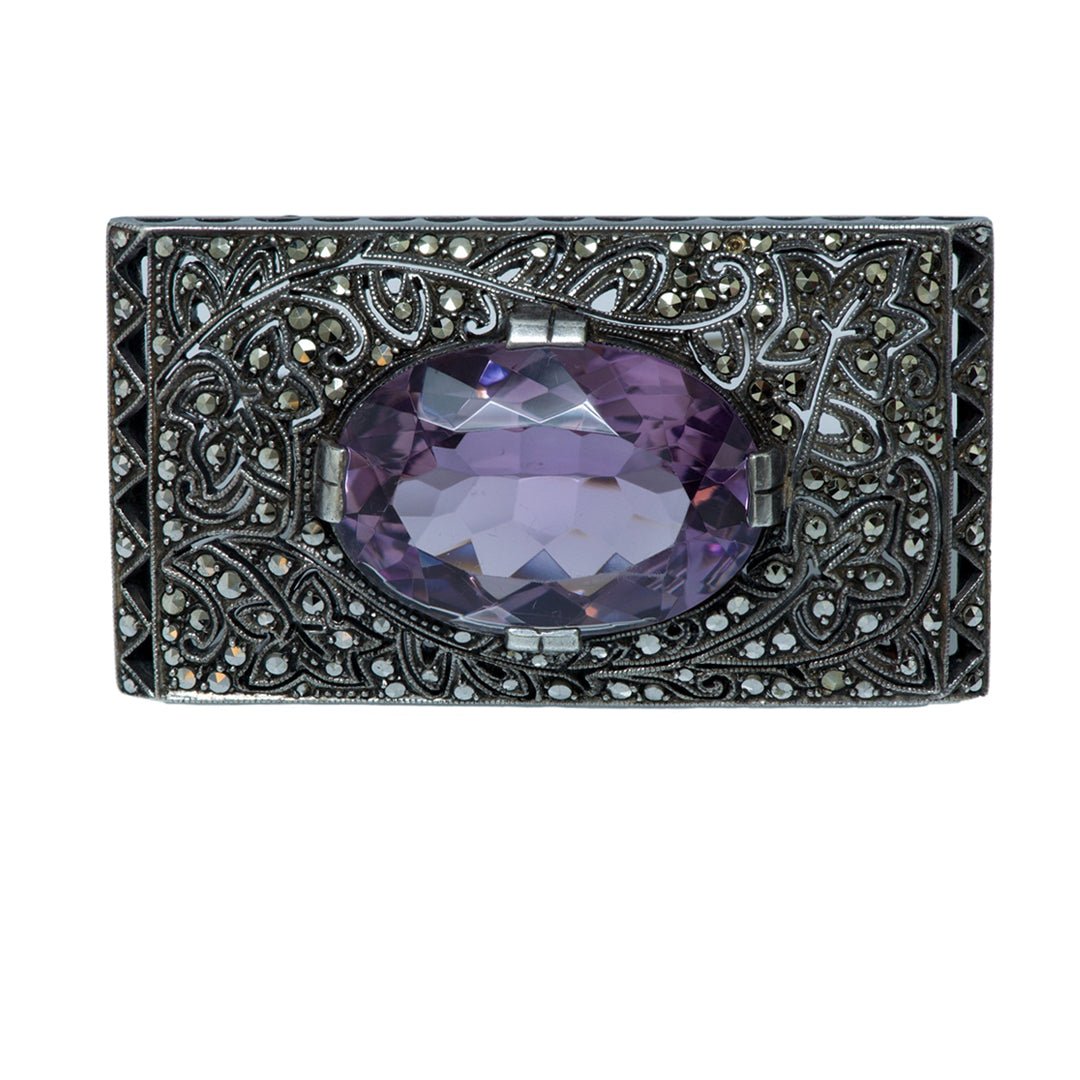
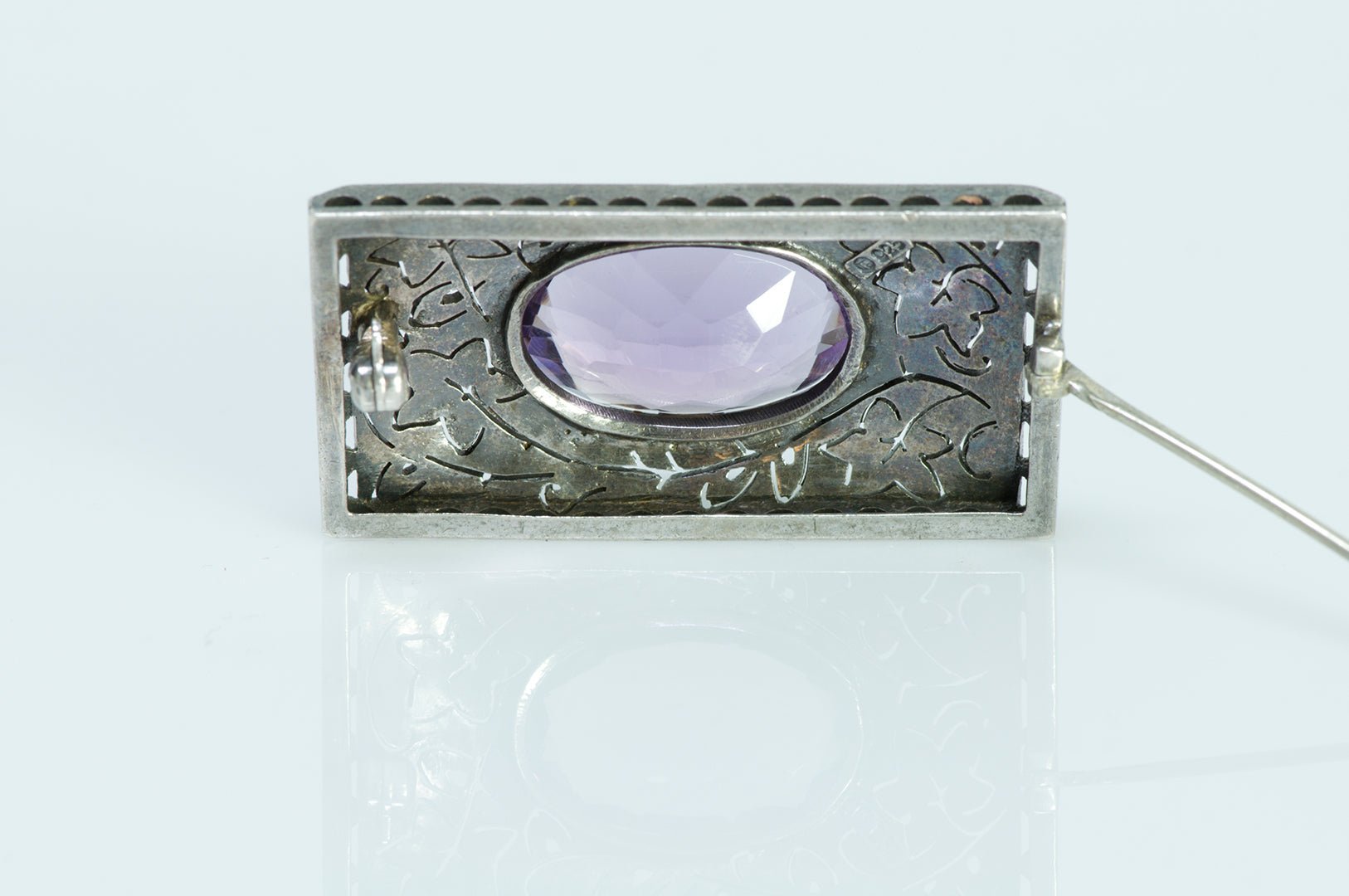
Theodore Fahrner Silver Amethyst Brooch
Sale price$975.00
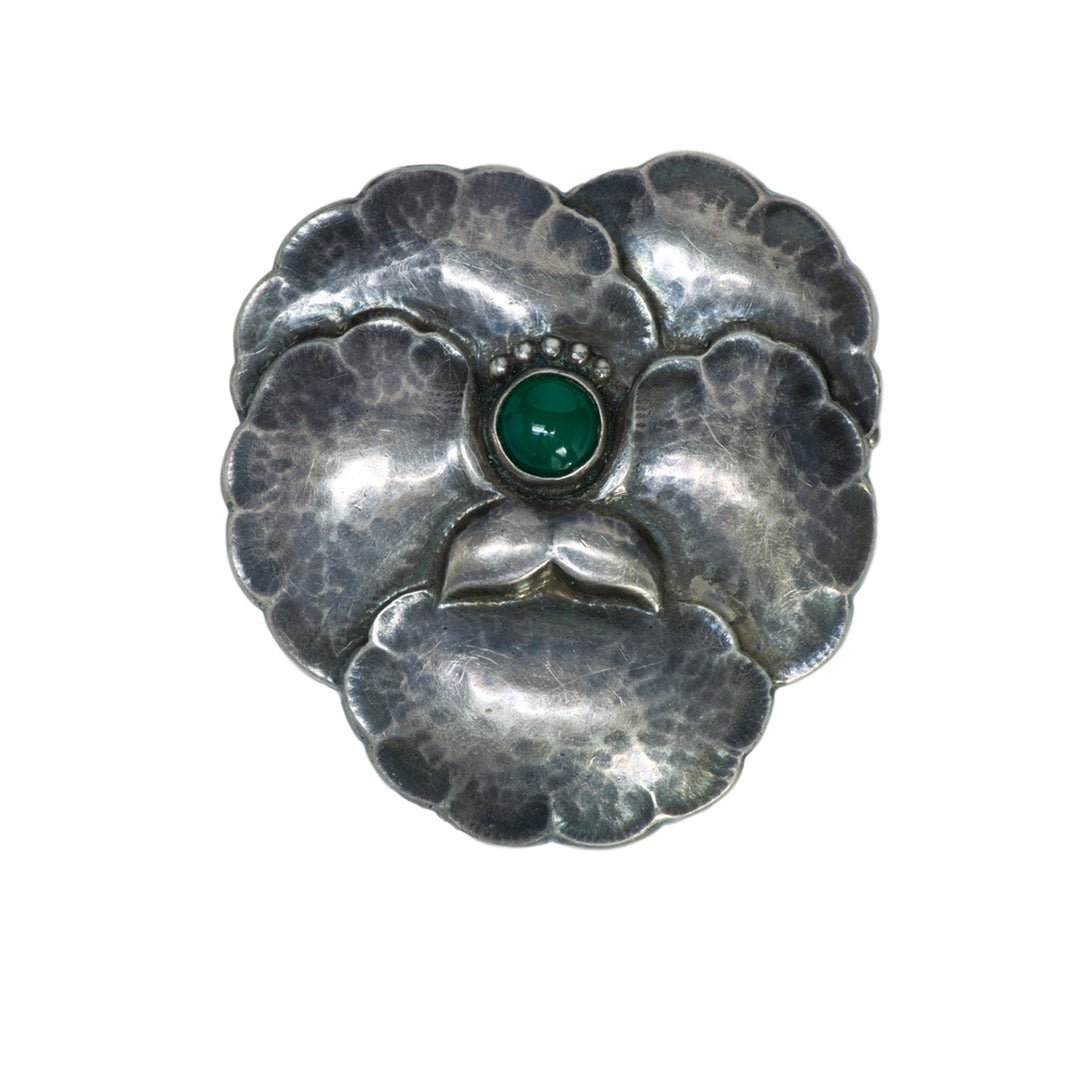
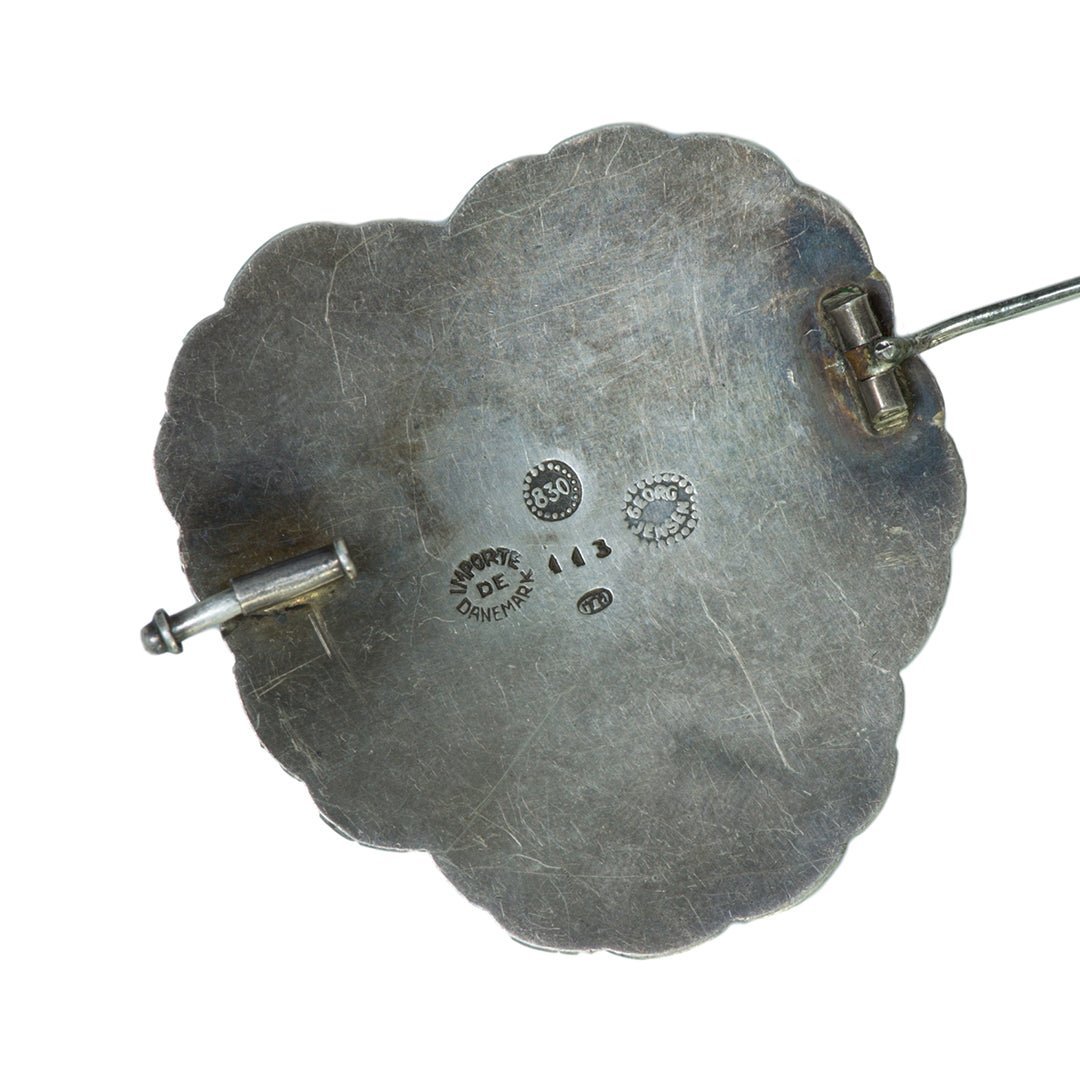
Georg Jensen Silver Pansy Green Onyx Brooch
Sale price$975.00
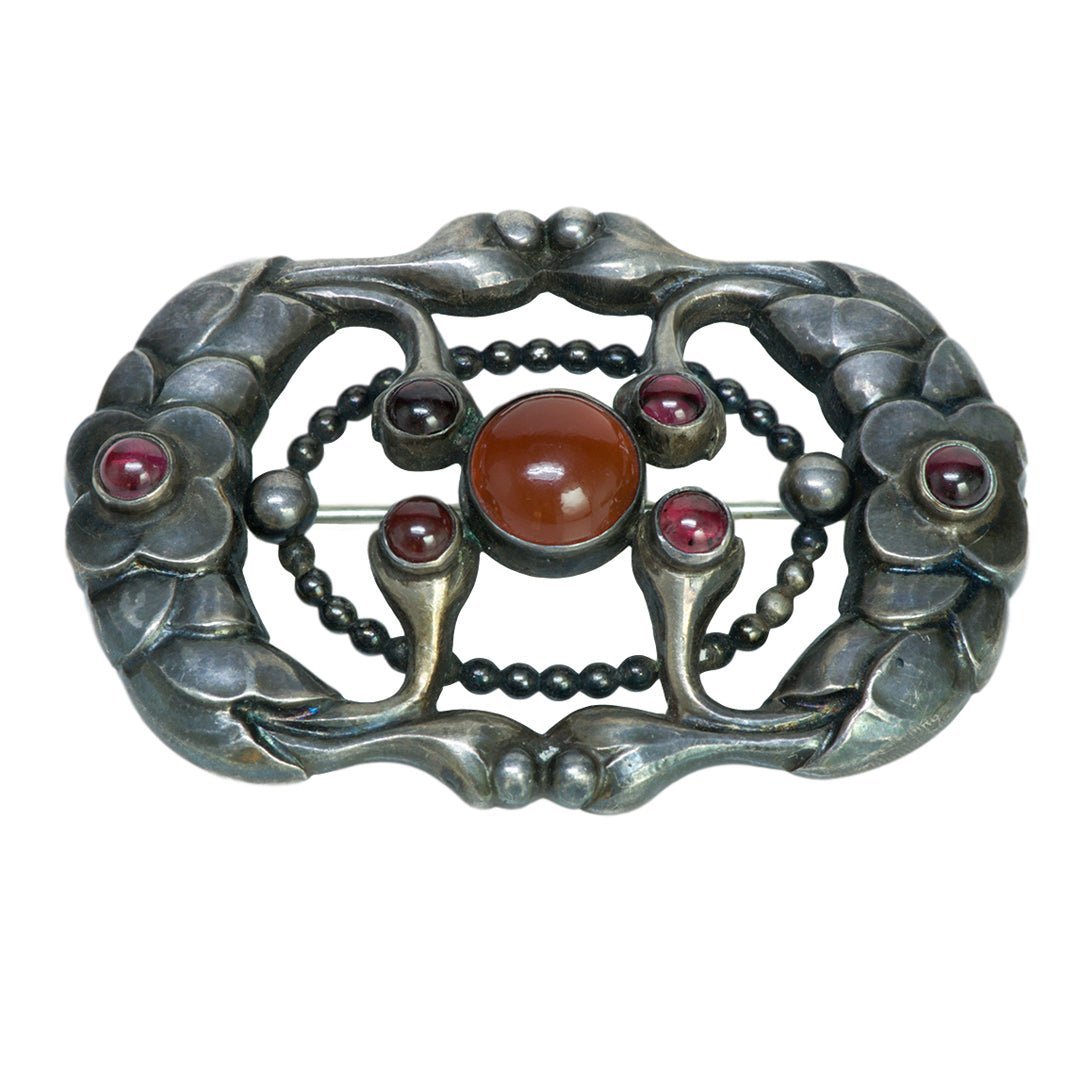
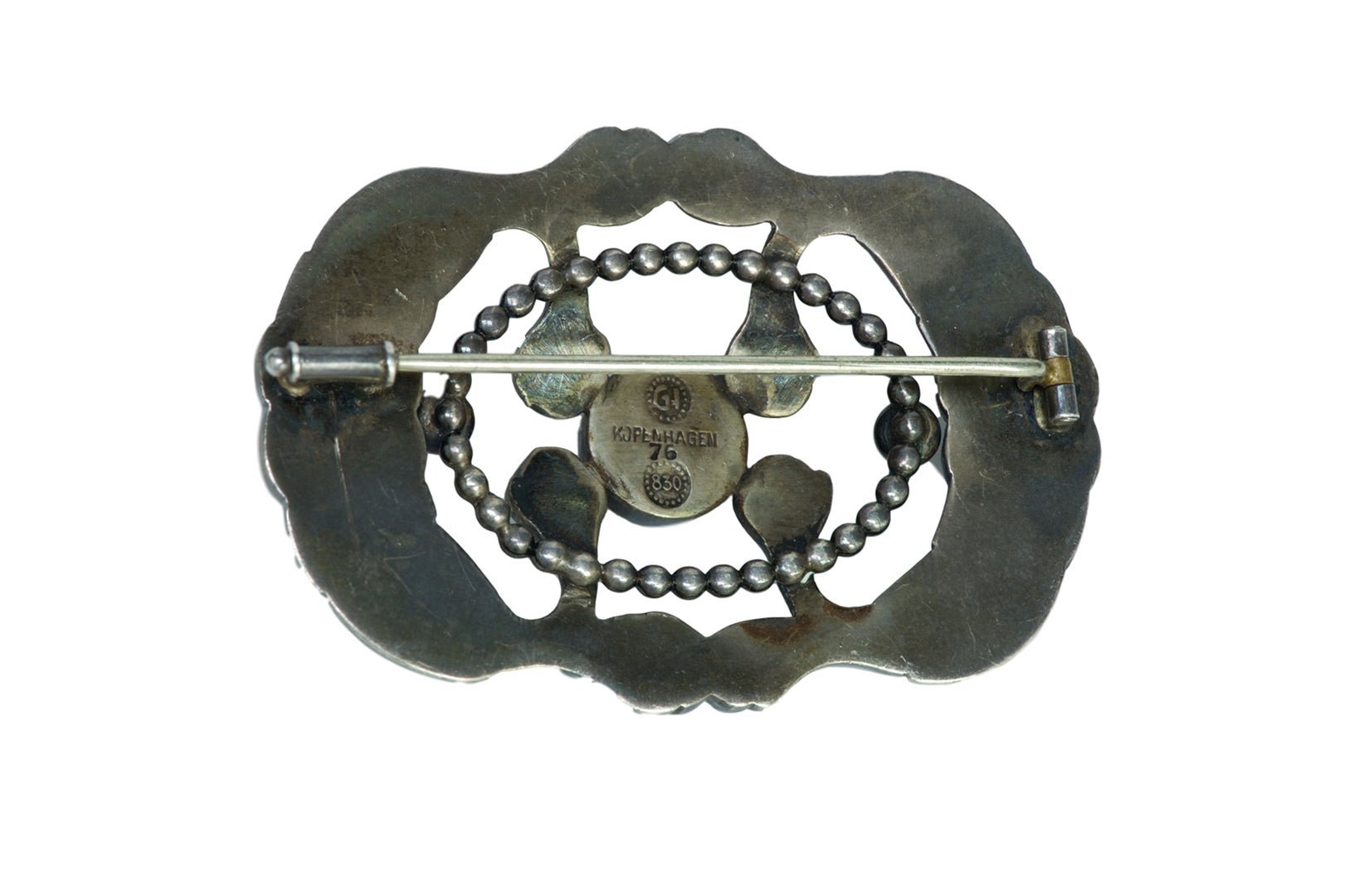
Georg Jensen Silver Carnelian and Garnet Brooch
Sale price$1,950.00
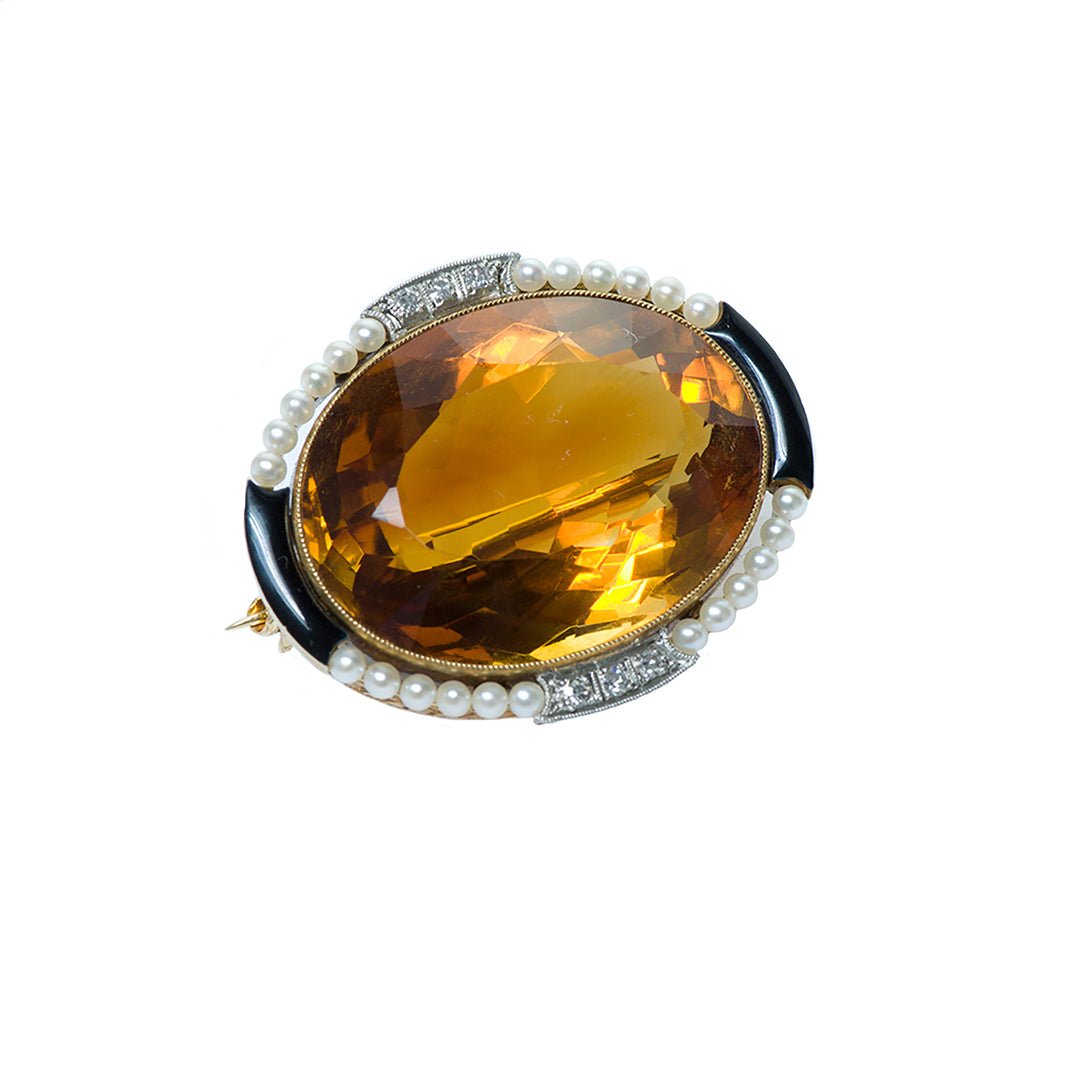
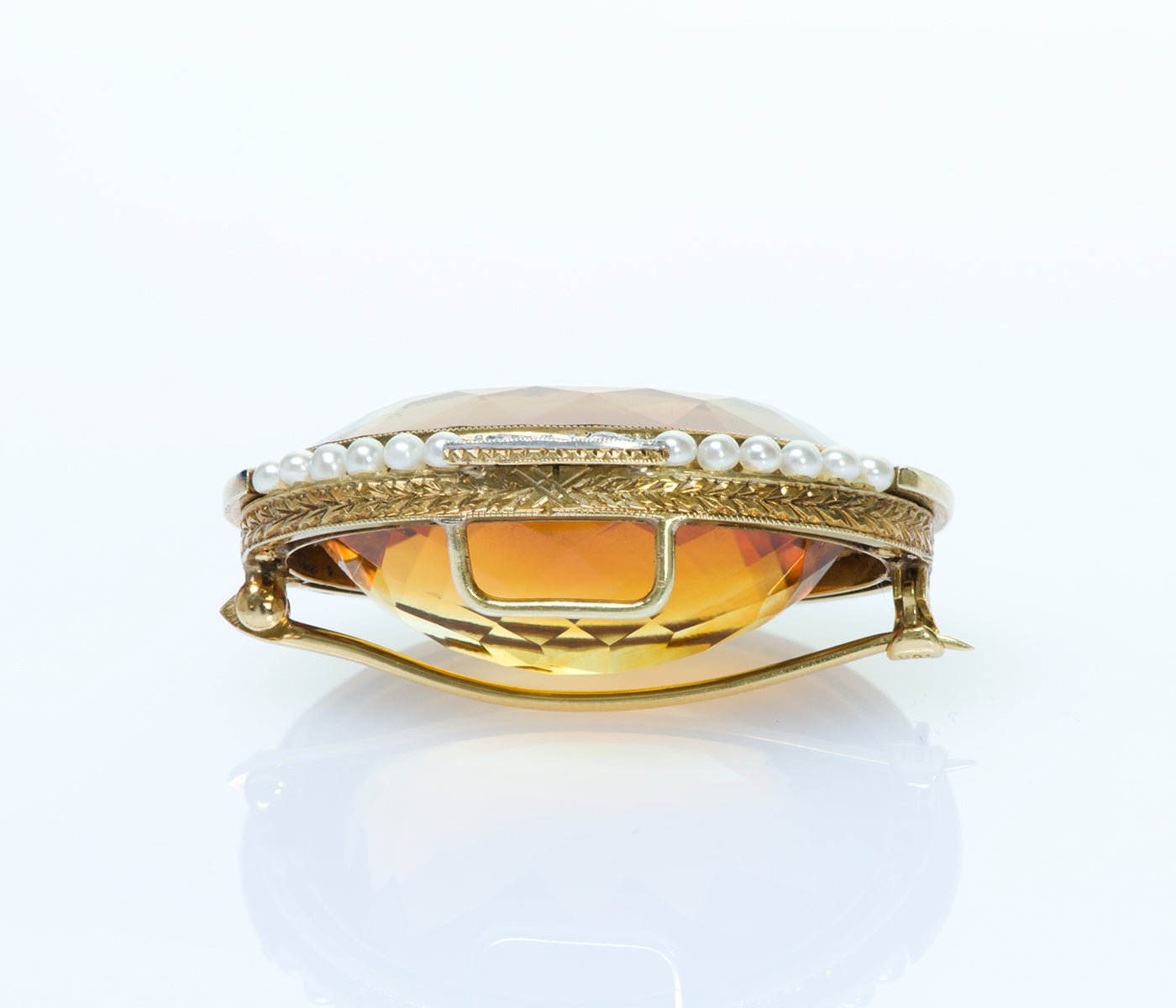
Antique Citrine Gold Diamond Pearl Enamel Brooch
Sale price$4,500.00
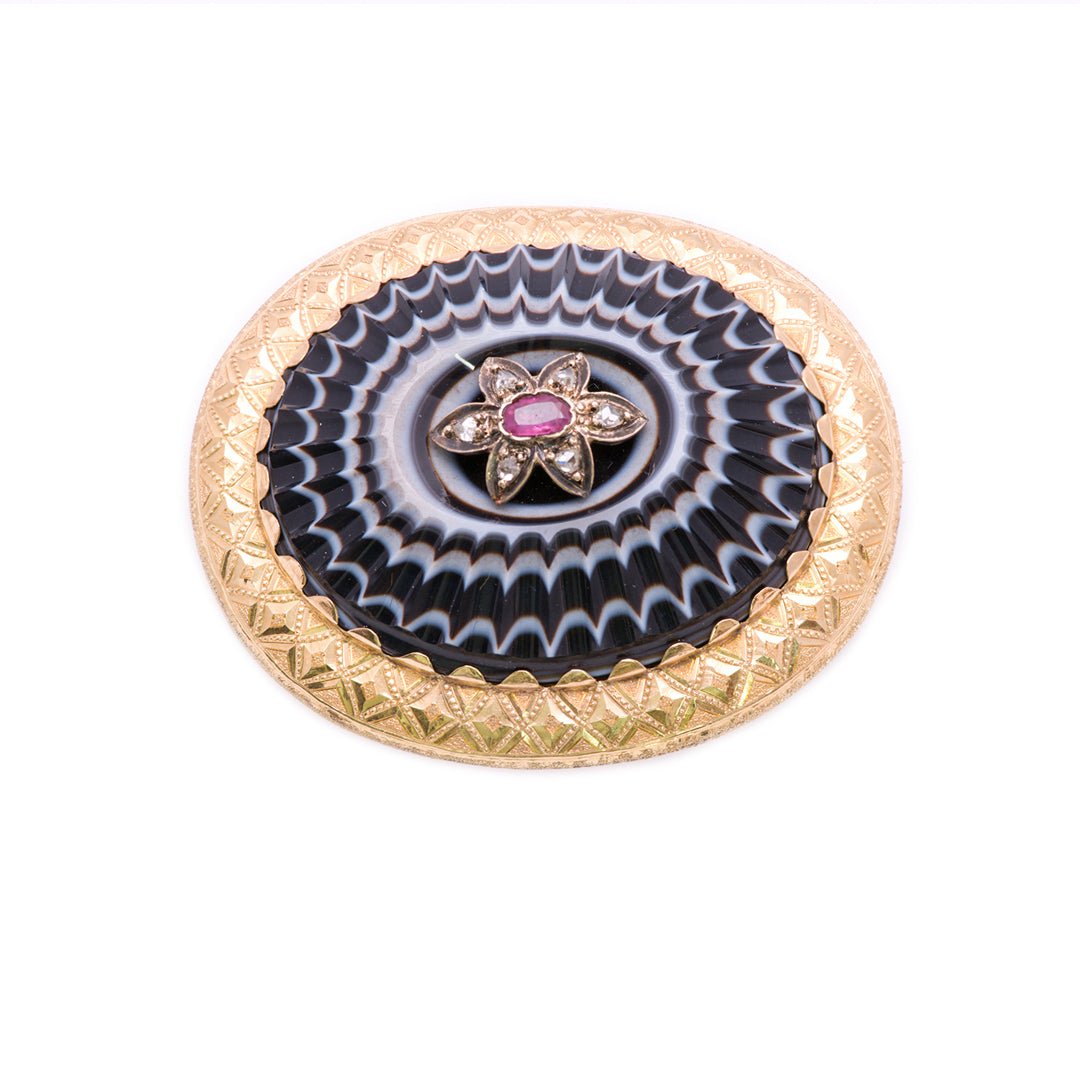
Antique Victorian Gold and Carved Agate Brooch
Sale price$5,950.00
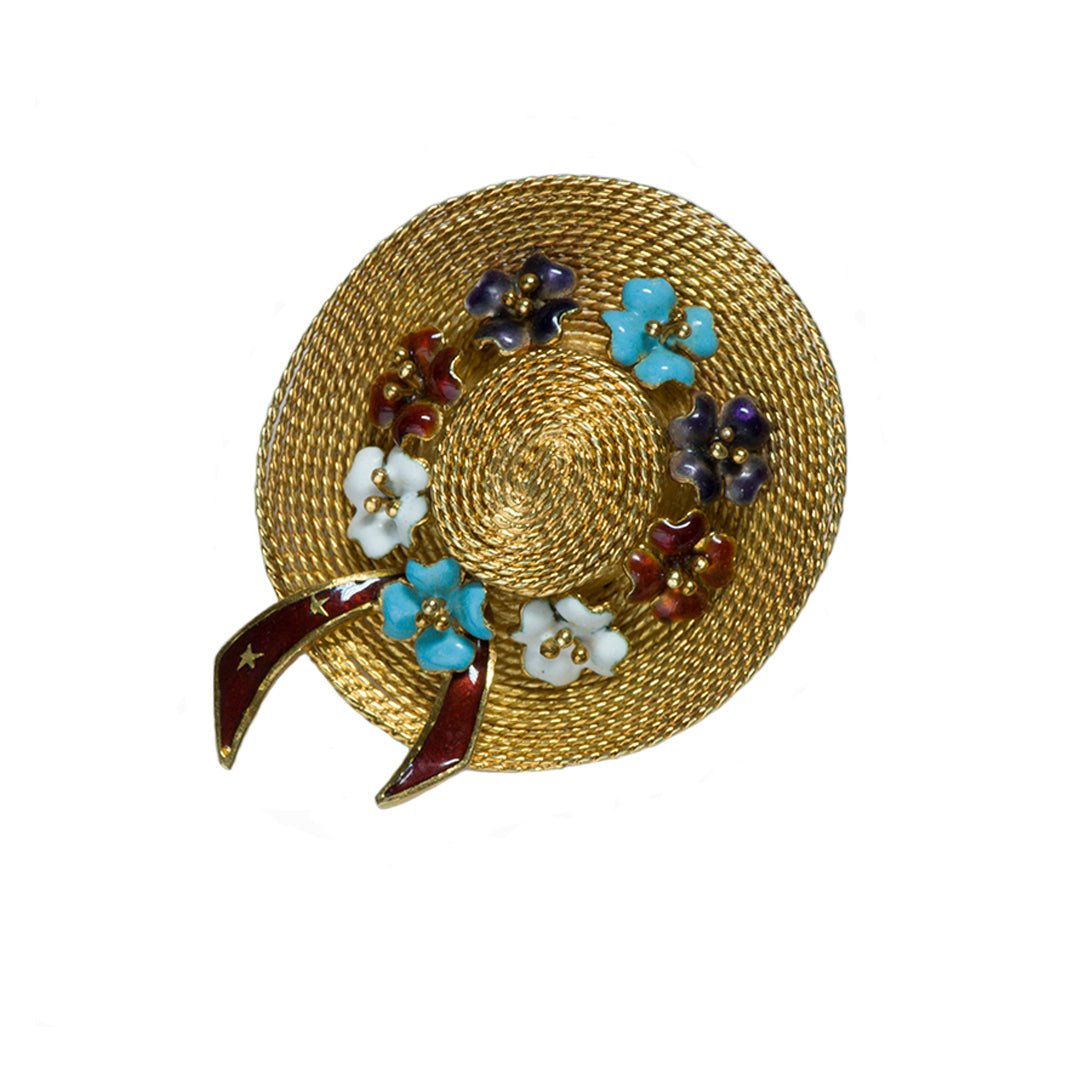
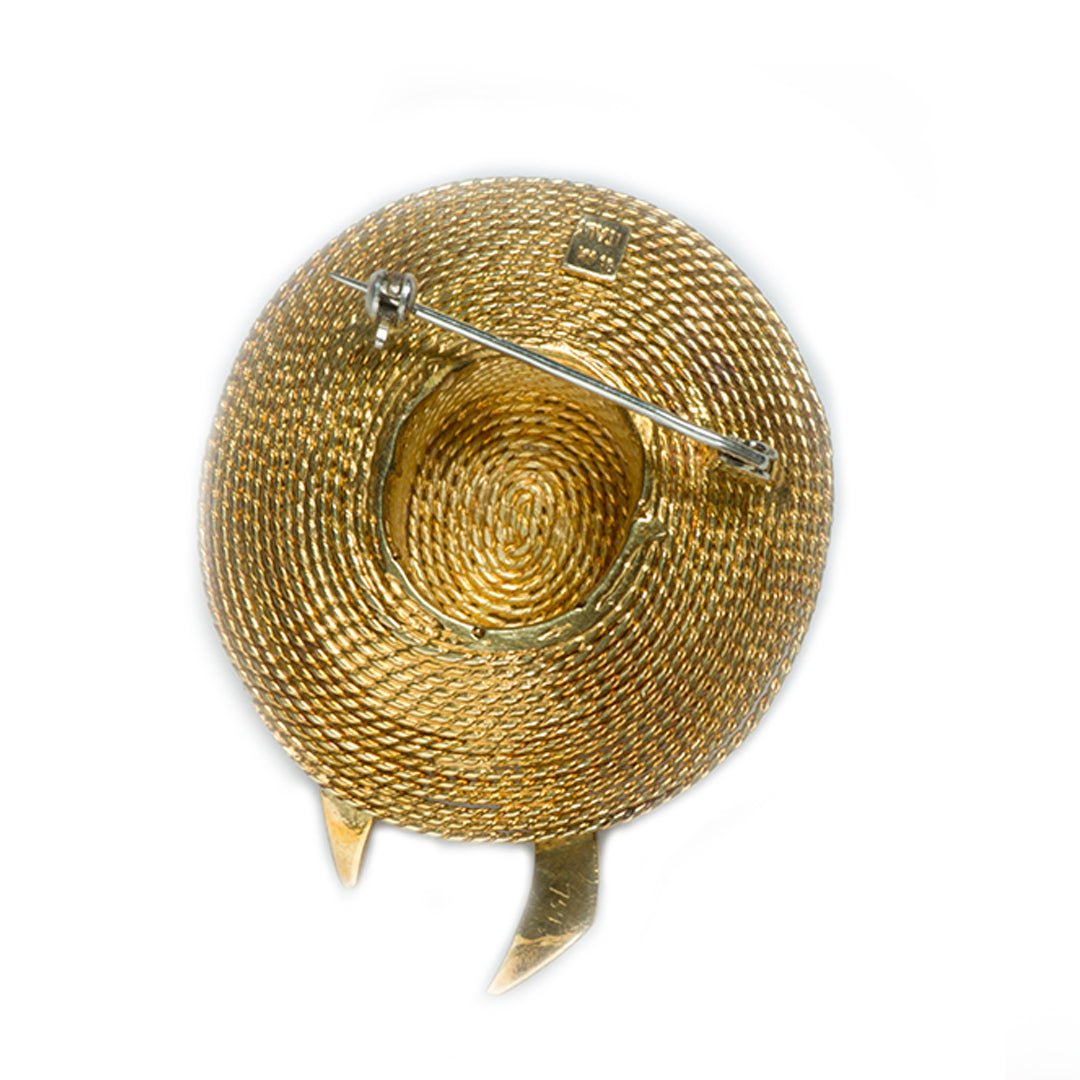
Vintage 18K Gold Enamel Hat and Flower Brooch
Sale price$4,500.00
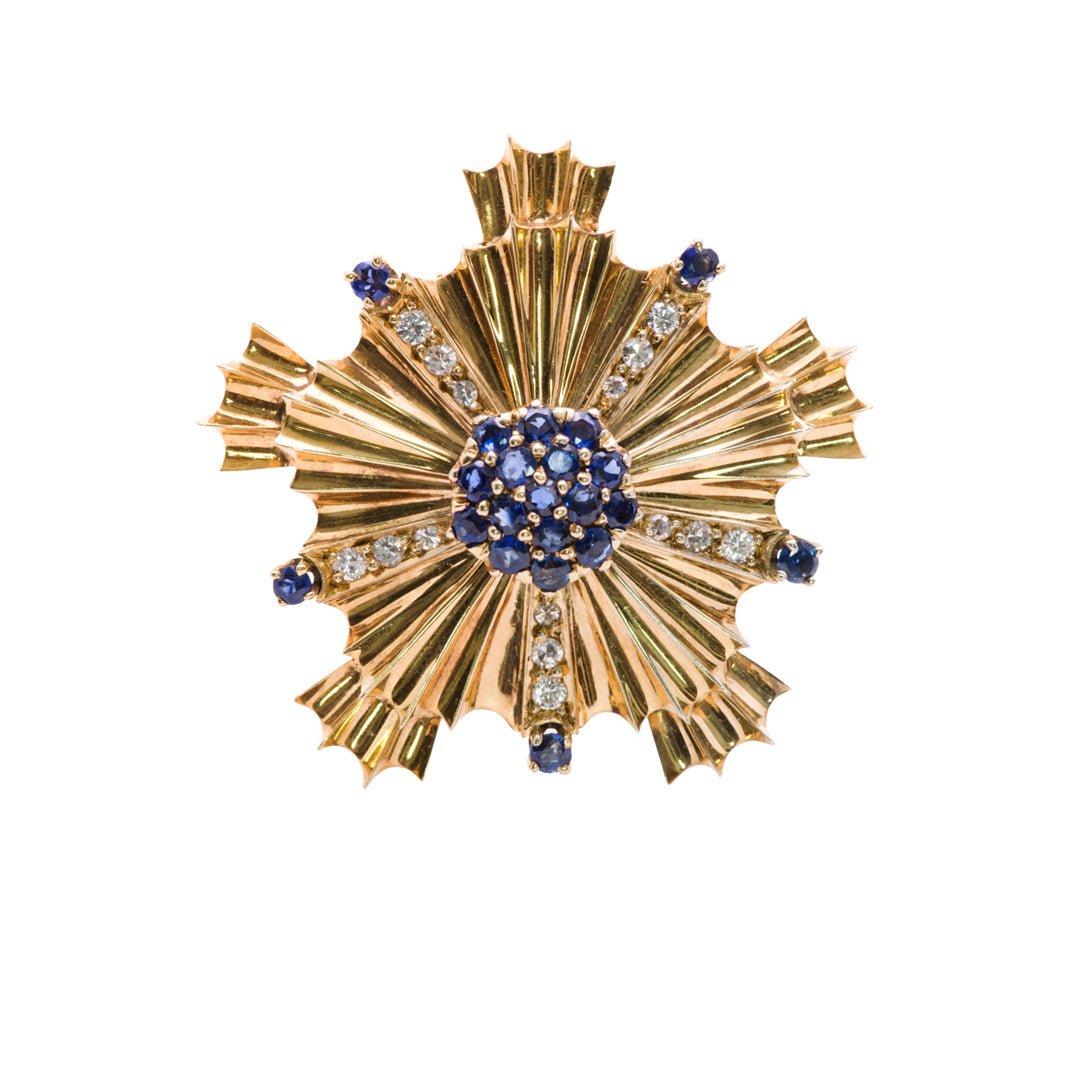
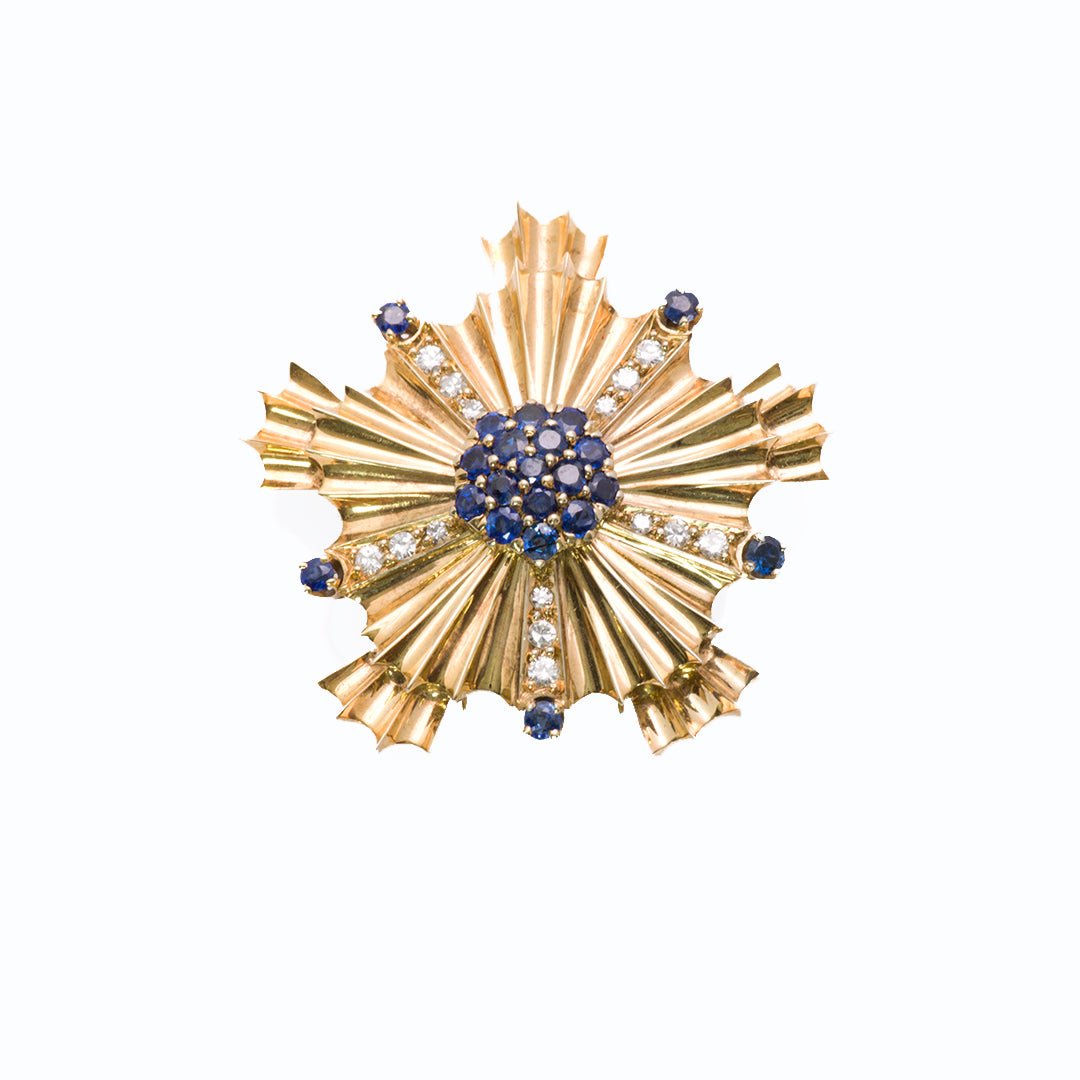
Mid-Century Starburst Brooch in Gold with Sapphires and Diamonds
Sale price$5,950.00
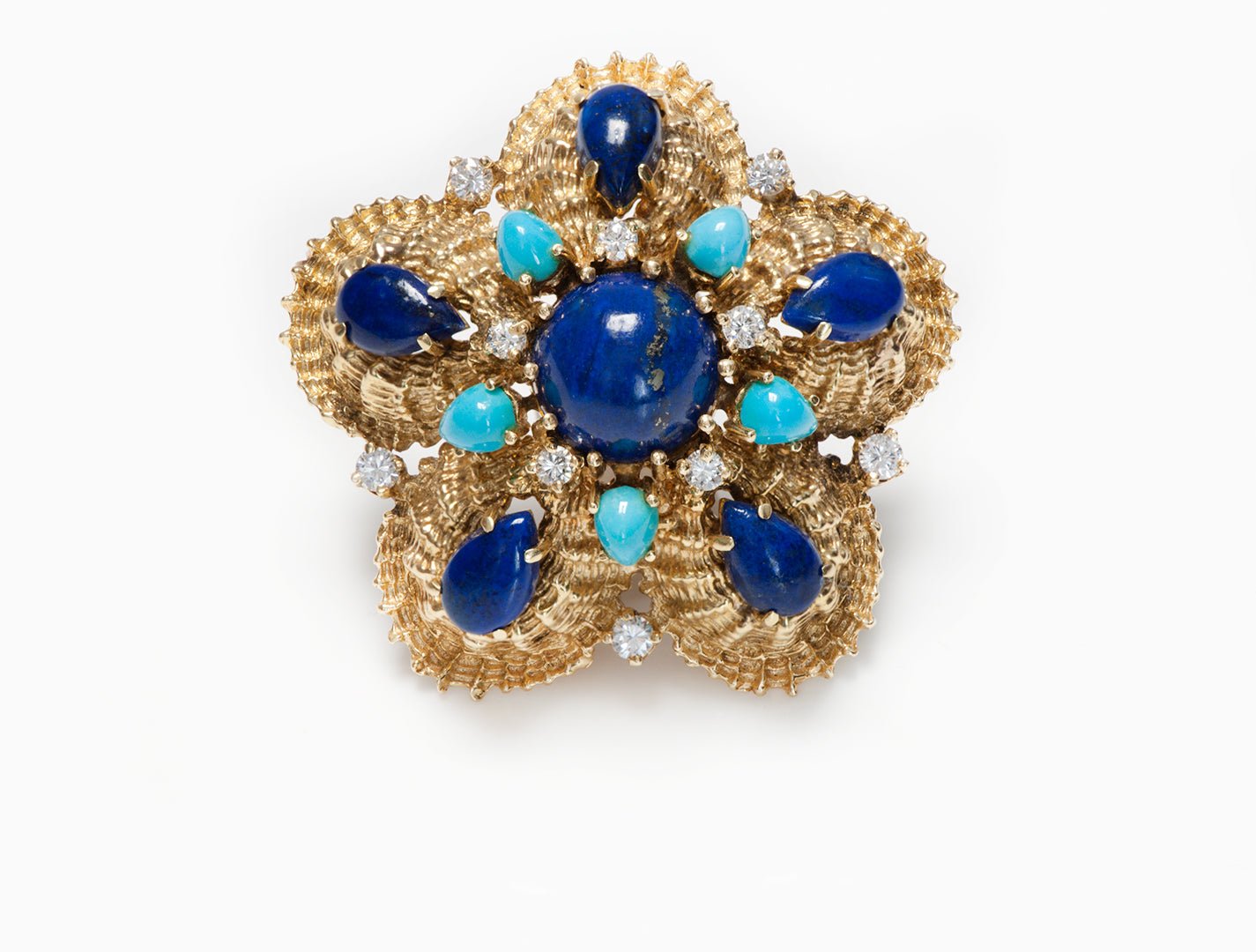
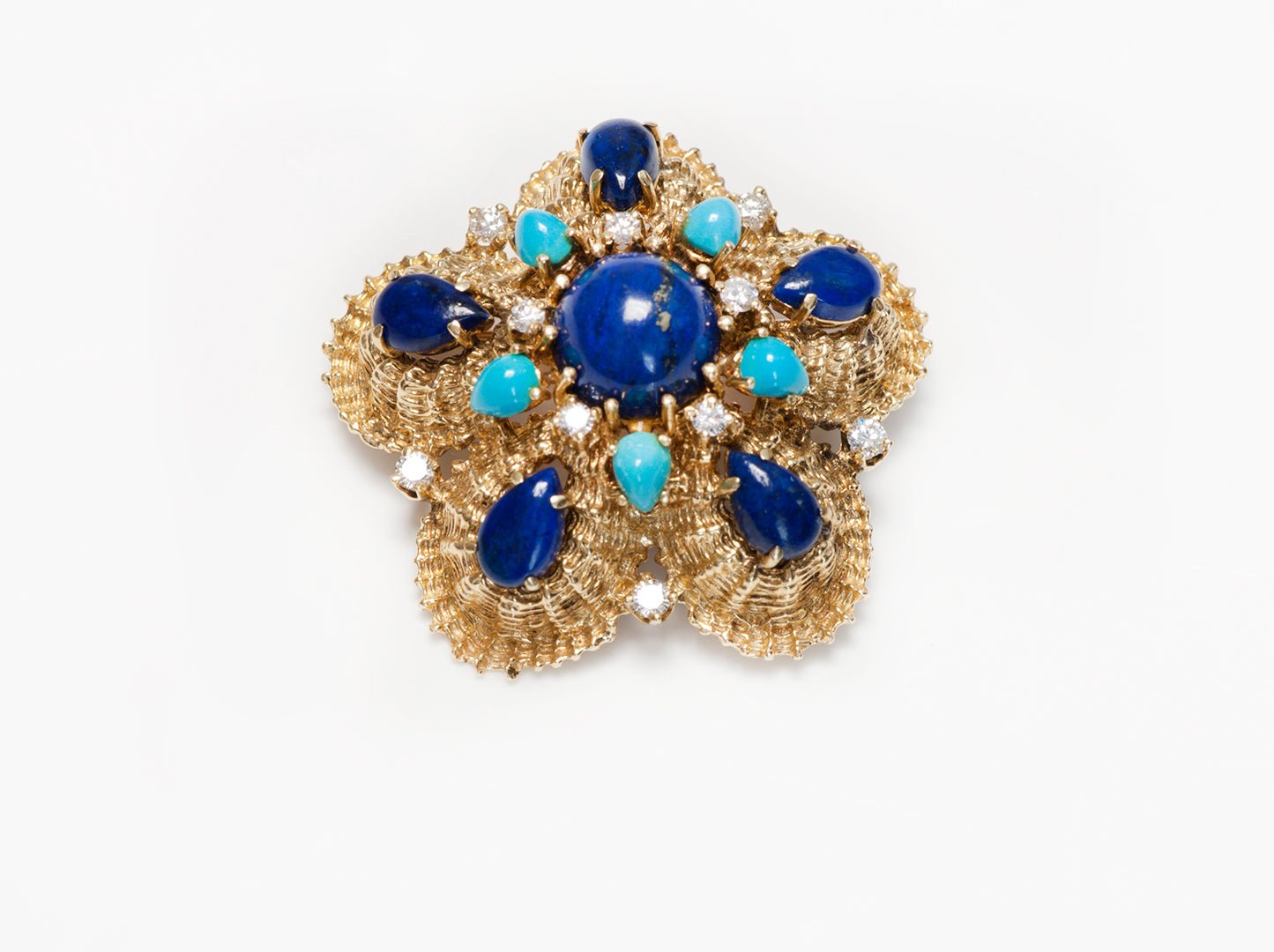
Vintage 18K Yellow Gold Lapis Turquoise Diamond Brooch
Sale price$4,500.00
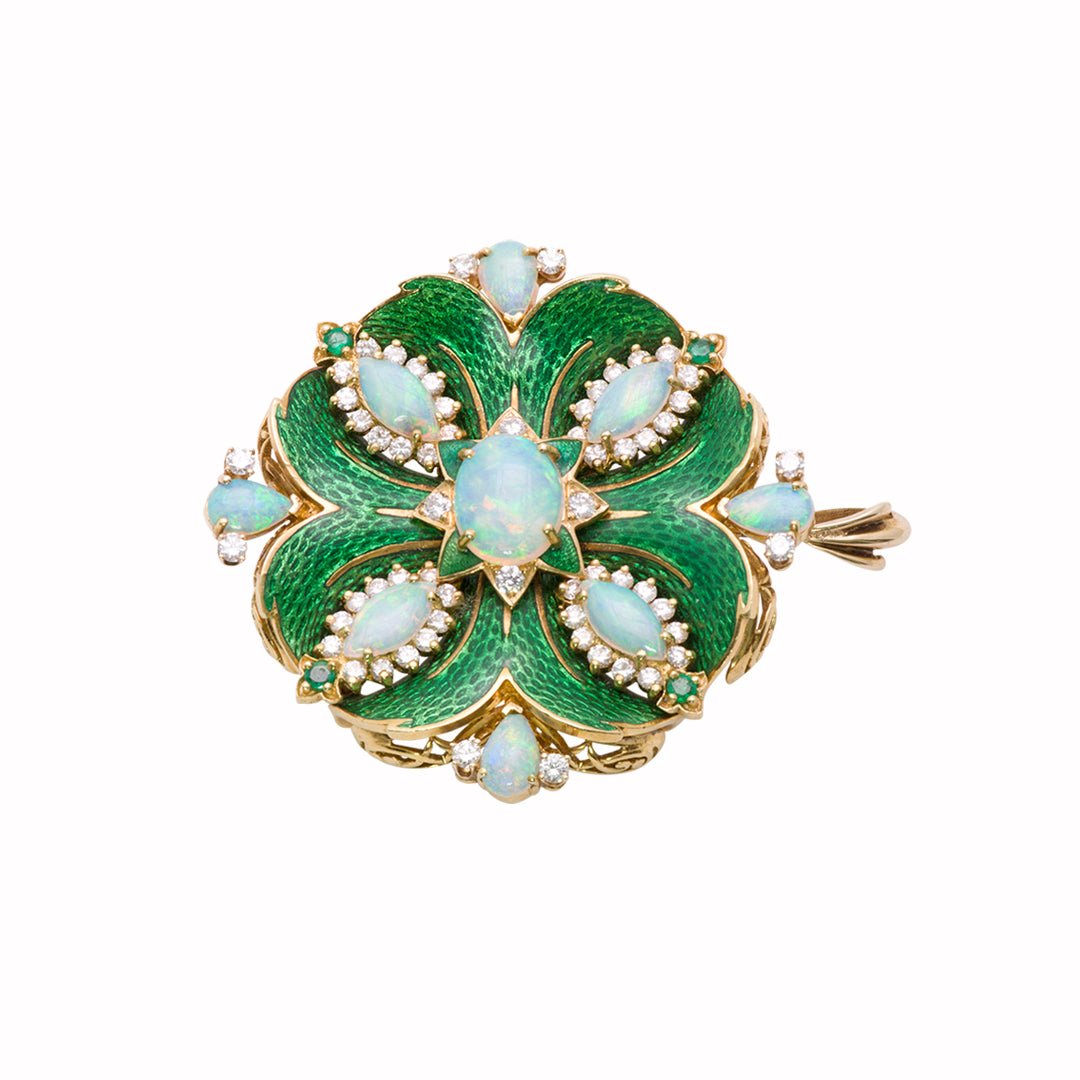
Opal Diamond Gold Enamel Pendant/Brooch
Sale price$9,500.00
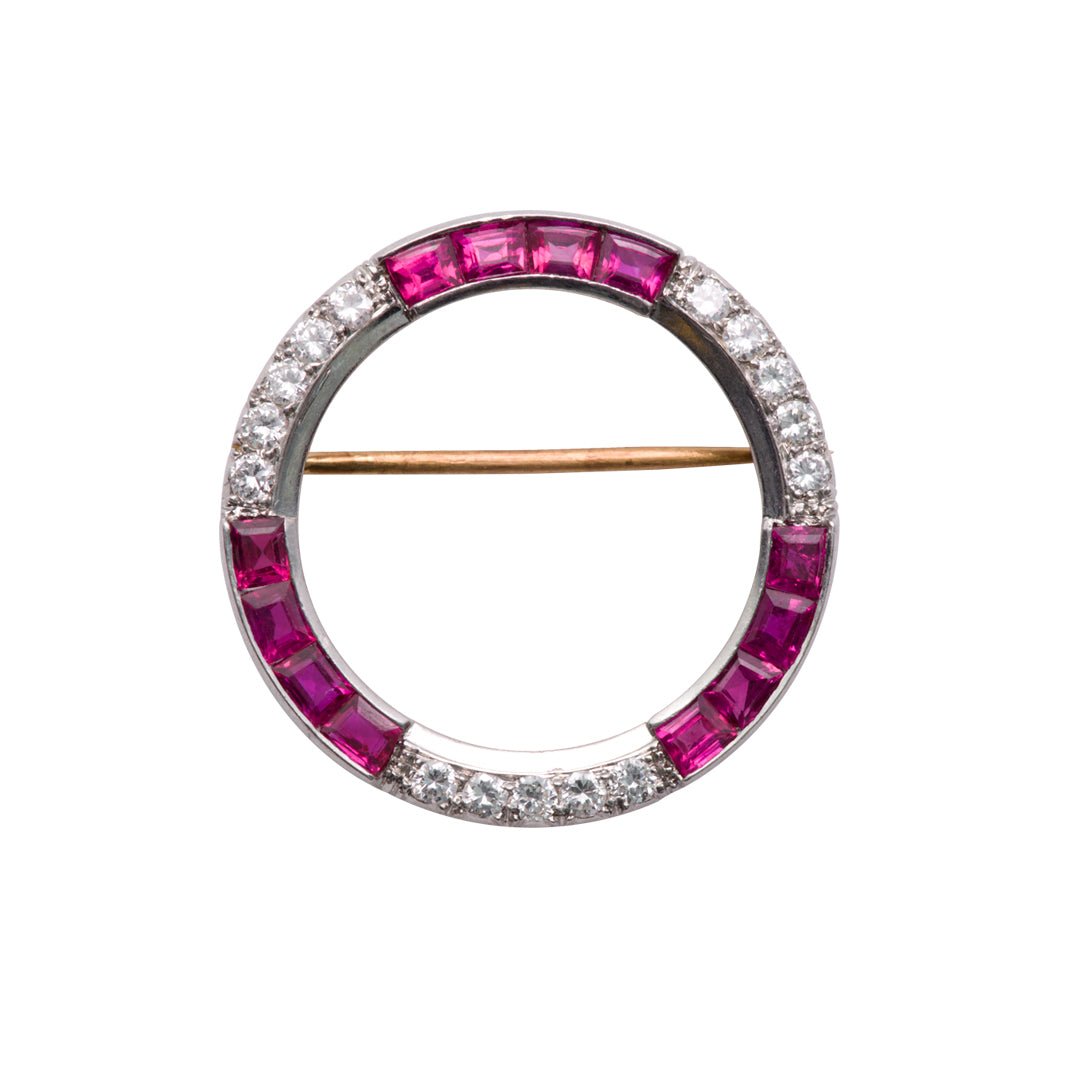
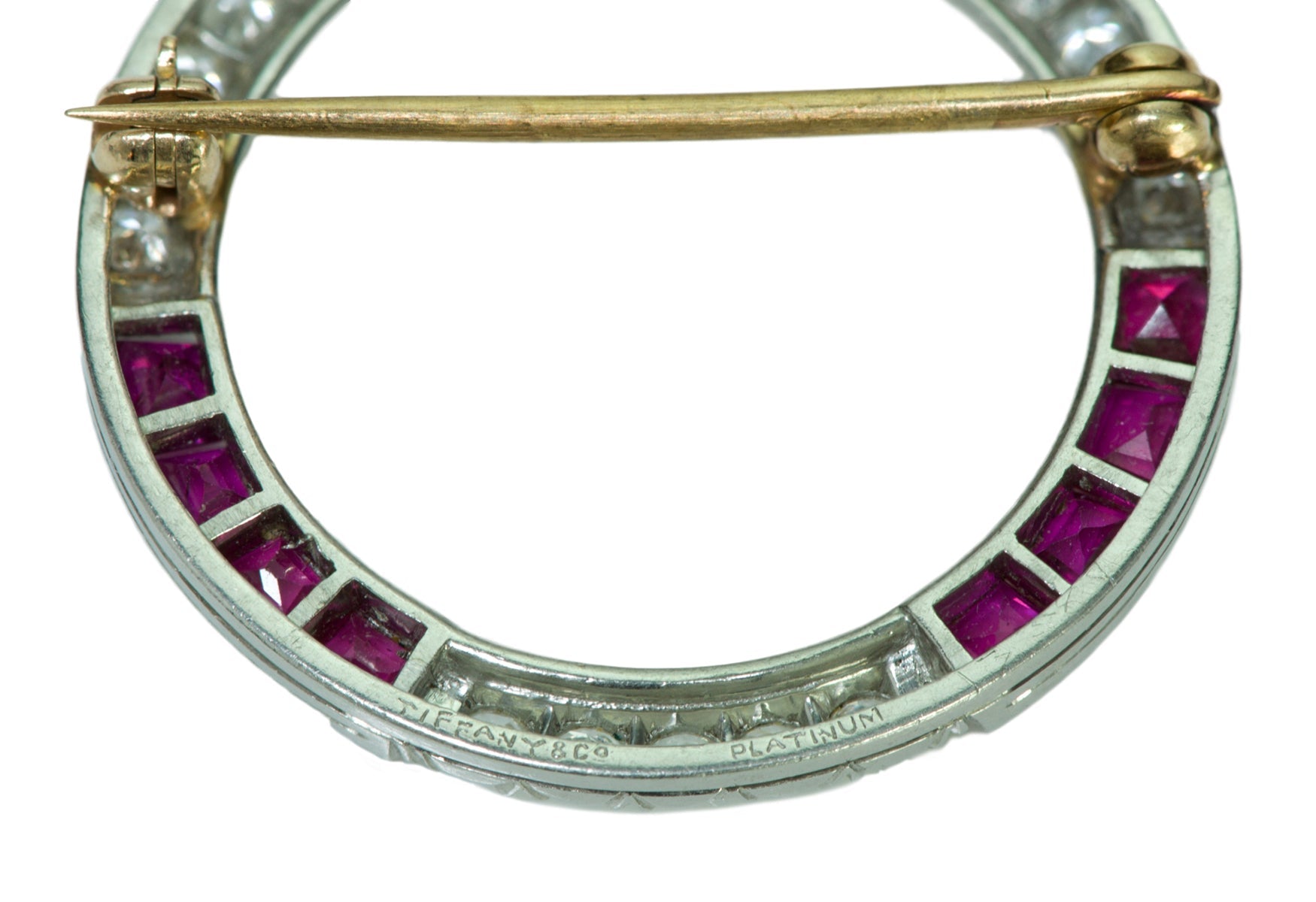
Tiffany & Co. Ruby Diamond Platinum Circle Brooch
Sale price$7,500.00
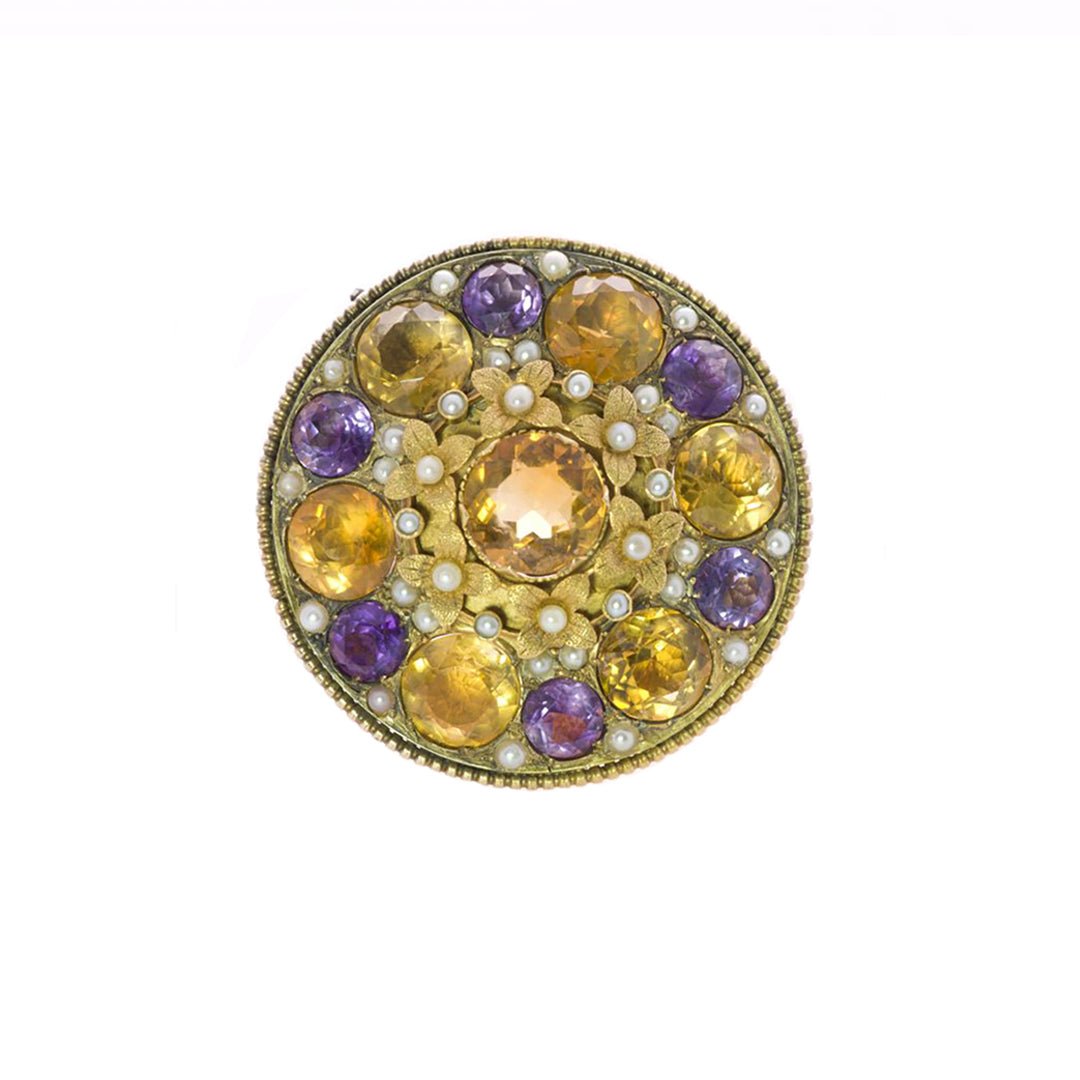
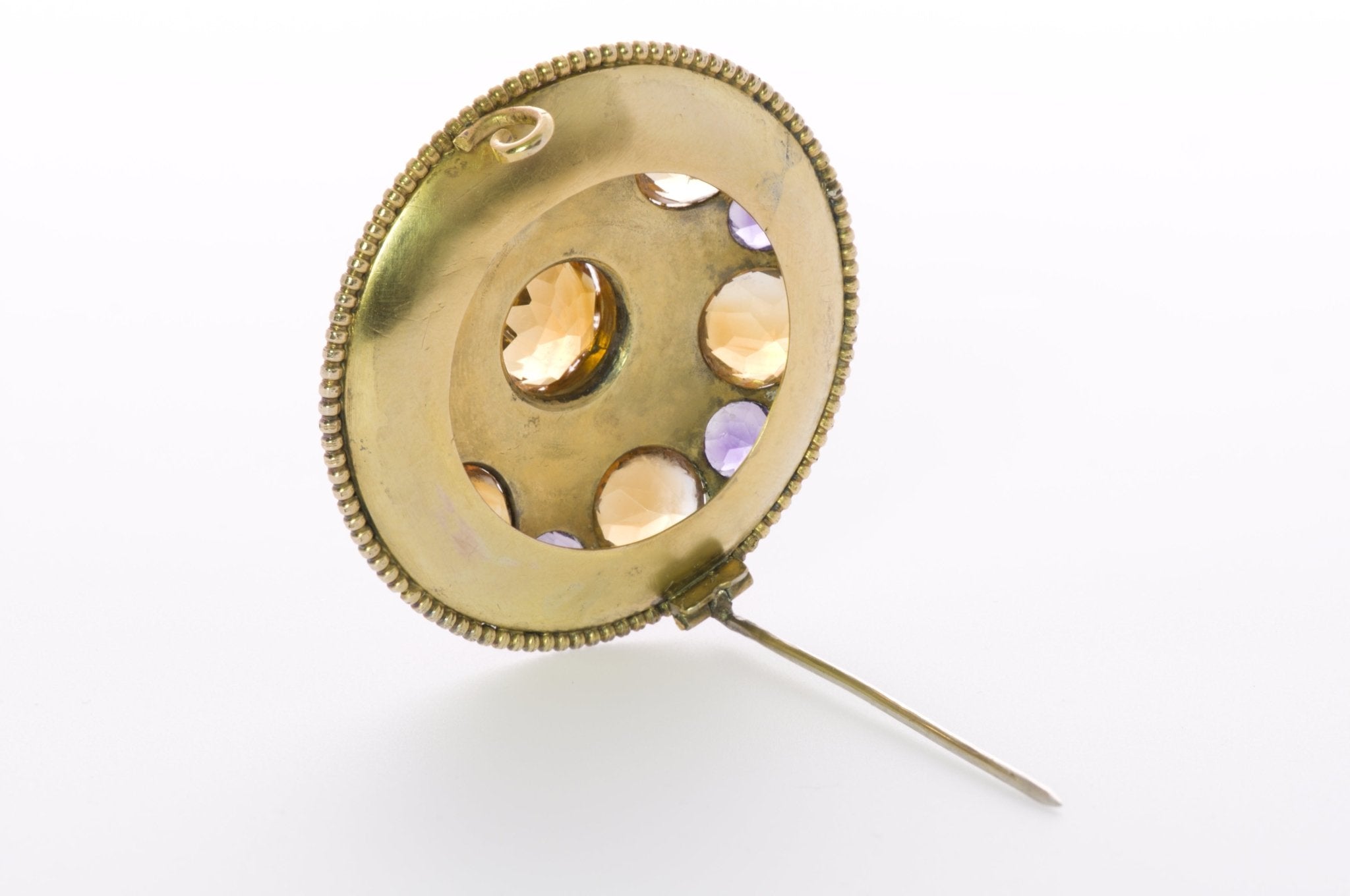
Antique Victorian Gold Amethyst Citrine Pearl Brooch
Sale price$4,950.00
Gold Brooches
Proud Member of Respected Jewelry Industry Organizations
These memberships reflect DSF Antique Jewelry’s commitment to integrity, education, and responsible practices within the jewelry trade.


×
Please wait...
Make An Offer
Thank you for your interest. Please submit your offer, and we’ll get back to you.