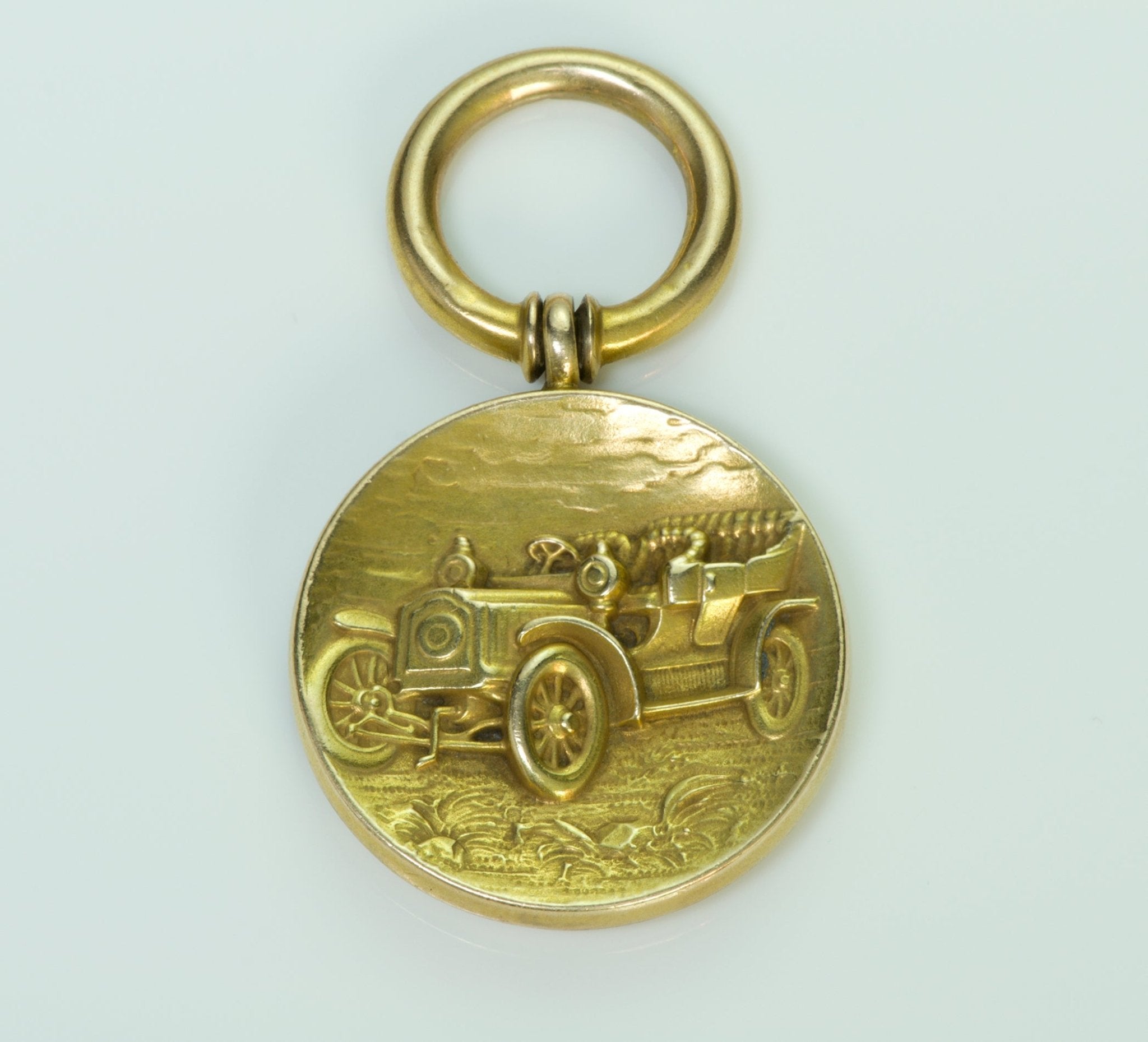
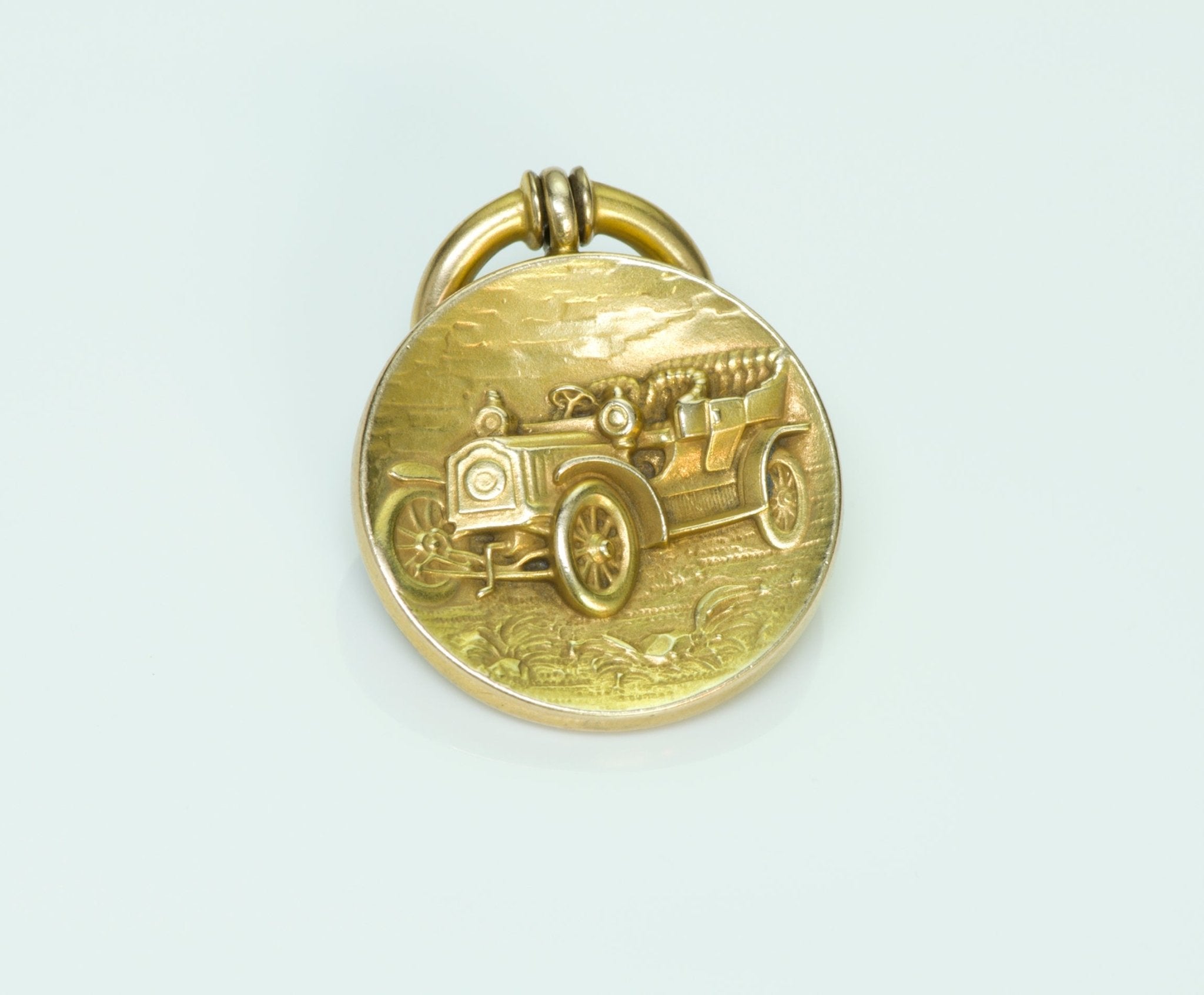
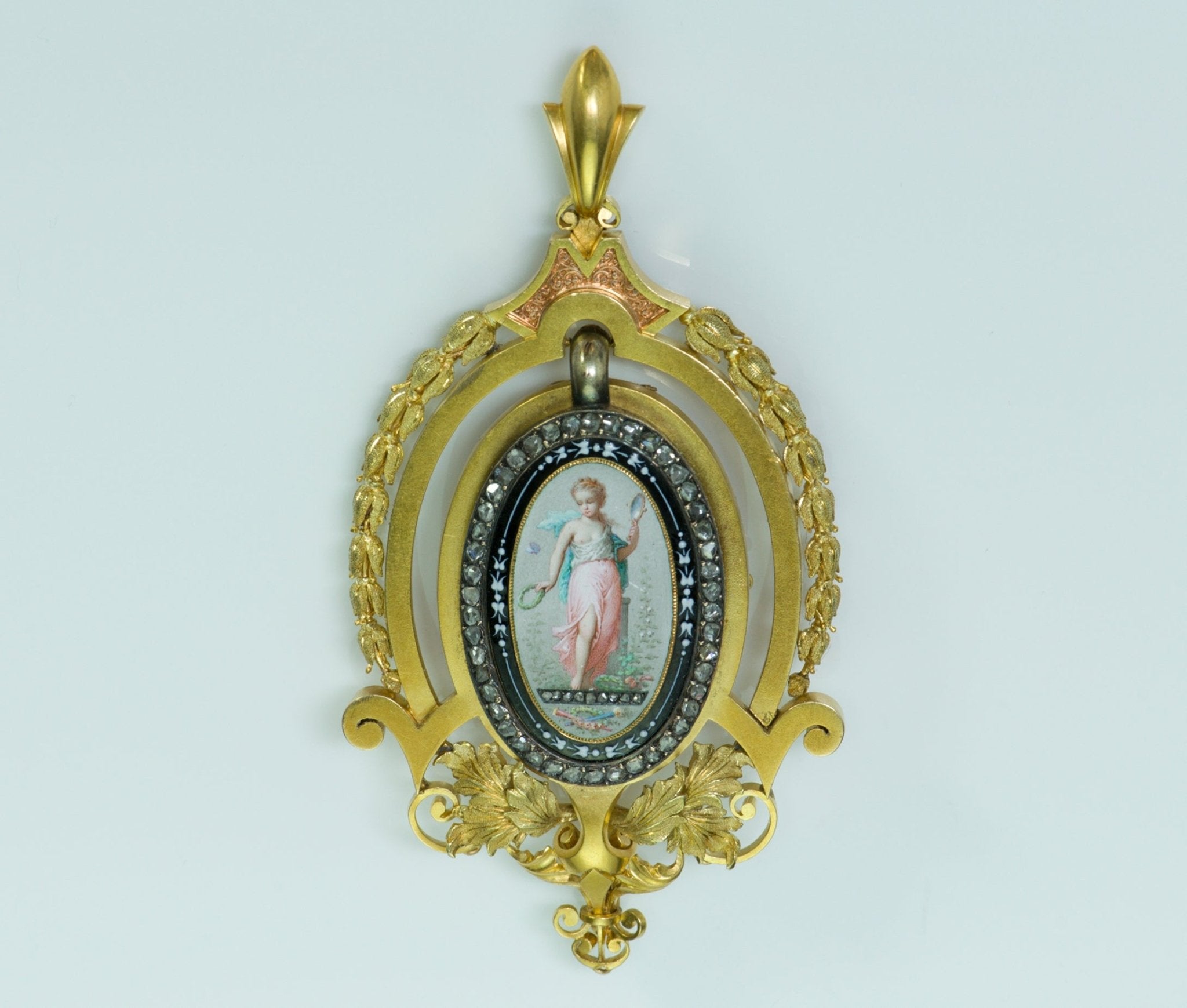
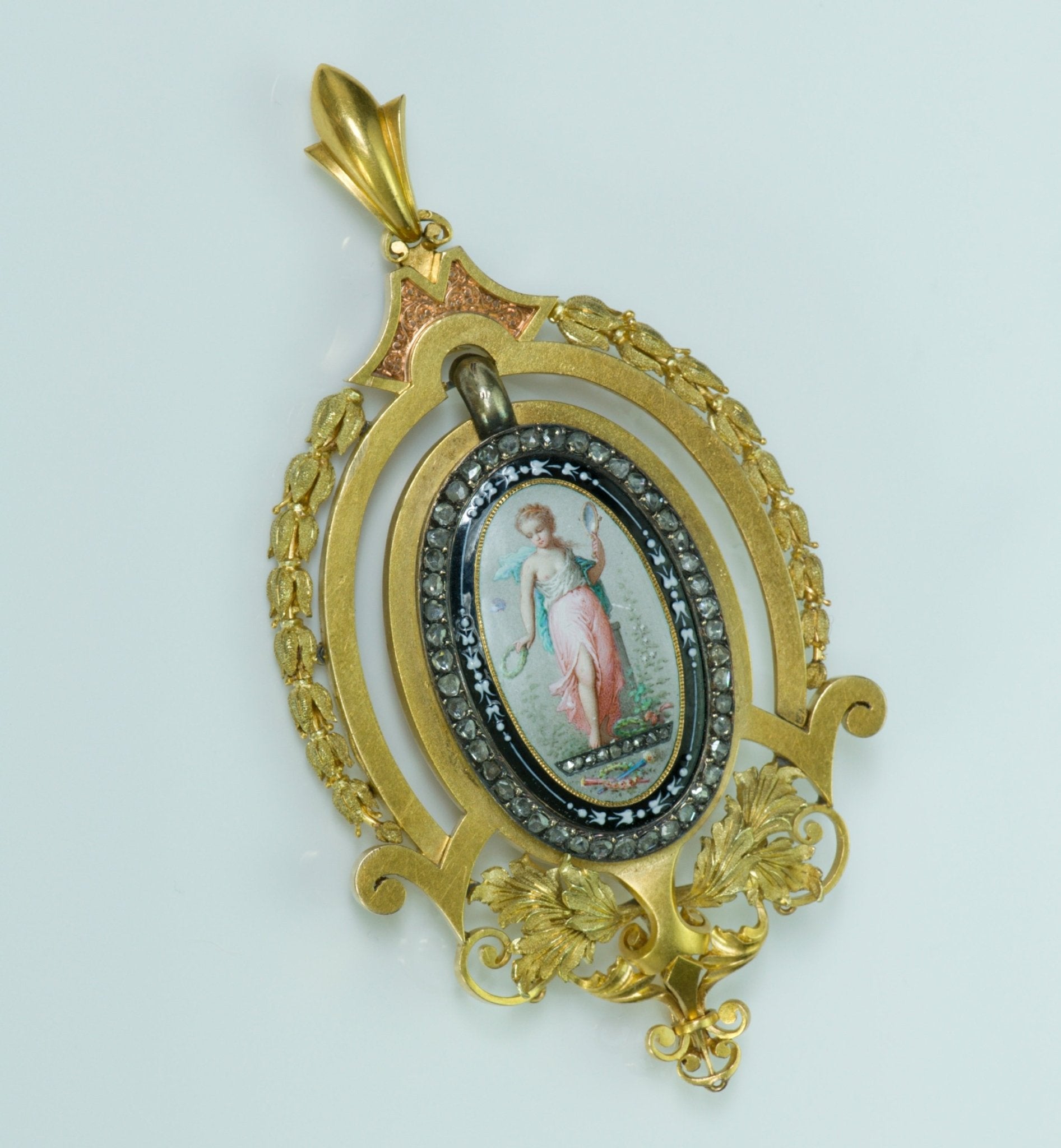
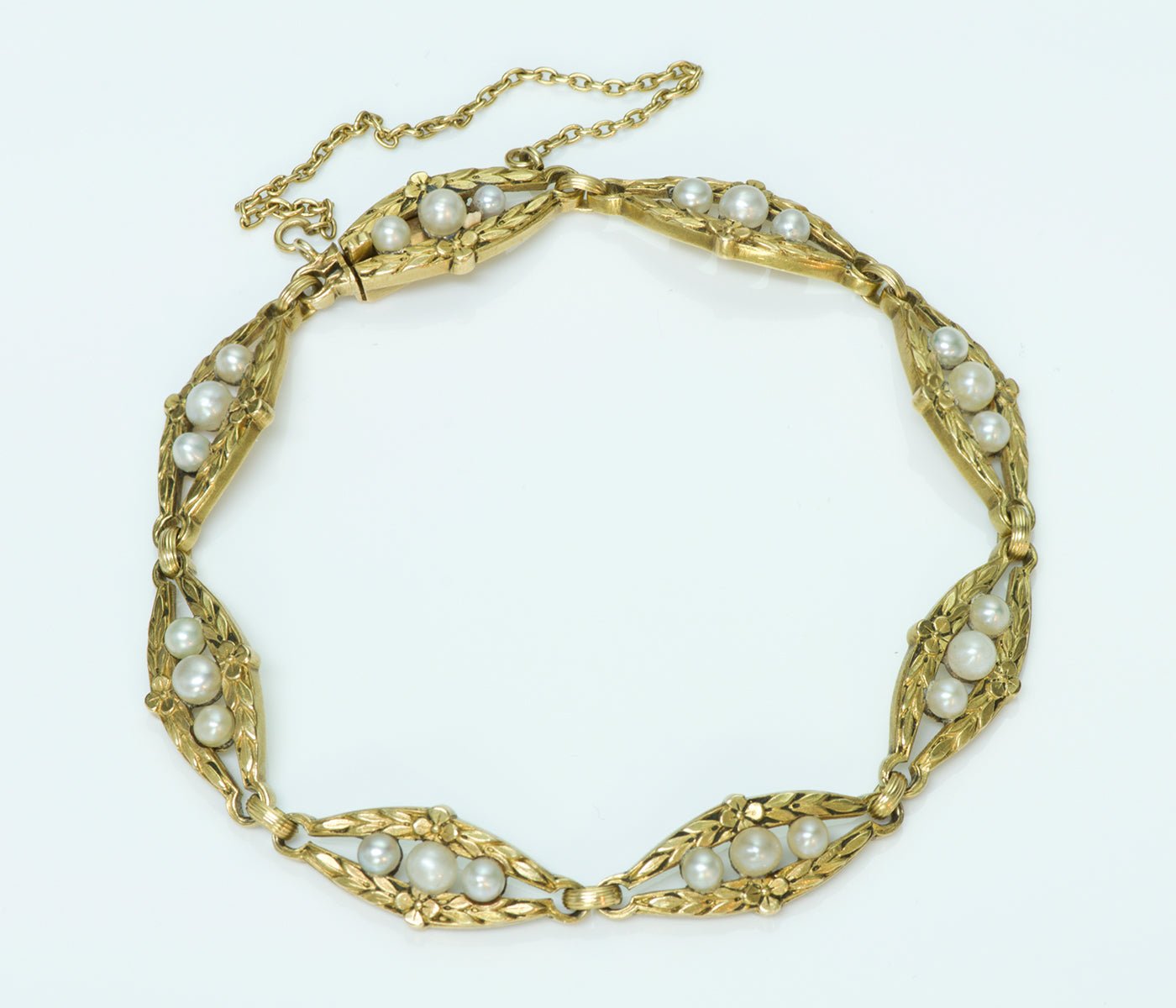
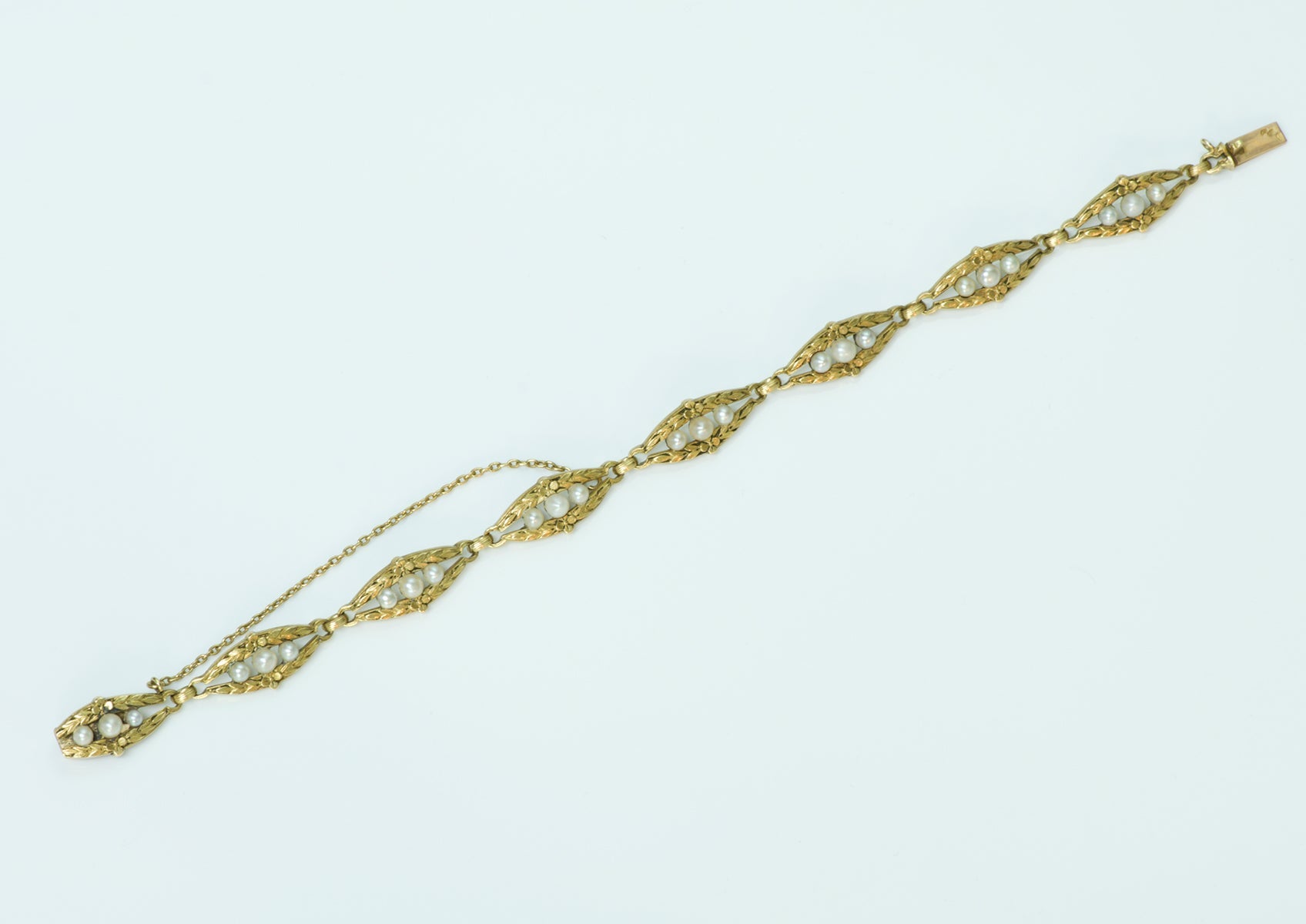
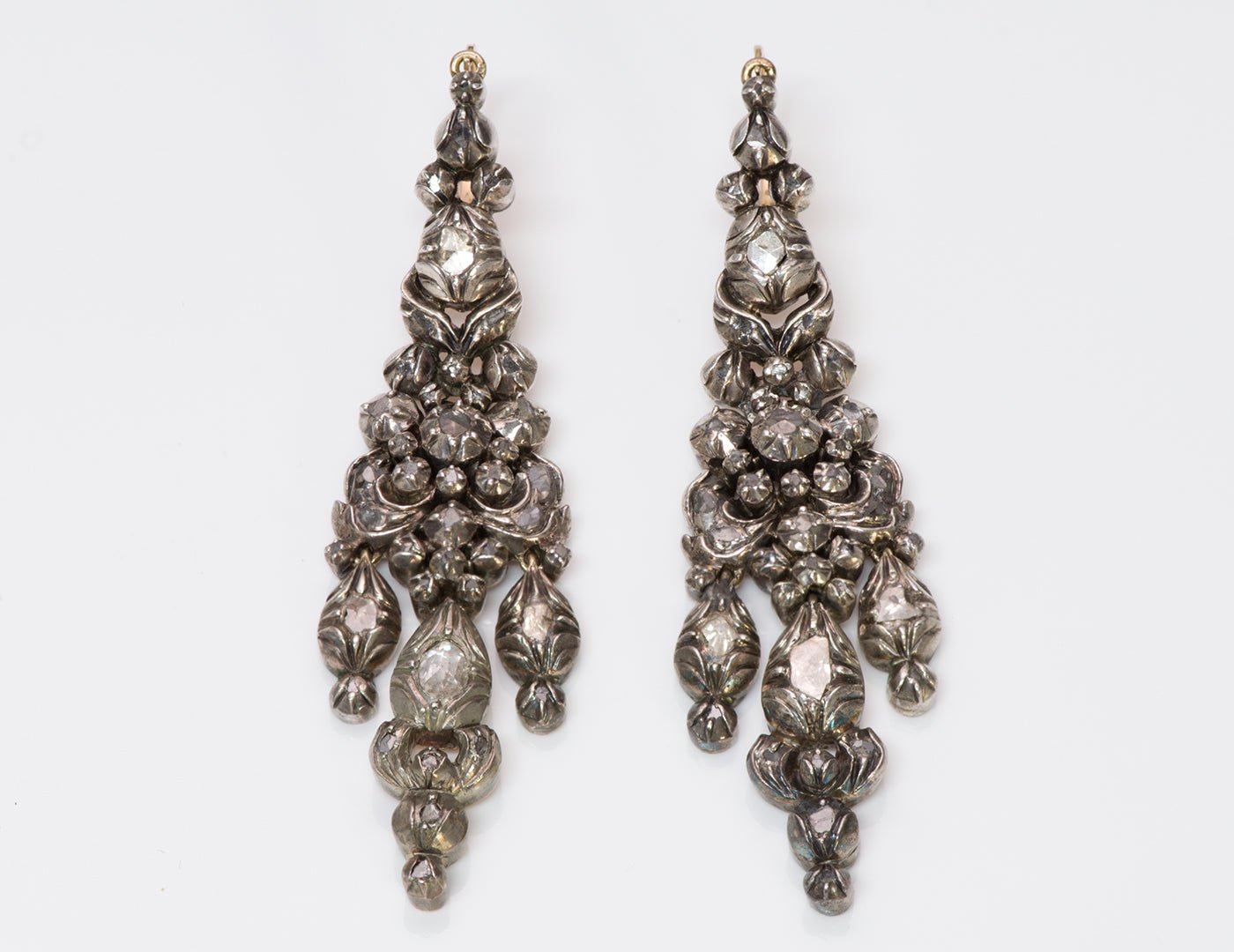
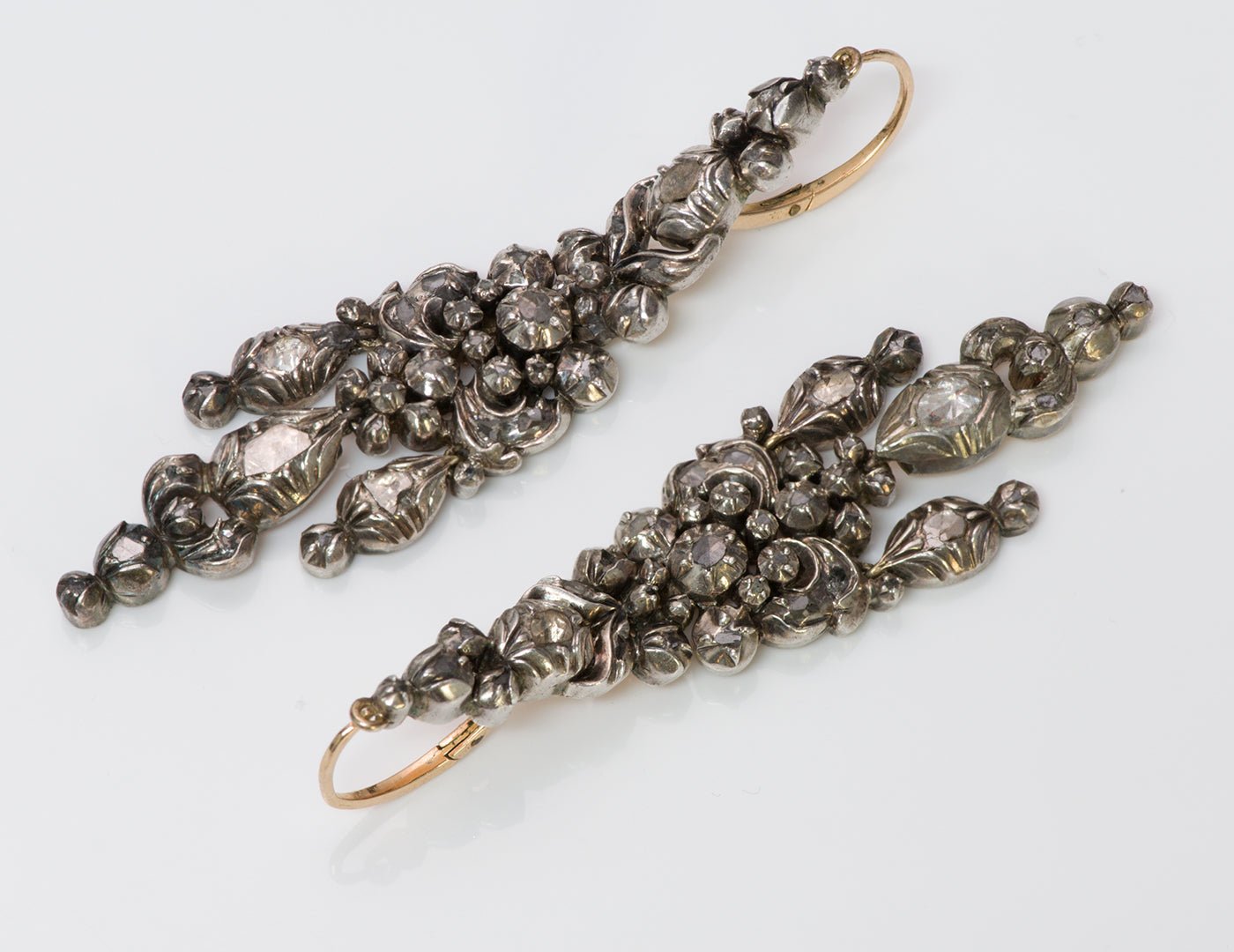
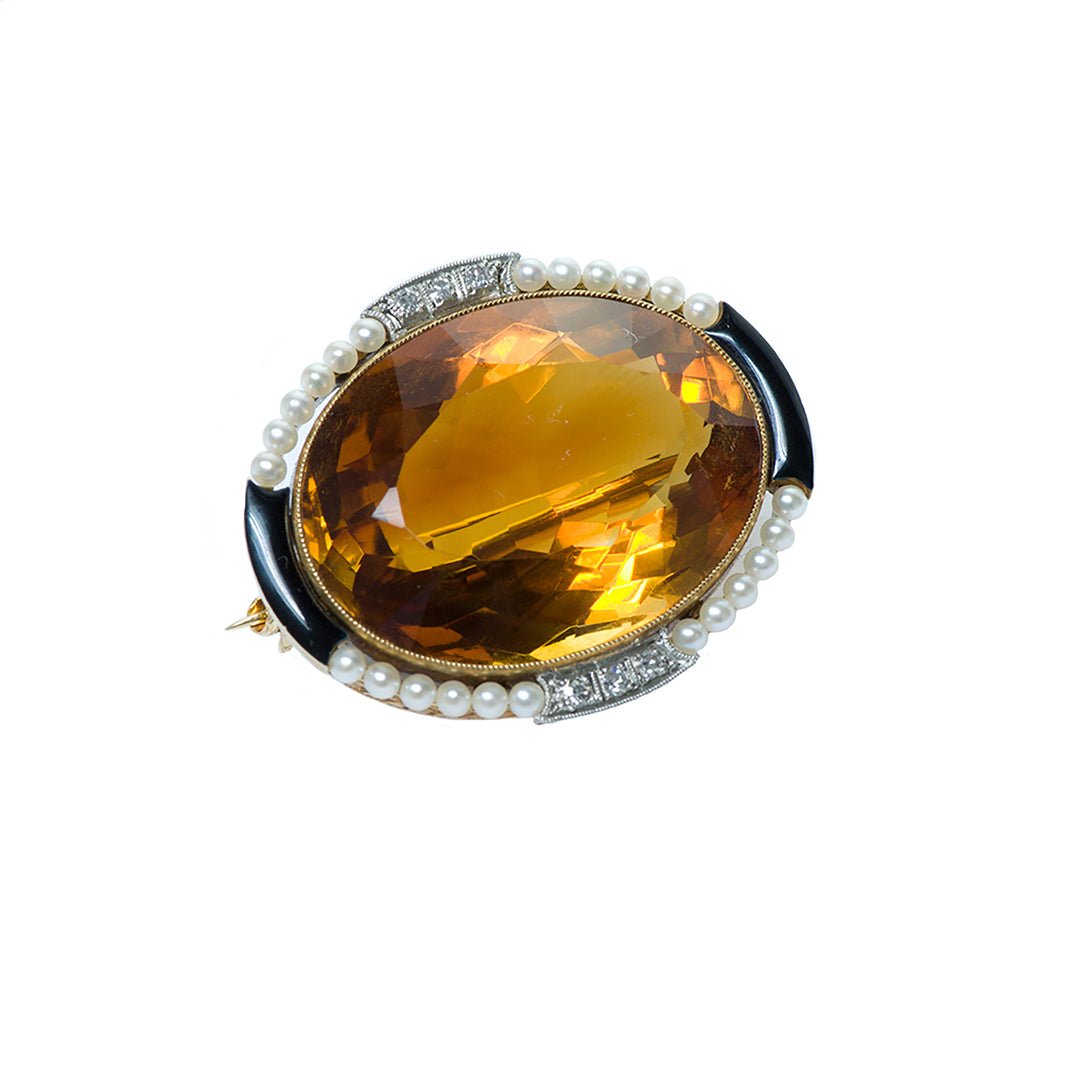
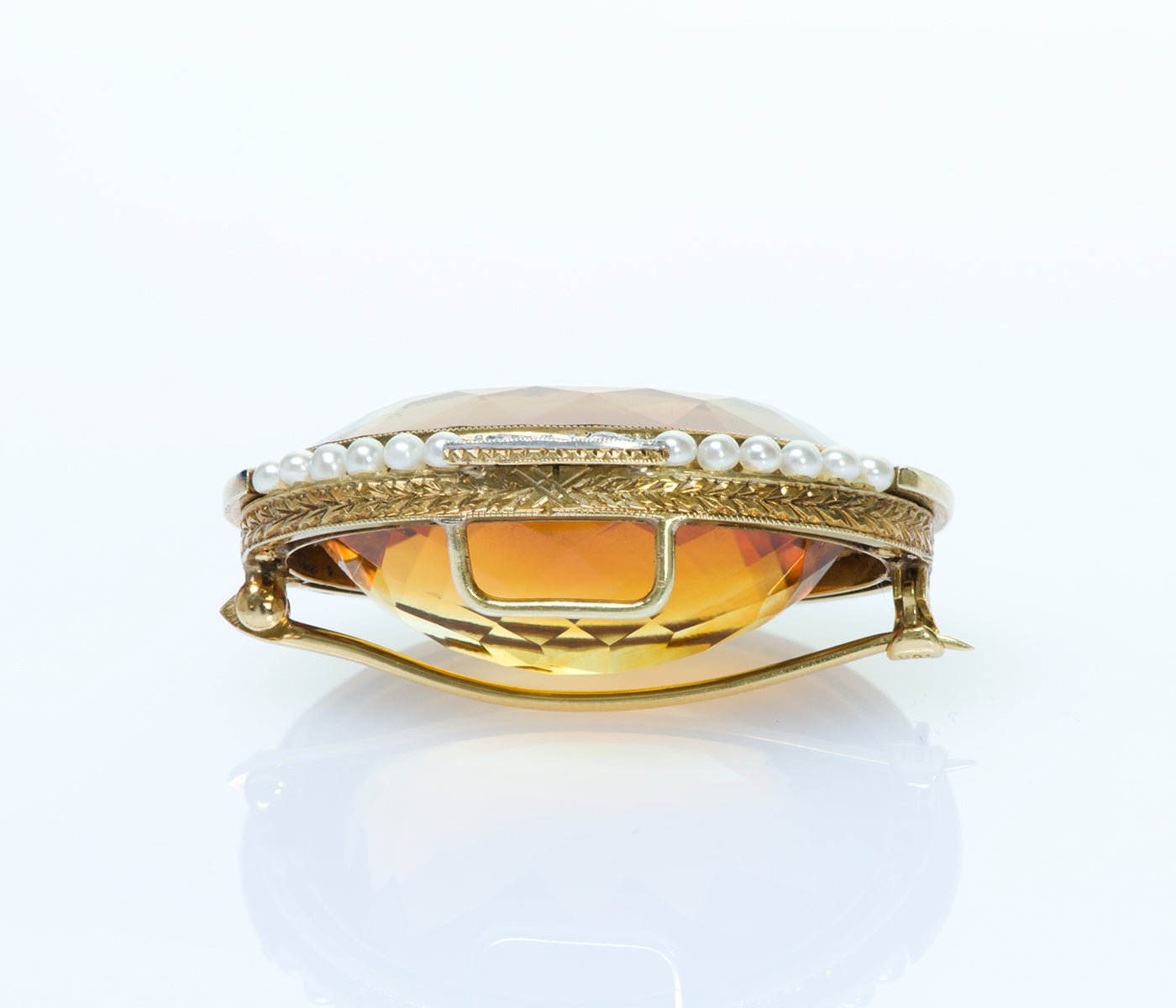
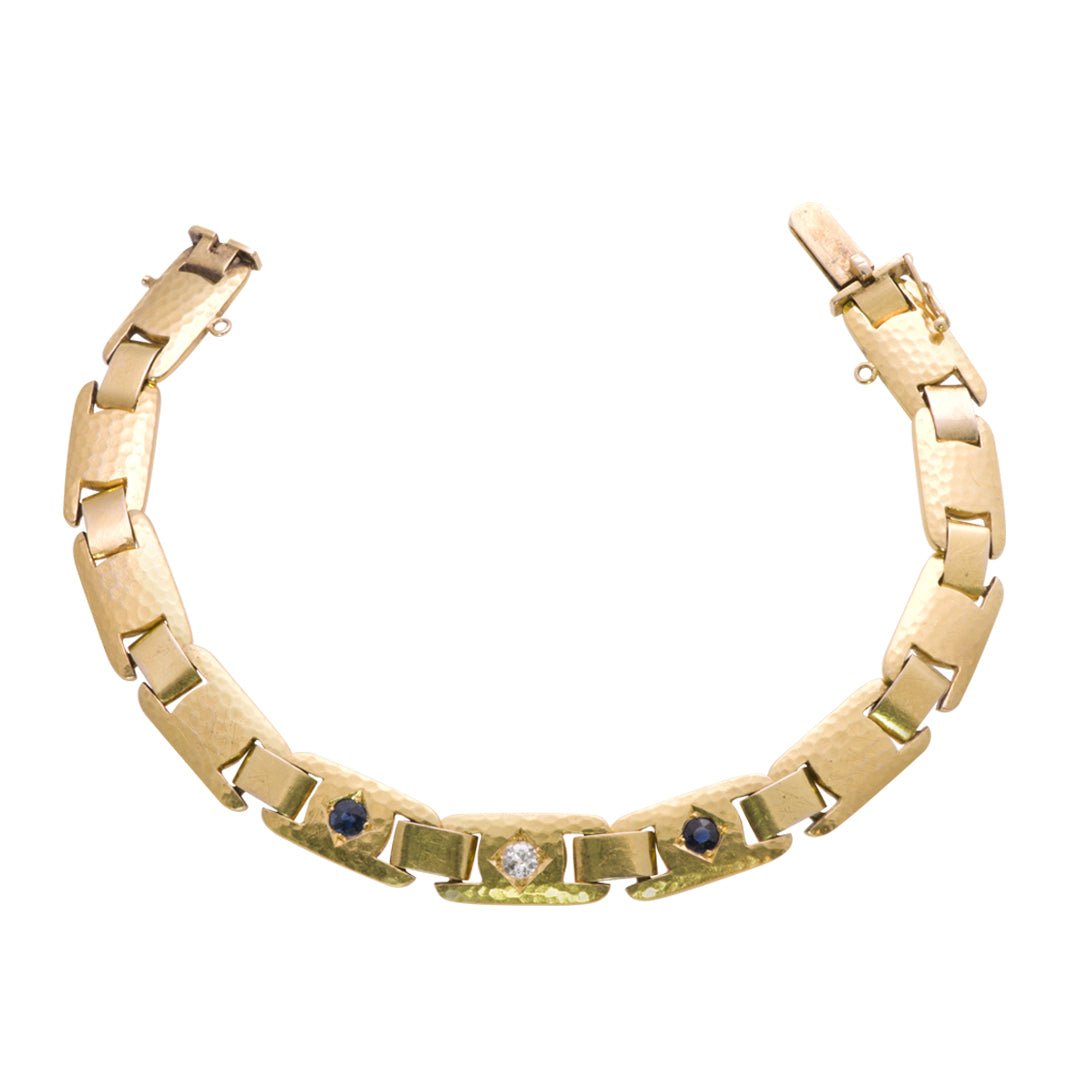
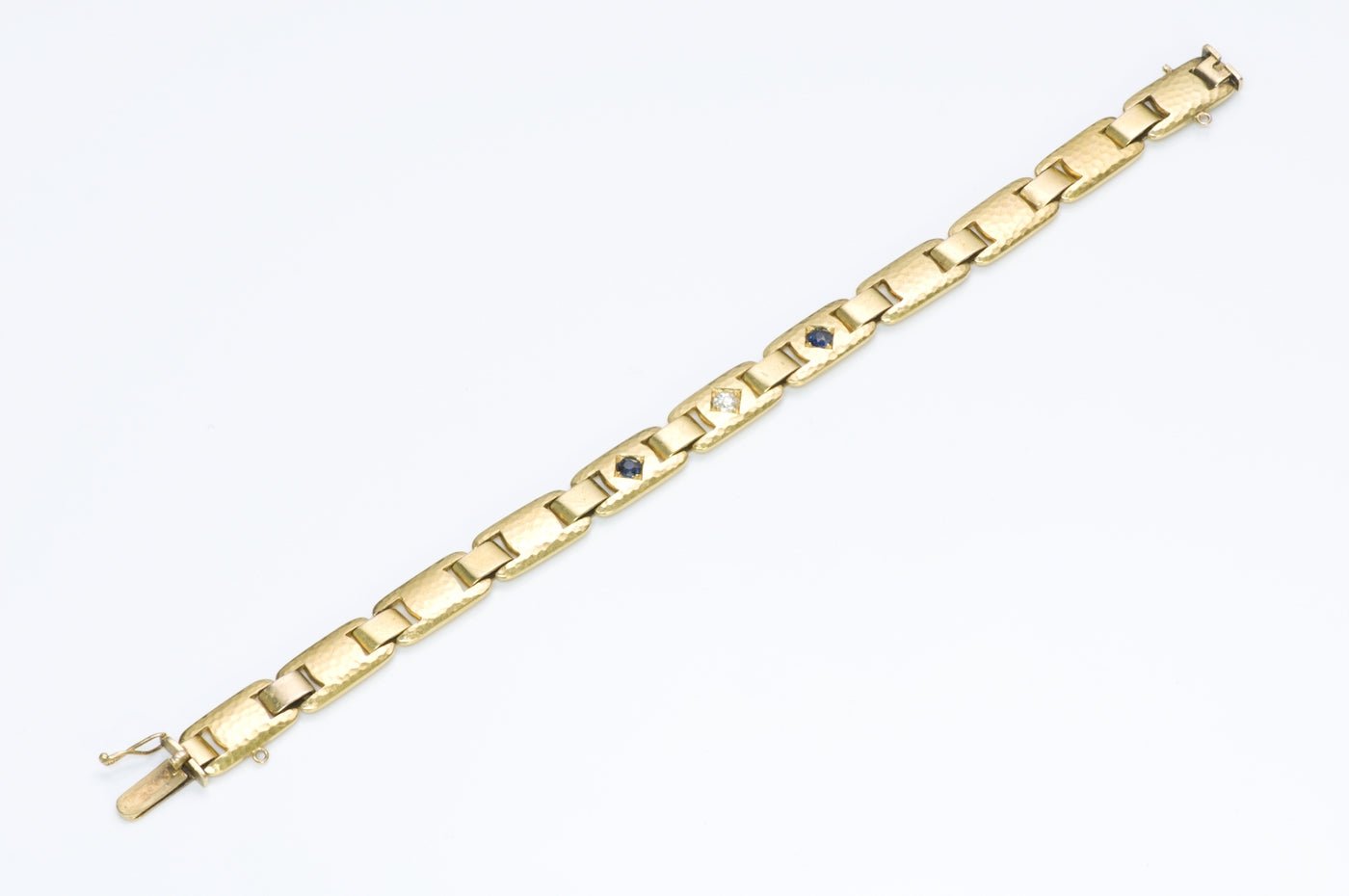
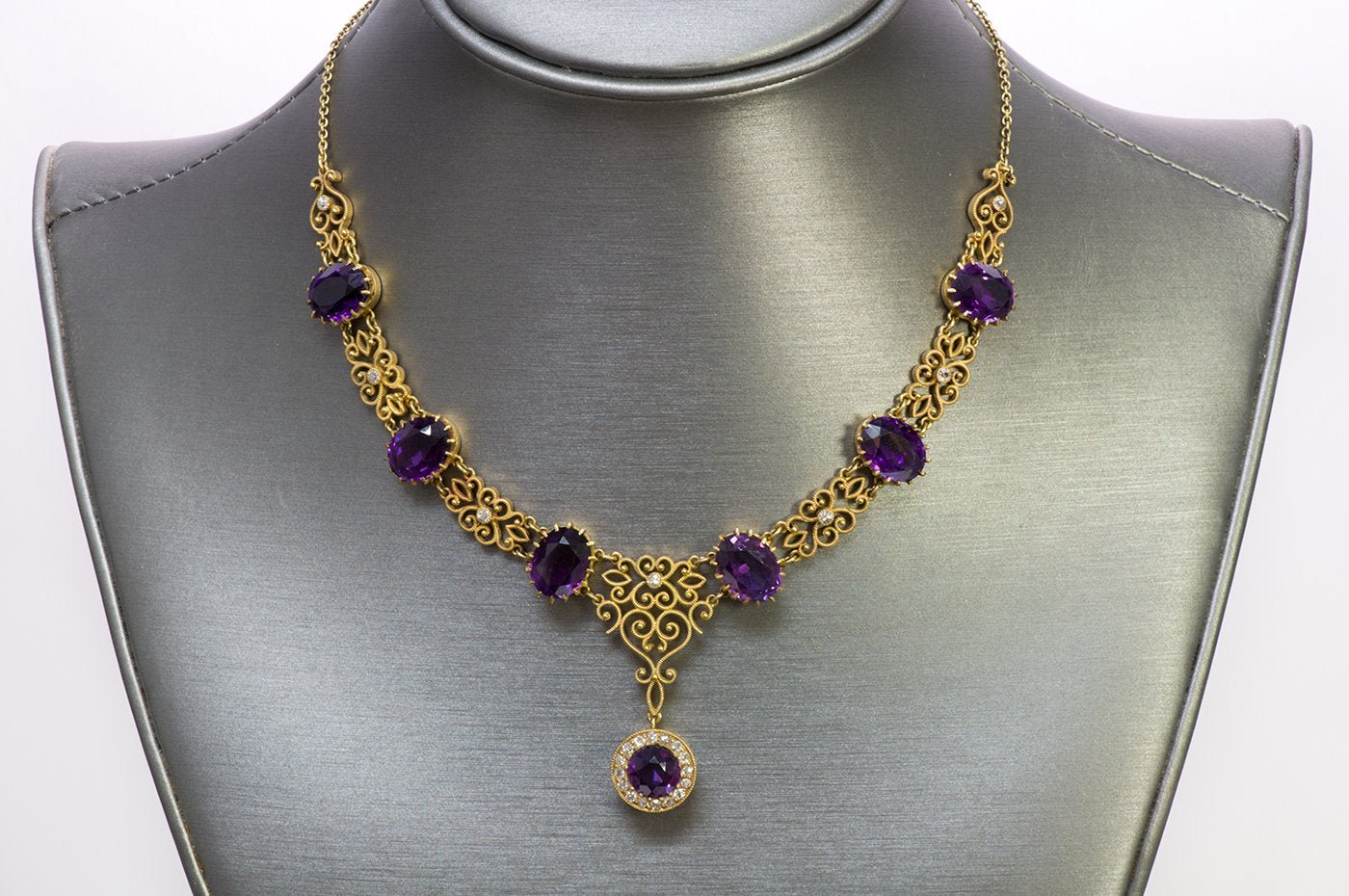
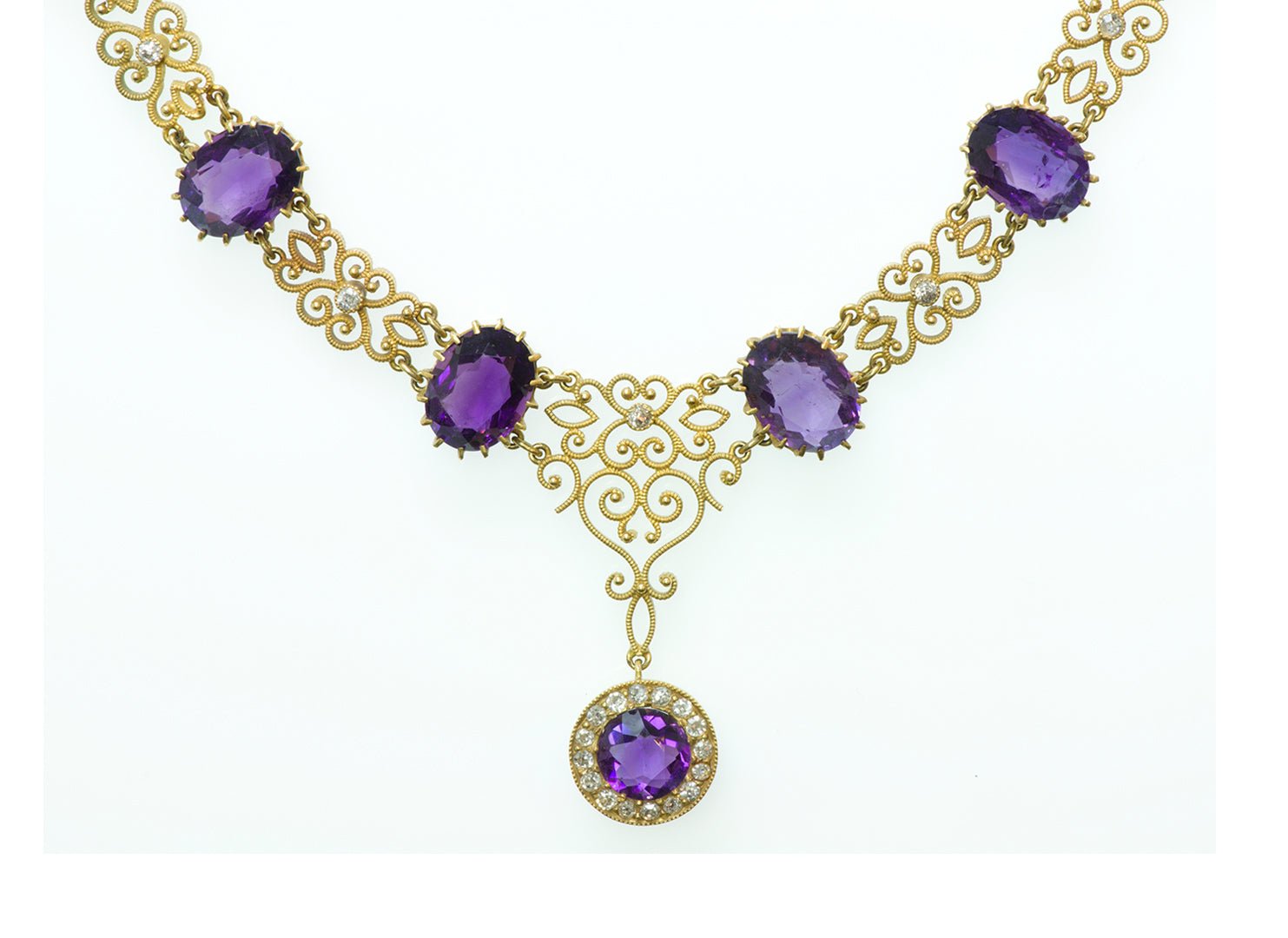
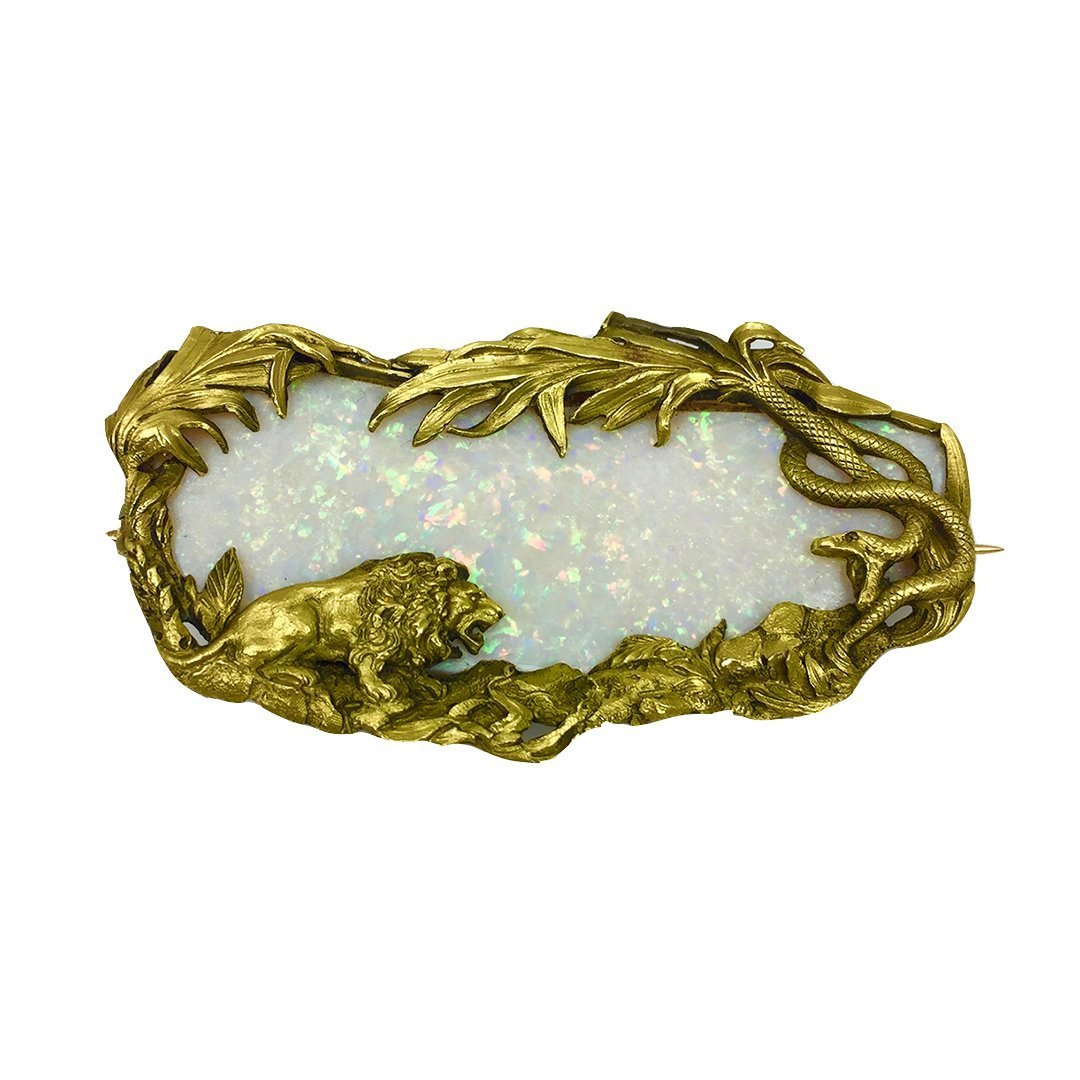
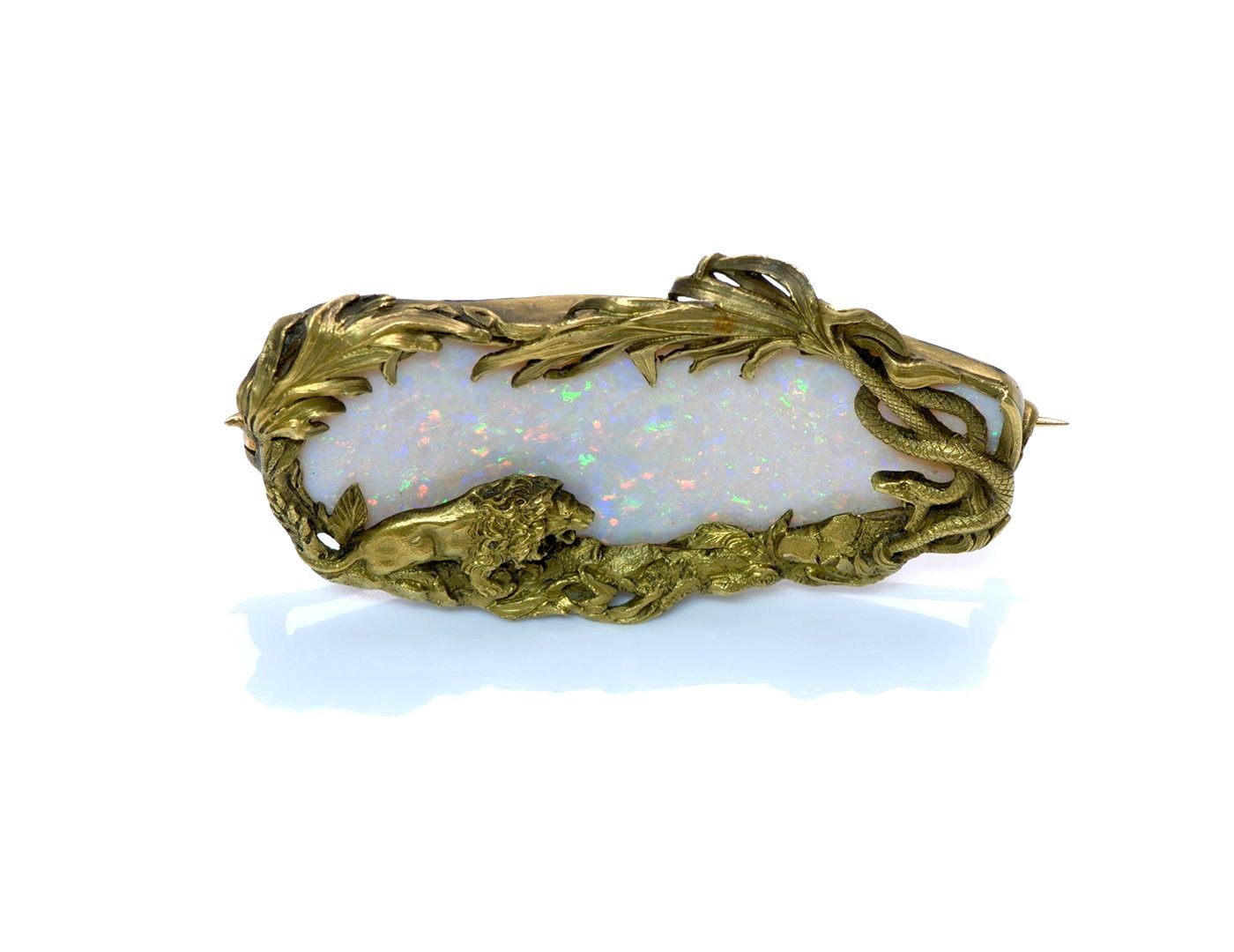
Fine antique and vintage jewelry carries its history not only in style, but in the way metal is worked, stones are set, and surfaces are finished. This collection extends from the Georgian period through Victorian, Edwardian, Art Nouveau, and Art Deco design, tracing more than a century of evolving taste—from early handwrought intimacy to the crisp modernity of the 1920s and 1930s. Rings, brooches, earrings, bracelets, pendants, and lockets appear here as a coherent study in craftsmanship: objects made for daily wear, formal dress, and private keeping, each shaped by the technical habits and aesthetic ideals of its time.
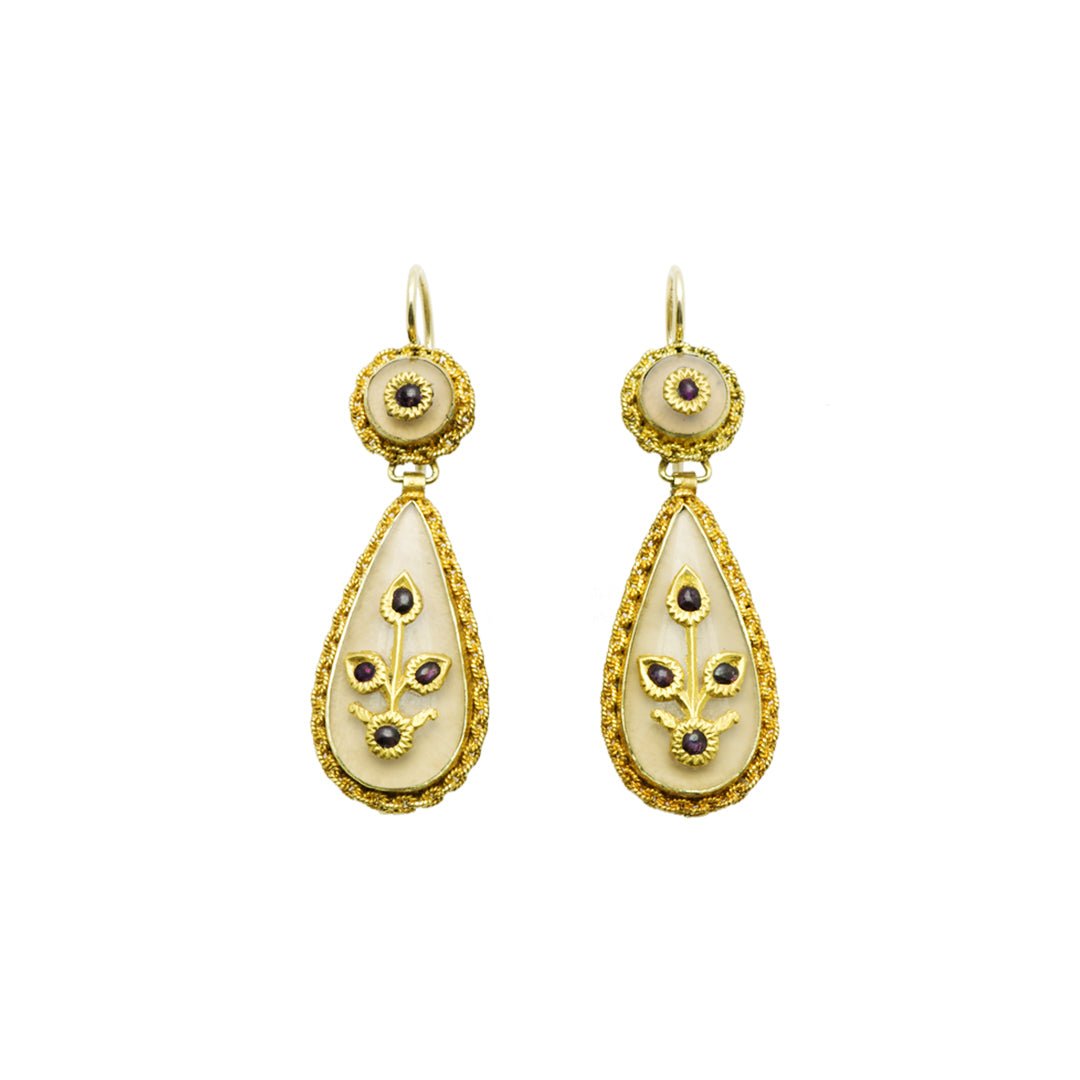
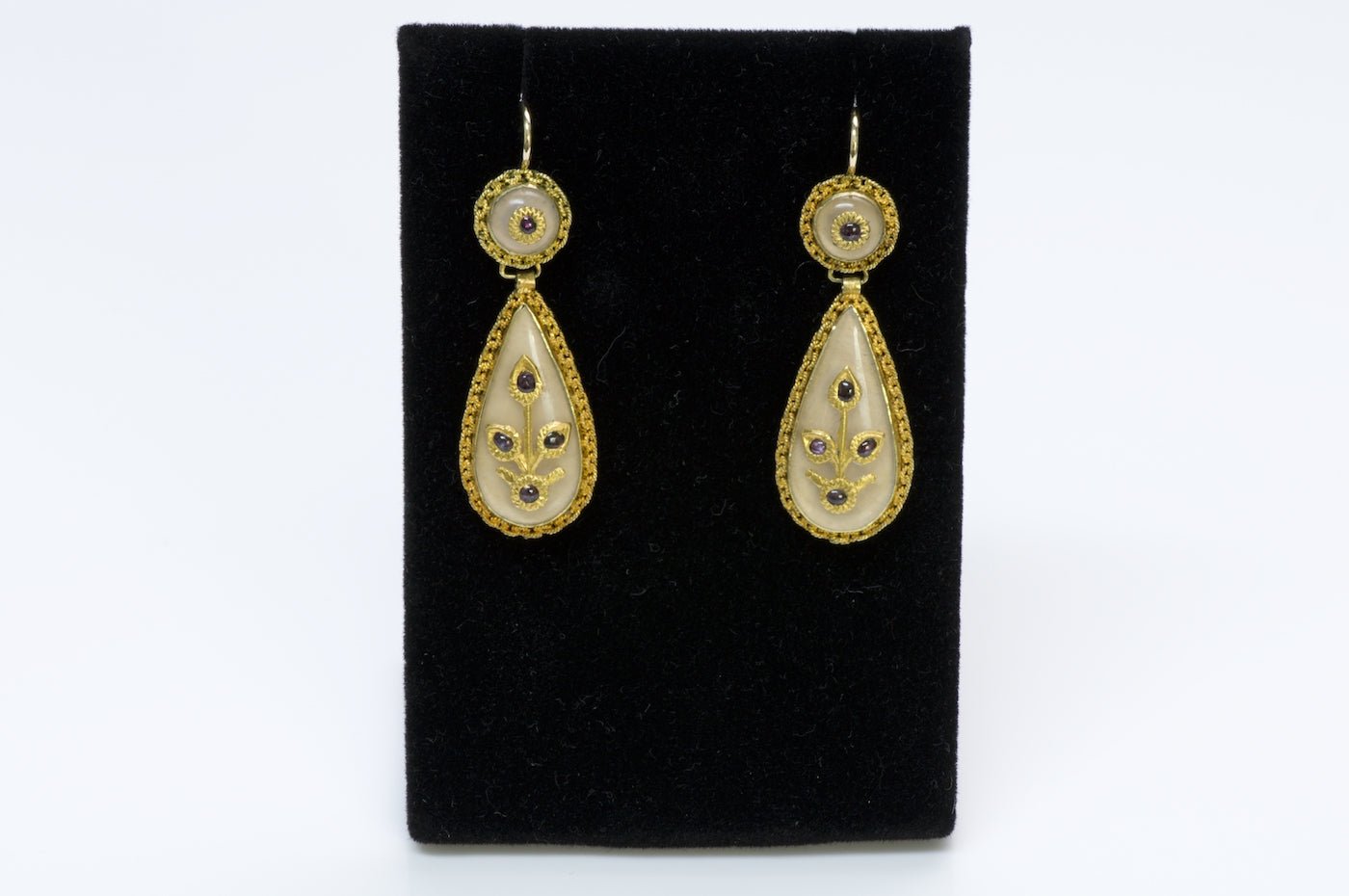
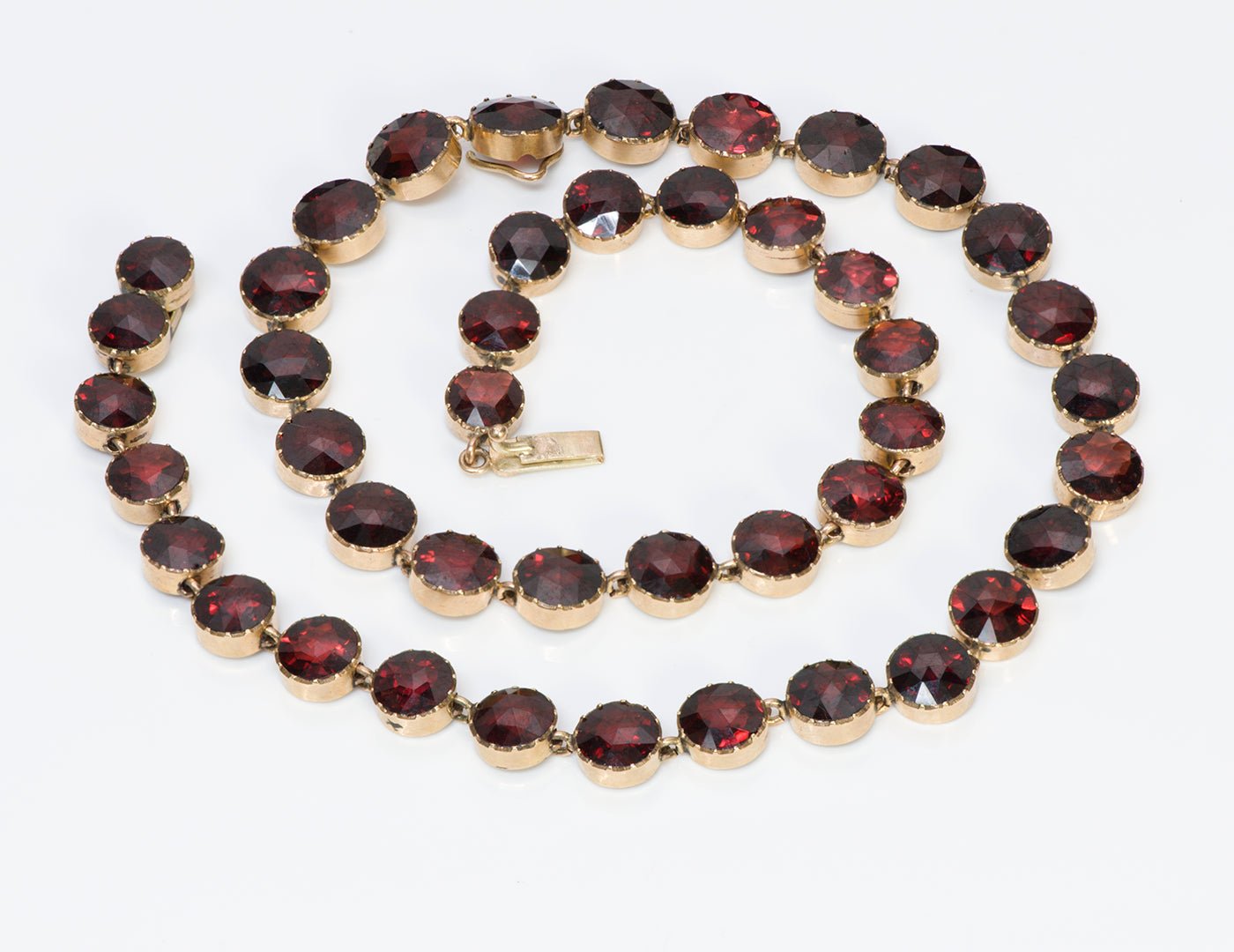
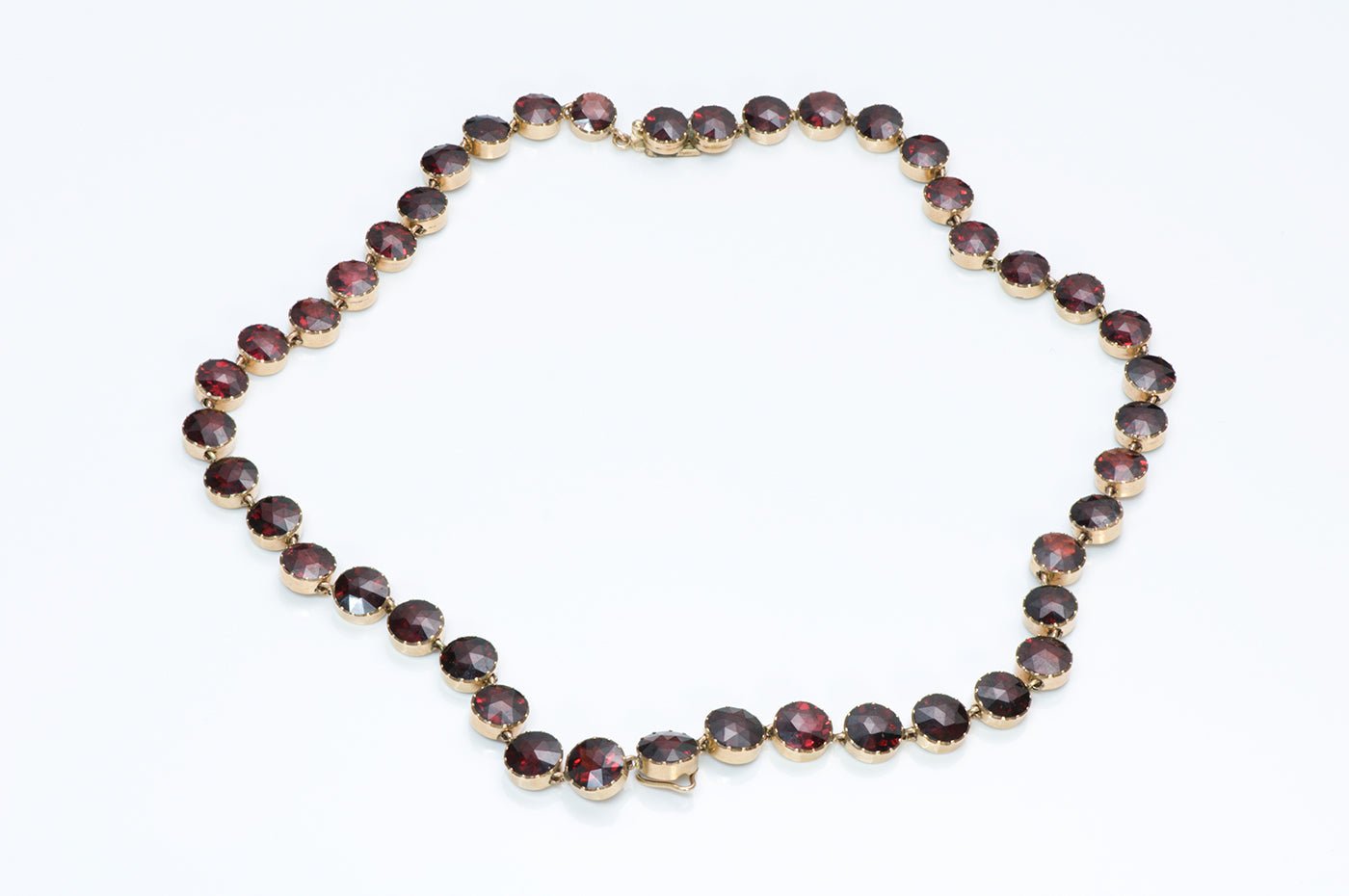
Georgian jewelry introduces a world of restrained grandeur and remarkable handwork. Made before industrial standardization, these pieces often reveal the marks of the bench: subtle asymmetries, rich surface modeling, and settings engineered with practical intelligence. Gold is frequently worked with sculptural confidence, while silver-topped construction appears in diamond jewels to heighten brightness in an era before platinum. Closed-back settings and foil-backed stones, common in early work, were used to enhance light and color, creating a distinctive softness that differs from later open settings. Even when forms are simple, the craftsmanship is rarely plain—edges are carefully finished, proportions calibrated, and details resolved with a quiet authority.
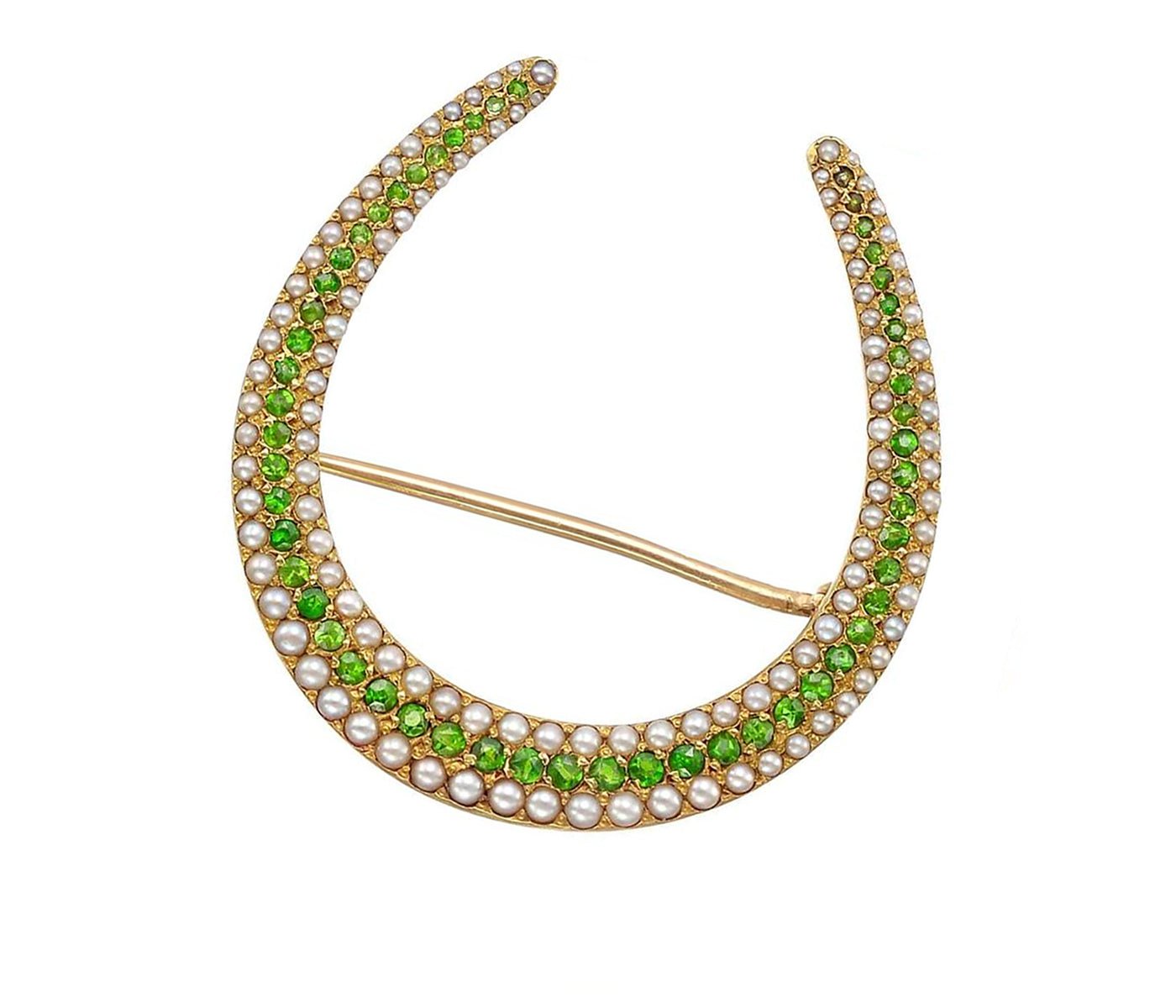
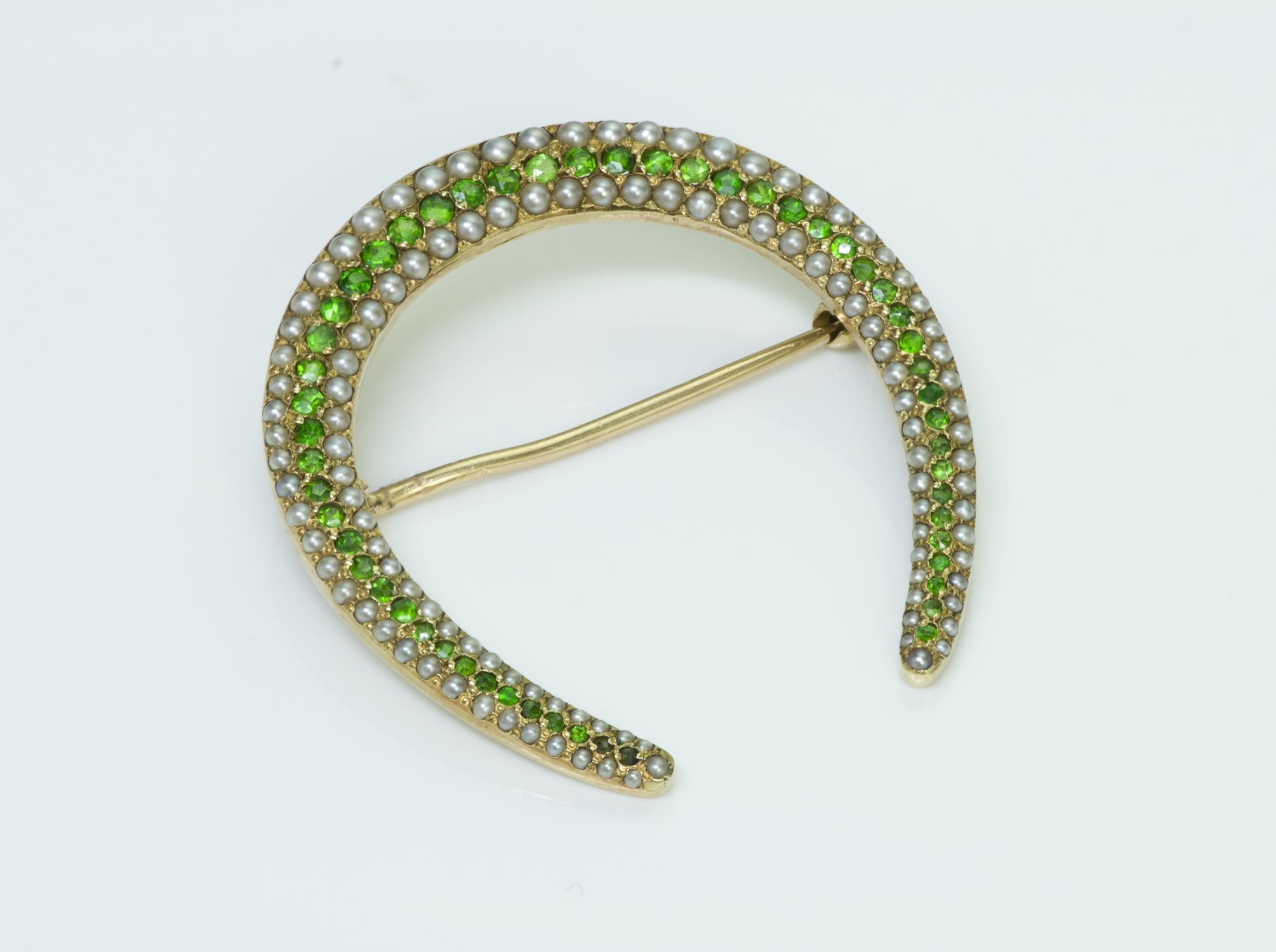
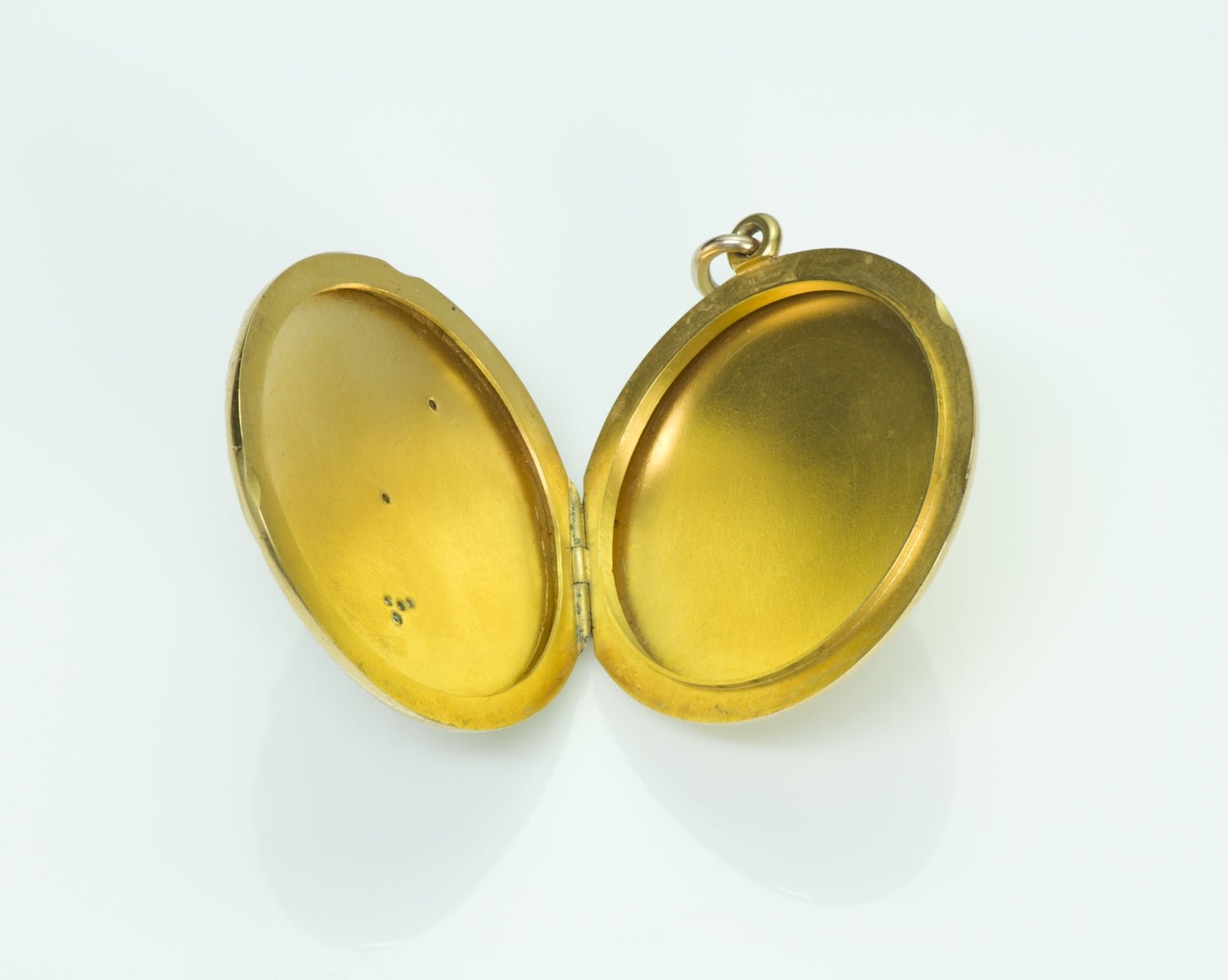
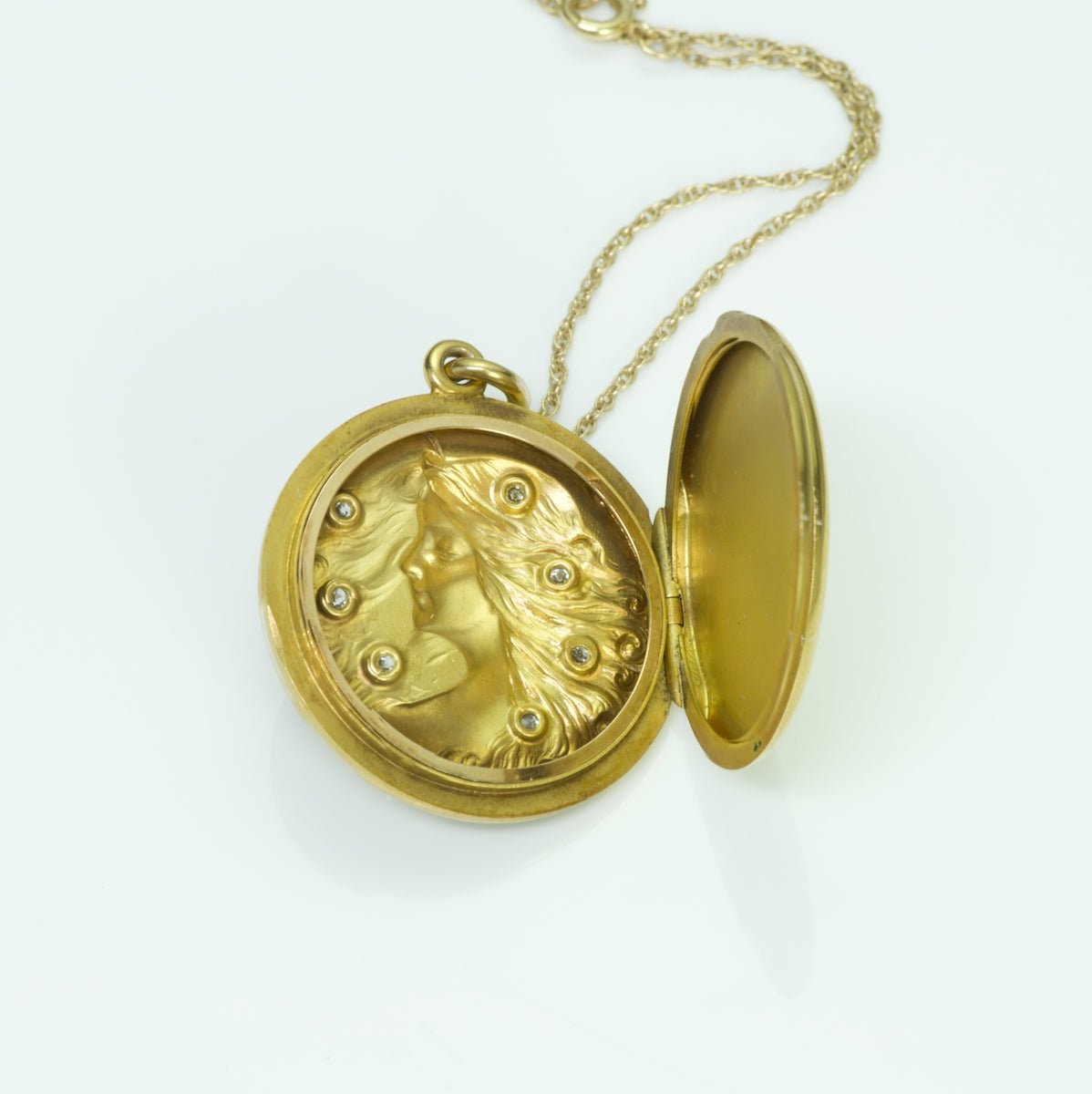
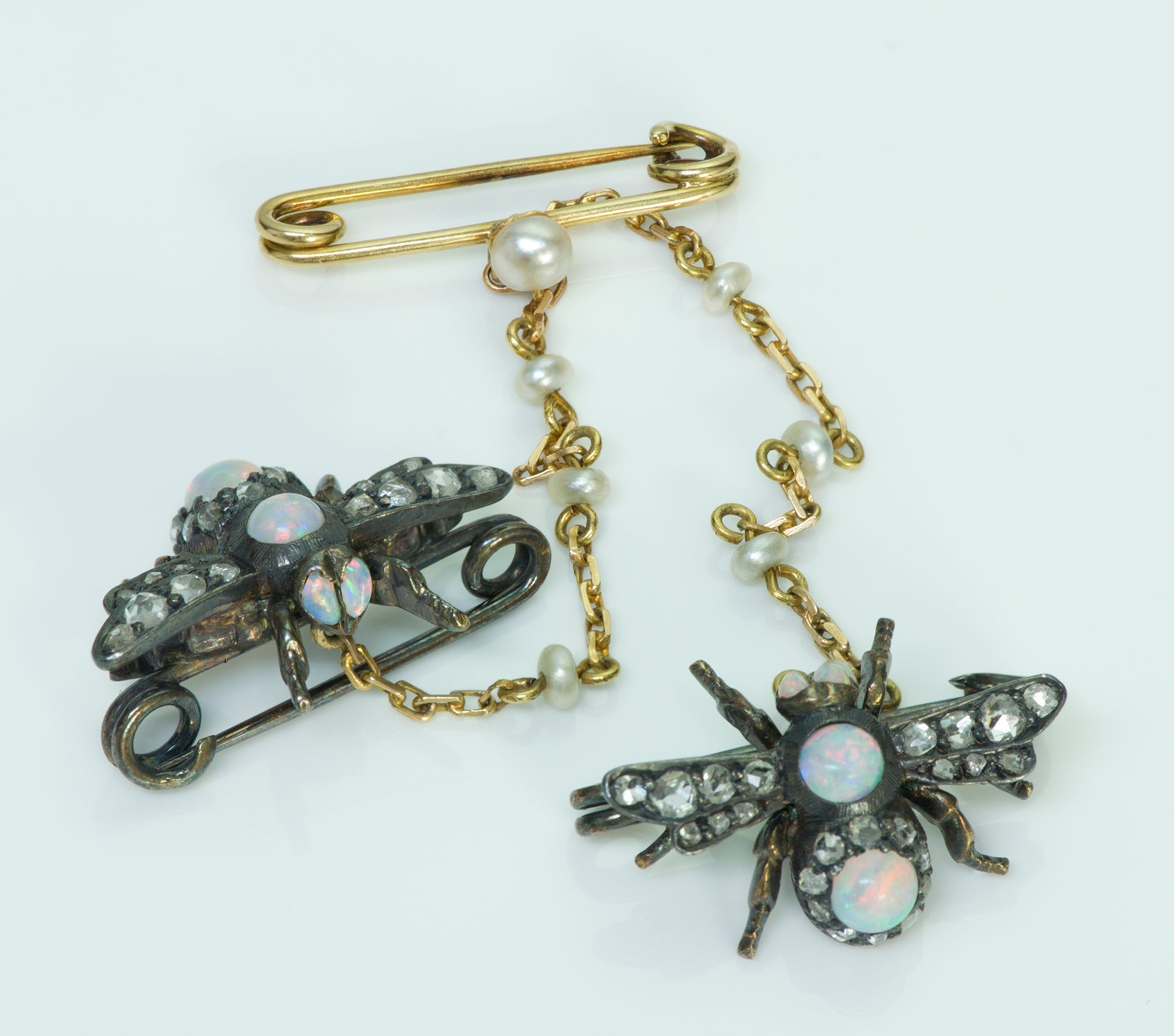
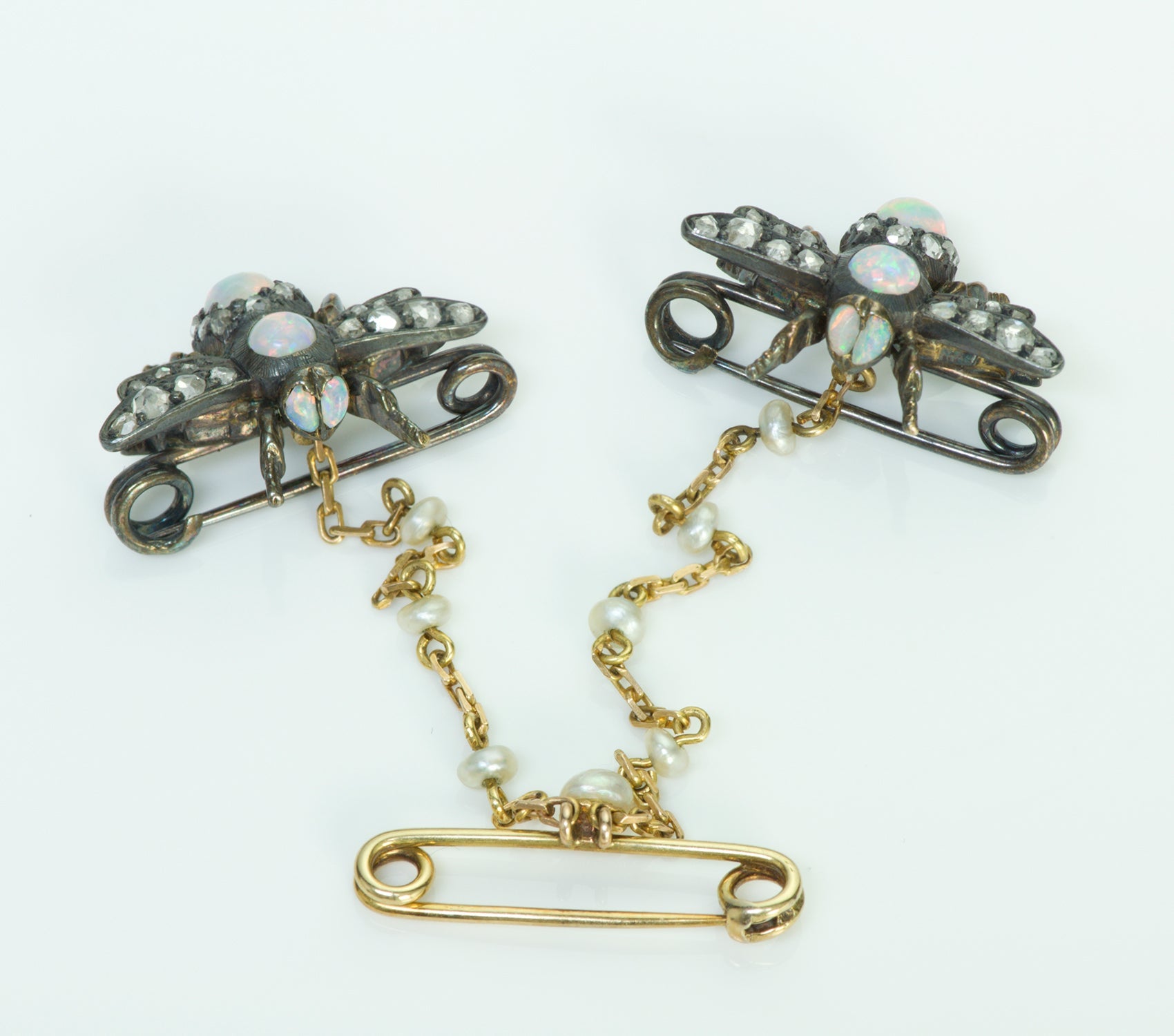
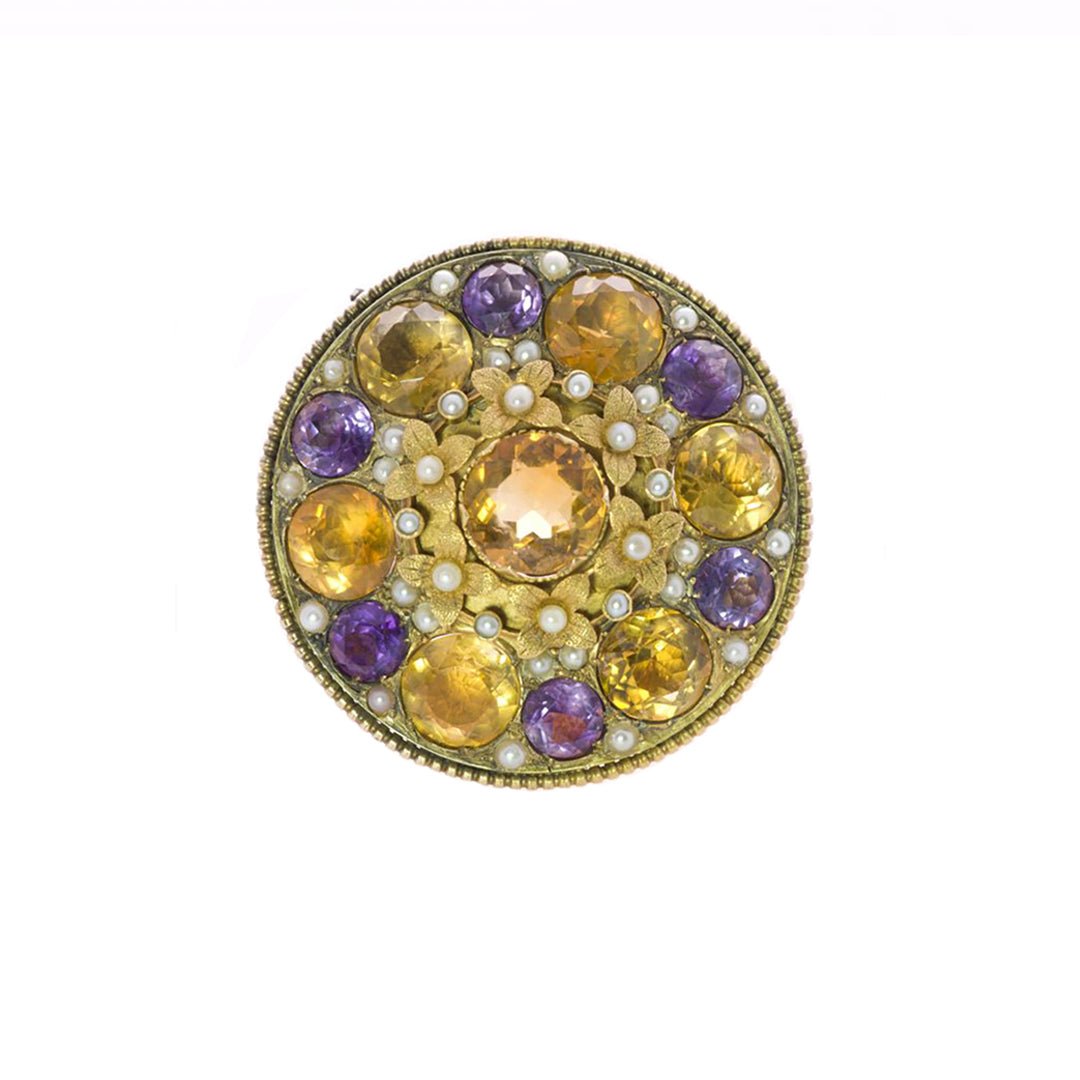
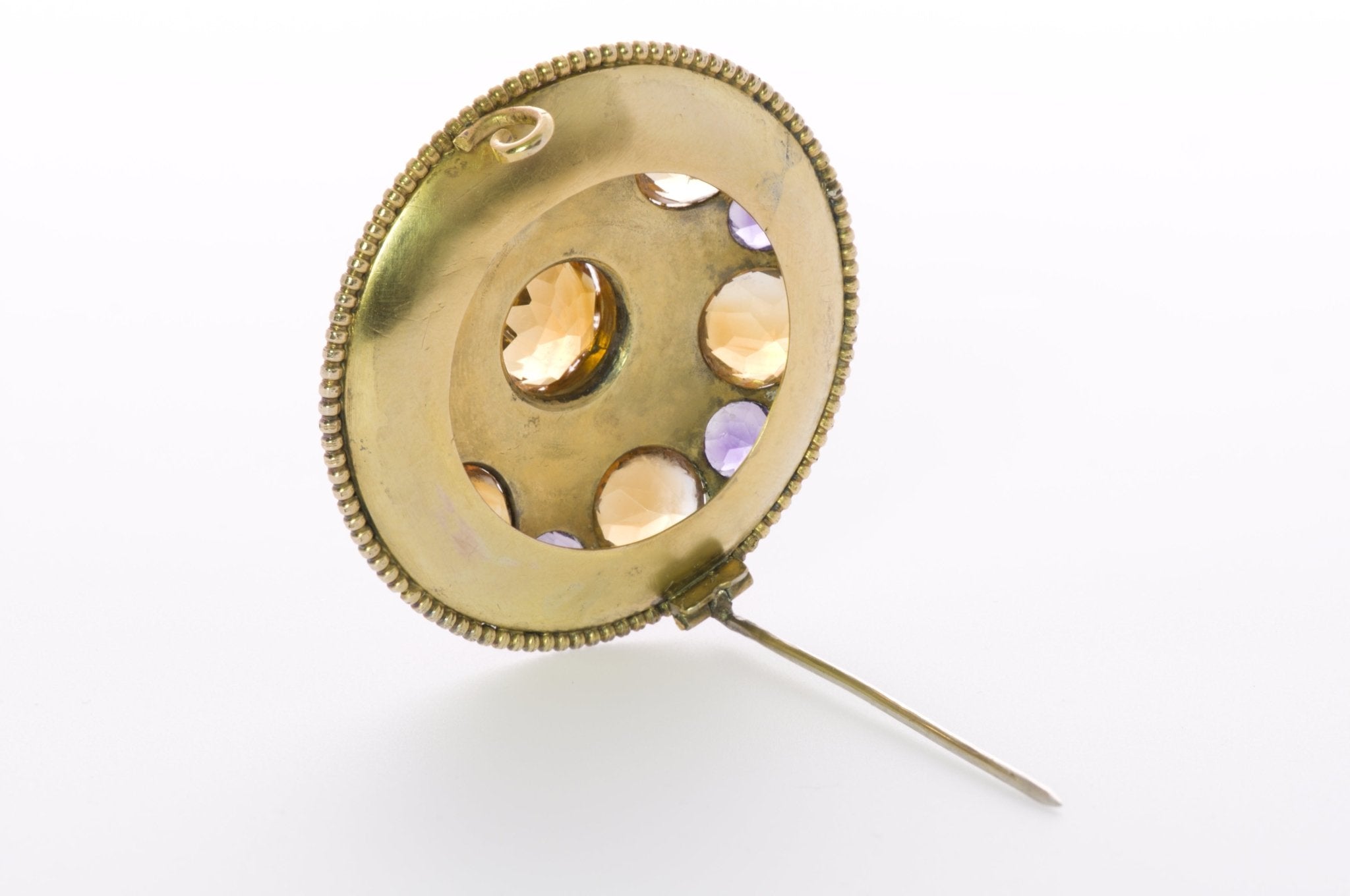
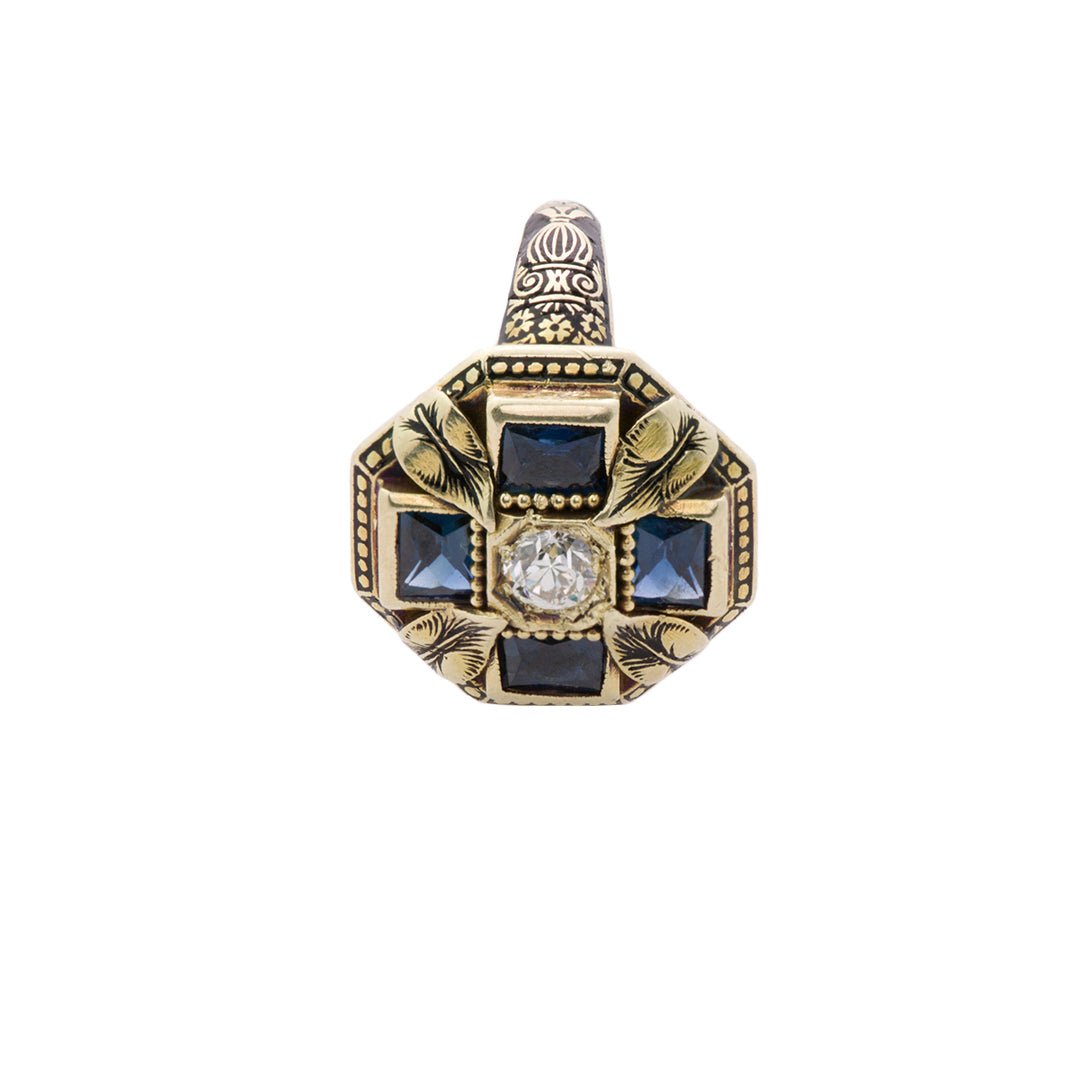
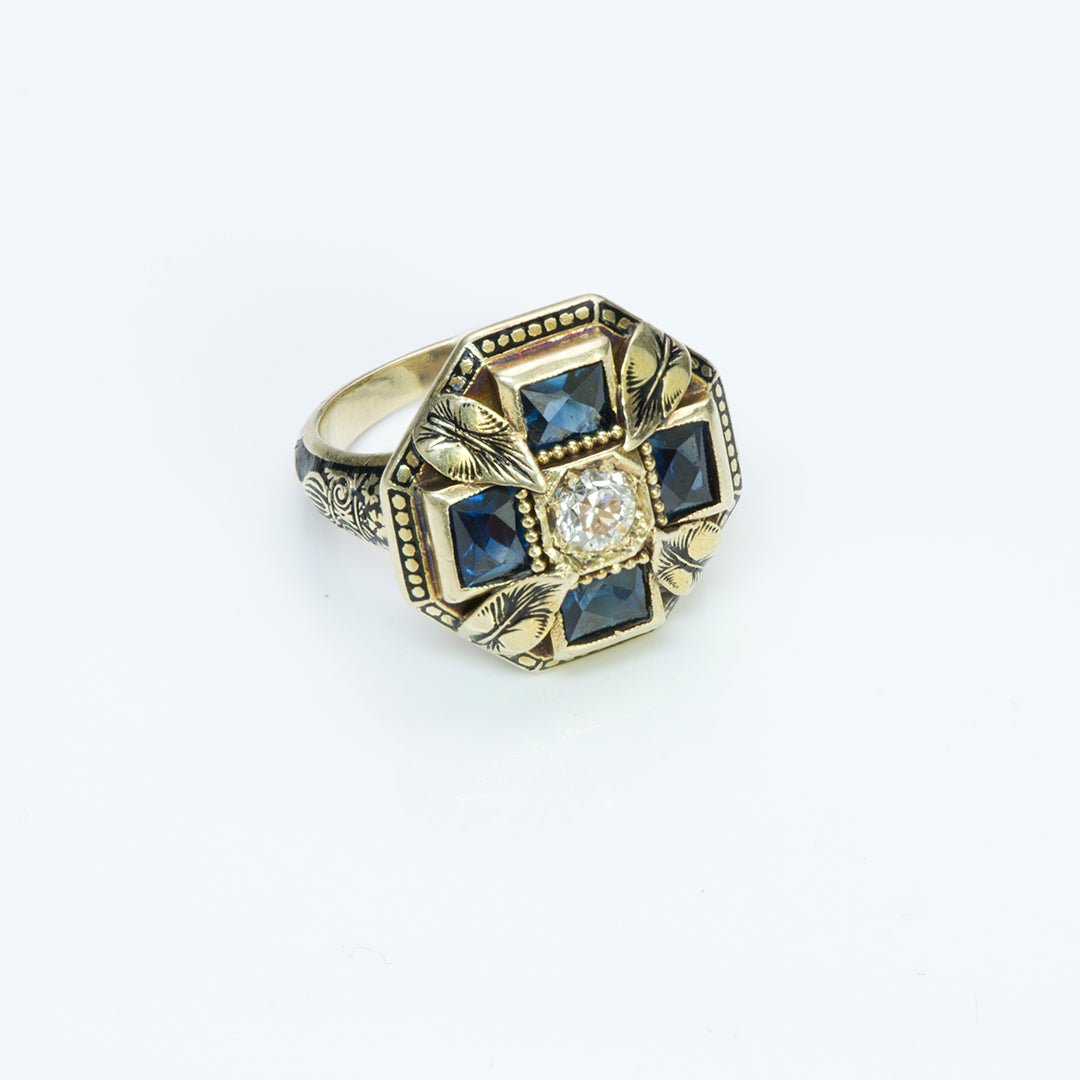
Victorian jewelry expands the vocabulary, moving between symbolism, naturalism, and increasingly sophisticated gemstone work. Gold becomes an expressive medium: engraved, chased, or formed into motifs that range from botanical to architectural. Lockets and pendants often embody the era’s intimacy—pieces designed to be worn close, sometimes with hidden interiors and finely finished backs that confirm they were made for personal use rather than display alone. Rings and brooches from the period can feel richly composed, with emphasis on surface and presence, while bracelets frequently demonstrate serious engineering in their hinges, panels, and closures.
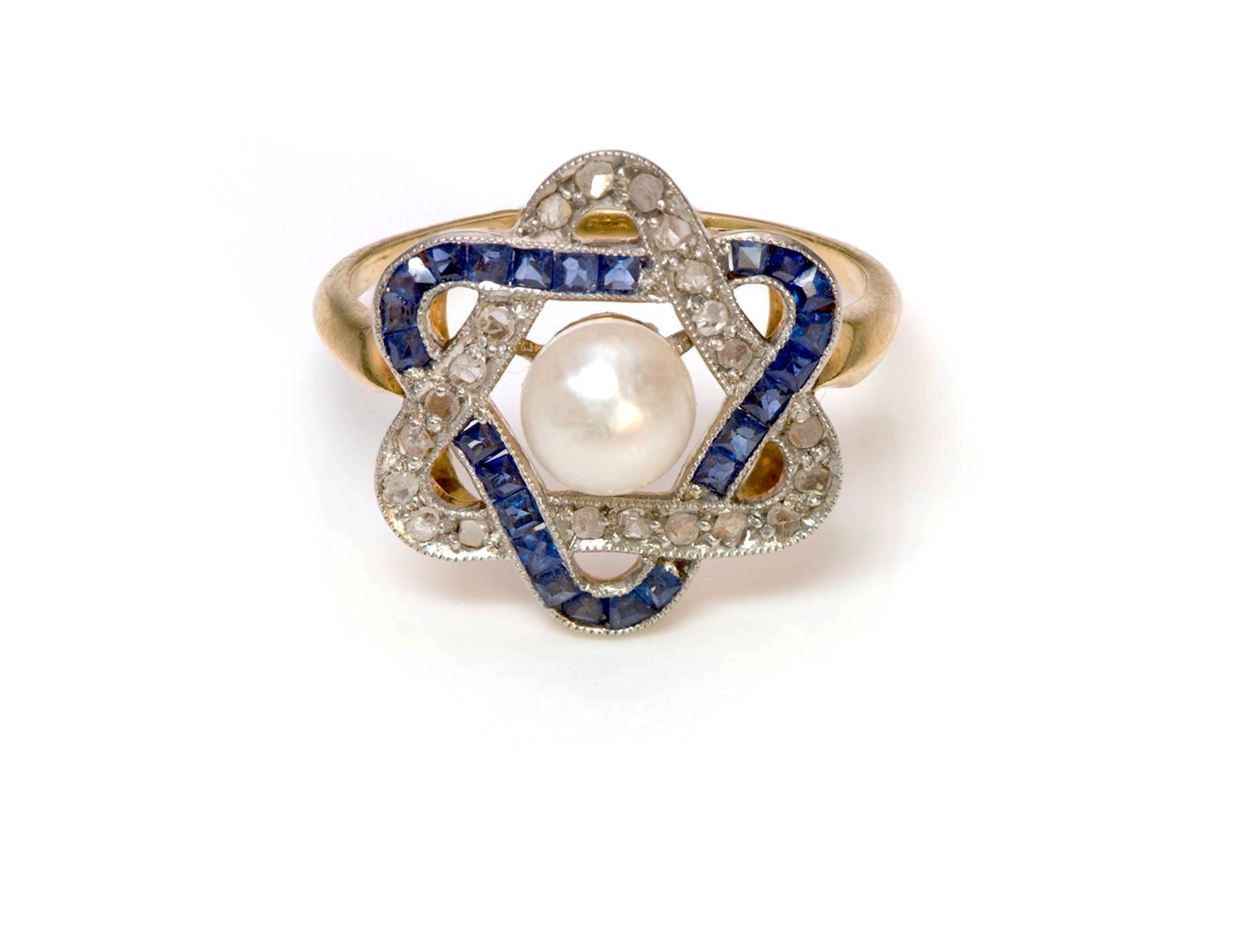
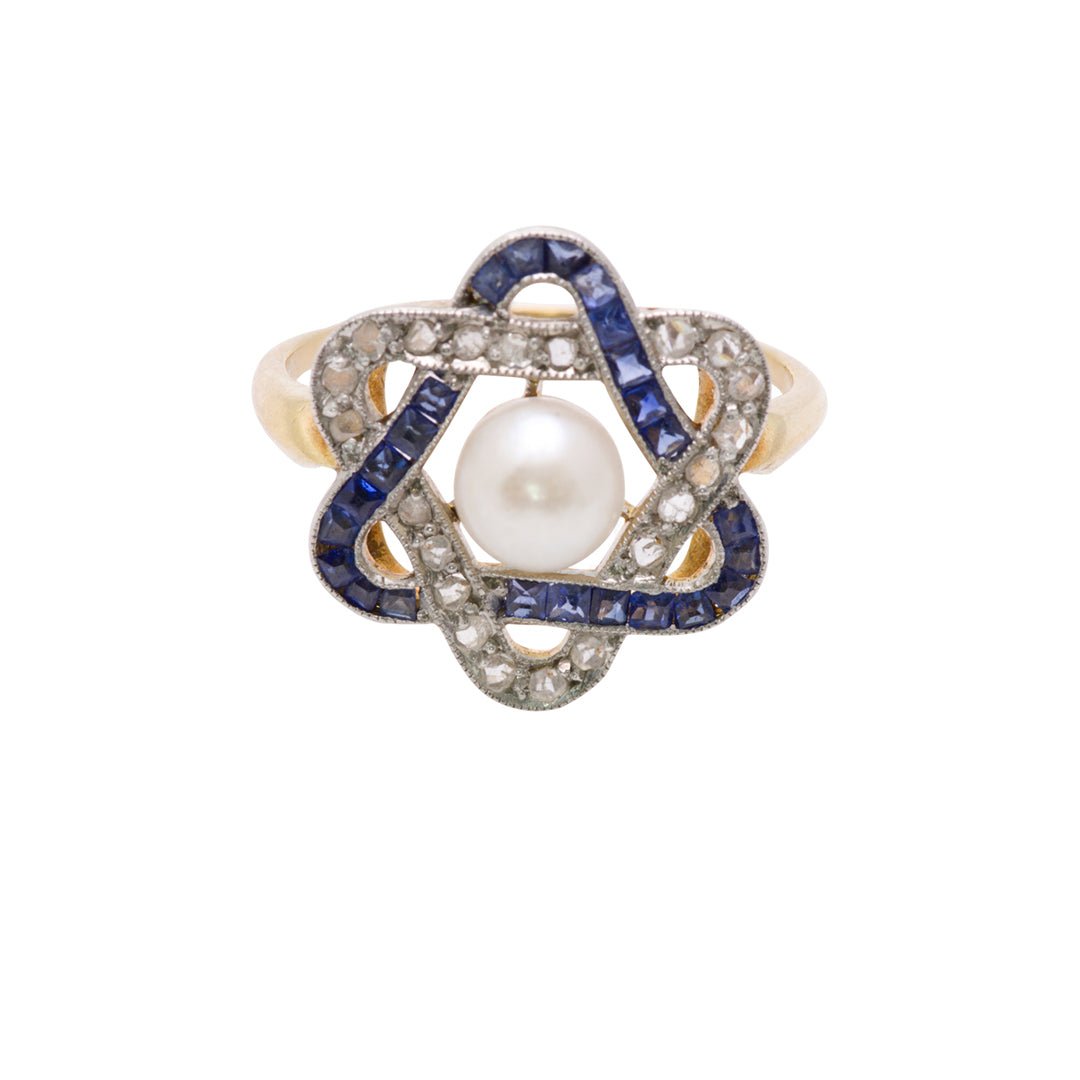
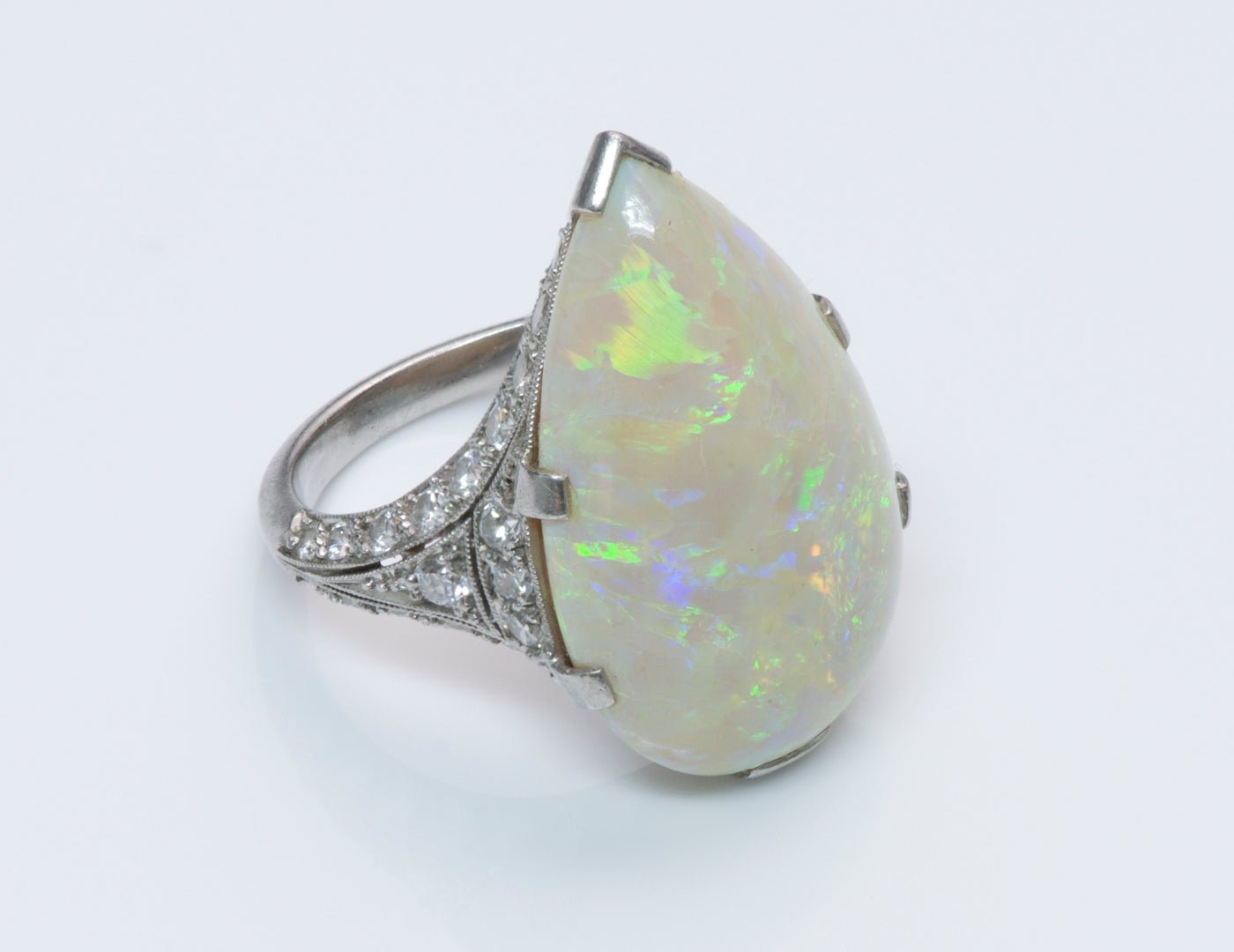
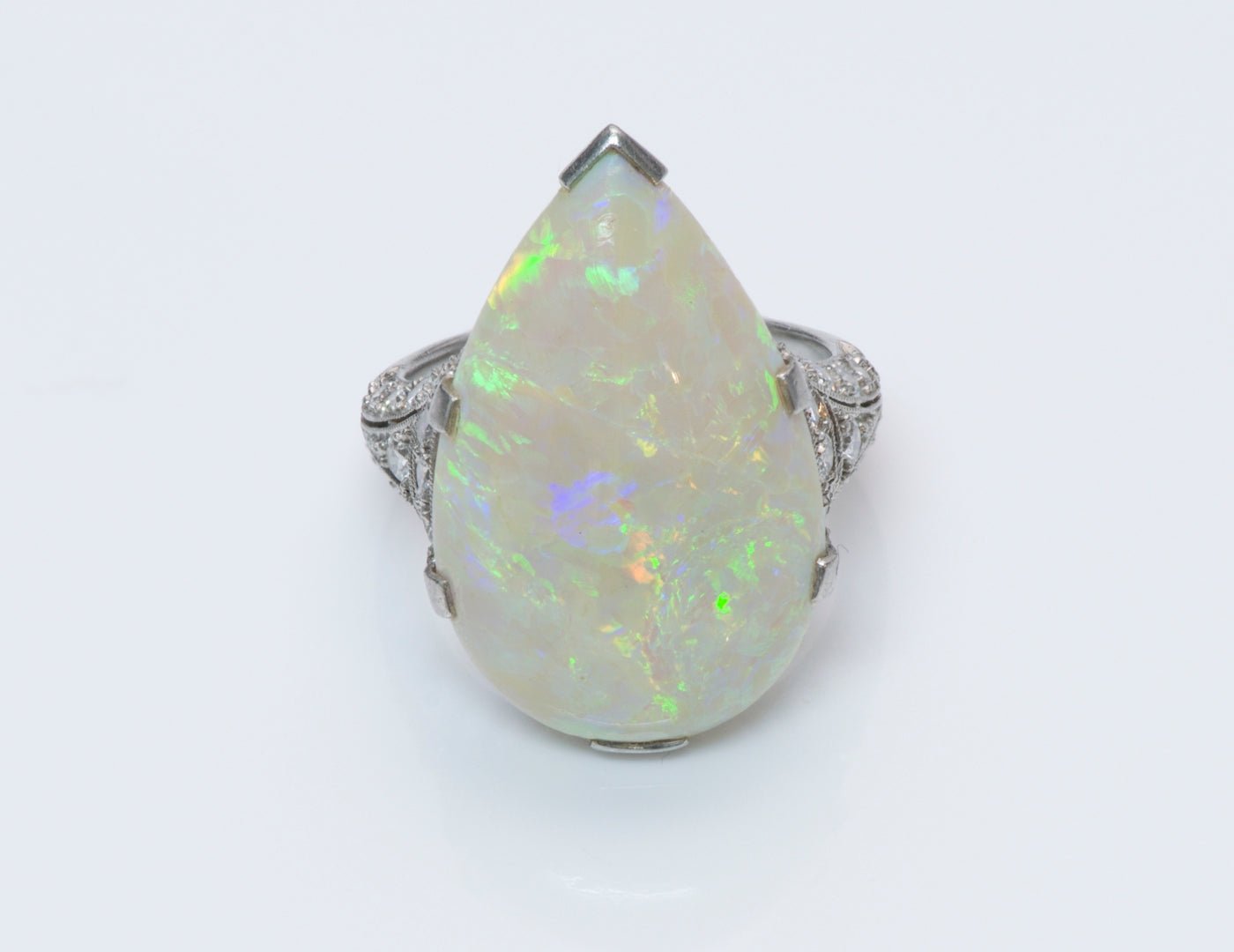
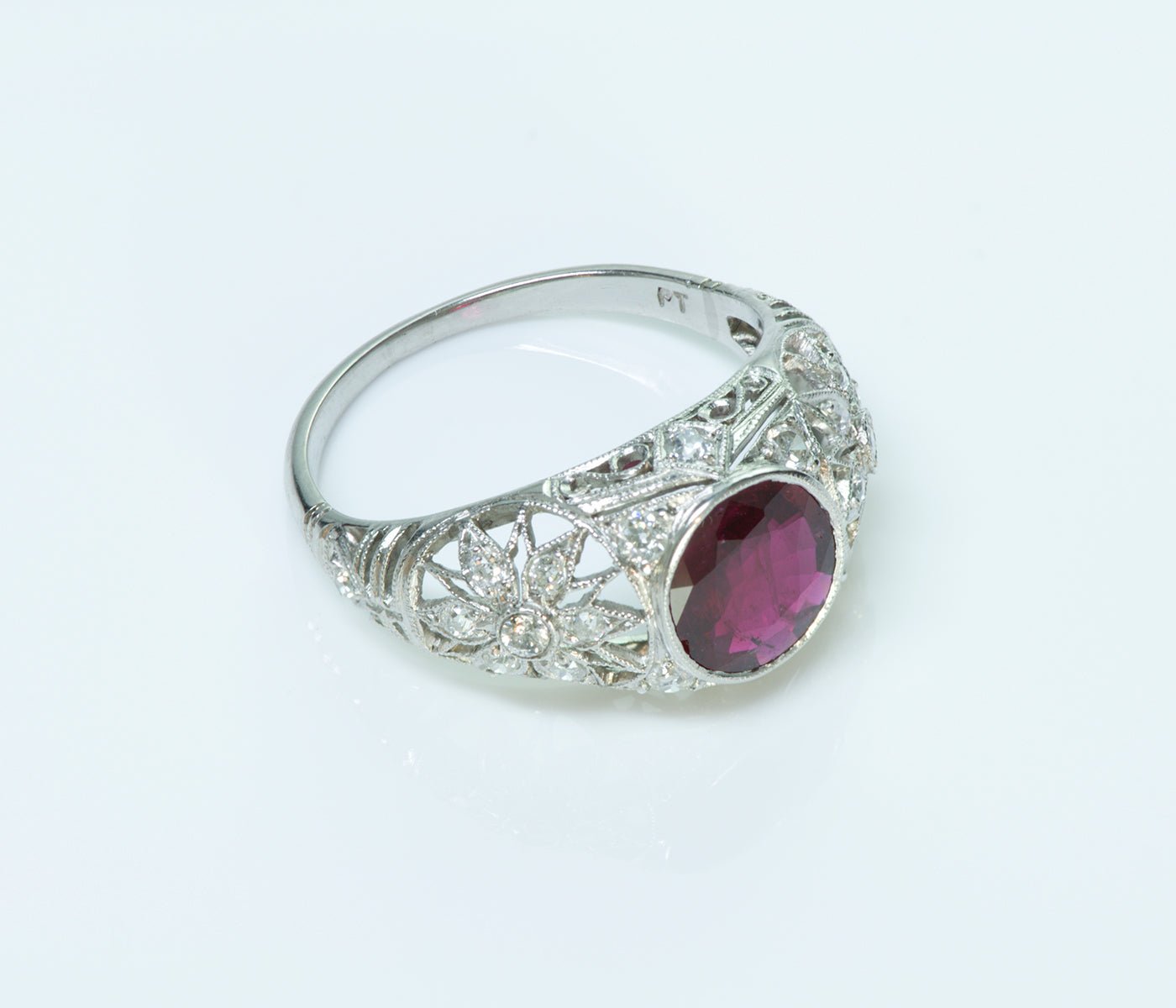
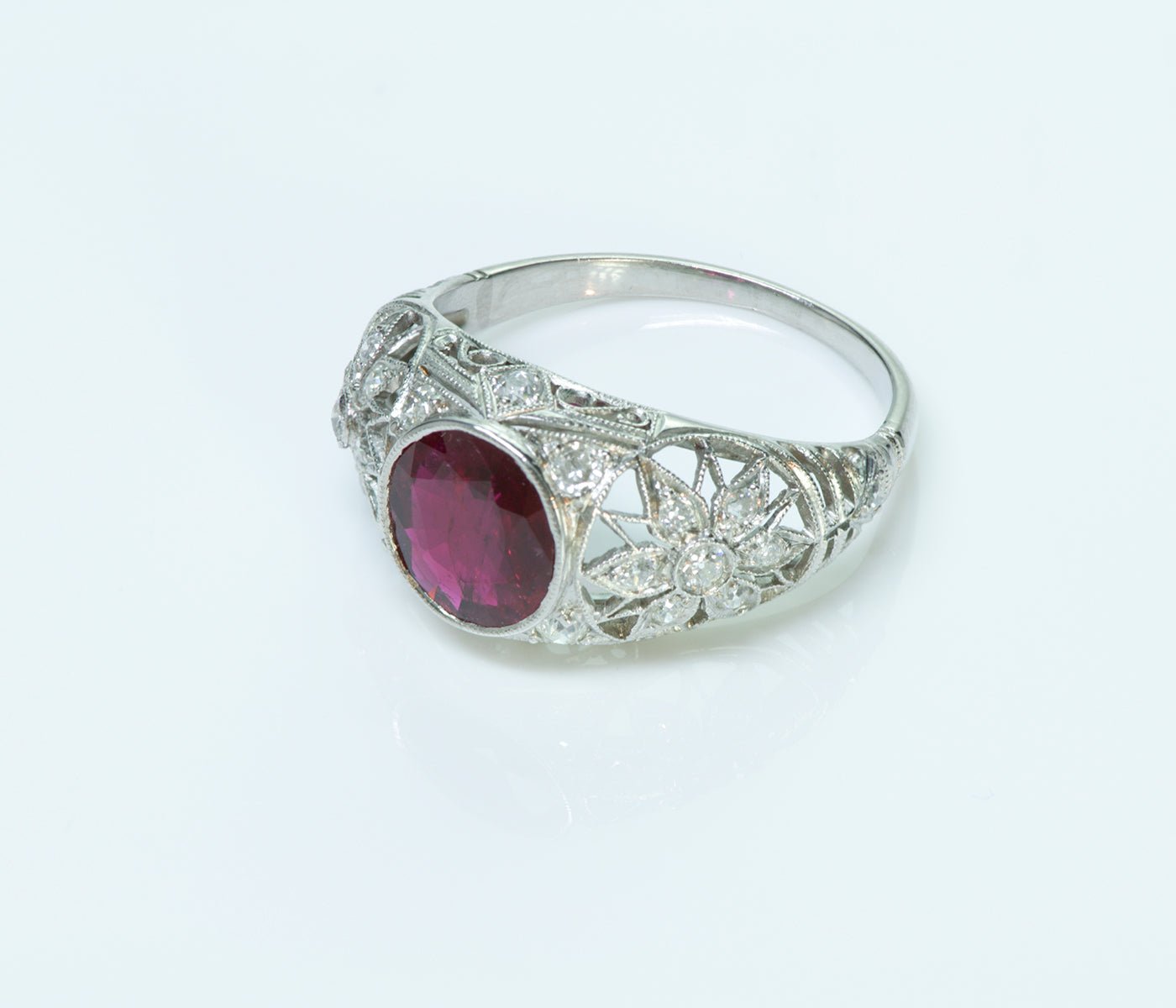
With the Edwardian era, the visual language shifts toward lightness and precision. Platinum changes the possibilities of setting and structure, allowing jewelers to build open, lace-like frameworks—knife-edge bars, pierced galleries, and delicate collets that give diamonds an almost floating effect. Millegrained borders lend a refined texture that catches light without heaviness, and garland motifs—bows, swags, ribbons—reflect a taste for symmetry and controlled elegance. In brooches, pendants, and bracelets, articulation becomes part of the design, intended to settle gracefully against the body.
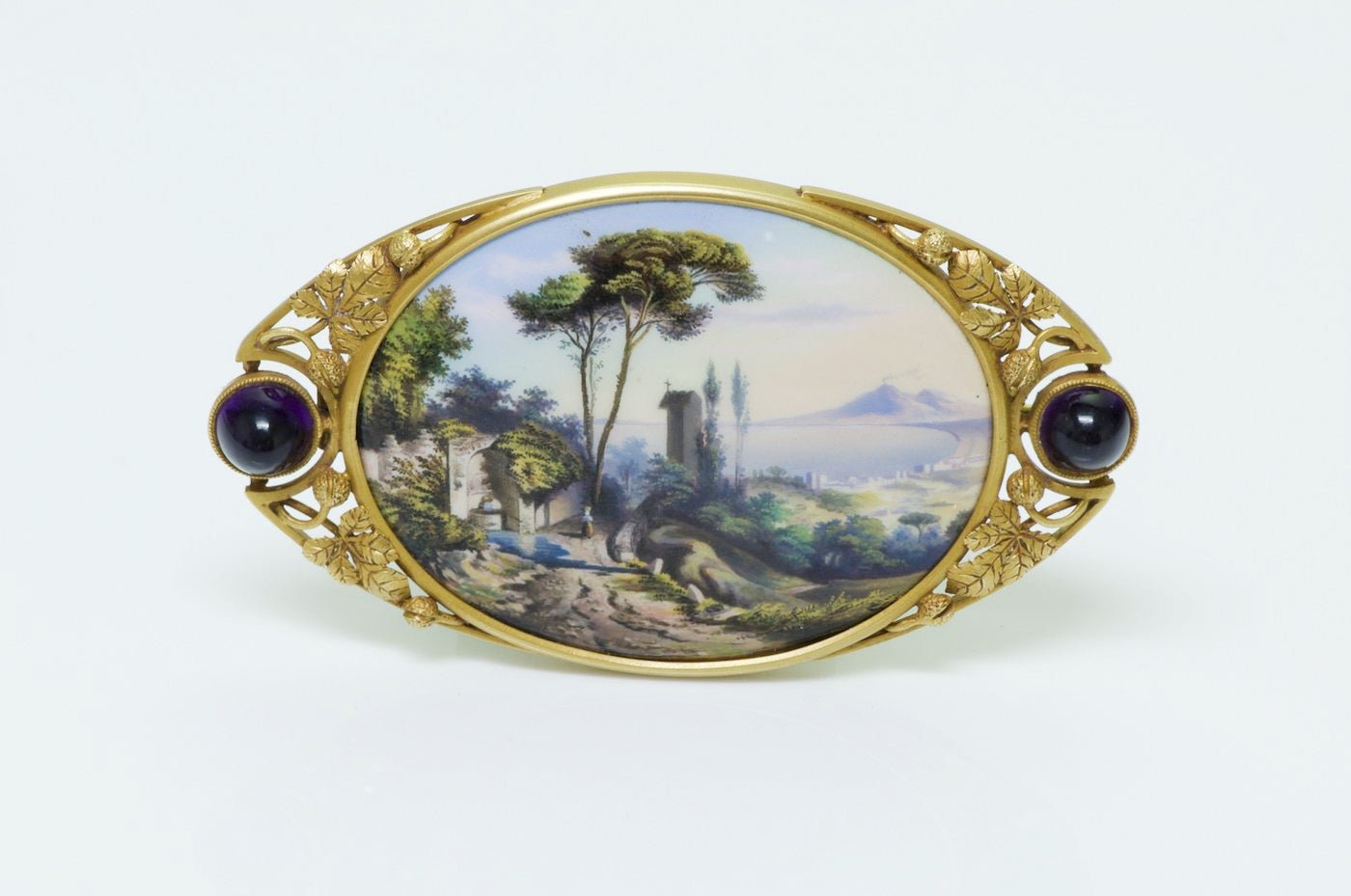
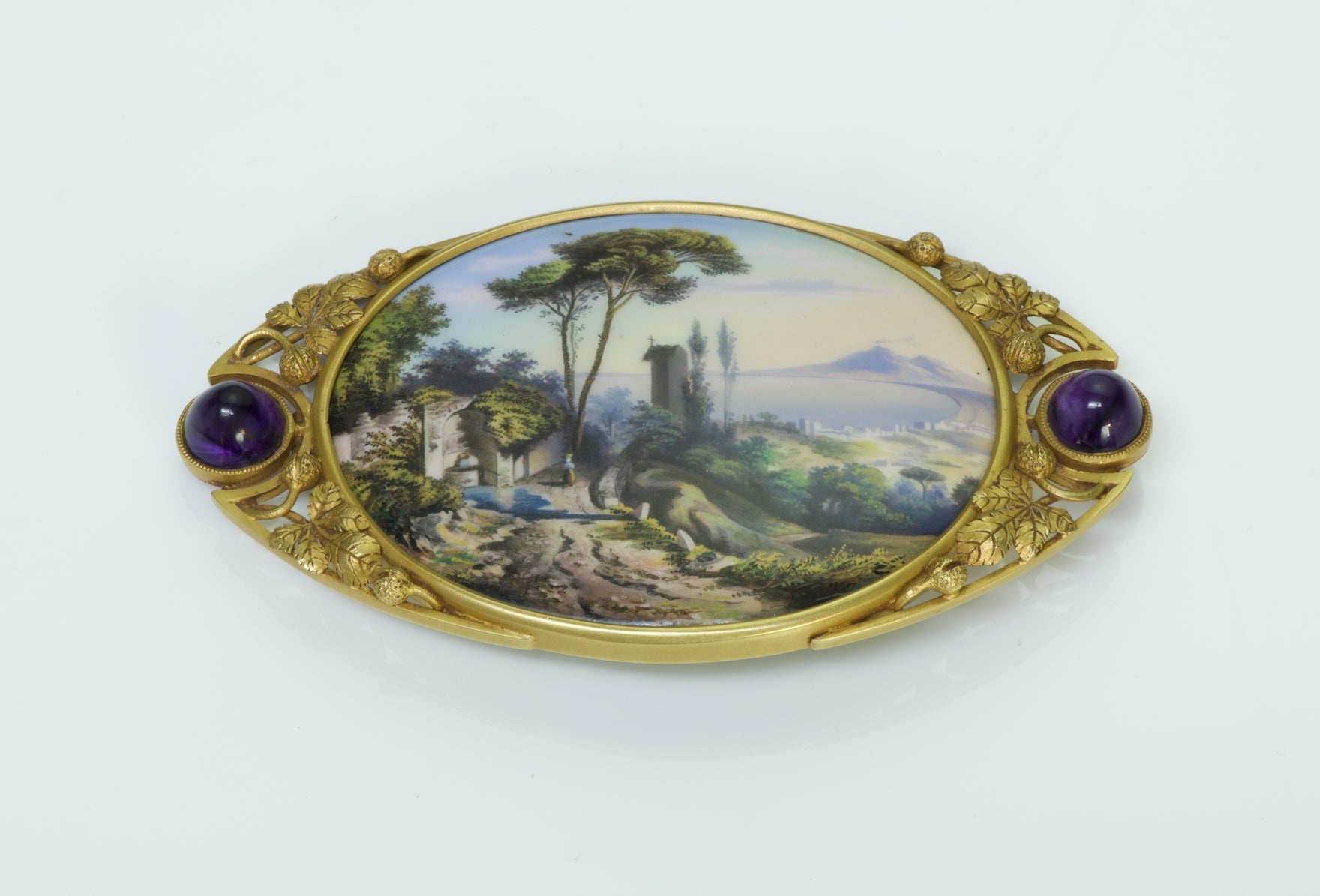
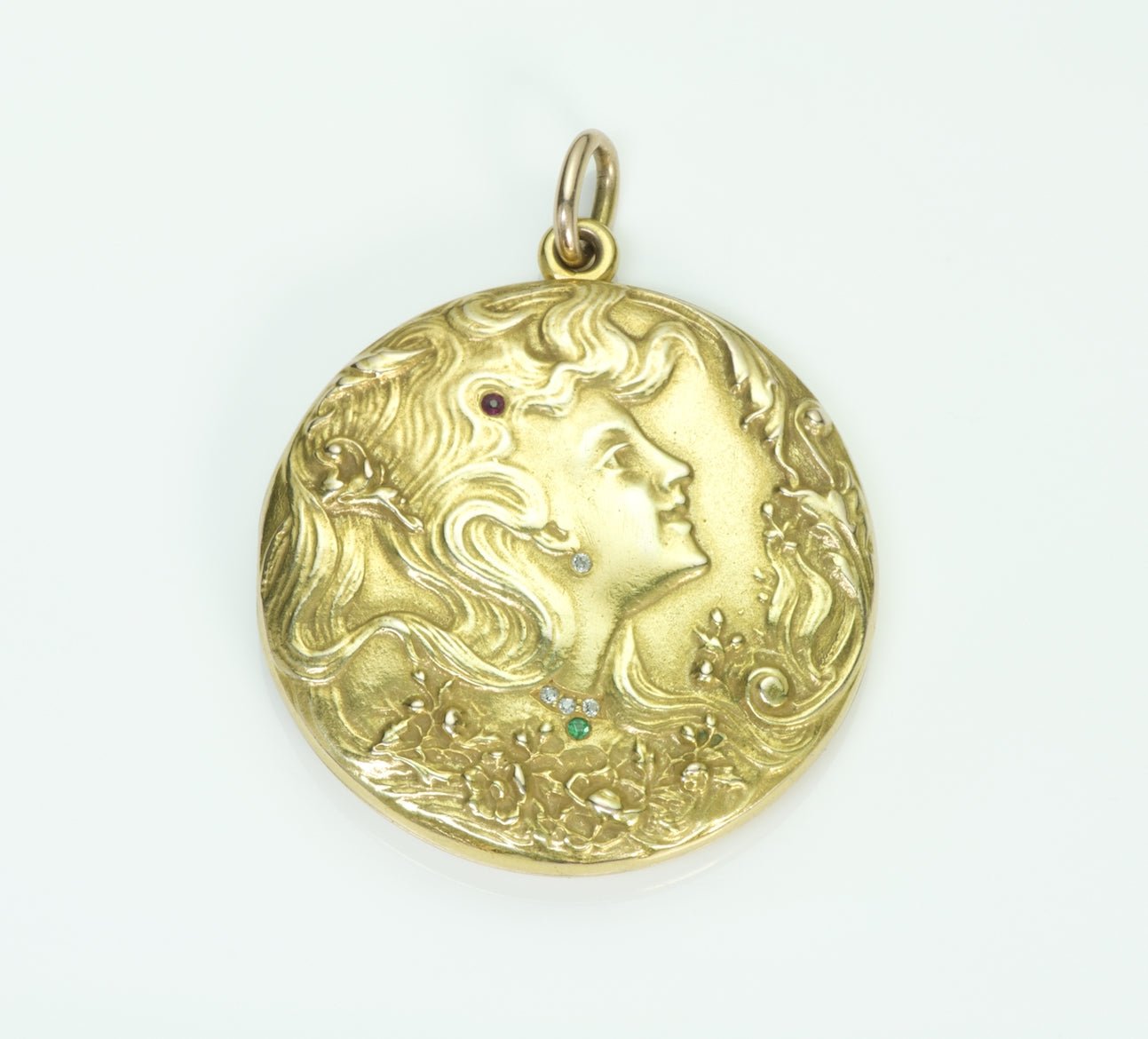
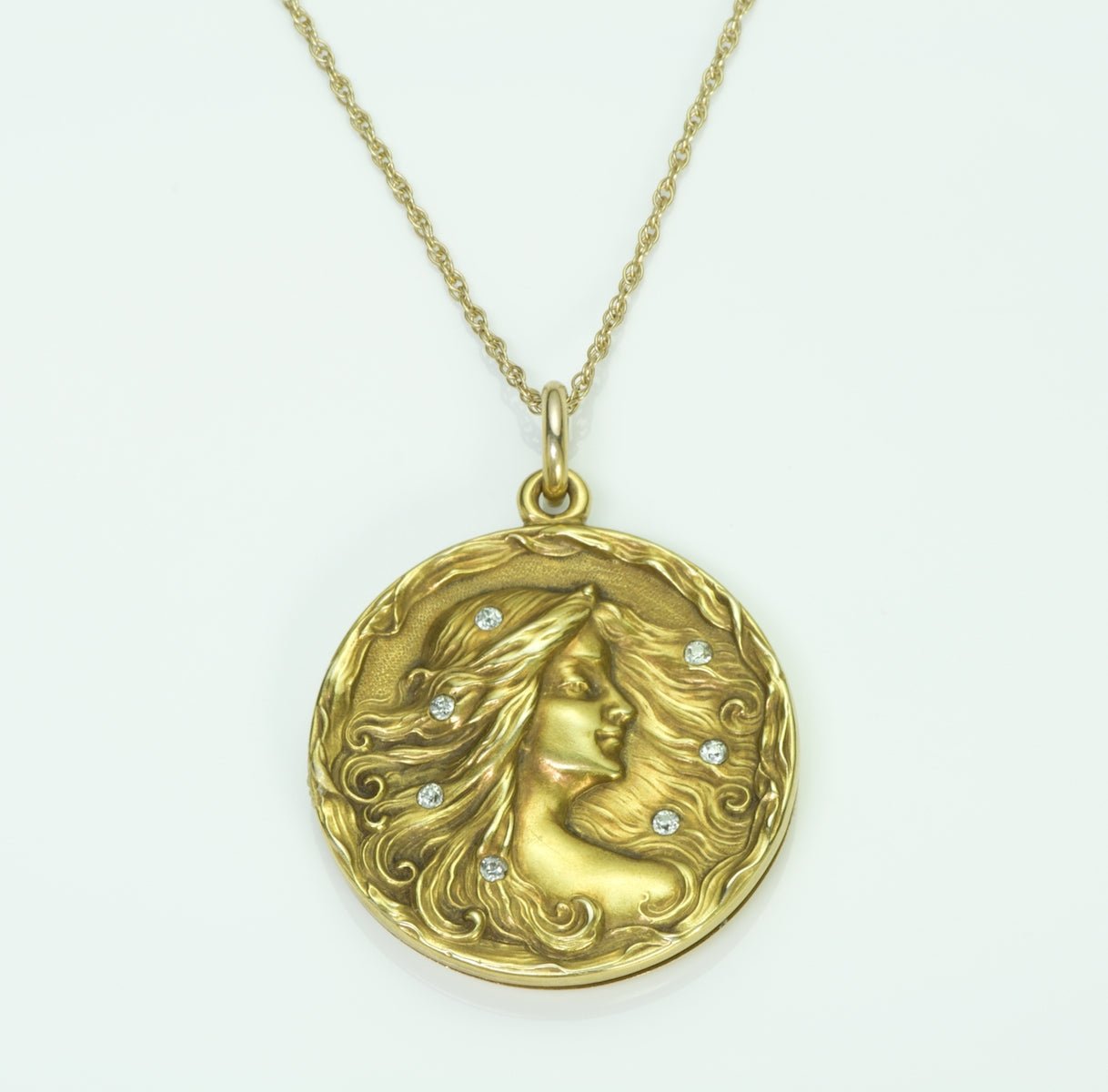
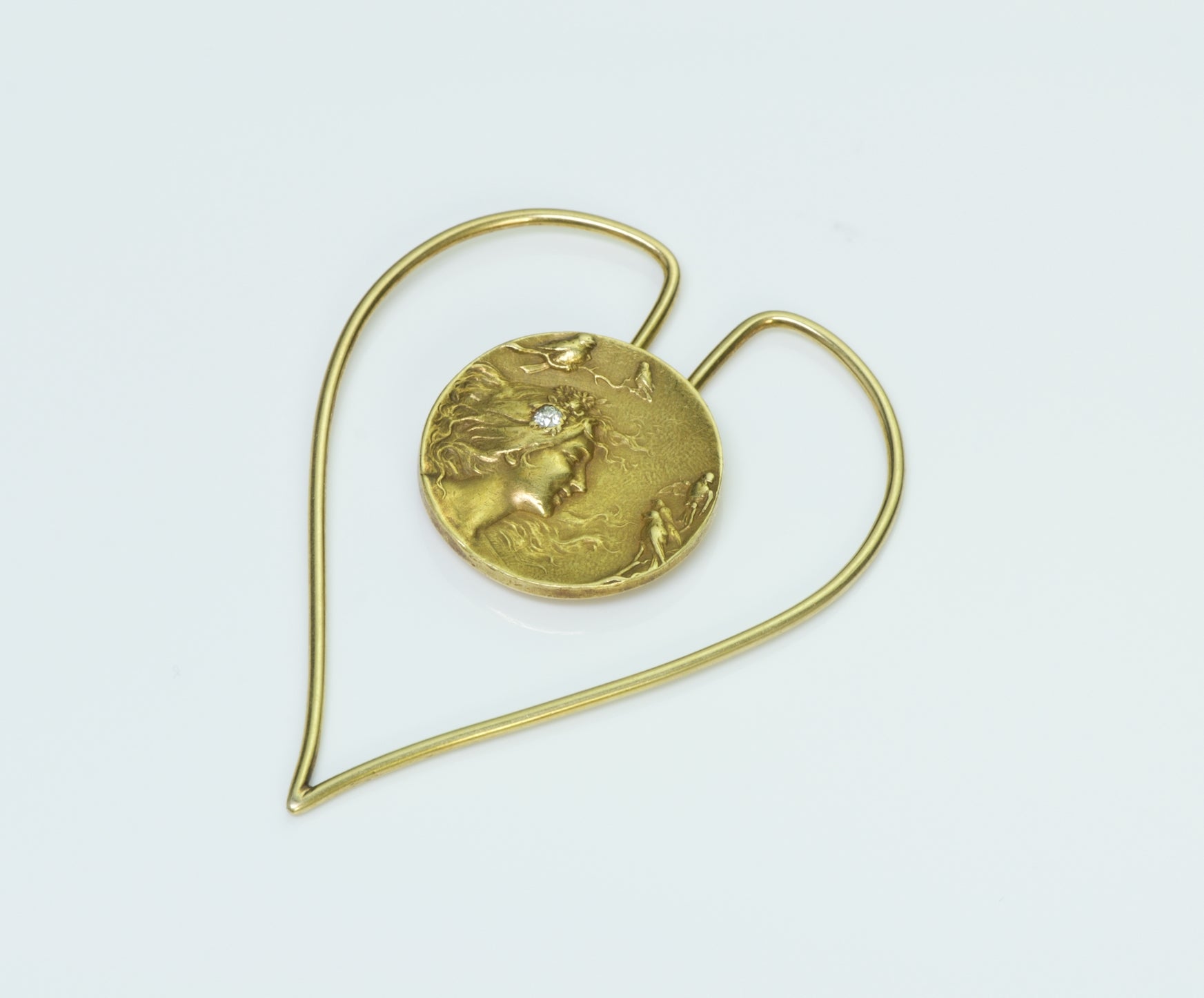
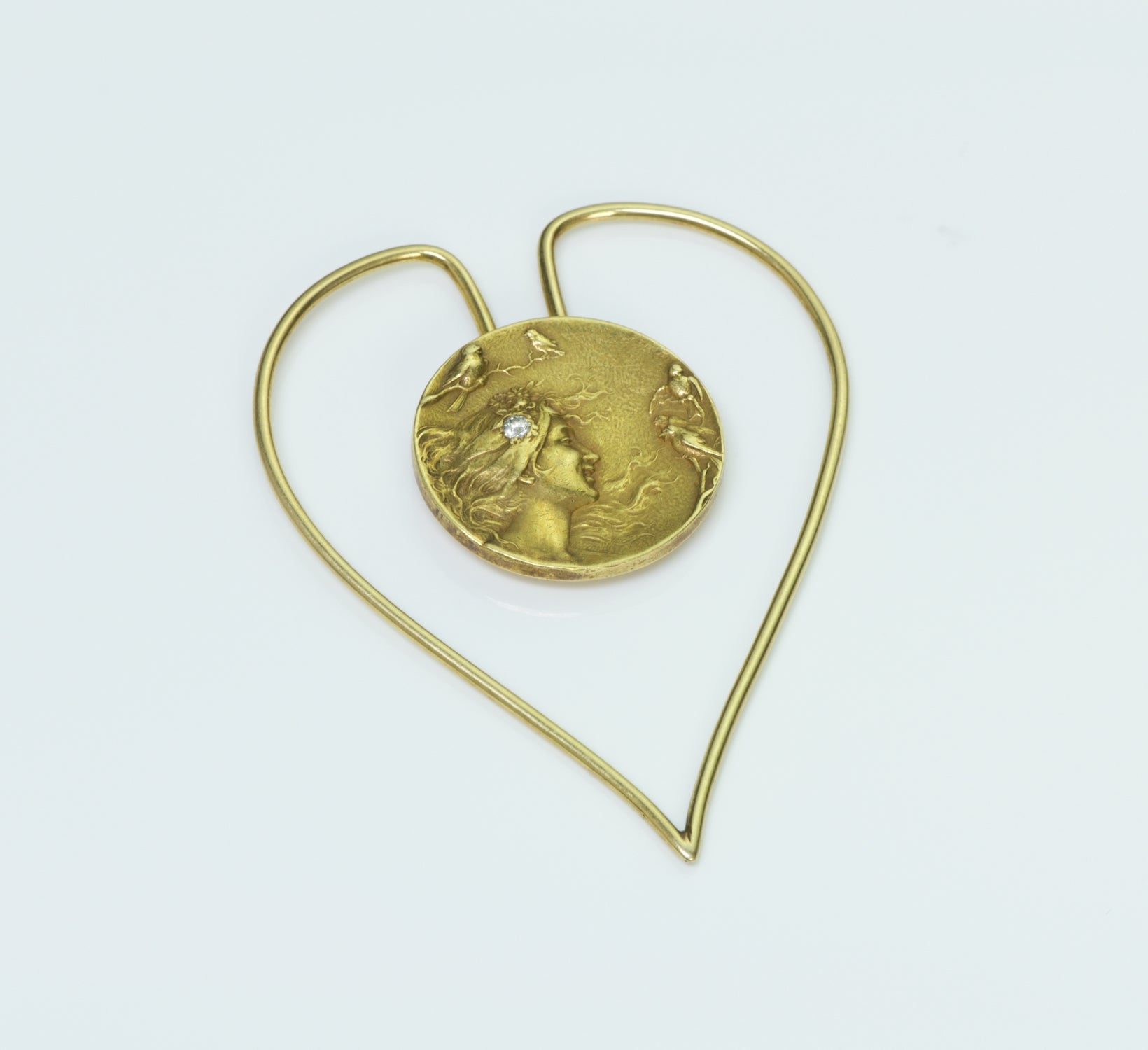
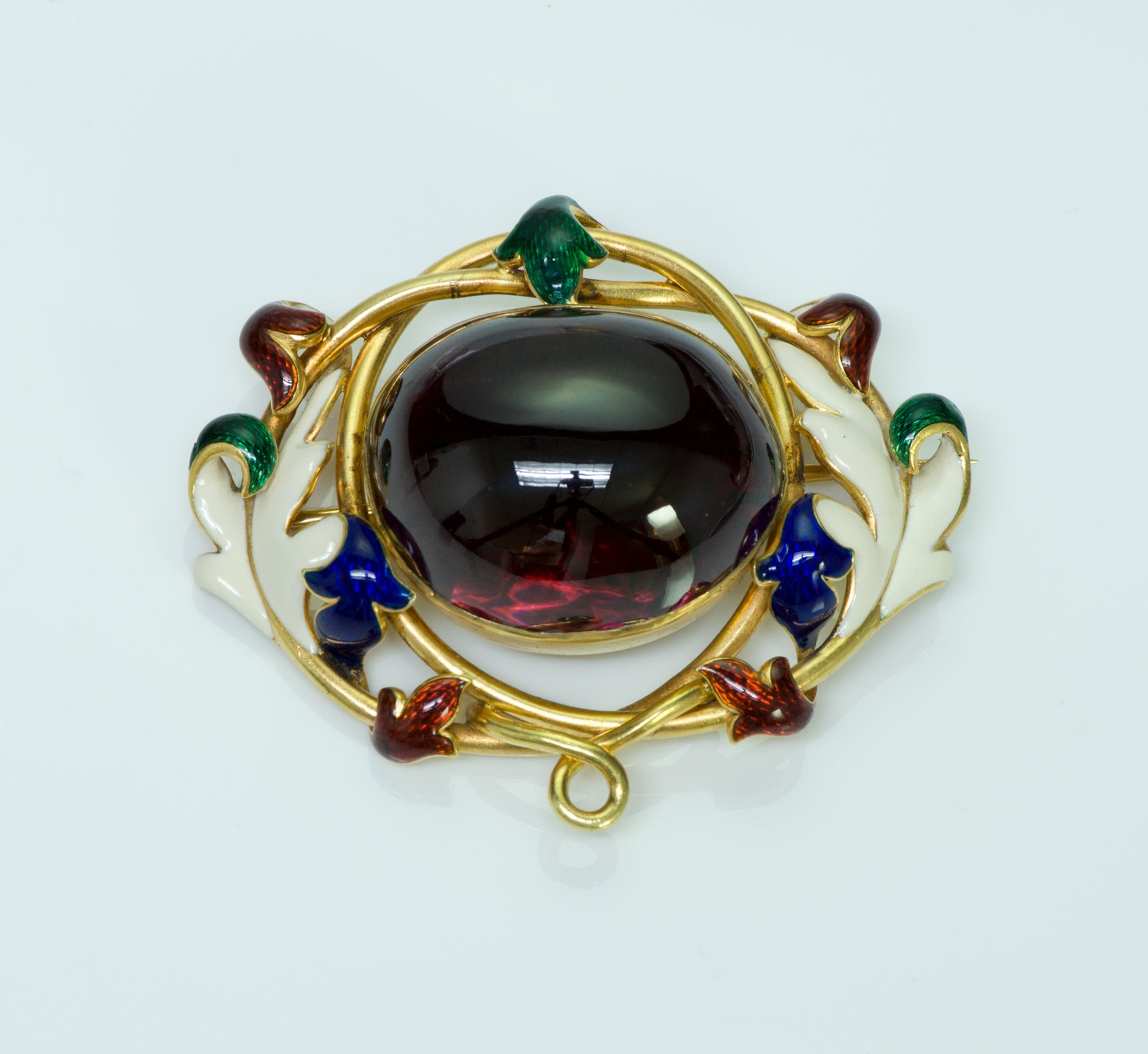
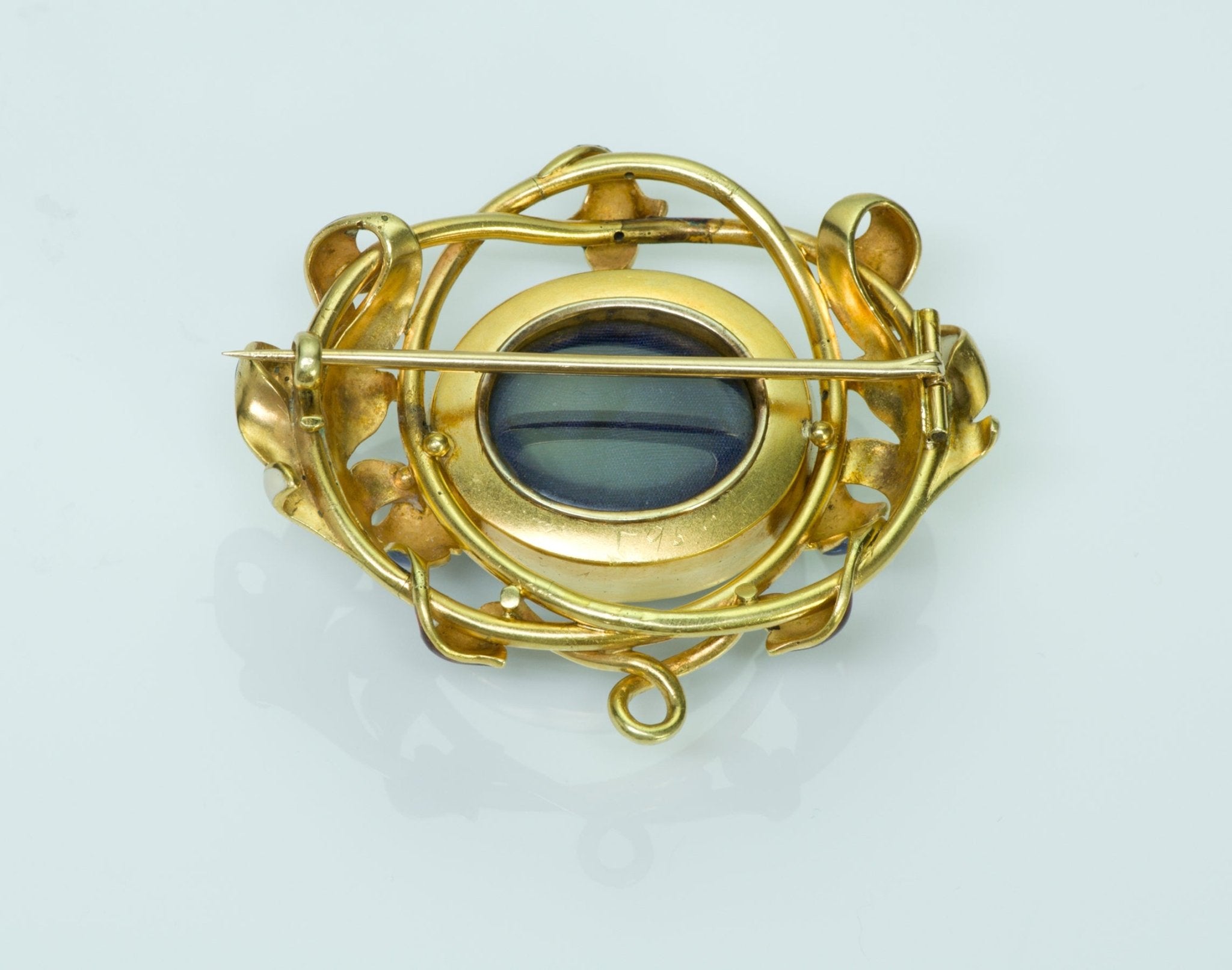
Art Nouveau jewelry departs from strict symmetry in favor of line, movement, and sculptural imagination. Gold is treated almost as a drawing tool, shaped into flowing contours and organic forms where silhouette and surface matter as much as gemstones. Enamel often plays a defining role, introducing luminous color and painterly depth—an effect that requires technical mastery and remains one of the period’s most distinctive signatures. These pieces can feel particularly individual, reflecting a moment when jewelry aligned closely with the decorative arts and the language of modern design.
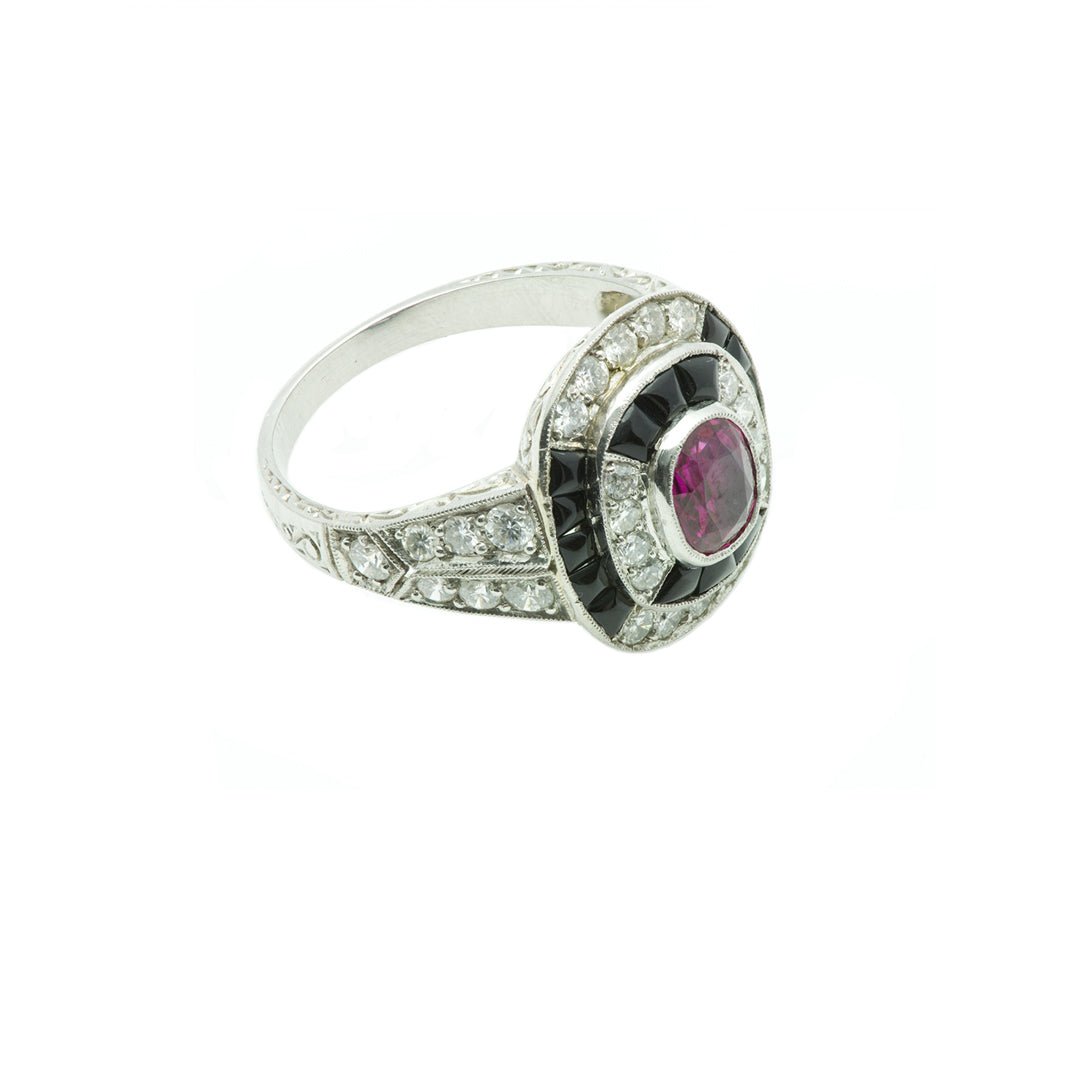
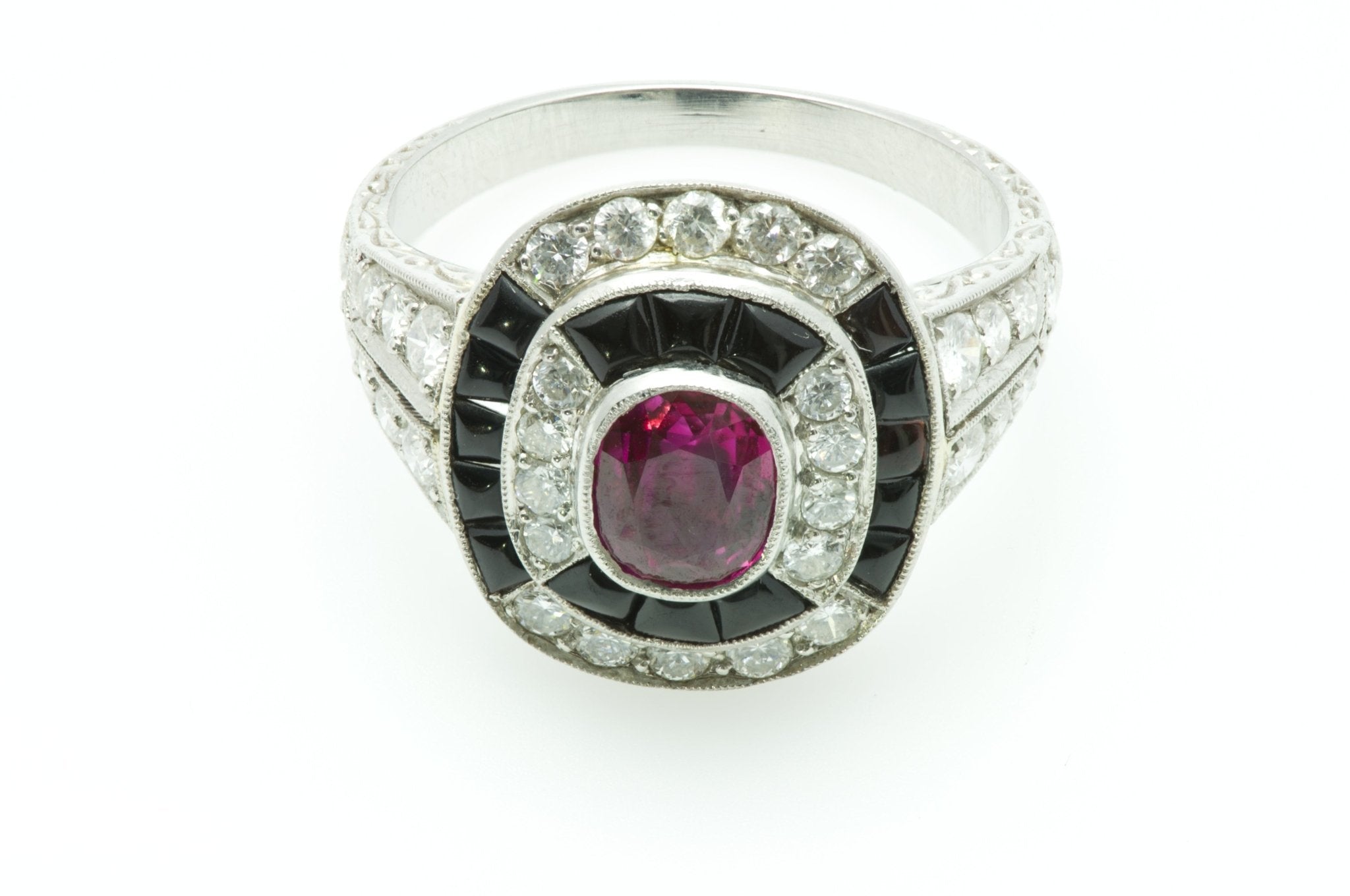
Art Deco returns to structure, clarity, and contrast. Geometry replaces the curve; pattern becomes architectural. Diamonds are often paired with sapphires, emeralds, onyx, or other stones chosen for graphic impact and calibrated precision, while platinum and white metal settings support crisp edges and clean planes. Bracelets and earrings from this period frequently reveal exceptional discipline in stone matching and alignment, where technical difficulty becomes part of the aesthetic—refined, deliberate, and modern.
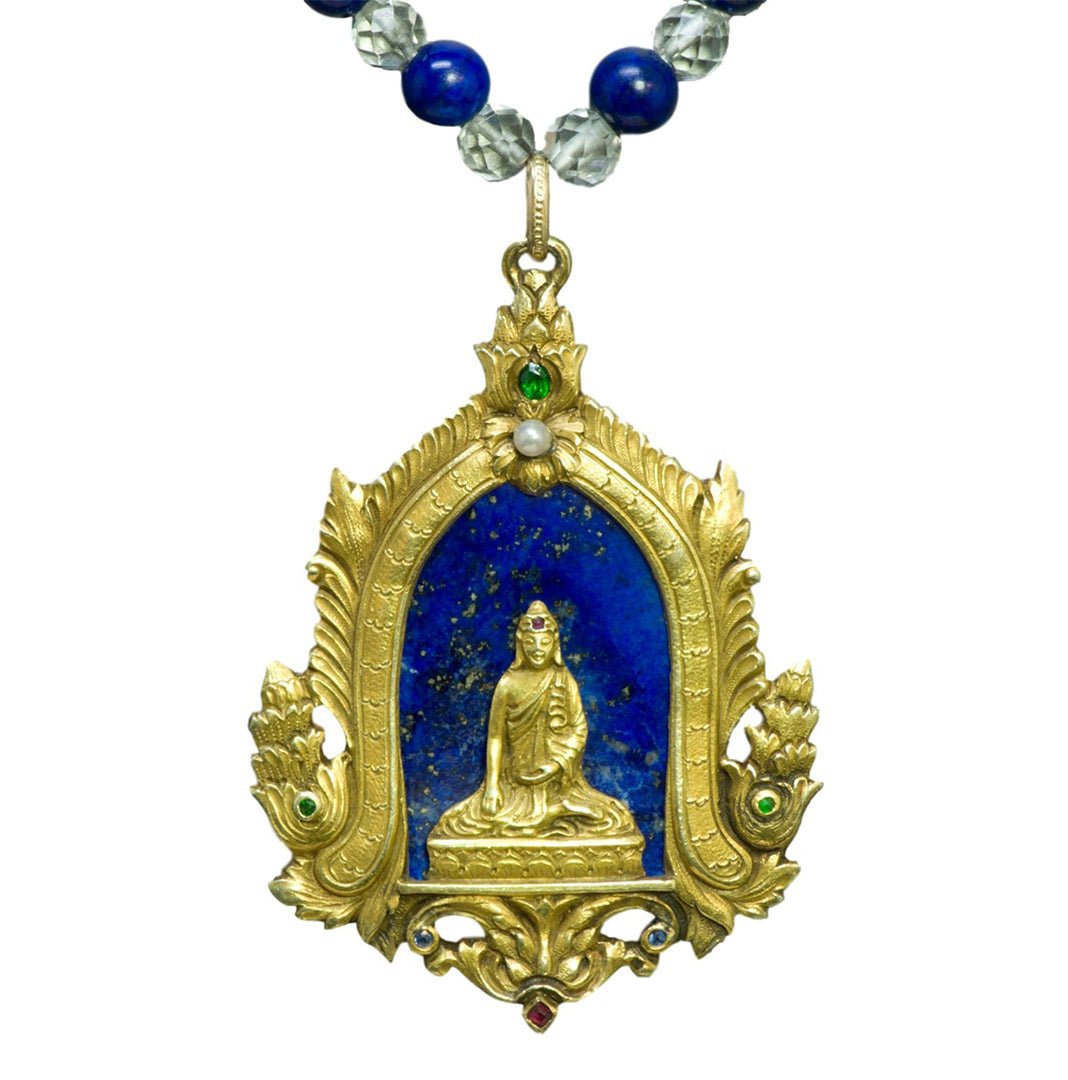
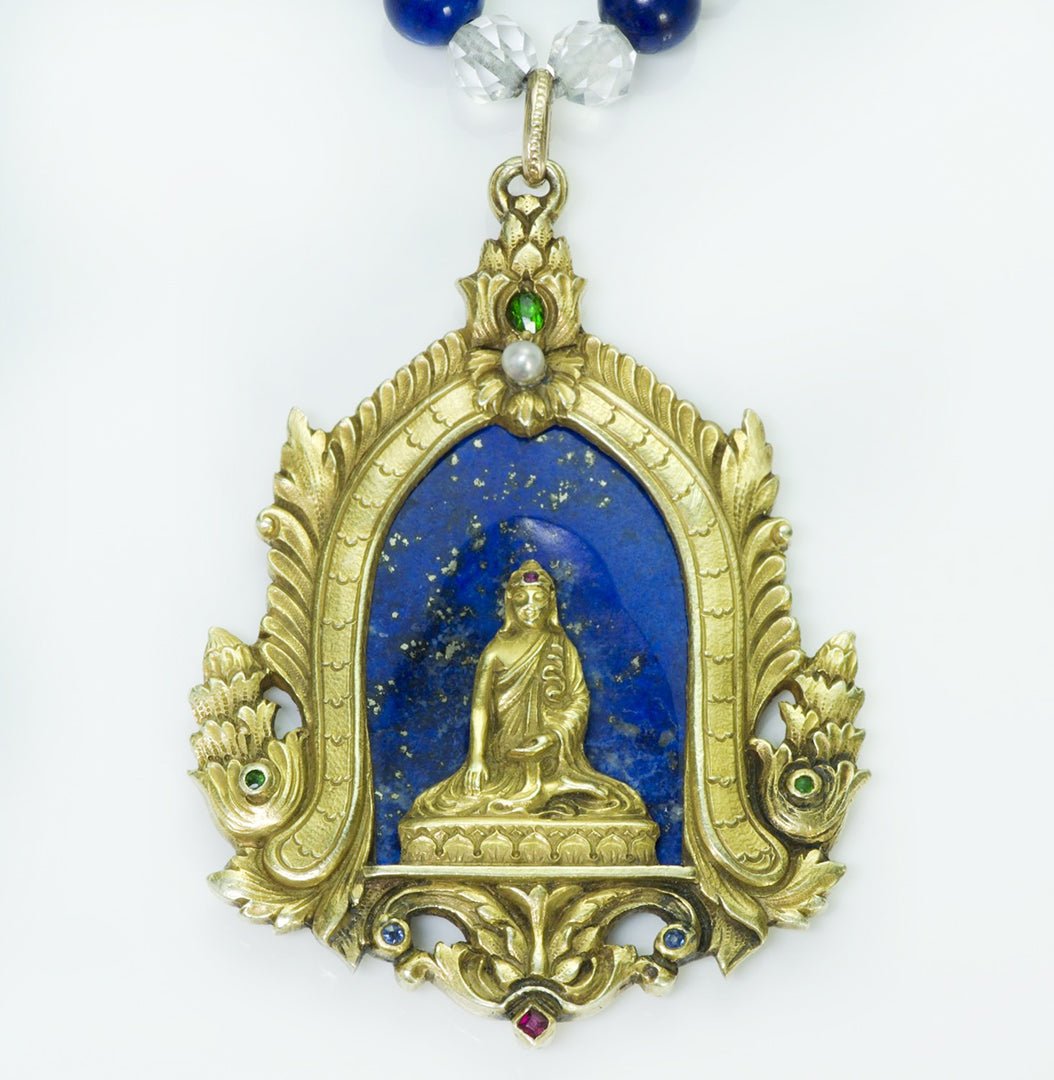
Across these eras, materials remain inseparable from character. Gold—warm, expressive, and endlessly variable—shapes much of the collection’s presence, while platinum enables the finest precision in early 20th-century jewels and silver work appears where tone and technique require it. Natural diamonds provide structure and light; colored gemstones introduce depth and contrast; enamel and engraving enrich surface; clasp and hinge engineering quietly signals the seriousness of a piece. Chosen as estate jewelry, these works are valued for authenticity, condition, and design integrity, with an emphasis on pieces that retain the clarity of their period language.
Taken together, the collection offers a calm view of jewelry as decorative art and historical craft—objects made with discipline, designed to endure, and still compelling because they reward close inspection.