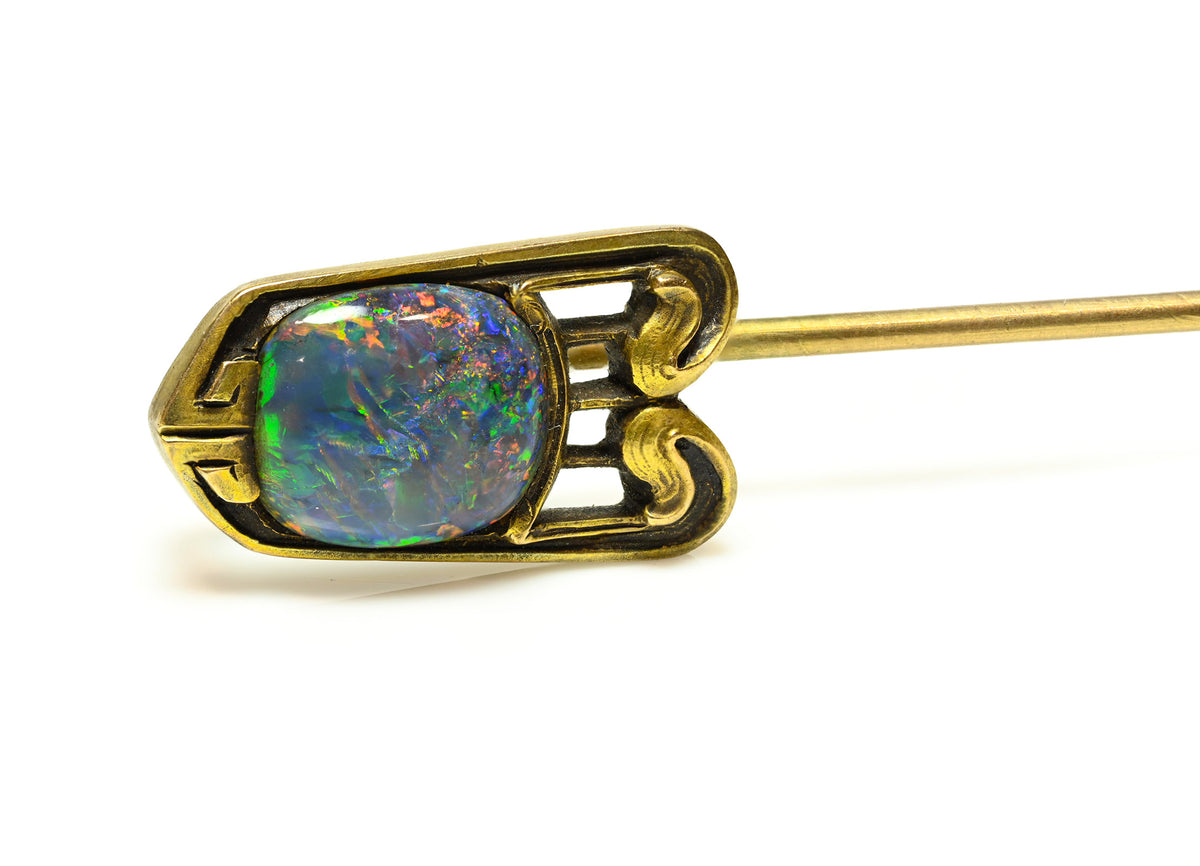
Article: How to Read Italian Hallmarks: A Complete 5-Step Guide
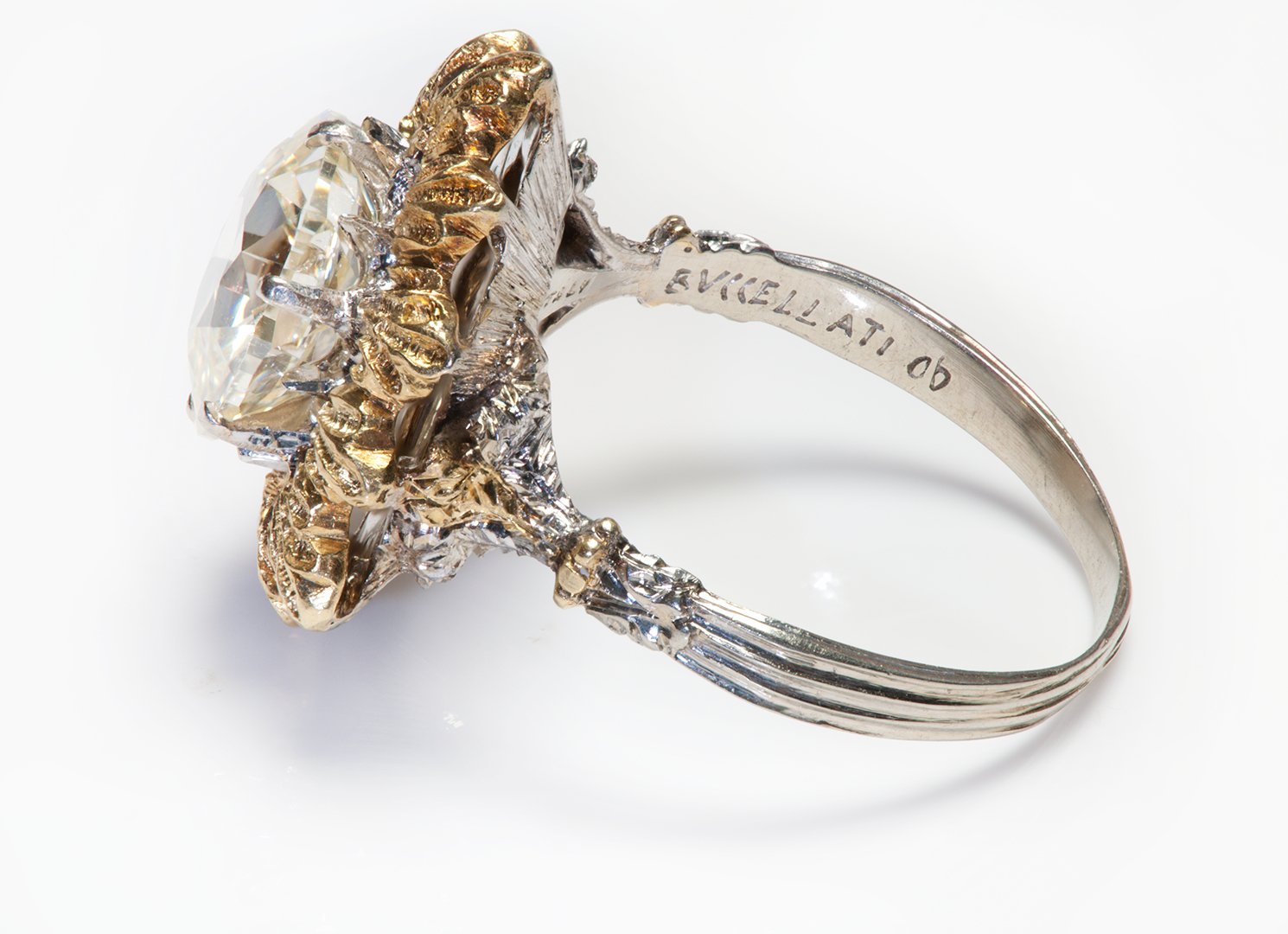
How to Read Italian Hallmarks: A Complete 5-Step Guide
If you love jewelry, you already know that it’s not just the stone, the design, or the metal that makes a difference—the true soul of a piece often lies in the hallmark: that tiny mark stamped into the surface that tells you about the maker, the place, the period, and the authenticity. In Italy, learning how to read hallmarks isn’t difficult, but it does require a careful eye.
Here’s a practical guide, in five steps, to mastering the art of interpreting Italian hallmarks, with useful insights for collectors and jewelry lovers alike.
1. Spot the Fineness Number (Metal Purity)
The first hallmark to look for is the fineness number, which indicates the purity of the precious metal. For gold, the most common fineness marks are 750 (18 karat, or 75% gold), 585 (14 karat, or 58.5% gold), and 375 (9 karat, or 37.5% gold). For silver, the typical fineness numbers are 925 (sterling silver), 835, and 800. For platinum, you’ll often find 950.

Yellow Gold Stirrup Cufflinks, Source DSF Antique Jewelry
Sometimes the fineness appears alongside "Kt" or "K" (although Italian law officially requires parts per thousand—for example, "750" instead of "18K"), or even with the "‰" symbol.
Important: Italian law is strict. The stated fineness can only deviate slightly (often by just 1/1000, or 0.1%) from the actual metal content. Anything below that is considered fraudulent.
Spotting the fineness number can also tell you whether a piece was intended for domestic sale or export. Some Italian workshops, especially during the mid-20th century, produced jewelry specifically for the American market and stamped both "750" and "18K" to avoid confusion for foreign buyers.

Buccellati Lapis & Gold Bracelet, Source DSF Antique Jewelry
2. Look for the Star, Identification Number, and Province Code
Since 1968, Italian law has required every goldsmith’s workshop to have an official hallmark consisting of a five-pointed star on the left, an identification number in the center, and a two-letter provincial code on the right.
Before 1968, different hallmark formats were used, sometimes inside a truncated lozenge shape or even with symbols such as the fascio (used during the Fascist era and later banned after World War II).
The provincial code indicates where the workshop was registered. Examples include FI = Florence, VI = Vicenza, AL = Alessandria, RM = Rome, and AR = Arezzo.
If you see the star, you know the piece was made after 1968—a helpful clue when dating jewelry.
Many Italian provinces are world-renowned for their jewelry-making traditions. Vicenza, for example, is sometimes called the "City of Gold" because of its historic concentration of goldsmiths. Arezzo is another powerhouse, home to hundreds of workshops and companies producing fine jewelry that is exported worldwide.
3. Examine the Shape and Legibility of the Hallmark
The shape of the hallmark outline (lozenge, polygon, rectangle with clipped corners, etc.) often helps identify its era. For example, the truncated lozenge was typical of certain earlier periods, while after 1968, the format became standardized with the star system.
Legibility matters: a clear, sharply stamped hallmark is a good sign. If the hallmark is worn down, faint, or appears to have been altered, it may be the result of natural wear—or, in some cases, tampering or counterfeiting.
Pro tip: Use a jeweler’s loupe, proper lighting, or take macro photographs to clearly read the tiny details, especially the workshop number and provincial code.
If the hallmark looks blurred or double-stamped, it doesn’t always indicate a forgery. Sometimes, during the stamping process, the die moved slightly, leaving what appears to be a shadow. Experts call this a "ghost mark," and while it may reduce clarity, it doesn’t necessarily affect authenticity.
4. Identify the Maker and Historical Context
The combination of the identification number and provincial code often allows you to trace the exact workshop that made the piece. Public records, specialized databases, and reference books on Italian hallmarks can confirm whether "Number X + Province Y" matches a known maker.
A famous example is 1 AR—the hallmark of UnoAErre, based in Arezzo, one of Italy’s oldest registered jewelry manufacturers.
For vintage pieces, pairing the hallmark with the style, metal type, gemstone cuts, and craftsmanship techniques helps determine authenticity and estimate the production date.
Why Does This Matter?
Jewelry is more than adornment—it’s history you can wear. Knowing the maker adds another layer to the story. For example, a ring from a small Florentine workshop in the 1940s carries not only material value but also the cultural identity of postwar Italy, when artisans revived centuries-old traditions while experimenting with modernist designs.
5. Watch Out for Forgeries and Pseudo-Hallmarks
Some objects—especially antique silver or decorative pieces—bear pseudo-hallmarks that imitate older marking systems, such as those used in the pre-unification Italian states (for example, Lombardy-Venetia). Sometimes these marks were added for decorative effect; other times, they were intended to mislead buyers about a piece’s age and value.
A genuine Italian hallmark will include all the required marks: the fineness number, the star, the identification number, and the provincial code. Missing or inconsistent marks should raise red flags.
When buying online, always request high-resolution images of the hallmarks. If the piece is valuable—especially if it contains precious gemstones—ask for provenance documents or certificates as well.
A Practical Example
If you see a piece of jewelry stamped only "ITALY 925," it may indeed be sterling silver, but it isn’t necessarily hallmarked in accordance with Italian law. Marks like these often indicate pieces made for export, particularly during the 1970s through the 1990s, when demand for Italian silver chains in the U.S. increased dramatically.
Law, History, and Fun Facts
The key reform came with Law No. 46 of January 30, 1968, and the Presidential Decree No. 1496 of December 30, 1970, which established the star hallmark system and the modern hallmarking requirements.
Before Law No. 305 of February 5, 1934, hallmarks were not standardized throughout Italy. Some regions had their own systems, and there was no centralized registry. The 1934 law introduced national standards for gold and silver fineness and required all makers to register.
The presence of the star hallmark is not only useful for dating a piece—it also helps authenticate it. Counterfeiters often omit the star or alter the hallmark's shape in an attempt to imitate genuine Italian marks.
Did You Know?
Italy is not the only country that uses hallmarks. France has its famous eagle's head and Minerva marks, while the United Kingdom uses the lion passant and date letters. What makes Italian hallmarks unique is the combination of strict regulation and regional pride—each province has its own jewelry-making identity.

Hallmark, Source Paul Storr Hallmark, User Rauantiques, Via Wikimedia Commons
Why Collectors Care About Italian Hallmarks
For serious collectors, hallmarks aren’t just small details—they’re the key to determining value. Two gold bracelets may look identical, but if one bears the hallmark of a prestigious maker from Arezzo, it can fetch twice the price at auction.
Hallmarks also give jewelry a kind of "passport." They verify not only authenticity but also origin, allowing pieces to be traded across borders with confidence. Auction houses, for example, rely heavily on hallmarks to catalog and authenticate items before bidding begins.
Investment Perspective
Italian jewelry with clear, legible hallmarks tends to retain its value better over time. Collectors and resellers know that transparent hallmarking reduces uncertainty, making a piece easier to buy, sell, and trade on the secondary market.

Bulgari 18K Gold & Steel Tubogas Quadrato Watch, Source DSF Antique Jewelry
Conclusion
Reading Italian hallmarks is like taking a journey through history, law, and craftsmanship. It’s not just about decoding numbers, letters, or symbols—it’s about understanding the story behind each piece.
Whether you’re a jewelry enthusiast, an aspiring collector, or simply want to feel confident about your purchase, these five steps will give you a clear advantage. A properly hallmarked piece of jewelry isn’t just beautiful—it carries heritage, identity, and lasting value.
The next time you pick up a bracelet, ring, or necklace stamped with tiny numbers and symbols, take a moment to look more closely. Those marks are not random—they are the fingerprints of Italian craftsmanship, a legacy preserved in precious metal.