Skip to content

Cart

Your cart is empty

Article: How Jewelry Houses Showcase the Center Stone: The Setting That Makes All the Difference

How Jewelry Houses Showcase the Center Stone: The Setting That Makes All the Difference
#BezelSetting

How Jewelry Houses Showcase the Center Stone: The Setting That Makes All the Difference

The setting—meaning the way a jeweler secures a gemstone onto a ring, necklace, or brooch—does far more than simply “hold” the stone in place.

It tells a story: It amplifies brilliance, alters proportions, protects the stone’s fragility, enhances its color, and even conveys a stylistic message about the jewelry house, the era, or the wearer.

In this article, we’ll explore both the aesthetic and practical principles behind the most well-known settings, reveal how fine jewelry houses choose the right one for each stone, and highlight the trends and innovations that shape the way we perceive the center stone today.

Why the Setting Matters: 3 Key Effects

Light and Brilliance — The setting determines how much light enters and exits the gemstone. A diamond set in prongs will “breathe” far more than the same diamond in a bezel setting, appearing noticeably more radiant.

Perception of Size and Shape — A halo or a setting with fine, delicate edges can make the center stone appear larger, while a full bezel can visually reduce its apparent diameter.

Security and Wear — Settings that surround or grip the stone from the sides (such as bezel or channel settings) offer superior protection against impacts and scratches—a crucial detail for pieces worn every day.

Types of Settings and How They Influence the Gemstone’s Play of Light

When we look at a gemstone ring, the first thing that captivates us is the way light dances within the crystal. That lively sparkle, deep glow, and colorful reflections depend not only on the quality of the stone but also on the way it’s set.

The setting, often regarded merely as a decorative or protective element, plays a decisive role in how light enters, reflects within, and exits the stone.

Light—The Soul of a Gem

A gemstone is, in essence, a tiny universe of mirrors.

When light reaches it, part of the light reflects off the surface, while another part enters the stone, bends, splits, multiplies, and finally emerges again as the magical flashes that catch our eye.

The setting—that delicate metal structure holding the stone—can either encourage or limit this dance of light. That’s why choosing the right type of setting is not only a matter of style but also a matter of optical engineering.

Prong Setting – Maximum Sparkle

Gold Burma Ruby and Diamond Cluster Dome Ring

Vintage 18K White Gold Burma Ruby and Diamond Cluster Dome Ring with prong set, Source https://dsfantiquejewelry.com/

r six prongs raise the gemstone above the band, maximizing light exposure. For this reason, the prong setting remains the favorite of jewelry houses that want the diamond to “speak for itself,” as in the timeless solitaire style. However, the prongs leave the edges slightly exposed and require periodic inspection.

The advantage is clear: Light enters and exits from nearly every direction. Each facet plays its role in the spectacle of internal reflections, creating intense, lively brilliance—a seemingly endless display of sparkle. 

This setting is ideal for highly transparent stones such as diamonds and moissanites, which require abundant light to reveal their full beauty.

Bezel Setting – Discreet Elegance

Buccellati Gold Diamond Bracelet

Buccellati Gold Diamond Bracelet with bezel-set, Source https://dsfantiquejewelry.com/

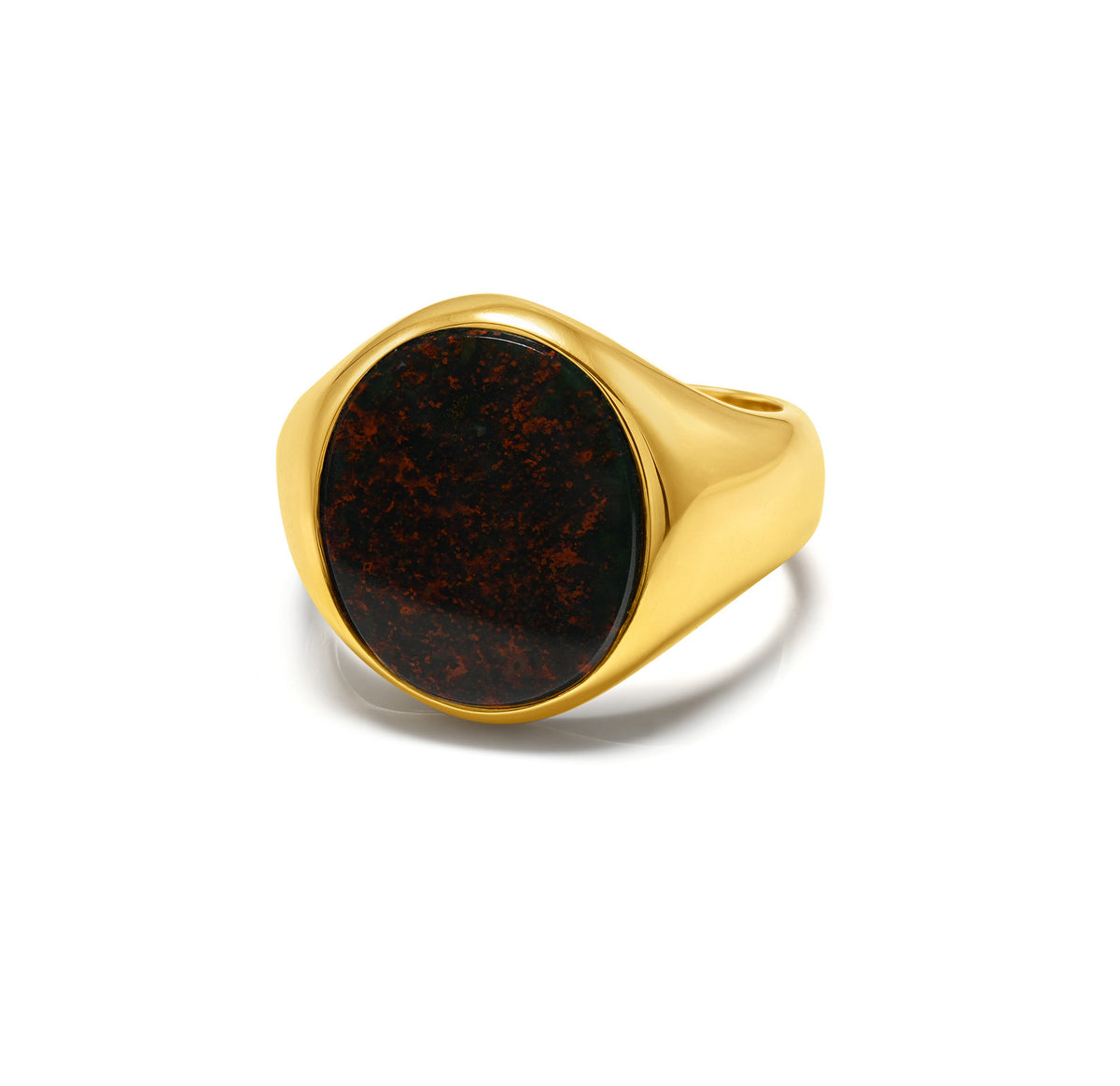
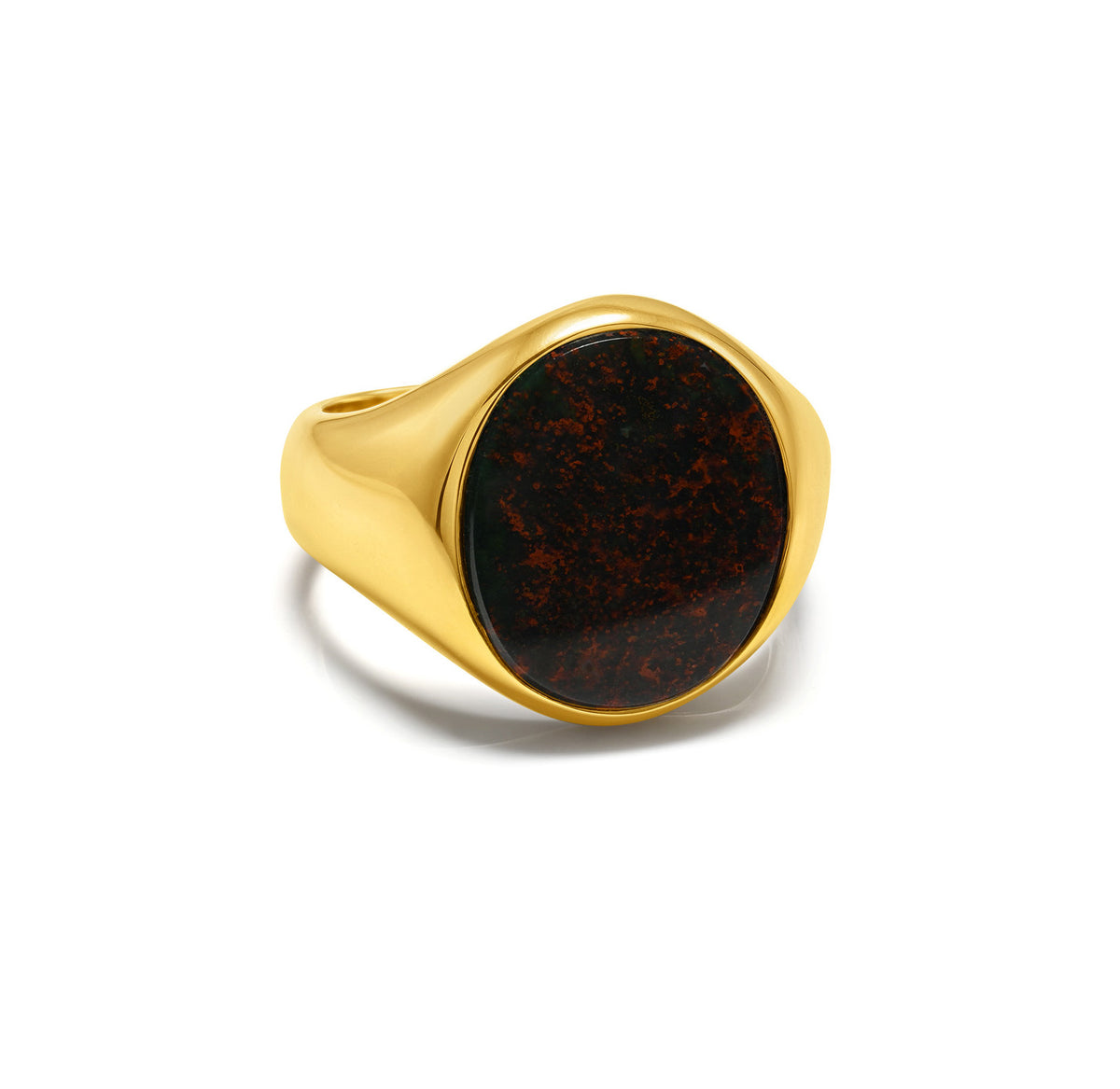
In contrast, the bezel setting (also known as a flush or framed setting) surrounds the gemstone with a thin rim of metal. It’s an elegant and secure choice that offers excellent protection while controlling the flow of light.

Light enters only through the top of the gemstone, while the sides remain covered. The result is not an intense sparkle but a subtle, refined glow—a soft radiance that gently emanates from within the metal.

The bezel setting gives the piece a clean, modern silhouette and exceptional durability, making it ideal for softer gemstones (such as opal or turquoise) or for people with active lifestyles.

Its downside is that it can slightly reduce a diamond’s brilliance by blocking some of the incoming light.

However, it beautifully complements colored gemstones or stones with lower transparency—such as sapphires, emeralds, or opals—where the depth of color matters more than the play of light.

Halo Setting – The Perfect Illusion

Tanzanite Pear-Shaped Ring with Diamond

Tanzanite Pear-Shaped Ring with Diamond in 14K Gold in halo setting Source, https://dsfantiquejewelry.com/

Another much-loved setting is the halo setting, in which a center stone is surrounded by a circle of smaller gemstones. These tiny stones act like miniature mirrors, reflecting light back toward the center stone and making it appear larger and more brilliant.

The visual effect is spectacular: The center stone gains a luminous halo, and the entire piece seems to shimmer with light. While the halo may slightly reduce the amount of light reaching the sides of the center stone, the overall beauty of the design more than makes up for it.

By framing the center with smaller diamonds or gemstones, the halo creates the illusion of a larger, more radiant centerpiece—an effect of abundance and brilliance that has become a modern classic.

Pavé and Micro-Pavé Settings – A Carpet of Sparkle

Diamond Bracelet

Diamond Bracelet – 252 Brilliant-Cut Diamonds, Source https://dsfantiquejewelry.com/

Pavé and Micro-Pavé Settings – A Carpet of Sparkle

In a pavé setting, numerous tiny gemstones are set closely together, creating a surface that appears to be completely covered in light.

Each stone reflects a fraction of the light, and together they produce a continuous, delicate shimmer—a true “carpet of light.”

Pavé is often used to create a rich, luxurious sparkle on rings, making it a favorite for high-end collections. Top designers use this technique to transform even a simple piece into something worthy of the red carpet.

It’s a beautiful choice for jewelry that conveys refinement and opulence without relying on a single dominant center stone. While light doesn’t penetrate deeply into each individual gemstone, the multitude of reflections creates a lavish, radiant effect.

Tension Setting – The Modern Miracle

The tension setting holds the gemstone between the two ends of the ring’s shank, making it appear as though it’s floating in midair. The look is spectacular, but it requires exceptional precision and flawless gemstones (without visible inclusions that could compromise their strength).

Jewelry houses reserve this type of setting for exceptionally durable gemstones, such as sapphires and diamonds.

Because the stone appears to float between the metal arms, light can enter from nearly every direction, creating intense, three-dimensional brilliance that showcases the stone’s clarity.

It’s a modern, architectural design—both bold and elegant—but one best suited for durable gemstones that can withstand the pressure.

Channel and Invisible Settings – Two Ways to Hide the Metal and Let the Stones Speak

In the world of fine jewelry, there are moments when the setting seems to disappear altogether, creating the illusion that the gemstones have arranged themselves in perfect alignment, dancing with light. The viewer sees only sparkle, color, and reflection, while the metal becomes an invisible support.

Behind this apparent simplicity, however, are two very different techniques: the channel setting and the invisible (or mystery) setting.

Although they may look similar at first glance, their design and construction are quite distinct.

Channel Setting – Perfect Order of Light

The channel setting is synonymous with classic elegance and balance. Gemstones are placed side by side within a narrow metal channel, supported by the edges on both sides.

There are no individual prongs—just two clean lines of metal holding the stones securely, like a discreet frame that protects without overshadowing them.

This setting is commonly used for eternity rings and wedding bands with small diamonds, where symmetry and precision create an impression of understated refinement. Light enters primarily from above and reflects evenly, resulting in controlled yet graceful sparkle.

It’s a practical, durable setting: The gemstones are well protected, snag-free, and ideal for everyday wear.

If the prong setting speaks of drama and brilliance, the channel setting tells a story of harmony, balance, and understated elegance.

Invisible Setting – The Perfect Illusion

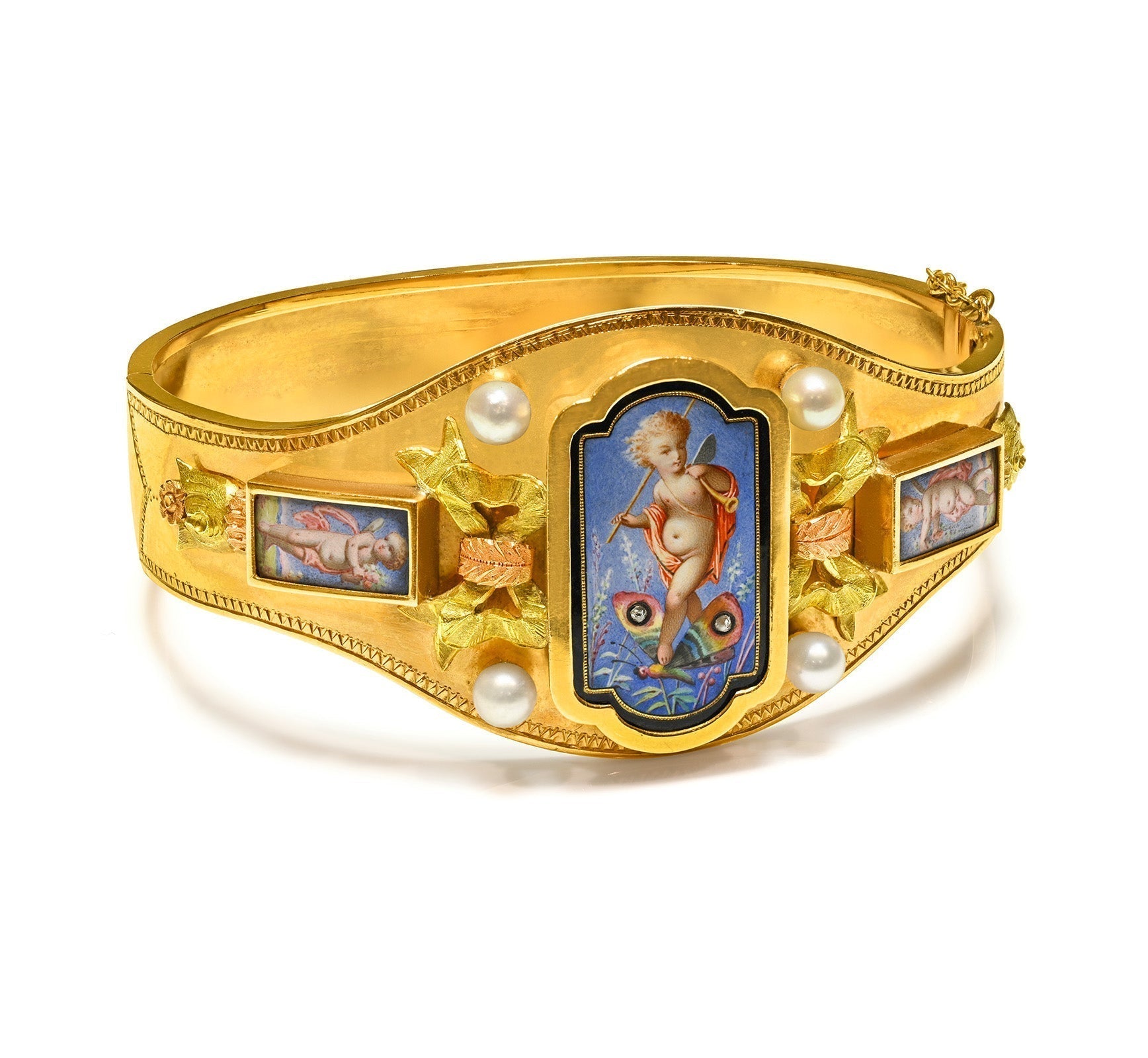
Ruby Diamond 18K Yellow Gold Bracelet
Invisibly Set Ruby Diamond 18K Yellow Gold Bracelet, Source  https://dsfantiquejewelry.com/
Invisible Setting – The Perfect Illusion

At the opposite end of the spectrum is the invisible setting—a true feat of craftsmanship and ingenuity. Viewed from above, the gemstones appear seamlessly joined, with no trace of metal between them. Everything is light—a flawless, continuous surface, like a mosaic of crystals breathing in unison.

The secret lies in the technique: Each stone, typically cut in a square shape (princess or carré), has tiny grooves underneath that lock onto a hidden metal framework beneath the jewelry’s surface.

The result is the illusion of a metal-free setting—a seamless "carpet of light."

It’s a spectacular but exceptionally demanding technique. A deviation of even a fraction of a millimeter can compromise the entire structure, and repairs are extremely difficult. For this reason, the invisible setting is typically reserved for high jewelry pieces created by luxury houses such as Van Cleef & Arpels and Cartier.

The effect is mesmerizing: Light doesn’t simply reflect—it seems to radiate from within the piece itself. It’s a setting that celebrates perfection and bold craftsmanship—a tribute to light in its purest form.

Two Philosophies of Beauty

Placed side by side, the channel and invisible settings express two distinct philosophies of the same art.

The first emphasizes order and protection, creating balanced, secure brilliance.

The second eliminates every visible trace of metal, creating a seamless illusion of continuity and pure light.

If the channel setting represents classic elegance, the invisible setting embodies the modern pursuit of optical perfection—a dance of gemstones that pushes the boundaries of craftsmanship.

The Details That Make the Difference

Beyond the type of setting, the color of the metal also influences how light is perceived. White gold or platinum creates cool reflections that emphasize a diamond’s fire, while yellow or rose gold adds a soft, romantic warmth.

The height of the setting matters as well. How high the stone sits above the finger affects how much light can enter from below. A higher setting enhances brilliance but also leaves the stone more exposed to impacts.

Every Setting Tells a Story About Light

The prong setting lets light move freely; the bezel setting channels it into a velvety glow; the halo setting multiplies it; and the tension setting creates the illusion that it floats.

The choice depends not only on personal taste but also on the kind of light you want your jewelry to reflect—intense and vibrant or soft and mysterious.

Ultimately, the setting is the stone’s silent partner. It determines how much light enters, how much remains within the stone, and how much is returned to the viewer.

Within that delicate interplay between gemstone and metal lies the true magic of fine jewelry.

How Jewelry Houses Choose the Right Setting for a Gemstone

By Hardness (Mohs Scale): Hard gemstones (diamond: 10; sapphire: 9) can accommodate more exposed settings, such as tension or prong settings, while softer gemstones (such as opal or pearls) require bezel settings or other protective mountings.

By Cut and Clarity: Cuts that rely heavily on light performance (such as the round brilliant cut) benefit from prong settings. Gemstones with visible inclusions may benefit from bezel settings or mountings that help conceal imperfections.

By Lifestyle: For active wearers, protective settings such as bezel or channel settings are the best choice. For evening jewelry, halo or pavé settings may be more appropriate.

By Brand Identity: Many heritage jewelry houses are known for their signature settings—for example, Tiffany & Co.'s iconic prong setting that elevates the diamond, or Van Cleef & Arpels' Mystery Set. These signatures are not merely aesthetic; they also communicate craftsmanship, heritage, and brand identity.

Innovation and Current Trends

Micro-Engineering and New Structures: Leading jewelry houses continue to develop settings that support gemstones without visible prongs. Tiffany & Co., for example, has introduced advanced setting systems that create the illusion of a floating diamond. These innovations combine precision engineering with contemporary design.

Customization and Hybrid Settings: Combinations such as bezel-and-prong settings or hidden secondary prongs for added security are becoming increasingly popular, blending durability with maximum brilliance.

Sustainability and Alternative Materials: Recycled gold, responsibly sourced alloys, and low-maintenance finishes are becoming industry standards, allowing brands to offer jewelry that is both aesthetically beautiful and ethically responsible.

Maintenance: What Jewelers Recommend

Have prong settings inspected twice a year, and schedule professional cleanings to maintain both the gemstone’s brilliance and the integrity of the setting.

Complex settings, such as invisible and micro-pavé settings, require extra care to prevent gemstones from becoming loose or falling out.

How to Choose – A Consumer’s Guide

  • Consider how often you'll wear the piece—every day or only on special occasions.
  • Think about the gemstone's hardness. Jewelry intended for daily wear should generally feature more protective settings.
  • Ask to see 3D renderings or samples so you can evaluate how the setting interacts with light.
  • Consider the reputation of the jewelry house. In many cases, a signature setting is also a mark of exceptional craftsmanship.

Final Thoughts – Setting as Art, Science, and Strategy

A setting is far more than metal and mechanics. It is the tool through which the jewelry designer—the architect of light—controls brilliance, protection, visual perception, and identity.

Jewelry houses invest heavily in technical innovation—from classic prong settings to invisible systems and micro-engineered platforms—to achieve the desired effect for the center stone. Sometimes the goal is greater brilliance; other times it is enhanced durability. In every case, the setting communicates both who created the piece and who it was designed for.

For the buyer, the key is finding the right balance between beauty and functionality.

A skilled jeweler will always know how to recommend the setting that makes all the difference.


VIEW OUR COLLECTION OF ANTIQUE & VINTAGE JEWELRY

VIEW OUR JOURNAL  & NEWS

READ OUR INTERESTING FACTS ARTICLES 

A Journey to the Edwardian Era: History, Style, and Culture (Part 1)
#AntiqueJewelry

A Journey to the Edwardian Era: History, Style, and Culture (Part 1)

The Edwardian era transformed jewelry, fashion, and social life in the early 20th century. From platinum and diamond jewelry to silk gowns, lace, and the rise of modern technology, this article tra...

Read more