Art Nouveau – A Glimpse Into A Not-So-Distant Era (Part 2)
Art Nouveau was a worldwide movement in applied art, architecture, and the decorative arts. It often drew inspiration from natural forms, such as the flowing curves of flowers and other plant life.
Asymmetry and whiplash lines were often used to convey a sense of movement and dynamism. Other characteristics of Art Nouveau included the use of modern materials, particularly iron, glass, ceramics, and later concrete, to create unusual forms and larger open spaces.
In the first part of this article, we took a few steps into the complex and fascinating world of Art Nouveau, guided by Nancy Armstrong’s 1976 book Victorian Jewelry. Next, we will delve even deeper into this remarkable world.

Art Nouveau Yellow Gold Diamond Lorgnette, Source: DSF Antique Jewelry
The Guild and School of Handicraft
Charles Robert Ashbee (1863–1942) was an English architect and designer. Several of his magnificent works are permanently displayed at the Victoria and Albert Museum in London, where they can be viewed up close.
His principles inspired him to establish the Guild and School of Handicraft, where he not only practiced his own craft but also supported and mentored many others. He rarely used faceted gemstones in his work, preferring to work primarily with silver and gold.
He was particularly drawn to the luminous beauty of moonstones, blister pearls, jade, and turquoise. His designs centered on abstract floral motifs, expressed through sensuous, delicate low-relief forms that always seemed fresh and spontaneous. According to Armstrong, one of Ashbee's most celebrated creations is the Peacock jewel (photo, here). It hangs from an exquisitely delicate handmade gold chain composed of five slender strands.
The intricate pattern continues in an airy silver design, with rose-cut diamonds accenting each section and allowing light to filter through, much as it appears to shine through the peacock's "nest," which holds an "egg" formed by a large blister pearl. The bird itself is crafted in gold, with golden feather-like branches and tiny blister pearls representing the "eyes" of its magnificent tail.
The peacock was a recurring motif in Art Nouveau jewelry. "A robin simply would never have done," wrote Armstrong. "This magnificent yet harsh bird, with its glorious tail and piercing cry, was every bit as extravagant as Art Nouveau's vision of nature."

Peacock Brooch by Rene Lalique, José Luiz Bernardes Ribeiro via Wikimedia Commons
Alexander Fisher (1864–1936) was an English silversmith and painter active in London's Arts and Crafts movement. He had the good fortune to live and study in France, becoming one of Britain's most accomplished and respected enamelists.
His monumental enameled girdle, also on display at the Victoria and Albert Museum, depicts scenes from Wagnerian operas and has been described as one of the most elaborate examples of enameling. His work was exhibited at the Royal Academy, the Arts and Crafts Exhibition Society, and numerous international exhibitions.
Among his many distinguished students were Nelson Dawson (1859–1942) and Arthur Gaskin (1862–1928), both of whom later taught their wives, Edith and Georgina, respectively.
These artists supported one another and advanced the movement together, but Henry Wilson perhaps contributed the most to the craft as a whole when he published Silverwork and Jewellery in 1902, a comprehensive guide that explained every aspect of the discipline.
Henry Wilson
Henry Wilson (1864–1934) was exceptionally practical. As Armstrong wrote, he provided dozens of detailed illustrations along with every conceivable instruction, carefully explaining not only how something should be done but also why.
"If the student will study methods, materials, and natural forms, perfect his skills in handiwork, feed his imagination on old work, and faithfully attend to his instincts, his personality can safely be left to take care of itself," he wrote, encouraging his students to trust their creative instincts. "It will always find a way to be expressed."
Wilson was elected president of the Arts and Crafts Exhibition Society, serving from 1915 to 1922, capping an outstanding career as an architect, silversmith, sculptor, and jeweler.

Art_NouveauOpal Diamond Enamel Bird Gold Stick Pin, Source DSF Antique Jewelry
In keeping with the authentic English Art Nouveau tradition, he created delicate jewelry for women, as well as brilliantly original and striking jewelry and ecclesiastical pieces for the Church. However, the most influential figure in England's Art Nouveau movement was neither an artist, sculptor, goldsmith, nor jeweler, but a merchant.
Arthur Liberty (1843–1917), born Arthur Lasenby Liberty, was a British merchant and the founder of Liberty & Co. After moving to London from his hometown of Chesham, Buckinghamshire, by way of Nottingham, he learned the retail trade working behind the counter.
According to Armstrong, after joining Messrs. Farmer and Rogers on Regent Street, he eventually became manager of the Oriental Warehouse, an extension of the firm's main business. The store offered a wide range of imported treasures, including fans, porcelain, bronzes, silks, Japanese prints and lacquerware, and various decorative objects, many of which had been acquired following the 1862 International Exhibition.
Among his most fascinating customers were members of the Pre-Raphaelite Brotherhood, including Dante Gabriel Rossetti, William Holman Hunt, John Everett Millais, and James McNeill Whistler. Several of these artists incorporated fine Art Nouveau jewelry into their paintings.
They would visit his shop and discuss the subtleties of Japanese art, especially Whistler, the American-born artist who had studied in Paris and was later nicknamed "the Japanese artist."
As the quality of the once-exquisite silks imported from the East gradually declined, Liberty believed British dyers and weavers could produce superior alternatives rather than continue importing increasingly coarse fabrics. As a result, the famous "Liberty fabrics" were born.
His philosophy toward jewelry was much the same. He introduced a jewelry line called "Cymric" and shifted his focus from selling imported pieces to commissioning work from English artisans.
Designers submitted their concepts to a number of commercial workshops in and around Birmingham, making a certain degree of mass production unavoidable. Even so, Liberty produced only high-quality pieces, each carefully designed to meet his exacting standards.
The question, Armstrong continued, was whether the various artists and craftspeople should have their names attached to every work—whether glass, silver, silk, lamps, jewelry, or any other object—or whether everything should be marketed under a single brand.
Liberty believed the latter approach made the most sense. Since everything was sold under the name "Liberty & Co.," the brand became so influential that the Art Nouveau style is still known in Italy as Stile Liberty.

Antique Art Nouveau Gold Spessartite Garnet Stick, Source: DSF Antique Jewelry
The Giants
For the designers, whose names were rarely mentioned, the situation was extraordinarily difficult.
According to Armstrong, although most of them died in relative poverty and their recognition came only after their deaths, several names rose to prominence over the following decade, particularly during the Archibald Knox Exhibition and the Liberty Centenary Exhibition of 1975. Among them were Arthur Gaskin, Jessie King, Oliver Baker, and others.
In the many books devoted to the Art Nouveau jewelry movement, the leading figures have been celebrated repeatedly, yet the work of many lesser-known artists appears to be every bit as accomplished.
Five women in England—Frances McNair, Winifred Hodgkinson, Kate Allen, and the McLeish sisters—created designs that were often even bolder than those of their male contemporaries.
In Germany, Robert Koch produced remarkable works, while Theodor van Gosen became known for his flowing, organic designs. In Austria, Franz Hauptmann seems to have understood the spirit of the movement instinctively. Yet, as Armstrong observed in her book, one always returns to France.

Art Nouveau Opal Jewelry, Source DSF Antique Jewelry
It was through M. Meier-Graefe's La Maison Moderne that many exceptional works were created, particularly by Marcel Bing and Colonna. Personally, however, Armstrong felt that the purity and sculptural quality of Jules Desbois's magnificent jewelry anticipated the finest contemporary jewelry by nearly a century.
Two of the defining characteristics of Art Nouveau jewelry were its masterful use of enameling and its unconventional combination of both precious and inexpensive materials. Costly gemstones might appear alongside humble stones, while expensive ivory was paired with inexpensive horn, all brought together in compositions that were intentionally unexpected and highly original.
Enameling
Until this period, traditional enameling techniques had remained the standard, particularly since the time of Pugin. During the Art Nouveau era, however, artists increasingly embraced the plique-à-jour technique, especially in France, for both aesthetic and technical reasons.

Plique-a-jour bracelet, Source DSF Antique Jewelry
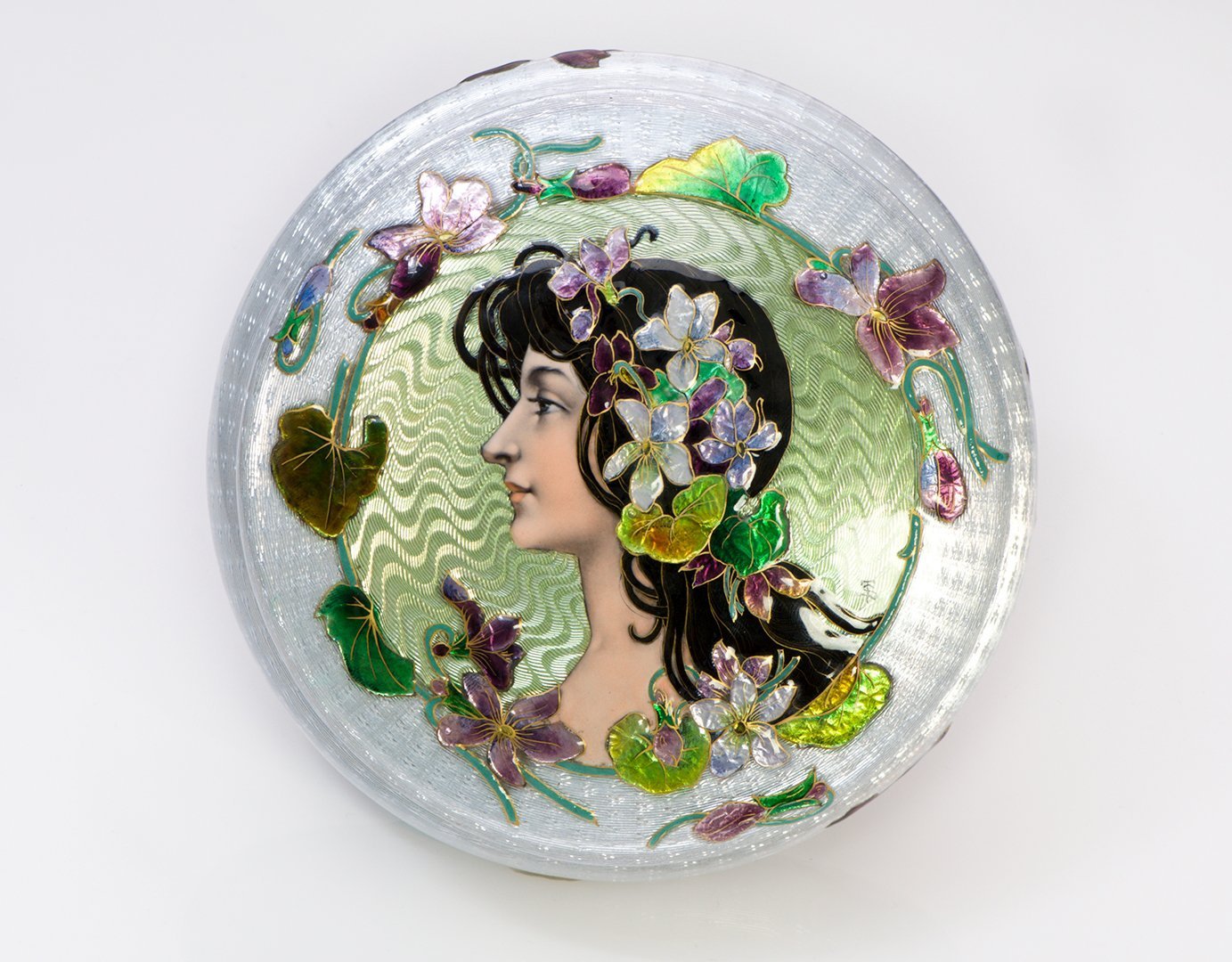
In this method, the enamel is suspended within an open metal framework, much like gemstones set without a backing, allowing light to pass through it like stained glass. The result is a dazzling, translucent effect. Unlike earlier traditions, however, French Art Nouveau designs were not inspired by religious subjects.
This extraordinarily refined yet technically demanding process allowed jewelry to be filled with light and iridescence. Colors could gradually transition from one hue to another with barely a trace of the gold framework visible between them.
As Armstrong noted, the effect was unlike anything seen before, and achieving it required exceptional skill. Early Art Nouveau enamels tended to feature relatively dark colors—turquoise blues, deep greens, rich berry browns accented with black or gold, and elephant grays fading into purples.

Enameled precious object, Source DSF Antique Jewery
As the Art Nouveau movement evolved, however, the palette became progressively lighter. This transformation is especially evident in the later works of Lalique, where the enameling, gemstones, and overall color harmony reached an extraordinary level of refinement.
As the movement matured, gold gradually gave way to silver, sapphires to moonstones, rubies to blister pearls, and deep opaque enamels to clear glass. Copper, ivory, horn, and a restrained scattering of diamonds also became favored materials.

Art Nouveau Silver Overlay Figural Vase, Source: DSF Antique Jewelry
The Opal
The opal possessed all the qualities these artists valued most: an extraordinary play of color, subtle depths of light, an inner radiance, and a gemological structure that challenged even the most skilled gem setters.
According to Armstrong, opals were extensively documented during this period, with considerable attention given to their formation and physical properties.
Ancient writings attest to the stone's immense value. One famous account tells of the Roman senator Nonius, who supposedly chose exile rather than surrender his prized opal to Mark Antony, who coveted it.

Opal stick, Source DSF Antique Jewelry
However, as a contributor to the Illustrated London News wrote in the mid-19th century, "Lately, however, some very fine specimens of this substance have been discovered in the Faroe Islands; and the most beautiful ones, sometimes quite transparent, are obtained near Gracias a Dios, in the province of Honduras, in America."
Opal is a mineraloid composed of varying amounts of water and amorphous silica. There are at least sixteen recognized varieties, several of which are classified as precious opals. Their brilliant flashes of color create the illusion of a living fire within the stone. Part of their appeal was that no two opals are ever exactly alike.
Amber was another material frequently worn by the Aesthetes of the period because of its historical associations, its remarkable range of colors, and its lack of the brilliant sparkle associated with "rich" gemstones such as diamonds. That contrast appealed to the unconventional artistic mind.
According to Armstrong, amber is the fossilized resin of an extinct species of pine tree. It was prized for the warmth it acquired in the hand, its smooth feel against the skin, and the rich variety of colors visible within it. Amber may be opaque or translucent, ranging from creamy yellow to deep sherry brown, and it occasionally contains a prehistoric pine needle or a tiny insect trapped in the resin while it was still semi-liquid.

Rene Lalique Opal Necklace, Gift of Lillian Nassau, Source https://www.metmuseum.org/art/collection/search/483898, Via Wikimedia Commons
A third fascinating trend of the period was the use of piqué jewelry, valued more for its craftsmanship and novelty than for the intrinsic worth of its materials or even its design. The base material was typically tortoiseshell—the shell of the hawksbill sea turtle, found off the coast of Brazil—although ivory was occasionally used as a substitute.
The process involved heating the shell over high-quality smokeless charcoal before cutting and shaping it into small pendants or crosses, butterfly- or star-shaped brooches, leaf-shaped necklaces, or delicate pendant earrings in a distinctly Spanish style.
Once shaped, tiny holes were drilled into the surface, and extremely fine rods of pure gold or silver—measuring only fractions of a millimeter in diameter—were inserted into the heated shell.
As Armstrong explained, the shell contracted slightly as it cooled, securely locking the gold or silver inlays into place without the need for any adhesive while permanently retaining its shape.
This ancient technique, which originated in Naples during the 16th century, was used to decorate a wide variety of functional objects, including fan sticks, bodkin cases, patch boxes, snuffboxes, the handles of knives, forks, and spoons, and even the butts of firearms.
The craft experienced a revival during the 17th and 18th centuries. By the 18th century, machines had begun to assist in producing piqué work, resulting in pieces of exceptionally high quality.
Today, piqué jewelry is highly collectible, but by the end of Queen Victoria's reign, its popularity had largely faded.
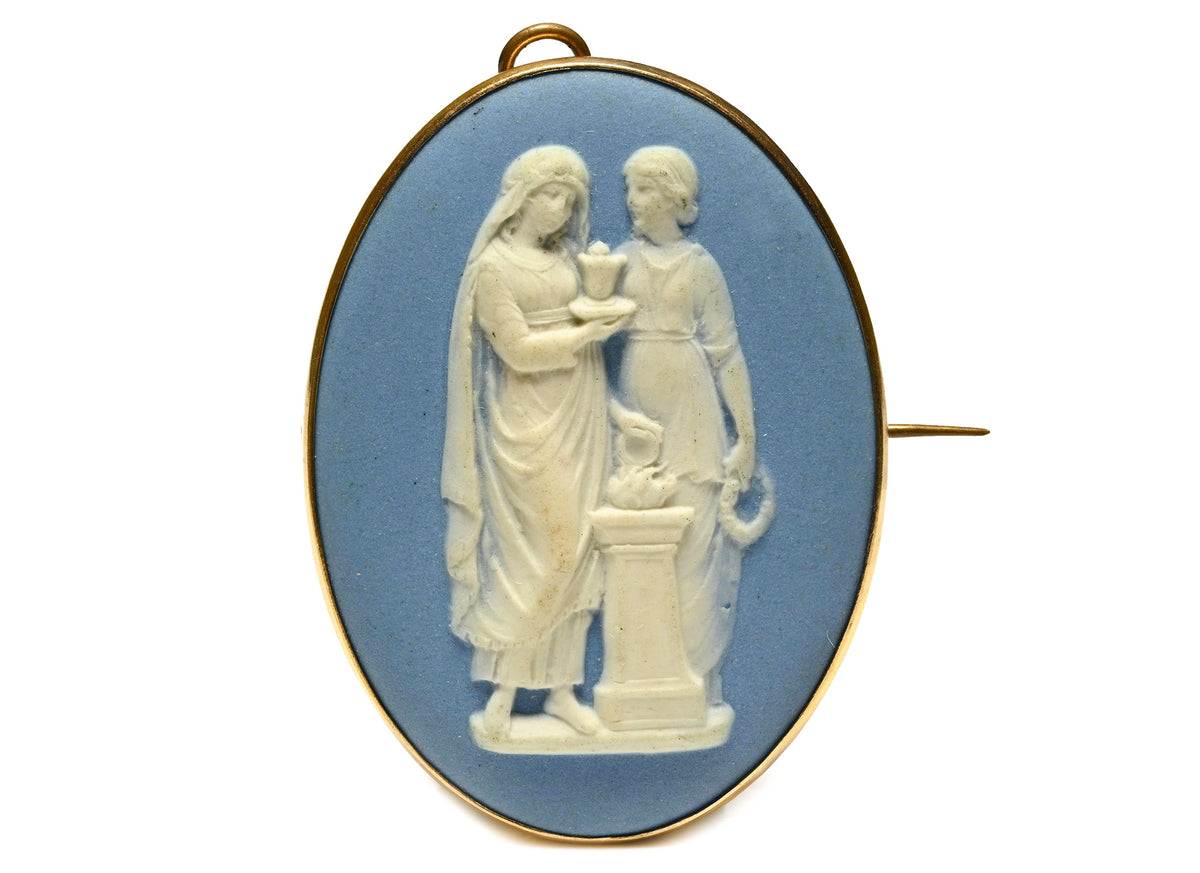
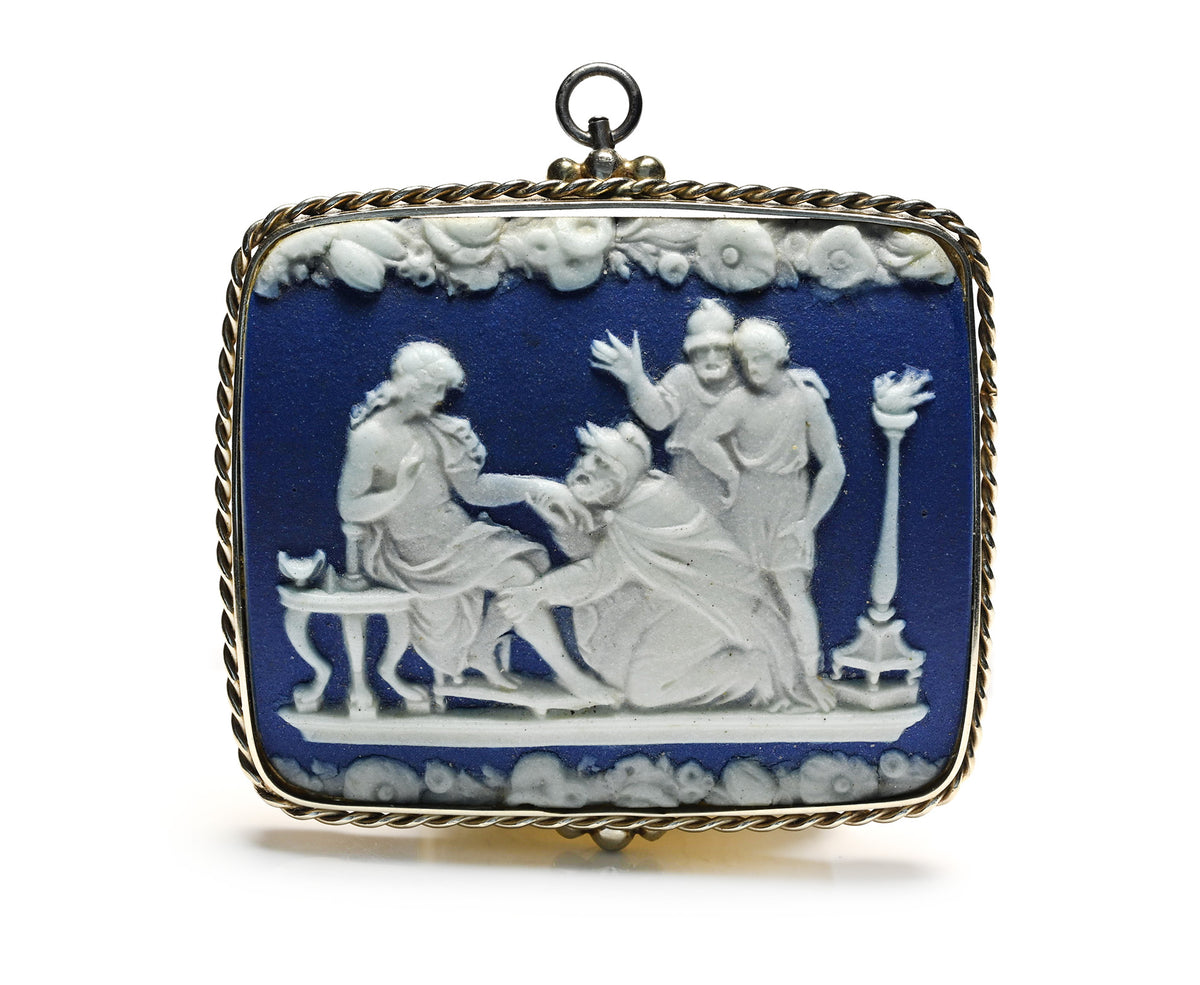
Armstrong also noted that as jewelry became accessible to a broader range of social classes, both amber and piqué appealed to women with more modest budgets. For the same reason, larger but less expensive gemstones—such as garnets, agates, or shell cameos, whose popularity has never truly disappeared—were often surrounded by delicate borders of tiny diamonds or pearls.
At the same time, simple gold jewelry, with or without gemstones, was widely worn.
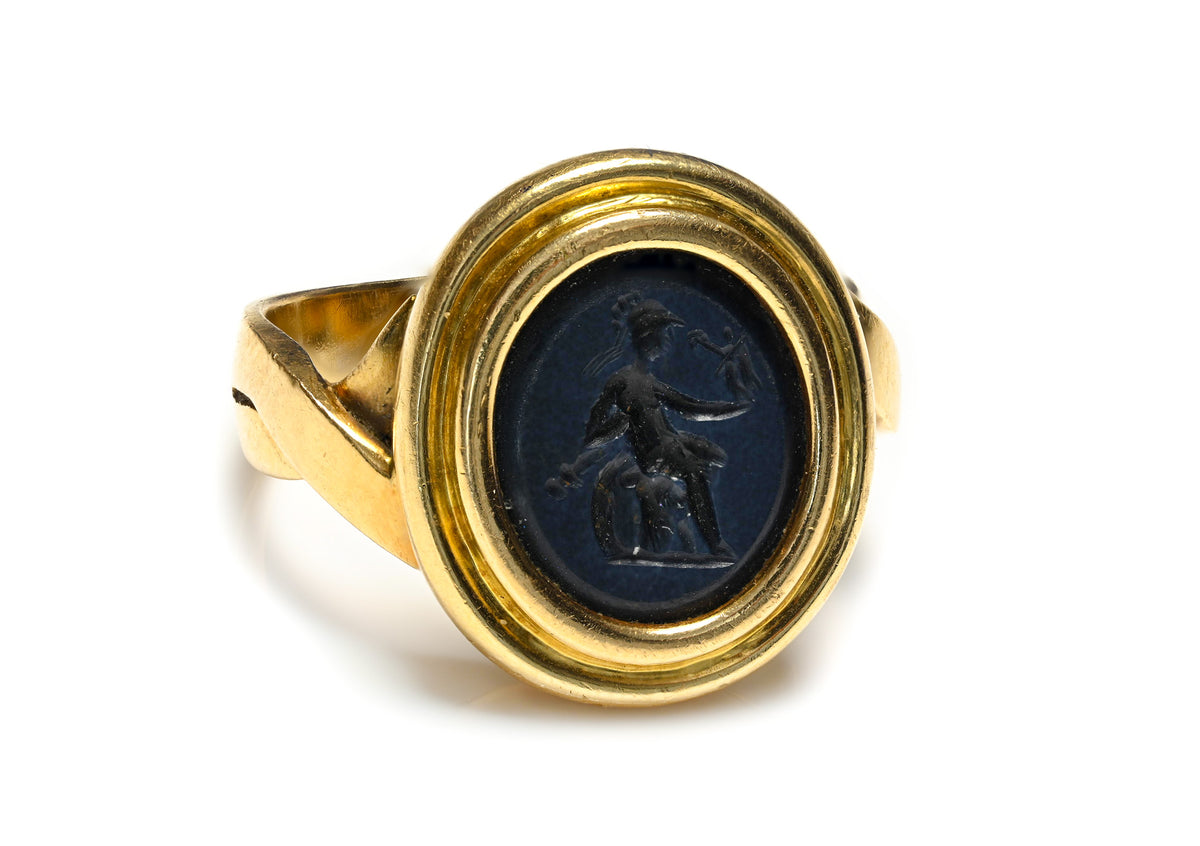
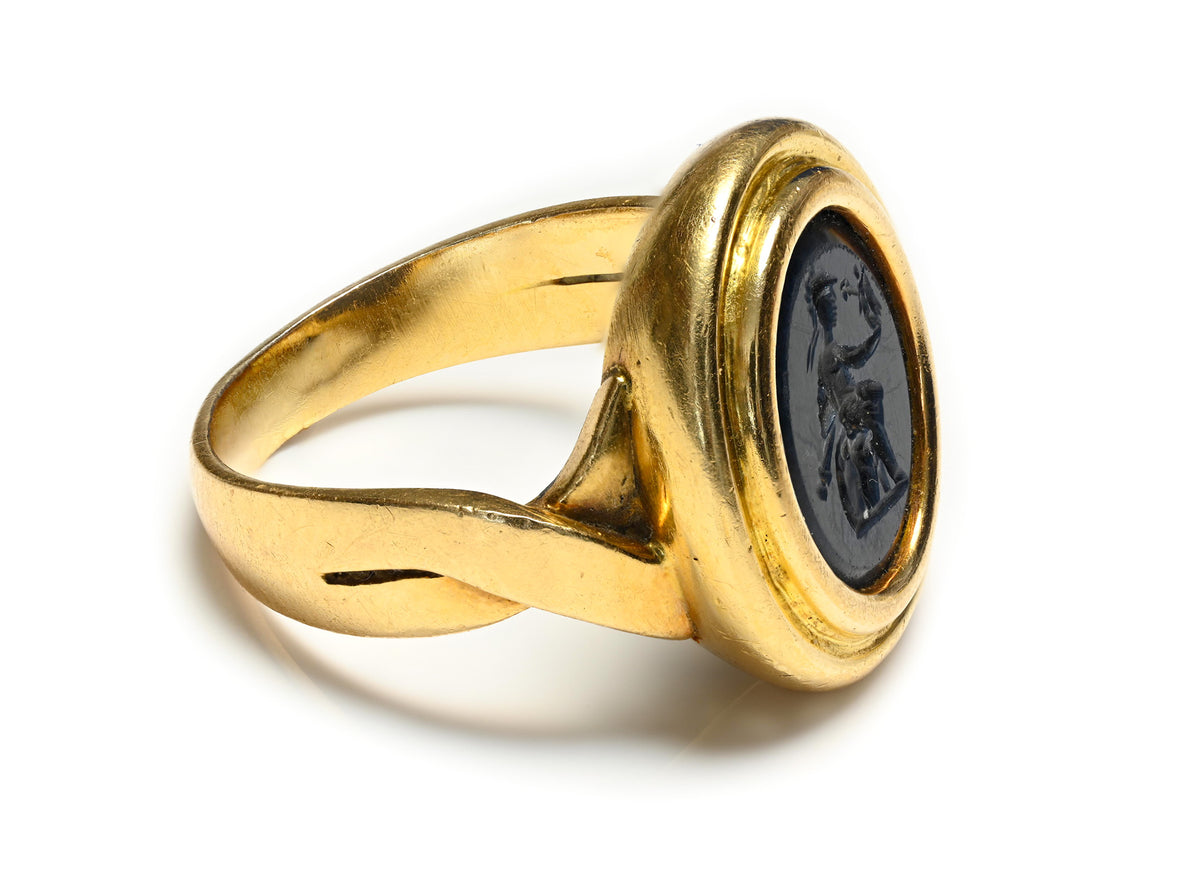
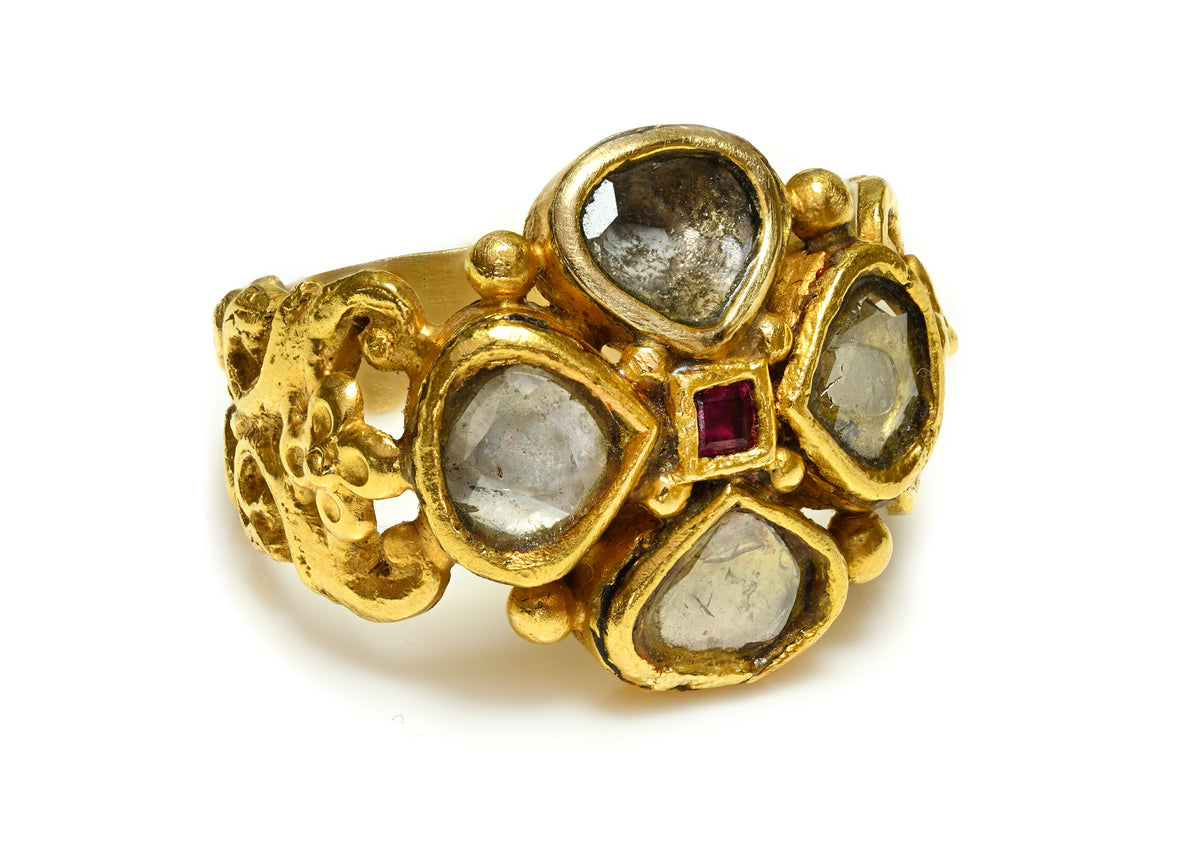
Popular examples included broad gold band rings and so-called "gypsy" rings, in which a diamond was flush-set below the surrounding surface of the gold. Fine engraved lines radiated outward from the stone, regardless of its size, creating the impression that its rays formed a star.

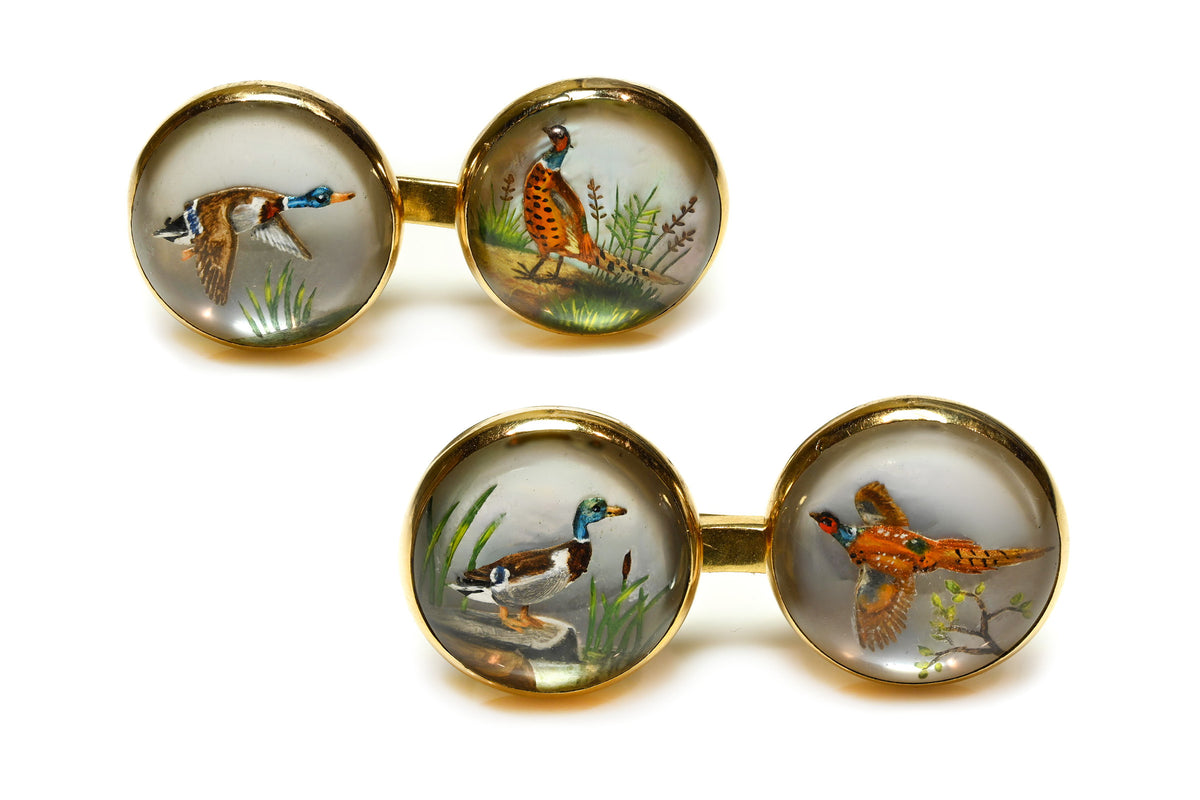
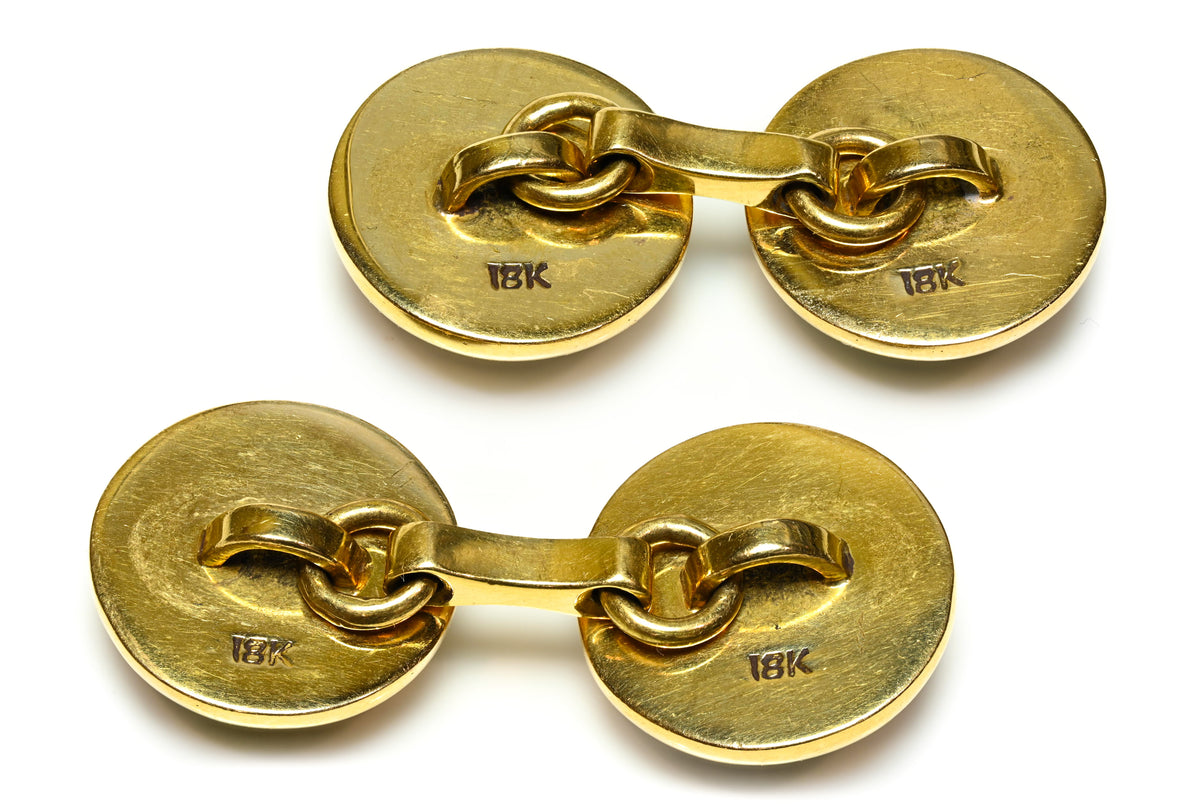
Krementz Art Nouveau Gold Cufflinks, Source: DSF Antique Jewelry
Another popular star motif featured a cluster of tiny pearls arranged in the shape of a star at the center of an oval brooch, usually crafted in matte or textured gold and often accompanied by matching earrings.
Finally, three techniques were widely employed to reduce the cost of expensive gold while making jewelry suitable for mass production: Pinchbeck, electro-gilding, and rolled gold.
Christopher Pinchbeck
Christopher Pinchbeck (1670–1732) developed a metal alloy that would have been an ideal substitute for gold in watch cases, but, as Armstrong noted, it was jewelers rather than watchmakers who embraced it.
Pinchbeck, an alloy consisting of approximately 83 percent copper and 17 percent zinc, is durable, long-lasting, and remarkably similar in appearance to gold, while being significantly lighter and far less expensive. During the late 18th and early 19th centuries, vast quantities of Pinchbeck jewelry were produced, and even today many people find it difficult to distinguish it from solid gold.
The invention of rolled gold in 1817 was largely inspired by the Sheffield plate manufacturing process.
Rolled gold was created by bonding a sheet of gold to a thicker sheet of base metal under intense heat and pressure, forming what was essentially an open sandwich. This bonded metal was then passed repeatedly through highly polished rollers, becoming progressively thinner until sheets of the desired thickness were produced.
The term rolled gold derives directly from this manufacturing process.
Like Pinchbeck, rolled gold was lightweight and considerably less expensive than solid gold. It could be manufactured in sheets or tubing at only a fraction of the cost of the precious metal.
A third important development came in 1840, when G. R. Elkington patented the electro-gilding process, which used electricity to deposit an extremely thin layer of gold onto virtually any object, including inexpensive costume jewelry.

Object by Frederick Elkington, Purchase, Friends of European Sculpture and Decorative Arts Gifts, https://www.metmuseum.org/art/collection/search/208013, https://www.metmuseum.org/art/collection/search/208013 via Wikimedia Commons
As Armstrong concluded, the layer of gold could be so thin that it offered very little resistance to wear and could quickly rub off or peel away.
For a time, however, the jewelry looked beautiful. More importantly, all three techniques made jewelry affordable for women who otherwise might never have owned any pieces appreciation of Art Nouveau began to revive in 1970, when the Museum of Modern Art mounted a major exhibition devoted to the work of Hector Guimard, prompting critics to reassess the movement far more favorably.