Why Signed Designer Jewelry Is So Collectible
Signed designer jewelry holds a special place in the world of fine, vintage, estate, and antique jewelry. A beautiful jewel may first attract attention through its gemstones, gold, diamonds, enamel, craftsmanship, or sculptural design, but a signed jewel adds another important layer: authorship. When a piece carries the mark of a respected jewelry house, designer, or workshop, it becomes more than an ornament. It becomes a documented expression of a specific creative tradition.
For collectors, this matters deeply. A signed Cartier brooch, a Van Cleef and Arpels bracelet, a Tiffany and Co. ring, a Boucheron jewel, a Bulgari design, a Chanel necklace, or a Christian Dior piece can carry meaning beyond materials alone. The signature connects the jewel to a maker, a period, a design language, and often a larger history of luxury, fashion, craftsmanship, and collecting.
At DSF Antique Jewelry, signed designer jewelry is part of a broader curated selection that includes antique and vintage jewelry, estate pieces, luxury watches, rare objects, Art Deco designs, collectible accessories, and distinctive finds from renowned houses. The appeal of signed jewelry is not only about prestige. It is about recognition, authenticity, rarity, design identity, and the confidence that comes from understanding what makes a piece collectible.

What Is Signed Designer Jewelry?
Signed designer jewelry refers to jewelry that carries the mark, signature, stamp, plaque, maker’s mark, or identifying inscription of a known jewelry house, designer, or workshop. This may include names such as Cartier, Tiffany and Co., Van Cleef and Arpels, Boucheron, Bulgari, Chanel, Christian Dior, Hermès, David Webb, Seaman Schepps, Angela Cummings, Jean Schlumberger, Verdura, Lalique, Fabergé, and many others.
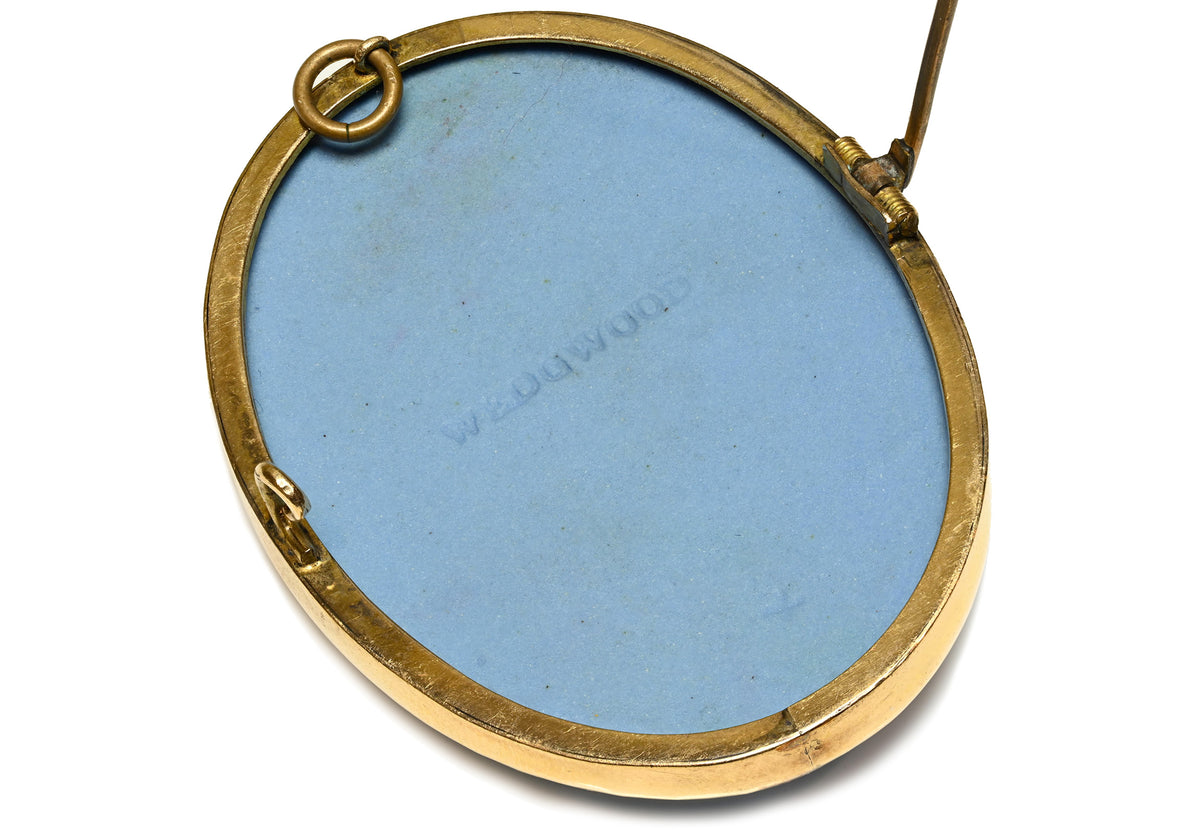
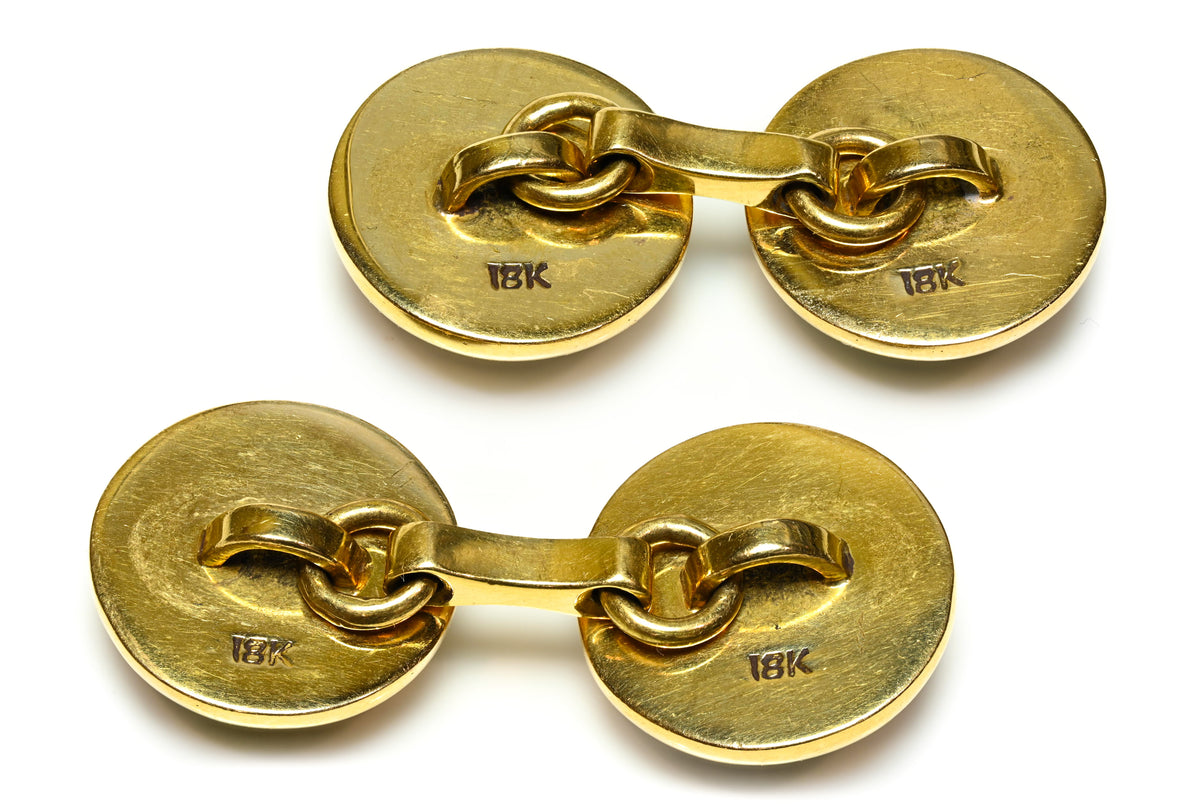
The signature may appear in different ways depending on the period, maker, and type of jewel. It can be engraved inside a ring, stamped on the clasp of a necklace, placed on the reverse of a brooch, marked on a bracelet clasp, hidden on the back of a pendant, or incorporated into a small signature plaque. Some pieces also include inventory numbers, workshop marks, assay marks, metal purity marks, or country marks that help support identification.
A signature does not automatically make a jewel valuable, and the absence of a signature does not mean a jewel lacks importance. Many extraordinary antique jewels are unsigned. However, when a signature is authentic and attached to a well-designed, well-preserved, and desirable piece, it can significantly increase collectibility.
Collectors who want to explore this category can begin with DSF’s broader selection of fine jewelry, where signed pieces, vintage designs, gold jewelry, gemstone jewels, and distinctive estate finds often appear alongside rare antique pieces.
Why Collectors Value a Signature
The first reason collectors value signed jewelry is trust. A signature gives the buyer a point of reference. It connects the jewel to a recognized source of design and craftsmanship. In a market where style, age, materials, and condition can vary widely, a genuine signature helps establish context.
A signed jewel also carries the reputation of the house behind it. Cartier is associated with refined geometry, royal patronage, panther motifs, Art Deco design, and exceptional craftsmanship. Van Cleef and Arpels is closely linked with Mystery Set jewels, Alhambra designs, transformable jewelry, and poetic interpretations of nature. Tiffany and Co. carries a long history of American luxury, diamonds, silver, design innovation, and collaborations with important designers. Boucheron is known for Parisian sophistication, bold creativity, and technical mastery. Bulgari is celebrated for strong color, architectural forms, and a distinctive Roman sensibility.
When collectors buy signed jewelry, they are often buying into these design languages. The jewel becomes part of a recognizable artistic lineage.
Auction houses also treat signed jewelry as a serious collecting category. Christie’s has published an expert guide to signed jewelry, while Sotheby’s has organized sales such as From the Vault: Exceptional Signed Jewels, featuring creations by houses such as Cartier, Van Cleef and Arpels, Bulgari, David Webb, and others. These examples show that signed jewels are not only attractive retail objects, but also recognized collecting categories in the international auction market.

Signed Jewelry and Provenance
Provenance is one of the most powerful words in the collecting world. It refers to the history of ownership, documentation, and origin associated with an object. In jewelry, provenance can include original receipts, boxes, certificates, exhibition history, family records, auction listings, archival confirmation, or association with a known collector or public figure.
A signature can support provenance, but it is not the same thing as provenance. A Cartier signature, for example, may identify the house, while a matching archive document or original invoice can add further depth. A signed piece with strong documentation is often more compelling than a similar piece without supporting material.
That said, many vintage and estate jewels no longer have their original paperwork. In those cases, expert review becomes especially important. Collectors look at the signature, construction, materials, proportions, gemstone setting, clasp style, engraving, period details, and overall design coherence. A genuine signed piece should make sense as a whole.
Buyers interested in this subject may also enjoy DSF’s article Signed Antique Jewelry from Top Houses: A Smart Investment, which focuses more specifically on signed antique jewelry and long-term collector interest.
Craftsmanship: The Detail Collectors Notice
Collectors of signed designer jewelry often look beyond the front-facing beauty of a piece. They examine the reverse, the hinges, the clasp, the gallery, the engraving, the weight, the finish, and the way stones are set. Fine jewelry houses are known not only for visual impact, but for technical discipline.
A well-made jewel usually feels resolved from every angle. The clasp closes securely. The back is finished with care. The setting is balanced. The proportions are intentional. The gemstones are arranged with sensitivity to color and light. Even small details, such as the curve of a brooch pin or the articulation of a bracelet, can reveal the quality of the workshop.
This is one reason signed designer jewelry remains appealing to serious collectors. The signature may attract attention, but craftsmanship sustains interest.
Rarity and Limited Availability
Rarity is another major reason signed jewelry is collectible. Some jewels were made in small numbers. Others were produced for a limited period, made as special orders, or created during a particularly desirable design era. Some survive in excellent condition; others do not. Over time, the number of available examples can become very limited.
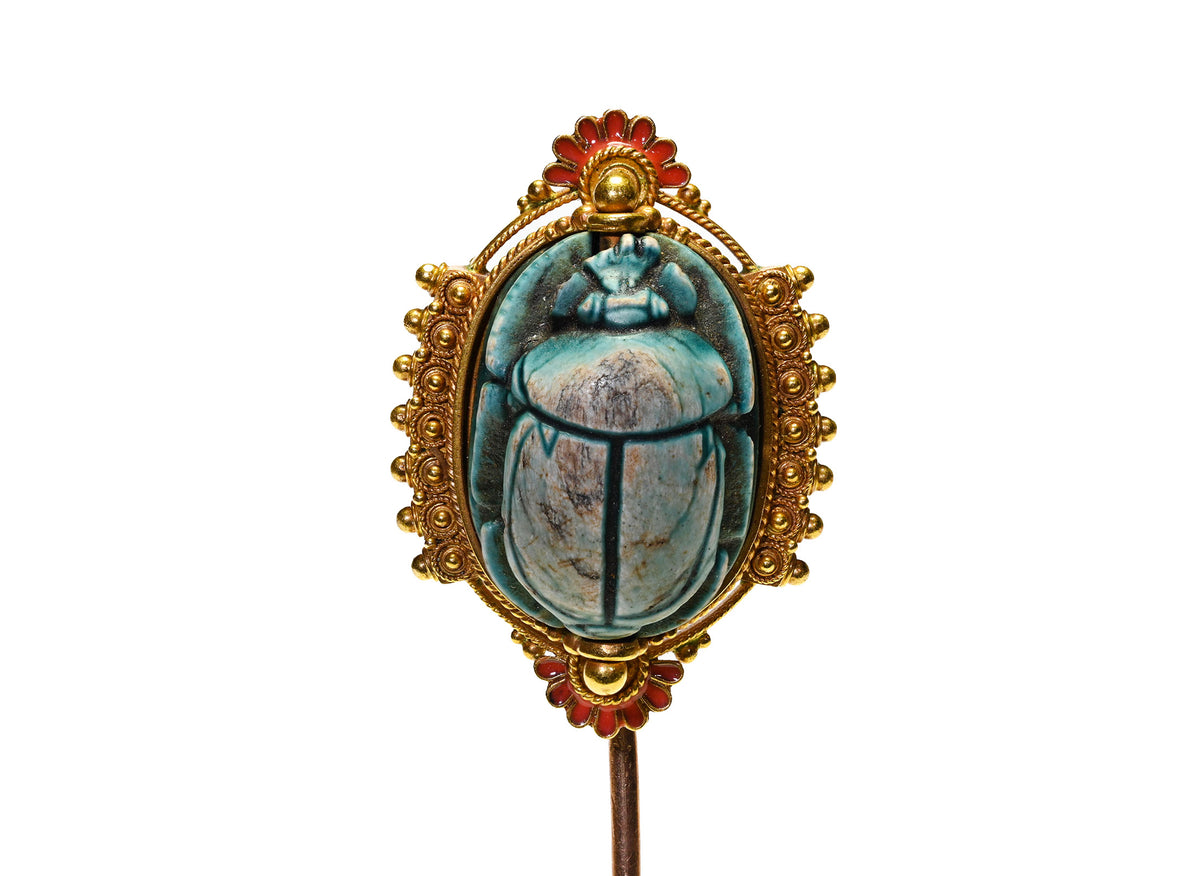
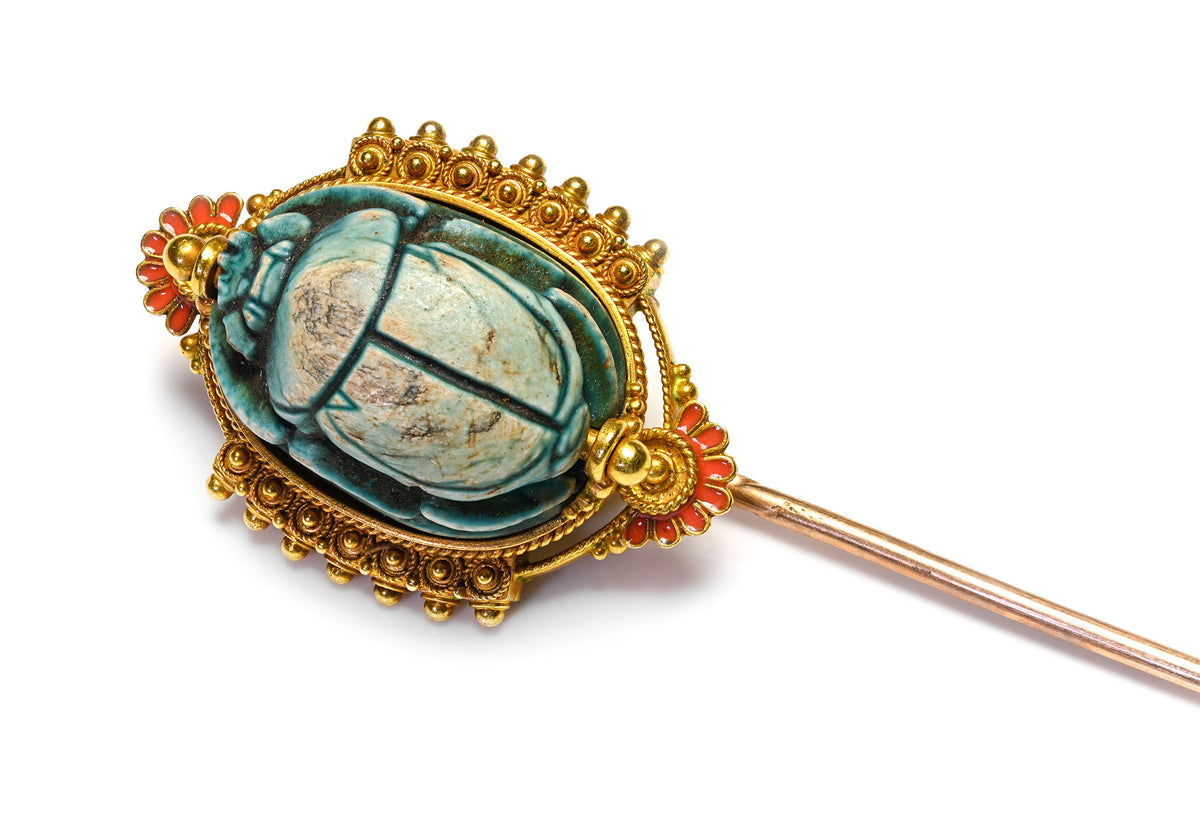
Rarity can come from several factors. A jewel may be rare because of the maker, the period, the materials, the design, the scale, the condition, or the combination of all these elements. A signed Art Deco Cartier stick pin, a Van Cleef and Arpels Mystery Set piece, a Bulgari colored gemstone jewel, a Chanel Gripoix necklace, or a Christian Dior piece made by an important workshop may appeal to collectors for very different reasons, but each can possess scarcity within its own category.
Collectors also respond to pieces that represent a house at its best. A signature is strongest when the jewel clearly reflects the maker’s identity. DSF’s Cartier collection is a good example of how one house can attract attention across multiple categories, from cufflinks and rings to brooches, watches, and rare accessories.

Condition Matters
Condition is central to value and collectibility. A signed jewel may be desirable, but its condition can influence how collectors respond to it. Originality, careful wear, secure settings, intact enamel, strong clasps, clean engraving, and sympathetic preservation all matter.
Some antique and vintage jewelry can show appropriate signs of age. This is not always negative. A jewel that has lived a life may have character. However, heavy alteration, poor repairs, replaced components, over-polishing, damaged stones, weakened hinges, or missing elements can affect desirability.
For collectors, the ideal piece is often one that preserves its original character while remaining wearable and structurally sound. At DSF Antique Jewelry, condition is an essential part of how pieces are selected and presented.
The Role of Design Identity
The strongest signed jewels are not collectible only because of the name. They are collectible because the name and design reinforce one another. A Cartier jewel should feel like Cartier. A Van Cleef and Arpels piece should reflect the house’s elegance and imagination. A Chanel jewel may express bold fashion identity, dramatic scale, faux pearls, gilt metal, Gripoix glass, or couture-era theatricality. A Christian Dior piece may reflect Parisian glamour, couture ornament, or the work of important manufacturers such as Henkel and Grosse.
Design identity helps collectors understand why one signed piece is more desirable than another. A simple signed item may be attractive, but a piece that clearly expresses a house’s most recognizable design vocabulary often carries stronger appeal.
This is why iconic motifs matter. Cartier’s panther, Van Cleef and Arpels’ Alhambra, Bulgari’s Serpenti, Chanel’s camellias and Byzantine-inspired costume jewelry, Tiffany’s Schlumberger designs, and Boucheron’s animal jewels all show how a house can transform a motif into a collecting category.
For additional context on one of the most important jewelry houses, Christie’s recently published a collector’s guide to Cartier jewels, covering major themes such as Art Deco, Panthère, Tutti Frutti, and other collecting directions.
Signed Jewelry as Wearable Art
One of the reasons signed designer jewelry continues to attract modern buyers is that it bridges art, fashion, and personal style. Unlike paintings or sculpture, jewelry is worn. It interacts with the body, clothing, movement, and occasion. It can be deeply personal while also historically meaningful.
A signed brooch can transform a jacket. A vintage cuff can define an outfit. A Cartier stick pin can add character to men’s formalwear. A Chanel necklace can bring couture drama to a simple dress. A Tiffany ring can become part of daily life. A vintage watch can serve as both a practical object and a collectible design statement.
This wearable quality gives jewelry a special emotional dimension. Collectors are not only preserving objects. They are continuing the life of those objects.
Collectors looking for recently added signed pieces, watches, and estate finds can browse DSF’s New Arrivals, where fresh acquisitions often reflect the breadth of the DSF collection.

Men’s Signed Jewelry and Watches
Men’s jewelry is receiving renewed attention, and signed pieces are especially interesting in this category. Cufflinks, signet rings, stick pins, tie pins, gold bracelets, chains, dress sets, money clips, desk accessories, and luxury watches all offer ways for men to collect and wear jewelry with character.
A signed pair of Cartier cufflinks, a Tiffany gold accessory, an Art Deco stick pin, a Rolex watch, an Omega watch, or a Patek Philippe timepiece can appeal to men who appreciate design, history, and craftsmanship. These pieces often have a quieter kind of luxury. They may be smaller than statement necklaces or cocktail rings, but they can be highly expressive.
At DSF Antique Jewelry, men’s vintage jewelry and luxury watches form a natural extension of the signed designer jewelry category. They connect personal style with collecting, and they offer an alternative to mass-produced modern accessories. Readers interested in this direction can explore DSF’s dedicated collection of men’s vintage jewelry, luxury watches, and signed designer pieces.
Signed Costume Jewelry: Why It Also Matters
Not all collectible signed jewelry is made of gold, platinum, or diamonds. Signed costume jewelry can also be highly desirable, particularly when associated with important fashion houses, designers, or workshops. Chanel, Christian Dior, Yves Saint Laurent, Schiaparelli, Miriam Haskell, Trifari, Lanvin, Christian Lacroix, and Karl Lagerfeld are examples of names that can attract collectors in the world of fashion jewelry.
The best signed costume jewelry is collectible because of design, rarity, craftsmanship, historical fashion context, and visual impact. A dramatic Chanel Gripoix necklace, a Dior couture-era brooch, or a Miriam Haskell bracelet can be as expressive and carefully composed as fine jewelry, even when made with different materials.
This is important for modern collectors to understand. Value in jewelry is not only about intrinsic metal or gemstone content. It can also come from design importance, maker recognition, cultural relevance, and scarcity.
Authentication: What Collectors Should Look For
Authentication begins with careful observation. A collector should examine the signature, but not stop there. The mark should be consistent with the maker, period, and type of piece. The materials should make sense. The construction should match the expected quality. The design should feel coherent. The condition should be evaluated honestly.
Important signs to examine include signature placement, engraving quality, metal purity marks, assay marks, maker’s marks, workshop marks, inventory numbers, serial numbers, clasp construction, hinge quality, stone setting style, weight, finish, surface detail, and any evidence of repair, alteration, or replacement.
Because signatures can be copied, authentication should not rely on one mark alone. A signature is part of the evidence, not the entire evidence. For important purchases, expert evaluation is essential.
For a deeper practical guide, read DSF’s article on how to authenticate signed designer jewelry, including Cartier, Van Cleef & Arpels, Tiffany & Co., Chanel, Dior, hallmarks, signatures, construction, condition, and provenance.
DSF’s antique jewelry collection offers another useful comparison point, because antique jewels often require careful attention to hallmarks, period construction, materials, and condition even when they are not signed by a famous house.
The Difference Between Signed, Attributed, and In the Style Of
Collectors should understand the difference between signed, attributed, and “in the style of.”
A signed piece carries a mark or signature of the maker or house. An attributed piece is believed to be by a certain maker based on design, construction, provenance, or expert opinion, but may not be signed. A piece “in the style of” resembles the work of a maker or period but is not presented as being made by that house.
These distinctions matter. A signed Cartier jewel is not the same as a jewel in the Cartier style. A brooch attributed to a workshop is not the same as one with full signature and documentation. Responsible sellers should use these terms carefully and transparently.

Why Signed Designer Jewelry Appeals to New Collectors
New collectors are often drawn to signed jewelry because it offers a more accessible path into collecting. A recognized name gives them a framework. They can study Cartier, Tiffany, Chanel, Dior, Van Cleef and Arpels, Boucheron, Bulgari, or Hermès and begin to understand each house’s design vocabulary.
Signed jewelry also allows collectors to build focused collections. One person may collect Art Deco Cartier pieces. Another may focus on Chanel costume jewelry. Another may look for Tiffany designs by Jean Schlumberger or Angela Cummings. Another may pursue men’s cufflinks and watches. The category is broad enough to support many collecting styles.
This flexibility is part of its strength. Signed jewelry can be serious, playful, historic, fashionable, minimal, dramatic, or investment-oriented depending on the piece.
Why Signed Jewelry Can Hold Long-Term Appeal
No jewelry purchase should be treated as guaranteed investment performance. Markets change, tastes evolve, and condition, rarity, and authenticity matter. However, signed designer jewelry often has qualities that support long-term collector interest: recognizable authorship, limited supply, brand history, craftsmanship, and established demand.
The most enduring pieces tend to combine several strengths. They are signed, authentic, well-made, attractive, wearable, in strong condition, and representative of a respected maker. When provenance or documentation is present, the appeal can become even stronger.
Collectors are often willing to pay more for confidence. A signed jewel by a respected house gives them a clearer story, a clearer maker, and a clearer reason to remember the piece.
How to Buy Signed Designer Jewelry Wisely
The best approach is to buy with both emotion and discipline. A jewel should speak to the buyer, but it should also be evaluated carefully. Look at the maker, design, condition, materials, scale, wearability, and documentation. Consider whether the piece represents the house well. Ask whether the design feels distinctive or generic. Examine the reverse, not only the front.
Buyers should also work with sellers who understand the category. Signed designer jewelry requires knowledge of hallmarks, signatures, period construction, and market context. A good seller should be able to explain why a piece matters, what is known about it, what is uncertain, and how it fits within a broader collecting category.
For readers who want a wider perspective on buying jewelry, Christie’s also offers a general guide on things to consider when buying jewelry, which reinforces the importance of maker, period, condition, and collecting context.

DSF Antique Jewelry and the World of Signed Pieces
DSF Antique Jewelry offers a curated selection of antique and vintage jewelry, signed designer pieces, luxury watches, rare objects, estate jewelry, Art Deco designs, and unique finds selected for craftsmanship, condition, character, and collectibility. The inventory may include important names such as Cartier, Tiffany and Co., Van Cleef and Arpels, Chanel, Christian Dior, Boucheron, Bulgari, Hermès, and other respected designers and houses.
This broader approach reflects how collectors shop today. Many do not limit themselves to one category. They may be interested in a Cartier cufflink, a Chanel necklace, a Dior brooch, an antique gold ring, a vintage watch, a rare object, or an Art Deco jewel. What connects these pieces is not only age or material, but quality, rarity, design, and story.
Signed designer jewelry is especially powerful because it gives collectors a name to study, a tradition to understand, and an object to wear. It brings together beauty, history, authorship, and personal expression.
Final Thoughts
Signed designer jewelry remains one of the most compelling areas of the jewelry market because it combines the emotional appeal of adornment with the intellectual appeal of collecting. A signature can identify a maker, but the best signed jewels offer much more: craftsmanship, design identity, rarity, provenance, and lasting character.
For new buyers, signed jewelry provides a meaningful entry into the world of collectible jewels. For experienced collectors, it offers depth, specialization, and the pleasure of recognizing exceptional work. Whether the piece is a Cartier pin, a Tiffany ring, a Van Cleef and Arpels bracelet, a Chanel necklace, a Dior brooch, a Boucheron jewel, a Bulgari design, or a luxury watch, the strongest examples carry a sense of authorship that continues to matter.
Explore signed designer jewelry, vintage pieces, luxury watches, and rare collectible finds at DSF Antique Jewelry.