How to Authenticate Signed Designer Jewelry: Cartier Van Cleef Tiffany Chanel & Dior
What Is Signed Designer Jewelry?
Signed designer jewelry refers to pieces marked by a recognized jewelry house, designer, or maker, such as Cartier, Van Cleef & Arpels, Tiffany & Co., Chanel, Dior, Bulgari, or Boucheron. These signatures can add collector value, but authentication should never rely on the name alone. The signature, hallmarks, materials, craftsmanship, period details, condition, and provenance should all be reviewed together before a piece is considered genuine.
Signed designer jewelry is one of the most desirable categories in the vintage, antique, and estate jewelry market. Collectors are drawn not only to gold, platinum, diamonds, and gemstones, but also to the name behind the jewel. A piece signed by Cartier, Van Cleef & Arpels, Tiffany & Co., Chanel, Dior, Bulgari, Boucheron, or another important house carries a different kind of value: it connects craftsmanship, history, design, provenance, and market demand.
But as interest in signed jewelry grows, so does the need for careful authentication. A stamped name is not enough. A jewel may appear to carry a famous signature, come with a box, or be described as “vintage,” yet still require close examination before it can be considered authentic, collectible, or properly valued.
Authenticating signed designer jewelry means studying the entire object. The signature, hallmarks, metal, construction, stones, clasp, condition, age, design language, and provenance must all make sense together. A genuine piece should not only be marked correctly; it should also feel consistent with the quality, period, and style of the house that created it.
For signed designer pieces with important gemstones, laboratory reports can provide additional information about gemstone identity, treatment, and origin when available.
At DSF Antique Jewelry, signed jewelry is evaluated not only for authenticity, but also for rarity, condition, craftsmanship, collector appeal, and long-term desirability. This guide explains what serious buyers, sellers, and collectors should understand before purchasing, selling, or valuing signed designer jewelry.
Why Signed Designer Jewelry Requires Careful Authentication
A famous signature can dramatically influence the value of a jewel. A gold bracelet has intrinsic value because of its metal content, but if it is genuinely signed by Cartier, Van Cleef & Arpels, Tiffany & Co., or another important maison, its value may also depend on design, age, provenance, rarity, and collector demand.
This is why signed jewelry is more complex than ordinary jewelry valuation. The question is not only “Is it gold?” or “Are the diamonds real?” The more important questions are:
Is the signature correct for the period?
Are the hallmarks consistent with the country and era of production?
Does the construction match the quality expected from the designer?
Are the stones, clasps, hinges, screws, links, and finishing consistent with authentic work?
Does the design correspond to the house’s known style or collections?
Has the piece been altered, resized, repaired, polished, shortened, or reset?
A genuine signed jewel can lose value if it has been heavily modified. A piece may contain authentic parts but still raise questions if the clasp, stones, or signature do not belong together. Authentication is the first step, but value depends on a wider judgment.
For collectors who want to understand why signed jewelry can be so desirable, DSF’s guide to why signed designer jewelry is so collectible is a useful companion to this article.

A Signature Is Important, But It Is Not Enough
Many buyers begin with the signature. That is natural, because the signature is often the most visible clue. However, signatures can be copied, added later, worn down, misread, or misunderstood.
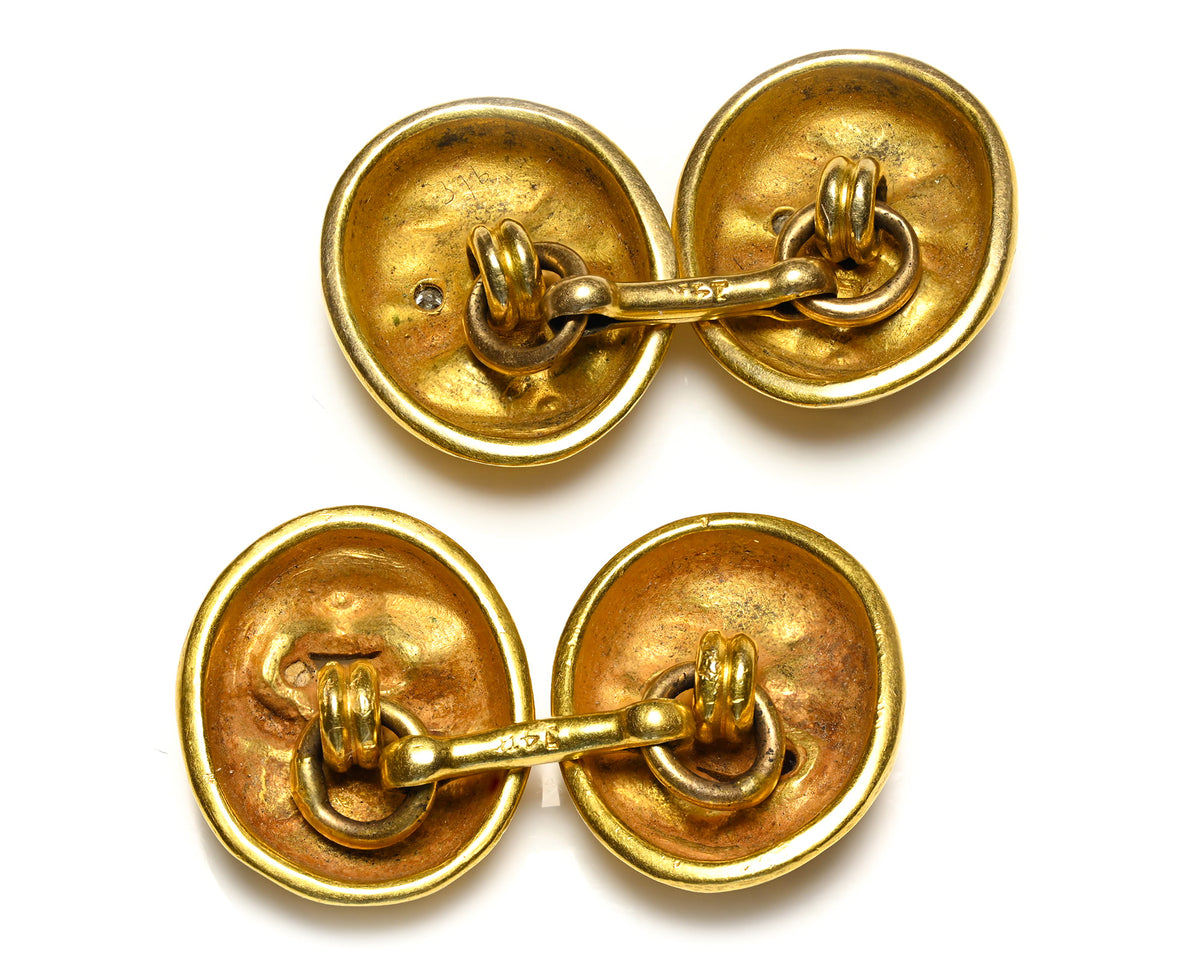
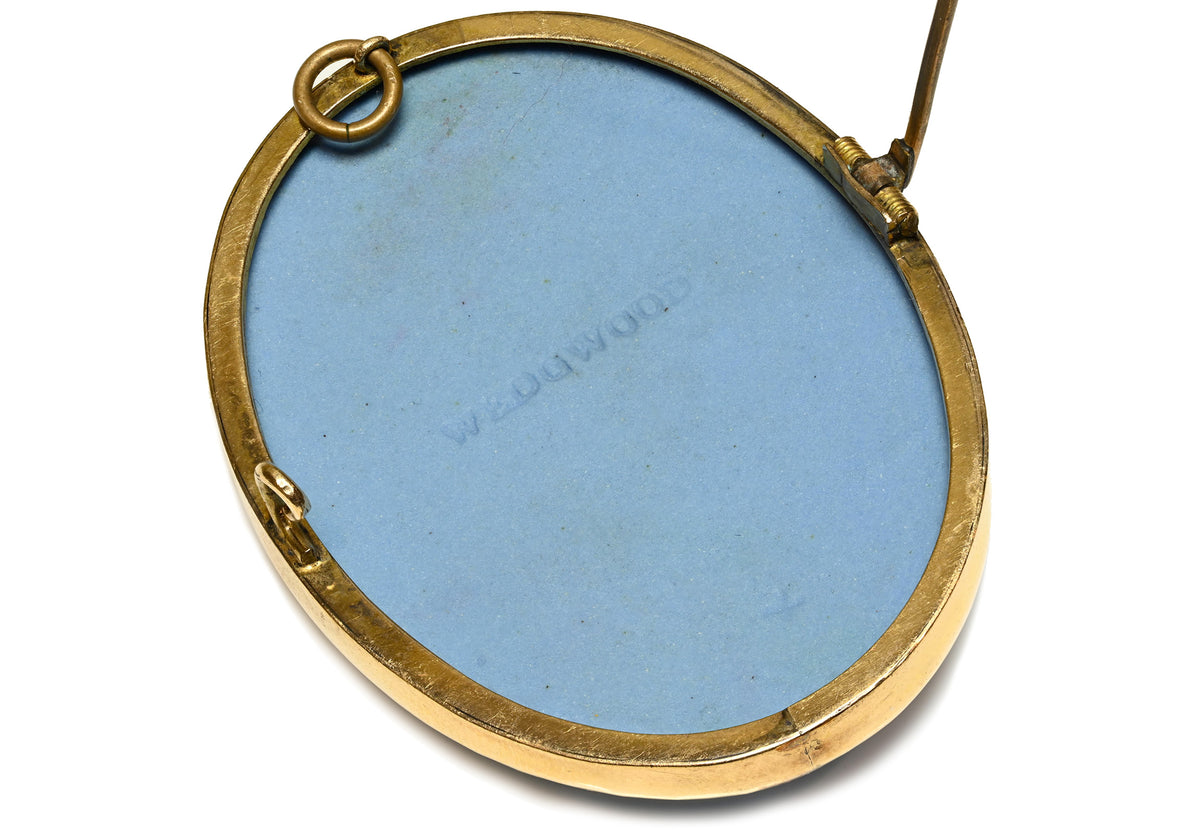
On fine jewelry, signatures may appear on ring shanks, bracelet clasps, pendant bails, earring clips, pin stems, watch backs, case interiors, or hidden areas of construction. Depending on the house and period, a piece may also include a serial number, assay mark, maker’s mark, metal purity mark, import mark, or workshop mark.
The signature should look integrated into the object. It should not appear crudely applied, unevenly placed, or inconsistent with the quality of the jewel. The lettering, depth, spacing, and placement should correspond to the known practices of the maker and the period.
For example, a French-made jewel may require examination for French assay marks and maker’s lozenges. A Tiffany & Co. sterling silver bracelet should not be judged the same way as a platinum diamond ring. A Chanel or Dior piece may require knowledge of costume jewelry plaques, season marks, clip mechanisms, runway production, and licensing history.
The signature begins the authentication process. It does not complete it.
Hallmarks, Maker’s Marks, and Metal Marks
Hallmarks and maker’s marks are among the most useful clues in jewelry authentication. They can indicate metal purity, country of assay, workshop, date range, or import history. But they must be read carefully and in context.
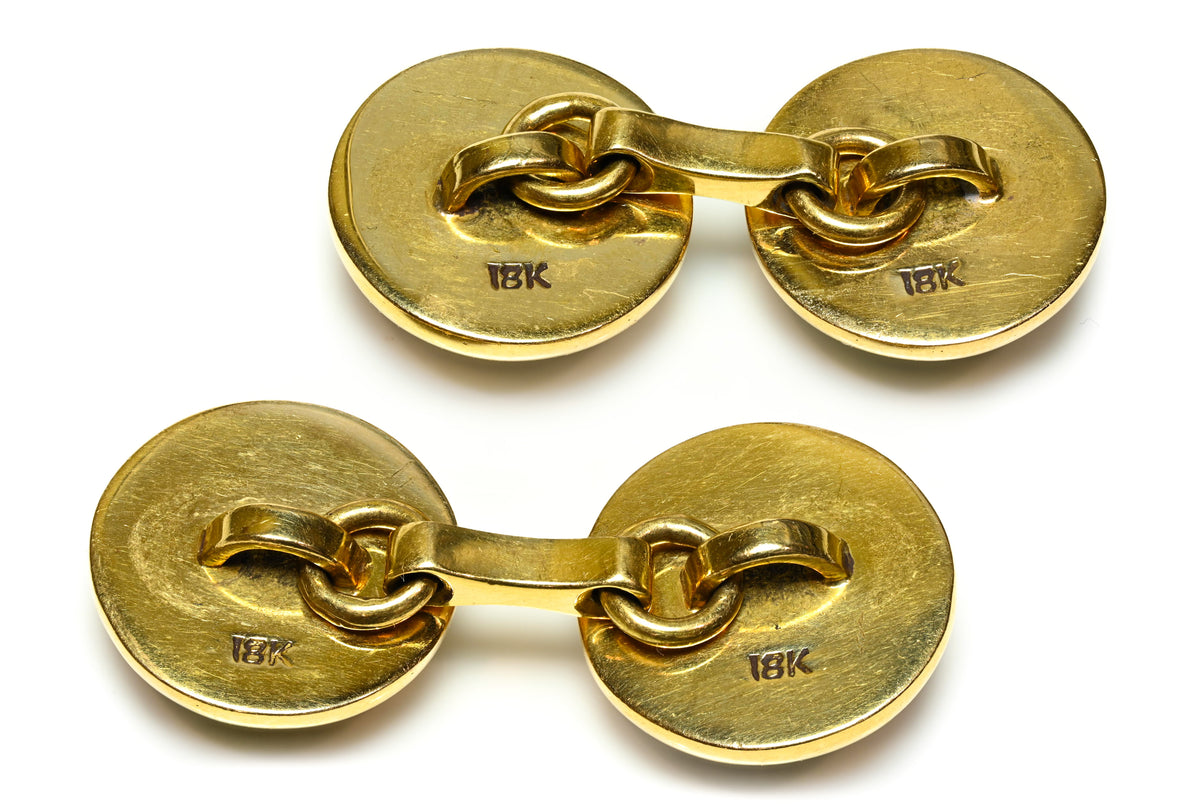
A 750 mark usually indicates 18K gold. A 925 mark indicates sterling silver. French jewelry may carry marks such as the eagle’s head for 18K gold, the dog’s head for platinum, and a maker’s lozenge. British jewelry may include an assay office mark, sponsor’s mark, date letter, and metal standard. American jewelry often follows a different marking tradition, relying more heavily on trademarks, maker names, and karat marks.
Consistency is the key. The metal mark, designer signature, construction, stones, and style should all make sense together. A copied mark on a poorly made object is still a warning sign. A genuine mark on a heavily altered piece may require further review.
Collectors should also remember that older jewelry may show wear, polishing, repairs, or partial loss of marks. A worn mark is not automatically a problem, but it should be evaluated alongside the rest of the jewel.
For broader background on signed jewels and why signatures matter in the collecting world, Sotheby’s has published a useful collector’s guide to signed jewelry.
Cartier Jewelry Authentication
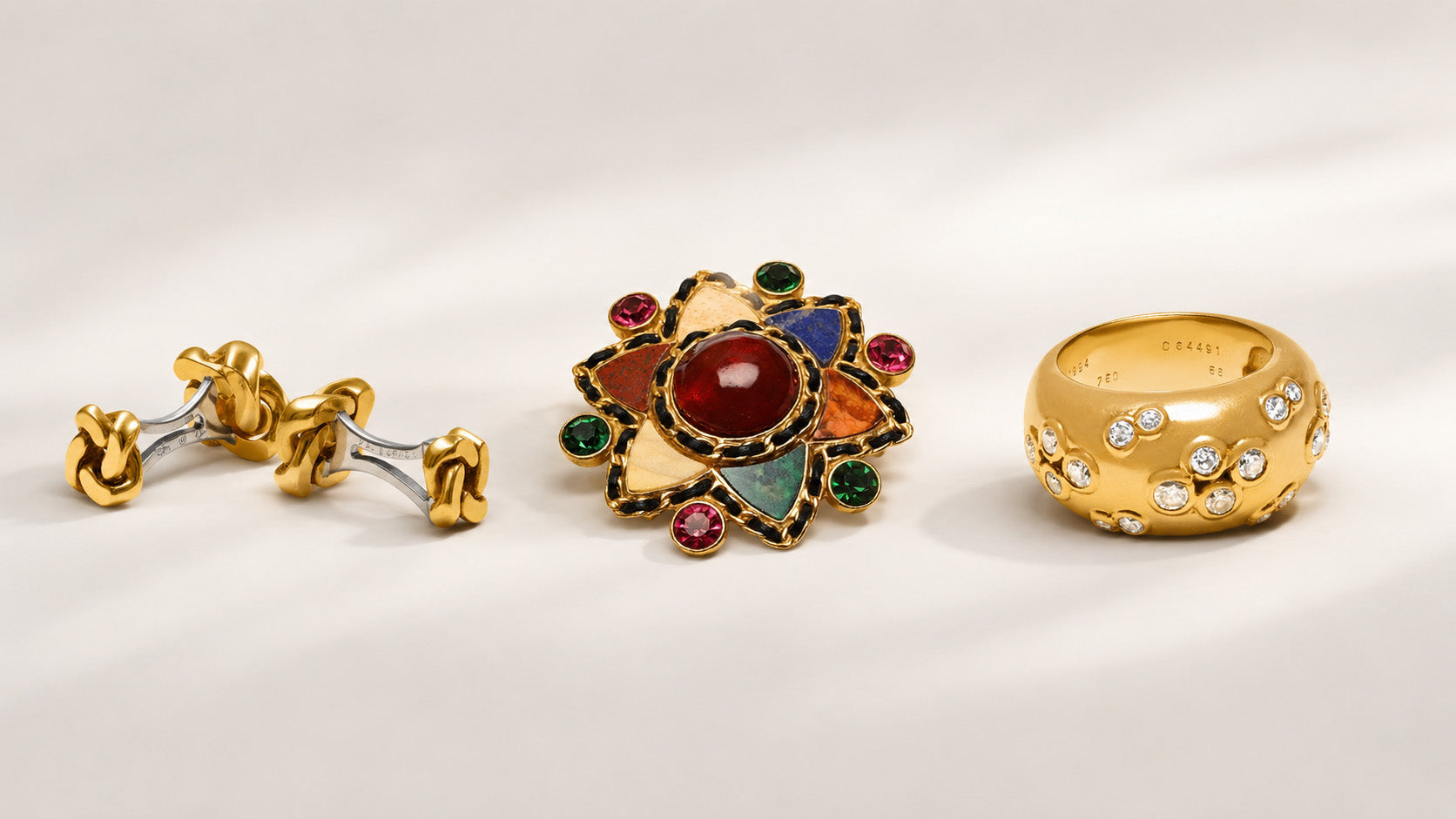
Cartier is one of the most copied names in the jewelry world because the maison has produced so many iconic designs: Love bracelets, Trinity rings, Panthère jewels, Tank watches, Art Deco brooches, Tutti Frutti pieces, vanity cases, clocks, cufflinks, and high jewelry creations.
When examining a Cartier piece, the first step is to study the signature, serial number, metal marks, and construction. Cartier marks may vary depending on period, country, and object type. Cartier Paris, Cartier London, and Cartier New York pieces may differ from later global production, so authentication requires context.
Cartier’s own heritage work shows how important documentation is to the history of the maison. The official Cartier archives include ledgers, photographs, plaster casts, and drawings that document creations from design to sale. This kind of archival culture is one reason provenance and documentation can matter so much in important signed jewelry.
Quality of finishing is especially important with Cartier. Authentic Cartier jewelry should show precision in edges, hinges, screws, clasps, stone setting, engraving, and polish. The back of the jewel should be carefully made, not treated as an afterthought.
For vintage and antique Cartier pieces, design language is another major clue. Art Deco Cartier may show geometric forms, platinum work, carved gemstones, enamel, onyx, jade, sapphires, rubies, emeralds, or Indian-inspired motifs. Later Cartier designs may have a different character, but they should still reflect the maison’s disciplined sense of proportion.

Collectors can explore DSF’s curated selection of Cartier jewelry, watches, and objects for examples of the brand’s broad collecting appeal.
Useful external references include Cartier’s official page on archives and expertise and the Victoria and Albert Museum’s major Cartier exhibition, which presented more than 350 objects related to Cartier’s legacy of art, design, craftsmanship, jewelry, watches, and clocks.
Van Cleef & Arpels Jewelry Authentication
Van Cleef & Arpels is admired for refinement, technical sophistication, and poetic design. The maison is associated with Mystery Set jewels, Alhambra motifs, ballerina and fairy brooches, Zip necklaces, transformable pieces, and exceptional gemstone work.
Authentication begins with the signature, serial number, metal marks, and construction. With Van Cleef & Arpels, craftsmanship is essential. Symmetry, stone setting, clasp quality, surface finish, and the relationship between front and back should all be carefully reviewed.
One of the most important Van Cleef & Arpels innovations is the Mystery Set. According to the maison, this technique was patented in 1933 and allows the metal to disappear in favor of the stones. In genuine Mystery Set pieces, the effect should not look like ordinary invisible setting. It is a highly demanding technique associated with some of the house’s finest work.
For Alhambra jewelry, details such as proportions, beadwork, links, clasp, stone quality, and hallmark placement matter. The design may appear simple, but authentic examples have controlled balance and finish. Uneven borders, weak links, poor stone fit, incorrect weight, or careless finishing can all be warning signs.
Collectors can view DSF’s Van Cleef & Arpels collection for examples of signed pieces from this important maison.
Useful external references include Van Cleef & Arpels’ official page on the Mystery Set and the maison’s article on the Mystery Set as a jewelry-making feat.

Tiffany & Co. Jewelry Authentication
Tiffany & Co. has a long history in American jewelry and design, ranging from 19th-century silver and gold jewelry to Art Nouveau, Art Deco, modernist, and contemporary designer pieces. Tiffany authentication depends heavily on category and period.
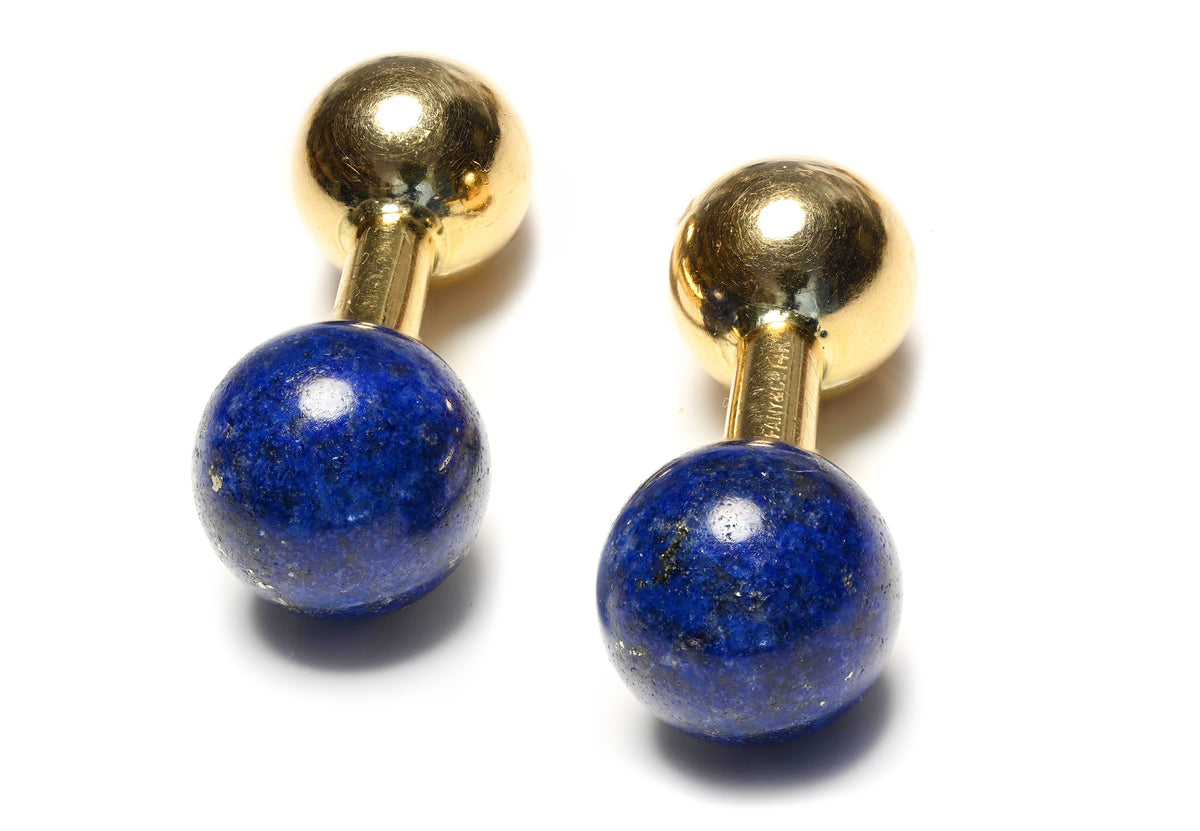
The mark “Tiffany & Co.” appears in many forms. A sterling silver piece, gold bracelet, platinum diamond ring, Schlumberger brooch, Elsa Peretti pendant, Paloma Picasso necklace, or Angela Cummings design each requires a different type of knowledge.
Tiffany silver should be examined for metal marks, weight, casting quality, surface finish, and correct signature style. Fine jewelry should be reviewed for stone setting, clasp construction, engraving, and overall quality. Designer collaborations require special attention because the value may depend not only on Tiffany, but also on the specific designer associated with the piece.
Jean Schlumberger, Elsa Peretti, Paloma Picasso, Angela Cummings, and other designers helped shape Tiffany’s modern identity. A genuine signed designer piece should show consistency between the signature, materials, construction, and design period.
Condition is also important. Tiffany jewelry is often worn frequently, which means polishing, resizing, repairs, or missing components can affect collectibility. A genuine Tiffany piece in excellent estate condition can be far more desirable than one that has lost definition through over-polishing or alteration.
Collectors can explore DSF’s Tiffany & Co. jewelry collection for signed estate and vintage examples.
Useful external references include Tiffany & Co.’s official heritage page and The Metropolitan Museum of Art’s record for a Tiffany & Co. Paulding Farnham orchid brooch, which illustrates the level of artistry associated with important Tiffany work.

Chanel and Dior Signed Jewelry
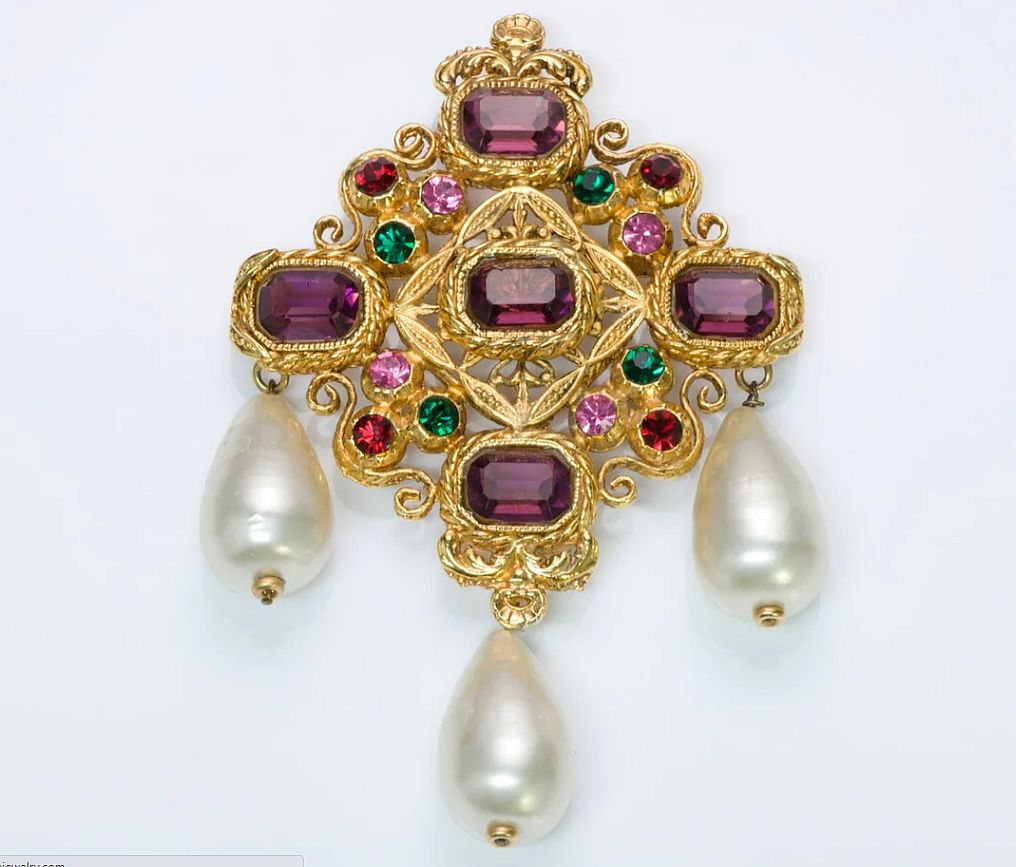
Chanel and Dior jewelry require a slightly different authentication approach because many collectible examples are costume jewelry rather than precious metal fine jewelry. That does not make them less important. In fact, signed vintage Chanel and Dior pieces can be highly collectible, especially runway pieces, early examples, Gripoix-style glass designs, dramatic brooches, sautoirs, cuffs, earrings, and couture-inspired creations.
For Chanel jewelry, authentication often involves examining the signature plaque, season mark, construction, weight, chain quality, glass, faux pearls, gilding, clasp design, and overall style. Chanel costume jewelry should feel substantial and well-composed. Poor plating, weak casting, incorrect plaques, loose stones, or generic construction can be warning signs.
Chanel’s official high jewelry world also shows the house’s recurring motifs, including the lion, comet, camellia, feather, ribbon, and the number 5. These motifs are part of the brand’s design vocabulary and can help collectors understand the difference between random decoration and house identity.
Dior jewelry may include pieces associated with different periods, designers, and licensing arrangements. Some vintage Dior jewels are admired for theatrical scale, color, glasswork, and couture character. Authentication may involve signature plaques, clip mechanisms, construction details, materials, and comparison with known period examples.
Because fashion jewelry marks changed over time, Chanel and Dior pieces should not be judged by the same criteria as Cartier or Tiffany fine jewelry. A rare Chanel brooch or Dior runway necklace may not contain precious stones, but its value can come from design, scarcity, condition, fashion history, and collector demand.
Useful external references include Chanel’s official high jewelry page and La Galerie Dior’s official history of the house.

Other Important Signed Jewelry Houses
While Cartier, Van Cleef & Arpels, Tiffany & Co., Chanel, and Dior are among the most searched names, collectors also look for Bulgari, Boucheron, David Webb, Verdura, Buccellati, Chaumet, Chopard, Hermès, Gucci, Christian Lacroix, and other important designers.
Each house has its own design language. Bulgari is often associated with bold volume, colored gemstones, ancient coin jewelry, Serpenti designs, and Italian glamour. Boucheron has a long history of French high jewelry, technical refinement, and creative design. David Webb is known for bold American jewelry, animal motifs, enamel, hammered gold, and sculptural forms. Buccellati is recognized for textured goldwork and engraving techniques.
Authentication requires brand-specific knowledge. A genuine piece should not merely carry a name. It should speak the design language of the maker.
For a wider view of signed and branded jewelry, DSF’s Fine Jewelry Brands collection is a useful place to explore important names across antique, vintage, estate, and designer jewelry.

Red Flags When Buying Signed Designer Jewelry
Several details should make a buyer pause.
A signature that looks too shallow, too sharp, too modern, or oddly placed may be suspicious. Incorrect fonts or unusual spacing can be warning signs. A piece that carries a famous name but shows poor construction should be examined carefully.
Mismatched marks are another concern. If the metal mark, country mark, serial number, and signature do not make sense together, the piece may be altered, repaired, or misrepresented. A clasp that appears newer than the rest of the jewel may indicate replacement. Missing marks can sometimes be explained by wear or resizing, but they still require caution.
Over-polishing is another issue. Some jewelry is genuine but has lost crispness because it has been polished too aggressively. This can soften edges, weaken marks, and reduce collector appeal.
Packaging should also be treated carefully. A box, pouch, or certificate can support a jewel’s story, but it should not replace physical examination. Boxes and papers can be separated from original pieces or acquired later.
Finally, price can be a clue. If a rare signed designer jewel is offered far below market value without explanation, there may be a reason. Serious signed jewelry should be evaluated before purchase, especially when the piece is expensive, rare, or described as vintage.
Provenance, Condition, and Market Value
Authentication answers one question: is the piece what it claims to be? Value requires additional analysis.
Provenance can increase interest, especially when a jewel has original receipts, archival confirmation, auction history, exhibition relevance, or documented ownership. Condition is equally important. Originality, crispness, working clasps, intact stones, correct components, and minimal alteration all matter.
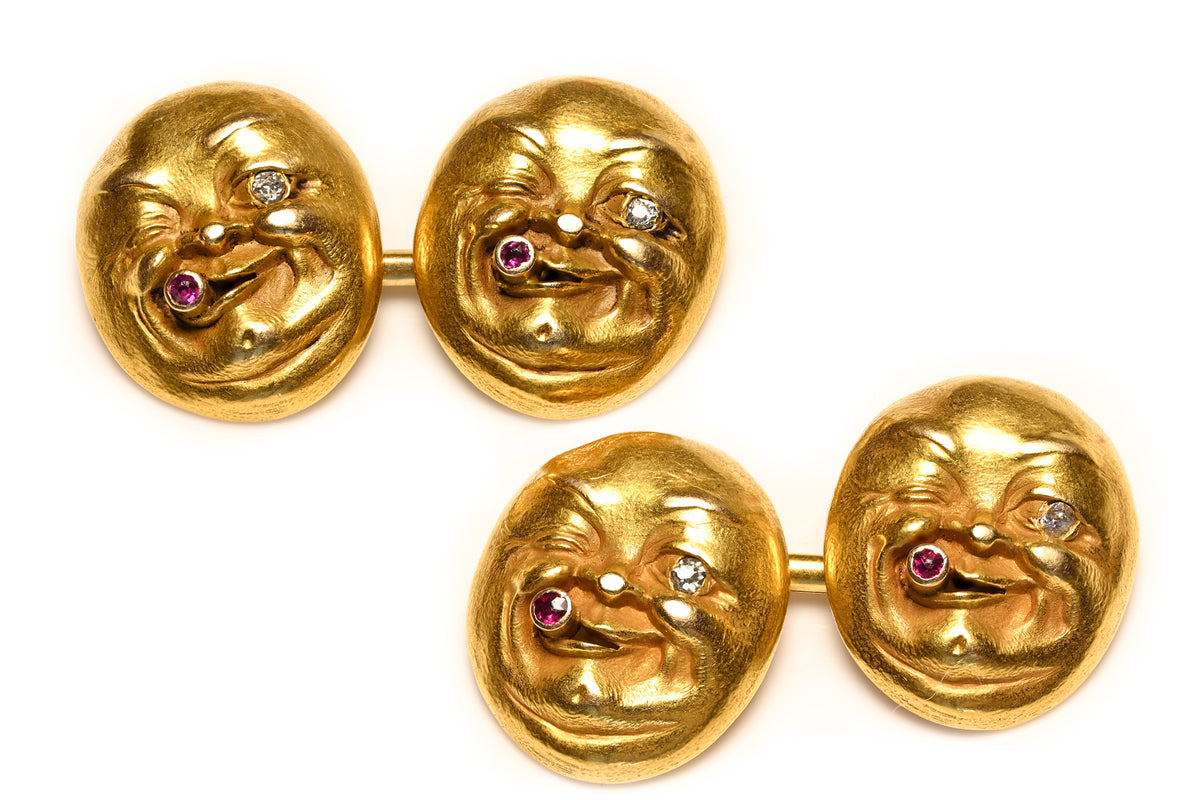
Rarity can sometimes matter more than material value. A small signed brooch by an important house may be more collectible than a heavier unsigned gold piece. A signed object, clock, vanity case, cufflink set, stick pin, or pendant-brooch may appeal to collectors because it represents a house’s broader artistic production, not only its jewelry output.
Market demand also changes. Art Deco Cartier, Van Cleef & Arpels Mystery Set pieces, vintage Tiffany designer jewelry, Chanel costume jewelry, Dior couture jewelry, Bulgari Serpenti pieces, and Boucheron creations can each attract different kinds of collectors.
This is why signed jewelry should be evaluated as a complete object: part jewel, part design, part historical document, and part market asset.
How DSF Antique Jewelry Evaluates Signed Designer Jewelry
At DSF Antique Jewelry, signed designer pieces are considered through several layers. The first is authenticity: signature, marks, materials, and construction. The second is condition: wear, repairs, replacements, polishing, and integrity. The third is design quality: whether the jewel reflects the known style and craftsmanship of the house. The fourth is rarity and market appeal.
This approach is especially important because DSF’s collection includes more than traditional antique jewelry. Alongside antique and vintage pieces, DSF offers signed designer jewelry, luxury watches, rare objects, unusual accessories, and carefully selected fine jewelry by important names. The focus remains on quality, character, and collectibility.
For buyers, this means that each piece is selected with attention to authenticity and visual presence. For sellers, it means that a jewel may be evaluated not only for gold or gemstone value, but also for its designer, age, condition, rarity, and collector demand.
Collectors can browse DSF’s New Arrivals to see recently acquired jewelry, watches, and rare pieces.
Clients who would like additional photos, videos, hallmark images, condition details, or a live review of a piece may request a Private Consultation in person, by FaceTime, video call, phone, or email.
Frequently Asked Questions About Signed Designer Jewelry Authentication
Is signed designer jewelry always more valuable?
Not always, but a genuine signature from an important house can add significant value when the piece is authentic, well-made, desirable, and in good condition. The designer name must be supported by correct marks, construction, materials, and design quality.
Can a signed piece still be altered?
Yes. A signed jewel may be genuine but resized, repaired, shortened, reset, polished, or modified. Alterations can affect value, especially if original components were replaced or important marks were lost.
Are boxes and papers enough to prove authenticity?
No. Boxes and papers can help, but they are not proof by themselves. The jewel must be examined directly. Packaging can be separated from the original piece or acquired later.
What is the most important authentication clue?
There is no single clue. The strongest authentication comes from consistency: signature, marks, construction, materials, design, condition, and provenance all supporting the same conclusion.
Should vintage Chanel and Dior jewelry be authenticated differently from Cartier or Tiffany?
Yes. Many Chanel and Dior pieces are collectible costume jewelry, so authentication often depends on plaques, season marks, construction, materials, clip mechanisms, gilding, glass, faux pearls, and fashion history rather than only precious metal marks.
Final Thoughts: Buy the Jewel, Not Just the Name
A famous signature can make a jewel more desirable, but the name should never be the only reason to buy. The best signed designer jewelry combines authenticity, craftsmanship, beauty, condition, and a meaningful place within the history of design.
Collectors should look beyond the stamp. Study the workmanship. Examine the marks. Consider the period. Look at the back of the jewel, not only the front. Pay attention to condition, provenance, and rarity.
Signed designer jewelry can be one of the most rewarding areas of collecting because it connects luxury, history, artistry, and personal style. When chosen carefully, a signed jewel is more than an accessory. It is a piece of design history that can be worn, studied, preserved, and passed on.
Follow DSF Antique Jewelry for collector guides, hallmark research, rare jewelry stories, and insights into signed designer, antique, vintage, and ancient jewelry.