Fine Jewelry and Signed Designer Jewelry: What to Know Before Buying
A Guide to Fine Jewelry, Designer Pieces, Period Jewelry, Rare Gemstones, and Craftsmanship
Fine jewelry can be meaningful for many reasons. Some people buy jewelry for daily wear, special occasions, anniversaries, engagements, gifts, or personal style. Others are drawn to signed designer pieces, rare gemstones, period jewelry, or historically important designs. The strongest jewels often combine beauty, quality, authenticity, condition, craftsmanship, and long-term desirability.
At DSF Antique Jewelry, our collection includes fine jewelry, signed designer jewelry, vintage jewelry, estate jewelry, contemporary pieces, rare gemstone jewelry, luxury watches, period jewelry, rare objects, and antique jewels. While our name reflects our foundation in antique jewelry, DSF also curates important signed pieces by houses such as Cartier, Van Cleef & Arpels, Tiffany & Co., Bulgari, Boucheron, Chanel, Dior, Hermès, and other notable makers.
This guide explains what buyers, jewelry lovers, and collectors should consider before purchasing fine jewelry, signed designer jewelry, period pieces, and rare gemstone jewels.
For a broader overview of how DSF evaluates authenticity, condition, documentation, craftsmanship, and jewelry context, visit our Jewelry Authenticity Guide.

Cartier Diamond Drop Earrings in 18K Gold
What Makes Fine Jewelry Desirable?
Fine jewelry becomes desirable when several qualities come together. Materials matter, but they are only part of the story. A diamond ring, gold bracelet, enamel brooch, gemstone necklace, designer cuff, or signed jewel may be appealing because of design, maker, rarity, condition, provenance, period, craftsmanship, or documentation.
Important qualities to consider include:
Original design and strong visual identity
High-quality materials and careful construction
Recognized maker, brand, or signed designer attribution
Rare or desirable gemstones
Excellent condition and wearability
Period importance or historical context
Documentation, reports, boxes, or provenance when available
A jewel does not need to be antique to be important. Vintage, estate, and contemporary designer pieces can also be highly desirable, especially when they represent a strong design moment, a recognized jewelry house, or exceptional craftsmanship.
To explore a broader selection of DSF pieces, visit The DSF Collection.
Signed Designer Jewelry and Why Authorship Matters
Signed designer jewelry occupies a special place in the jewelry world because the maker or house can add meaning beyond the materials alone. A signed jewel may reflect the design language, craftsmanship, and history of a particular maison.
Pieces by Cartier, Van Cleef & Arpels, Tiffany & Co., Bulgari, Boucheron, Chanel, Dior, Hermès, and other important makers are often sought after not only for their beauty, but also for what they represent. A signature can connect a jewel to a design tradition, a period of production, a specific workshop, or a recognizable luxury identity.
However, a signature should never be considered by itself. The entire piece should support the attribution. Buyers should consider the quality of construction, the placement and style of marks, the materials, the design, the finish, and whether the jewel feels consistent with the maker’s known standards.
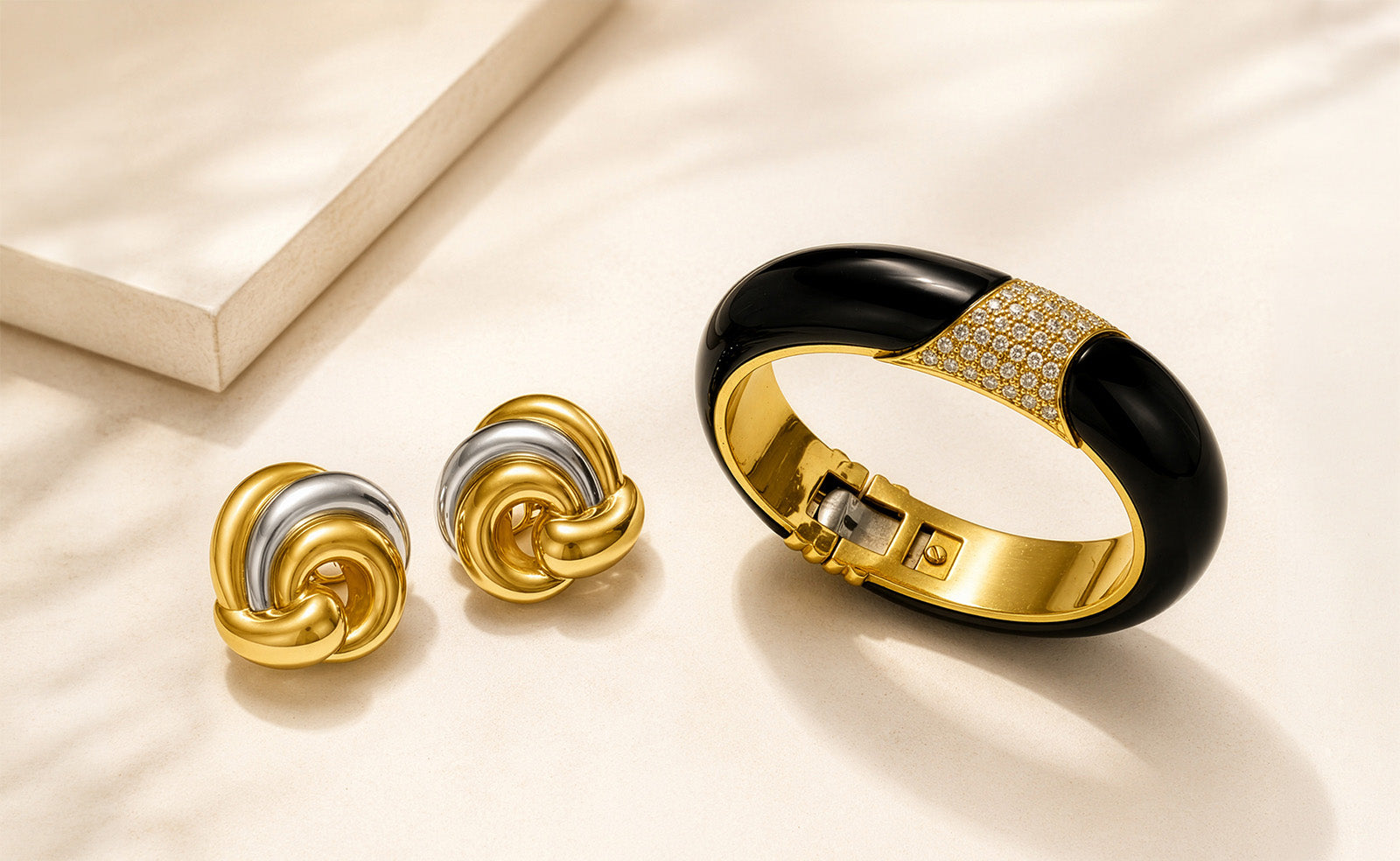
DSF’s Signed Designer Jewelry by Brand collection includes fine jewelry, vintage jewelry, estate pieces, contemporary signed jewels, and period pieces by important jewelry houses and designers.
Cartier, Van Cleef & Arpels, Tiffany, Bulgari, Boucheron, Chanel, Dior, and Hermès
Different jewelry houses are admired for different reasons. Cartier is known for refined design, craftsmanship, and a long history of important jewels. Van Cleef & Arpels is associated with elegance, transformable design, recognizable motifs, and exceptional stone setting. Tiffany & Co. has a deep connection to American jewelry history, diamonds, silver, and signed fine jewelry. Bulgari is celebrated for bold design, colored gemstones, sculptural gold, and a distinctive Italian identity.
Boucheron, Chanel, Dior, and Hermès each bring their own design language. Some pieces are desirable because of fine jewelry craftsmanship, while others are valued for fashion history, rarity, limited production, or iconic brand identity.
For many buyers, the best signed designer jewels combine authenticity, design strength, condition, materials, and wearability. For collectors, rarity and importance within the maker’s history may add further appeal.
For more on this topic, read DSF’s article Why Signed Designer Jewelry Is So Collectible.

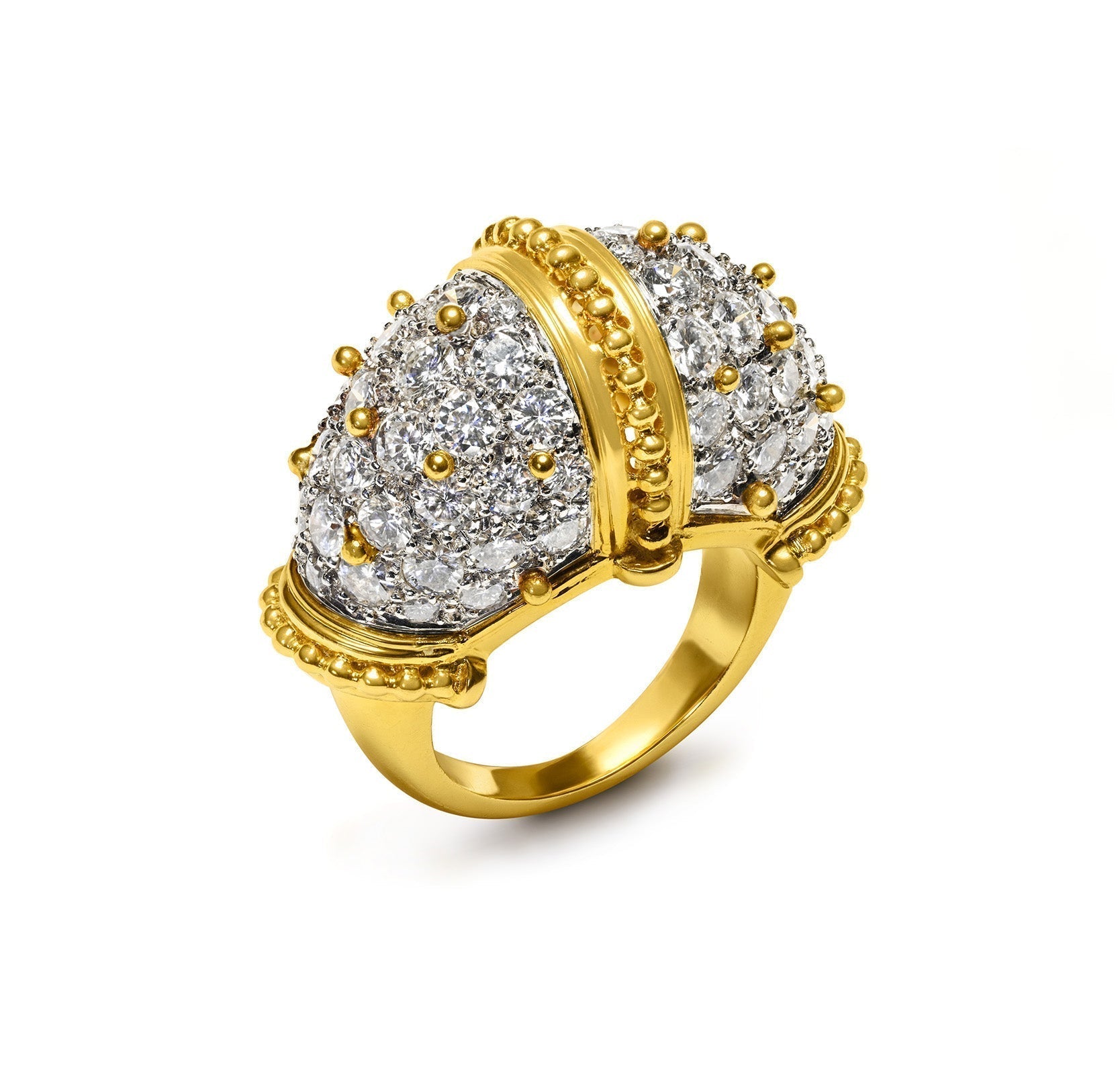
A Magnificent Tiffany & Co. Diamond Statement Ring in 18K Gold
Period Jewelry: Georgian, Victorian, Edwardian, Art Nouveau, and Art Deco
Period jewelry remains an important part of fine jewelry. Georgian, Victorian, Edwardian, Art Nouveau, and Art Deco pieces each reflect the materials, techniques, and tastes of their time.
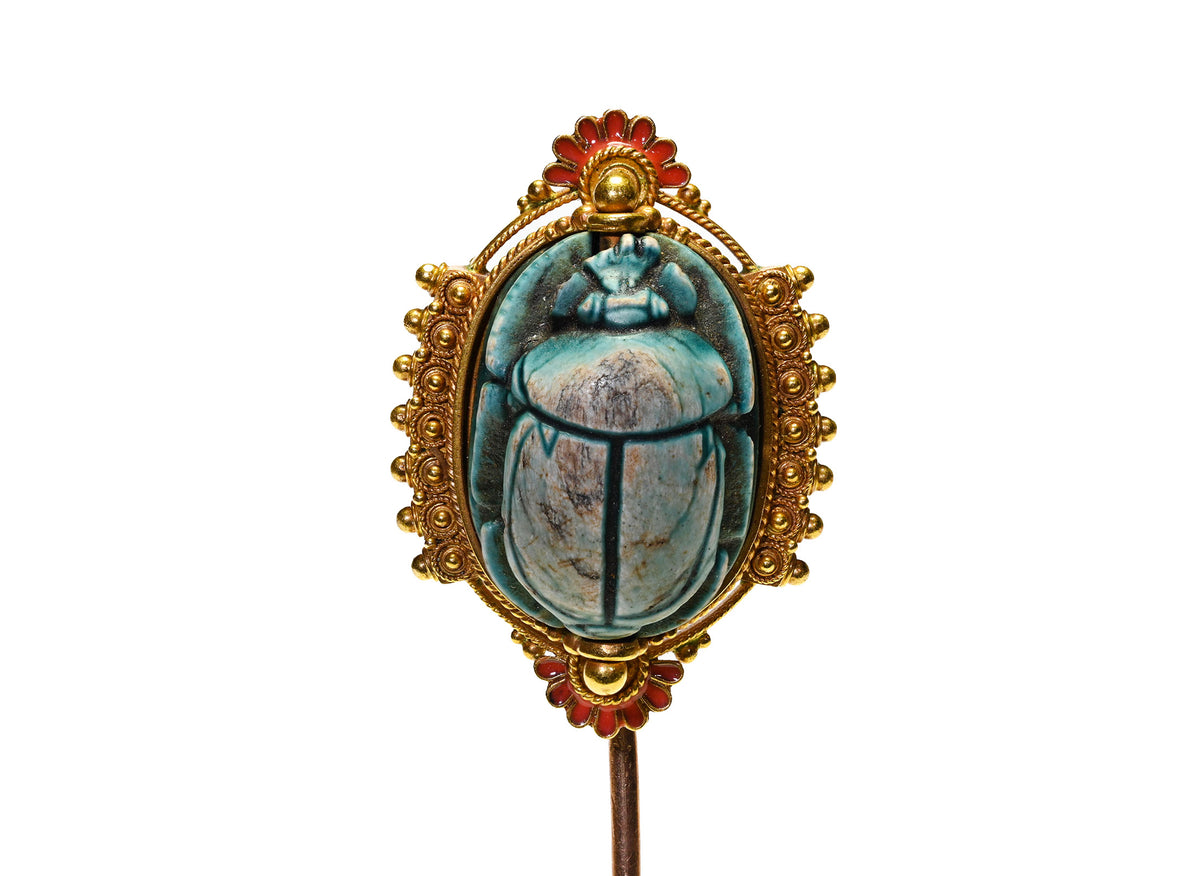
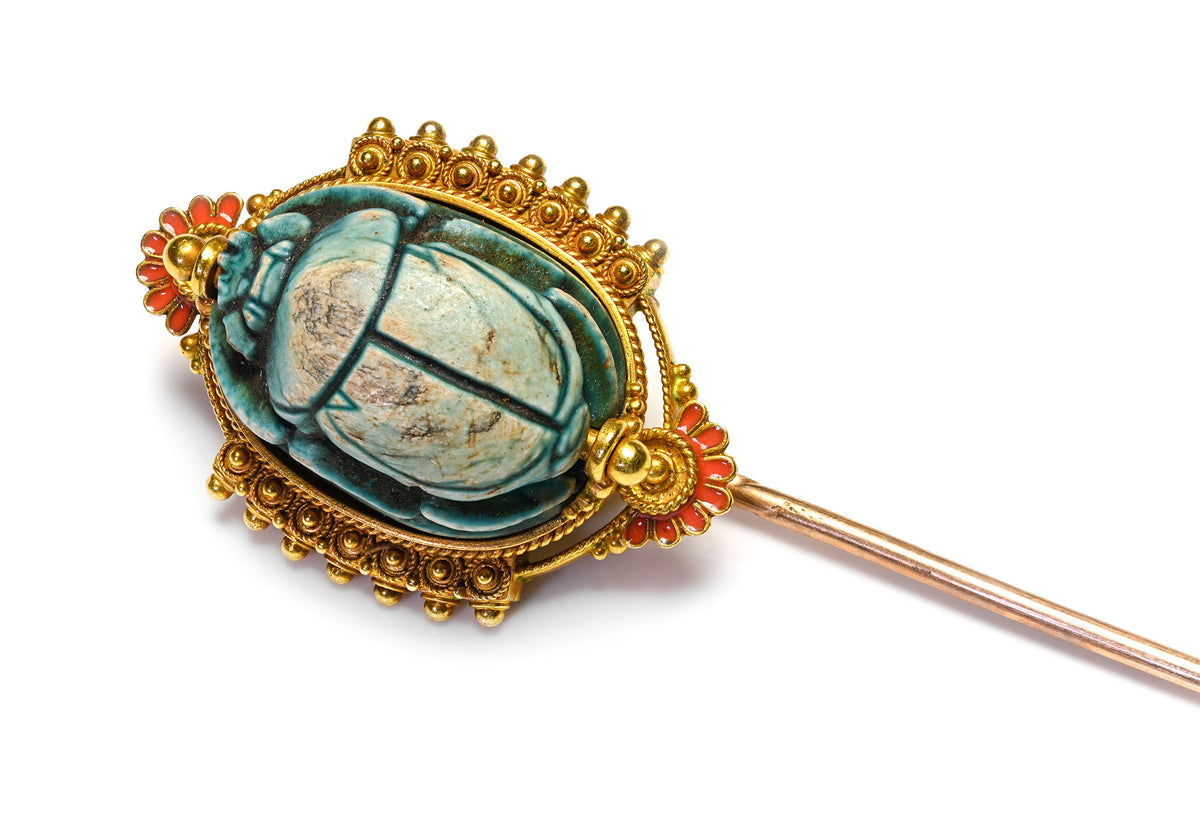
Georgian jewelry may feature hand fabrication, high-karat gold, silver-topped gold, closed-back settings, foil-backed gemstones, and early stone cuts. Victorian jewelry can include sentimental motifs, naturalistic design, enamel, seed pearls, Etruscan Revival details, and richly decorative gold work. Edwardian jewelry is often associated with platinum, diamonds, bows, garlands, and lace-like openwork.
Art Nouveau jewelry is admired for flowing lines, nature-inspired forms, enamel, female figures, and artistic individuality. Art Deco jewelry is often sought after for geometry, platinum, diamonds, calibré-cut gemstones, architectural design, and bold symmetry.
These period terms describe more than age. They help buyers understand design context, craftsmanship, construction, and historical appeal.
Those interested in period pieces can explore DSF’s Antique Jewelry Collection and read our Art Deco Jewelry Guide.
Vintage, Estate, and Contemporary Jewelry
Fine jewelry buying is not limited to antique pieces. Vintage, estate, and contemporary jewelry can all be highly desirable.
Vintage jewelry generally refers to older jewelry from a previous era, but not necessarily 100 years old. Estate jewelry simply means previously owned and may be antique, vintage, or modern. Contemporary jewelry refers to more recent pieces, including modern signed designer jewelry and collectible works by important brands or makers.
A contemporary signed jewel by Chanel, Dior, Hermès, Cartier, Tiffany & Co., Bulgari, or another important house may still be desirable if it has strong design, limited availability, fine materials, excellent condition, or recognizable brand identity.
This is why jewelry should be evaluated by more than age alone. A piece can be important because of maker, design, rarity, gemstone quality, craftsmanship, or condition, whether it is antique, vintage, estate, or contemporary.

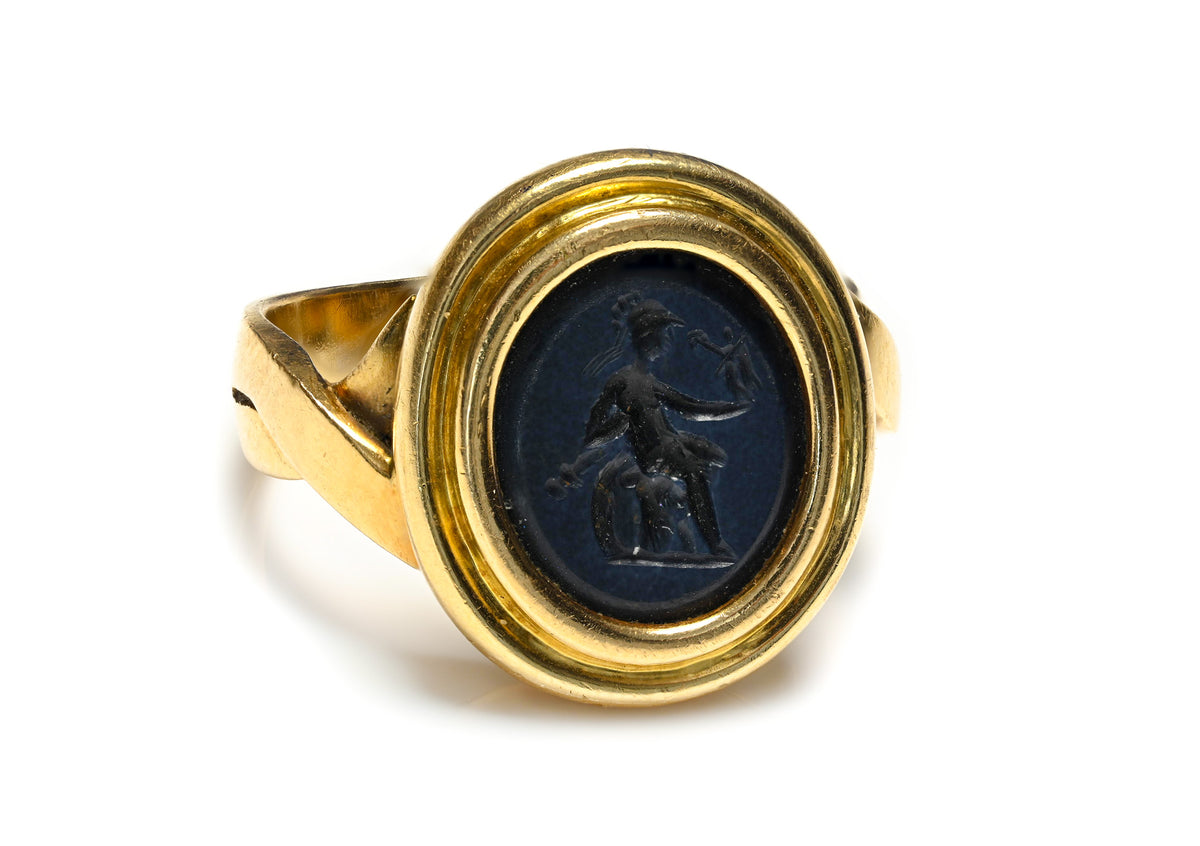
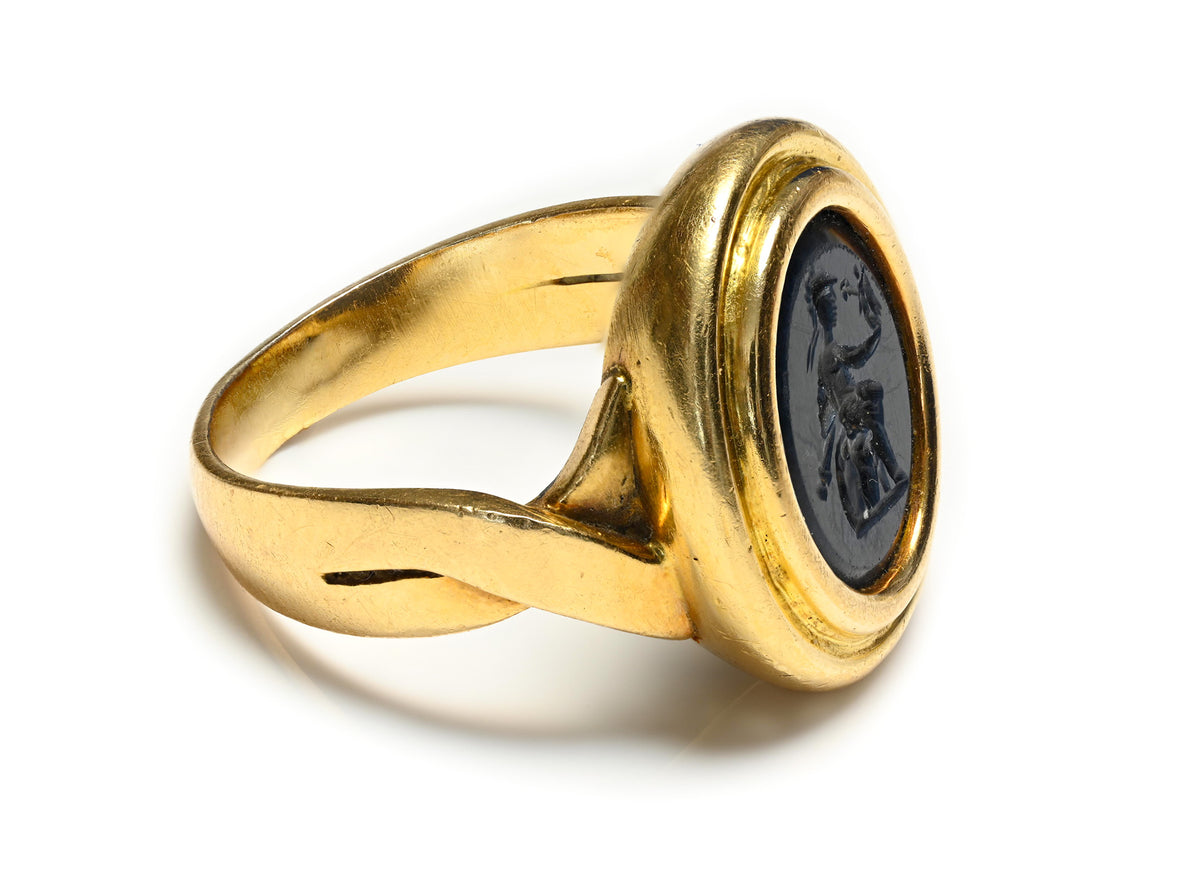
Victorian 18K Gold Engraved Shield Signet Ring
Gemstones, Diamonds, and Documentation
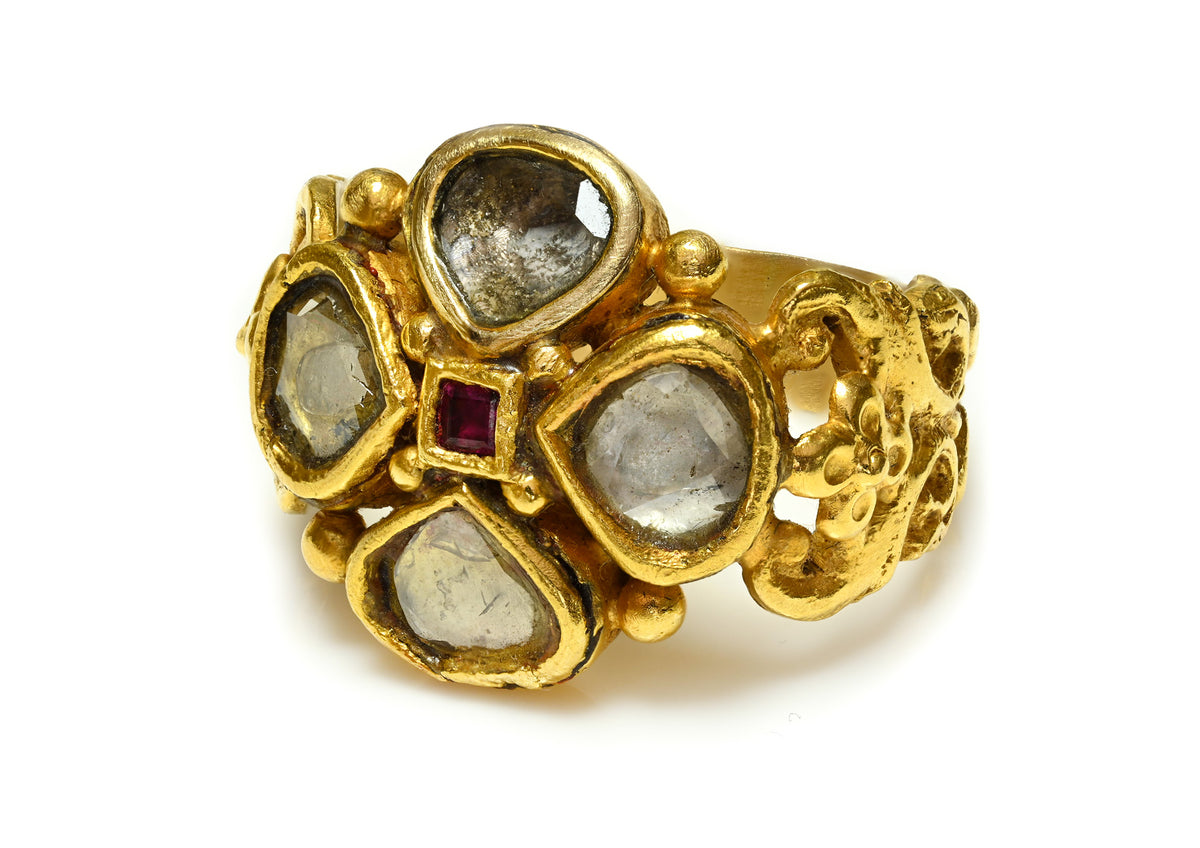
Gemstones can greatly influence the beauty, desirability, and value of a jewel. Diamonds, sapphires, rubies, emeralds, natural pearls, jade, turquoise, coral, lapis, and other materials may all contribute to a piece’s identity and appeal.
For rare gemstone jewelry, documentation may be especially important. Laboratory reports can help support gemstone identity, origin, treatment status, or natural formation. This is particularly meaningful for stones such as Kashmir sapphires, Burmese rubies, Colombian emeralds, natural pearls, and important diamonds.
Not every jewel needs a report, but when a report is included, it can provide valuable supporting information. Documentation may also include original boxes, receipts, certificates, appraisals, or archival material.
For more information, visit DSF’s Gemstone Reports & Jewelry Documentation.
Those interested in diamond pieces can explore DSF’s Diamond Jewelry collection.
Condition, Craftsmanship, and Wearability
Condition is essential in every jewelry category. Antique and vintage pieces may show signs of age, while signed designer and contemporary pieces may be judged more closely for surface condition, clasp function, enamel, stones, links, and finish.
Good craftsmanship can often be seen in the details: the quality of the setting, the security of stones, the finishing of the metal, the balance of the design, and the way a piece feels when worn. Fine jewelry should not only look beautiful; it should also be structurally sound and thoughtfully made.
Important details to review include:
Stone security
Prongs, bezels, hinges, clasps, and pin mechanisms
Surface wear and polishing
Originality of stones and components
Quality of repairs or alterations
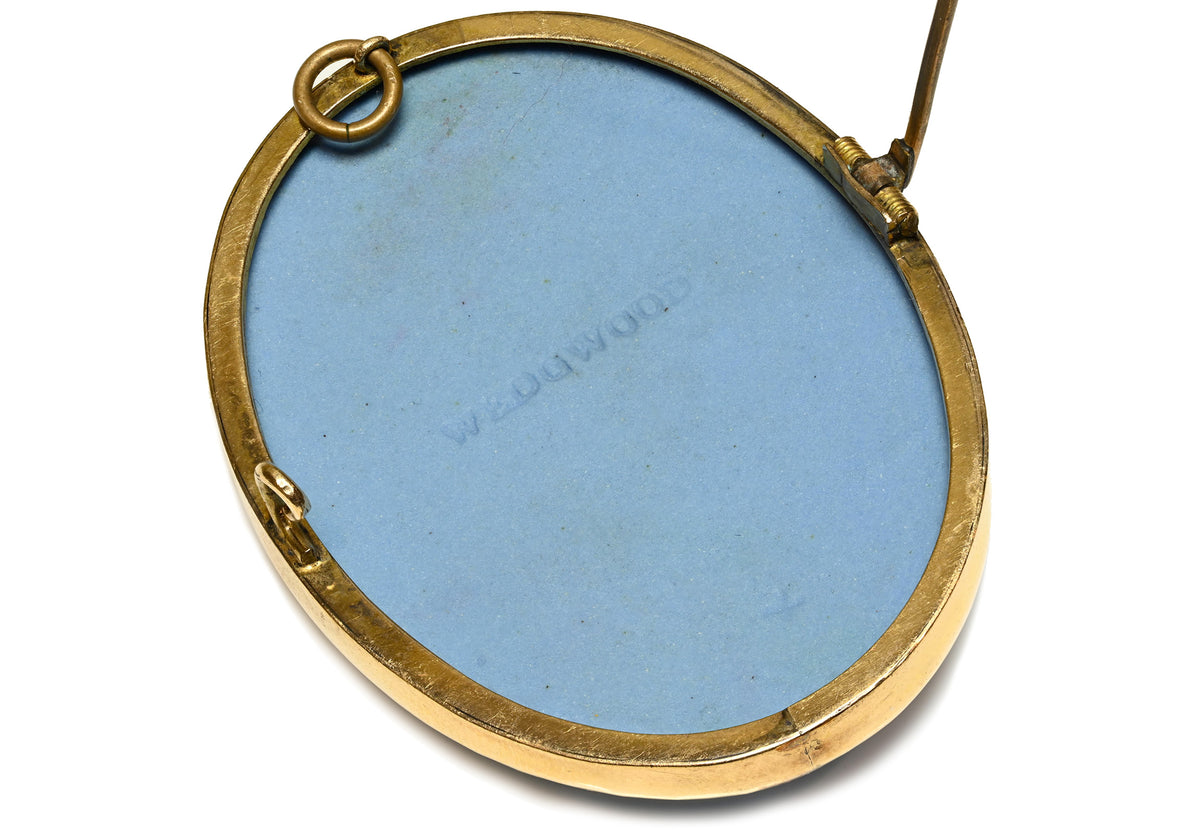
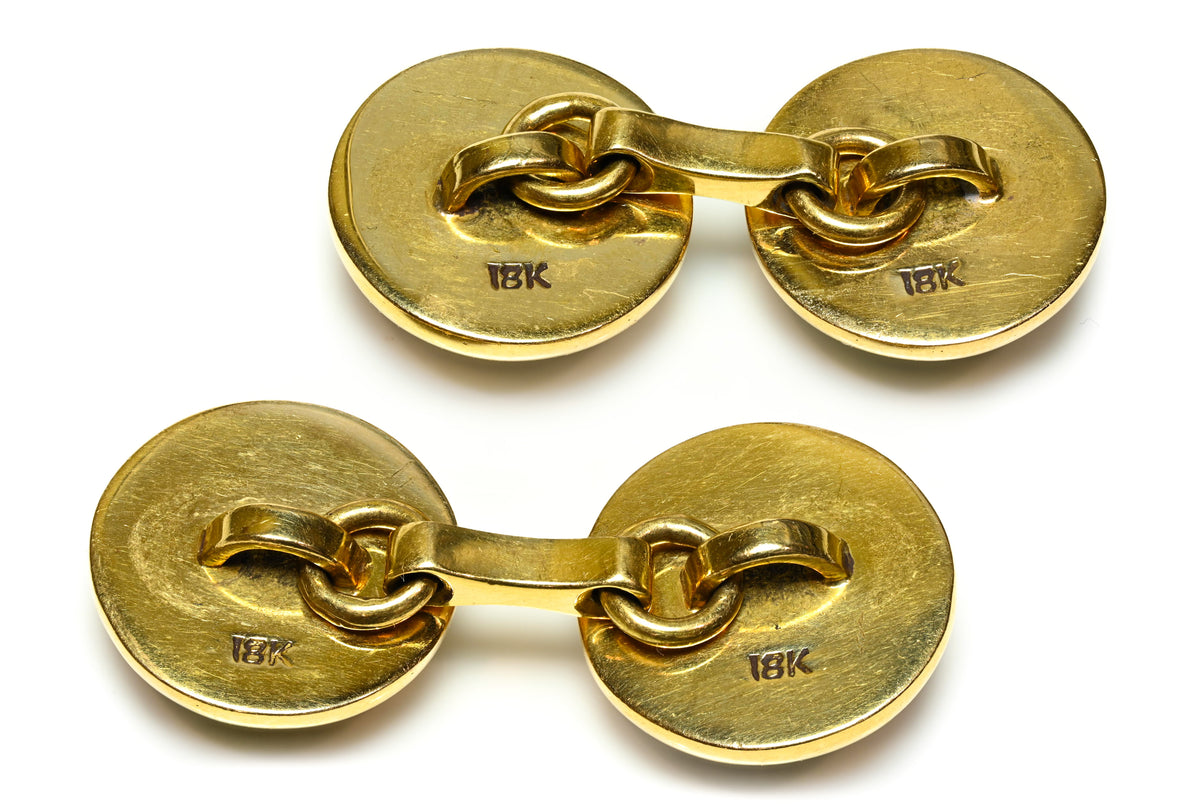
Engraving, hallmarks, maker marks, and signatures
Overall wearability
A jewel can be important, beautiful, and wearable at the same time. In many cases, that balance is part of the appeal.

Gemstone reports, documentation, and close visual examination can provide valuable context when evaluating fine jewelry and rare gemstones.
Rare Objects, Ancient Jewelry, and Historical Pieces
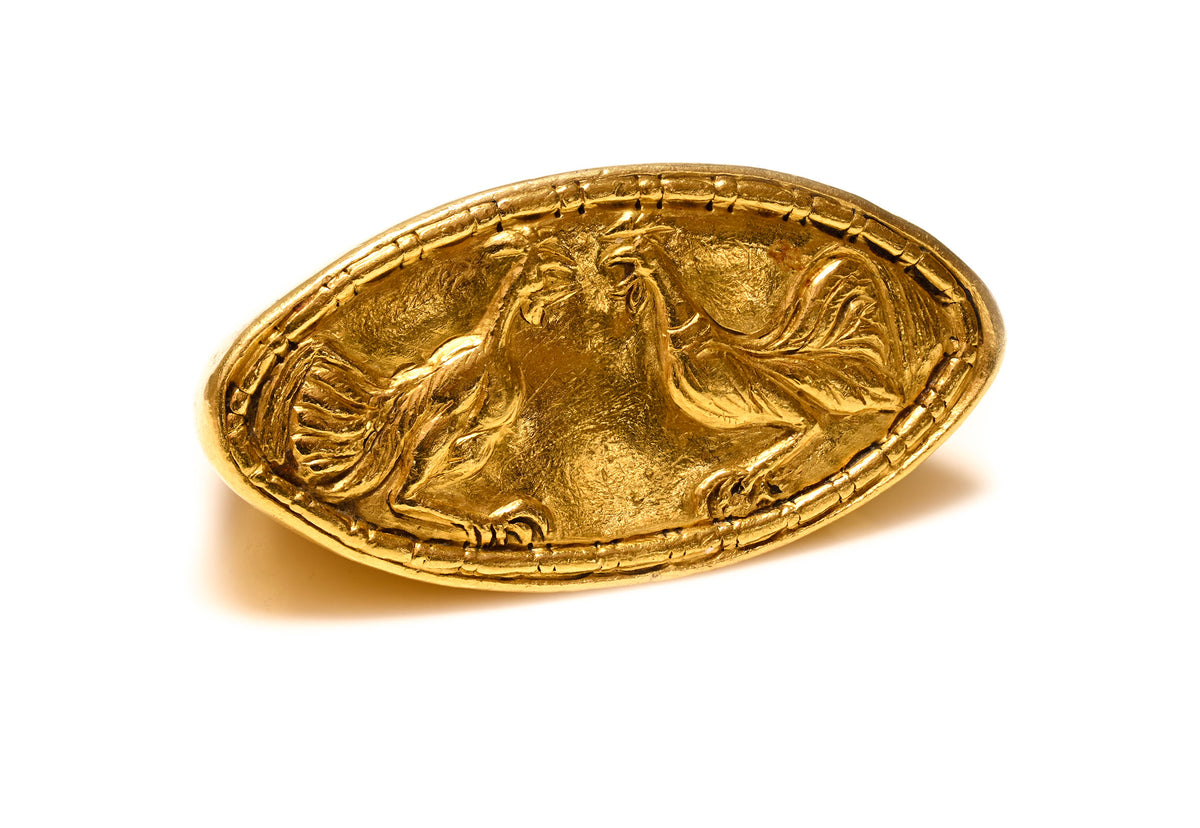
Some DSF pieces fall outside standard jewelry categories. Ancient rings, intaglios, amulets, seals, coin jewelry, rare objects, and later-mounted historical materials require special attention to description and context.
A piece may be entirely ancient, partially ancient, later-mounted, revival-style, or a modern jewel incorporating ancient material. These distinctions matter because they help buyers understand what they are purchasing and why the piece is significant.
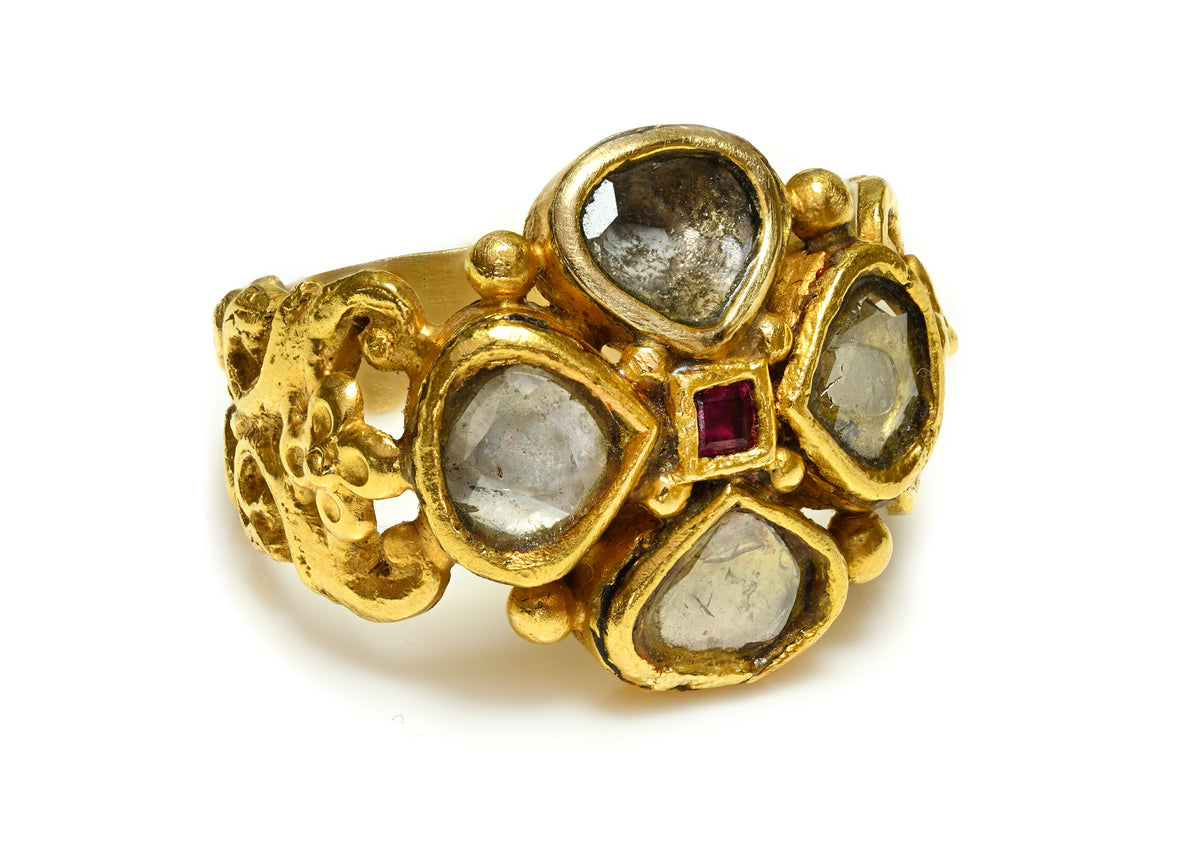
DSF’s Ancient Jewelry and Rare Objects collection includes ancient rings, pendants, stones, intaglios, amulets, coin jewelry, Pre-Columbian pieces, and rare historical objects selected for beauty, craftsmanship, and collector appeal.
How DSF Curates Fine Jewelry
DSF Antique Jewelry curates pieces across multiple jewelry categories, including fine jewelry, signed designer jewelry, vintage jewelry, estate jewelry, contemporary jewelry, rare gemstone jewelry, period jewelry, luxury watches, ancient jewelry, rare objects, and antique jewels.
Each piece is considered for its own qualities. For some jewels, the most important factor may be period craftsmanship. For others, it may be a maker signature, rare gemstone, strong design, condition, documentation, or rarity within a brand’s history.
DSF’s goal is to present jewelry with clarity, accuracy, and respect for its design, materials, condition, and context. Clients may request additional images, videos, measurements, hallmark photographs, gemstone report details, or condition information before purchase.
To ask about a specific piece or arrange a private appointment, visit Private Consultation or Contact Us.
Frequently Asked Questions
Is fine jewelry always antique?
No. Fine jewelry can be antique, vintage, estate, or contemporary. A piece may be desirable because of design, maker, gemstone quality, craftsmanship, condition, rarity, or wearability, not only because of age.
What is signed designer jewelry?
Signed designer jewelry refers to jewelry marked or attributed to a specific maker, designer, or jewelry house. Examples may include Cartier, Van Cleef & Arpels, Tiffany & Co., Bulgari, Boucheron, Chanel, Dior, Hermès, and other important names.
Is signed designer jewelry more valuable?
Signed designer jewelry can be more desirable, but value depends on authenticity, condition, materials, rarity, design, period, craftsmanship, and demand. The signature should be supported by the entire jewel.
What is the difference between vintage and estate jewelry?
Vintage jewelry usually refers to older jewelry from a previous era. Estate jewelry simply means previously owned and may be antique, vintage, or modern.
Does every jewel need a gemstone report?
No. Not every jewel requires a gemstone report. Reports are most useful for rare, valuable, or highly desirable gemstones such as Kashmir sapphires, Burmese rubies, Colombian emeralds, natural pearls, and important diamonds.
What should buyers look for before purchasing fine jewelry online?
Buyers should review condition, measurements, materials, signatures, hallmarks, gemstone details, documentation, return policy, shipping terms, and whether additional photos or videos are available.
To explore fine jewelry, signed designer pieces, vintage and estate jewelry, period jewels, rare gemstones, and selected antique pieces, visit DSF Antique Jewelry.